

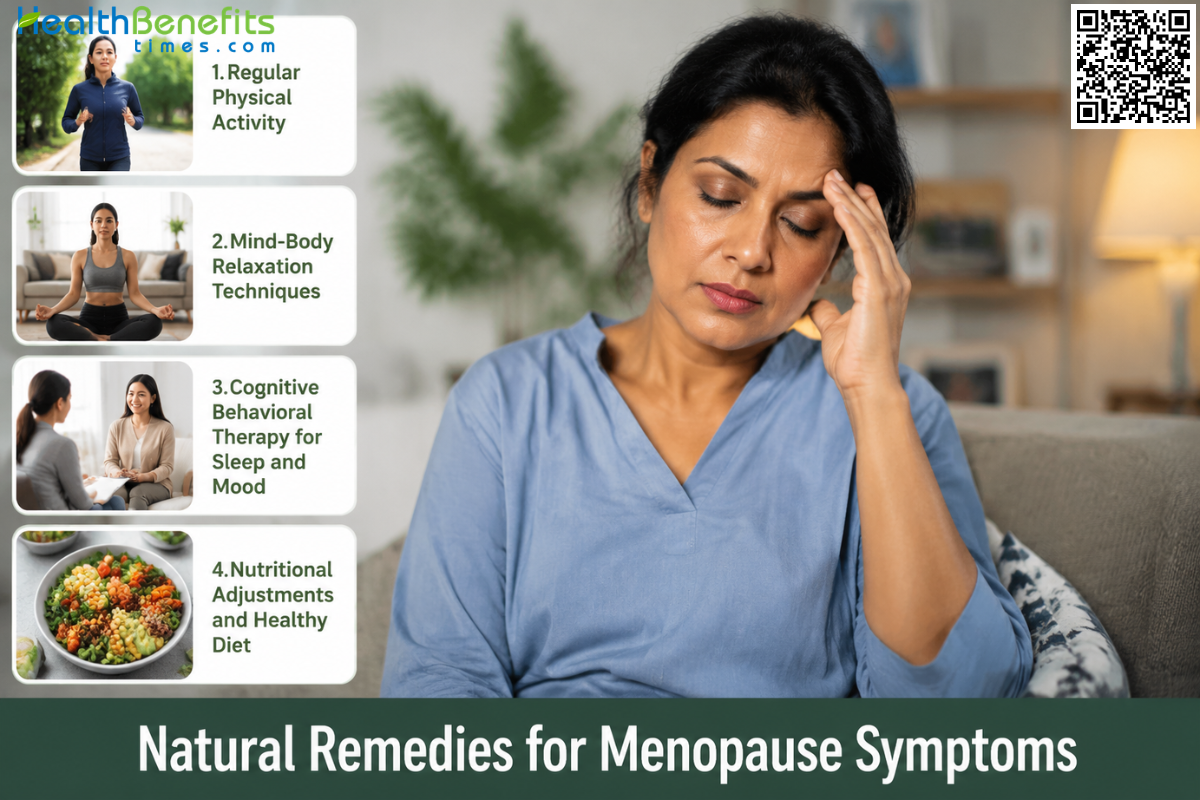
Menopause is a natural biological process that marks the permanent end of menstrual cycles and fertility. Clinically, it is confirmed once a person has gone 12 consecutive months without a menstrual period, signaling the end of the reproductive phase of life 1. This transition occurs because the ovaries significantly reduce their production of reproductive hormones, specifically estrogen and progesterone. While the average age for the onset of menopause is 51, the process often begins several years prior during a phase known as perimenopause, when hormone levels start to fluctuate and periods become irregular. Menopause is not a medical disorder but a normal aging event; however, the decline in hormone levels can cause physiological changes that impact bone density, cardiovascular health, and overall well-being as the body adjusts to a new hormonal baseline 2.
Causes of Menopause
1. Natural Biological Aging
The primary cause of menopause is the natural, age-related decline in reproductive hormones. As the body matures, the ovaries eventually run out of viable eggs, leading to a significant decrease in the production of estrogen and progesterone, which triggers the cessation of menstruation 1.
2. Surgical Removal of Ovaries
Menopause can be induced suddenly through a surgical procedure known as an oophorectomy, where both ovaries are removed. This results in an immediate drop in hormone levels, leading to what is clinically termed “surgical menopause” 2.
3. Medical Interventions and Treatments
Certain cancer treatments, such as pelvic radiation therapy or chemotherapy, can damage the ovaries and cause permanent or temporary menopause. Additionally, some medications used to treat conditions like endometriosis or breast cancer may intentionally suppress ovarian function to induce a menopausal state 3.
4. Primary Ovarian Insufficiency
In some cases, the ovaries fail to function normally before age 40 due to genetic factors, autoimmune disorders, or unknown causes. This condition, formerly called premature ovarian failure, results in early menopause as the ovaries stop producing sufficient hormones and releasing eggs prematurely 4.
Symptoms of Menopause
1. Vasomotor Symptoms
Hot flashes, which involve a sudden feeling of intense heat over the upper body, face, and neck, are the most commonly reported symptom. These are often accompanied by flushing and night sweats, which can lead to sleep disruption 1.
2. Irregular Menstrual Cycles
During the transition to menopause, the length of time between periods may fluctuate, and the flow may become heavier or lighter before cycles cease entirely 2.
3. Genitourinary Changes
Decreased estrogen levels can cause the tissues of the vagina to become thinner, drier, and less elastic. This may result in discomfort or pain during intercourse and an increase in the frequency of urinary tract infections or urgency 5.
4. Sleep Disturbances
Many individuals experience insomnia or difficulty staying asleep, often exacerbated by night sweats or anxiety, leading to daytime fatigue and irritability 1.
5. Mood and Cognitive Changes
Hormonal shifts are frequently associated with mood swings, irritability, or increased feelings of anxiety and depression. Some people also report difficulty with concentration or “brain fog” during this period 2.
Natural Remedies for Your Menopause Symptoms
1. Regular Physical Activity
How it may help
Consistent physical activity helps manage menopause symptoms by supporting bone density, improving sleep quality, and regulating mood. Regular exercise also assists in maintaining a healthy weight, which can reduce the frequency and severity of hot flashes while lowering the risk of heart disease and metabolic changes during this transition 1.
What research says
Evidence indicates that structured exercise programs, including aerobic activity and strength training, provide significant benefits for physical and psychological well-being. Clinical studies suggest these interventions effectively improve sleep duration and decrease the intensity of vasomotor symptoms, such as hot flashes, in menopausal individuals 2.
How to use it safely
To use it safely, incorporate a mix of weight-bearing exercises, such as walking or dancing, and resistance training to build muscle. Always start slowly and increase intensity gradually. It is advisable to consult a healthcare provider before beginning any new, high-intensity fitness program to ensure it fits your health status.
Potential precautions or side effects
Prior to starting, speak with your doctor if you have joint pain, heart concerns, or balance issues. Stop exercise immediately if you experience dizziness, chest pain, or severe discomfort.
2. Mind-Body Relaxation Techniques
How it may help
Mind-body practices, such as mindfulness meditation and yoga, help manage menopause symptoms by reducing stress levels and promoting emotional balance. By calming the nervous system, these techniques may decrease the physiological tension that often triggers or worsens the intensity of hot flashes, sleep disturbances, and irritability during the transition to menopause 6.
What research says
Scientific evidence demonstrates that mind-body interventions can be effective non-pharmacological tools for symptom management. Research suggests these practices significantly improve quality of life and sleep, while also helping individuals cope more effectively with the psychological challenges associated with hormonal fluctuations, ultimately reducing overall distress related to menopausal symptoms 6.
How to use it safely
To use these techniques safely, begin with guided sessions led by a qualified instructor or use reputable, non-commercial health apps. Focus on consistency rather than intensity; setting aside time daily for breathing or gentle movement is most beneficial. Ensure you are in a quiet, comfortable space to maximize the calming effects.
Potential precautions or side effects
While these practices are generally safe, avoid extreme physical postures if you have mobility issues. Consult a healthcare provider if you experience persistent emotional distress or severe anxiety.
3. Cognitive Behavioral Therapy for Sleep and Mood
How it may help
Cognitive Behavioral Therapy (CBT) helps manage menopause symptoms by identifying and changing negative thought patterns that contribute to anxiety and sleep disruption. By addressing the psychological impact of hormonal changes, this approach teaches practical skills to manage mood swings and improve overall restfulness during the menopausal transition 2.
What research says
Clinical research indicates that CBT is a highly effective, non-hormonal treatment for menopausal sleep problems and emotional distress. Studies show that individuals who participate in structured CBT sessions experience significant improvements in sleep quality and a reduction in the psychological symptoms often associated with menopause, such as irritability and low mood 2.
How to use it safely
To use CBT safely, work with a licensed therapist who specializes in behavioral medicine or menopause care. Many programs are available in clinical or group settings. Ensure your practitioner is board-certified to receive evidence-based care tailored to your specific symptoms and health goals.
Potential precautions or side effects
CBT carries no physical risks. However, addressing difficult emotions may temporarily increase awareness of stress; consult your provider if you experience worsening anxiety or persistent distress.
4. Nutritional Adjustments and Healthy Diet
How it may help
Adjusting nutritional intake helps manage menopause symptoms by supporting bone health and stabilizing metabolism. A balanced diet rich in calcium and vitamin D is essential to counteract the increased risk of bone loss. Additionally, focusing on whole foods can help regulate blood sugar, potentially reducing the frequency of hot flashes and irritability during this transition 1.
What research says
Evidence suggests that specific dietary patterns, particularly those emphasizing fruits, vegetables, and whole grains, are associated with a lower incidence of severe menopausal symptoms. Research indicates that maintaining adequate nutrient intake is critical for long-term health, helping to mitigate the increased risk of cardiovascular disease and osteoporosis often seen after menopause 2.
How to use it safely
To use this approach safely, focus on long-term eating patterns rather than restrictive diets. Ensure adequate intake of calcium-rich foods like dairy or fortified alternatives. Speak with a registered dietitian or your physician to create a personalized plan that addresses your specific health needs and nutrient requirements.
Potential precautions or side effects
Consult your doctor before starting any new dietary supplements to avoid interactions with medications. Avoid sudden, extreme caloric restriction, which may compromise bone density and overall energy levels.
5. W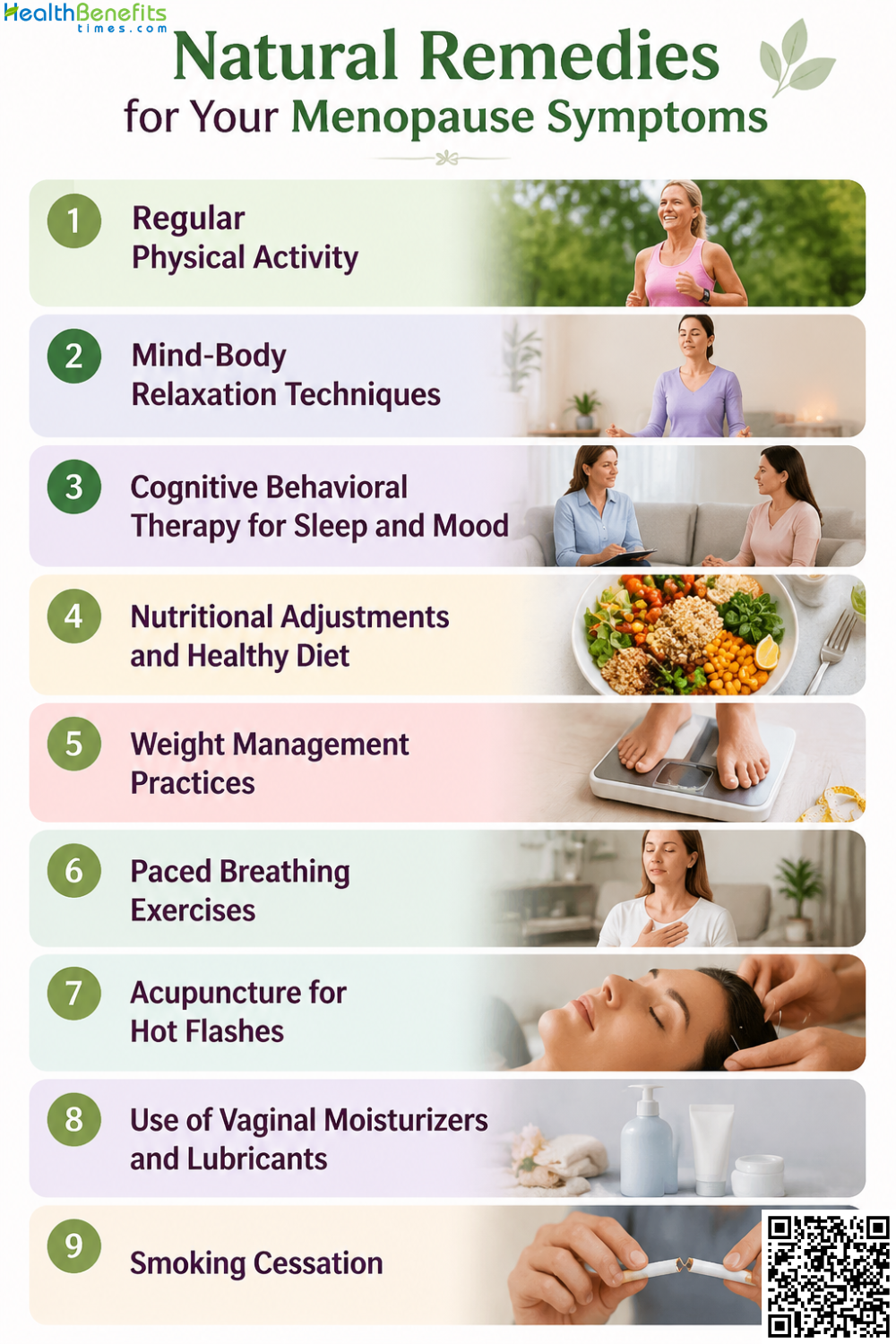 eight Management Practices
How it may help
Maintaining a healthy weight helps manage menopause symptoms by reducing metabolic strain and lowering the intensity of hot flashes. As estrogen levels decline, the body’s metabolism often slows, and fat distribution shifts; managing this transition helps reduce the risk of heart disease, diabetes, and bone loss, significantly improving long-term health outcomes during and after menopause 2.
What research says
Evidence shows that weight loss in overweight individuals can lead to a meaningful decrease in the frequency of vasomotor symptoms. Clinical findings indicate that even modest weight reduction effectively improves overall quality of life and lowers the long-term risk of chronic conditions frequently associated with post-menopausal health declines 2.
How to use it safely
To use this approach safely, focus on sustainable lifestyle changes rather than rapid weight loss. Combine a balanced, nutrient-dense eating plan with regular physical activity. Monitor your progress with a healthcare professional to ensure your approach supports muscle maintenance and overall nutritional health rather than just weight loss.
Potential precautions or side effects
Avoid restrictive “crash” diets, which can weaken bones and reduce muscle mass. Consult a doctor before beginning any intensive weight loss program to ensure it is appropriate.
6. Paced Breathing Exercises
How it may help
Paced breathing helps manage menopause symptoms by activating the body’s relaxation response. By practicing slow, deep, and rhythmic breaths, individuals can counteract the physiological stress often associated with hot flashes, potentially lowering the frequency and intensity of these episodes by calming the nervous system during a symptomatic event 6.
What research says
Research indicates that focused, slow-paced breathing is an effective non-drug approach for reducing the severity of hot flashes. Evidence suggests that practicing this technique regularly may provide a measurable reduction in vasomotor symptoms, offering a practical, accessible tool for individuals seeking to manage these occurrences without the use of medication 6.
How to use it safely
To use it safely, practice deep, diaphragmatic breathing by inhaling slowly through your nose and exhaling through pursed lips. Aim for about six to eight breaths per minute. You can perform these exercises whenever you feel a hot flash beginning or as a routine practice to promote general relaxation.
Potential precautions or side effects
Paced breathing is non-invasive and generally safe. Avoid hyperventilating; if you feel lightheaded or dizzy, return to your normal breathing rhythm immediately and rest.
7. Acupuncture for Hot Flashes
How it may help
Acupuncture is thought to help manage menopause symptoms by influencing the nervous system and regulating body temperature. By inserting thin, sterile needles into specific anatomical points, this therapy may help dampen the physiological triggers that lead to the sudden onset of hot flashes, providing a non-pharmacological option for symptomatic relief during the menopausal transition 6.
What research says
Research findings regarding the efficacy of acupuncture for hot flashes remain mixed. While some clinical studies suggest a potential reduction in the frequency and severity of hot flashes, other evidence remains inconclusive. Consequently, it is viewed as a complementary approach that may benefit some individuals, though it does not provide consistent results for everyone 6.
How to use it safely
To use it safely, ensure you seek treatment from a licensed, certified acupuncturist who uses sterile, single-use needles. Discuss your full medical history with the practitioner to ensure the treatment is appropriate for your specific health needs and goals.
Potential precautions or side effects
Acupuncture is generally safe when performed correctly. Potential minor side effects include temporary soreness, bruising, or mild bleeding at the site of needle insertion.
8. Use of Vaginal Moisturizers and Lubricants
How it may help
Vaginal moisturizers and lubricants help manage the discomfort caused by decreased estrogen levels during menopause. Moisturizers help maintain long-term hydration of vaginal tissues, while lubricants provide immediate comfort during sexual activity, effectively reducing dryness, irritation, and pain associated with the thinning of vaginal tissues as the body transitions through menopause 2.
What research says
Clinical evidence supports the regular use of these products as a primary, non-hormonal treatment for vaginal dryness. Research indicates that both over-the-counter moisturizers and lubricants are effective at alleviating symptoms and improving quality of life, often serving as the recommended first-line approach for addressing localized genitourinary discomfort in menopausal individuals 2.
How to use it safely
To use these products safely, select options designed specifically for vaginal use, which are generally pH-balanced and free from irritating fragrances. Apply them according to the package instructions. Consistent use of moisturizers, rather than occasional application, often provides the most effective long-term relief for persistent dryness.
Potential precautions or side effects
Potential side effects include mild local irritation or allergic reactions. If you experience persistent burning or itching, discontinue use and consult your healthcare provider to discuss alternative options.
9. Smoking Cessation
How it may help
Smoking cessation helps manage menopause symptoms by reducing the severity of hot flashes and protecting long-term health. Smoking is known to accelerate the depletion of ovarian hormones and negatively impact bone density and cardiovascular function, so quitting can mitigate the worsening of these symptoms while reducing risks for heart disease and osteoporosis 1.
What research says
Research confirms that smoking is linked to an earlier onset of menopause and more frequent, severe vasomotor symptoms. Studies indicate that individuals who quit smoking experience significant improvements in overall health outcomes and a reduction in the intensity of menopausal hot flashes compared to those who continue to smoke throughout the transition 1.
How to use it safely
To use this safely, consult your doctor to create a personalized quit plan. Using proven methods, such as counseling or approved nicotine replacement therapies, can significantly improve your success rate. Engage with support groups to help manage withdrawal and maintain your commitment to a smoke-free life.
Potential precautions or side effects
Common withdrawal symptoms include irritability, anxiety, and cravings. Speak with a healthcare professional regarding strategies to safely manage these temporary effects during the transition to quitting.
Foods to Avoid When You Suffer From Menopause
1. Spicy Foods
Capsaicin found in hot peppers can trigger the body’s cooling response, often worsening the intensity and frequency of hot flashes in many individuals 1.
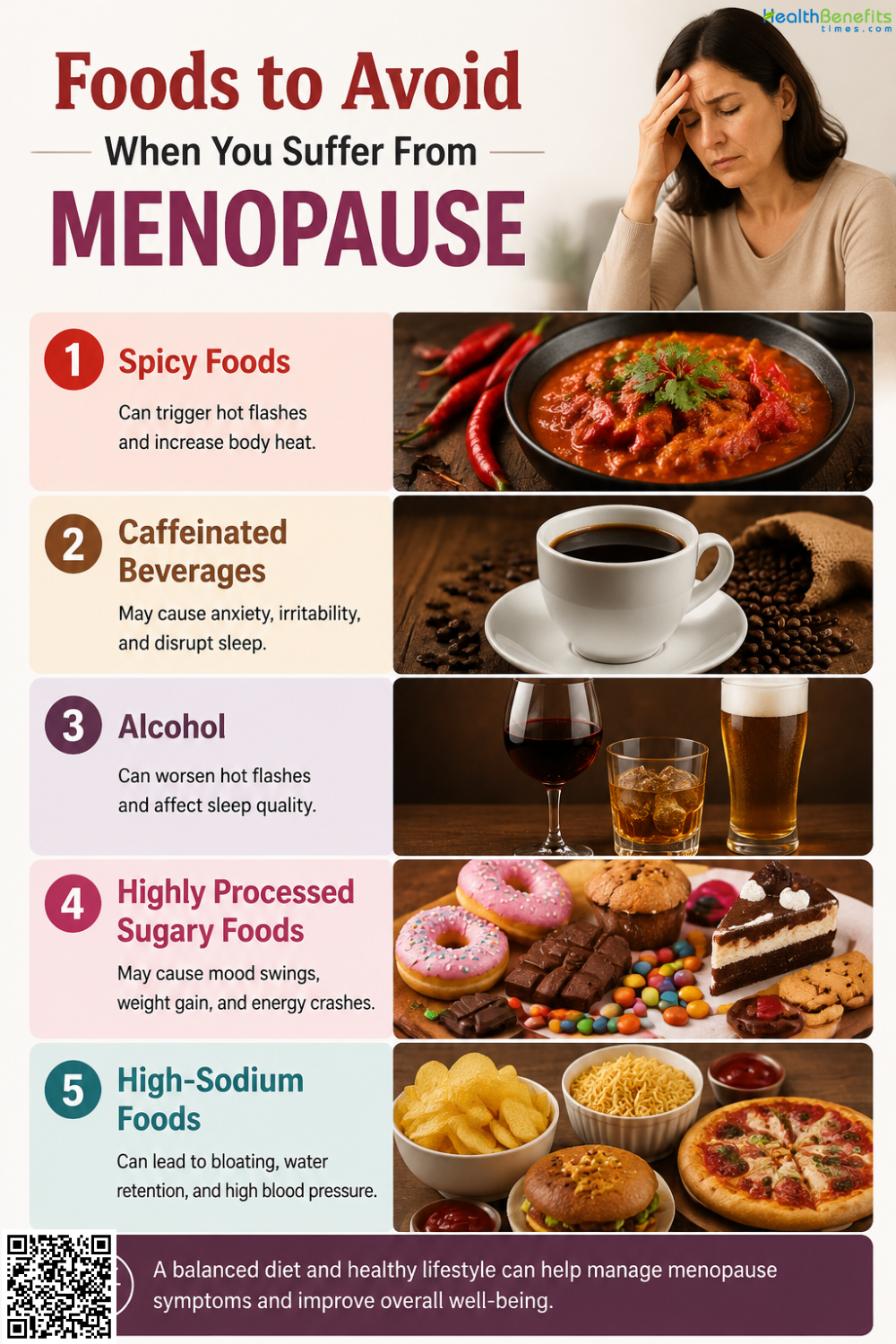
2. Caffeinated Beverages
Caffeine may increase heart rate and exacerbate symptoms like hot flashes and night sweats, while also interfering with the quality of sleep during the menopausal transition 2.
3. Alcohol
Regular alcohol consumption is linked to more frequent hot flashes and can disrupt sleep cycles, potentially intensifying mood swings and fatigue common during menopause 2.
4. Highly Processed Sugary Foods
Refined sugars can cause rapid spikes and crashes in blood glucose levels, which may trigger hot flashes and negatively impact mood stability and energy levels 1.
5. High-Sodium Foods
Excessive salt intake can lead to fluid retention and may increase blood pressure, which is a significant concern given the rising cardiovascular risks during menopause 2.
When to See a Doctor When You Struggle With Menopause
1. Post-Menopausal Bleeding
Seek immediate medical evaluation for any vaginal bleeding that occurs after 12 consecutive months without a period, as this requires ruling out serious underlying conditions 2.
2. Severe Symptoms
If hot flashes, night sweats, or mood changes are so intense that they disrupt your daily activities, work, or social life, consult a professional for management strategies 1.
3. Sleep Disruption
Persistent insomnia that significantly affects your daytime energy, concentration, or mood should be discussed with a doctor to identify potential treatments or behavioral interventions 2.
4. Concerns About Bone Health
Consult your healthcare provider if you have risk factors for osteoporosis, such as a family history or low bone density, to discuss screening and prevention 1.
5. Genitourinary Discomfort
Persistent vaginal dryness, irritation, or pain during intercourse warrants a visit to discuss available non-hormonal or medical treatments to improve your quality of life 2.