


The term overweight describes a physical condition in which an individual carries excess body fat to an extent that may negatively impact their overall health. Healthcare professionals primarily evaluate and diagnose this condition using the Body Mass Index (BMI), a standardized measurement that calculates weight in relation to height. For adults, a clinical classification of overweight is defined as having a BMI ranging between 25.0 and 29.9 1. This physical state generally results from a prolonged energy imbalance, meaning the body absorbs more calories from food than it expends through daily physiological functions and physical activity 2. Although it represents a lower physical mass than clinical obesity, carrying excess weight steadily increases mechanical and metabolic strain on the body. If unmanaged, this condition significantly elevates the risk of developing severe chronic diseases, including high blood pressure, type 2 diabetes, and cardiovascular complications 3.
Causes of Overweight
1. Energy Imbalance
The foundational cause of excess body weight is a chronic imbalance between energy intake and energy expenditure. When the total calories consumed from food and beverages consistently exceed the energy used for daily physiological functions and physical movement, the body stores the surplus energy as adipose tissue 2.
2. Genetic Predispositions
Genetics exert a significant influence on an individual’s susceptibility to weight gain by regulating metabolic rate, fat distribution, and the hormonal signals that control appetite. Variations in specific genes can alter how efficiently the body processes nutrients and stores fat, making some people physiologically more prone to accumulating excess mass 3.
3. Environmental and Lifestyle Factors
Modern environments, often characterized by the widespread availability of calorie-dense, ultra-processed foods and increasingly sedentary work or leisure activities, contribute substantially to weight gain. These factors reduce the necessity for physical exertion and increase the accessibility of foods that are not optimized for long-term health, facilitating a systemic positive energy balance 4.
4. Hormonal and Endocrine Dysregulation
Proper body weight management relies on a complex network of hormonal signals, such as leptin and insulin, which communicate satiety and energy needs to the brain. When these signaling pathways are disrupted by endocrine disorders or chronic inflammation, the body’s ability to accurately perceive fullness is impaired, often leading to involuntary overconsumption of calories 5.
5. Chronic Stress and Sleep Deprivation
Persistent psychological stress and insufficient sleep disrupt the neuroendocrine system, leading to elevated levels of cortisol. High cortisol levels promote the storage of fat, particularly in the abdominal region, while simultaneously increasing appetite for high-sugar and high-fat foods, creating a biological environment that strongly favors weight accumulation 6.
Symptoms of Overweight
1. Shortness of Breath During Exertion
The physical accumulation of excess fat around the chest wall and abdomen restricts the mechanical movement of the lungs. This extra mass forces the respiratory muscles to work significantly harder, leading to rapid breathing and oxygen strain during mild physical tasks 3.
2. Chronic Joint and Muscle Pain
Carrying excess body weight places constant mechanical stress on weight-bearing joints, particularly the knees, hips, and lower spine. Over time, this repetitive load accelerates the wear and tear of cartilage, causing physical discomfort, stiffness, and structural joint damage 7.
3. Excessive Sweating and Heat Intolerance
A larger layer of subcutaneous body fat acts as physical insulation, trapping heat inside the body core. To regulate internal temperature and expel this trapped heat, the central nervous system overstimulates sweat glands, causing heavy sweating during minimal exertion or in warm settings 1.
4. Persistent Daytime Fatigue
The metabolic strain of processing extra tissue combined with frequent, undetected nighttime breathing interruptions lowers overall sleep quality. This lack of deep sleep prevents proper physical recovery, leaving the body chronically tired and lacking energy throughout the day 8.
5. Skin Irritation and Chafing
The expansion of skin surface area creates natural folds where skin rubs together continuously. This friction, combined with trapped moisture and sweat, breaks down the protective skin barrier, leading to visible redness, painful chafing, and an increased risk of localized superficial infections 4.
Natural Remedies for Overweight
1. Dietary Soluble Fiber Supplements
How it may help
Soluble fiber absorbs water inside the digestive tract to form a thick, gel-like substance. This process physically slows down the emptying of the stomach and delays nutrient absorption. By prolonging digestion, soluble fiber stimulates the release of natural satiety hormones, which signal the brain to reduce overall hunger 9.
What research says
Clinical studies confirm that increasing soluble fiber intake consistently reduces body weight and body fat, even without intentionally restricting calories. Researchers conclude that daily soluble fiber supplementation effectively suppresses appetite and significantly decreases harmful visceral belly fat, making it a reliable intervention for long-term weight management 10.
How to use it safely
You should start with a small dose of about five grams daily to allow your digestive system to adjust. Always take soluble fiber supplements, such as psyllium husk, with at least eight ounces of water to prevent blockages and ensure proper gel formation in your stomach.
Potential precautions or side effects
Increasing fiber too quickly frequently causes temporary gas, severe bloating, and abdominal cramps. You must consume these supplements with adequate liquid to prevent choking or intestinal blockages.
2. High-Protein Foods
How it may help
Consuming high-protein foods increases the release of fullness hormones while decreasing levels of ghrelin, the primary hunger hormone. Furthermore, the body uses significantly more energy to digest and metabolize dietary protein compared to fats or carbohydrates, an automatic biological process that naturally boosts daily calorie burning 11.
What research says
Clinical trials consistently demonstrate that high-protein diets lead to greater weight loss and fat reduction compared to standard diets. Researchers conclude that increasing daily protein intake safely promotes long-term weight maintenance, suppresses late-night cravings, and preserves essential muscle tissue during active fat loss 12.
How to use it safely
You should aim to include a source of high-quality protein, such as lean poultry, fish, eggs, or legumes, in every meal. Spreading your protein intake evenly throughout the day maximizes feelings of fullness and prevents sudden hunger spikes more effectively than eating one large portion.
Potential precautions or side effects
Excessively high protein intake can strain compromised kidneys. You must consult a medical professional before starting a high-protein diet if you have a known history of impaired kidney function.
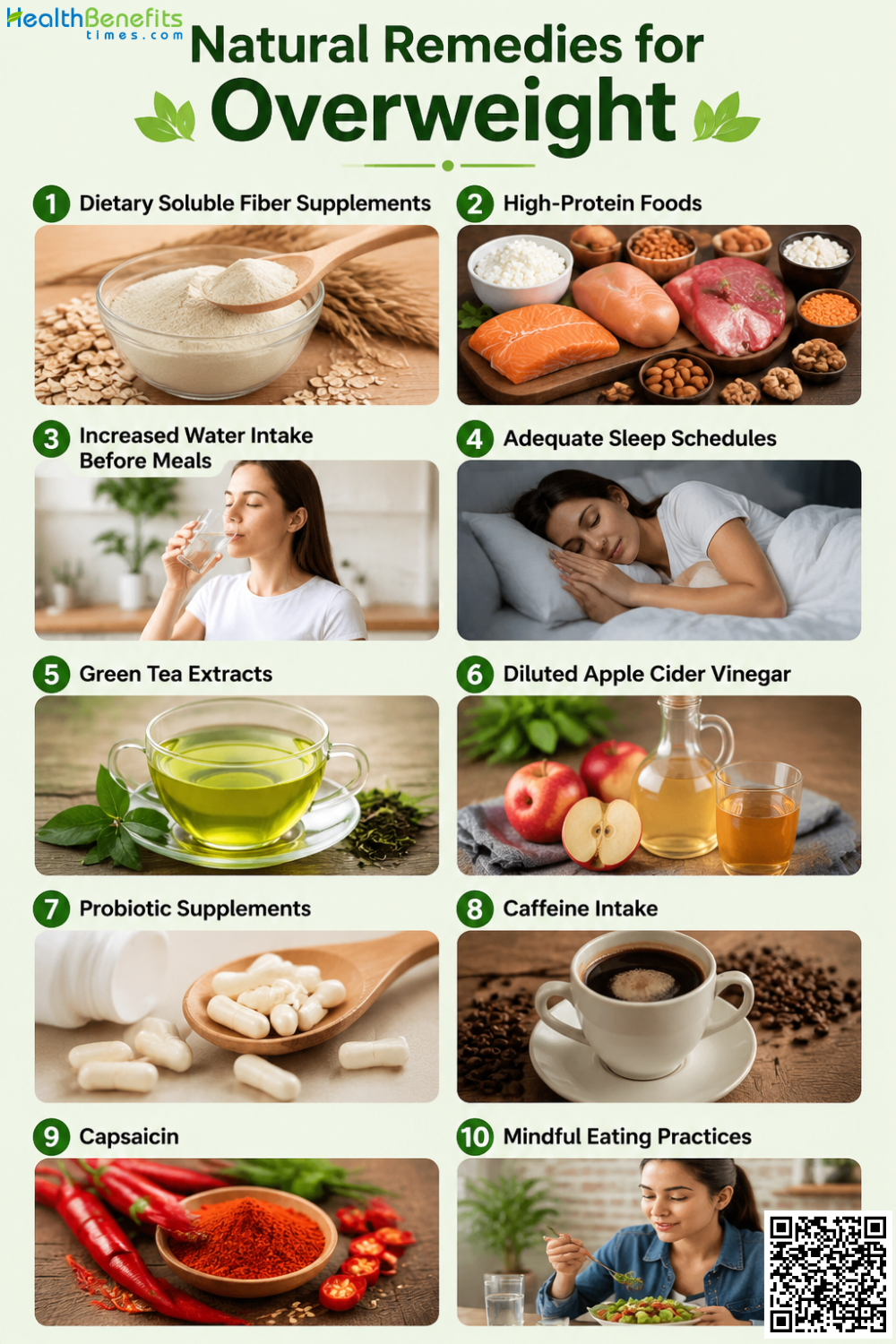
3. Increased Water Intake Before Meals
How it may help
Consuming water before eating physically stretches the stomach walls, which sends immediate fullness signals to the brain. This mechanical stretching directly reduces the urge to eat large portions. Additionally, drinking cold water temporarily increases the body’s resting metabolism, forcing it to burn extra calories to warm the fluid 13.
What research says
Clinical trials confirm that drinking five hundred milliliters of water thirty minutes before meals significantly increases weight loss compared to dietary modifications alone. Researchers conclude that this simple pre-meal routine naturally decreases total daily caloric intake and consistently promotes sustainable fat reduction over time 14.
How to use it safely
You should drink approximately two cups, or sixteen ounces, of plain water twenty to thirty minutes before your main meals. Sip the water gradually rather than drinking it all at once to allow your stomach to comfortably accommodate the fluid volume without causing sudden distension.
Potential precautions or side effects
Consuming massive amounts of water too rapidly can cause water intoxication, which dangerously dilutes blood sodium levels. You should avoid drinking excessive volumes and stick to the recommended amount.
4. Adequate Sleep Schedules
How it may help
Maintaining an adequate sleep schedule directly regulates the body’s primary appetite hormones. Sufficient rest keeps ghrelin, the hormone that stimulates hunger, at low levels while maintaining high levels of leptin, which signals fullness. This physical hormonal balance prevents excessive cravings for high-calorie foods that drive weight gain 15.
What research says
Clinical studies confirm that chronic sleep deprivation strongly predicts weight gain and obesity. Researchers conclude that sleeping less than seven hours per night actively alters glucose metabolism and increases overall daily caloric intake, making consistent, adequate sleep a necessary biological foundation for successful and sustainable weight management 6.
How to use it safely
You should establish a consistent routine by going to bed and waking up at the exact same time every day. Aim for seven to nine hours of uninterrupted sleep, and keep your bedroom cool, dark, and completely free of electronic screens to ensure deep, restorative rest.
Potential precautions or side effects
While adequate rest is essential, consistently sleeping more than nine hours daily may indicate underlying medical conditions. You should avoid relying on prescription sleep medications without direct medical supervision.
5. Green Tea Extracts
How it may help
Green tea contains a highly active plant compound called epigallocatechin gallate (EGCG) alongside natural caffeine. Together, these substances directly stimulate the central nervous system to increase the resting metabolic rate. This biological process forces fat cells to break down stored fats, releasing them to be burned for energy 16.
What research says
Clinical studies confirm that green tea extract significantly increases daily fat burning and enhances overall calorie expenditure. Researchers conclude that consistent consumption, particularly when combined with moderate physical activity, effectively reduces total body weight and specifically targets harmful visceral fat stored around the internal abdominal organs 17.
How to use it safely
You should consume two to three cups of naturally brewed green tea daily or take a standardized extract supplement containing 250 to 500 milligrams. Always take concentrated extracts with a solid meal to prevent severe stomach upset and maximize the safe absorption of the active plant compounds.
Potential precautions or side effects
Taking excessively high doses of concentrated green tea extract can cause severe liver toxicity. You must avoid high-dose supplements and monitor daily caffeine intake to prevent sudden anxiety and insomnia.
6. Diluted Apple Cider Vinegar
How it may help
Apple cider vinegar contains acetic acid, which physically slows down the emptying of the stomach. This delay prolongs nutrient digestion and stabilizes blood sugar levels, preventing sudden insulin spikes that trigger fat storage. It also increases immediate feelings of fullness, naturally reducing daily caloric intake 18.
What research says
Clinical trials confirm that consuming acetic acid daily significantly decreases total body weight, waist circumference, and dangerous visceral abdominal fat. Researchers conclude that routine vinegar intake safely suppresses body fat accumulation and improves metabolic health, making it an effective supplemental tool for obesity management 19.
How to use it safely
You should mix one to two tablespoons of raw apple cider vinegar into at least eight ounces of plain water. Drink this heavily diluted solution once or twice daily before meals. Always use a straw to minimize direct acid contact with your teeth.
Potential precautions or side effects
Consuming undiluted vinegar permanently erodes tooth enamel and causes severe chemical burns in the throat. You must dilute it properly and avoid intake if you have chronic acid reflux.
7. Probiotic Supplements
How it may help
Specific live bacteria, known as probiotics, actively alter the digestive tract’s internal environment. They physically block the absorption of dietary fats in the intestines, forcing the body to excrete them rather than store them. Additionally, these bacteria stimulate the release of appetite-reducing hormones to naturally decrease caloric intake 20.
What research says
Clinical trials demonstrate that daily supplementation with specific probiotic strains, particularly Lactobacillus gasseri, significantly reduces body weight and dangerous visceral belly fat. Researchers conclude that balancing gut bacteria safely improves lipid metabolism and lowers systemic inflammation, offering a practical intervention for managing clinical obesity 21.
How to use it safely
You should select a high-quality supplement containing at least one billion colony-forming units (CFUs) of Lactobacillus or Bifidobacterium strains. Take the capsule daily alongside a fiber-rich meal, as dietary soluble fiber provides the essential fuel these beneficial bacteria require to survive and multiply in your gut.
Potential precautions or side effects
Introducing new bacterial strains frequently causes temporary gas, mild bloating, or sudden digestive discomfort. You must consult a medical professional before use if you have a severely compromised immune system.
8. Caffeine Intake
How it may help
Caffeine acts as a powerful central nervous system stimulant. It directly signals fat cells to break down stored fat by increasing circulating adrenaline. Additionally, it increases the resting metabolic rate through thermogenesis, meaning the body actively burns more calories at rest simply to generate heat 22.
What research says
Clinical reviews confirm that consistent caffeine consumption significantly promotes reductions in weight, body mass index, and total body fat. Researchers conclude that every regular doubling of caffeine intake directly correlates with a measurable decrease in overall fat mass, making it a proven biological stimulant for metabolic management 22.
How to use it safely
You can safely consume up to four hundred milligrams of caffeine daily, which equals about three to four cups of plain, black coffee. You must avoid adding calorie-dense sugars or heavy creams, and stop consumption by early afternoon to prevent severe sleep disruption.
Potential precautions or side effects
Excessive caffeine frequently causes severe anxiety, a rapid heart rate, digestive upset, and chronic insomnia. You should restrict your intake if you have a known history of high blood pressure.
9. Capsaicin
How it may help
Capsaicin, the active compound found in chili peppers, functions as a natural metabolic stimulant. When consumed, it raises the body’s internal temperature and increases resting energy expenditure. This biological process, known as thermogenesis, forces the body to burn stored fat for heat while simultaneously signaling the brain to reduce overall appetite and daily calorie intake 23.
What research says
Clinical trials demonstrate that regular capsaicinoid consumption significantly increases daily energy expenditure and promotes the oxidation of body fat. Researchers conclude that consuming capsaicin before meals successfully reduces the appetite for calorie-dense foods, leading to a consistent negative energy balance that naturally supports long-term weight loss and abdominal fat reduction 24.
How to use it safely
You can incorporate small amounts of fresh or powdered chili peppers into your daily meals. Alternatively, you may take a standardized capsaicin supplement containing at least two milligrams before eating. Always consume these supplements alongside solid food to prevent stomach irritation and ensure optimal absorption.
Potential precautions or side effects
Consuming excess capsaicin frequently causes severe heartburn, acid reflux, and gastrointestinal distress. You must avoid high doses if you have a known history of stomach ulcers or chronic gastritis.
10. Mindful Eating Practices
How it may help
Mindful eating slows down food consumption, granting the brain adequate time to register physical fullness signals sent from the digestive tract. By actively focusing on internal hunger cues rather than emotional triggers or external distractions, this practice naturally prevents unintentional overeating and directly reduces overall daily caloric intake 25.
What research says
Clinical reviews demonstrate that mindfulness-based interventions significantly decrease binge eating, emotional eating, and stress-driven food cravings. Researchers conclude that mindful eating effectively promotes sustainable weight loss by permanently changing behavioral responses to food and significantly reducing total daily caloric consumption over time 26.
How to use it safely
You should eliminate all electronic distractions, such as televisions or smartphones, during meals. Focus completely on the taste and texture of your food, chew thoroughly, and set your utensils down between each bite to consciously slow your overall eating pace.
Potential precautions or side effects
Mindful eating is entirely safe for the general population. However, if you have a diagnosed history of severe eating disorders, you must practice these techniques under professional psychiatric supervision.
Foods to Avoid When You Suffer from Overweight
1. Sugar-Sweetened Beverages
Liquid sugars provide dense calories without inducing satiety. These drinks cause rapid blood glucose spikes, leading to increased insulin secretion and greater fat storage in adipose tissue 3.
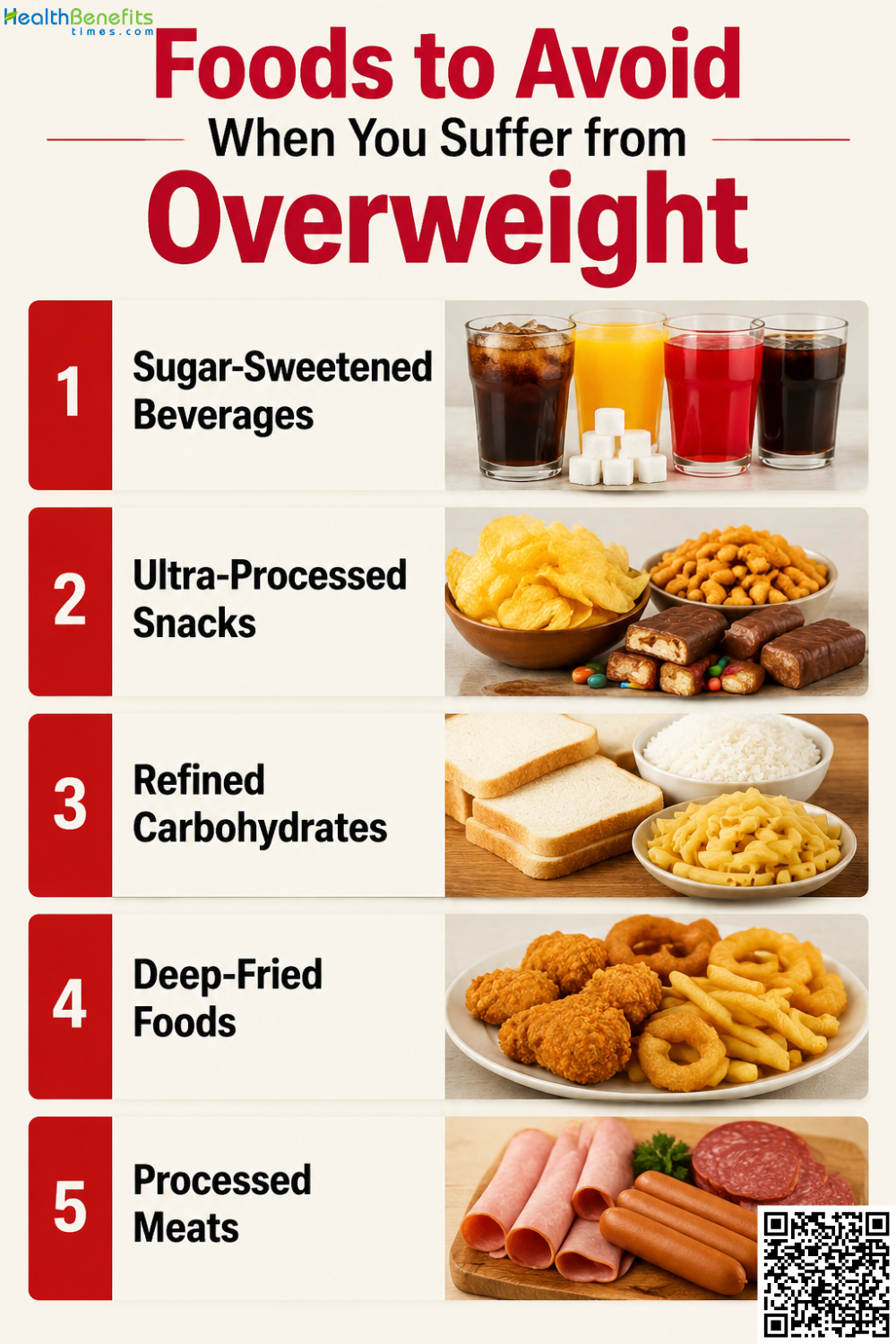
2. Ultra-Processed Snacks
These foods are engineered for high palatability and low nutrient density. They often contain refined flour and additives that disrupt hunger regulation, leading to excessive calorie consumption 5.
3. Refined Carbohydrates
Foods like white bread and pastries lack fiber, causing swift digestion. This results in significant insulin surges, which promote lipid synthesis and fat accumulation throughout the body 1.
4. Deep-Fried Foods
Fried items are exceptionally high in calorie-dense fats and harmful trans fats. Frequent intake contributes to chronic inflammation and metabolic dysfunction, significantly hindering weight management efforts 27.
5. Processed Meats
Items such as bacon and sausages are often high in sodium and saturated fats. Their high caloric density and influence on satiety hormones can encourage overeating and weight gain 28.
When to See a Doctor When You Struggle from Overweight
1. Failure of Lifestyle Changes
Consult a physician if consistent dietary modifications and increased physical activity fail to produce sustainable weight loss. Professional guidance may be necessary to identify underlying metabolic or hormonal issues 29.
2. Presence of Co-occurring Health Conditions
Seek medical evaluation if excess weight is accompanied by symptoms of high blood pressure, type 2 diabetes, or high cholesterol. These conditions require proactive, medically supervised clinical management 3.
3. Signs of Breathing or Sleep Disorders
See a doctor if you experience persistent snoring, daytime fatigue, or interrupted breathing during sleep. Excess weight often causes obstructive sleep apnea, which necessitates specific medical diagnosis and treatment 8.
4. Joint Pain and Limited Mobility
Consult a healthcare provider if carrying extra weight causes chronic pain in your knees, hips, or back. Mechanical strain can lead to joint degeneration, requiring specialized care for physical management 7.
5. Concerns About Hormonal Health
Seek professional help if you notice rapid, unexplained weight gain alongside mood changes, fatigue, or irregular menstrual cycles. These symptoms may suggest an endocrine disorder that requires diagnostic medical testing 30.