

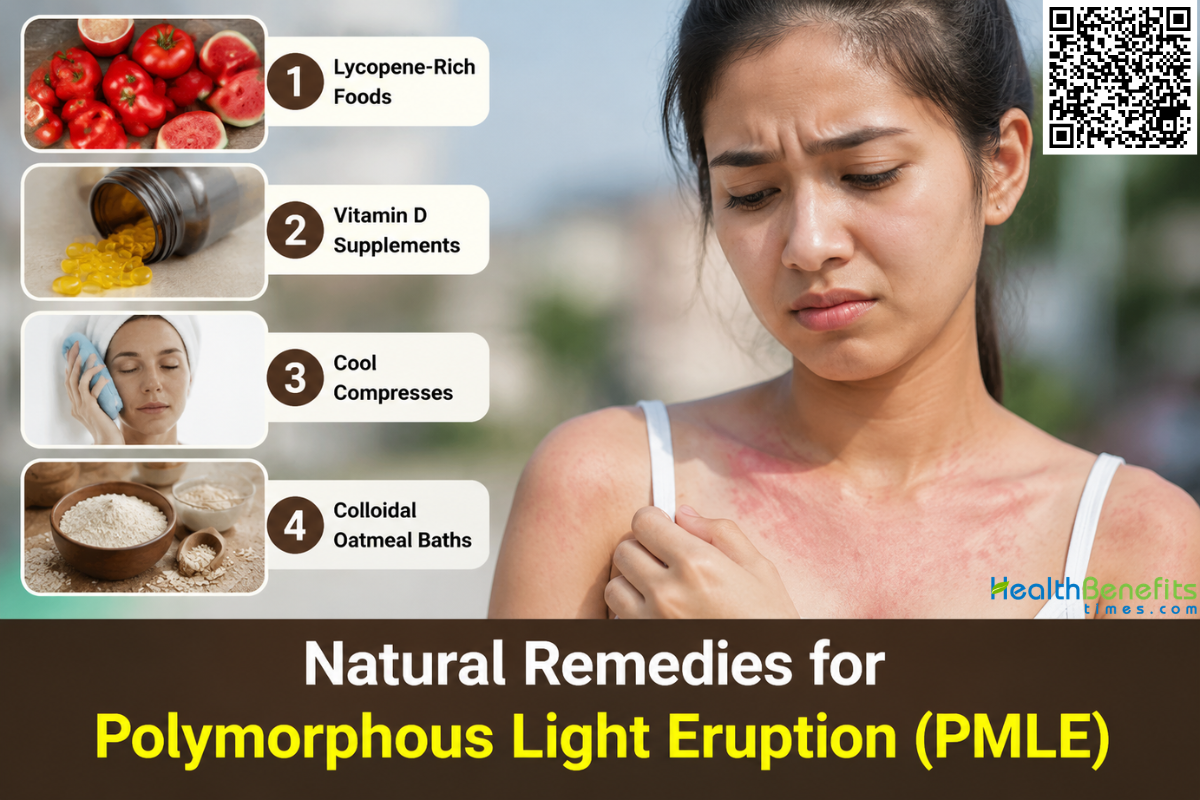
Polymorphous Light Eruption (PMLE) is a medical condition characterized by an abnormal, reoccurring skin reaction to sunlight. Clinically identified as the most common immunologically mediated sensitivity to ultraviolet (UV) radiation, it occurs when the immune system mistakenly identifies sun-altered skin cells as a foreign threat 1. This delayed hypersensitivity response prevents normal UV tolerance, triggering a severely itchy, stinging rash composed of red bumps, fluid-filled blisters, or raised patches 2. Unlike an immediate sunburn, PMLE lesions develop hours to days after sun exposure and frequently appear on newly exposed areas like the chest, neck, and arms, while typically sparing the face 3. The condition follows a distinct seasonal pattern, with severe outbreaks peaking during the first intense sun exposures of spring and gradually improving as the skin naturally builds physical UV tolerance throughout the summer months 1.
Causes of Polymorphous Light Eruption (PMLE)
- Ultraviolet (UV) Radiation Exposure: The primary environmental trigger is exposure to Ultraviolet A (UVA) rays, though Ultraviolet B (UVB) and visible light from natural sunlight or artificial medical sources can also provoke the condition in some individuals 1.
- Delayed Immune Hypersensitivity: The disorder is fundamentally driven by an abnormal immune system response where UV light alters normal skin proteins, causing the body to mistakenly identify and attack these changed proteins as dangerous foreign invaders 1.
- Defective Skin Immunosuppression: In healthy individuals, UV radiation naturally suppresses local skin immunity to prevent inflammation, but patients with PMLE have a biological defect that prevents this natural immunosuppression, allowing severe cellular inflammation to proceed unchecked 1.
- Genetic Susceptibility: A strong polygenic inheritance pattern indicates that individuals with a family history of PMLE are significantly more likely to develop the condition, pointing to inherited genetic traits that disrupt normal immune tolerance to sunlight 1.
- Hormonal Influences: Because the condition affects females much more frequently than males, clinical evidence suggests that female hormones, specifically estrogen, may actively interfere with the body’s ability to maintain normal immune tolerance following UV exposure 1.
Symptoms of Polymorphous Light Eruption (PMLE)
- Delayed Rash Onset: The physical skin reaction does not occur immediately during sun exposure; instead, the rash typically develops several hours to a few days after sunlight touches the skin 1.
- Intense Itching and Burning: The affected skin becomes severely itchy, and individuals frequently experience a localized stinging or burning sensation just before and during the appearance of the rash 1.
- Small Red Bumps and Raised Patches: The most common visual sign is a dense cluster of small, solid red bumps or larger, raised, inflamed patches of skin 1.
- Fluid-Filled Blisters: In some variations of the condition, the skin eruption presents as tiny, fluid-filled blisters that can occasionally break open and crust over as they heal 1.
- Specific Location Patterns: The rash predominantly appears on body parts that are suddenly exposed to spring or summer sunlight—such as the upper chest, neck, and outer arms—while notably sparing the face and continuously exposed areas 1.
- Spontaneous Healing Without Scarring: As long as the skin is protected from further sunlight, the eruption naturally resolves completely within one to two weeks without leaving permanent scars 1.
Natural Remedies for Polymorphous Light Eruption (PMLE)
1. Gradual Sunlight Exposure
How it may help
Gradual sunlight exposure helps the skin build a natural physical tolerance to ultraviolet rays. This process, clinically known as “hardening,” slowly thickens the outer skin layer and gently trains the immune system to stop attacking sun-altered cells, effectively preventing the severe allergic rashes associated with the condition 1.
What research says
Clinical research confirms that repeated, low-dose exposure to ultraviolet light successfully desensitizes the skin in most patients. Studies show that this hardening process significantly reduces seasonal immune hypersensitivity, allowing individuals to endure longer periods of sun exposure during the summer without developing painful skin eruptions 1.
How to use it safely
You should start in early spring by exposing bare skin to sunlight for just a few minutes daily. Slowly increase your time outside by only five to ten minutes each week. Always avoid peak sunlight hours between 10 a.m. and 4 p.m. during this desensitization process 1.
Potential precautions or side effects
Increasing sun exposure too quickly can directly trigger a severe skin eruption. You must strictly limit your time outdoors if you experience any itching, stinging, or early rash symptoms 1.
2. Physical Sun Protection and Ultraviolet-Blocking Clothing
How it may help
Physical barriers directly block both UVA and UVB rays from penetrating the epidermis. This prevents the initial structural changes to skin proteins that trigger the abnormal immune system response, effectively stopping the allergic rash and fluid-filled blisters from developing altogether 1.
What research says
Clinical guidelines confirm that tightly woven fabrics and garments specifically rated for ultraviolet protection are highly effective at preventing light-induced skin eruptions. Evidence shows that physical clothing blocks UV radiation more consistently than chemical sunscreens, making it a critical primary defense for severe photosensitivity 1.
How to use it safely
You should consistently wear long-sleeved shirts, full-length pants, and wide-brimmed hats when spending time outdoors. Select garments featuring a specific Ultraviolet Protection Factor (UPF) rating of 50 or higher to ensure maximum defense against penetrating sun rays.
Potential precautions or side effects
Wearing dense, long-sleeved clothing during extreme summer heat significantly increases your risk of overheating, excessive sweating, and dangerous heat exhaustion 4.
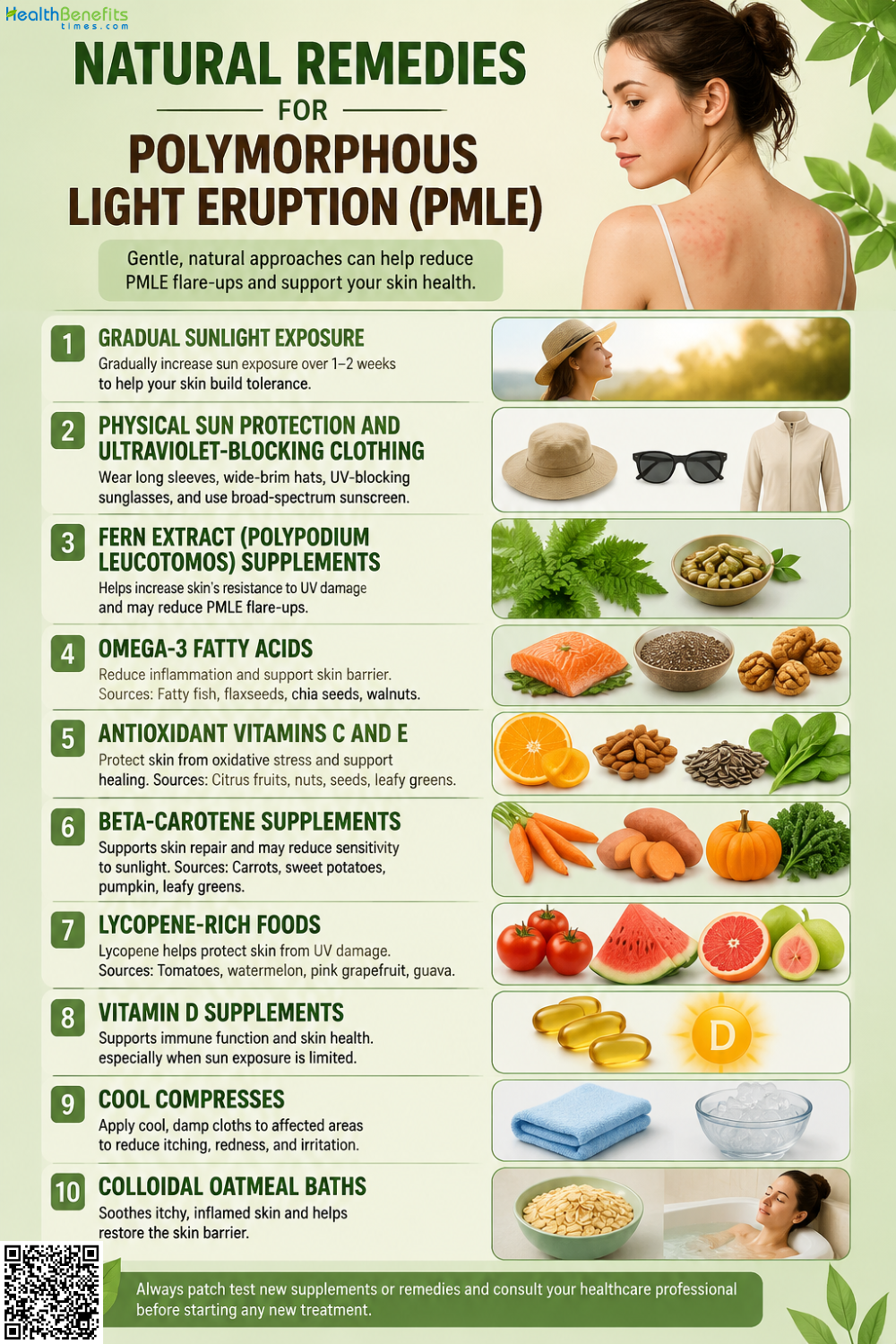
3. Fern Extract (Polypodium Leucotomos) Supplements
How it may help
Fern extract contains powerful natural antioxidants that protect skin cells from sudden ultraviolet radiation. By reducing the harmful oxygen molecules generated by sunlight, it prevents the underlying photo-oxidative damage and cellular inflammation that trigger the immune system’s allergic skin response in photosensitive individuals 5.
What research says
Clinical trials demonstrate that taking oral fern extract significantly decreases the severity and frequency of light-induced skin eruptions. Evidence shows that this natural supplement effectively increases the amount of ultraviolet radiation the skin can safely tolerate before a delayed allergic reaction occurs 6.
How to use it safely
You should take the oral supplement daily during the peak spring and summer months. Experts typically recommend a clinical dose of 240 to 480 milligrams taken one to two hours before direct sun exposure to ensure maximum internal skin protection 5.
Potential precautions or side effects
Fern extract is generally well-tolerated but may occasionally cause mild stomach upset. You must consult a doctor before starting if you are pregnant or taking daily prescription medications 5.
4. Omega-3 Fatty Acids
How it may help
Omega-3 fatty acids naturally lower the body’s production of inflammatory chemicals triggered by ultraviolet radiation. By reducing these internal inflammatory signals, they help calm the overactive immune response in the skin, which decreases the severity of severe itching, redness, and delayed allergic rashes associated with sun sensitivity 7.
What research says
Clinical studies demonstrate that taking fish oil supplements increases the skin’s physical resistance to ultraviolet rays. Research concludes that high daily doses of omega-3s significantly raise the threshold for sunburn and noticeably reduce the severity of immune-mediated skin eruptions following sudden sun exposure 8.
How to use it safely
You can naturally increase your intake by eating fatty fish like salmon or by taking a daily fish oil supplement. Experts typically recommend standard doses of 1,000 to 2,000 milligrams of combined EPA and DHA to effectively support skin health and manage chronic inflammation safely 9.
Potential precautions or side effects
High doses can cause mild stomach upset and increase bleeding risks. You must consult a doctor before starting if you take prescription blood-thinning medications 9.
5. Antioxidant Vitamins C and E
How it may help
Antioxidant vitamins C and E work together to neutralize harmful molecules, called free radicals, created when ultraviolet rays hit the skin. By preventing this cellular oxidative damage, these vitamins stop the microscopic skin changes that trigger the immune system’s allergic response, effectively reducing sun-induced rashes and inflammation 10.
What research says
Clinical studies demonstrate that taking oral vitamins C and E together significantly increases the skin’s physical resistance to ultraviolet radiation. Research concludes this combination reduces severe sunburns and decreases the underlying cellular damage that provokes delayed light-sensitive skin eruptions much better than taking either vitamin alone 10.
How to use it safely
You can naturally increase your intake by eating citrus fruits, almonds, and sunflower seeds. If using oral supplements, clinical protocols frequently recommend combining 1,000 milligrams of vitamin C with 400 International Units (IU) of vitamin E daily to safely maximize your internal sun protection 10.
Potential precautions or side effects
Taking high doses of vitamin E can increase bleeding risks. You must consult a doctor before starting these supplements if you currently take prescription blood thinners 11.
6. Beta-Carotene Supplements
How it may help
Beta-carotene is a natural pigment that accumulates in the skin and acts as an internal sun shield. It neutralizes dangerous oxygen molecules created by ultraviolet rays, which prevents the cellular damage that triggers the immune system’s abnormal inflammatory response and painful skin rashes 12.
What research says
Clinical reviews indicate that taking systemic beta-carotene supplements for several weeks provides measurable, continuous protection against sunburn. Research confirms it significantly increases the skin’s natural resistance to ultraviolet radiation, effectively reducing the severity of sun-induced inflammatory skin disorders and delayed allergic reactions 13.
How to use it safely
You should start taking supplements at least ten weeks before summer sun exposure begins, as the protective pigment builds up slowly. Experts generally recommend a daily dose of 15 to 30 milligrams to safely achieve an effective level of internal skin defense 12.
Potential precautions or side effects
High doses can temporarily turn your skin yellowish-orange. You must avoid beta-carotene supplements entirely if you currently smoke, as they significantly increase the clinical risk of developing lung cancer 14.
7. Lycopene-Rich Foods
How it may help
Lycopene is a powerful natural antioxidant found primarily in red fruits and vegetables. It accumulates in the skin and neutralizes cell-damaging molecules created by ultraviolet rays. By preventing this initial sun damage, lycopene helps stop the immune system from triggering the inflammatory allergic reactions characteristic of sun sensitivity 15.
What research says
Clinical studies confirm that consuming lycopene significantly increases the skin’s natural defense against ultraviolet radiation. Researchers conclude that eating a diet rich in tomato paste provides measurable protection against sun-induced redness and cellular damage, effectively reducing the severity of immune-mediated light eruptions over time 15.
How to use it safely
You should eat cooked tomato products, such as tomato paste or sauce, daily for several weeks before intense sun exposure. Cooking tomatoes and pairing them with a healthy fat, like olive oil, significantly increases your body’s ability to absorb the protective lycopene 15.
Potential precautions or side effects
Lycopene is extremely safe, but eating excessive amounts can temporarily turn your skin an orange-yellow color. This harmless condition resolves completely once you reduce your intake 16.
8. Vitamin D Supplements
How it may help
Vitamin D acts as a powerful natural immune system regulator within the skin. By promoting proper cellular function, it helps suppress the abnormal inflammatory response triggered by ultraviolet light. This immune modulation prevents the body from attacking its own sun-altered cells, reducing severe rashes associated with light sensitivity 17.
What research says
Clinical studies demonstrate that patients with light-induced skin eruptions frequently have low serum vitamin D levels. Researchers conclude that correcting this deficiency with oral supplements significantly improves the skin’s immune tolerance, which directly decreases the severity of recurring allergic skin reactions following sudden ultraviolet radiation exposure 18.
How to use it safely
You should have a doctor check your blood levels before beginning supplementation. Experts generally recommend a standard daily dose of 600 to 800 International Units (IU) of vitamin D3 to maintain adequate skin health and safely support normal immune function during peak summer months 19.
Potential precautions or side effects
Taking extremely high doses over time causes toxic calcium buildup in the blood. You must stop supplementation and consult a doctor if you experience severe nausea or persistent weakness 19.
9. Cool Compresses
How it may help
Cool compresses physically lower the skin’s temperature, which naturally constricts superficial blood vessels. This restricted blood flow reduces localized tissue swelling and redness. Additionally, the cold sensation temporarily numbs hyperactive nerve endings, providing immediate, natural relief from the intense itching and burning associated with delayed sun rashes 1.
What research says
Clinical guidelines recognize cold application as an effective, non-invasive treatment for acute skin inflammation. Medical experts conclude that cooling inflamed tissues successfully interrupts the brain’s itch signals, offering reliable, short-term symptomatic relief for the severe discomfort and fluid-filled blisters that characterize active light-induced skin eruptions 1.
How to use it safely
Soak a clean, soft cloth in cold water and wring out the excess. Apply the damp cloth directly to the irritated rash for ten to fifteen minutes. You may repeat this soothing process several times throughout the day to manage periods of intense itching.
Potential precautions or side effects
Never apply solid ice directly to bare skin, as extreme cold can freeze the tissues, causing severe frostbite and permanent cellular damage to the already compromised skin 1.
10. Colloidal Oatmeal Baths
How it may help
Colloidal oatmeal contains specific natural plant compounds, called avenanthramides, which act as powerful anti-inflammatory and anti-itching agents. When dissolved in water, the finely milled powder forms a protective barrier over the skin, locking in moisture and rapidly calming the severe irritation characteristic of sun-induced allergic rashes 20.
What research says
Clinical research demonstrates that colloidal oatmeal significantly reduces the body’s production of inflammatory chemicals. Dermatological studies conclude that it effectively repairs the damaged skin barrier and provides substantial, immediate relief from severe itching and redness in patients suffering from acute inflammatory skin eruptions 20.
How to use it safely
You should sprinkle one cup of unflavored, finely ground colloidal oatmeal into a lukewarm bath. Soak the affected skin for ten to fifteen minutes. Always avoid hot water, as elevated temperatures will directly aggravate the rash and intensify your itching.
Potential precautions or side effects
Dissolved oatmeal makes bathtub surfaces extremely slippery, increasing fall risks. You must discontinue use immediately if you develop unexpected swelling, which indicates a rare clinical oat allergy 20.
Foods to Avoid When You Suffer from Polymorphous Light Eruption (PMLE)
1. Celery and Parsley
Consuming these vegetables introduces furocoumarins, which are natural compounds that strongly amplify the skin’s physical sensitivity to ultraviolet light, directly exacerbating sun-induced rashes 21.
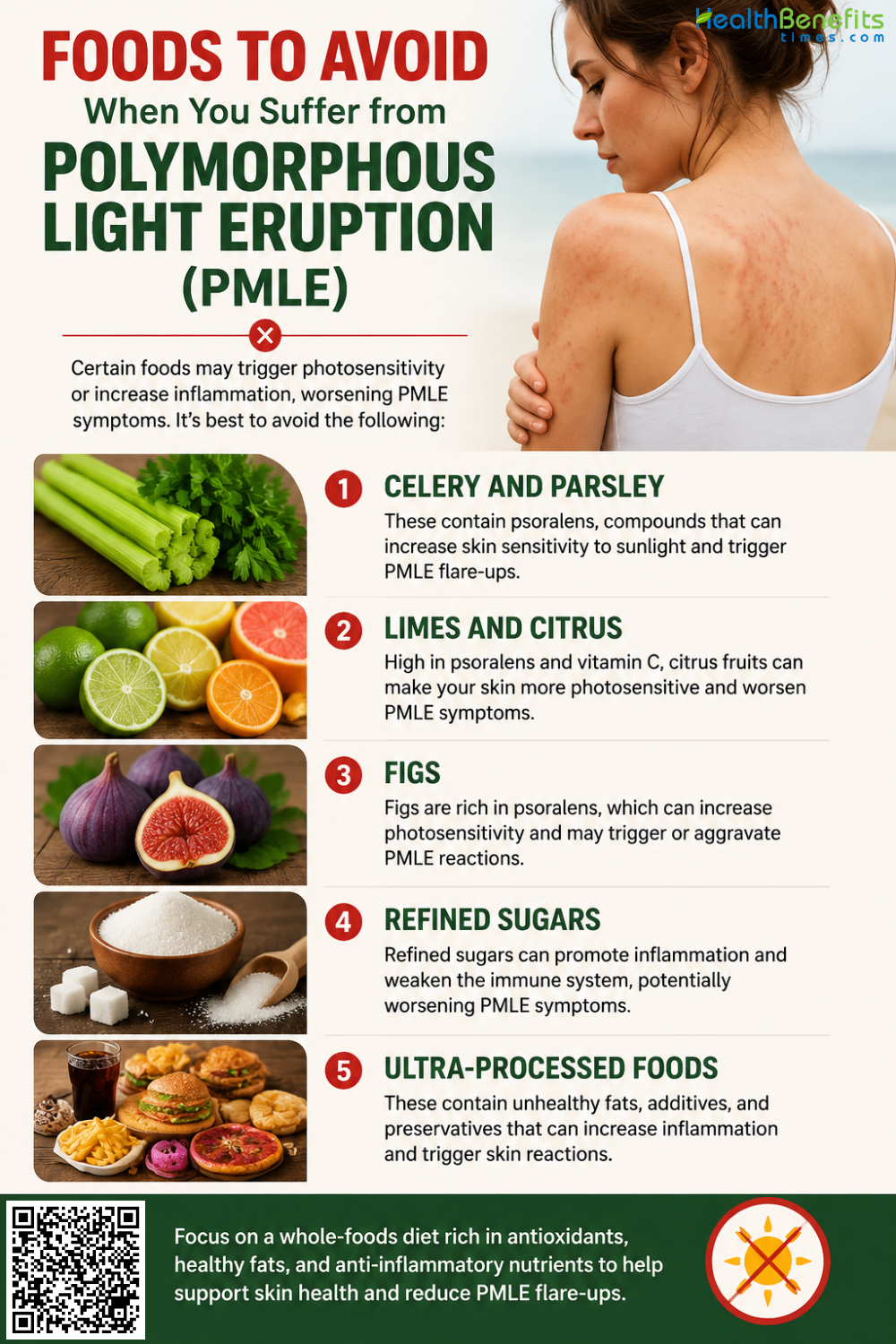
2. Limes and Citrus
These fruits contain high levels of photosensitizing psoralens that circulate to the skin, actively increasing cellular vulnerability to ultraviolet radiation and worsening immune-mediated skin eruptions 21.
3. Figs
Figs contain natural light-sensitizing chemicals that lower the body’s natural threshold for ultraviolet damage, directly intensifying abnormal inflammatory responses following sudden summer sun exposure 21.
4. Refined Sugars
High intake of refined sugar triggers the systemic release of inflammatory cytokines, which aggressively prolongs the severe itching and tissue swelling characteristic of allergic skin reactions 22.
5. Ultra-Processed Foods
These items contain artificial additives and trans fats that provoke chronic internal immune inflammation, actively slowing the natural cellular healing process of damaged, sun-exposed skin tissues 23.
When to See a Doctor When You Struggle From Polymorphous Light Eruption (PMLE)
1. Severe or Widespread Blistering
You should seek immediate medical evaluation if the sun-induced rash develops large, painful blisters or covers extensive areas of your body, indicating severe clinical photodermatosis 1.
2. Accompanying Systemic Symptoms
Consult a doctor if the skin eruption occurs alongside fever, chills, or extreme fatigue, which clinically suggest serious autoimmune conditions like systemic lupus erythematosus 1.
3. First-Time Appearance
You must see a healthcare provider the very first time you experience delayed sun rashes to clinically rule out other dangerous light-sensitive metabolic disorders like porphyria 24.
4. Lack of Healing
Schedule a medical examination if the intensely itchy rash persists or actively worsens after two weeks of strict sun avoidance and standard home protective measures 1.
5. Signs of Infection
Seek prompt clinical care if the scratched skin patches leak yellow pus, feel unusually hot, or develop spreading redness, signaling a secondary bacterial skin infection 1.