

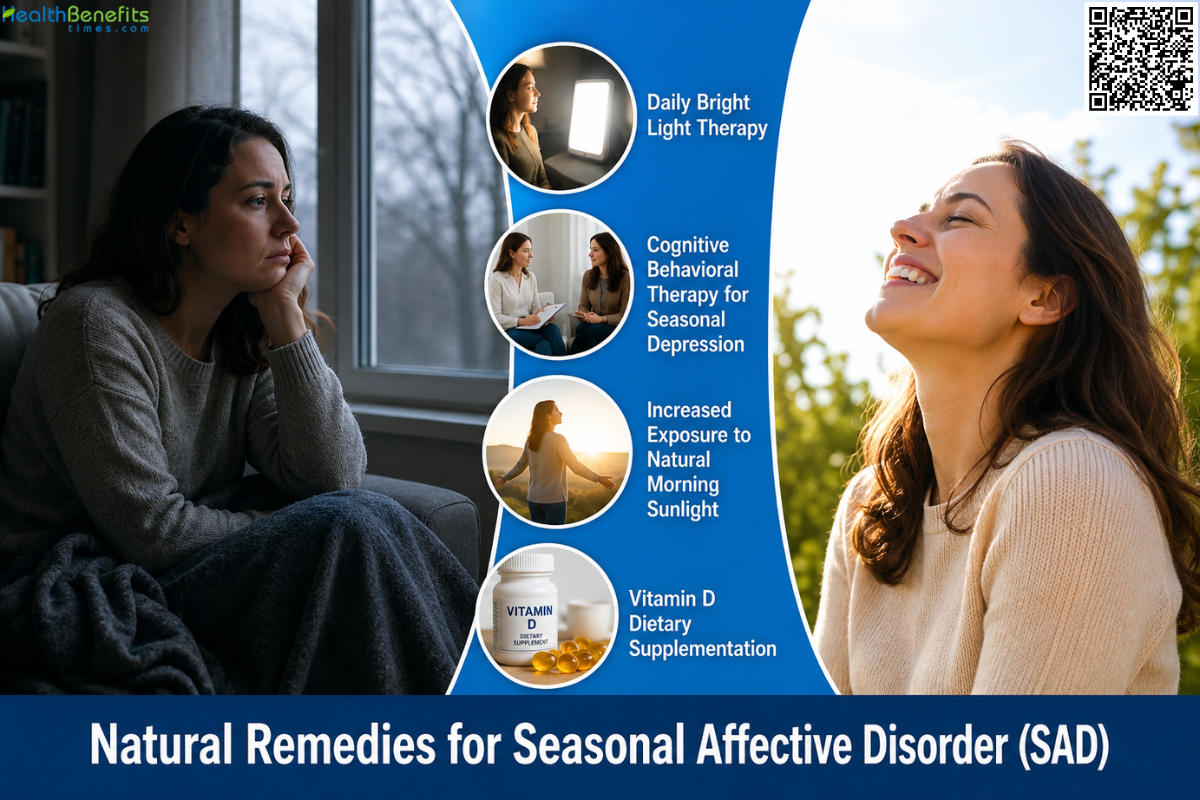
Seasonal affective disorder (SAD) is a specific subtype of major depressive disorder characterized by recurrent depressive episodes that follow a predictable seasonal pattern, most commonly beginning in late autumn or winter and resolving by spring. While many people experience mild mood changes during colder months, clinical research confirms that winter-pattern SAD involves severe, atypical symptoms such as excessive sleepiness, chronic fatigue, intense carbohydrate cravings, and sudden weight gain 1. The condition is primarily triggered by reduced sunlight exposure during shorter winter days, which disrupts the body’s internal clock and alters crucial brain chemicals involved in mood regulation 2. Based on final research conclusions, daily bright light therapy—using a specialized lamp to artificially simulate natural sunlight—remains the most highly effective, first-line clinical treatment for rapidly improving these seasonal symptoms 3.
Causes of Seasonal Affective Disorder (SAD)
1. Circadian Rhythm Disruption
Reduced sunlight exposure during the shorter days of fall and winter can disrupt the body’s natural internal clock, or circadian rhythm, which normally regulates daily sleep and wake cycles. This biological misalignment between the environmental light-dark cycle and the body’s internal timing leads directly to the prolonged sleep disturbances and behavioral shifts seen in seasonal affective disorder 4.
2. Decreased Serotonin Levels
Serotonin is a vital brain chemical responsible for regulating mood, and its normal activity is heavily influenced by daily exposure to natural sunlight. The lack of daylight during winter months impairs the molecules that maintain serotonin balance, causing a significant drop in serotonin levels that actively triggers seasonal depressive symptoms 5.
3. Melatonin Overproduction
Melatonin is a hormone that the body releases in response to darkness to promote sleep and maintain regular physical rhythms. In individuals with winter-pattern seasonal affective disorder, prolonged periods of seasonal darkness lead to the overproduction and extended secretion of melatonin, resulting in excessive sleepiness, chronic fatigue, and daily lethargy.
4. Vitamin D Deficiency
Vitamin D plays a critical role in supporting healthy brain function and is clinically believed to actively promote serotonin production. Because the body primarily generates vitamin D through direct skin exposure to sunlight, the shorter, darker days of winter often cause a severe deficiency that further impairs serotonin activity and worsens seasonal depression.
5. Genetic Vulnerability
A family history of mental illness significantly increases the overall likelihood of developing seasonal affective disorder, pointing to a strong underlying genetic predisposition. Individuals who have close blood relatives diagnosed with other severe psychological conditions, such as major depression or schizophrenia, are inherently more susceptible to experiencing extreme mood disruptions when the seasons change.
Symptoms of Seasonal Affective Disorder (SAD)
1. Persistent Low Mood
Experiencing a continuous sad, anxious, or “empty” mood most of the day, nearly every day, often accompanied by strong feelings of hopelessness, pessimism, or worthlessness.
2. Loss of Interest
A marked decrease in pleasure or interest in hobbies, daily activities, and social interactions that the individual previously enjoyed.
3. Hypersomnia (Oversleeping)
Sleeping significantly longer than normal while still experiencing excessive daytime sleepiness and extreme difficulty waking up in the morning, a hallmark of winter-pattern seasonal affective disorder.
4. Carbohydrate Cravings and Weight Gain
Developing intense, frequent cravings for carbohydrate-heavy foods such as sweets, breads, and pastas, which consistently results in noticeable, rapid weight gain during the winter months.
5. Profound Fatigue
Feeling severe physical exhaustion, low energy, and a heavy, “leaden” sensation in the arms and legs that significantly impairs normal daily functioning and physical activity.
6. Difficulty Concentrating
Experiencing noticeable impairments in cognitive function, including ongoing trouble focusing on tasks, remembering details, or making simple everyday decisions.
7. Insomnia and Restlessness (Summer Pattern)
In the less common summer-onset variant, individuals experience the opposite sleep disruption, facing severe difficulty falling or staying asleep, accompanied by heightened agitation, irritability, and anxiety .
8. Poor Appetite and Weight Loss (Summer Pattern)
The summer variant is also clinically characterized by a noticeable decrease in appetite and food intake, leading directly to unintended weight loss rather than weight gain.
Natural Remedies for Seasonal Affective Disorder (SAD)
1. Daily Bright Light Therapy
How it may help
Bright light therapy compensates for diminished winter sunlight by stimulating the retina, which directly communicates with the brain. This intense light exposure helps reset the body’s internal daily clock, suppresses daytime overproduction of sleep-inducing melatonin, and increases the availability of serotonin, a critical chemical that regulates mood and energy levels.
What research says
Clinical trials definitively establish bright light therapy as a highly effective, first-line treatment for winter-pattern seasonal affective disorder 6. Research concludes that daily exposure to a 10,000-lux light box yields significant, rapid relief from depressive symptoms, demonstrating clinical effectiveness comparable to standard antidepressant medications without the associated pharmacological risks.
How to use it safely
To use this safely, sit in front of a specialized 10,000-lux light box for 20 to 45 minutes immediately after waking up each morning. Keep your eyes open to allow light into your retinas, but do not stare directly into the light source.
Potential precautions or side effects
Common, mild side effects include temporary headaches, eye strain, and mild nausea. Individuals with bipolar disorder or preexisting eye conditions must consult a physician before beginning treatment.
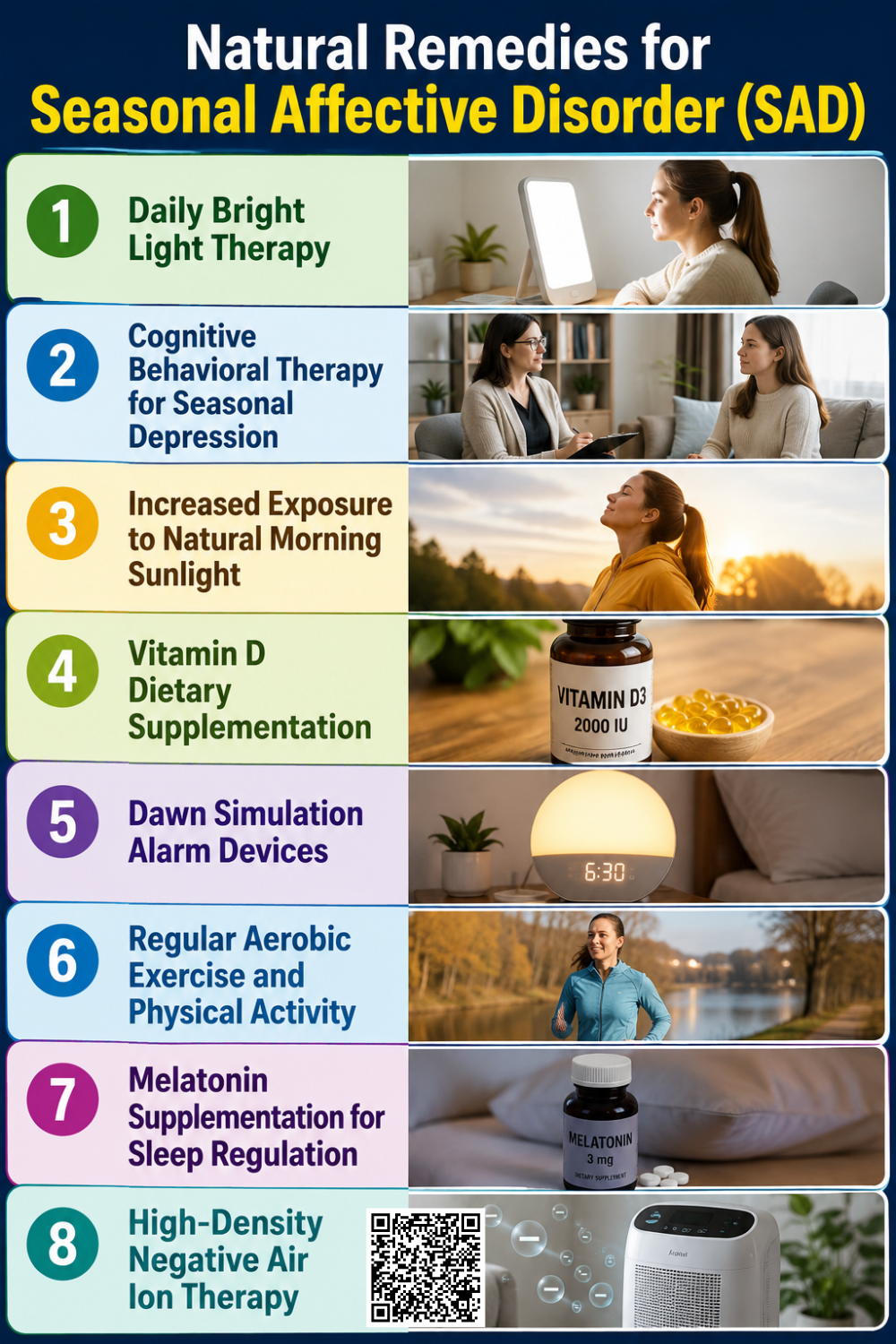 2. Cognitive Behavioral Therapy for Seasonal Depression
How it may help
Cognitive-behavioral therapy specifically tailored for seasonal depression, known as CBT-SAD, actively targets the underlying psychological triggers of winter depression. It helps individuals identify and restructure negative thoughts about the winter season, while incorporating behavioral activation to schedule engaging activities that counteract typical winter lethargy, hibernation tendencies, and social withdrawal 7.
What research says
Clinical trials conclusively demonstrate that CBT-SAD is as highly effective as daily bright light therapy for treating acute seasonal depressive episodes. Furthermore, final research indicates CBT-SAD provides vastly superior long-term durability, resulting in significantly fewer depression recurrences and less severe symptoms during subsequent winters compared to light therapy.
How to use it safely
To use this therapy effectively, work directly with a licensed mental health professional trained in cognitive-behavioral techniques. Engage in a structured, time-limited program of weekly sessions, ideally beginning in early autumn to proactively build essential coping skills before severe winter symptoms develop.
Potential precautions or side effects
This therapy is highly safe with no physical side effects. However, patients may experience temporary emotional discomfort when actively confronting deeply held negative thoughts or severe depressive feelings.
3. Increased Exposure to Natural Morning Sunlight
How it may help
Getting outdoors to absorb natural morning sunlight helps synchronize the body’s internal clock with the environment. Early light exposure directly signals the brain to halt the daytime production of melatonin, the hormone responsible for sleepiness, while simultaneously stimulating the release of serotonin to elevate energy and mood.
What research says
Clinical guidelines conclude that increasing natural daylight exposure significantly improves seasonal depressive symptoms by properly aligning the circadian rhythm. Even on overcast winter days, outdoor ambient light remains significantly brighter than standard indoor lighting, providing enough therapeutic intensity to effectively regulate mood-altering brain chemicals.
How to use it safely
To benefit from this remedy, spend 30 to 60 minutes outside within two hours of waking up. Take a daily morning walk, keeping your eyes open to absorb the ambient light, but never stare directly into the sun.
Potential precautions or side effects
Excessive outdoor exposure without proper skin protection can cause sunburn or increase skin cancer risk. Prolonged unprotected exposure in harsh winter weather may also cause cold-related injuries like frostbite.
4. Vitamin D Dietary Supplementation
How it may help
Vitamin D plays a critical role in healthy brain function and is clinically believed to promote the production of serotonin, a brain chemical that regulates mood. Taking a dietary supplement helps correct severe wintertime deficiencies caused by a lack of natural sunlight, which can actively worsen seasonal depression.
What research says
Clinical research confirms that individuals with seasonal affective disorder consistently demonstrate significantly lower blood levels of vitamin D 8. However, final clinical conclusions regarding supplementation remain mixed; while it successfully restores essential nutritional balance, taking vitamin D alone may not completely resolve severe mood symptoms without combining it with light therapy.
How to use it safely
Before starting any supplement, ask your healthcare provider for a simple blood test to definitively measure your current vitamin D levels. If a deficiency is diagnosed, take the exact daily dosage recommended by your doctor, preferably alongside a meal to maximize bodily absorption.
Potential precautions or side effects
Consuming excessive amounts can cause vitamin D toxicity and dangerously high blood calcium levels. This may trigger severe nausea, profound weakness, and the painful formation of kidney stones 9.
5. Dawn Simulation Alarm Devices
How it may help
Dawn simulation devices gradually increase bedroom lighting before a set wake-up time, mimicking a natural sunrise. This progressive light exposure actively signals the brain through closed eyelids to suppress sleep-inducing melatonin earlier, making waking up significantly easier and naturally boosting morning energy levels 10.
What research says
Clinical studies conclude that dawn simulation effectively reduces severe seasonal depressive symptoms and significantly improves morning alertness. Research shows it offers clinical benefits comparable to standard bright light therapy, with patients often preferring it because the treatment occurs naturally while they sleep, ensuring higher long-term consistency 11.
How to use it safely
Place the simulation device on your bedside table directly facing your sleeping position. Program the alarm to begin its gradual illumination cycle 30 to 45 minutes before your desired wake-up time, allowing the light to slowly reach full brightness as you open your eyes.
Potential precautions or side effects
Side effects are exceptionally rare but can occasionally include mild morning headaches, prematurely interrupted sleep, or slight eye irritation if the final light intensity is set too high.
6. Regular Aerobic Exercise and Physical Activity
How it may help
Regular aerobic exercise actively reduces seasonal depression by naturally increasing the brain’s production of endorphins and serotonin, which are essential chemicals that elevate mood and relieve daily stress 12. Consistent physical activity also helps regulate disrupted sleep patterns and directly combats severe winter fatigue.
What research says
Clinical studies conclude that engaging in regular aerobic exercise significantly decreases the severity of depressive symptoms, offering therapeutic benefits comparable to standard psychological therapies 13. Furthermore, research indicates that combining physical exercise with outdoor morning daylight exposure yields substantially faster clinical improvements for seasonal affective disorder.
How to use it safely
Aim for at least thirty minutes of moderate aerobic activity, such as brisk walking or cycling, five days a week 14. Always consult your healthcare provider before starting a new physical routine, and gradually increase your activity duration to prevent muscle strain.
Potential precautions or side effects
Pushing yourself too hard can lead to muscle pain, joint injuries, and physical exhaustion. If exercising outdoors during the winter, wear proper clothing layers to avoid cold-related illnesses.
7. Melatonin Supplementation for Sleep Regulation
How it may help
Melatonin is a hormone that naturally regulates the body’s daily sleep-wake cycle. In individuals with seasonal depression, this biological rhythm is often severely delayed. Taking a low-dose melatonin supplement at the correct time actively resets this circadian clock, restoring normal sleep patterns and realigning the body with environmental daylight.
What research says
Initial clinical trials demonstrate that carefully timed, low-dose melatonin administration effectively reduces acute seasonal depressive symptoms by shifting the circadian rhythm backwards 15. However, comprehensive clinical reviews conclude that evidence remains mixed regarding its long-term reliability as a standalone preventive treatment compared to established bright light therapy 16.
How to use it safely
Consult your healthcare provider before starting melatonin, as proper timing is critical for treating seasonal depression. Doctors typically recommend taking a very low dose in the late afternoon or early evening to safely advance your sleep-wake cycle without causing severe daytime grogginess.
Potential precautions or side effects
Common side effects include prolonged morning drowsiness, mild headaches, temporary dizziness, and unusually vivid dreams. Never drive or operate heavy machinery immediately after consuming melatonin supplements 17.
8. High-Density Negative Air Ion Therapy
How it may help
Negative air ion therapy works by releasing charged particles into the surrounding environment. While the exact biological mechanism remains under investigation, clinical theories suggest these ions may influence serotonin regulation in the brain, helping to stabilize mood and increase daily energy levels for individuals experiencing winter-pattern seasonal affective disorder 18.
What research says
Clinical research indicates that high-density negative air ion therapy can produce therapeutic outcomes for seasonal affective disorder that are comparable to standard bright light therapy. Studies conclude that this intervention provides a viable alternative for patients who find daily light therapy inconvenient or those who experience adverse effects from bright light exposure 19.
How to use it safely
Operate the ionization device according to the manufacturer’s specific density settings in an indoor space. Position the device within a few feet of your primary seating area during early morning hours, ensuring the airflow is directed toward your breathing zone for the recommended daily session duration.
Potential precautions or side effects
Some users may experience mild respiratory irritation, throat dryness, or headaches. Ensure proper room ventilation to prevent the accumulation of ozone, a potential byproduct of certain ionization devices.
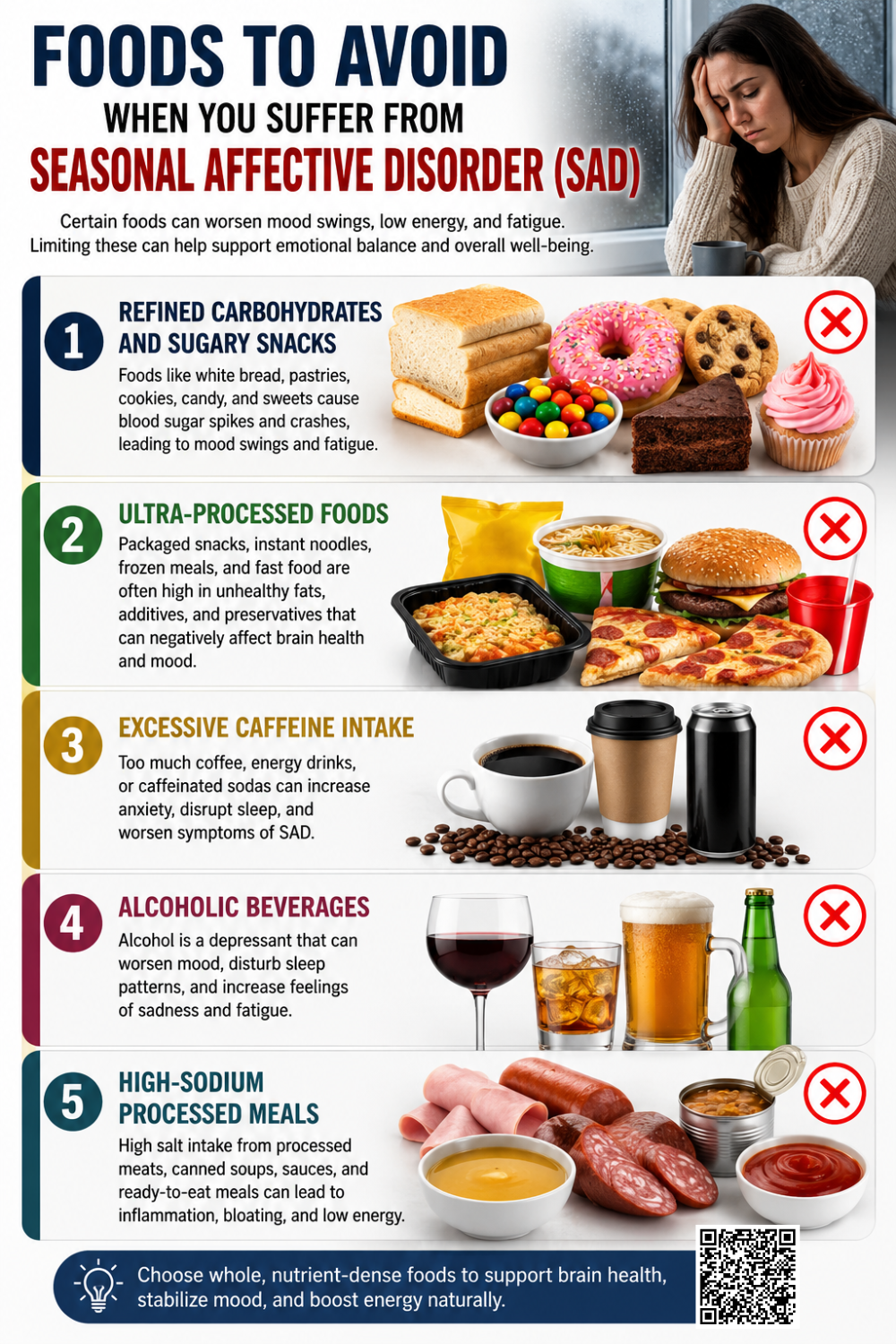 Foods to Avoid When You Suffer from Seasonal Affective Disorder (SAD)
1. Refined Carbohydrates and Sugary Snacks
Foods high in simple sugars cause rapid spikes and crashes in blood glucose levels, which exacerbate irritability, fatigue, and the intense mood swings associated with seasonal depression 20.
2. Ultra-Processed Foods
These items often contain artificial additives and unhealthy fats that promote systemic inflammation, which is clinically linked to worsening symptoms of depression and impaired cognitive function 21.
3. Excessive Caffeine Intake
Consuming high amounts of caffeine can disrupt fragile sleep patterns and increase feelings of anxiety, making it difficult for the body to maintain the stable rest needed for recovery.
4. Alcoholic Beverages
Alcohol acts as a central nervous system depressant; while it may feel relaxing initially, it ultimately disrupts sleep quality and intensifies feelings of sadness and emotional instability 22.
5. High-Sodium Processed Meals
Diets heavy in processed, high-sodium foods are linked to poorer cardiovascular health and systemic stress, both of which can reduce overall energy levels and exacerbate depressive symptoms 23.
When To See a Doctor When You Suffer from Seasonal Affective Disorder (SAD)
1. Persistent Daily Impact
Consult a professional if your mood, sleep, or appetite changes are severe enough to consistently disrupt your ability to manage work, school, or daily personal responsibilities.
2. Symptoms of Suicidality
Seek immediate medical or emergency assistance if you experience thoughts of death, self-harm, or suicide, as these are critical indicators requiring urgent clinical intervention.
3. Ineffective Self-Care
If you have attempted lifestyle changes like light therapy or improved sleep hygiene without experiencing noticeable relief from symptoms, a doctor should assess your treatment needs.
4. Increasing Anxiety or Irritability
See a doctor if you develop overwhelming feelings of anxiety, uncontrollable irritability, or panic attacks that interfere with your well-being and social interactions during seasonal transitions.
5. Substance Use Coping
Contact a healthcare provider if you find yourself using alcohol or recreational drugs as a primary method to cope with your seasonal mood shifts or depressive feelings.