

 Stress is a part of life, but if it becomes chronic, stress can stiffen joints, make muscles new and keep virtually every system in the body off balance. Persistent stress has also been associated with disrupted sleep, digestive problems, impaired immunity, muscle tension and a lack of concentration. For this reason, managing stress is more than simply trying to feel better emotionally- it’s a vital part of maintaining good health.
In addition to traditional healthcare options, people often look at natural ways to reduce stress in hopes of calming the nervous system, increasing resilience and returning balance. These methods are generally mild, non-invasive and meant to complement the body rather than inhibit it.
How Stress Affects the Body
When the body senses distress, it kicks into “fight-or-flight” mode. While such a response can be helpful in small doses, prolonged activation tends to cause:
- Elevated cortisol levels
- Muscle tightness and headaches
- Disrupted sleep patterns
- Increased fatigue
- Reduced immune function
Natural stress reduction techniques are designed to help you engage the parasympathetic nervous system for rest, digestion and recovery
Mindfulness and Meditation
Mindfulness and meditation are among the most researched natural stress-relief practices. These are all practices that support being in the moment and help pull in mental overactivity.
Consistent meditation has been linked to:
- Lower perceived stress
- Improved emotional regulation
- Enhanced focus and clarity
Even short daily practices can help us learn to react more rationally to stress over time.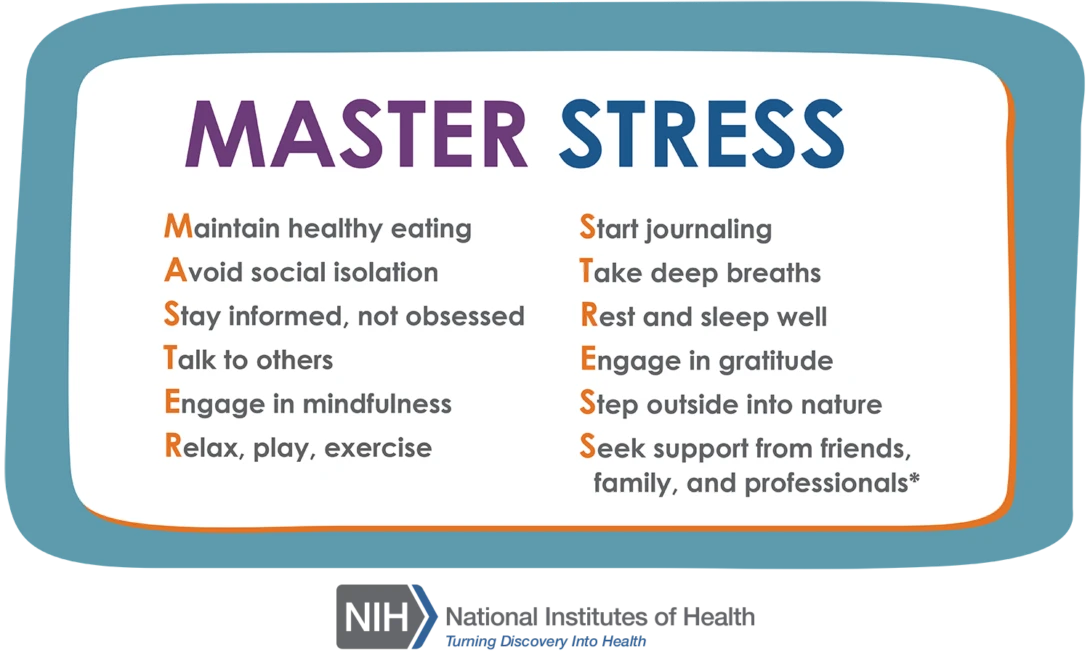
Breathing Techniques for Nervous System Balance
Controlled breath is a simple remedy for stress. Slow and mindful breathing sends a signal of safety to the nervous system, and can alleviate physical markers of stress.
Popular techniques include:
- Diaphragmatic breathing
- Box breathing
- Extended exhalation breathing
These can be done anywhere and are particularly effective in crisis moments.
Physical Movement and Gentle Exercise
Movement assists in the elimination of stored stress and encourages the body’s natural response to stress. Things like walking, yoga, stretching and light weight work stimulate circulation and help you to relax.
On days when the body is already feeling tired, light, regular movement can be a more effective way of managing stress than vigorous exercise alone.
Sound-Based Relaxation Practices
Relaxation via sound has emerged as a non-invasive method to help achieve calm and mental clarity. Approaches involving calming sounds or gentle vibrations can help to slow thoughts and promote relaxation.
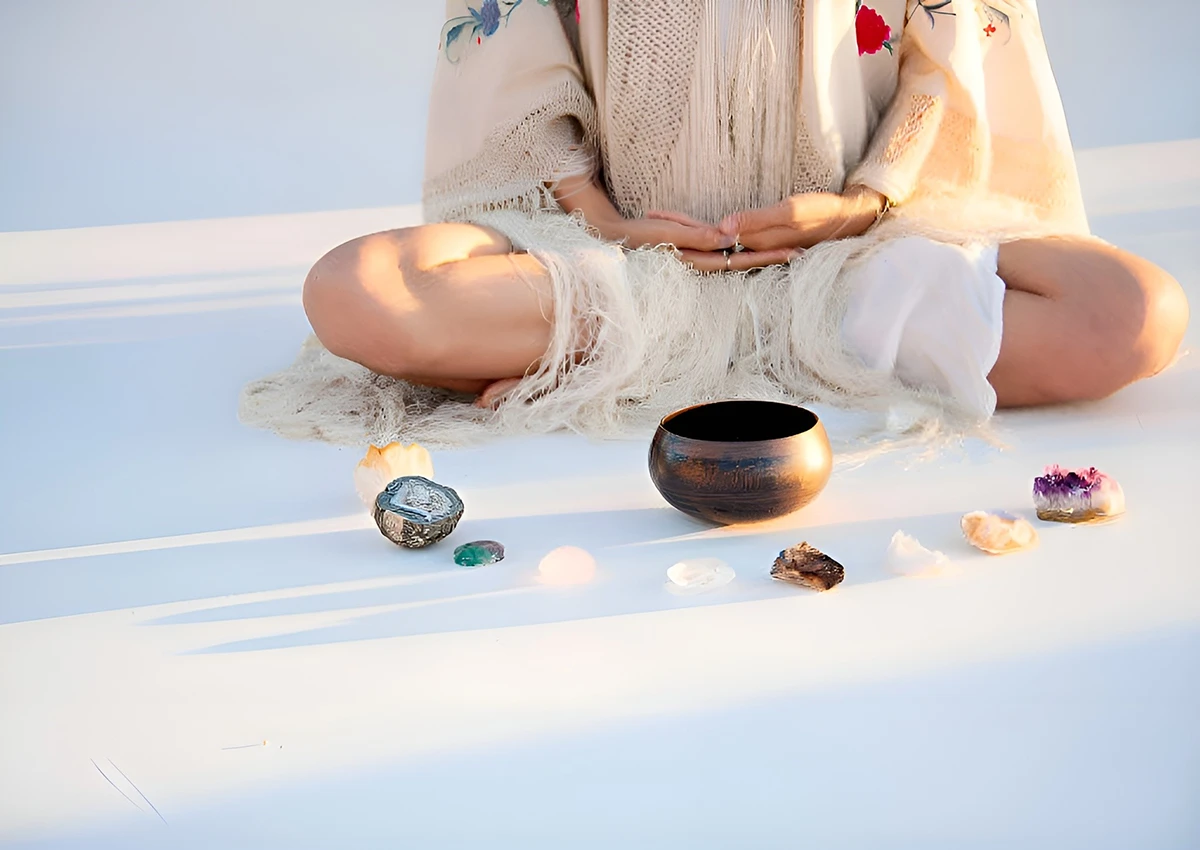
For example, singing bowls are popular in relaxation and meditative therapies. Most people learn of sound-based instruments in the context of educational wellness resources like healing singing bowls, which are taught as adjuncts to meditation and stress relief.
Sound relaxation is not a therapy, but it can enable individuals to build an environment conducive for stress management.
Improving Sleep as a Stress-Relief Strategy
Sleep and stress are intimately tied. Negative sleep amplifies stress susceptibility and, conversely, chronic stress impairs sleep quality. The foundation of treating stress is to develop good sleep habits.
Helpful strategies include:
- Maintaining consistent sleep times
- Reducing screen exposure before bed
- Relaxing in the evening
Because when you sleep well, your body is able to repair and protect itself better against the daily stress.
Nutrition and Hydration
Stress Diet also affects how the body handles stress. And eating regular meals, drinking plenty of water and trying not to overdo the coffee and sugar can help keep your energy levels — as well as mood — steadier.
Power foods have been given that name because they give us energy to help level out our blood sugar, and fight against stress-related exhaustion, so that our bodies can perform all other daily functions we are called upon exhaust.
Building a Sustainable Stress-Relief Routine
There’s no one approach that suits all.The best stress relief strategies usually involve a combination of techniques including:
- Daily movement
- Mindfulness or breathing practices
- Sound-based relaxation
- Healthy sleep habits
Regularity is more important than intensity. It’s the small, everyday behaviors that deliver the vast majority of your long-term results.
Important Health Considerations
Although natural stress relief techniques can help promote health, they are not a substitute for medical treatment. People with severe or prolonged symptoms should seek healthcare professionals.
Cofounder and CMO at Parsley Health Pro Tip Complementary therapies are best immediately used integrated into an overall lifestyle approach, along with proper medical direction as needed.
Conclusion: Supporting Health Through Stress Awareness
Stress management is important for overall health. The natural tools to relieve stress are there for us, in troubling times like these; we will find comfort in such calming agents that help ease the nervous system and build resiliency while keeping the body-mind healthy.
By practicing mindful movement, breath-work, sound-based relaxation and simple daily practices people can cultivate a balanced relationship with stress that enhances their overall well-being.