

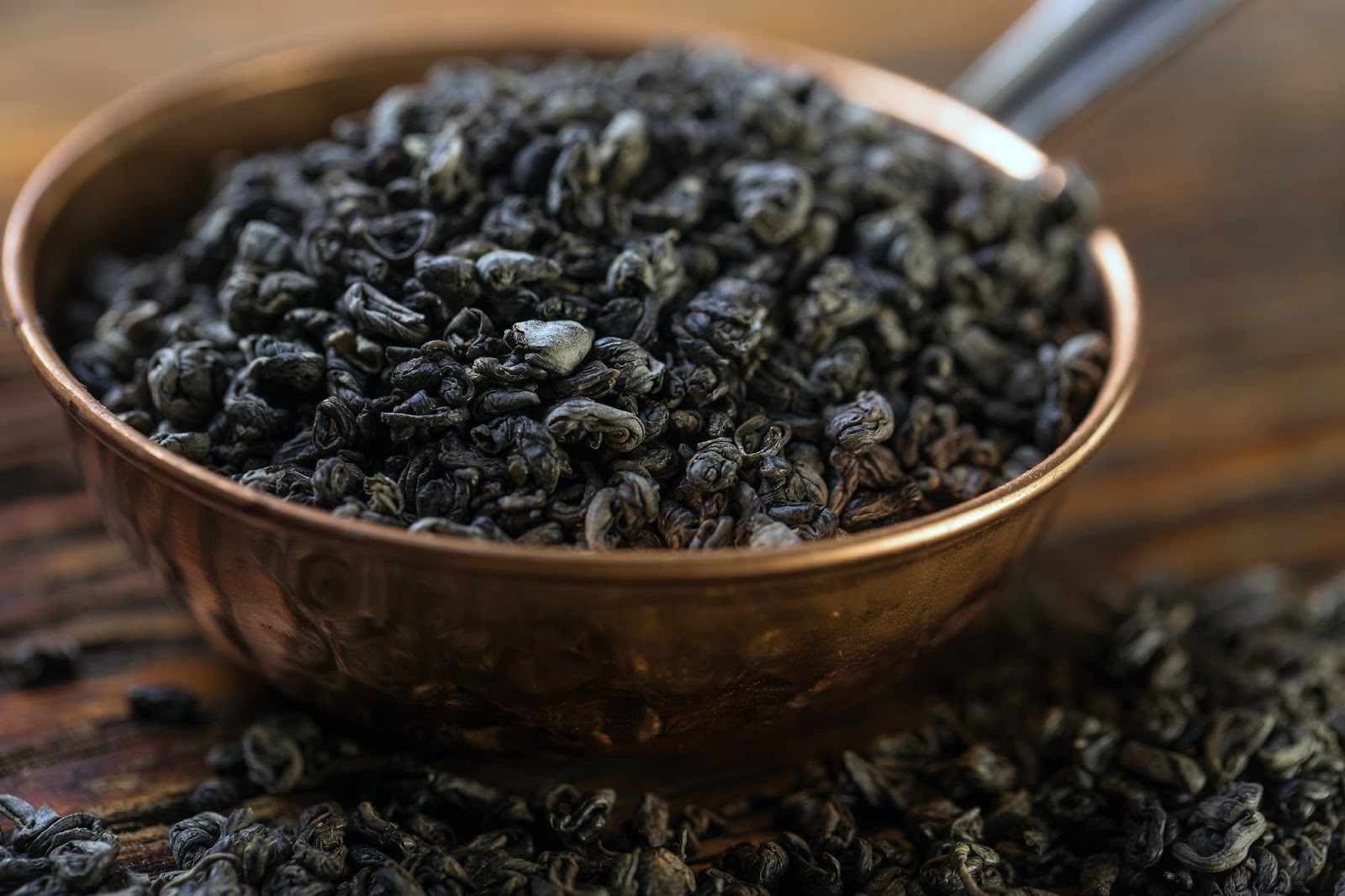
 You might have seen a lot of usual products but with an “organic” tag. Tea is no exception. But what does this tag mean apart from an apparent price increase? Well, it does mean a lot. Organic tea is a product grown and processed without being “enriched” with synthetic pesticides, fertilizers, or other chemicals. It means you get tea in its healthiest shape. That’s why online stores offering all natural food are getting so popular.
Humans have been drinking tea for at least thousands of years, and it’s still one of the most popular beverages worldwide. The problem is everything has become much more complicated since ancient times. Let’s make it easier. In this article, you will find out all the health benefits of organic tea and how to brew the perfect cup of tea.
Nutritional Profile of Organic Tea
What does organic tea consist of? First of all, such tea is a rich source of antioxidants. Antioxidants are simply essential for maintaining good health. They protect your body from damage caused by free radicals (harmful molecules that can contribute to various diseases’ development).
Apart from that, organic tea contains phytonutrients such as polyphenols, flavonoids, and catechins. These compounds have anti-inflammatory properties and reduce the risk of severe chronic conditions like heart disease and cancer.
Organic tea is also a great source of vitamins (like vitamin C and vitamin K) and minerals like potassium and magnesium. The mentioned nutrients play a significant role in maintaining a healthy immune system, promoting bone health, and regulating blood pressure.
Health Benefits of Organic Tea
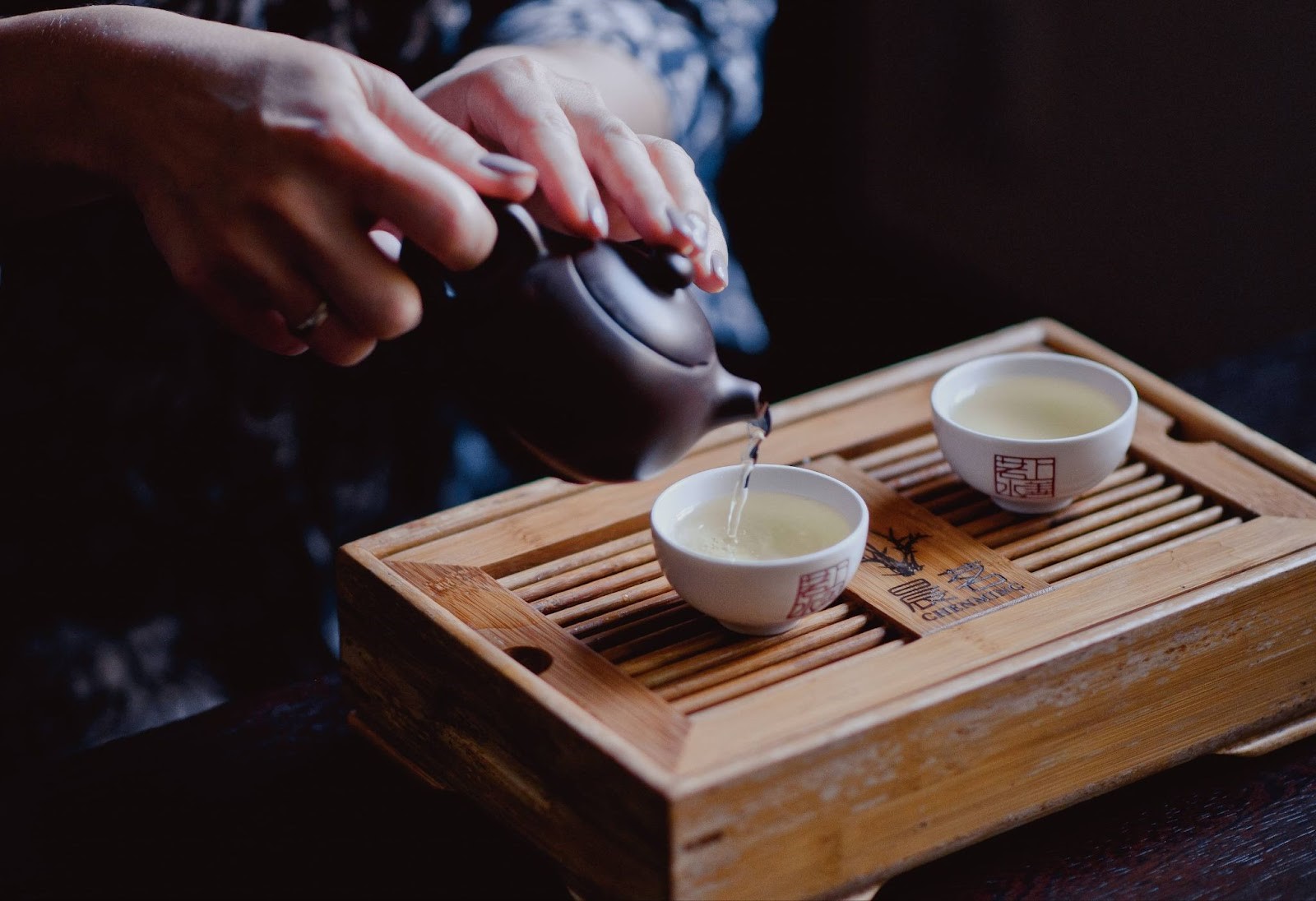 Not all of us are fluent in chemistry, so let’s focus on the exact health benefits of organic tea. Besides being a delicious and refreshing beverage, organic tea is also a powerhouse of health benefits. Regular, moderate (!) consumption of organic tea boosts the immune system, reduces the risk of chronic diseases, promotes mental well-being, and improves cognitive function.
The most significant upside of drinking tea is getting a great boost for your immune system. As you already know, organic tea contains natural compounds like catechins, flavonoids, and polyphenols, which have potent antimicrobial properties. The listed compounds protect your body against harmful microorganisms like bacteria and viruses. Thus, they serve as a shield against various infections and other diseases. Additionally, organic tea improves your immune system by boosting the immune cell production in your body. Immune cells do a lot of work in fighting off infections and keeping your body healthy.
Organic tea also reduces the risk of chronic diseases, particularly heart disease. That’s because regular quality tea consumption lowers blood pressure, reduces inflammation, and improves cholesterol levels – all three of them are risk factors for heart disease. In addition, some organic tea compounds have cancer-fighting properties. The polyphenols in tea prevent the growth & spread of cancer cells, particularly in the breast, colon, lung, and prostate.
What about mental health? Organic tea covers it as well. It improves your mental well-being by reducing stress levels. The amino acid L-theanine has a calming effect on your body, reducing anxiety and promoting relaxation. Additionally, organic tea is good for your cognitive aspects, particularly for memory and focus. The caffeine in tea enhances your cognitive performance, while the polyphenols and L-theanine positively impact your memory and learning.
To make the most of organic tea consumption, buy high-quality raw tea and consume it in strict moderation, making it a part of your dietary routine. Whether you pick green tea, black tea, or even herbal one, each is a solid choice for your body. Don’t know which type of tea might work best for you? Let’s find it out.
Types of Organic Tea
There are plenty of organic tea types. Each of them not only has a distinct taste but brewing requirements and a set of health benefits. Let’s review the most popular choices:
- Green tea is undoubtedly a well-known type made from unfermented tea leaves. It has a mild, earthy flavor and is packed with a plethora of antioxidants. Green tea is among the healthiest beverages for your body. A lot of studies have shown that regular consumption of green tea reduces the risk of heart disease, cancer, and other chronic illnesses. That’s why it’s no wonder that green tea is so respected in various cultures.
- Black tea is the most popular tea type due to its more intense flavor (compared to green tea and even more to white tea). It’s made from fully fermented tea leaves. This tea contains theaflavins that have antioxidant properties and reduce the risk of heart disease. Black tea also has more caffeine than green tea, making it a better option for getting an energy boost.
- White tea is all about its subtle, delicate flavor and light color. It’s made from young tea leaves and is the least processed of all the teas. As for the taste, make sure your oral cavity doesn’t experience any food aftertaste. If you have just eaten, for example, a chocolate bar – you may not notice any taste of white tea at all. As a sweet bonus, white tea is very rich in antioxidants.
- Herbal tea is a caffeine-free alternative to traditional teas and is made from a variety of herbs, fruits, and flowers. There is barely any limitation. You can brew things like chamomile, peppermint, or ginger. It all depends on the taste and the health benefits behind them. For example, chamomile tea is known for its calming effects (reducing anxiety and promoting relaxation).
Brewing Tips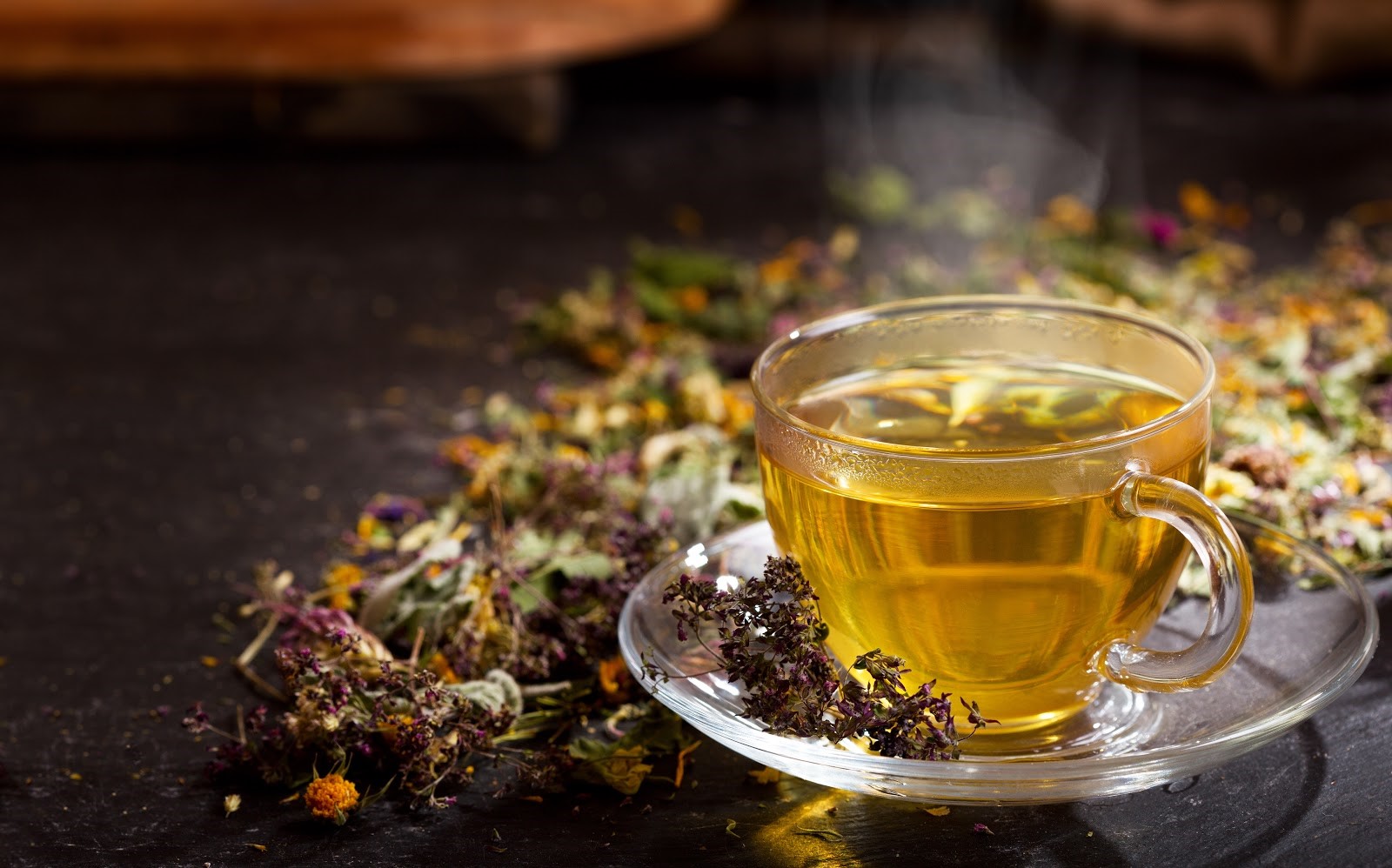
- Water quality: fresh, clean water is required for the perfect tea taste. Avoid using already boiled water or water with a pronounced taste. Any impurities may spoil the taste of your tea, especially white tea. It concerns not only high-quality basic teas but even flavored ones.
- Tea leaves quality: the higher quality – the better taste. Sounds obvious, right? For an occasional tea drinker, the difference might be pretty slight. But once you experience good, high-quality tea – you can’t untaste it. You start noticing the depth of flavor that makes every sip a multilateral pleasure.
- Water temperature: each tea type has its own water temperature requirements for optimal flavor and health benefits. If the water is too hot – you simply burn tea leaves. If too cold – the infusion is being underdone. For green & white teas, it’s around 175°F, and for black tea – 200°F. Herbal teas are totally okay with thoroughly boiled water.
- Proportions: stick to the indisputable ratio of 2 grams of tea per 200 ml of water. This way, your tea will taste the best it can.
- Steeping time: the same as with water temperature – don’t overdo or underdo. Oversteeping leads to a bitter taste and reduces the nutrient benefits. Understeeping makes the infusion tasteless. To play it safe, stick to 3-4 minutes for tea leaves. Herbal infusions time varies heavily depending on the ingredients.