

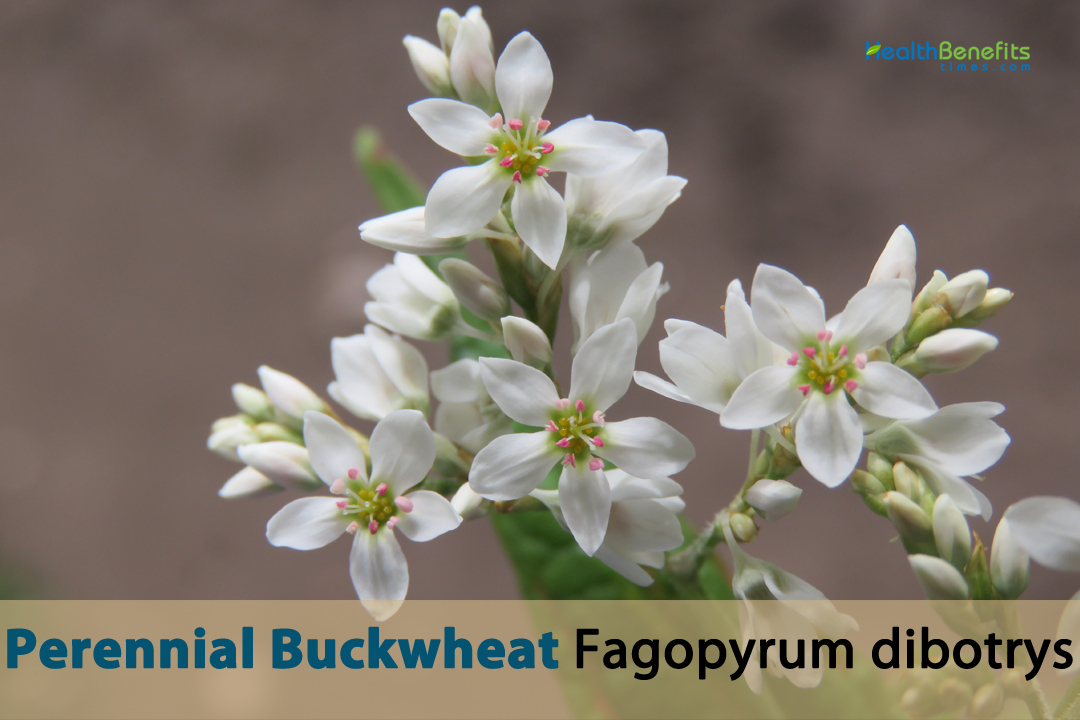
| Perennial Buckwheat Quick Facts | |
|---|---|
| Name: | Perennial Buckwheat |
| Scientific Name: | Fagopyrum dibotrys |
| Origin | Parts of Asia, including southwestern China and the eastern Himalayan regions |
| Colors | Light green to brown or black, depending on its maturity |
| Shapes | Small, dry, and indehiscent (non-splitting) seed-like structure |
| Taste | Robust, nutty, and slightly tangy |
| Health benefits | Cardiovascular Health, Digestive Health, Blood Sugar Regulation, Weight Management, Bone Health, Immune System Support, Skin Health, Aids in Circulation, Anticancer Potential, Allergen-free Source of Protein |
| Name | Perennial Buckwheat |
|---|---|
| Scientific Name | Fagopyrum dibotrys |
| Native | Native to parts of Asia, including southwestern China and the eastern Himalayan regions |
| Common Names | Western Buckwheat, Sulphur Flower Buckwheat, California Buckwheat, Douglas’ Buckwheat, Heartleaf Buckwheat, Appalachian Buckwheat, Shasta Buckwheat, Nevada Buckwheat, Idaho Buckwheat, Sierra Buckwheat, Alpine Buckwheat, Desert Buckwheat |
| Name in Other Languages | Afrikaans: Meerjarige Boekweit Albanian: Dardha e shumëvjeçarëve Arabic: Hantat Sawda’ Daimat Al Khudrah (حنطة سوداء دائمة الخضرة), Habboub Alkhuld Aldayimah (حبوب الخلد الدائمة), Alqamh Aljak (القمح الجاك) Armenian: Bazmatarik choresik (Բազմատարիք չորեսիկ) Assamese: Sthāyī kuṭakī (স্থায়ী কুটকী), Samsthit baanch (সমস্থিত বাঁচ) Bengali: Bôhubarṣika kuṇṭṭā (বহুবর্ষিক কুঁট্টা), Bahubôrshojībī Kutō (বহুবর্ষজীবী কুতো), Bārbāri sthāyī (বারবারি স্থায়ী), Sthāyī kuṭaki (স্থায়ী কুটকি), Puruk Pharind (পুরুক ফড়িং) Bulgarian: Mnogogodishno grechishno (Многогодишно гречишно), Mnogogodishna Grŭtska (Многогодишна Гръцка) Chinese: Duōniánshēng qiāomài (多年生荞麦), Zhōngguó qiáomài (中国蕎麦), 金荞(jīn qiáo) Croatian: Višegodišnji ovjes Czech: Laskavec trvalý, Trvalý Pohanka Danish: Staude boghvede Dogri: Sadbahār bakaviṭ (सदाबहार बकविट) Dutch: Overblijvende boekweit English: Perennial Buckwheat, Chinese Buckwheat, Devil’s Food, Tall buckwheat, tree spinach, wild buckwheat Estonian: Mitmeaastane tatarnik Finnish: Monivuotinen tattari French: Sarrasin vivace Georgian: Ukanaskneli veshapuri (უკანასკნელი ვეშაპური) German: Stauden Buchweizen, Ewiger Buchweizen, Baumspinat Gebirgsbuchweizen, Ausdauernder Buchweizen, wilder Buchweizen Greek: Polyetés fagópyro(Πολυετές φαγόπυρο), Polyetés Výtio (Πολυετές Βύτιο) Gujarati: Sadāvarā bakarī (સદાવરા બકરી), Sataṭa phāgavīṇṭī (સતત ફાગવીંટી) Hausa: Taushe mai tsawo Hebrew: Kurkum Haful (כורכום הפול), Korakh Shnaty (כורח שנתי) Hindi: Bahuvrshiya Bakvit (बहुवर्षीय बक्वीट), (Dayārī Kuṭū (दयारी कुटू), Sada bahar Kutki (सदाबहार कुटकी), (Dalhani दलहनी) Hungarian: Évelő hajdina, Mitmeaastane tatarnik, Évelő pohánka, Évelő Héjasbúza Indonesian: Gandum berumur panjang, Soba Perenial Italian: Grano saraceno perenne Japanese: Toshinamae no soba (多年生のそば), Tadegamo (タデガモ), Tonenjō no Soba (多年生のそば), himaraya-soba (ヒマラヤソバ), shakuchiri-soba (シャクチリソバ), shukukon-soba (シュクコンソバ) Kannada: Bahuvarṣi huḷi (ಬಹುವರ್ಷಿ ಹುಳಿ), (Sthāyi huḷuvikki (ಸ್ಥಾಯಿ ಹುಳುವಿಕ್ಕಿ), Nitya phapram (ನಿತ್ಯ ಫಪ್ರಮ್) Kashmiri: Masmar hār bakvīṭ (مسمار ھار بکویٹ) Konkani: Nitayukta phaprāngān (नितयुक्त फप्रांगाण) Korean: Danyeonsaeng memil (다년생 메밀), Jungguk memil (중국메밀) Latvian: Daudzgadīgais griķi Lithuanian: Daugiametė grikiai Macedonian: Mnogugodišna grčka (Многугодишна грчка) Maithili: Sadāyika phaparam (सदायिक फपरम) Malay: Gandum bunga yang berterusan, Pokok Bajeri Berperenial Malayalam: Sthāyi puḷḷi (സ്ഥായി പുള്ളി), Perenniyal bakvīṭ (പെരെന്നിയൽ ബക്വീറ്റ്) Manipuri: Thānglēi wangphee (ꯏꯤꯡꯅꯥꯛ ꯄꯪꯡꯊꯦꯝ) Marathi: Sadābahāra kuṭakī (सदाबहार कुटकी), Nitya phage (नित्य फागे) Nepali: Bahuvr̥ṣīya kuṭu (बहुवर्षीय कुटु), Barṣāyukta kuṭu (बर्षायुक्त कुटु), Sadābahãra phāpre (सदाबहार फाप्रे) Norwegian: Flerårig bokhvete Odia: Sathika kutaki (ସଥିକ କୁତକୀ), Nitya phapram (ନିତ୍ୟ ଫପ୍ରମ୍) Persian: Gandom-e-Kuhi Chand Salé (گندم کوهی چند ساله) Polish: Mniszek lekarski wieloletni, Gryka Wieloletnia Portuguese: Trigo-sarraceno perene Punjabi: Sadā vāratā gēhūm (ਸਦਾ ਵਾਰਤਾ ਗੇਹੂੰ), Pairainī’al bakavīṭ (ਪੈਰੈਨੀਅਲ ਬੱਕਵੀਟ) Romanian: Hrișcă perenă Russian: Mnogoletniy grechikha (Многолетний гречиха) Sanskrit: Nityaphapram (नित्यफप्रम्) Serbian: Visegodišnji ovas (Вишегодишњи овес), Višegodišnja Grčka (Вишегодишња Грчка) Sindhi: Hari kutli jo gahu (هري ڪتلي جو گهو) Sinhala: Akṣādari konkāva (අක්ෂාදාරි කොන්කාව) Slovak: Viacročná pohánka Slovenian: Večletna ajda Spanish: Trigo sarraceno perenne, Alforfón perenne Swahili: Mtama wa kudumu Swedish: Flerårig bovete Tagalog: Walang-hanggang trigo Tamil: Pala āṇṭu tiṉai (பல ஆண்டு தினை), Nilavarai Kōtumai (நிலவரை கோதுமை), Nilaneya Pasvaram (நிலநெய் பாஷ்வாரம்) Telugu: Bahuvarṣitula uddu (బహువర్షితుల ఉద్దు), Perennial Bakvīṭ (పెరెన్నియల్ బక్వీట్), Sthāyi grō bakvīṭ (స్థాయి గ్రో బక్వీట్) Thai: K̄ĥāw x h̄kphrxdm chı (ข้าวโอ๊คพร้อมใช้), Phōch nāwút mī chīwịt nān (โภชนาวุธมีชีวิตนาน), Mái s̄eụ̄xk n̂eụ̄x x̀n (ไม้เสือกเนื้ออ่อน) Turkish: Çok yıllık yabani üzüm Ukrainian: Bahatorichniy grechanyy (Багаторічний гречаний), Bahatorichniy grechka (Багаторічний гречка) Urdu: Daimī bak vhiṭ (دائمی بک وھیٹ) Vietnamese: Lúa mạch nhiều năm, Lúa mì lâu năm, Khoai mì lâu năm (Khoai mì lâu năm) Welsh: Gwenith yr Hydd Tal, Hyddwenith Gwyrdd Yoruba: Egbin alawọyin Zulu: Isitameli Sokuqala Sosuku |
| Plant Growth Habit | Fascinating and versatile herbaceous perennial plant |
| Growing Climates | Forested areas, along roadsides, on riverbanks, forest edge, cultivated areas, alongside ditches on shady damp |
| Soil | Prefers well-draining, fertile soils with a slightly acidic to neutral pH range (pH 6.0 to 7.0). Avoid waterlogged or heavy clay soils, as they can cause root rot and hinder growth. Sandy loam or loamy soils are generally ideal for perennial buckwheat |
| Plant Size | Approximately 2 to 5 feet (about 0.6 to 1.5 meters) |
| Root | Perennial Buckwheat is likely to have a primary taproot, which grows vertically downward from the seed during the early stages of growth |
| Stem | Stem is flexible and often twines itself around nearby objects for support |
| Bark | Relatively smooth texture, especially in younger stems. As the plant matures, the bark may become slightly rougher |
| Leaf | Leaves are typically heart-shaped or triangular, with a prominent central vein. They have a simple leaf arrangement, meaning each leaf is individual and not divided into leaflets like compound leaves. The size of the leaves can vary depending on the age of the plant and its growing conditions. Young leaves tend to be smaller and tenderer, while older leaves are larger and more mature |
| Flowering season | May-September |
| Flower | Small and typically have a five-petaled structure. Each flower consists of five petal-like sepals that are usually white to greenish in color. The flowers are relatively small, typically measuring a few millimeters in diameter |
| Fruit Shape & Size | Small, dry, and indehiscent (non-splitting) seed-like structure. It does not split open to release its seeds, unlike some other fruits |
| Fruit Color | Light green to brown or black, depending on its maturity |
| Seed | Typically small and have a distinct triangular or pyramid shape. Their size can vary, but they are generally a few millimeters in length. The color of the seeds may range from light green to brown or black, depending on their maturity |
| Flavor/Aroma | Earthy, nutty, and slightly sweet |
| Taste | Robust, nutty, and slightly tangy |
| Plant Parts Used | Rhizomes, leaves, flowers, seeds |
| Propagation | By Seed, division, stem cuttings |
| Lifespan | Can live for more than two years |
| Season | July and September |
| Major Nutrition |
|
| Health benefits |
|
Plant Description
Perennial buckwheat is a tall, interesting, and flexible herbaceous perennial plant that grows about 2 to 5 feet (0.6 to 1.5 meters) tall. It has sparse velvety hairs and can be used in many ways. The size of the plant can also be affected by things like how healthy the soil is, how much sunshine it gets, and how much water is available. The plant grows in wooded areas, along roadsides, on riverbanks, at the edge of forests, in farmland, and next to ditches in quiet, damp places. The plant does best in well-drained, rich soils with a pH range of 6.0 to 7.0, which is slightly acidic to neutral. Avoid wet or clay-heavy soils, as they can cause root rot and make it hard for plants to grow. Most of the time, buckwheat does best in sandy loam or loamy soil.
Appropriate growing environment for Perennial Buckwheat
Perennial buckwheat thrives in specific growing environments that provide the right conditions for its growth and development. Understanding its preferred habitat will help ensure successful cultivation. Here are some key factors to consider for the appropriate growing environment:
- Climate: Buckwheat that grows back every year likes temperate or subtropical temperatures. It can grow in a wide range of temperatures, but it usually does best in places where the average temperature is between 15°C and 25°C (59°F and 77°F). It is important to keep the plant away from high heat or long periods of frost, which can hurt its growth.
- Sunlight: Buckwheat that comes back every year needs full sun to grow well. It needs at least 6 to 8 hours of direct sunshine every day for its leaves and flowers to be healthy. Make sure that the area where you are planting gets a lot of sunshine throughout the day.
- Soil: The plant does best in well-drained, rich soils with a pH range of 6.0 to 7.0, which is slightly acidic to neutral. Avoid wet or clay-heavy soils, as they can cause root rot and make it hard for plants to grow. Most of the time, buckwheat does best in sandy loam or loamy soil.
- Watering: Even though annual buckwheat can survive in dry conditions for a while, it needs to be watered regularly while it’s getting started and when it’s dry. Once the plant has grown well, it can survive short times of drought. But watering regularly during the growing season will help the plant grow and bloom better.
- Altitude: Perennial buckwheat can be grown at different heights, but it usually does best at levels of less than 2,000 meters (about 6,500 feet) above sea level. At higher elevations, temperatures may be cooler, so it’s important to choose types that do well in that area.
- Growing season: Plant annual buckwheat after the last date of frost in the spring to make sure it doesn’t get hurt by the cold. In places with warm winters, you can plant it at the end of summer or the beginning of fall.
- Companion planting: Consider growing perennial buckwheat with other plants to help it grow and keep pests away. Some plants that grow well with others are beans, brassicas, and aromatic herbs.
- Fertilization: Buckwheat that grows every year does best in dirt with a lot of organic matter. Before planting, add compost or well-rotted manure to the dirt to give the plant the nutrients it needs to grow.
- Pests and diseases: Buckwheat that grows back every year is usually resistant to pests and diseases. But it might bring in aphids or snails, which are not good for your yard. Check on the plants often and, if possible, use natural ways to keep pests away.
Roots
Perennial Buckwheat is likely to have a main taproot, which grows straight down from the seed in the early stages of growth, like most plants with two leaves. The taproot is very important for keeping the plant stable and rooted in the ground. Most likely, the main taproot grows side roots that spread out crosswise in the topsoil. These side roots grow out to get water and nutrients from a wider area. This helps the plant grow well in different soil conditions. As a climber plant, it may grow roots in unexpected places. Adventitious roots are structures that grow from parts of a plant that aren’t roots, like stems or leaves. They might help the plant hold on to supports and climb, which would help it grow and spread up.
Stem
Perennial buckwheat is a climber plant, which means that its stem can grow up and hold itself up on nearby objects or plants. The plant can get lighter and compete for room in its natural habitat because it climbs. The stem is bendy and often wraps around nearby things for support. As it grows up, it wraps itself around tall things like trees, bushes, or trellises. This habit of twining is an adaptation that helps the plant grow taller and get lighter. As the plant grows, it may grow extra roots at some of its nodes. These extra roots can help hold the plant in place on its support structure and help it grow up. Its height depends on where and how it grows, but it can grow to be several feet long if it climbs on the right things.
Bark
Especially on younger branches, the bark of Perennial Buckwheat is likely to be pretty smooth. As the plant grows older, the bark might get a little bit rougher. The color of the bark can change based on how old the stem is and what kind of plant it is. When the stem is young, the bark can look yellow or brownish. As the stem gets older, the bark can get darker, going from brown to grey. Since it is a growing plant, you can expect the bark to be fairly thin. Herbaceous plants have soft, bendable roots that don’t usually get thick, hard bark like trees and shrubs do. Lenticels are small, corky holes or spots in the stem that let gas move in and out. On the bark of some plants, you can see lenticels. But because Perennial Buckwheat is a grass plant, it might not get big lenticels like woody plants do. The outer layer of bark on adult stems may flake off or peel off in small patches or strips.
Leaves
Most of the time, the leaves are heart-shaped or triangular, and the center vein stands out. They have simple leaf arrangements, which mean that each leaf is a single piece and not split into smaller pieces like complex leaves. The size of the leaves can change based on how old the plant is and how it is grown. Young leaves tend to be smaller and tenderer, while older leaves are bigger and more developed. Most of the time, the ends of the leaves are smooth, without any cuts or teeth. There may be small bumps or irregularities in the border. The veins on the leaves have a design called palmate venation, which looks like a fan. Several prominent veins spread out from the base of the leaf.
The upper side of the leaves can be a medium green color, while the bottom side can be a lighter green color. The shade of green can change based on the plant’s health and the surroundings. Along the stem, the leaves are grouped in pairs. This means that each leaf comes from a different place on the stem. As the stem grows, the leaves grow from different sides. A thin stalk called a “petiole” holds each leaf to the stem. The petiole can also be different lengths, with some being longer than others. Most of the time, the leaves are smooth and soft, like grass. Some evergreen leaves are brittle, but these ones are not.
Flower
The flowers of perennial buckwheat grow in groups called inflorescences. The inflorescence is a structure with branches that has more than one flower on it. Its size and complexity can change depending on how old the plant is and other factors. Most of the time, the flowers are small and have five petals. Each flower has five sepals that look like petals and are generally white or green. Most of the time, the flowers are only a few millimeters in width. The flowering time can be different based on where it is and what the weather is like. In its natural environment, it may bloom in late spring or the summer.
Some sources say that the flowers have a nice smell, but the strength and smell can be different. Like most other flowers, flowers have both male and female parts that help them reproduce. Most of the time, the flowers are hermaphroditic, which means that they have both male (the petals) and female (the pistils) reproductive parts. Insects, like bees and butterflies, visit the flowers to get food and accidentally move pollen from one flower to another. This helps the flowers get fertilized.
Fruit
The fruit is a small seed-like structure that is dry and doesn’t split open. It doesn’t split open like some other fruits do to let the seeds out. Most of the time, the fruit is small and triangle or pyramidal, like a grain or seed. It can be different lengths, but most of the time it is only a few millimeters long. Depending on how old it is, the fruit can be light green, dark, or even black. As it gets older, it may change color. The fruit is a very important part of how the plant species reproduces and stays alive. It lets seeds spread, which helps plants move to and take over new places.
Seeds
Most seeds are small and have a clear pyramid or triangle shape. They can be different sizes, but most are only a few millimeters long. Depending on how old they are, the seeds can be light green, brown, or even black. As the seeds get older, they start to get darker. The seeds have a hard shell on the outside that covers the young plant inside. This shell helps the seeds be strong and last a long time, so they can stay alive in bad conditions until conditions are right for them to grow.
True buckwheat (Fagopyrum esculentum) is often grown for its tasty seeds, but Perennial Buckwheat seeds are not usually used to feed people. They are called “wild seeds,” and they might not be as good for cooking as the seeds of real buckwheat. When the right elements are there, the seeds can grow into new plants. When the right amount of water, heat, and light are present, germination happens. The seeds are spread by wind, water, animals, and gravity, among other things. The form of the seeds, which are triangular, helps the wind spread them. The seeds are very important to the plant’s ability to grow and live on. They make sure that the species moves to new places and settles there. This lets the species grow and adapt to different environments.
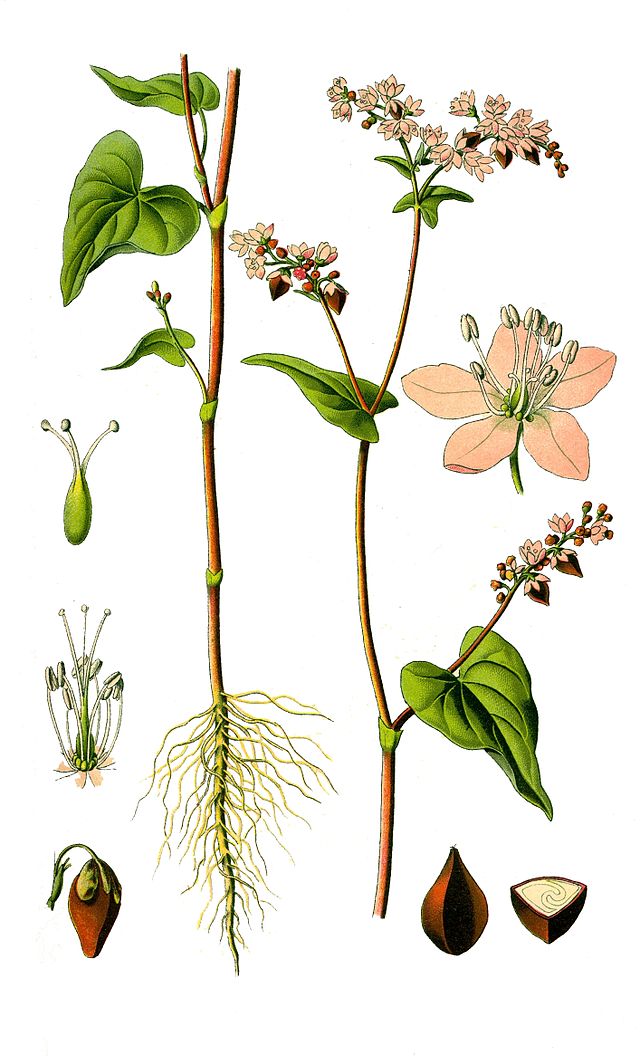 Plant-Illustration-of-Perennial-Buckwheat
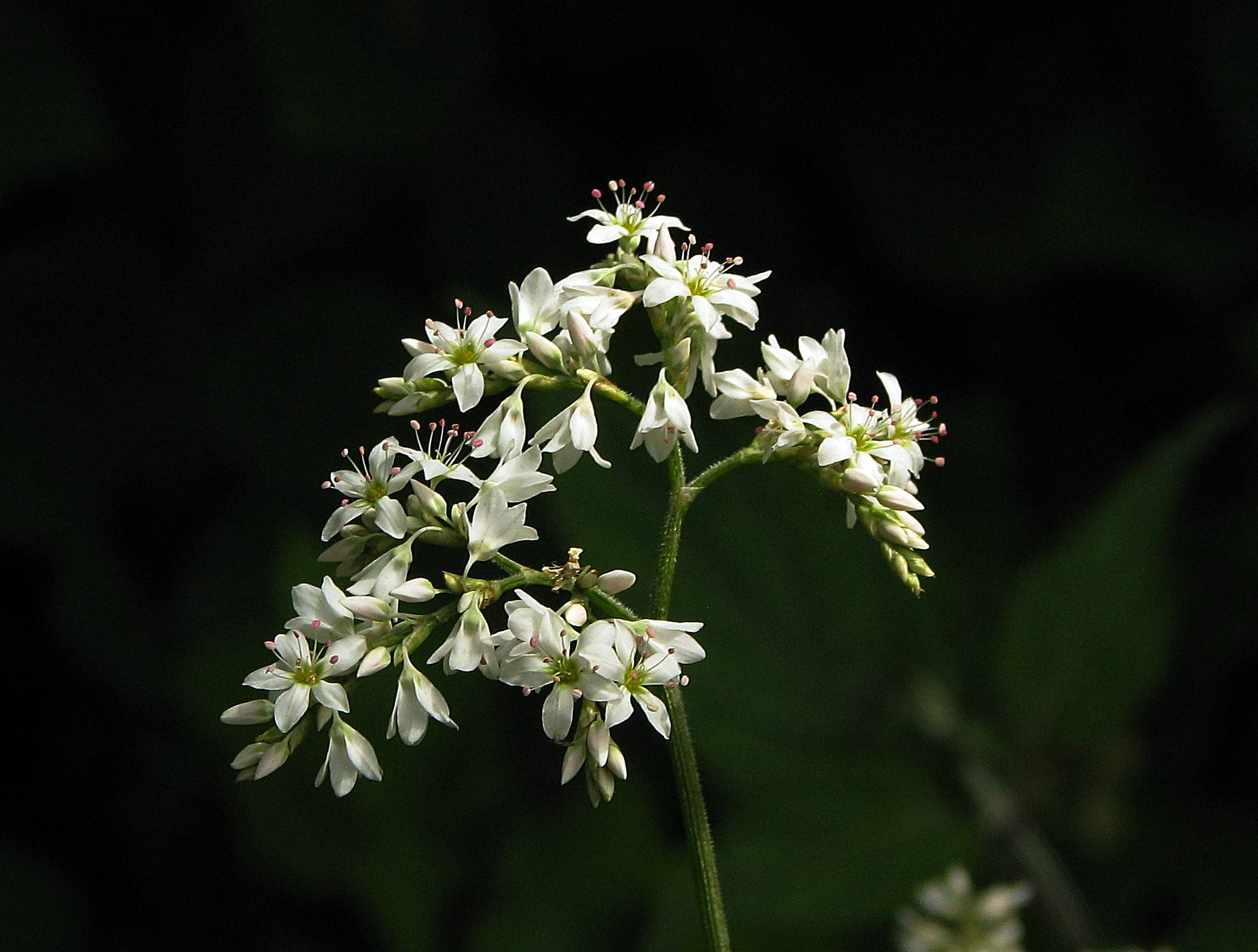 Flowers of Perennial Buckwheat
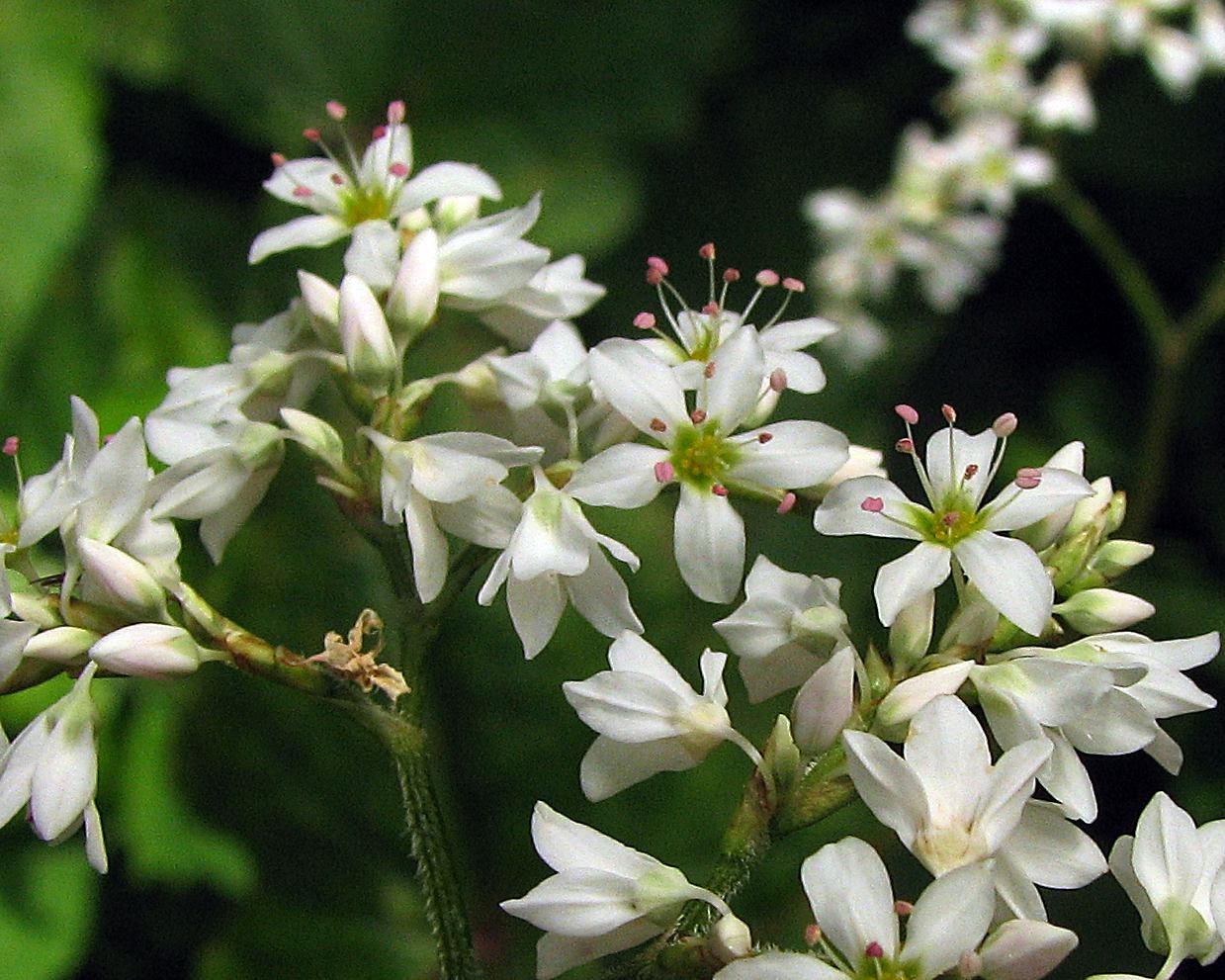 Closer-view-of-flower of Perennial Buckwheat
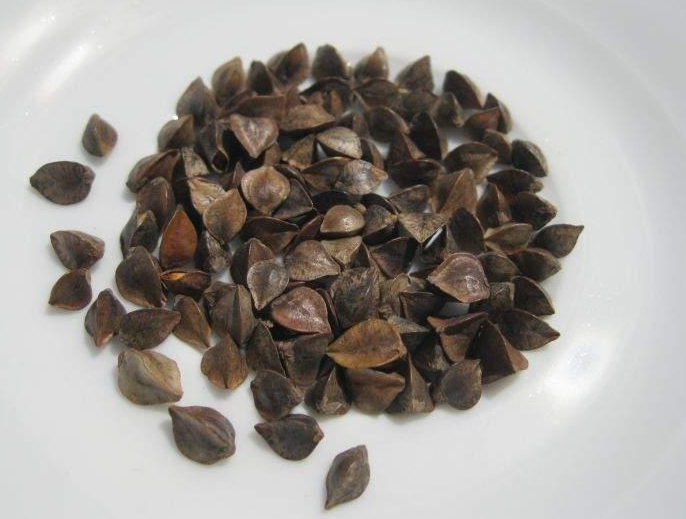 Seeds-of-Perennial-Buckwheat
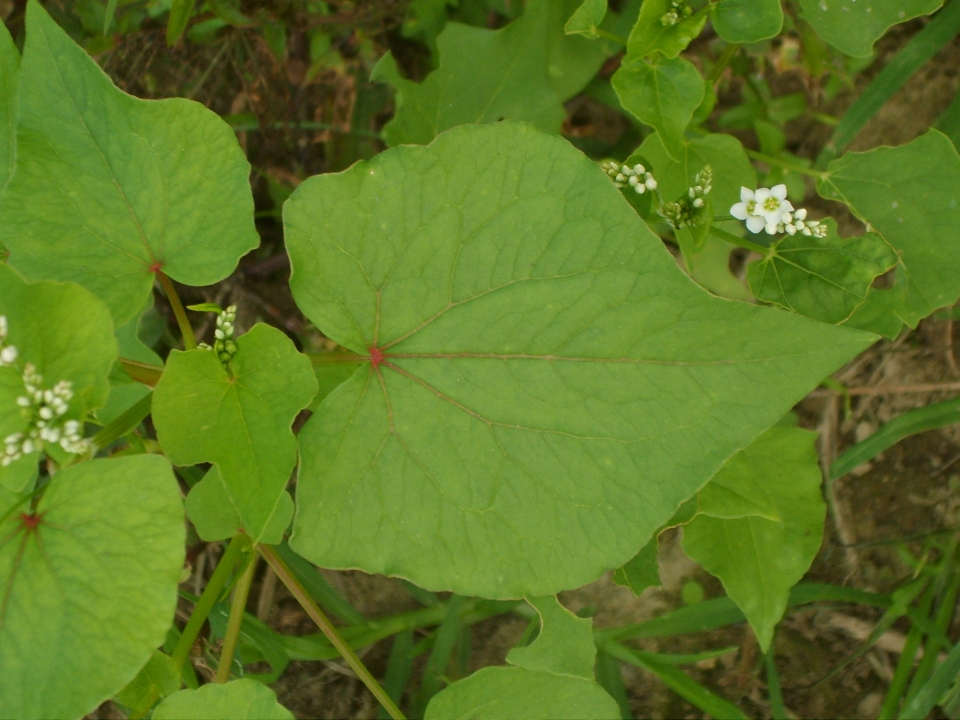 Perennial-Buckwheat-plant
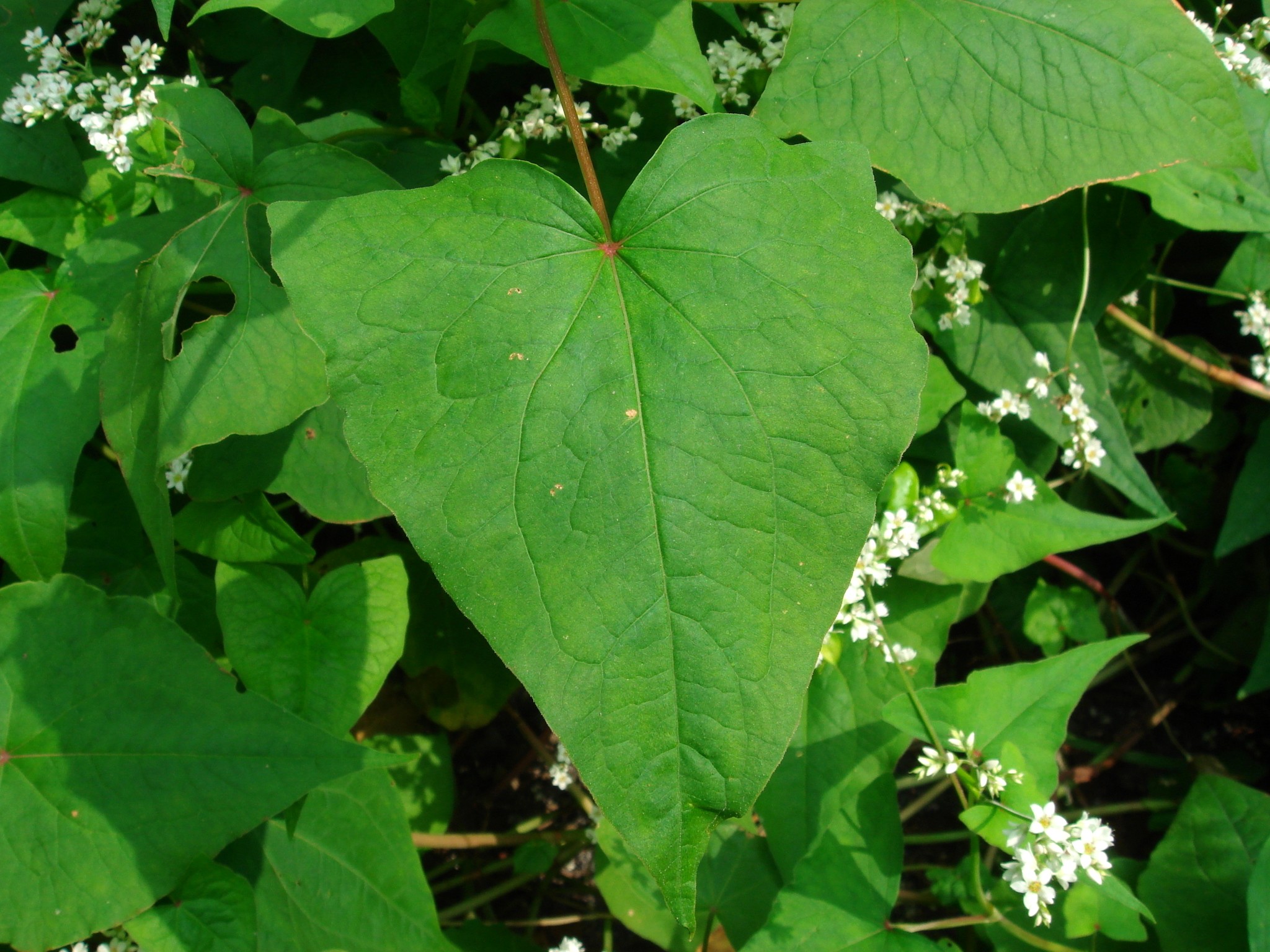 Perennial Buckwheat leaves
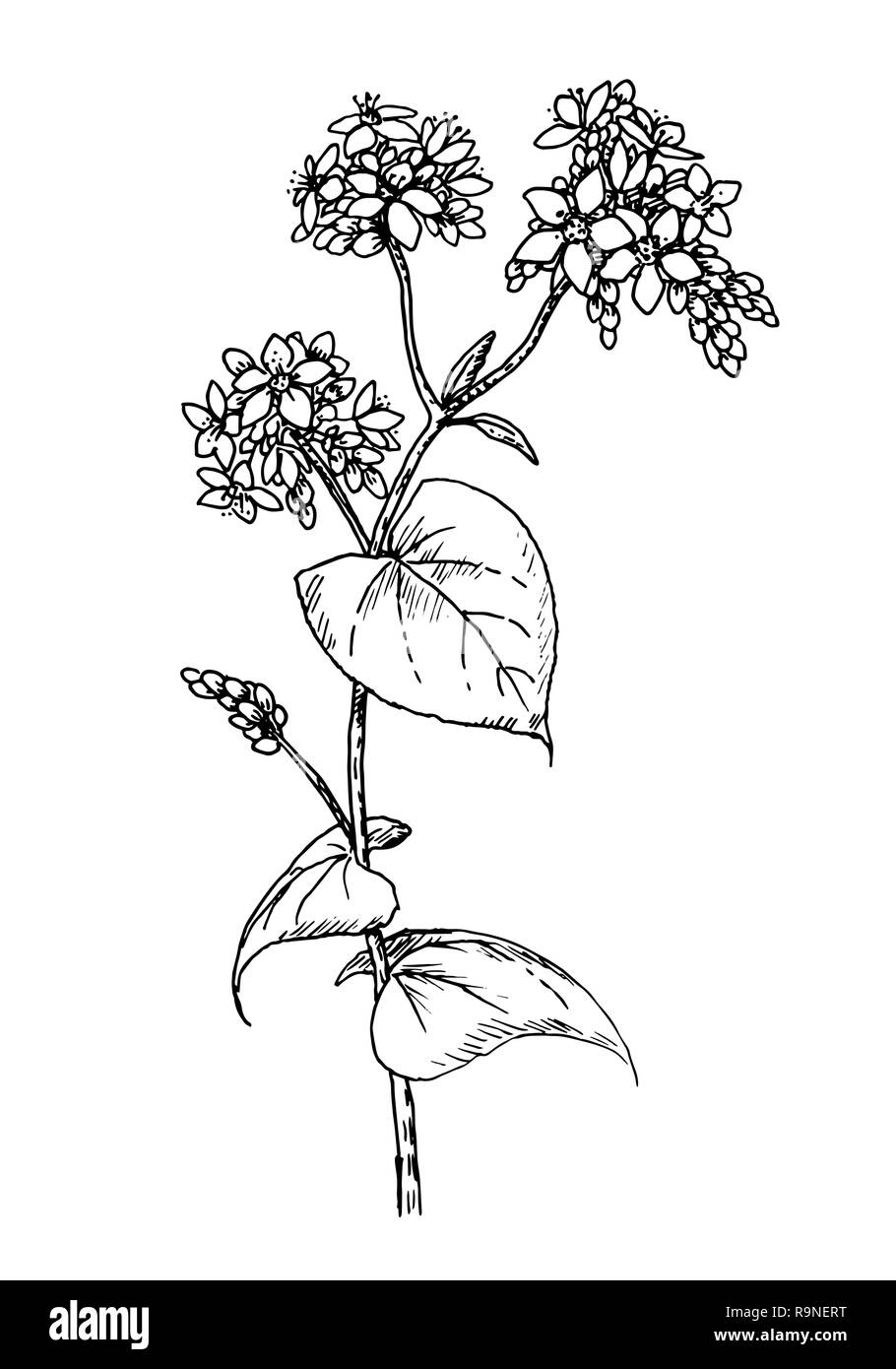 Sketch-of-Perennial-Buckwheat
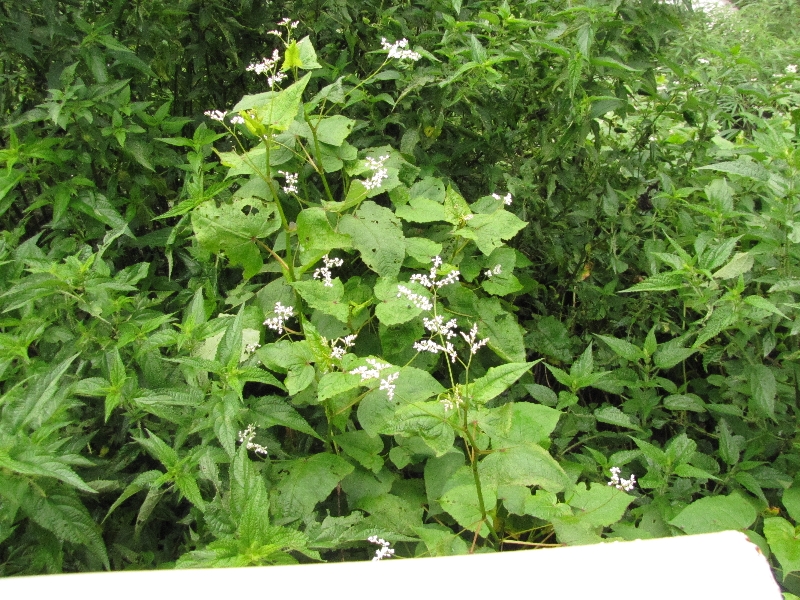 Perennial-Buckwheat-plant-growing-wild
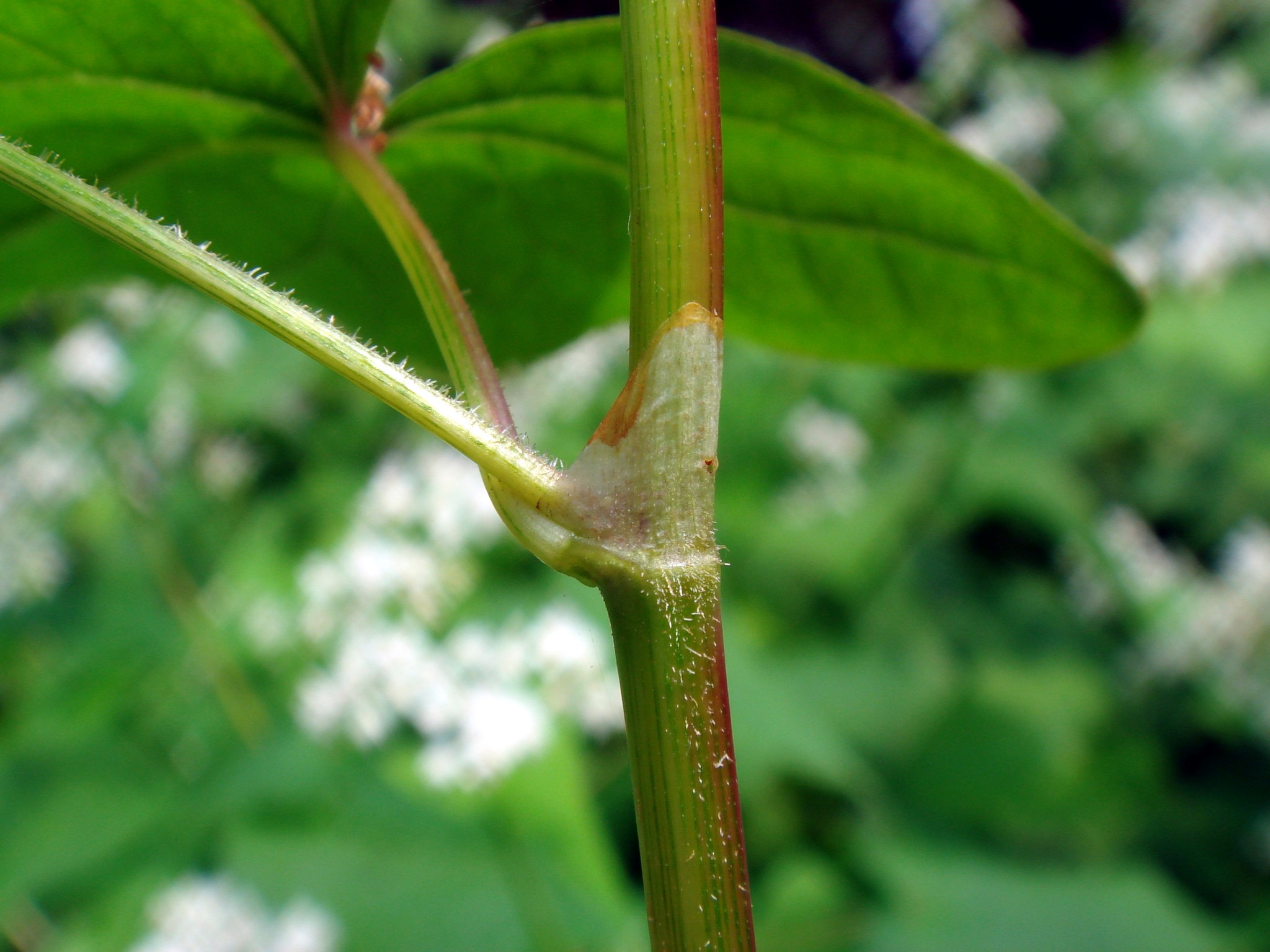 Stem of Perennial Buckwheat
Health benefits of Perennial Buckwheat
Perennial Buckwheat is a plant that belongs to the family Polygonaceae. It has been used traditionally in some parts of the world for its health benefits. Here are some of the potential health benefits of Perennial Buckwheat:
1. Rich in Nutrients
Buckwheat is a good source of many nutrients, such as important amino acids, vitamins (like vitamin B complex), and minerals (like magnesium, potassium, and zinc). These nutrients are very important to general health and help the body do many different things.
2. Antioxidant Properties
Buckwheat that grows every year has bioactive substances in it, like flavonoids and polyphenols, which are powerful antioxidants. These antioxidants help get rid of dangerous free radicals in the body. This reduces oxidative stress and may lower the risk of chronic diseases like heart disease and some cancers.
3. Cardiovascular Health
Perennial Buckwheat may be good for your heart health because it has antioxidants and other bioactive substances. They can help lower LDL cholesterol, lower blood pressure, and improve the efficiency of blood vessels, which lowers the risk of heart disease.
4. Anti-Inflammatory Effects
Some studies show that Perennial Buckwheat may be able to reduce inflammation. Buckwheat has a flavonoid called rutin, which has been linked to possible anti-inflammatory effects. This could help with diseases that cause inflammation.
5. Digestive Health
Buckwheat is a good source of dietary fiber, which is very important for keeping your gut system healthy. Fiber helps you have normal bowel movements, keeps you from getting constipated, and keeps your gut micro biome healthy.
6. Blood Sugar Regulation
Because it is high in fiber and has a low glycemic index, perennial buckwheat may help keep blood sugar levels in check. It can slow the rate at which sugar is absorbed into the bloodstream, which could help people with diabetes or who is at risk of getting the disease.
7. Weight Management
Because it has a lot of fiber and protein, perennial buckwheat can help you feel full and satisfied. Adding it to your diet may help you lose weight by lowering your total calorie intake and stopping you from eating too much.
8. Bone Health
Minerals like magnesium and phosphorus can be found in perennial buckwheat. These minerals are important for keeping bones healthy and avoiding diseases like osteoporosis.
9. Immune System Support
Perennial Buckwheat has many vitamins and minerals, which can help improve the immune system and help the body fight off infections and illnesses.
10. Skin Health
The antioxidants in perennial buckwheat can also help protect the skin from damage caused by UV rays and other pollutants in the surroundings. It may also help skin conditions like eczema feel better and reduce redness and irritation because it has anti-inflammatory qualities.
11. Aids in Circulation
Some studies show that the flavonoid rutin, which is found in buckwheat, may help improve blood flow by making capillaries stronger and lowering the risk of bleeding. The health of the heart and blood vessels can be helped by better circulation.
12. Anticancer Potential
Some early tests on common buckwheat found that some of its chemicals, such as fagopyrin and D-chiro-inositol, might help fight cancer. Even though there needs to be more study, perennial buckwheat may have the same potential.
13. Allergen-free Source of Protein
Buckwheat is a good source of plant-based protein, and since perennial buckwheat is not a cereal grain, it could be a good option for people who are allergic to gluten or other grains.
Traditional uses and benefits of Perennial Buckwheat
- The whole plant is a pain reliever, an antihelmintic, an antiphlogistic, a carminative, a depurative, and a fever reducer.
- Decoction is used to treat broken bones, lumbago, menstrual problems, and infections with pus, snake bites, and bug bites.
- A decoction made from the roots is used to treat bug bites, dysmenorrhea, inflammation, lumbago, snakebites, and injuries from accidents.
- The leaves have a lot of rutin, which helps strengthen blood vessels, fights infections, reduces inflammation, eases muscle spasms, and lowers blood pressure.
Different uses of Perennial Buckwheat
Perennial Buckwheat or climbing buckwheat is primarily a wild plant with limited documented uses compared to its close relative, true buckwheat. However, based on general information about wild plants and related buckwheat species, here are some potential uses of Perennial Buckwheat
- Ecological Importance: Buckwheat that grows back every year is an important part of local ecosystems because it gives animals a place to live and food to eat. Its presence helps keep biodiversity and ecological order in the places where it lives in the wild.
- Forage for Livestock: In some places where Perennial Buckwheat grows organically, it can be used to feed animals. Sheep, goats, and horses, among others, can graze on the plant to get food from it.
- Erosion Control: The dense growth pattern and strong root system can help keep dirt from washing away in some places, especially on riverbanks and slopes.
- Ornamental Plant: Buckwheat can be grown as an ornamental plant in parks and landscapes because it grows in a way that makes it climb and its leaves are shaped like hearts.
- Wildlife Food Source: Birds, mice, and insects, among other animals, could eat the plant’s seeds and leaves.
- Soil Improvement: It can take in nitrogen and other nutrients from the soil, just like other types of buckwheat. When the plant breaks down at the end of its life cycle, it gives these nutrients back to the earth. This makes the soil better and more fertile.
- Green Manure: Buckwheat that grows back every year can be used as a “green manure” crop. As part of green manure, a cover crop is grown and then worked into the soil while it is still green and growing. This method adds organic matter to the soil, improves the structure of the soil, and makes it easier for the next crop to get nutrients from the soil.
- Wildlife Conservation: Perennial buckwheat is a native plant that helps protect wildlife by giving insects, birds, and small mammal’s food and protection.
- Ethno-botanical and Traditional Uses: Even though there may not be much knowledge about Perennial Buckwheat, some native cultures and traditional communities in the areas where it grows may know how to use it for things like medicine or cultural practices. It is important to write down and keep this traditional information in order to protect the local plant diversity and cultural heritage.
- Phytochemical Studies: Perennial Buckwheat is a wild plant that may be interesting for studies of phytochemistry. By looking at its chemical makeup, you can find possible bioactive compounds that could be used in fields like medicine, cosmetics, or agriculture.
- Honey Plant: Buckwheat that grows back every year has flowers with lots of juice that bees and butterflies like to visit. Beekeepers might find the plant useful as a source of juice, and honey made from its flowers might have a unique taste and look.
- Traditional Craft Uses: Some local tribes have used wild plants to make crafts for a long time. Buckwheat that grows back every year could be used in crafts like spinning, dying, and other handiwork.
- Potential as a Green Cover Crop: Perennial buckwheat could be used as a green cover crop on land that has been damaged or isn’t being used. This would stop soil loss and make the soil healthier. It grows quickly and can cover the ground. This could help stop weeds from growing and cover the ground temporarily.
Side effects of Perennial Buckwheat
Perennial Buckwheat is primarily a wild plant, and there is limited documented information regarding its specific side effects on human health. Since it is not commonly cultivated for consumption or medicinal purposes, detailed research on its potential side effects is lacking. However, it’s important to consider some general points when dealing with wild plants and potential side effects:
- Allergic Reactions: Some people can have allergic responses to wild plants, including Perennial Buckwheat. If you are allergic to plants in the buckwheat family (Polygonaceae) or have had plant allergies in the past, you should be very careful around Perennial Buckwheat.
- Toxicity: Even though Perennial Buckwheat is not usually thought to be dangerous, some compounds in wild plants could be harmful if eaten in large amounts or if they are not cooked properly. Don’t eat any wild plants unless you know for sure that they are safe and edible.
- Pesticide Residues: Perennial Buckwheat could be subject to pesticides and herbicides in the environment because it grows in the wild. If the plant is grown in an area where pesticides are used, there is a chance that the pesticides will be left on the plant.
- Digestive Upset: Some wild plants may have different amounts of fiber, tannins, or other chemicals that could make some people’s stomachs feel bad or upset. It’s important to be careful around wild plants and not eat a lot of them without the right information or help.
- Interactions with Medications: If you take medicines or have health problems, you should know that some wild plants may combine with your medicines or medical treatments. Before using a wild plant as medicine, you should always talk to a medical professional first.
- Contamination: Pollutants, pathogens, or chemicals that are already in the environment can harm wild plants. If it was picked from a contaminated place, it could contain harmful chemicals.
- Toxic Compounds: Even though Perennial Buckwheat isn’t usually thought to be dangerous, some wild plants may have compounds that could be harmful if too much of them are eaten or if they aren’t cooked correctly. Some wild plants in the buckwheat family (Polygonaceae) may have oxalates, which can make it hard for your body to absorb calcium or cause kidney stones if you eat too much of them.
- Skin Irritation: Some people can have skin irritations or allergic responses when they come in contact with wild plants like Perennial Buckwheat. If you are allergic to plants, you should be careful with wild plants and wear clothes that protect you.
- Digestive Upset: Perennial Buckwheat, like many wild plants, may contain different amounts of fiber, tannins, or other compounds that could cause digestive pain or upset in some people, especially if they eat too much or don’t prepare it right.
- Pollen Allergies: There may be pollen on the flowers, which could make people with allergies to plant pollen sick.
- Pesticide or Contaminant Exposure: There is a chance that pesticide residues or other pollutants will be on the surface of Perennial Buckwheat if it grows in places where farming chemicals or other pollutants are used. If you pick wild plants from polluted places, you could be exposed to dangerous chemicals.
- Interactions with Medications: Even though Perennial Buckwheat is not often used as medicine, some wild plants may combine with certain medicines or medical treatments. Before using any wild plant as medicine, you should talk to a doctor. This is especially important if you are taking prescription drugs or have other health problems.
- Adverse Reactions: Some people may have bad responses to some of the chemicals that are in Perennial Buckwheat. These responses could be different for each person and could include headaches, feeling sick, or other signs.
References:
https://pfaf.org/User/plant.aspx?LatinName=Fagopyrum+dibotrys
https://www.cabidigitallibrary.org/doi/10.1079/cabicompendium.114372
http://www.theplantlist.org/tpl1.1/record/kew-2807293
http://www.flowersofindia.net/catalog/slides/Perennial%20Buckwheat.html
https://indiabiodiversity.org/species/show/229759
https://gd.eppo.int/taxon/FAGCY
https://temperate.theferns.info/plant/Fagopyrum+dibotrys