

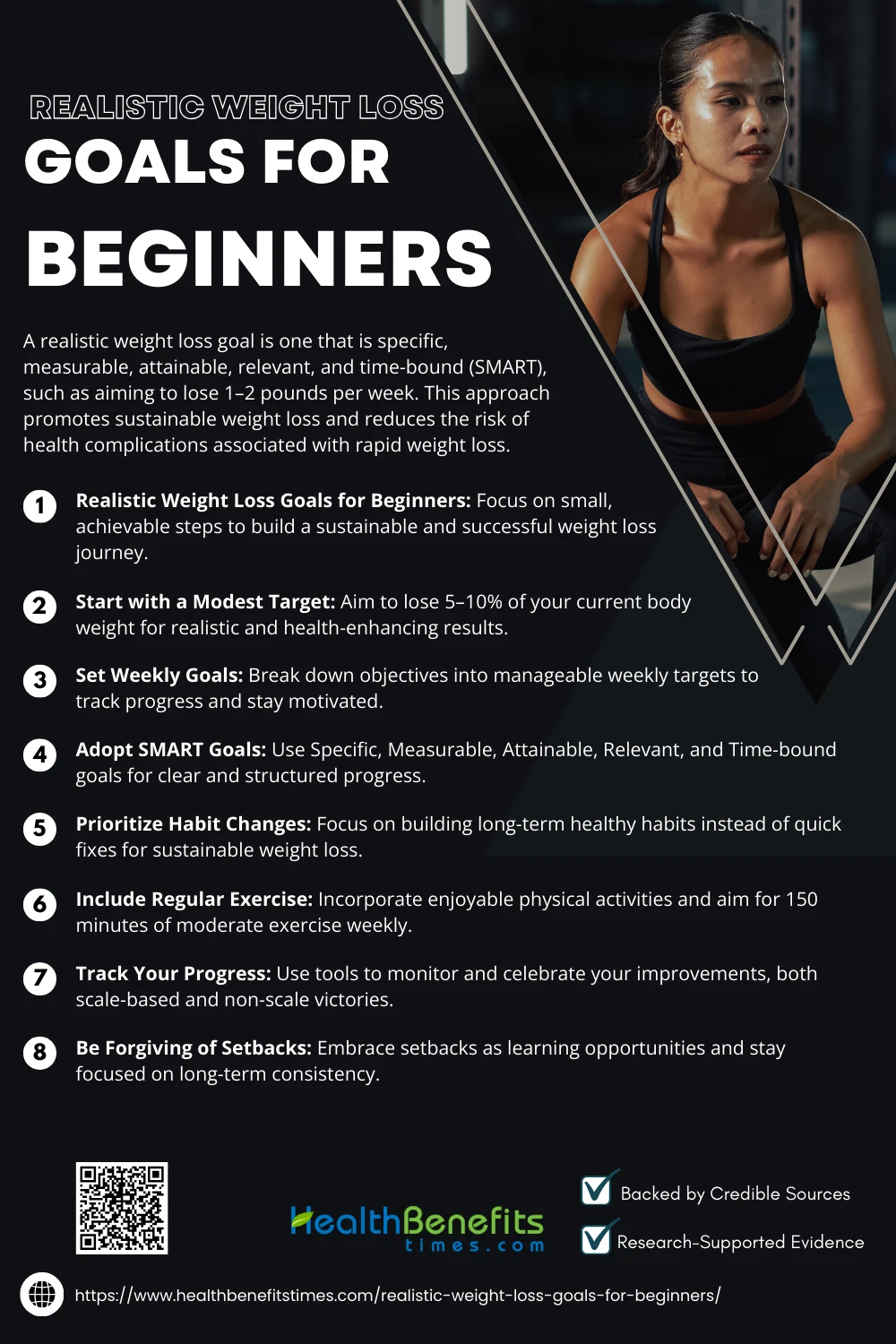
- A realistic weight loss goal is one that is specific, measurable, attainable, relevant, and time-bound (SMART), such as aiming to lose 1–2 pounds per week.
- This approach promotes sustainable weight loss and reduces the risk of health complications associated with rapid weight loss.
- Incorporating gradual lifestyle changes, like balanced nutrition and regular physical activity, is essential for achieving and maintaining these goals.
 Setting realistic weight loss goals is key to building a sustainable and successful journey toward better health. For beginners, it’s important to start small and focus on achievable targets that promote steady progress. Aiming to lose 1–2 pounds per week is a safe and effective pace recommended by health experts, allowing your body to adapt without drastic measures. Start by incorporating simple lifestyle changes, such as walking 30 minutes a day, swapping sugary drinks for water, or adding more vegetables to your meals. These manageable steps not only help you lose weight but also create healthy habits that can last a lifetime. Remember, weight loss isn’t just about the number on the scale—it’s about feeling stronger, more energized, and confident in your ability to maintain a balanced lifestyle.
1. Start with a Modest Target
Starting with a modest target is one of the most effective ways to approach weight loss, especially for beginners. Rather than striving for dramatic changes, aim to lose 5–10% of your current body weight. This goal is not only realistic but also backed by research, showing that even a small reduction in weight can significantly improve health markers such as blood pressure, cholesterol, and blood sugar levels. By focusing on a modest target, you can avoid the frustration of setting unattainable goals and instead build confidence as you see steady, achievable progress. This approach also allows you to establish sustainable habits, making it easier to maintain your success in the long term.
2. Set Weekly Goals
Setting weekly goals is a practical way to stay focused and motivated on your weight loss journey. Instead of being overwhelmed by long-term targets, breaking your objectives into smaller, manageable steps helps you track progress and celebrate achievements along the way. For example, aim to lose 1–2 pounds a week, which aligns with safe and sustainable weight loss guidelines. Weekly goals can also include specific actions, like walking for 30 minutes daily, drinking more water, or preparing home-cooked meals. These short-term goals not only build momentum but also create a sense of accomplishment, keeping you engaged and consistent in your efforts.
3. Adopt SMART Goals
Adopting SMART goals is a powerful strategy for setting yourself up for weight loss success. SMART stands for Specific, Measurable, Attainable, Relevant, and Time-bound, ensuring your goals are clear and achievable. For instance, instead of vaguely aiming to “lose weight,” set a goal like, “I will lose 5 pounds in one month by walking for 30 minutes, five days a week, and replacing sugary drinks with water.” This approach provides a structured plan, tracks your progress, and keeps you motivated with realistic expectations. By aligning your goals with the SMART framework, you create a roadmap that’s easy to follow and helps build sustainable habits over time.
4. Prioritize Habit Changes
Prioritizing habit changes over quick fixes is a crucial step in achieving sustainable weight loss. Instead of focusing solely on the number on the scale, shift your attention to building healthier routines that can be maintained in the long run. Simple changes, like eating more fruits and vegetables, drinking water instead of sugary drinks, or setting aside time for daily physical activity, can have a significant impact over time. These habits not only contribute to weight loss but also improve your overall well-being, making it easier to maintain your progress. By creating a foundation of positive behaviors, you’re setting yourself up for lasting success, ensuring that your weight loss journey is both manageable and rewarding.
5. Include Regular Exercise
Including regular exercise in your routine is essential for achieving and maintaining weight loss while boosting overall health. Physical activity not only helps you burn calories but also improves your mood, energy levels, and cardiovascular fitness. For beginners, start with activities you enjoy, such as walking, swimming, or dancing, to make exercise feel less like a chore. Aim for at least 150 minutes of moderate activity per week, as recommended by health guidelines, and consider adding strength training two days a week to build muscle and enhance metabolism. Regular exercise, when combined with healthy eating, creates a balanced approach to weight loss that is sustainable and beneficial for your body and mind.
6. Track Your Progress
Tracking your progress is a vital part of any successful weight loss journey. It helps you stay accountable, measure improvements, and maintain motivation by highlighting how far you’ve come. Use tools like food journals, fitness apps, or even before-and-after photos to record your daily activities, meals, and exercise routines. Weekly weigh-ins or measuring inches lost can also provide tangible evidence of your progress, but remember to celebrate non-scale victories too, such as increased energy or better sleep. Tracking not only keeps you focused but also helps identify areas for adjustment, ensuring that you stay on track with your goals while celebrating every milestone along the way.
7. Be Forgiving of Setbacks
Being forgiving of setbacks is essential for staying motivated and committed to your weight loss journey. Everyone encounters challenges, whether it’s missing a workout, indulging in an extra treat, or hitting a plateau. Instead of dwelling on these moments, view them as opportunities to learn and adjust your approach. Progress is rarely linear, and occasional missteps are a natural part of the process. By practicing self-compassion and focusing on the bigger picture, you can bounce back stronger and stay on track. Remember, lasting success comes from consistency over time, not perfection, so be kind to yourself and keep moving forward.
 Fat Loss vs. Weight Loss
When people talk about wanting to lose weight, they often mean they want to lose fat. However, the terms “weight loss” and “fat loss” aren’t the same. Weight loss refers to a reduction in your total body weight, which includes fat, muscle, water, and other factors, while fat loss focuses specifically on reducing body fat. Understanding the distinction is key to setting effective goals and adopting strategies that support not just a lighter body but a healthier, leaner one.
| Aspect | Fat Loss | Weight Loss |
| Definition | Reduction in body fat percentage | Overall reduction in body weight |
| Composition | Targets fat while preserving muscle mass | Includes fat, muscle, water, and other losses |
| Health Benefits | Improves body composition and metabolic health | May not always indicate improved health |
| Measurement | Body fat percentage, circumference measurements | Scale weight |
| Methods | Strength training, balanced diet, calorie deficit | Extreme dieting or rapid weight changes |
| Sustainability | Focuses on long-term healthy habits | Can lead to muscle loss or yo-yo dieting |
| Visual Results | Toned and lean appearance | May not appear lean if muscle is lost |
| Impact on Metabolism | Boosts metabolism by maintaining muscle | Can slow metabolism if muscle is lost |
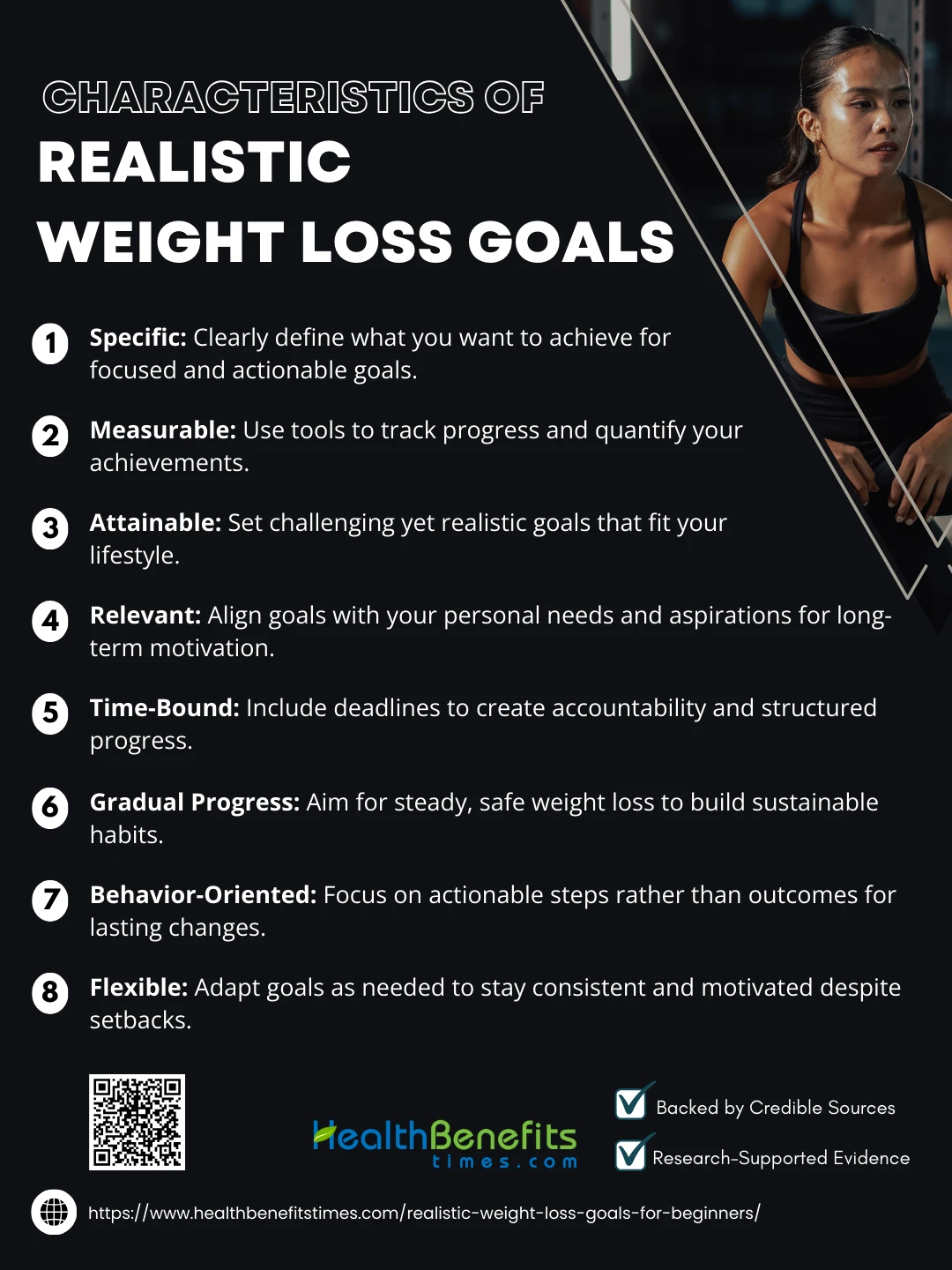
Characteristics of Realistic Weight Loss Goals
Setting realistic weight loss goals is essential for creating a sustainable and rewarding journey. These goals should balance ambition with achievability, helping you stay motivated without feeling overwhelmed. When your objectives are grounded in practicality, you’re more likely to develop habits that last and see meaningful progress. Here are the key characteristics of realistic weight loss goals:
- Specific
Realistic weight loss goals must be clear and focused. Rather than vague objectives like “I want to lose weight,” a specific goal pinpoints exactly what you aim to achieve. For example, “I want to lose 10 pounds in 3 months by walking for 30 minutes daily and reducing sugar intake” provides a clear direction. This specificity makes it easier to develop a plan and track your progress. - Measurable
Measurable goals allow you to quantify your progress, ensuring you know how close you are to achieving your target. Tools like a scale, measuring tape, or fitness tracker can help you monitor key metrics such as pounds lost, inches reduced, or steps walked. Measuring progress regularly keeps you motivated and provides tangible evidence of your efforts. - Attainable
Setting attainable goals ensures you stay motivated without setting yourself up for failure. Goals like losing 50 pounds in a month are unrealistic and could lead to frustration or unhealthy practices. Instead, aim for objectives that are challenging yet achievable within your lifestyle and resources, like losing 1–2 pounds per week through balanced dieting and moderate exercise. - Relevant
Your weight loss goals should align with your personal needs and aspirations. Goals based on external pressures, such as societal standards or peer comparisons, may not provide long-term motivation. Instead, focus on how achieving your goal will benefit your health, energy levels, and overall well-being, ensuring it’s meaningful to you. - Time-Bound
Adding a deadline to your goal gives it a sense of urgency and helps you stay accountable. For instance, aiming to lose 8 pounds in two months creates a structured timeline to work toward. This timeframe also allows you to plan smaller milestones, such as weekly check-ins, to ensure you’re on track. - Gradual Progress
Weight loss is most sustainable when approached gradually. Rapid weight loss can often lead to muscle loss, a slower metabolism, or regaining weight later. Aiming for 4–8 pounds per month ensures you’re losing weight safely while giving your body time to adapt to new habits and maintain energy levels. - Behavior-Oriented
Focusing on actions rather than outcomes encourages habits that lead to sustainable weight loss. For instance, instead of setting a goal like “lose 20 pounds,” focus on “exercise three times a week” or “replace soda with water daily.” Behavior-oriented goals shift the focus to what you can control, fostering long-term changes. - Flexible
Life can be unpredictable, and setbacks are a natural part of any weight loss journey. Flexibility allows you to adjust your goals without losing motivation. If you encounter challenges, such as an injury or a busy period at work, revising your objectives helps you stay consistent while avoiding guilt or discouragement.
 Behavioral Goals over Outcome Goals
Focusing on behavioral goals rather than outcome goals is a more effective approach to achieving sustainable weight loss. While outcome goals, like losing a certain number of pounds, measure the end result, behavioral goals emphasize the specific actions and habits you can control, such as exercising regularly or eating more vegetables. This shift in focus helps you build long-term habits that lead to success, reducing the pressure of immediate results and keeping you motivated even when progress slows.
| Aspect | Behavioral Goals | Outcome Goals |
| Focus | Actions and habits (e.g., “Walk 30 minutes daily”) | End results (e.g., “Lose 10 pounds”) |
| Control | Fully within your control | Partially influenced by external factors |
| Timeline | Immediate and ongoing | Long-term, often distant |
| Sustainability | Encourages lasting lifestyle changes | May lead to temporary changes |
| Measurement | Tracked through consistent actions | Tracked by final results, such as weight |
| Adaptability | Easily adjusted as circumstances change | Harder to adjust without revising the entire goal |
| Motivation | Maintained by daily achievements | Can wane if results are slow |
| Example | “Prepare healthy meals at home 5 days a week” | “Lose 5 pounds in one month” |
Tracking Progress and Adjusting Goals
Tracking your progress is an essential part of any weight loss journey. It not only helps you stay accountable but also provides valuable insights into what’s working and what might need adjustment. However, progress isn’t always linear, and it’s important to remain flexible with your goals. By consistently monitoring your efforts and making changes as needed, you can maintain motivation and ensure long-term success. Below are some practical ways to track your progress and adjust your goals effectively.
1. Use a Weight and Food Journal
Maintaining a journal helps you monitor what you’re eating and how it impacts your progress. Write down every meal, snack, and even drinks, along with their portion sizes. Tracking your weight alongside this data helps identify patterns in your diet and its effect on your goals. Journals provide a clear picture of your habits, making it easier to pinpoint areas for improvement, like overeating or consuming too many processed foods.
2. Set Milestones and Celebrate Non-Scale Victories
Milestones break your overall goal into manageable chunks. For example, aim to lose five pounds in the first month or complete a 30-minute workout without stopping. Non-scale victories (NSVs), such as increased energy, improved sleep, or fitting into smaller clothes, are equally important. NSVs keep you motivated even when the scale doesn’t move. They highlight the broader benefits of your efforts, reinforcing the positive impact of your healthy choices.
3. Track Measurements and Body Composition
Use a measuring tape to track changes in your waist, hips, arms, and thighs. Body composition tools, like smart scales or professional scans, can differentiate between fat loss and muscle gain, providing a more comprehensive view of your progress. Measurements often show progress that the scale doesn’t reflect, especially when building muscle. This is a great way to see the tangible effects of your fitness regimen.
4. Leverage Technology
Fitness apps, trackers, and smartwatches can help you monitor calorie intake, steps, workout routines, and even sleep patterns. Many apps provide progress charts and reminders to keep you consistent. Technology makes tracking seamless and provides detailed data to help you make adjustments. It’s also a great motivator to stay active and accountable.
5. Review and Reevaluate Goals Regularly
Schedule regular check-ins to assess your progress. If you’re not meeting your goals, consider whether they were realistic or if adjustments are needed. For example, you may need to tweak your calorie intake or incorporate new exercises. Goals should evolve based on your progress and lifestyle. Reassessing ensures you stay challenged without becoming discouraged by unattainable targets.
6. Monitor Energy and Mood
Pay attention to how your body feels throughout the day. Low energy, irritability, or lack of focus can indicate the need for dietary changes or more rest. Tracking mood can also reveal whether stress or emotional factors are impacting your progress. Physical and mental well-being are key to long-term success. By addressing imbalances, you can create a plan that supports both your body and mind.
7. Seek Feedback from Professionals
Share your progress with a healthcare provider, dietitian, or fitness trainer. They can analyze your results, provide tailored advice, and help troubleshoot specific challenges. Professionals offer expertise and fresh perspectives that can reinvigorate your journey. Their guidance ensures your approach is both effective and safe.
8. Be Kind to Yourself
Progress isn’t always linear, and setbacks are normal. Treat yourself with compassion, focus on what you’ve achieved, and make adjustments without guilt. Remember, weight loss is a journey, not a sprint. A positive mindset fosters resilience. By acknowledging that small steps forward count, you’re more likely to stay motivated and committed to your goals.
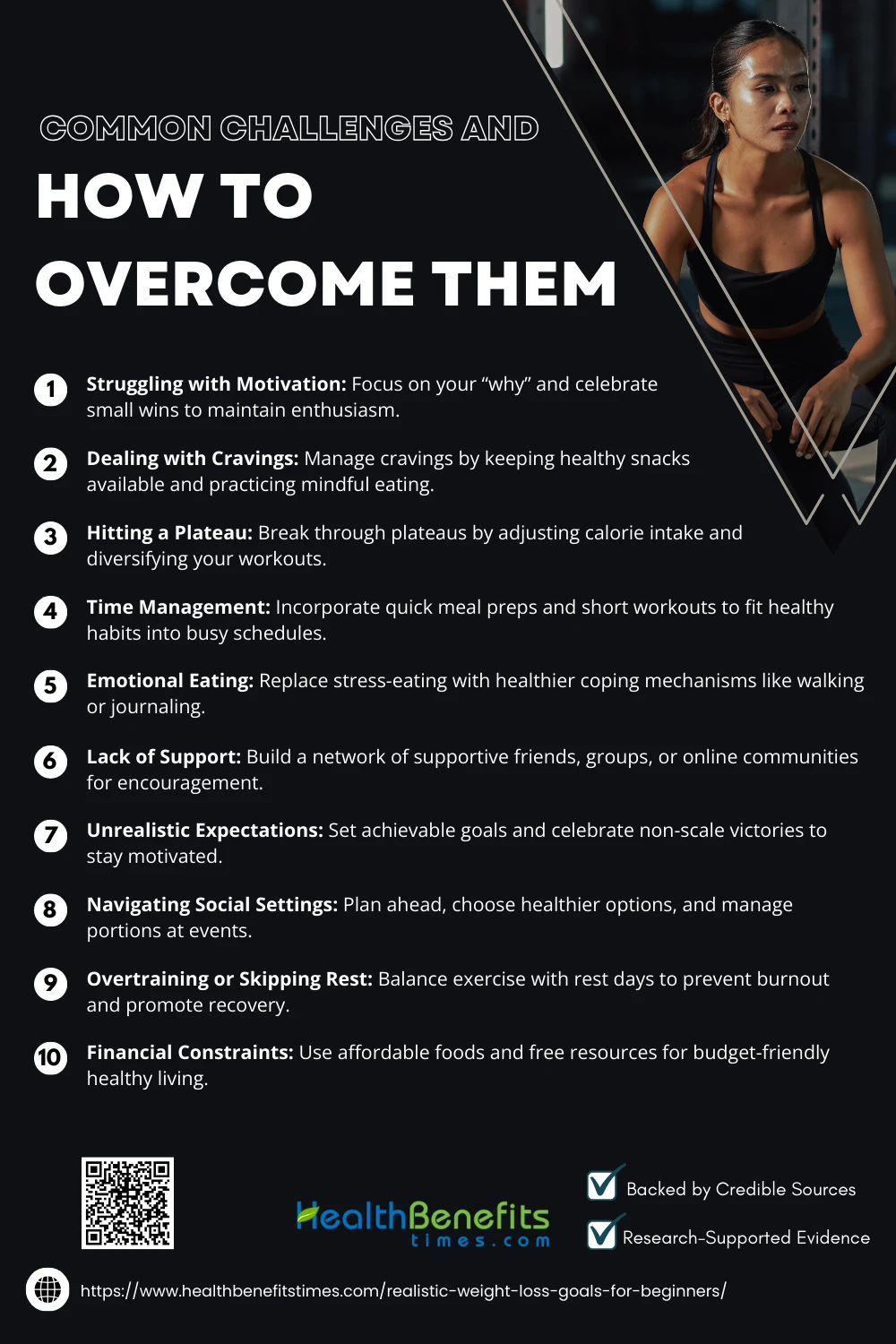
Common Challenges and How to Overcome Them
Starting a weight loss journey is exciting, but it’s not without challenges. Many people face obstacles that can make the process feel overwhelming or even discouraging. The good news is that these challenges are not insurmountable. With the right strategies, you can tackle them head-on and stay on track toward achieving your goals. Below are some common challenges and practical tips to overcome them.
1. Struggling with Motivation
- Challenge: Motivation often wanes after the initial excitement of starting a weight loss program fades, especially if results don’t appear quickly. This can lead to feelings of frustration and the temptation to give up altogether.
- Solution: Start by identifying your “why” — whether it’s improving health, increasing energy, or setting a positive example for your family. Track your progress using journals or apps, focusing on small wins like increased stamina or better mood. Surround yourself with motivational reminders, such as photos, quotes, or even joining a community with similar goals.
2. Dealing with Cravings
- Challenge: Food cravings, especially for sugary or salty snacks, can sabotage your efforts. These cravings often strike when you’re stressed, bored, or even dehydrated.
- Solution: Keep your environment supportive by stocking healthy snacks like fresh fruit, nuts, or yogurt. Plan meals to avoid long gaps between eating, which can amplify cravings. Practice mindful eating by pausing to ask yourself whether you’re truly hungry or just seeking comfort through food. Swapping unhealthy treats with healthier alternatives can also help.
3. Hitting a Plateau
- Challenge: Weight loss often slows down after an initial period of rapid progress. This plateau can be demotivating and make you question your efforts.
- Solution: Plateaus are normal. Reassess your calorie intake and ensure you’re not unintentionally consuming too much. Mix up your workout routine to challenge different muscle groups or increase the intensity. Sometimes, your body needs a slight caloric increase temporarily to reset. Stay patient and focus on other health improvements, like strength or endurance.
4. Time Management
- Challenge: Busy schedules can make it feel impossible to carve out time for meal prep, exercise, or self-care.
- Solution: Prioritize small, manageable changes. Batch cook meals on weekends, and keep simple, healthy options on hand. Break workouts into short, effective sessions like high-intensity interval training (HIIT) that require just 15–20 minutes. Use apps to track your schedule and make appointments with yourself for fitness or meal planning.
5. Emotional Eating
- Challenge: Stress, boredom, or sadness can lead to overeating or choosing comfort foods that derail your progress.
- Solution: Identify patterns in your emotional eating by journaling how you feel when reaching for snacks. Replace eating with healthier coping mechanisms, such as taking a walk, practicing deep breathing, or engaging in a hobby. Surround yourself with supportive people who can help you manage stress without food.
6. Lack of Support
- Challenge: Embarking on a weight loss journey without encouragement or accountability can feel isolating and make it harder to stay consistent.
- Solution: Build a support system by joining a weight loss group, fitness class, or online community where others share your goals. Partner with a friend or family member who can work out with you or cheer you on. Share your goals with people you trust and ask for their understanding if you make different choices at meals or events.
7. Unrealistic Expectations
- Challenge: Expecting rapid or dramatic results can lead to disappointment and feelings of failure if progress is slower than anticipated.
- Solution: Set SMART goals (Specific, Measurable, Achievable, Relevant, and Time-bound). A realistic target is to lose 1–2 pounds per week. Celebrate non-scale victories, like improved strength, better sleep, or increased energy. Remember, sustainable weight loss is a marathon, not a sprint.
8. Navigating Social Settings
- Challenge: Social gatherings often include high-calorie food and drinks, making it tough to stick to your plan.
- Solution: Prepare ahead by eating a healthy snack before the event so you’re less tempted by unhealthy options. Choose smaller portions and fill your plate with vegetables or lean protein. Politely decline additional servings if you’re full, and stay hydrated to avoid mistaking thirst for hunger. Enlist a supportive friend to help you stick to your goals.
9. Overtraining or Skipping Rest
- Challenge: Overexercising or failing to schedule rest days can lead to burnout, injuries, or even weight loss stalls.
- Solution: Balance your routine by incorporating rest and active recovery days. Activities like yoga, stretching, or walking help repair muscles and prevent fatigue. Listen to your body and adjust your intensity as needed. Remember, recovery is just as important as the workouts themselves for long-term success.
10. Financial Constraints
- Challenge: The perception that healthy food or gym memberships are expensive can deter people from staying on track.
- Solution: Plan meals using affordable, whole foods like beans, rice, oats, and seasonal vegetables. Look for free resources like workout videos online or community fitness programs. Use bodyweight exercises that require no equipment, such as push-ups or squats. Over time, these cost-effective solutions can yield excellent results.
 When to Seek Help
Embarking on a weight loss journey can be empowering, but it’s important to recognize when you might need extra support. If you’ve been consistently following a healthy diet and exercise routine without seeing progress, or if emotional eating, stress, or medical issues are interfering with your goals, seeking professional help can make a significant difference. Registered dietitians, personal trainers, or therapists specializing in behavioral health can provide tailored guidance to address specific challenges. Additionally, if you’re experiencing physical symptoms like fatigue, persistent hunger, or difficulty sleeping, consulting with a healthcare provider can help identify underlying issues, such as hormonal imbalances or metabolic concerns. Remember, asking for help is not a sign of failure—it’s a proactive step toward achieving your goals with the right tools and expertise.
Conclusion
Embarking on a weight loss journey is both a personal and transformative experience. While challenges are inevitable, they can be overcome with the right mindset, tools, and support. Consistently tracking progress, celebrating small victories, and adjusting your goals as needed are key to sustaining motivation and building lifelong healthy habits. Remember, progress isn’t measured solely by the scale but by how you feel, the strength you gain, and the confidence you develop along the way. By being patient, flexible, and kind to yourself, you can turn your journey into a rewarding path toward a healthier and happier life.