

- Artichoke is amMediterranean plant, edible flower heads, nutritional, medicinal, antioxidant benefits.
- Artichoke is a nutritious, fiber-rich, antioxidants, traditional medicine, boosts digestion, liver health.
- Artichoke lowers cholesterol, triglycerides, blood pressure; antioxidant, fiber supports cardiovascular health.
- Artichoke enhances insulin sensitivity, reduces blood glucose, manages blood sugar effectively.
- Incorporate artichoke in roast, add to salads, pastas, dips, breakfast dishes.
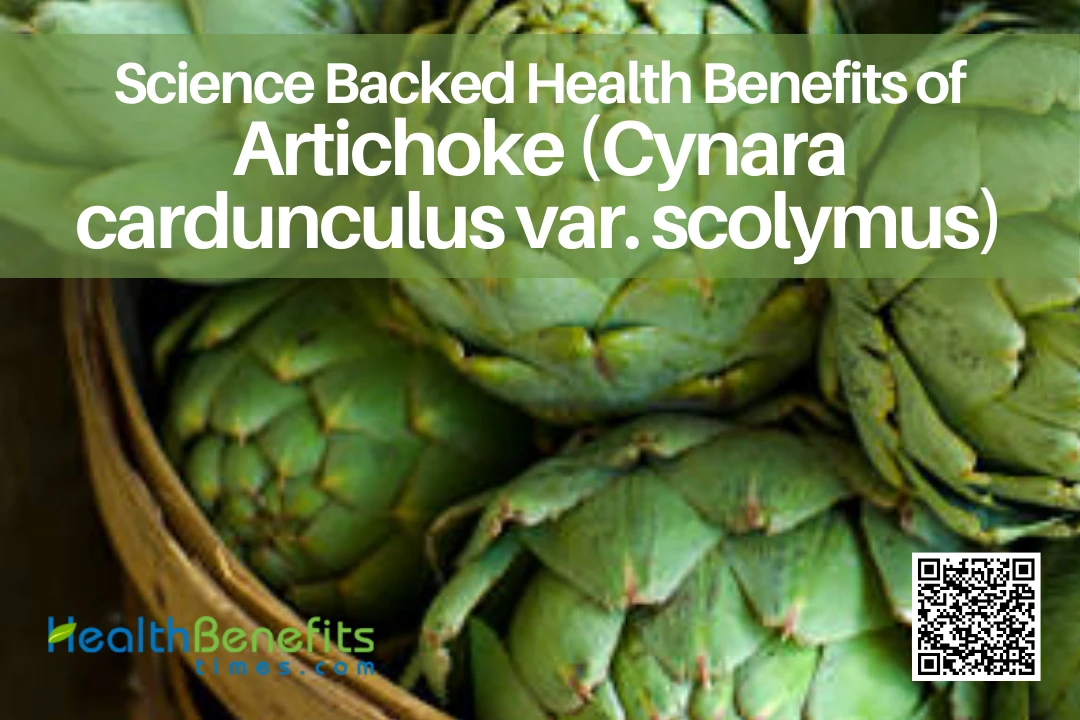 An artichoke is the edible bud of the thistle plant Cynara scolymus, believed to have originated in the Mediterranean region over two millennia ago, where it was cultivated by the ancient Greeks and Romans. Covered in overlapping green to purple-tinted bracts, the globe-shaped artichoke measures about three to five inches in diameter and sits atop a thick, fibrous stem; beneath its tough outer leaves lies a tender heart and a fuzzy “choke” that’s removed before eating. Renowned for its mild, slightly nutty flavor, artichoke hearts are commonly steamed, boiled, roasted, or grilled and enjoyed on their own, in salads, dips, pasta dishes, and pizzas. Beyond its culinary appeal, artichoke is prized in health and wellness circles for its high fiber content, antioxidants like cynarin and silymarin, and potential benefits for liver function, cholesterol regulation, and digestive health.
Nutritional Composition of Artichoke
Artichokes are a low‐calorie, nutrient‐dense vegetable that deliver substantial dietary fiber and essential vitamins and minerals in just 100 g. With only 53 kcal per serving, they provide 5.7 g of fiber (20% DV) alongside nearly 3 g of protein and minimal total fat. Artichokes also supply significant amounts of vitamin C (7.4 mg, 8% DV), vitamin K (14.8 µg, 12% DV), folate (89 µg DFE, 22% DV), and a range of B vitamins all of which support immune, cardiovascular, and metabolic health as well as notable levels of potassium, magnesium, manganese, and copper, contributing to electrolyte balance and antioxidant defense.
Serving Size: 100 g
Target Audience: Individuals interested in overall health and wellness
| Nutrient | Amount per 100 g | Unit | % Daily Value (DV)¹ |
| Calories | 53 kcal. | 3% | |
| Total Fat | 0.34 g. | <1% | |
| – Saturated Fat | 0.079 g. | <1% | |
| Cholesterol | 0 mg. | 0% | |
| Sodium | 60 mg. | 3% | |
| Total Carbohydrate | 12 g | 4% | |
| – Dietary Fiber | 5.7 g. | 20% | |
| – Total Sugars | 0.99 | g | – |
| Protein | 2.89 | g | 6% |
| Vitamin C (Ascorbic Acid) | 7.4 | mg | 8% |
| Vitamin K (Phylloquinone) | 14.8 | µg | 12% |
| Thiamin (B₁) | 0.05 | mg | 4% |
| Riboflavin (B₂) | 0.089 | mg | 7% |
| Niacin (B₃) | 1.11 | mg | 7% |
| Vitamin B₆ | 0.081 | mg | 6% |
| Folate, total (DFE) | 89 | µg | 22% |
| Pantothenic Acid (B₅) | 0.24 | mg | 5% |
| Choline, total | 34.4 | mg | 6% |
| Calcium | 21 | mg | 2% |
| Iron | 0.61 | mg | 3% |
| Magnesium | 42 | mg | 10% |
| Phosphorus | 73 | mg | 5% |
| Potassium | 286 | mg | 6% |
| Zinc | 0.4 | mg | 4% |
| Copper | 0.127 | mg | 14% |
| Manganese | 0.225 | mg | 10% |
| Selenium | 0.2 | µg | <1% |
| Vitamin A (RAE) | 1 | µg | 0% |
| Vitamin E (α-Tocopherol) | 0.19 | mg | 1% |
| Lutein + Zeaxanthin | 464 | µg | – |
| Water | 84.1 | g | – |
Source: (1)
Science Backed Health Benefits of Artichoke (Cynara cardunculus var. scolymus)
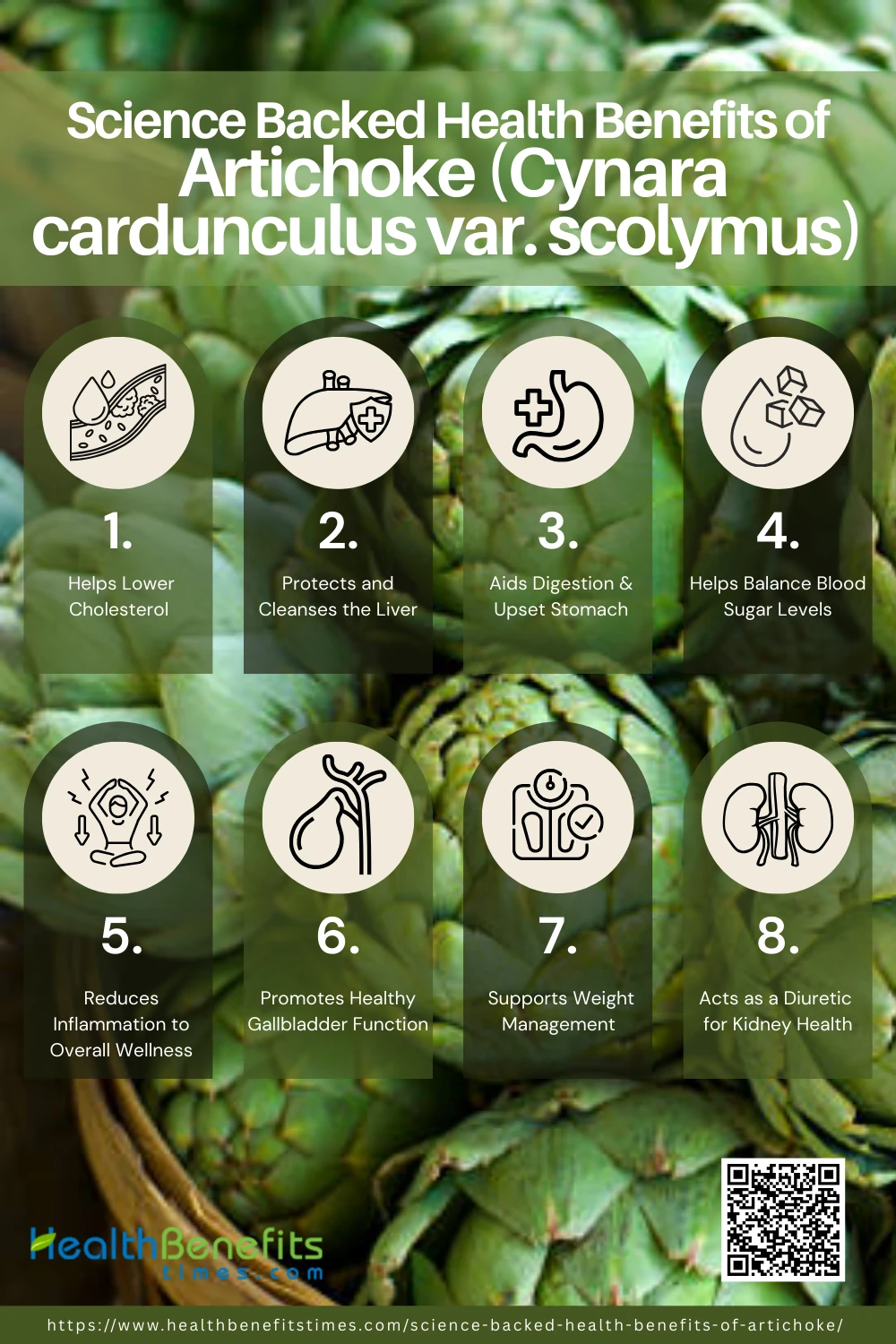 1. Helps Lower Cholesterol
Scientific research demonstrates that artichoke extract offers promising benefits for managing cholesterol levels through multiple pathways in the body. Studies show that artichoke leaf extract can significantly reduce total cholesterol while simultaneously increasing beneficial HDL-cholesterol levels. (2) (3) The cholesterol-lowering effects are primarily attributed to bioactive compounds including chlorogenic acid, cynarin, luteolin, and caffeoylquinic acids found in artichoke leaves. ({% https://www.sciencedirect.com/science/article/abs/pii/S1043661818312672? https://www.sciencedirect.com/science/article/pii/S1756464620301614? https://www.mdpi.com/2079-7737/14/4/397? %}) (4) These polyphenolic compounds work by inhibiting HMG-CoA reductase, the key enzyme responsible for cholesterol production in the liver. Additionally, artichoke extract enhances the reverse cholesterol transport pathway, which helps remove excess cholesterol from tissues and transport it back to the liver for elimination. (5) Research indicates that regular consumption of artichoke extract can lead to meaningful reductions in LDL (bad) cholesterol levels while supporting overall cardiovascular health through improved blood vessel function and reduced inflammation.
2. Protects and Cleanses the Liver
Artichoke serves as a powerful ally for liver health, offering both protective and cleansing benefits through its rich array of bioactive compounds. The plant contains potent antioxidants including cynarin, chlorogenic acid, and caffeic acid, which work together to shield liver cells from damage and support optimal liver function. (6) (7) Studies reveal that artichoke supplementation significantly reduces elevated liver enzymes ALT and AST, which are key markers of liver damage, while simultaneously improving overall liver function. (8) (9) The flavonoids luteolin and apigenin found in artichoke enhance the liver’s natural antioxidant defense system, helping to neutralize harmful free radicals that can cause cellular damage. (7) (10) Additionally, artichoke promotes bile production and flow, which aids in the natural cleansing process by helping eliminate toxins and waste products from the body. Research shows particular benefits for individuals with non-alcoholic fatty liver disease, where artichoke helps reduce liver fat accumulation and inflammation. (11) (12) These combined effects make artichoke an effective natural approach for maintaining liver health and supporting the organ’s vital detoxification functions.
3. Aids Digestion and Eases Upset Stomach
Artichoke provides significant relief for digestive discomfort and upset stomach symptoms. Studies show that artichoke leaf extract effectively reduces functional dyspepsia, a condition characterized by chronic stomach pain, bloating, nausea, and early satiety. (13) (14) The key bioactive compounds responsible for these benefits include caffeoylquinic acids, particularly chlorogenic acid, along with flavonoids such as luteolin and apigenin derivatives. Additionally, sesquiterpene lactones, especially cynaropicrin, contribute to the plant’s therapeutic effects. (15) (16) Research findings indicate that artichoke extract significantly improves symptoms including epigastric fullness, bloating, nausea, and stomach pain. The plant’s natural compounds work by enhancing bile flow and supporting digestive processes. When combined with ginger, artichoke shows even greater effectiveness in treating functional dyspepsia. (17) The polyphenolic compounds remain bioavailable during digestion, allowing them to provide sustained digestive support. (18) These findings establish artichoke as a valuable natural remedy for maintaining digestive health and providing relief from common stomach ailments.
4. Helps Balance Blood Sugar Levels
Scientific research reveals that artichoke (Cynara scolymus) offers significant benefits for maintaining healthy blood sugar levels through its rich array of bioactive compounds. The plant contains powerful ingredients including chlorogenic acid, caffeoylquinic acids, flavonoids like luteolin, and cynaropicrin, which work together to support glucose metabolism. (19) (7) Studies demonstrate that artichoke extract can effectively reduce fasting blood glucose levels and improve insulin sensitivity in individuals with impaired glucose tolerance. (20) The chlorogenic acid in artichoke acts as a potent inhibitor of glucose 6-phosphate translocase, helping regulate blood sugar homeostasis, while dicaffeoylquinic acid derivatives modulate alpha-glucosidase activity to slow carbohydrate absorption. (19) Research shows that artichoke supplementation can lower glycated hemoglobin levels and reduce insulin resistance markers. (19) (21) Additionally, the luteolin content in artichoke leaves contributes to improved glucose metabolism and enhanced insulin function. These findings suggest that incorporating artichoke into the diet may provide natural support for blood sugar balance through multiple complementary mechanisms.
5. Reduces Inflammation to Support Overall Wellness
Emerging from extensive scientific research, artichoke (Cynara scolymus L.) demonstrates remarkable anti-inflammatory properties that support overall wellness through multiple pathways. The plant’s therapeutic effects are primarily attributed to its rich content of bioactive compounds, including chlorogenic acid, luteolin, cynarin, and caffeoylquinic acid derivatives, which work synergistically to combat chronic inflammation. (22) (23) These polyphenolic compounds effectively reduce key inflammatory markers such as interleukin-6 (IL-6), tumor necrosis factor-alpha (TNF-α), and C-reactive protein (CRP), while simultaneously inhibiting the production of prostaglandins and other inflammatory mediators. (24) (24) Research reveals that artichoke extracts significantly suppress nuclear factor-kappa B (NF-κB) activity, a master regulator of inflammatory responses, leading to decreased cellular infiltration and tissue damage. (25) (26) Additionally, the plant’s sesquiterpene lactones contribute to its anti-inflammatory action by inhibiting nitric oxide production in immune cells. (23) By modulating these inflammatory pathways, artichoke helps protect against chronic diseases and supports the body’s natural healing processes, making it a valuable addition to wellness-focused nutrition plans.
6. Promotes Healthy Gallbladder Function
Artichoke (Cynara scolymus) serves as a powerful natural ally for gallbladder health through multiple mechanisms. Research reveals that artichoke extract significantly increases bile flow and production, with studies showing remarkable improvements in bile secretion rates within hours of consumption. (27) ({% https://www.sciencedirect.com/science/article/abs/pii/S0944711311800279? https://www.researchgate.net/publication/268517529_Hepatoprotective_effects_of_artichoke_Cynara_scolymus %}) The plant’s active compound, cynarin, along with chlorogenic acid and caffeoylquinic acids, work synergistically to stimulate bile production from the liver and facilitate its smooth flow into the gallbladder and intestines. ({% https://www.sciencedirect.com/science/article/pii/S2667031324000022? https://www.researchgate.net/publication/385556691_The_Efficacy_of_a_Combination_of_Milk_Thistle_Artichoke_and_Green_Tea_in_the_Treatment_of_Biliary_Sludge_An_Interventional_Prospective_Open_Study %}) Beyond bile enhancement, artichoke extracts demonstrate remarkable effectiveness in addressing gallbladder-related conditions, including the dissolution of biliary sludge and potential gallstone prevention. Clinical studies have documented significant improvements in patients with biliary sludge when treated with artichoke-containing formulations. (10) Traditional medicine practitioners have long recognized artichoke’s choleretic properties, which help optimize fat digestion and reduce digestive discomfort. (28) (29) These multifaceted benefits make artichoke a valuable therapeutic option for maintaining optimal gallbladder function and preventing related complications.
7. Supports Weight Management
Research demonstrates that artichoke (Cynara cardunculus) offers significant benefits for weight management through multiple mechanisms. Studies show that artichoke supplementation leads to meaningful reductions in body weight, waist circumference, and visceral adipose tissue in people with pre-obesity and metabolic concerns. (30) (31) The plant’s bioactive compounds, including chlorogenic acid, luteolin, and caffeoylquinic acids, work together to enhance fat metabolism and reduce inflammation associated with excess weight. (19) ({% %}) Clinical trials reveal that artichoke extract effectively decreases total cholesterol and LDL cholesterol while improving HDL levels, supporting healthy lipid profiles essential for weight management. (32) ({% https://www.sciencedirect.com/science/article/pii/S0965229920318793? https://www.mdpi.com/2072-6643/14/1/108? %}) Additionally, artichoke helps regulate blood sugar levels and improves insulin sensitivity, which are crucial factors in maintaining healthy weight (33) The extract’s ability to reduce visceral fat particularly stands out, as this type of fat is strongly linked to metabolic complications and cardiovascular risks. (34)
8. Acts as a Gentle Diuretic for Kidney Health
Artichoke emerges as a powerful ally for kidney wellness, offering gentle diuretic properties that support optimal renal function. Research demonstrates that artichoke leaf extracts significantly improve kidney health by reducing elevated levels of creatinine, uric acid, and urea in the blood – key markers that indicate how well the kidneys are filtering waste from the body. (35) The plant’s therapeutic effects stem from its rich concentration of bioactive compounds, particularly chlorogenic acid, cynarin, and caffeoylquinic acid derivatives, which work together to enhance kidney function and protect against oxidative damage. (36) Studies reveal that artichoke’s diuretic action helps reduce kidney inflammation and prevents the accumulation of harmful substances that can lead to kidney dysfunction. The plant’s high content of phenolic compounds and flavonoids provides additional antioxidant protection, shielding kidney tissues from free radical damage. (37) Furthermore, artichoke extract has shown remarkable ability to restore normal kidney structure and function while decreasing oxidative stress markers, making it a valuable natural approach for maintaining healthy kidneys. (38) Traditional medicine has long recognized artichoke’s diuretic properties, and modern research continues to validate its gentle yet effective support for kidney health. (39)
Practical Tips for Incorporation of Artichoke (Cynara cardunculus var. scolymus)
Incorporating artichoke into your diet can be achieved through various methods, each offering unique benefits for overall health and wellness. Fresh artichoke preparation provides the most nutritional value , though both fresh consumption and standardized extracts have demonstrated therapeutic properties in clinical research.
1. Fresh Artichoke Preparation Methods
The most nutritionally beneficial cooking methods preserve the vegetable’s bioactive compounds while enhancing palatability. Steaming artichokes for 25-35 minutes maintains optimal nutrient retention , as this method prevents water-soluble vitamins and minerals from leaching out. Pressure cooking offers a time-efficient alternative, requiring only 10-20 minutes while preserving therapeutic compounds. For enhanced flavor, grilling or roasting artichokes at 425°F for 30-40 minutes creates appealing caramelization while maintaining most beneficial properties.
Research indicates that boiling significantly reduces polyphenol content by up to 30% , making it the least preferred cooking method for maximizing health benefits. However, boiled artichokes still retain substantial fiber content and digestive benefits. When preparing fresh artichokes, proper trimming involves removing the tough outer leaves and cutting off the top quarter before cooking.
2. Supplementation Guidelines
Clinical studies have established effective dosage ranges for artichoke leaf extract supplementation. The most commonly researched therapeutic dose is 600-1800 mg daily, taken in divided doses. For cholesterol management, studies have used 1200-1920 mg daily for 6-12 weeks, showing significant reductions in total and LDL cholesterol. Liver health benefits have been demonstrated with doses of 600 mg daily for 8-9 weeks in patients with fatty liver conditions.
Safety considerations are important when using artichoke supplements. The established safe dosage range extends from 250 mg to 2700 mg daily for periods up to 12 weeks. Most clinical trials report minimal side effects, typically limited to mild gastrointestinal symptoms such as gas, bloating, or stomach upset. These effects are usually transient and resolve as the body adjusts to increased fiber intake.
3. Contraindications and Precautions
Individuals with bile duct obstruction or gallstones should avoid artichoke products , as the plant’s choleretic properties may exacerbate these conditions. Those with allergies to plants in the Asteraceae family, including daisies, chrysanthemums, or ragweed, should exercise caution due to potential cross-reactivity. Pregnant and breastfeeding women should limit consumption to normal dietary amounts, as safety data for therapeutic doses during these periods remains insufficient.
For optimal results, artichoke incorporation should be gradual, starting with smaller amounts to allow digestive adaptation. Fresh artichokes can be added to salads, pasta dishes, or consumed as a vegetable side 2-3 times per week. When choosing supplements, select standardized extracts from reputable manufacturers that specify polyphenol content, typically containing 2.5-5% cynarin or 15-18% caffeoylquinic acids.
Potential Risks and Precautions of Artichoke
Despite artichoke’s beneficial properties, several important safety considerations require attention before incorporating it into your wellness routine. Individuals with allergies to the Asteraceae family, which includes ragweed, chrysanthemums, marigolds, and daisies, should exercise particular caution as artichoke may trigger allergic reactions. (40)Common side effects from artichoke supplementation include gastrointestinal symptoms such as gas, upset stomach, and diarrhea (40)
Artichoke can significantly interact with various medications, particularly those metabolized by liver enzymes including cytochrome P450 2B6 and 2C19 substrates, potentially altering drug effectiveness. (40) People taking diabetes medications should monitor blood sugar levels closely, as artichoke’s bioactive compounds may lower glucose levels excessively when combined with antidiabetic drugs. Similarly, those on blood pressure medications need careful monitoring since artichoke may enhance hypotensive effects. (40)
Specific medical conditions warrant special precautions. Individuals with bile duct obstruction or gallstones should avoid artichoke supplements, as the plant’s choleretic properties may worsen these conditions by increasing bile flow. (40) Pregnant and breastfeeding women should limit consumption to food amounts only, as insufficient safety data exists for medicinal doses during these periods (40)
Conclusion
In conclusion, artichoke (Cynara cardunculus var. scolymus) stands out as more than just a flavorful addition to meals it is a nutrient-rich vegetable backed by science for its wide-ranging health benefits. From supporting heart, liver, kidney, and gallbladder function to aiding digestion, balancing blood sugar, reducing inflammation, and even assisting in weight management, artichoke offers powerful therapeutic properties through its bioactive compounds and antioxidant profile. While safe for most people when consumed in food amounts or standardized supplements, proper precautions should be taken for those with allergies, gallbladder conditions, or certain medical treatments. Incorporating artichoke into a balanced diet, whether fresh or in supplement form, provides a natural and effective way to promote overall wellness and long-term health.