

- Asparagus is a nutrient-rich, antioxidant, anti-cancer, low-calorie, supports digestive, overall health.
- Asparagus is a Nutrient-rich, cancer prevention, lowers blood pressure, supports metabolic health.
- Asparagus protects liver, antioxidant, anti-inflammatory, neutralizes toxins, supports enzyme activity.
- Asparagus counteracts hepatic fibrosis, reduces oxidative stress, inactivates stellate cells.
- Asparagus supports reproductive health, prevents neural defects, balances hormones, reduces inflammation.
- Asparagus enhances cognitive function, reduces amyloid deposition, protects neuronal cells.
- Asparagus is a nutritious, versatile, low-calorie veggie that boosts health, enhances meals, seasonal delight.
 Asparagus is a perennial flowering plant (Asparagus officinalis) native to Europe, northern Africa, and western Asia, where it has been cultivated for over 2,000 years and prized for its tender shoots. The edible young spears emerge in spring, exhibiting slender, spear-shaped stalks topped with feathery, fern-like foliage; colors range from vibrant green to purple or white, depending on growing conditions and harvesting practices. Valued both as a nutrient-dense vegetable and a culinary delicacy, asparagus is rich in vitamins A, C, E, and K, as well as folate and dietary fiber, making it a popular choice for supporting digestive health, antioxidant defenses, and heart-healthy diets. In addition to its use in salads, stir-fries, and soups, asparagus extract is explored in supplements for its diuretic properties and potential to promote kidney function and detoxification, underscoring its versatile role in overall health and wellness.
Nutritional Composition of Asparagus
Cooked asparagus is a low-calorie powerhouse, delivering just 22 kcal per 100 g while providing a wealth of essential vitamins, minerals, and fiber. Each serving supplies nearly half of your daily vitamin K needs and offers significant amounts of folate, vitamin A, vitamin C, and vitamin E, making it a potent ally for bone health, immune support, and antioxidant protection. With over 2 g of dietary fiber, a modest amount of protein, and key minerals like potassium, iron, and copper, asparagus supports healthy digestion, cardiovascular function, and overall wellness, all in a crisp, nutrient-dense package.
Serving Size: 100 g
Target Audience: Individuals interested in overall health and wellness
| Nutrient / Chemical | Amount per 100 g | Unit | % Daily Value (DV)¹ |
| Calories | 22 | kcal | — |
| Total Fat | 0.22 | g | <1% |
| Saturated Fat | 0.048 | g | <1% |
| Cholesterol | 0 | mg | 0% |
| Sodium | 14 | mg | <1% |
| Total Carbohydrate | 4.11 | g | 1% |
| Dietary Fiber | 2 | g | 7% |
| Total Sugars | 1.3 g. | — | |
| Protein | 2.4 g. | 5% | |
| Vitamin A (RAE) | 50 µg. | 6% | |
| β-Carotene | 604 µg. | — | |
| Lycopene | 30 | µg | — |
| Lutein + Zeaxanthin | 771 | µg | — |
| Vitamin C | 7.7 | mg | 9% |
| Vitamin E (α-tocopherol) | 1.5 | mg | 10% |
| Vitamin K (Phylloquinone) | 50.6 | µg | 42% |
| Thiamin (B₁) | 0.162 | mg | 13% |
| Riboflavin (B₂) | 0.139 | mg | 11% |
| Niacin (B₃) | 1.08 | mg | 7% |
| Pantothenic Acid (B₅) | 0.225 | mg | 5% |
| Vitamin B-6 | 0.079 | mg | 5% |
| Folate, total (DFE) | 149 | µg | 37% |
| Choline, total | 26.1 | mg | 5% |
| Betaine | 0.9 | mg | — |
| Calcium | 23 | mg | 2% |
| Iron | 0.91 | mg | 5% |
| Magnesium | 14 | mg | 3% |
| Phosphorus | 54 | mg | 4% |
| Potassium | 224 | mg | 5% |
| Zinc | 0.6 | mg | 5% |
| Copper | 0.165 | mg | 18% |
| Manganese | 0.154 | mg | 7% |
| Selenium | 6.1 | µg | 11% |
| Fluoride | 21.9 | µg | — |
| Water | 92.6 | g | — |
| Ash | 0.63 | g | — |
Source: (1)
Science Backed Health Benefits of Asparagus
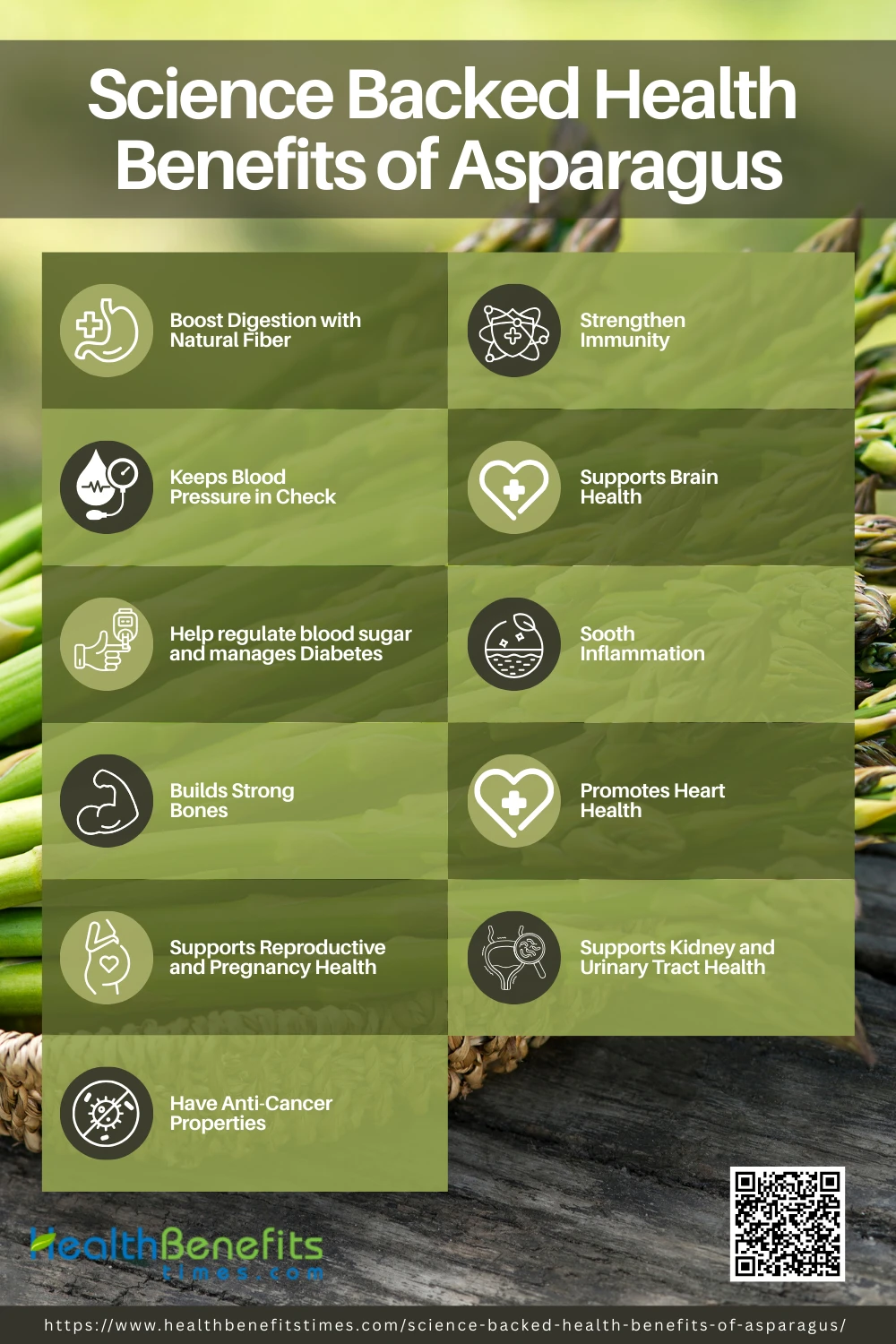 1. Boost Digestion with Natural Fiber
Among nature’s most powerful digestive supporters, asparagus stands out as a remarkable source of beneficial compounds that enhance gut health through multiple mechanisms. The vegetable contains significant amounts of dietary fiber, including both soluble and insoluble forms, with total dietary fiber values reaching up to 58.1% in asparagus by-products compared to 23.8% in the edible portions. (2) Research demonstrates that asparagus is particularly rich in fructans, specifically inulin-type compounds, which serve as powerful prebiotics that selectively promote the growth of beneficial bacteria like Lactobacillus and Bifidobacterium in the intestinal tract. (3) (4) These bioactive polysaccharides help regulate intestinal microbiota composition by reducing the Firmicutes to Bacteroidetes ratio and increasing beneficial genera such as Muribaculaceae and Bacteroides. (4) Additionally, asparagus contains hydroxycinnamic acids, flavonoids, and saponins that contribute to its digestive benefits. (3) (5) The fermentation of asparagus fiber by gut bacteria produces short-chain fatty acids, particularly acetate and propionate, which support intestinal health and improve overall digestive function. (6) Studies confirm that regular consumption of asparagus can effectively stimulate intestinal transit due to its high cellulose concentration. (5)
2. Strengthen Immunity
Naturally rich in steroidal saponins, flavonoids and phenolic compounds, asparagus contributes to immune balance by supporting both cellular and humoral defenses. (7) (8) Packed with vitamin C and folic acid, it enhances antioxidant capacity and aids the proliferation of immune cells that guard against infections. (3) Moreover, asparagus contains asparagusic acid and other sulfur-containing bioactives that modulate inflammatory pathways and support the function of macrophages, the frontline phagocytes that clear pathogens. (9) Research has demonstrated that asparagus extracts can stimulate the production of key immune signaling molecules—including interleukins, tumor necrosis factor and interferons—thereby reinforcing the body’s adaptive responses without overstimulating inflammation. (7) (10) Dietary inclusion of asparagus has been shown to preserve structural barriers against toxins and support liver and kidney health, indirectly sustaining immunity by maintaining detoxification pathways. (11) (12) Traditional use of asparagus in aquaculture and veterinary applications further highlights its ability to mitigate environmental stressors by enhancing lysozyme activity, respiratory burst, and C-reactive protein regulation. (12) (13) By integrating these diverse nutrients and bioactive compounds, asparagus serves as a functional food that strengthens the immune system while promoting overall wellness.
3. Keeps Blood Pressure in Check
Scientific evidence reveals that asparagus serves as a natural ally in maintaining healthy blood pressure levels through multiple mechanisms. Research demonstrates that green asparagus prevents hypertension by inhibiting angiotensin-converting enzyme (ACE) activity, a key factor in blood pressure regulation. (14) The active compound responsible for this effect is 2″-hydroxynicotianamine, which has been identified as a critical component for blood pressure control. Clinical studies show that consuming asparagus bottom-stems and cladophylls significantly reduces both systolic and diastolic blood pressure in healthy individuals. (15) Another important compound, asparaptine A, has also been discovered to possess blood pressure-lowering properties through advanced metabolomics research. (16) (17) Additionally, asparagus contains beneficial bioactive compounds including flavonoids, polyphenols, saponins, and rutin, which collectively contribute to cardiovascular health and blood pressure management. (18) These findings suggest that regular asparagus consumption may offer a natural approach to supporting healthy blood pressure levels through its unique combination of sulfur-containing compounds and other bioactive nutrients.
4. Supports Brain Health
Asparagus contains powerful bioactive compounds that provide significant neuroprotective benefits for brain health. The enzyme-treated asparagus extract (ETAS) stands out as a particularly potent brain-supporting compound, promoting the expression of heat shock proteins, especially HSP70 and HSP27, which protect neurons from damage and prevent harmful protein misfolding. (19) (20) (21) These heat shock proteins serve as molecular chaperones that maintain cellular health and inhibit the apoptosis cascade that can lead to brain cell death. Asparagus is rich in steroidal saponins, including shatavarin IV, asparanin, and sarsasapogenin, which demonstrate remarkable neuroprotective properties by inhibiting enzymes like acetylcholinesterase and monoamine oxidase-B. (22) (23) The vegetable also contains high concentrations of flavonoids, particularly rutin, which comprises 60-80% of its total phenolic content, along with quercetin, kaempferol, and caffeic acid, all providing potent antioxidant and anti-inflammatory effects. (24) Additionally, asparagus extracts enhance brain-derived neurotrophic factor (BDNF) levels, supporting neuroplasticity, memory formation, and overall cognitive function while modulating key neurotransmitters like serotonin, dopamine, and norepinephrine. (25) (26)
5. Help regulate blood sugar and manages Diabetes
Beyond its culinary appeal, asparagus emerges as a powerful ally in blood sugar management and diabetes care. Research demonstrates that both the edible portions and typically discarded parts of asparagus contain remarkable therapeutic compounds. The vegetable is rich in bioactive substances including rutin, quercetin, flavonoids, saponins, and protodioscin, which work synergistically to support glucose metabolism. (15) Studies reveal that asparagus extracts significantly reduce fasting plasma glucose levels while improving insulin secretion and enhancing pancreatic β-cell function. (27) The plant’s antidiabetic properties stem from its ability to inhibit key digestive enzymes like α-amylase and α-glucosidase, which helps control post-meal blood sugar spikes. (28) Additionally, asparagus exhibits potent antioxidant activity through compounds like polysaccharides and phenolic substances, reducing oxidative stress commonly associated with diabetes. (29) The vegetable also demonstrates impressive effects on glucose tolerance and helps maintain healthy triglyceride levels. (30) (31)
6. Sooth Inflammation
Asparagus emerges as a powerful natural anti-inflammatory agent supported by extensive scientific research. Various species of asparagus contain remarkable bioactive compounds that actively combat inflammation throughout the body. Asparagus officinalis, commonly known as garden asparagus, is rich in saponins, phenolic compounds like rutin and quercetin, and sulfur-containing compounds including asparagusic acid. (3) These natural chemicals work together to reduce inflammatory markers and support the body’s healing processes. Asparagus racemosus, traditionally used in Ayurvedic medicine, demonstrates significant anti-inflammatory properties through its steroidal saponins such as shatavarin compounds. (32) Research shows that asparagus extracts effectively reduce the production of inflammatory substances like tumor necrosis factor-alpha and interleukins. (33) The enzyme-treated asparagus extract contains beneficial compounds like 5-hydroxymethyl-2-furfural and asfural, which help suppress inflammatory pathways. (34) Studies confirm that asparagus consumption can significantly reduce pain and swelling associated with inflammatory conditions. (35) Additionally, asparagus cochinchinensis contains anti-inflammatory compounds that help regulate immune responses and protect against tissue damage. (36) (37) (38) (39)
7. Builds Strong Bones
Despite being commonly known as a culinary vegetable, asparagus holds remarkable potential as a bone-strengthening plant that could revolutionize how we approach skeletal health naturally. Scientific research reveals that Asparagus racemosus, particularly its root extract, contains powerful bioactive compounds that support bone formation and prevent bone loss. The plant’s therapeutic effects stem from its rich content of steroidal saponins, oligospirostanoside, and isoflavones, which work together to promote healthy bone metabolism. (40) (41) (42) Studies demonstrate that asparagus extracts significantly enhance bone mineralization and reduce the activity of osteoclasts, the cells responsible for breaking down bone tissue. The phytosterols and other active constituents present in asparagus root appear to interact with estrogen receptors, producing anti-osteoporotic effects similar to natural hormones. (40) (41) Research indicates that regular consumption of asparagus-derived compounds can improve important bone health markers, including increased ash calcium content and enhanced bone formation processes. The plant’s phytoestrogen properties make it particularly valuable for postmenopausal women, offering a natural alternative for maintaining bone density without the side effects associated with conventional hormone treatments. (42)
8. Promotes Heart Health
Asparagus contains powerful bioactive compounds that significantly benefit cardiovascular health. The vegetable is rich in phytosterols, saponins, and polyphenols, which work together to regulate cholesterol metabolism and improve heart function. (43) Studies demonstrate that asparagus consumption leads to notable reductions in both systolic and diastolic blood pressure, while also decreasing total cholesterol levels and improving arterial stiffness. (44) The heart-protective effects stem from several key nutrients, including rutin, a powerful flavonoid that provides antioxidant benefits, and protodioscin, which supports cardiovascular function. (44) Additionally, asparagus contains 20-hydroxyecdysone, a compound that enhances heart rate variability and improves endothelial function, leading to better blood vessel health. (45) Furthermore, asparagus polysaccharides help reduce atherosclerotic lesions and decrease inflammatory factors that contribute to heart disease. (46) The vegetable’s ascorbic acid content also provides additional antioxidant protection, while its saponins help increase HDL (good) cholesterol and decrease harmful LDL cholesterol levels. (43) (47)
9. Supports Reproductive and Pregnancy Health
Research reveals that asparagus possesses remarkable properties for enhancing reproductive wellness and supporting healthy pregnancies. Scientific studies demonstrate that asparagus root extract significantly stimulates the hypothalamic-pituitary-gonadal axis, the body’s primary reproductive control system, leading to increased production of essential fertility hormones including gonadotropin-releasing hormone, follicle-stimulating hormone, luteinizing hormone, estrogen, and progesterone. (48) The vegetable’s reproductive benefits stem from its rich concentration of specific bioactive compounds, particularly steroid saponins such as sarsaponin, protodioscin, and diosgenin, which function as natural phytoestrogens that mimic estrogen activity in the body. Additionally, asparagus contains vital amino acids including aspartic acid and arginine, where aspartic acid directly stimulates gonadotropin-releasing hormones while arginine converts to nitric oxide, a crucial factor in reproductive hormone regulation. (48) For pregnancy health, asparagus provides exceptional nutritional support through its high folate content, which significantly reduces the risk of congenital birth defects. The vegetable also supplies essential minerals including calcium, magnesium, phosphorus, and zinc, which serve as cofactors in enzymatic systems that support egg development and overall fertility. (48)
10. Supports Kidney and Urinary Tract Health
Asparagus provides significant benefits for kidney and urinary tract health through its rich array of bioactive compounds. Studies show that asparagus contains powerful antioxidants including rutin, quercetin, and kaempferol, which help protect kidney tissues from oxidative damage and inflammation. (49) The plant’s natural diuretic properties have been scientifically validated, with research confirming its ability to increase water excretion without affecting electrolyte balance, supporting healthy kidney function. (50) (51) Asparagus extract demonstrates nephroprotective effects by reducing markers of kidney damage such as creatinine and blood urea nitrogen levels while improving overall kidney function. (52) (53) The plant’s saponins, particularly steroidal saponins, contribute to its kidney-protective properties by enhancing antioxidant enzyme activity and reducing cellular damage. (54) (55) Additionally, asparagus has shown promising results in supporting kidney health in people with diabetes by helping maintain proper kidney function and reducing complications. (56) Traditional medicine practices have long recognized asparagus for treating kidney stones, with modern research supporting its lithotriptic properties. (57)
11. Have Anti-Cancer Properties
Asparagus possesses remarkable anti-cancer properties attributed to its rich profile of bioactive compounds. Research demonstrates that asparagus extracts contain powerful phytochemicals including steroidal saponins, flavonoids such as quercetin and rutin, polysaccharides, and phenolic compounds that collectively contribute to its anti-tumorigenic effects. (58) (59) Studies show that these compounds work through multiple mechanisms, including inducing cancer cell death through apoptosis, causing cell cycle arrest in the G1 phase, and reducing tumor cell proliferation. (60) (61) The anti-cancer activity extends to various cancer types, with research documenting effectiveness against breast, ovarian, endometrial, and liver cancers. Particularly noteworthy are the isoflavones prunetin and genistein, along with the flavone apigenin, which demonstrate antiestrogenic activity against hormone-sensitive tumors. (59) Additionally, asparagus extracts enhance the effectiveness of conventional cancer treatments, showing synergistic effects when combined with chemotherapy drugs like paclitaxel and cisplatin, making it a promising complementary therapy in cancer treatment. (60) (61)
Different methods of Incorporating Asparagus Into Your Diet
Raw Consumption Methods
Fresh asparagus can be safely consumed raw and offers exceptional nutritional benefits when properly prepared. Raw asparagus should be trimmed at the woody ends and sliced thinly or shredded to make the tough plant fibers easier to chew and digest. Research demonstrates that raw asparagus retains its full complement of heat-sensitive vitamins, including vitamin C and folate, which may be partially lost during cooking. Studies indicate that raw asparagus contains high levels of asparagine, an amino acid that provides natural diuretic benefits. For optimal palatability, raw asparagus can be incorporated into salads with olive oil and lemon juice dressing, which helps tenderize the stalks while preserving nutritional integrity. Additionally, raw asparagus can be juiced with complementary fruits like apples and cucumbers to create nutrient-dense beverages that maintain the vegetable’s beneficial compounds.
Heat-Based Cooking Techniques
Multiple cooking methods effectively preserve asparagus nutrients while improving digestibility. Research comparing cooking techniques shows that steaming asparagus for 3-5 minutes at controlled temperatures preserves more nutrients than prolonged boiling. Studies demonstrate that roasting asparagus at 400°F for 12-15 minutes enhances antioxidant availability while maintaining structural integrity. Scientific evidence indicates that brief blanching (2-4 minutes depending on spear thickness) followed by immediate cooling helps retain chlorophyll content and color vibrancy. Sautéing thin asparagus spears in healthy fats like olive oil for 5-7 minutes has been shown to improve absorption of fat-soluble vitamins A, E, and K. Research confirms that grilling asparagus creates beneficial Maillard compounds while preserving essential nutrients when cooked at moderate temperatures.
Preservation and Fermentation Methods
Asparagus can be preserved through various methods that maintain or enhance nutritional value. Lacto-fermentation studies show that pickled asparagus develops beneficial probiotics while retaining vitamins and minerals. Research indicates that fermented asparagus provides enhanced digestive benefits through increased fiber availability and probiotic content. Controlled storage studies demonstrate that properly blanched and frozen asparagus maintains 85-90% of its original nutrient content for up to 8 months. Scientific evidence shows that dehydrating asparagus at low temperatures preserves concentrated nutrients while extending shelf life. Advanced preservation techniques using supercooling technology have been proven to maintain fresh asparagus quality for up to 14 days while preserving enzymatic activities and nutritional compounds.
Precautions and Possible Side Effects of Asparagus
Understanding the potential risks of asparagus consumption is essential for maintaining safe dietary practices.
- Research indicates that asparagus can trigger both delayed allergic contact dermatitis and immediate IgE-mediated allergic reactions, with lipid transfer proteins (LTPs) playing a significant role in severe reactions including anaphylaxis and occupational asthma. (62) (63)
- The high fiber content in asparagus may cause digestive discomfort, including flatulence, stomach cramps, and gastric upset in sensitive individuals. (64)
- Additionally, asparagusic acid breaks down into sulfurous compounds during digestion, causing a distinctive urine odor that affects approximately 40 percent of the population. (65)
- Wild asparagus presents particular dangers due to calcium oxalate raphides – microscopic needle-like crystals that cause delayed symptoms including intense throat pain, swelling, and difficulty swallowing, typically occurring three hours after consumption. (66)
- For breast cancer patients, the amino acid asparagine found in asparagus may potentially promote tumor metastasis, though this remains controversial. (67)
- Individuals taking lithium should exercise caution, as asparagus may interact with this medication. (64)
Conclusion
In conclusion, asparagus stands out as more than just a seasonal delicacy—it is a nutrient-dense vegetable with powerful health-promoting properties. Backed by scientific research, it supports digestion, strengthens immunity, helps regulate blood pressure and blood sugar, protects brain and heart health, builds strong bones, and promotes kidney and reproductive wellness. Rich in vitamins, minerals, antioxidants, and unique bioactive compounds, asparagus also shows promising anti-inflammatory and anti-cancer potential, making it a true functional food. Whether enjoyed raw, lightly cooked, or fermented, incorporating asparagus into your diet offers a natural and versatile way to enhance overall health and well-being.