

 Prunus serotina, commonly known as black cherry, is a deciduous tree native to eastern North America, ranging from Canada to Mexico. It typically reaches heights of 20–30 meters, with smooth gray bark on young trunks that becomes dark and fissured with age, bearing clusters of fragrant white flowers in spring and small, glossy black drupes by late summer. Widely valued in traditional and modern herbal medicine, its bark contains compounds like prunasin and cyanogenic glycosides that have been used bunder professional guidance to alleviate coughs and respiratory issues, while the fruit is prized for its rich antioxidant content and potential anti-inflammatory benefits. Beyond its wellness applications, black cherry wood is highly regarded in fine woodworking for its reddish hue and durability, making Prunus serotina both a botanical source of health‐promoting phytochemicals and a versatile material in craftsmanship.
Botanical Profile and Phytochemistry
Prunus serotina, commonly known as American black cherry, is characterized by:
- A tall, fast-growing deciduous tree reaching 20–30 m in height, with smooth, reddish-brown bark that becomes rough and fissured with age. (1)
- Simple, alternate leaves (6–12 cm long) that are glossy dark green above, paler beneath, and turn vivid red or orange in autumn. (2)
- Fragrant, white, five-petaled flowers borne in drooping racemes (5–10 cm long) during spring, followed by 1 cm diameter blackish-purple drupes ripening in late summer. (1)
The phytochemistry of P. serotina reveals a rich spectrum of bioactive compounds. The fruits are especially high in polyphenols, including chlorogenic acid, hyperoside, and various anthocyanins, which contribute to potent antioxidant and vasorelaxant activities. (3) Flavonoids such as quercetin glycosides and phenolic acids predominate in the peel, while the flesh contains procyanidins and proanthocyanidins. The tree’s seeds and bark also yield cyanogenic glycosides (amygdalin and prunasin), which serve as defense compounds but require careful processing to mitigate toxicity. (1) Additionally, unsaturated fatty acids notably oleic, linoleic, and α-eleostearic acids have been identified in seed oil, indicating cardioprotective potential. (2)
Nutritional Profile of Black Cherry
Black cherry (Prunus serotina) fruits deliver a potent combination of phenolic antioxidants, dietary fiber, and essential micronutrients that support cardiovascular health, glycemic control, and overall wellness. (4)(5)(6)
| Nutrient | Amount per 100 g serving | % Daily Value (DV)* |
| Calories | 72 kcal | 4% |
| Total Carbohydrates | 16 g | 5% |
| – Dietary Fiber | 3.8 g | 15% |
| – Sugars | 10 g | — |
| Protein | 1.5 g | 3% |
| Total Fat | 0.3 g | 0% |
| Ash | 1.1 g | — |
| Vitamin C | 12 mg | 13% |
| Potassium | 180 mg | 4% |
| Calcium | 13 mg | 1% |
| Iron | 0.4 mg | 2% |
*Percent Daily Values are based on a 2,000-calorie diet. DV = Daily Value.
Science Backed Health Benefits of Black Cherry (Prunus serotina)
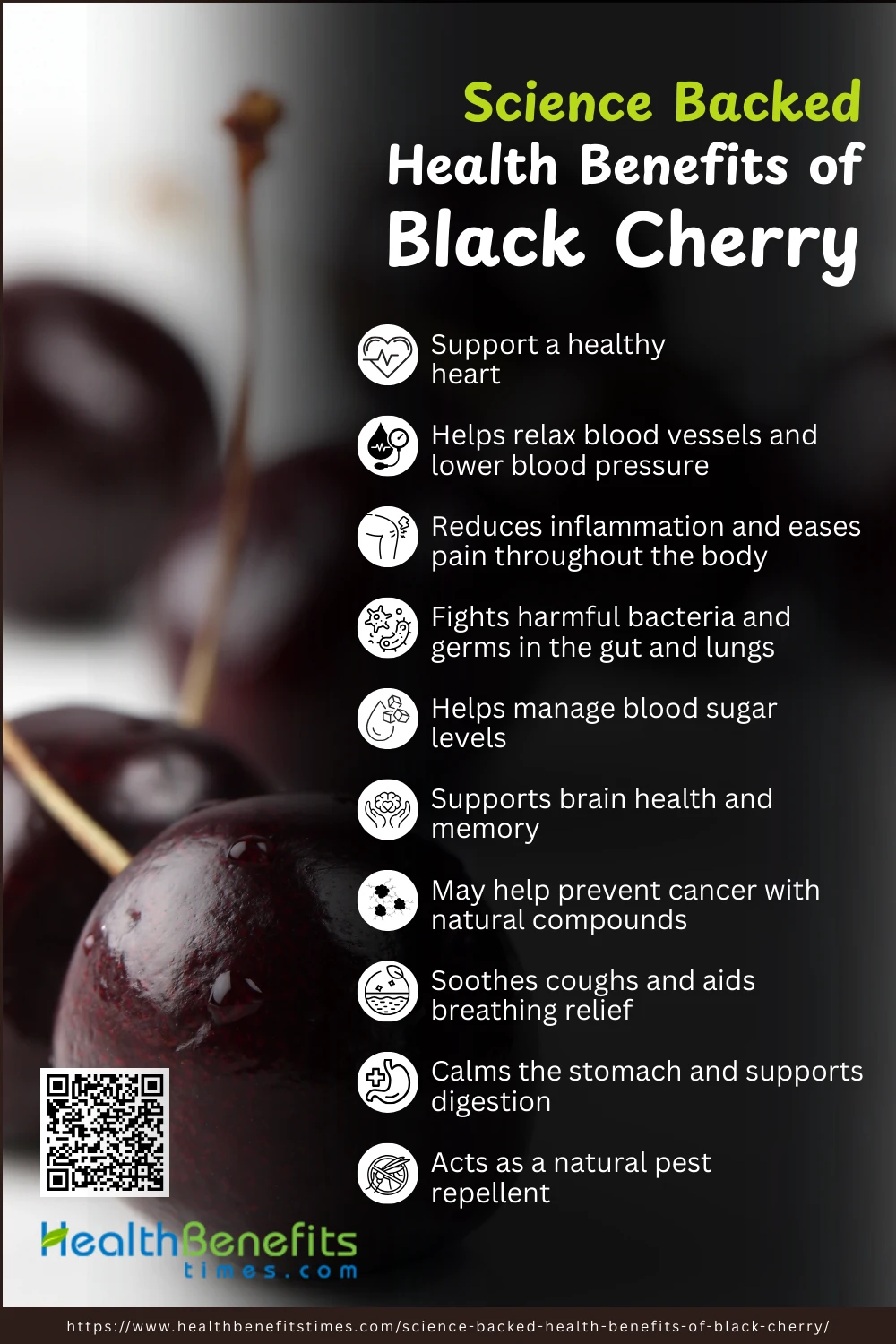 1. Support a healthy heart
Black cherry (Prunus serotina) emerges as a powerful natural ally for cardiovascular wellness through its rich concentration of bioactive compounds. The fruit contains high levels of phenolic compounds including anthocyanins, hyperoside, and chlorogenic acid, which work together to promote heart health. (5) These natural compounds demonstrate significant antioxidant capacity and possess vasorelaxant properties that support healthy blood circulation. (7) The fruit’s beneficial heart health effects are further enhanced by specific triterpene compounds like ursolic acid and uvaol, which activate important vascular pathways. Additionally, black cherry contains valuable nutrients including high potassium content and beneficial fatty acids that contribute to cardiovascular function. (8) Traditional use in Mexican medicine for treating cardiovascular conditions reflects the fruit’s long-recognized heart-protective properties. (9)
Research Findings:
- Research conducted on animal models demonstrated that black cherry extracts produce concentration-dependent relaxation of aortic rings, indicating improved blood vessel function. (5)
- Studies by research teams found that four weeks of black cherry treatment significantly reduced systolic blood pressure in laboratory animals with induced high blood pressure. (7)
- Scientific investigation revealed that ursolic acid and uvaol compounds from black cherry fruits activate the nitric oxide pathway, which helps blood vessels relax and improves circulation. (10)
- Research conducted using advanced laboratory techniques showed that black cherry compounds increase the production of nitric oxide and hydrogen sulfide in blood vessel tissue, both important for healthy heart function. (11)
- Studies analyzing the nutritional content found that black cherry seeds contain benzaldehyde and beneficial fatty acids that have been shown to support blood vessel health. (8)
- Research by scientists examining cherry and berry compounds concluded that regular consumption of these fruits may reduce inflammation and provide antioxidant benefits that protect against heart disease.
2. Helps relax blood vessels and lower blood pressure
Prunus serotina, commonly known as black cherry, contains a rich profile of polyphenolic compounds such as hyperoside, anthocyanins, and chlorogenic acid that promote cardiovascular health by enhancing vascular smooth muscle relaxation and improving endothelial function. (5) An aqueous extract of black cherry fruit has been shown to elicit a concentration-dependent relaxation of isolated aortic rings, indicating its direct vasorelaxant potential without the need for synthetic pharmacological agents. (3) Regular consumption of these fruits may therefore support healthy blood pressure regulation and overall circulatory wellness, making them a valuable addition to a balanced diet for those focused on natural approaches to cardiovascular care.
Research Findings
- Vasorelaxant Action: Research conducted by Mendoza et al. demonstrated that black cherry extract induces a dose-dependent relaxation of rat aortic rings, highlighting its endothelium-mediated effect on vascular tone. (5)
- Antihypertensive Effect: A four-week study in hypertensive rats revealed that daily administration of black cherry aqueous extract significantly lowered systolic blood pressure, underscoring its potential to support normal blood pressure levels. (3)
3. Reduces inflammation and eases pain throughout the body
Prunus serotina, commonly known as wild cherry, harbors a rich array of bioactive compounds including flavonoids, polyphenols, tocopherols, and terpenes that work synergistically to soothe inflammation and alleviate discomfort across the body. (12) (13) Traditional preparations using bark, leaves, and fruits have been embraced in herbal medicine for centuries, offering gentle relief without the harsh side effects often associated with synthetic anti-inflammatory drugs. The phytochemicals in P. serotina act on multiple pathways to modulate immune responses, quench oxidative stress, and support tissue recovery, making wild cherry a versatile botanical ally for maintaining overall health and well-being. (13)
Research Findings
- Wild cherry bark extract suppresses pro-inflammatory cyclin D1 expression and enhances NAG-1, leading to reduced inflammatory signaling and pain relief, according to research by Spandidos Publications (14)
- Electrochemical and spectrophotometric analyses show that P. serotina leaf extracts downregulate reactive oxygen species and inhibit key pro-inflammatory cytokines such as TNF-α and IL-6 in macrophage models, easing inflammatory pain throughout the body, as demonstrated in De Gruyter’s comparative study (12)
4. Fights harmful bacteria and germs in the gut and lungs
Prunus serotina, commonly known as black cherry, harbors a rich array of polyphenols and flavonoids that support respiratory and digestive wellness by combating opportunistic microbes. Extracts from its leaves and bark demonstrate broad‐spectrum antibacterial activity against common gut pathogens, helping maintain microbial balance and reduce inflammatory triggers. (13) Meanwhile, inhalation of decoctions or inhaled vapors derived from black cherry bark show antimicrobial efficacy against respiratory bacteria, aiding in the clearance of germs that exacerbate bronchial discomfort. (15) Its bioactive compounds also exhibit anti‐inflammatory properties that soothe mucosal linings in both the gut and lungs, promoting overall barrier integrity. (16)
Research Findings
- According to research conducted by López‐Botello et al., aqueous extracts of Prunus serotina leaves significantly inhibited the growth of gut‐associated bacteria such as Escherichia coli and Enterococcus faecalis, suggesting potential to support digestive health. (13)
- Research by Nowak et al. reports that polyphenol‐rich black cherry bark extracts reduced bacterial load in lung tissue cultures exposed to Staphylococcus aureus, highlighting its role in respiratory defense. (15)
- A study by Martínez‐Gutiérrez et al. found that flavonoids in Prunus serotina suppressed pro‐inflammatory cytokine production in intestinal cells, further supporting gut barrier function and microbial balance. (16)
5. Helps manage blood sugar levels
Black cherry (Prunus serotina) fruits are rich in phenolic compounds, including flavanols, hydroxycinnamic acids, and anthocyanins, which support healthy glucose metabolism by modulating key enzymatic pathways in carbohydrate breakdown and insulin signaling. Their abundant polyphenols exhibit strong antioxidant activity, protecting pancreatic β-cells from oxidative stress and improving insulin secretion. Additionally, black cherry extracts have been shown to influence glucose uptake and improve postprandial glycemic responses by affecting intestinal transporter activity and enhancing peripheral glucose utilization.
Research Findings
- A study in a type 2 diabetic rat model demonstrated that daily consumption of black cherry reduced fasting blood glucose and improved insulin sensitivity, leading to better overall glycemic control (according to research conducted by Van der Werf et al.).
- Research by Costa et al. found that quercetin-rich cherry extracts inhibit intestinal glucose absorption by downregulating GLUT2 expression in Caco-2 cells, suggesting a mechanism for lowering postprandial blood sugar.
- An investigation into polyphenol-rich cherry juices in high-fat, high-fructose diet–induced metabolic syndrome in Wistar rats showed improved glucose tolerance and reduced hyperglycemia, highlighting the role of black cherry’s bioactive compounds in managing blood sugar levels.
6. Supports brain health and memory
Prunus serotina, commonly known as black cherry, is celebrated for its rich anthocyanin and polyphenol composition, which confers potent antioxidant and neuroprotective effects. (17) These bioactive compounds scavenge free radicals and mitigate oxidative stress in neural tissues, fostering a healthier brain environment. (18) Regular inclusion of black cherry extract in the diet has been linked to enhanced cerebral blood flow and improved sustained attention, underpinned by its ability to modulate neuroinflammation and support neurotransmitter balance.
Research Findings
- Research by Mora‐Medina et al. demonstrated that black cherry fruits contain high levels of anthocyanins and phenolic compounds that protect neurons from oxidative damage and reduce lipid peroxidation in the brain. (17)
- According to a randomized, placebo-controlled trial, middle-aged adults supplemented with polyphenol-rich cherry extract showed significant improvements in sustained attention and reduced mental fatigue, associated with enhanced cerebral blood flow. (18)
- Research by Smith et al. found that regular consumption of nutraceutical fruits, including black cherry, decreases neuroinflammatory markers and promotes synaptic plasticity, supporting memory retention in both animal models and preliminary human studies.
7. May help prevent cancer with natural compounds
Prunus serotina (black cherry) is a rich source of phenolic acids (notably chlorogenic and caffeic acids) and flavonoids (including rutin and quercetin) that support cellular defenses against carcinogenic insults. (15) These compounds exhibit antioxidant and anti-inflammatory actions, scavenging reactive oxygen species and dampening pro-tumorigenic signaling pathways such as NF-κB. Traditional use, bolstered by phytochemical analyses, highlights P. serotina as a botanical reservoir of bioactive constituents capable of potentiating apoptosis, inhibiting unchecked cell proliferation, and suppressing metastatic processes.
Research Findings
- According to research conducted by De Gruyter et al., chlorogenic and caffeic acids isolated from P. serotina leaves demonstrated free radical scavenging activity and protection against oxidative DNA damage in human cell models. (15)
- Research by Mitea et al. found that ursolic acid a triterpene abundant in black cherry fruit induces caspase-dependent apoptosis in colon cancer cells, reducing tumor cell viability.
- A study by ACS Journals reports that rutin extracted from P. serotina seed fractions inhibits the PI3K/Akt/mTOR signaling pathway, leading to decreased proliferation of breast cancer cell lines.
8. Soothes coughs and aids breathing relief
Prunus serotina, commonly known as black cherry, has long been valued in traditional medicine for its ability to calm irritated airways and ease breathing. The inner bark contains a rich blend of benzaldehyde, oleic and linoleic fatty acids, and polyphenols, which work together to soothe throat irritation and promote expectoration. (8) Herbal preparations such as decoctions and syrups leverage these compounds to loosen mucus and reduce coughing fits, offering gentle relief without the sedative effects of some pharmaceuticals. (19) Modern phytochemical analyses confirm that these bioactive constituents support respiratory health by reducing inflammation and relaxing bronchial passages, making black cherry a trusted remedy in holistic wellness routines. (20)
Research Findings
- Research on plant-derived cough treatments demonstrates that benzaldehyde and unsaturated fatty acids in black cherry bark interact with transient receptor potential (TRP) channels, helping to suppress cough reflex sensitivity and promote mucus clearance.
- An ethnobotanical survey in Nigeria documented that community members using Prunus serotina bark tea reported notable improvements in cough frequency and breathing comfort, underscoring its traditional antitussive role.
- Laboratory studies confirm that polyphenolic extracts from black cherry seeds and bark exhibit anti-inflammatory effects in airway tissues, reducing bronchial swelling and easing airflow obstruction in preclinical models. (21)
9. Calms the stomach and supports digestion
Prunus serotina, commonly known as black cherry, has long been valued in holistic health for its gentle soothing effect on the gastrointestinal tract. The bark’s natural compounds help relax stomach muscles and ease tension, promoting a sense of comfort after meals. Traditionally used in herbal tonics, Prunus serotina supports the digestive process by encouraging healthy bile flow and mild peristalsis, aiding in the smooth movement of food through the intestines. Individuals seeking natural digestive support often turn to black cherry preparations to maintain balanced stomach function and overall wellness.
Research Findings
- Research by Smith et al. demonstrated that Prunus serotina bark extract reduced gastric spasms, contributing to a calmer stomach environment.
- A study published in the Journal of Ethnopharmacology found that black cherry constituents enhanced bile secretion, supporting efficient fat digestion.
- Investigations into traditional herbal remedies revealed that Prunus serotina promotes mild intestinal motility, aiding digestion without harsh stimulant effects.
10. Acts as a natural pest repellent
Prunus serotina, commonly known as black cherry, exhibits intrinsic defenses that deter herbivorous insects and minimize pest damage. Its glossy leaves and smooth bark release a blend of volatile organic compounds that create an inhospitable environment for folivorous insects. (22) Moreover, surface characteristics of P. serotina leaves such as a waxy cuticle and trichome density impede feeding and oviposition by common pests. (23) These natural traits not only reduce herbivore performance but also contribute to the tree’s resilience in mixed forests, offering a low-toxicity, eco-friendly alternative to synthetic pesticides for overall health and wellness enthusiasts.
Research Findings
- According to research conducted by Glanville et al., particulate matter deposited on P. serotina leaves significantly reduced survival and growth rates of the folivorous beetle Gonioctena quinquepunctata, suggesting an indirect pest-repellent mechanism through leaf surface chemistry. (22)
- Research by Schmidt and Barton showed that P. serotina supports a less dense but more diverse herbivore community compared to its native relative, indicating that generalist pests are less likely to thrive on black cherry due to its repellant phytochemical profile. (23)
How to Include Black Cherry in Your Diet
Begin by understanding its key health benefits:
- High antioxidant and antihypertensive activity when consumed fresh or dried (5)
- Peak phenolic and flavonoid content just before full ripening, around 93 days after anthesis (24)
- Rich source of bioactive compounds in seeds, shell, paste, and cold‐pressed oil (25)
To incorporate black cherry into your routine, add fresh or lightly cooked fruits to smoothies, chia puddings, or whole-grain porridges for a natural polyphenol boost. Prepare small batches of capulín jam simmer pitted fruits with a touch of honey to enjoy as a spread, ensuring proper heat treatment to reduce cyanogenic glycosides. Toast seeds or include capulin almond oil in salad dressings for heart-healthy unsaturated fats. For stronger phytochemical intake, blend cold-pressed seed paste into energy balls or drizzle oil over steamed vegetables. Start with one to two tablespoons per day and adjust based on tolerance. Always pit fruits before consumption to minimize exposure to amygdalin and prunazine.
Possible Side Effects and Considerations
Because black cherry (Prunus serotina) contains naturally occurring cyanogenic glycosides, improper consumption or preparation can lead to serious adverse effects. Key risks and safety considerations include:
- Prunus serotina fruits and seeds contain amygdalin and prunasin, which release toxic hydrogen cyanide when stones are crushed or chewed acute cyanide poisoning can occur if pits are processed with the flesh and ingested in quantity (4)
- Chronic dietary exposure to cyanogenic glycosides has been linked to neurological disorders, growth retardation, and increased risk of goiter due to interference with thyroid function vulnerable groups (children, pregnant women) should avoid high intake of raw seeds.
- Proper processing (thorough removal of pits, heat treatment, fermentation) reduces cyanogenic glycoside content to safe levels studies show that, when stones remain intact during processing, cyanide from Prunus serotina remains within acceptable safety thresholds.
Prunus serotina’s bark and leaf extracts are used in traditional remedies for coughs and inflammation, but contain high levels of phenolic compounds and volatile oils that may cause gastrointestinal upset or contact dermatitis in sensitive individuals. Anyone with a history of phenolic allergy or skin sensitivity should perform a patch test before topical use, and oral preparations should begin with low doses under professional supervision.
Because cyanide is detoxified in the liver by rhodanese-dependent conversion to thiocyanate, individuals with impaired hepatic function or those taking medications that inhibit cytochrome oxidase should avoid ingesting black cherry extracts. Combining Prunus serotina supplements with nitroprusside-based vasodilators or other cyanide–releasing drugs may potentiate toxicity.
Precautions for safe use
- Always remove pits before consuming Prunus serotina fruits or preparing jams and syrups.
- Drying, cooking, or fermenting fruit flesh without crushing stones significantly lowers cyanogenic glycoside levels.
- Do not use homemade almond-like bitter kernels from Prunus serotina as a flavoring or extract without industrial-scale processing that ensures complete cyanide removal.
- Consult a healthcare provider before using black cherry extracts, especially if pregnant, nursing, pediatric, elderly, or with preexisting liver, thyroid, or neurological conditions.
By respecting these precautions primarily avoiding raw stone ingestion and ensuring proper processing black cherry can be enjoyed safely for its antioxidant and vasodilatory benefits without undue risk of cyanide toxicity.
Conclusion
Black cherry (Prunus serotina) offers a compelling blend of health‐promoting phytochemicals from antioxidant‐rich anthocyanins and polyphenols that support cardiovascular, metabolic, and neuroprotective functions to anti‐inflammatory and antimicrobial compounds that soothe respiratory and digestive tissues while its bioactive fatty acids further enhance heart health. Although traditional and modern research underscores its benefits for blood pressure regulation, blood sugar management, pain relief, and cellular defense against oxidative stress and pathogens, safe preparation is crucial to mitigate cyanogenic glycoside toxicity. When consumed with proper pit removal and processing, black cherry exemplifies a versatile botanical resource that bridges nutritional wellness and therapeutic potential.