

- Cantaloupe is a sweet, juicy, nutrient-rich, anti-inflammatory, antioxidant, hydrating, aromatic, vulnerable, appreciated.
- Cantaloupe is sweet, refreshing, nutritional powerhouse, anti-inflammatory, boosts immunity, reduces oxidative stress.
- Cantaloupe is heart-healthy, lowers blood pressure, antioxidant-rich, reduces inflammation, protects skin.
- Cantaloupe is delicious, nutrient-rich, immune-boosting, skin-friendly, versatile in recipes, easy storage.
- Cantaloupe is nutritious, delicious, potential side effects are allergies, digestive issues, hyperkalemia, foodborne illnesses.
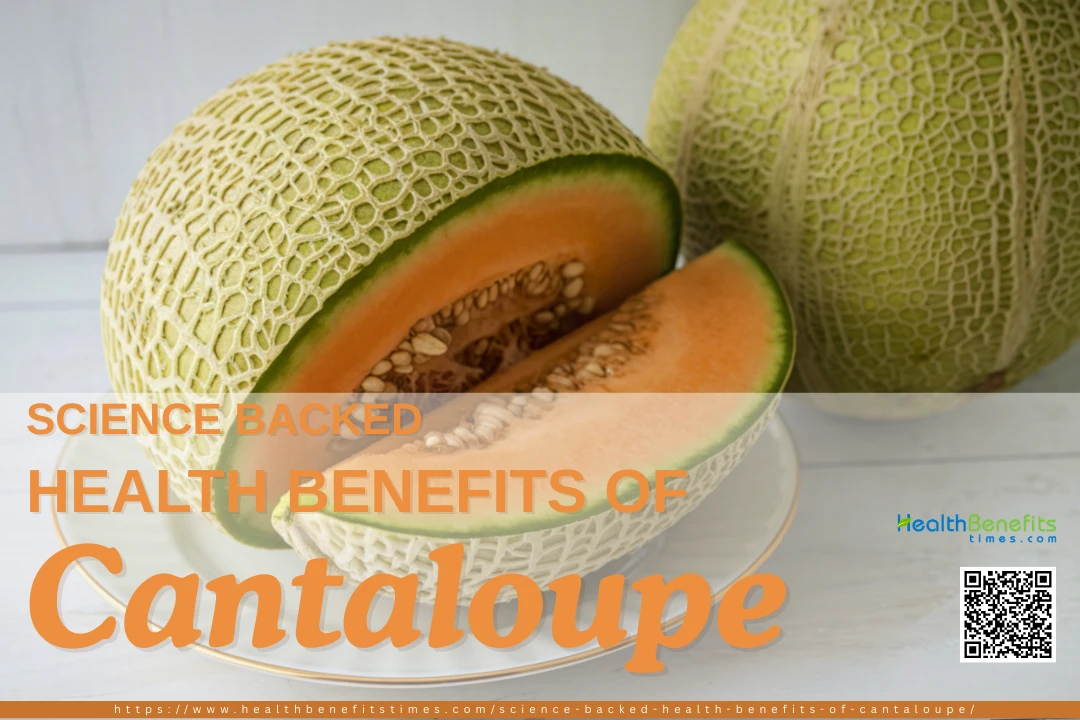
Cantaloupe, scientifically classified as Cucumis melo var. cantalupensis, is a refined member of the Cucurbitaceae family, celebrated for its aromatic sweetness and nutrient-dense profile. Distinct from the common North American muskmelon, the true European cantaloupe is characterized by its hard, warty rind and lack of netting. This refreshing fruit is a powerhouse of Vitamin A (as beta-carotene) and Vitamin C, essential for immune function and ocular health. Its high water content—approximately 90%—makes it an ideal hydrating snack, while its fiber and potassium levels support cardiovascular and digestive wellness. Whether sliced for a fresh summer salad or blended into a chilled soup, the cantaloupe remains a culinary staple, prized for its vibrant orange flesh and delicate, floral fragrance.
Nutritional Profile of Cantaloupe
Serving Size: 1 wedge, medium (1/8 of medium melon) (69 g)
| Nutrients | Amount | %DV* |
| Water | 62.2 g | ** |
| Energy | 23.5 kcal | 1.2% |
| Vitamin A, RAE | 117 µg | 13.0% |
| Vitamin C (total ascorbic acid) | 25.3 mg | 28.1% |
| Potassium, K | 184 mg | 3.9% |
| Total Sugars | 5.42 g | ** |
| Carbohydrate, by difference | 5.63 g | 2.0% |
| Folate, total | 14.5 µg | 3.6% |
| Magnesium, Mg | 8.28 mg | 2.0% |
| Phosphorus, P | 10.4 mg | 0.8% |
| Calcium, Ca | 6.21 mg | 0.5% |
| Fiber, total dietary | 0.621 g | 2.2% |
| Protein | 0.58 g | 1.2% |
| Niacin | 0.506 mg | 3.2% |
| Total lipid (fat) | 0.131 g | 0.2% |
| Sodium, Na | 11 mg | 0.5% |
Source: usda.gov
Percent Daily Values (%DV) are based on a 2,000-calorie diet. Individual nutritional needs may vary depending on age, gender, activity level, and overall health.
Science Backed Health Benefits of Cantaloupe
 #1. Support Immune System Function
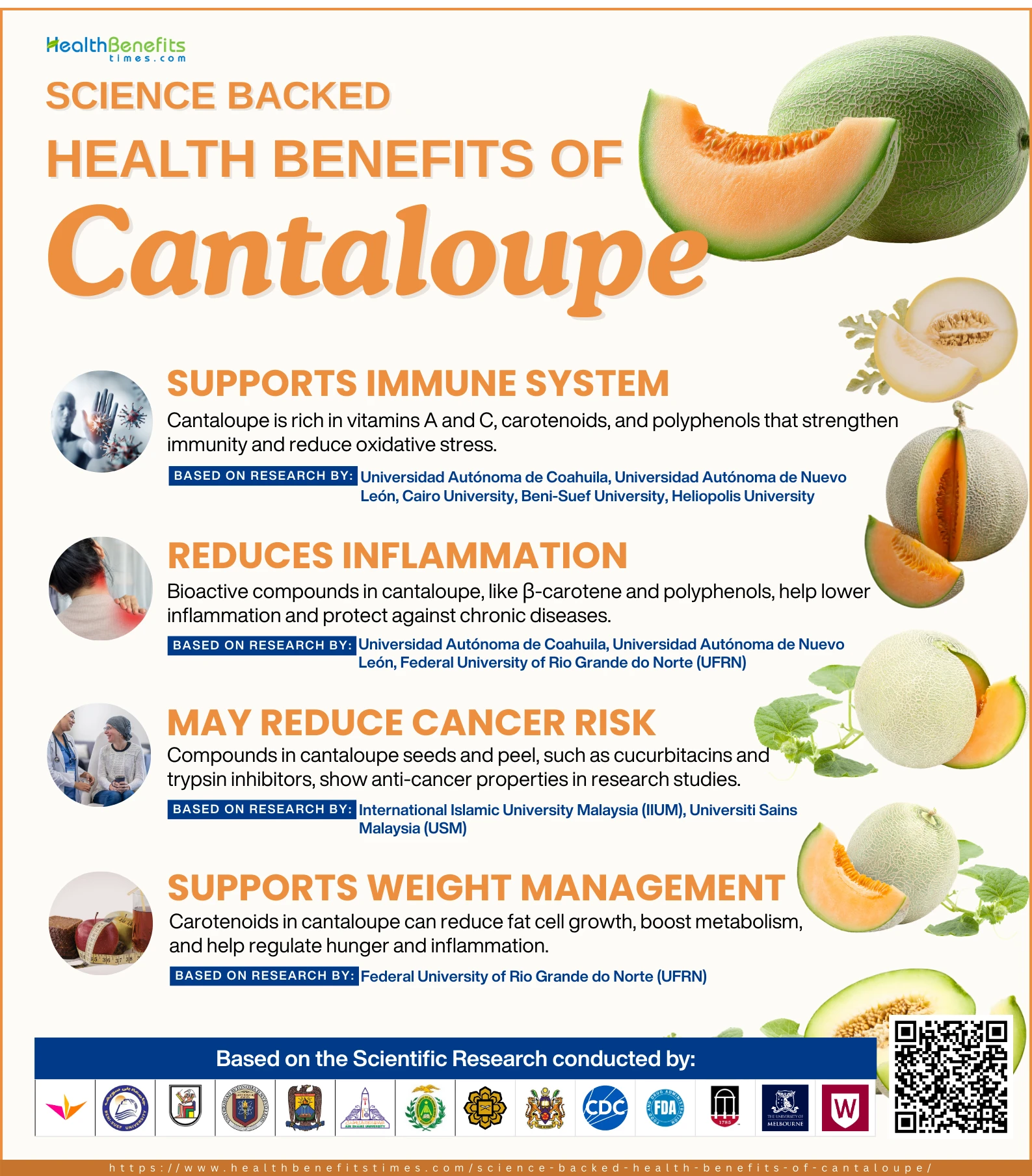
Cantaloupe is great for supporting the immune system, thanks to its many nutrients and antioxidants. It’s packed with vitamins A and C, as well as carotenoids like β-carotene, which help fight oxidative stress and improve the activity of immune cells. 1 The fruit also contains polyphenolic compounds, including flavonoids and phenolic acids, which are found in both the peel and pulp. These compounds help control inflammation by affecting inflammatory markers like TNF-α, IL-6, and PGE-2, which play a role in chronic conditions like asthma, rheumatoid arthritis, and metabolic issues. 2 Eating cantaloupe regularly can help reduce inflammation in the body. Additionally, cantaloupe seed oil, rich in unsaturated fatty acids and tocopherols, can be applied to the skin to improve its barrier and boost local immune defenses with its antioxidant and anti-inflammatory properties. 1
What Research Says:
- A study on rats with inflammation showed that extracts from cantaloupe peels and pulp helped reduce swelling and lower levels of harmful proteins like TNF-α and IL-6, which cause inflammation. 2
- Research from Universidad Autónoma de Coahuila found that cantaloupe peel contains special sugars that can boost immune cell activity and help the body produce protective proteins. Additionally, the carotenoids and vitamin C in cantaloupe play an important role in protecting the body from oxidative damage, which helps strengthen the immune system and prevent chronic diseases. 1
#2. Reduce Inflammation
Cantaloupe melon is beneficial in reducing inflammation because it contains powerful nutrients like carotenoids (such as β-carotene) and polyphenols (including gallic acid and ellagic acid). These nutrients act as antioxidants and help regulate inflammation in the body, making them helpful for conditions related to chronic inflammation like obesity, type 2 diabetes, metabolic syndrome, and heart diseases. Consuming cantaloupe provides bioactive compounds that reduce oxidative stress and block pro-inflammatory cytokines, which promotes better metabolic and immune health When applied topically, cantaloupe seed oil, which is rich in flavonoids and fatty acids, may help reduce skin inflammation due to its antioxidant and anti-inflammatory effects. 3
What Research Says:
- Studies show that carotenoids in cantaloupe, especially β-carotene, help reduce inflammation by affecting fat cell metabolism and lowering inflammation-causing substances. 3
- A study published in Biotechnology Reports found that tiny particles of cantaloupe carotenoids improved the liver and intestines of rats with chronic inflammation caused by their diet, suggesting these compounds are better absorbed and have healing potential 4
#3. Reduce Cancer Risk
Cantaloupe, or Cucumis melo, is a fruit that contains compounds that may help lower cancer risk. The seeds and peel of cantaloupe have high amounts of bioactive compounds like cucumol A, cucurbitacin B (CuB), cucurbitacin E (CuE), and protein trypsin inhibitors. These nutrients have shown strong anti-cancer effects in research. They may block cancer cell growth and help prevent cancers such as colon, prostate, cervical, breast, and lung cancers. When eaten, cantaloupe’s compounds can stop the formation of new blood vessels in tumors and promote the death of cancer cells. The seed oil, which is rich in vitamin E and fatty acids, may also help protect the skin from damage by acting as an antioxidant. 5
What Research Says:
- A review of studies shows that extracts from cantaloupe (Cucumis melo) have strong anti-cancer effects in lab tests. Cucurbitacin B helps cause cell death in lung cancer cells, and trypsin inhibitors from the seeds block genes that promote blood vessel growth in breast cancer (1). 5
#4. Supports Weight Management
Cantaloupe can help with weight management mainly because of its high levels of carotenoids, especially α-carotene and β-carotene. These nutrients have anti-inflammatory effects and help reduce fat cell growth. α-carotene and β-carotene also encourage the creation of brown fat cells, which burn energy to generate heat, improving metabolism. Additionally, they lower inflammation by reducing levels of leptin and IL-6, hormones involved in hunger and inflammation, especially in obesity. These carotenoids work by boosting antioxidant defenses, which may help control hunger signals, supporting weight control. Though most of these benefits come from eating cantaloupe, applying carotenoid-rich oils on the skin might have antioxidant effects locally.
What Research Says:
- A study by the NutriSBioativos research group showed that nanoencapsulated carotenoid extract from cantaloupe melon (EPG) reduced levels of IL-6 and leptin in rats fed a high-sugar diet. The study also found that EPG treatment led to a decrease in food intake, improved calorie use, and reduced body weight, while increasing the number of brown fat cells in the fat tissue. 6
Health Risks and Precaution of Cantaloupe
 1. Risk of Foodborne Illness from Contaminated Cantaloupe
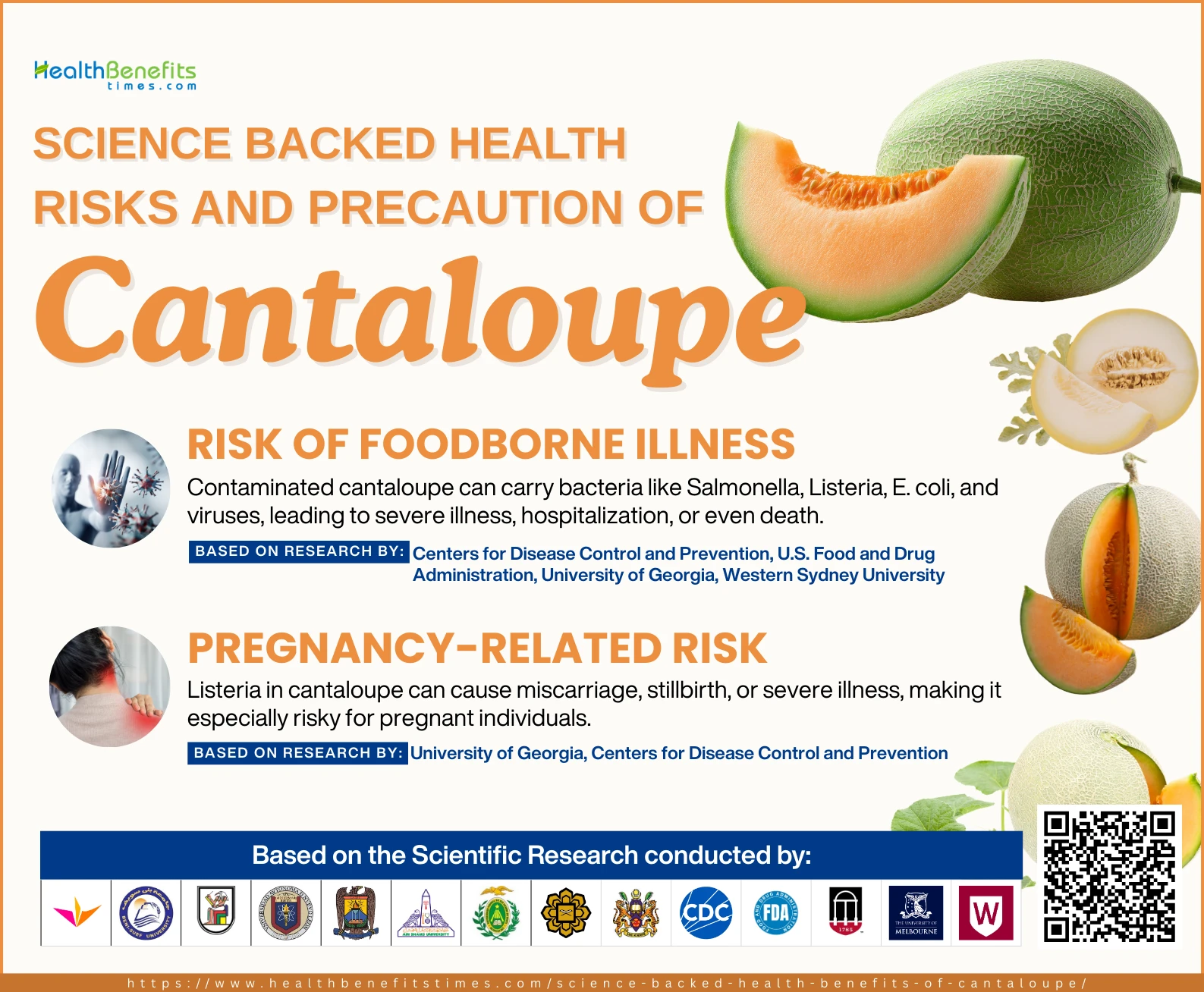
Consuming contaminated cantaloupe can lead to severe foodborne illnesses, hospitalizations, and deaths. The primary adverse effects are caused by pathogens such as Salmonella, Listeria monocytogenes, Escherichia coli O157:H7, Campylobacter jejuni, and norovirus. 7 8 Listeria monocytogenes infection (listeriosis) is particularly dangerous, having resulted in the deadliest foodborne outbreak in the United States since the 1920s, with a fatality rate of over 20% in specific cases. 8 9 Symptoms of these infections typically include gastrointestinal issues, but severe cases can lead to systemic infections and death. 7 Additionally, chemical poisoning has been reported; in 1985, a large outbreak was caused by the carbamate pesticide Aldicarb, which had contaminated watermelons and was suspected in a cantaloupe-associated outbreak. 8 7
2. Pregnancy related Risk
Listeria monocytogenes infections associated with cantaloupe consumption have resulted in fetal losses (miscarriages or stillbirths), making consumption of potentially contaminated melon particularly dangerous during pregnancy. 8
Comments
This article is based on Scientific Research Conducted by following Research Organization:
- Importance of Certain Varieties of Cucurbits in Enhancing Health: A Review–Universidad Autónoma de Coahuila, Mexico, Universidad Autónoma de Nuevo León, Mexico
- In vivo anti-inflammatory activity and UPLC-MS/MS profiling of the peels and pulps of Cucumis melo var. cantalupensis and Cucumis melo var. reticulatus–Cairo University, Giza, Egypt, Beni-Suef University, Egypt, October University for Modern Sciences and Arts (MSA), Egypt, Heliopolis University, Egypt, Ain Shams University, Egypt
- Importance of Certain Varieties of Cucurbits in Enhancing Health: A Review–Universidad Autónoma de Coahuila, Mexico, Universidad Autónoma de Nuevo León, Mexico
- Safety and bioactive potential of nanoparticles containing Cantaloupe melon (Cucumis melo L.) carotenoids in an experimental model of chronic inflammation–Federal University of Rio Grande do Norte (UFRN), Brazil
- A Scoping Review on Cucumis melo and Its Anti-Cancer Properties–International Islamic University Malaysia (IIUM), Malaysia, Universiti Sains Malaysia (USM), Malaysia
- Efficacy of Carotenoid-Loaded Gelatin Nanoparticles in Reducing Plasma Cytokines and Adipocyte Hypertrophy in Wistar Rats–Federal University of Rio Grande do Norte (UFRN), Brazil
- Outbreaks Associated with Cantaloupe, Watermelon, and Honeydew in the United States, 1973–2011–Centers for Disease Control and Prevention, Georgia., U.S. Food and Drug Administration, Maryland
- Infections associated with cantaloupe consumption: a public health concern–University of Georgia, USA, Centers for Disease Control and Prevention, Georgia.
- Microbial Contamination and Disease Outbreaks Associated with Rockmelons (Cucumis melo): Implications for Public Health Protection–Western Sydney University, Australia, The University of Melbourne, Australia