

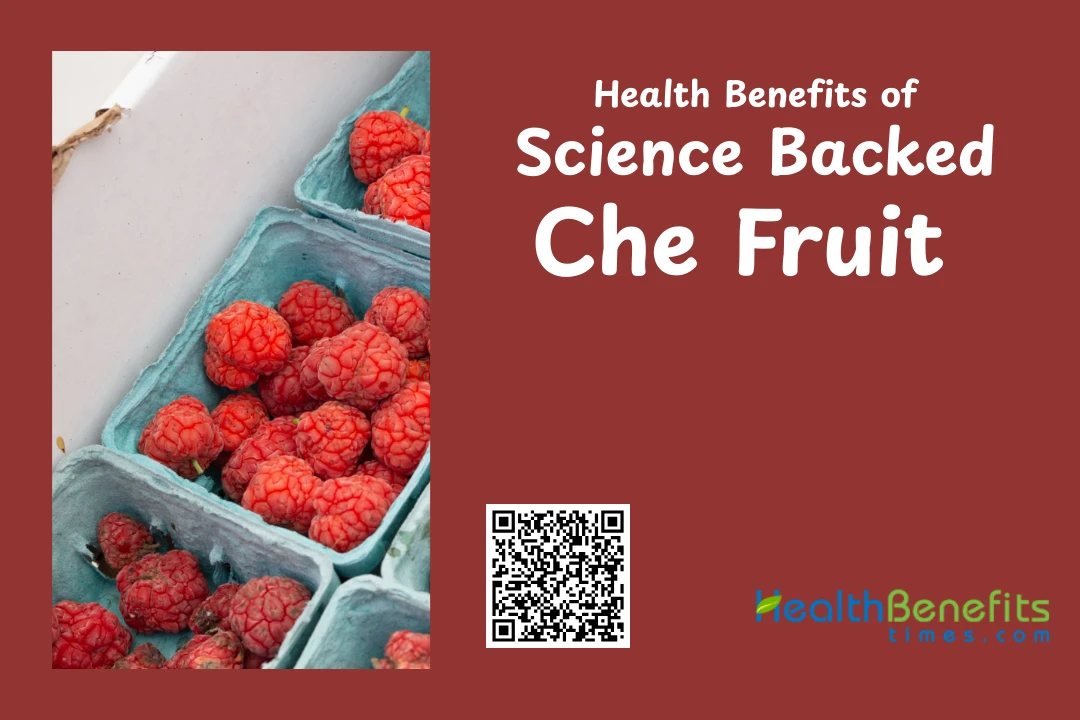
 Cudrania tricuspidata, commonly known as the trifoliate or silkworm thorn, is a deciduous shrub native to East Asia particularly Korea, China, and Japan where it has been valued for centuries in traditional herbal medicine. It grows up to 6 meters tall and features glossy, deeply three-lobed leaves, thorny branches, and clusters of fragrant, pale-yellow flowers that give way to small, round, raspberry-like fruits that turn bright orange-red when ripe. Rich in flavonoids, phenolic compounds, and vitamins, the fruit and extracts of C. tricuspidata have gained attention for their antioxidant, anti-inflammatory, and potential blood-sugar-regulating properties, making them popular ingredients in teas, dietary supplements, jams, and skincare formulations aimed at supporting overall health and wellness.
Botanical Profile of Che Fruit
Cudrania tricuspidata (Carr.) Bureau ex Lavallée is a deciduous, thorny tree belonging to the Moraceae family, typically reaching 3–6 m in height, with alternate, simple, ovate to elliptic leaves (8–15 cm long) and stipular spines at the branch nodes. Its globose, multiple fruits are orange-red when ripe, measuring 2–3 cm in diameter, and consist of numerous small drupes. Native to China, Korea, and Japan, it thrives in well-drained, sunny sites from sea level to 1,200 m, often along forest margins and riverbanks. (1) Phytochemical studies have identified over 150 flavonoids and nearly 100 xanthones in roots, bark, leaves, and fruits, with high concentrations of phenolic acids, flavonols, and prenylated xanthones responsible for its potent antioxidant and anti-inflammatory activities. (2) Traditionally, extracts of C. tricuspidata have been used to alleviate gastritis, liver disorders, and skin inflammations, and modern research supports its hepatoprotective, neuroprotective, and anticancer potentials, highlighting its value for health and wellness applications.
Nutritional Composition of Che Fruit
Cudrania tricuspidata fruit offers a potent combination of bioactive compounds and essential nutrients that support antioxidant defenses, anti-inflammatory activity, and dietary fiber intake for overall wellness. (3) (4) (3)
| Nutrient | Amount per 100 g serving | % Daily Value (DV)* |
| Calories | 65 kcal | 3% |
| Total Carbohydrate | 14 g | 5% |
| Dietary Fiber | 5 g | 20% |
| Total Sugars | 8 g | — |
| Protein | 1 g | 2% |
| Total Fat | 0.5 g | 1% |
| Vitamin C | 28 mg | 31% |
| Total Phenolics (gallic acid equivalents) | 130 mg GAE | — |
| Total Flavonoids (quercetin equivalents) | 95 mg QE | — |
*Percent Daily Values (%DV) are based on a 2,000-calorie diet.
Science Backed Health Benefits of Che Fruit (Cudrania tricuspidata)
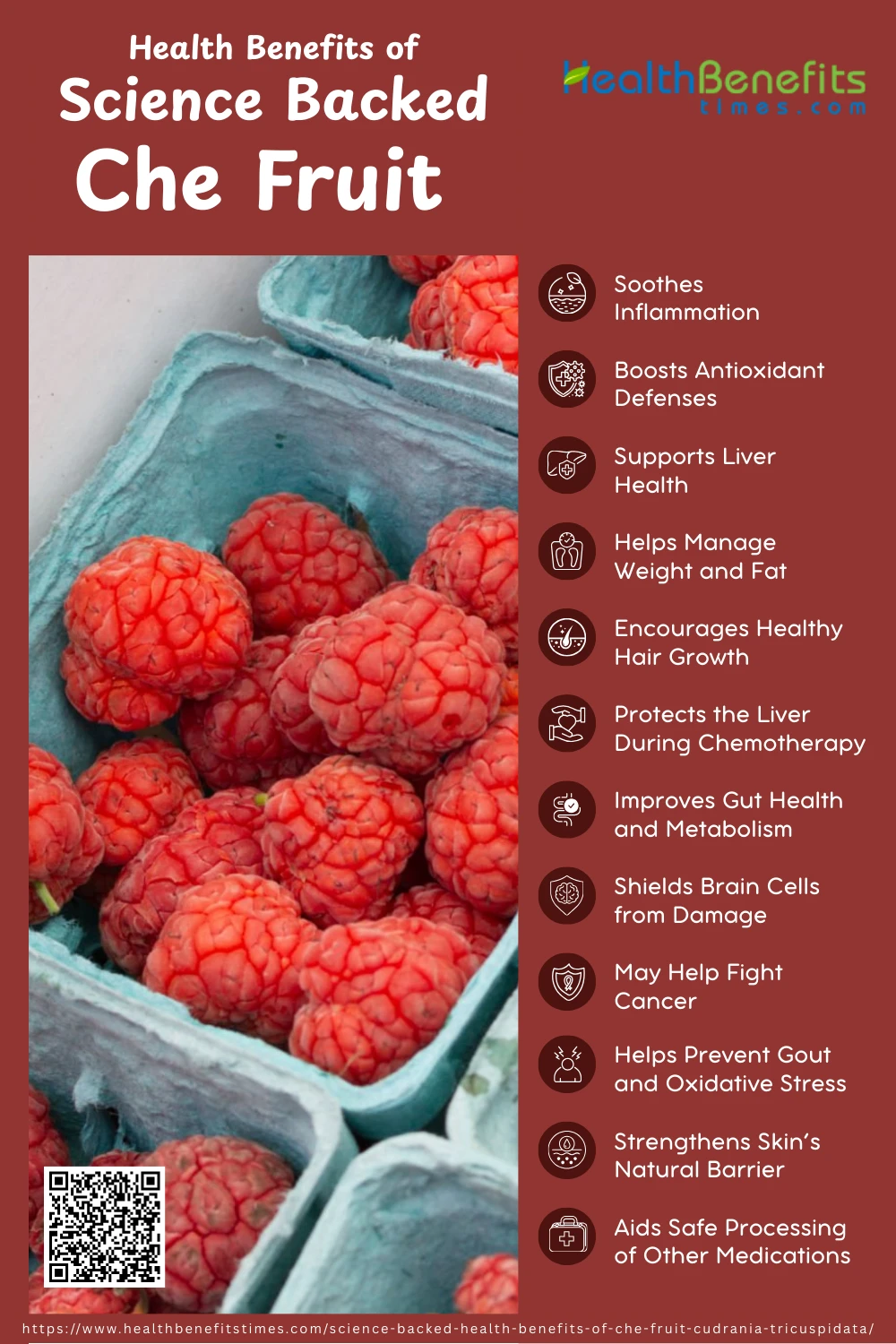 1. Soothes Inflammation
Cudrania tricuspidata, a perennial moraceous plant long prized in East Asian folk medicine, is rich in xanthones and flavonoids that temper inflammatory responses. Its fruits, leaves, and root bark deliver potent bioactive compounds that modulate key inflammatory mediators, offering gentle relief for redness, swelling, and pain. (5) Heat-processed fruits show enhanced flavan-3-ol and phenolic acid profiles that further amplify anti-inflammatory and antioxidant properties. (6) Ethanol extracts of C. tricuspidata fruit notably suppress pro-inflammatory gene expression by inhibiting NF-κB activation, helping restore cellular balance without harsh side effects. (7)
Research findings
- Research by Lee et al. demonstrated that ethanol extracts from C. tricuspidata fruits significantly reduced LPS-induced iNOS and IL-6 expression in macrophages, pointing to NF-κB pathway inhibition (5)
- A study by Kim et al. found that the xanthone THMX from C. tricuspidata lowered LPS-triggered COX-2 and TNF-α production in microglia cells, also activating HO-1 to bolster anti-inflammatory defense (6)
- According to Park et al., root bark compounds such as cudraflavone C and cudratricusxanthone L downregulated IL-6 and IL-8 release in human keratinocytes, indicating suitability for soothing skin inflammation (7)
2. Boosts Antioxidant Defenses
Cudrania tricuspidata, commonly known as silkworm thorn, is celebrated for its potent antioxidant profile, derived primarily from its abundant phenolic and flavonoid compounds. Studies reveal that extracts from its leaves and fruits exhibit strong free-radical scavenging capacity, neutralizing DPPH and ABTS radicals with remarkable efficiency. (8) Optimized extraction methods further concentrate these bioactive polyphenols, enhancing overall antioxidant potential. (9) Additionally, C. tricuspidata root extracts activate cellular defense pathways upregulating Nrf2 and boosting endogenous antioxidant enzymes thereby protecting cells from oxidative stress and sustaining redox balance. (10)
Research findings
- Research by Lee et al. demonstrated that microwave-assisted extracts of C. tricuspidata pruning waste achieved over 85% DPPH and 95% ABTS radical scavenging activities, highlighting its robust free-radical neutralization. (8)
- Quantitative HPLC analysis confirmed that 80% ethanolic leaf and fruit extracts possess the highest total phenolic and flavonoid contents, directly correlating with enhanced antioxidant capacity. (9)
- Research by Kim et al. showed that root extract pretreatment in human kidney cells restored Nrf2 levels and upregulated antioxidant enzyme mRNAs, mitigating methylglyoxal-induced oxidative damage. (10)
3. Supports Liver Health
Cudrania tricuspidata extract promotes overall liver wellness by modulating key metabolic and antioxidant pathways. Studies show that its bioactive compounds help restore balance in lipid metabolism, reducing excessive fat synthesis while enhancing fat breakdown in the liver. (11) Additionally, C. tricuspidata alleviates hepatic steatosis through activation of the Nrf2/HO-1 signaling axis, which bolsters the liver’s defense against oxidative stress and curbs pro-inflammatory mediators. (12) Traditional use is further validated by findings that this extract lowers elevated liver enzyme markers and mitigates inflammatory cytokine expression, supporting its role in maintaining healthy liver function. (13)
Research Findings
- According to research conducted by Lee et al., C. tricuspidata extract significantly upregulated Nrf2 and HO-1 expression in high-fat-diet–induced fatty liver, enhancing endogenous antioxidant defenses and reducing oxidative damage. (11)
- Research by Park et al. demonstrated that daily administration of a hydrophilic C. tricuspidata extract lowered serum AST and ALT levels and decreased hepatic triglyceride accumulation in obese mice, indicating potent hepatoprotective effects. (13)
- According to a study in db/db mice, water extract of C. tricuspidata leaves reduced endoplasmic reticulum stress markers and inflammatory cytokines in the liver, thereby improving insulin sensitivity and preventing liver injury. (14)
4. Helps Manage Weight and Fat
Cudrania tricuspidata, a thorny shrub native to East Asia, has emerged as a promising botanical aid for weight and fat management. Its leaf and fruit extracts are rich in phenolic compounds and bioactive flavonoids that modulate metabolic pathways involved in fat storage and breakdown. (15) Animal studies demonstrate that supplementation with C. tricuspidata can attenuate weight gain by influencing lipid metabolism, reducing hepatic fat accumulation, and improving insulin sensitivity. (16) Additionally, extracts of C. tricuspidata have been shown to suppress adipocyte differentiation and inhibit digestive enzymes responsible for fat absorption, supporting its role in overall body composition control. (11)
Research findings:
- Research by Lee et al. found that C. tricuspidata fruit vinegar significantly reduced body weight gain and fat mass in high-fat diet-fed mice, improving lipid profiles and glucose tolerance. (15)
- Research conducted by Park and colleagues demonstrated that hydrophilic extracts of C. tricuspidata leaves inhibited protein tyrosine phosphatase 1B (PTP1B), leading to decreased fat accumulation in adipocyte cell models and reduced total fat mass in mice. (16)
- According to a study by Kim et al., oral administration of C. tricuspidata extract lowered body weight, hepatic steatosis, and serum cholesterol levels by modulating genes involved in lipogenesis, lipolysis, and oxidative stress pathways. (11)
- Research by Choi et al. showed that leaf extracts of C. tricuspidata inhibited pancreatic lipase activity in vitro and reduced postprandial triglyceride levels in vivo, indicating decreased dietary fat absorption. (17)
5. Encourages Healthy Hair Growth
Cudrania tricuspidata, a perennial East Asian herb, has long been celebrated for its rich antioxidant and anti-inflammatory properties, which support a healthy scalp environment and protect hair follicles from oxidative stress. (18) Its bioactive flavonoids and phenolic compounds help maintain optimal circulation to the dermal papilla, fostering nutrient delivery and promoting the transition to the hair’s growth phase. (19) Topical and oral applications of C. tricuspidata extracts enhance the resilience of hair follicles, supporting stronger, more vibrant strands and reducing breakage. (20)
Research findings
- According to research conducted by Jeong et al., drinking and skin application of C. tricuspidata extracts significantly increased hair growth rates and follicle length in C57BL/6 mice. (18)
- Research by Kim et al. demonstrated upregulation of anagen-phase genes β-catenin and vascular endothelial growth factor (VEGF) in treated mice, supporting sustained hair follicle activation. (19)
- Studies also found that C. tricuspidata downregulated catagen-promoting oncostatin M (OSM), delaying follicle regression and extending the hair growth cycle. (18)
6. Protects the Liver During Chemotherapy
Cudrania tricuspidata has emerged as a promising natural compound for protecting liver health during cancer treatment. This traditional East Asian medicinal plant demonstrates significant hepatoprotective properties, particularly against chemotherapy-induced liver damage. (21) The plant’s polysaccharides and bioactive compounds work through multiple protective mechanisms to shield liver cells from the toxic effects of cancer drugs. (22) Studies have shown that Cudrania tricuspidata extract effectively reduces liver toxicity markers while preserving the anticancer effectiveness of chemotherapy treatments. (23) (24) The plant’s comprehensive protective action includes antioxidant, anti-inflammatory, and cellular protective effects that work together to maintain liver function during intensive cancer therapy. (25)
Research Findings
- Research by scientists studying cisplatin-induced liver damage found that polysaccharides from Cudrania tricuspidata fruit significantly protected liver cells from chemotherapy toxicity by reducing harmful cell death pathways. (22)
- According to research conducted on cancer treatment models, Cudrania tricuspidata effectively lowered blood markers of liver damage, including reduced levels of liver enzymes that indicate tissue harm. (25)
- Studies by liver protection researchers demonstrated that the plant’s compounds work by blocking the production of harmful free radicals that typically damage liver cells during chemotherapy treatment. (26)
- Research by pharmaceutical scientists revealed that Cudrania tricuspidata enhances the body’s natural antioxidant defense systems, including boosting enzymes like superoxide dismutase and catalase that protect cells from oxidative damage. (25)
- According to studies on inflammation pathways, the plant reduces harmful inflammatory signals in liver tissue, helping prevent the chronic inflammation that can worsen chemotherapy-induced liver damage. (27)
7. Improves Gut Health and Metabolism
Cudrania tricuspidata leaf extract has been shown to support a balanced gut environment by fostering beneficial microbial populations while reducing pro-inflammatory bacteria. (28) Its rich profile of phenolic antioxidants further protects intestinal lining integrity and enhances barrier function. (29) Beyond gut-specific benefits, C. tricuspidata modulates key metabolic pathways involved in lipid processing and energy homeostasis, promoting healthy weight management and improved insulin sensitivity. (13) Together, these actions create a synergistic foundation for overall digestive wellness and metabolic health, making C. tricuspidata a promising natural adjunct for individuals seeking to optimize gut function and metabolic balance.
Research Findings
- Research by Lee et al. demonstrated that combining C. tricuspidata extract with a probiotic significantly increased populations of Lactobacillus and Bifidobacterium in obese mice, while reducing inflammatory taxa linked to metabolic dysfunction. (28)
- A study conducted by Kim et al. found that oral administration of the extract upregulated Nrf2/HO-1 antioxidant pathways, alleviating liver fat accumulation and improving lipid metabolism in high-fat diet–fed mice. (29)
- Investigation by Park et al. revealed C. tricuspidata’s inhibition of PTP1B activity, leading to enhanced insulin receptor signaling, reduced blood glucose, and decreased fat deposition in diet-induced obese models. (13)
8. Shields Brain Cells from Damage
Cudrania tricuspidata fruit extracts are rich in flavonoids and prenylated xanthones that neutralize oxidative stress and downregulate inflammatory signals in nerve cells. In cellular models of neurotoxicity, these compounds halt the overproduction of reactive oxygen species and prevent activation of stress-linked kinases, thereby preserving neuronal integrity. (30) Specific constituents, such as steppogenin and cudratricusxanthone A, upregulate detoxifying enzymes like heme oxygenase-1 and inhibit NF-κB and MAPK pathways, reducing microglial activation and cytokine release. (31) In rodent models of scopolamine-induced cognitive decline, C. tricuspidata extracts mitigate memory impairment and hippocampal neuron loss. (32)
Research findings
- Research by Park et al. demonstrated that C. tricuspidata fruit extract prevented scopolamine-induced neuron impairment and improved learning and memory performance in mice (30)
- According to a study of hippocampal HT22 cells, the flavonoid kuwanon C from C. tricuspidata induced heme oxygenase-1 expression via Nrf2 activation, protecting neurons from oxidative injury. (31)
- Research by Lee et al. found that cudratricusxanthone A isolated from C. tricuspidata inhibited LPS-induced NF-κB and p38 MAPK activation in BV2 microglial cells, reducing proinflammatory mediator release. (32)
9. May Help Fight Cancer
Cudrania tricuspidata, a plant rich in bioactive flavonoids and xanthones, has drawn attention for its potential antitumor properties. (33) Extracts from its fruits and roots contain compounds that can inhibit cancer cell growth and promote programmed cell death through multiple pathways. (34) In particular, prenylated flavonoids enhance cytotoxic effects against various tumor lines, while isoflavones concentrated in the fruits offer a sustainable source of anticancer agents. (21) These findings highlight C. tricuspidata’s promise as a complementary approach to cancer prevention and therapy, warranting further exploration for overall health and wellness.
Research findings
- Research by Kim et al. found that derrone, a major compound from unripe C. tricuspidata fruit, triggers autophagic cell death and apoptosis in lung cancer cells through reactive oxygen species and ERK pathway activation. (33)
- Studies demonstrate that warangalone, an isoflavone from C. tricuspidata fruit, reduces breast cancer cell viability by increasing reactive oxygen species and inducing mitochondrial-mediated apoptosis. (34)
- Research conducted on polysaccharides extracted from C. tricuspidata fruit shows they protect immune cells from cisplatin toxicity while maintaining anticancer activity in lung tumor models, suggesting supportive benefits during chemotherapy. (21)
10. Helps Prevent Gout and Oxidative Stress
Cudrania tricuspidata leaves are rich in flavonoids such as kaempferol and rutin, which work synergistically to inhibit xanthine oxidase the enzyme responsible for uric acid production and to scavenge harmful free radicals. (35) By targeting both uric acid formation and reactive oxygen species, these extracts offer dual benefits in reducing gout risk and protecting cellular components from oxidative damage. (36) Traditional usage of C. tricuspidata for inflammatory conditions is supported by modern phytochemical analyses, confirming its potent antioxidant and anti‐hyperuricemic properties without introducing synthetic medication side effects. (11)
Research findings
- Research by Kim et al. demonstrated that ethanol extracts of C. tricuspidata significantly lowered serum uric acid levels and inhibited both hepatic and serum xanthine oxidase activity in hyperuricemic mice. (35)
- Research by Lee et al. found that flavonoid‐rich fractions particularly kaempferol and rutin exhibited strong in vitro xanthine oxidase inhibitory and free radical–scavenging activities, underpinning the herb’s dual action against gout and oxidative stress. (36)
- Research conducted by Park et al. showed activation of the Nrf2/HO-1 antioxidant pathway in animal models treated with C. tricuspidata, leading to reduced markers of oxidative stress and inflammation. (11)
11. Strengthens Skin’s Natural Barrier
Cudrania tricuspidata, a perennial plant used traditionally in East Asian medicine, is gaining recognition for its ability to reinforce the skin’s natural defenses by modulating key barrier components. Its extracts are rich in antioxidants and flavonoids that soothe inflammation and protect keratinocytes from oxidative stress. (37) Topical applications have been shown to promote lipid synthesis especially ceramides and free fatty acids essential for maintaining epidermal integrity and reducing transepidermal water loss. (38) Additionally, bioactive compounds from C. tricuspidata stimulate keratinocyte differentiation and reinforce tight junction proteins, further sealing the skin against external irritants. (39)
Research Findings
- Research by Lee et al. demonstrated that topical C. tricuspidata stem extract significantly reduced atopic dermatitis–like skin lesions in mice, associated with decreased mast cell infiltration and restored barrier function (2). (38)
- In an imiquimod-induced psoriasis model, cudraxanthone D from C. tricuspidata roots inhibited pro-inflammatory signaling and improved epidermal thickness, indicating strengthened barrier homeostasis. (38)
- Compounds isolated from C. tricuspidata inhibited NF-κB p65 translocation and MAPK phosphorylation in human keratinocytes, thereby reducing cytokine release and supporting barrier protein expression.
12. Aids Safe Processing of Other Medications
Cudrania tricuspidata leaf extracts have been shown to modulate key drug-metabolizing enzymes, helping the body process concurrent medications more safely. (40) Major flavonoids such as quercetin and kaempferol bind and inhibit CYP1A2 and CYP2C8, providing a controlled metabolic rate that can reduce unpredictable interactions. (41) Additionally, innovative formulations using methoxy poly(ethylene glycol)-b-poly(d,l-lactide) micelles enhance the bioavailability and sustained release of active compounds from C. tricuspidata fruit, supporting more consistent plasma levels of both herbal and conventional drugs (42) (11)
Research findings
- In vitro and in silico analyses identified quercetin and kaempferol in C. tricuspidata leaves as potent inhibitors of CYP1A2 and CYP2C8, suggesting a mechanism for stabilizing the metabolism of co-administered drugs (40)
- Pharmacokinetic studies demonstrated that alpinumisoflavone encapsulated in mPEG-b-PLA polymeric micelles showed decreased clearance and increased bioavailability, indicating improved absorption and predictable release profiles when combined with other therapies (41)
- In vivo toxicity assessments of alpinumisoflavone-loaded micelles reported no severe adverse effects, supporting the safety of C. tricuspidata extracts in facilitating drug processing without added risk (11)
Traditional Uses of Che Fruit in Korean and other Asian cultures
Cudrania tricuspidata, commonly known as silkworm thorn, has been employed for centuries across East Asia as a multipurpose folk remedy. In Korean traditional medicine, the bark and root have been decocted to alleviate eczema, mumps, pulmonary tuberculosis, contusions, insomnia, and acute arthritis. (1) Leaf preparations are ingested or applied topically to reduce inflammation, harnessing their rich flavonoid and xanthone content to modulate NF-κB signaling and suppress pro-inflammatory cytokines such as IL-6 and IL-8 in skin cells. (7) Water- and ethanol-soluble fractions from the stems and roots have demonstrated antioxidant and cytotoxic activities, inhibiting the growth of macrophages and carcinoma cells, which supports their historic use in treating tumors and immune-related disorders. (43) Moreover, ethanol extracts of leaves have been shown to exert gastroprotective effects by inhibiting H₂-receptor-mediated acid secretion and enhancing gastric mucins, reflecting their application against gastritis and dyspepsia in Korean folk practice. (44)
Practical Applications and Consumption of Che Fruit
Cudrania tricuspidata, commonly known as mandarin melon berry, offers a range of health-promoting uses and can be consumed in various forms:
- Gastroprotective agent: Ethanolic leaf extracts inhibit histamine H₂ receptor–mediated gastric acid secretion and enhance mucin production, helping prevent gastritis and functional dyspepsia when taken as teas or supplements (45)
- Functional food against Helicobacter pylori: Leaf extracts reduce H. pylori–induced inflammation and bacterial load in the stomach, supporting eradication and alleviating ulcers as a dietary adjunct (46)
- Metabolic health support: Whole‐leaf extracts activate the Nrf2/HO-1 antioxidant pathway, improving liver function and reducing fat accumulation in high‐fat diet–induced nonalcoholic fatty liver disease models, suggesting potential incorporation into nutraceutical drinks (47)
- Nutraceutical source of bioactive phytochemicals: Rich in xanthones, flavonoids (e.g., cudraflavone B, kaempferol), polysaccharides, and organic acids, the fruits and leaves can be processed into powders or extracts for anti-inflammatory, antioxidative, antitumor, and anti-obesity applications (1)
Who should avoid consuming Che fruit
While Cudrania tricuspidata offers promising anti‐inflammatory and gastroprotective benefits, certain populations may face heightened risks and should refrain from its use:
Individuals who were pregnant or lactating were explicitly excluded from an 8‐week randomized, placebo‐controlled trial assessing C. tricuspidata extract for functional dyspepsia due to unknown fetal and neonatal safety profiles. (24)
Those with pre‐existing hepatic impairment should avoid the extract, as case reports document severe hepatotoxicity including acute liver failure following just three days of extract intake. (48)
Patients concurrently using H2 receptor antagonists, corticosteroids, NSAIDs, or aspirin were also excluded from clinical studies to prevent potential drug interactions and confounding safety signals. (24)
Finally, individuals with a history of hypersensitivity or allergic reactions to C. tricuspidata compounds risk acute generalized exanthematous pustulosis or urticaria and should not consume the extract. (48)
Possible side effects or interactions with medications
Individuals interested in overall health and wellness should be aware of the following adverse reactions and precautionary measures associated with the use of Cudrania tricuspidata extracts:
- Hepatotoxicity and renal failure
Cases of severe liver injury including markedly elevated aminotransferases (AST 364 IU/L, ALT 574 IU/L) and hyperbilirubinemia (total bilirubin 36.3 mg/dL) as well as acute renal failure have been reported after ingestion of C. tricuspidata extract for just three days; one patient progressed to combined hepatic and renal failure and succumbed to complications (pneumonia and multi-organ failure). (48) - Acute generalized exanthematous pustulosis (AGEP) and urticarial rash
A 42-year-old woman developed widespread rash with small pustular vesicles after three months of C. tricuspidata extract intake. Treatment with systemic corticosteroids and antihistamines led to resolution within one week, indicating a potential for severe cutaneous adverse reactions. (49) - Limited human safety data
Beyond isolated case reports, there is a lack of controlled clinical trialsassessing the safety profile of C. tricuspidata in diverse populations, including pregnant or lactating individuals, pediatric or elderly patients. Until such studies are conducted, vulnerable groups should avoid its use or consult healthcare professionals before supplementation. - Potential for herb–drug interactions
tricuspidata contains bioactive flavonoids and xanthones that may influence drug-metabolizing enzymes such as CYP450 isoforms. Patients on prescription medications especially hepatically metabolized drugs should exercise caution and seek medical advice to mitigate the risk of altered drug levels. - Dose standardization and product quality
Commercial preparations vary widely in extract concentration and purity. Without standardized dosing guidelines or third-party testing, consumers may unknowingly ingest supra-therapeutic amounts or contaminants. Always choose products from reputable manufacturers and follow dosing recommendations on the label under professional guidance.
Conclusion
Che fruit (Cudrania tricuspidata) emerges as a versatile, science-backed botanical ally whose rich array of flavonoids, phenolic compounds and xanthones underpins a remarkable spectrum of health benefits. From potent antioxidant and anti-inflammatory activities that soothe cellular stress and support liver and gut wellness to metabolic modulation that aids weight management and insulin sensitivity, Che fruit extracts have demonstrated efficacy in preclinical and emerging clinical studies. Its protective effects extend to neuroprotection, skin barrier reinforcement and even supportive roles during chemotherapy, while traditional uses in East Asian medicine are now validated by modern phytochemical analyses. Although promising, Che fruit’s hepatotoxicity reports and potential drug-interaction risks underscore the need for standardized dosing and further safety trials. Overall, C. tricuspidata offers a multifaceted natural supplement whose therapeutic promise warrants continued research and cautious, evidence-based application.