

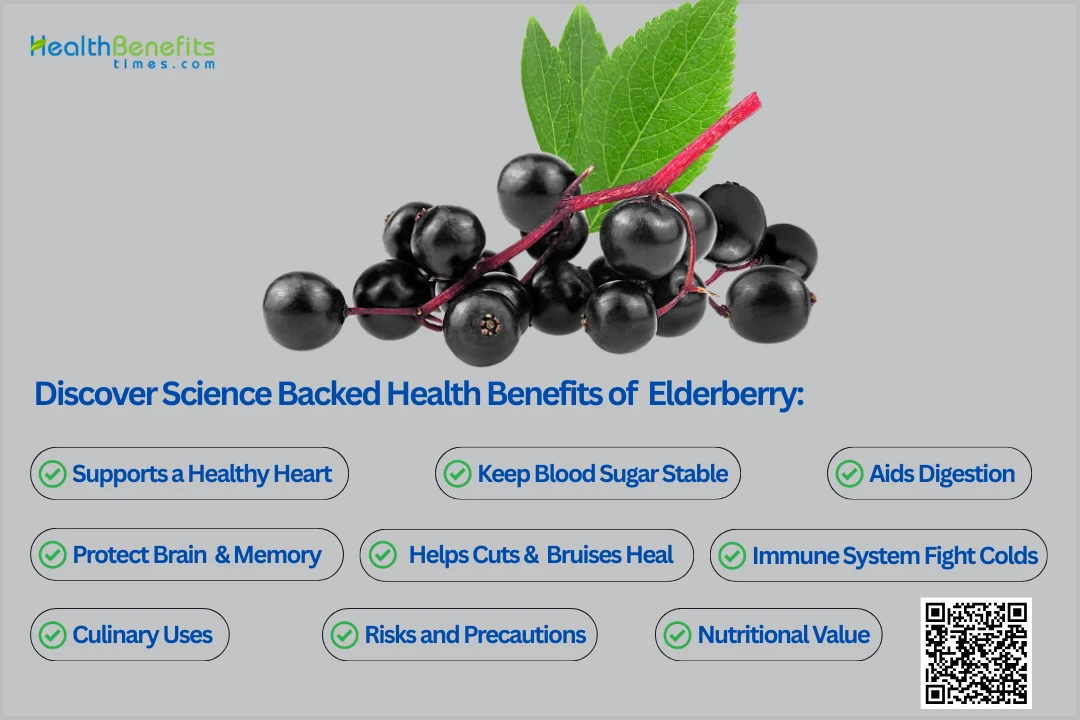
 “What makes a tiny berry so powerful?” you might wonder when looking at the deep purple clusters of elderberries. Known scientifically as Sambucus nigra, this fruit has been used for centuries in teas, syrups, and tonics to ward off seasonal illnesses. Today, researchers highlight its rich content of flavonoids, vitamin C, and immune-supporting compounds that help the body fight infections and ease inflammation. From a non-medical perspective, many describe elderberry as nature’s shield during flu season, while medical studies reveal its ability to shorten the duration of colds. Elderberry is not just a fruit it’s a fusion of tradition and science.
Nutritional Profile of Elderberry (Sambucus nigra)
Below is the comprehensive nutritional table for Sambucus nigra (raw elderberries), showing each nutrient per 100 g and its corresponding % Daily Value (%DV) based on FDA guidelines for adults and children aged 4 years and older (2,000 kcal diet).
| Nutrient | Amount per 100 g | %DV |
| Energy | 73 kcal | 3.7% |
| Protein | 0.66 g | 1.3% |
| Total Fat | 0.5 g | 0.6% |
| Saturated Fat | 0.023 g | 0.1% |
| Monounsaturated Fat | 0.08 g | – |
| Polyunsaturated Fat | 0.247 g | – |
| Cholesterol | 0 mg | 0% |
| Carbohydrate (by difference) | 18.4 g | 6.7% |
| Dietary Fiber | 7 g | 25% |
| Sugars (calculated) | 11.4¹ g | – |
| Calcium | 38 mg | 3% |
| Iron | 1.6 mg | 9% |
| Magnesium | 5 mg | 1% |
| Phosphorus | 39 mg | 3% |
| Potassium | 280 mg | 6% |
| Sodium | 6 mg | 0% |
| Zinc | 0.11 mg | 1% |
| Copper | 0.061 mg | 7% |
| Selenium | 0.6 µg | 1% |
| Vitamin C (ascorbic acid) | 36 mg | 40% |
| Thiamin (B₁) | 0.07 mg | 6% |
| Riboflavin (B₂) | 0.06 mg | 5% |
| Niacin (B₃) | 0.5 mg | 3% |
| Pantothenic acid (B₅) | 0.14 mg | 3% |
| Vitamin B-6 | 0.23 mg | 18% |
| Folate, total | 6 µg | 2% |
| Vitamin A (RAE) | 30 µg | 3% |
| Vitamin A (IU) | 600 IU | 12% |
Source: (1)
Science-Backed Health Benefits of Elderberry
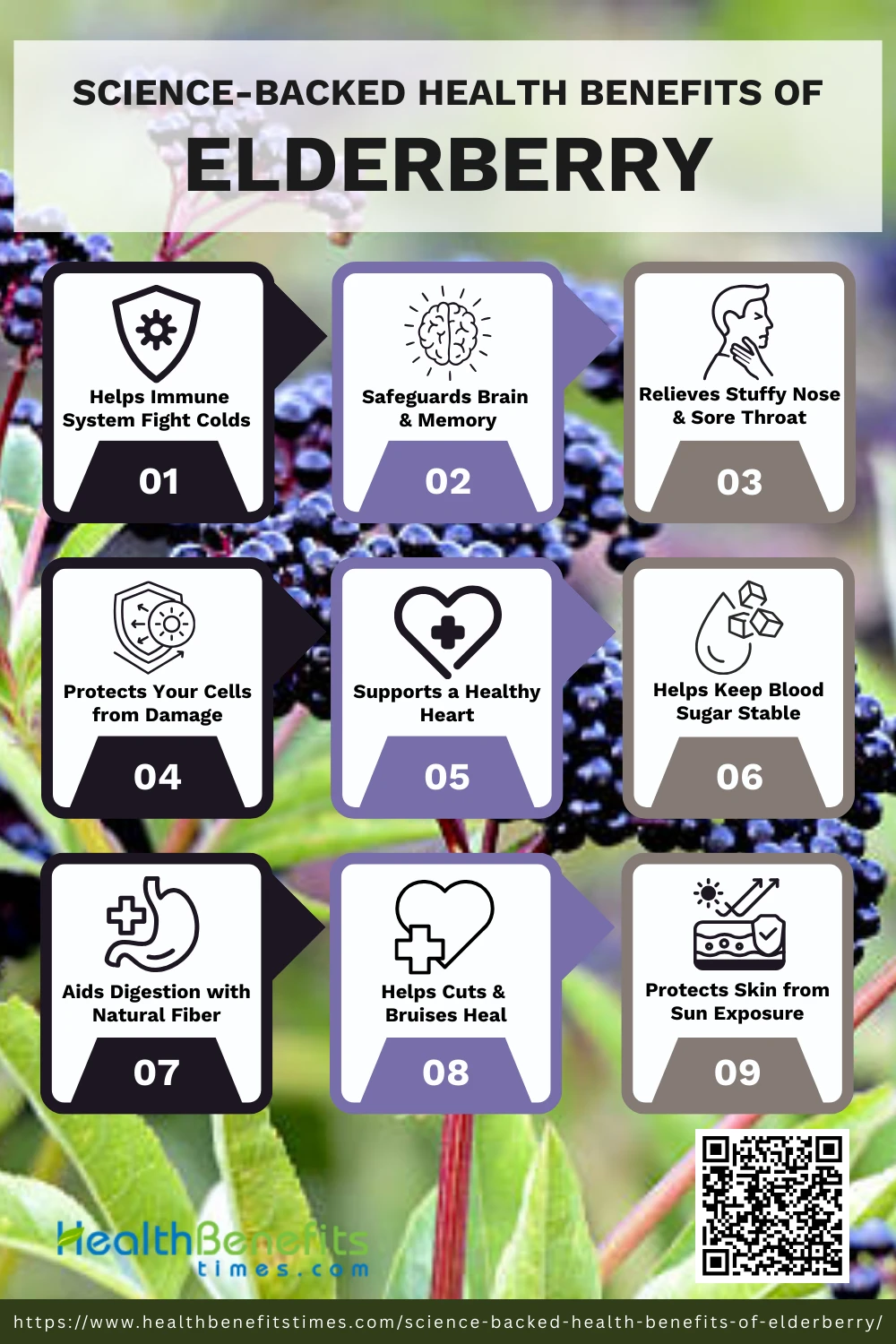 1. Helps Your Immune System Fight Colds and Flu
Elderberry (Sambucus nigra) is rich in bioactive compounds that support the body’s natural defenses. Its dark berries contain flavonoids especially anthocyanins such as cyanidin-3-glucoside that help boost immune response and reduce the duration of colds and flu symptoms. (2) (3) In addition, elderberry supplies vitamin C and phenolic acids, which act as antioxidants to protect cells from damage and strengthen overall immunity. (4) (5) Clinical reports suggest that elderberry extracts stimulate the production of key cytokines and antibodies, helping the immune system recognize and fight viral infections more effectively. (2) (6) Furthermore, randomized trials have found that taking elderberry preparations can lead to milder symptoms and faster recovery when battling seasonal influenza-like illnesses, without serious side effects. (3) (7) Beyond direct antiviral action, elderberry’s polysaccharides and flavonols like quercetin may also enhance the activity of immune cells, improving the body’s ability to ward off pathogens. (2) (8) By combining these nutrients anthocyanins, vitamin C, flavonols, and antioxidants elderberry offers a natural, gentle way to help your immune system stay strong during cold and flu season.
2. Safeguards Your Brain and Memory
Boldly weaving nature’s pharmacy into your daily diet, elderberry (Sambucus nigra) brings a wealth of bioactive compounds particularly anthocyanins and flavonoids that support brain health and memory preservation. Rich in antioxidants, these compounds help neutralize free radicals and reduce oxidative stress, a key contributor to age-related cognitive decline. (9) (10) Elderberry’s polyphenols also exhibit anti-inflammatory properties by modulating cytokine signaling and tempering low-grade peripheral inflammation, which is increasingly linked to impaired memory and learning. (9) (9) Moreover, specific anthocyanins in elderberry have been shown to cross the blood–brain barrier, where they support mitochondrial function by enhancing cellular energy production and protecting neurons from stress-induced damage. (11) (12) Regular consumption of elderberry juice has been associated with improved cognitive flexibility and visuospatial problem-solving, suggesting a role in maintaining mental agility. (13) (14) By bolstering endogenous antioxidant defenses and calming inflammatory pathways, elderberry offers a gentle, food-based strategy for safeguarding the brain’s structure and function, making it a natural ally in the quest for long-term memory health.
3. Relieves Stuffy Nose and Sore Throat
Traditional folk medicine has long recognized elderberry (Sambucus nigra) as an effective natural remedy for respiratory symptoms, particularly nasal congestion and sore throat. (4) The berry’s therapeutic properties stem from its rich concentration of bioactive compounds, including anthocyanins such as cyanidin-3-glucoside and cyanidin-3-sambubioside, along with flavonoids, phenolic acids, and polyphenols that work together to reduce inflammation and combat viral infections. (4) (15) Clinical studies demonstrate that elderberry supplementation significantly reduces the severity and duration of upper respiratory symptoms, with participants experiencing notable improvements in nasal congestion, mucus discharge, and throat discomfort. (15) (16) The mechanism behind elderberry’s effectiveness involves its ability to inhibit viral replication and enhance immune system response through cytokine modulation. (17) Research indicates that elderberry’s anti-inflammatory properties help reduce swelling in mucous membranes, providing relief from nasal stuffiness while its antimicrobial effects help soothe irritated throat tissues. (4) (18) These natural compounds make elderberry a valuable alternative for managing common cold and flu symptoms without the side effects associated with conventional medications. (16) (3)
4. Protects Your Cells from Damage
Imagine a shield within nature’s bounty that helps guard your cells against everyday stress and damage. Elderberry (Sambucus nigra) is rich in bioactive compounds especially anthocyanins and other flavonoids that act as powerful antioxidants to neutralize harmful reactive oxygen species. (19) These polyphenols support the balance of cellular redox status, helping to prevent lipid peroxidation and maintain the health of cell membranes. (20) (19) Beyond quenching free radicals, elderberry’s flavonols and phenolic acids modulate inflammatory pathways by reducing the production of pro-inflammatory mediators such as nitric oxide and cytokines, thereby protecting tissues from chronic low-grade inflammation. (21) (20) The fruit also contains lectins and terpenoids that promote DNA integrity by guarding against oxidative DNA damage, making it a valuable ally in preserving genetic stability. (22) (23) Additionally, elderberry’s nutrients help sustain levels of glutathione, a key cellular antioxidant, and support mitochondrial health by preventing depletion of this crucial molecule under stress. (20) (19) Regular inclusion of elderberry whether as a dietary supplement or functional food ingredient can thus bolster your body’s natural defenses, helping to maintain healthy cells and reduce the risk of stress-related cellular injury.
5. Supports a Healthy Heart
Surprisingly, elderberry’s rich palette of bioactive compounds helps maintain a healthy heart by supporting blood vessel function and managing cholesterol levels. The fruit of Sambucus nigra is packed with anthocyanins natural pigments with strong antioxidant activity that protect cells lining the arteries from oxidative stress and inflammation. (24) (25) In addition, chlorogenic acid and rutin, two prominent polyphenols in elderberry, contribute to heart health by encouraging a balanced lipid profile and supporting healthy blood pressure. (26) (27) These flavonoids work together to reduce harmful cholesterol accumulation and to promote the removal of excess cholesterol from the bloodstream, thereby aiding in overall cardiovascular wellness. (28) Moreover, elderberry’s antioxidants help maintain the flexibility of blood vessels, ensuring smooth blood flow and reducing strain on the heart muscle. (29) While elderberry is often enjoyed as a jam or juice, its concentrated extracts offer a convenient way to benefit from these heart-supporting compounds. By incorporating elderberry into a balanced diet, individuals can harness the power of its polyphenols to nurture long-term heart health without relying on complex medical treatments. (30) (31)
6. Helps Keep Blood Sugar Stable
Remarkably, elderberry (Sambucus nigra) is emerging as a promising natural ally for maintaining healthy blood sugar levels, thanks to its rich array of bioactive compounds such as anthocyanins, flavonols, and phenolic acids. These nutrients work synergistically to support glucose metabolism by enhancing your body’s ability to process carbohydrates and promoting balanced insulin response. In particular, anthocyanins and procyanidins found in elderberry extracts have been shown to modulate enzymes involved in carbohydrate digestion, gently slowing sugar absorption into the bloodstream. (32) (33) Additionally, chlorogenic acid a prominent phenolic compound in elderberries contributes antioxidant protection that supports cellular health and further aids in maintaining stable glucose levels. (5) (34) Flavonols like quercetin also play a vital role by helping to regulate pathways that control glucose uptake and insulin sensitivity. (35) While elderberry has long been valued for its immune-supporting properties, these studies highlight its broader benefits for metabolic health, making it a valuable addition to a balanced diet aimed at keeping blood sugar steady throughout the day. (36) (37)
7. Aids Digestion with Natural Fiber
Notably, elderberry (Sambucus nigra) is rich in dietary fiber, which helps maintain healthy digestion by adding bulk to stool and supporting regular bowel movements. The berry’s natural fiber content comes from both its fruit and the residual pomace left after juicing; the pomace contains up to 22 g of fiber per 100 g, making it a valuable source for digestive support. (38) In addition to fiber, elderberries provide bioactive compounds such as anthocyanins, flavonols, and phenolic acids, which can further promote gut health by acting as prebiotics substances that encourage the growth of beneficial gut bacteria and enhance nutrient absorption. (39) (40) These plant-based compounds also exhibit antioxidant properties that protect intestinal tissues from oxidative stress and inflammation, contributing to smoother digestive processes. (41) Elderberry juice itself contains soluble fiber that can slow down digestion just enough to optimize nutrient uptake without causing discomfort. (38) Incorporating elderberry or its pomace powder into the diet, whether in smoothies, baked goods, or as a supplement, offers a natural way to support digestion, maintain a balanced gut microbiome, and enjoy the added benefits of vitamins and minerals inherent in this traditional fruit. (42)
8. Helps Cuts and Bruises Heal Faster
Remarkably, elderberry (Sambucus nigra) has long been prized for its ability to speed up the healing of cuts and bruises by delivering a rich blend of bioactive compounds that support skin repair. Research highlights that elderberry leaf extracts are abundant in flavonoids and cyanogenic glycosides, along with lignans, which help modulate inflammation and promote cell migration to injury sites, thus aiding tissue regeneration. (43) (44) (45) Moreover, specific polyphenols such as quercetin and chlorogenic acid are credited with antioxidant actions that neutralize free radicals, reducing oxidative stress and fostering a more favorable environment for wound closure. (45) (46) In addition, elderberry preparations also inhibit enzymes like hyaluronidase and tyrosinase key players in skin remodeling thereby preserving extracellular matrix components like hyaluronic acid and preventing unwanted pigmentation during the healing process. (47) (46) Studies further note that the extract’s stimulation of keratinocyte function and the balanced secretion of cytokines such as IL-6 supports healthy inflammatory responses without excessive scarring. (43) (48) Together, these nutrients and enzyme-modulating effects make elderberry a natural, multifaceted ally in accelerating the recovery of minor skin injuries.
9. Soothes and Protects Skin from Sun Exposure
Drawing on its rich composition, elderberry (Sambucus nigra) extract offers a multifaceted defense against sun exposure thanks to its high levels of anthocyanins, polyphenols, and flavonoids such as quercetin and chlorogenic acid, which act as potent antioxidants to neutralize UV-induced free radicals and support the Nrf2/HO-1 oxidative defense pathway. (49) (50) Additionally, these bioactive compounds inhibit enzymes like collagenase and elastase, slowing extracellular matrix degradation and preserving skin strength and resilience. (50) (51) Elderberry’s polyphenols also suppress UV-triggered inflammation by downregulating MAPK/AP-1 and NF-κB signaling, thereby reducing the expression of matrix metalloproteinase-1 (MMP-1) and inflammatory cytokines. (49) Furthermore, elderflower and fruit–derived formulations demonstrate broad-spectrum UV protection and photostability, effectively absorbing UVA and UVB radiation to minimize photodamage. (52) Some flavonols present in elderberry may even inhibit tyrosinase activity, helping to prevent hyperpigmentation and uneven skin tone. (53) Taken together, elderberry’s complex blend of antioxidant and anti-inflammatory nutrients makes it an excellent natural ally for soothing and safeguarding the skin against the harmful effects of sun exposure.
Who could benefit from Elderberry (Sambucus nigra)
1. Individuals Seeking Immune System Support
Elderberry is widely known for its traditional and researched use in supporting the immune system. The compounds in the berries are believed to help enhance immune response, potentially by modulating cytokine production, which are proteins that regulate the immune system. Elderberry extracts have been shown in some studies to possess immunomodulatory and antiviral properties. These actions can help the body defend against pathogens, making it a popular supplement, especially during cold and flu season. (54) (55)
2. Those Looking to Reduce Cold and Flu Duration and Severity
Perhaps the most common use of elderberry is to alleviate the symptoms and shorten the duration of upper respiratory tract infections, such as the common cold and influenza. Multiple clinical trials and a meta-analysis suggest that elderberry supplementation may significantly reduce the total duration and severity of cold and flu symptoms. This effect is thought to be related to its antiviral properties, which may inhibit the virus from entering host cells, as well as its immune-stimulating effects. (56) (57)
3. People with Concerns About Inflammation and Oxidative Stress
Chronic inflammation and oxidative stress are underlying factors in many modern chronic diseases. Elderberry, being an excellent source of antioxidants, can help combat these issues. The high content of polyphenols, particularly anthocyanins, gives elderberry potent antioxidant and anti-inflammatory capacities. These compounds help neutralize free radicals and reduce markers of inflammation, which can contribute to overall cellular health and disease prevention. (19) (54)
4. Individuals Interested in Supporting Cardiovascular Health
The antioxidant and anti-inflammatory properties of elderberry extend to its potential benefits for the cardiovascular system. Elderberry’s high anthocyanin content may help promote heart health by potentially improving lipid profiles (like cholesterol), reducing blood pressure, and enhancing blood vessel function. These effects are primarily linked to the reduction of oxidative stress and inflammation within the cardiovascular system. (58)
5. Those Seeking Natural Support for Skin Health
Elderberry contains vitamins (like Vitamin A and C) and antioxidants that can be beneficial when applied topically or consumed, promoting healthier skin. The potent antioxidants and anti-inflammatory compounds in elderberry may help protect the skin from damage caused by free radicals and environmental stressors (such as UV exposure), reduce redness and irritation, and potentially aid in wound healing. (59)(60)
Who should avoid eating or using elderberry (Sambucus nigra)
1. Pregnant or Breastfeeding Individuals
There’s limited reliable safety data for elderberry use during pregnancy or lactation. Some sources recommend avoiding it during these periods due to possible risks of toxicity or adverse effects.
Why harmful: Some parts of the elderberry plant (raw berries, leaves, stems) contain cyanogenic compounds, which may be unsafe. (61)
2. Children (especially under 5 years old)
Due to immature detoxification systems and lack of sufficient clinical trials in young children, elderberry use is generally discouraged in very young children.
Why harmful: Raw or unprocessed elderberry parts may release toxic cyanide-like compounds causing nausea, vomiting, or diarrhea. (62)
3. People with Autoimmune Diseases or Those on Immunosuppressants
Elderberry may stimulate immune activity, which could worsen autoimmune conditions or interfere with immunosuppressive therapy.
Why harmful: It could exacerbate autoimmune responses or reduce the efficacy of medications meant to suppress the immune system. (63)
4. People with Liver Disease or Those Prone to Hepatic Injury
There is at least one documented case linking long-term elderberry supplement use to autoimmune hepatitis.
Why harmful: Elderberry might trigger hepatic inflammation or worsen existing liver issues. (64)
5. Individuals Taking Hypoglycemic (Blood-sugar lowering) Drugs
Elderberry may enhance the effects of anti-diabetic medications, raising the risk of hypoglycemia.
Why harmful: Can lead to dangerously low blood sugar levels. (65)
6. Those with Gastrointestinal Sensitivities to Cyanogenic or Lectin Compounds
Uncooked berries, leaves, stems, and seeds contain lectins and cyanogenic glycosides, which may irritate the GI tract. (66)
Why harmful: Symptoms may include nausea, vomiting, cramps, diarrhea, or toxicity if consumed in large amounts.
7. People with Known Allergies to Elderberry, Honeysuckle, or Related Plants
Explanation: Cross-reactivity may occur between elderberry and related plants. (63)
Why harmful: Allergic reactions such as rash, itching, or breathing difficulty may occur.