

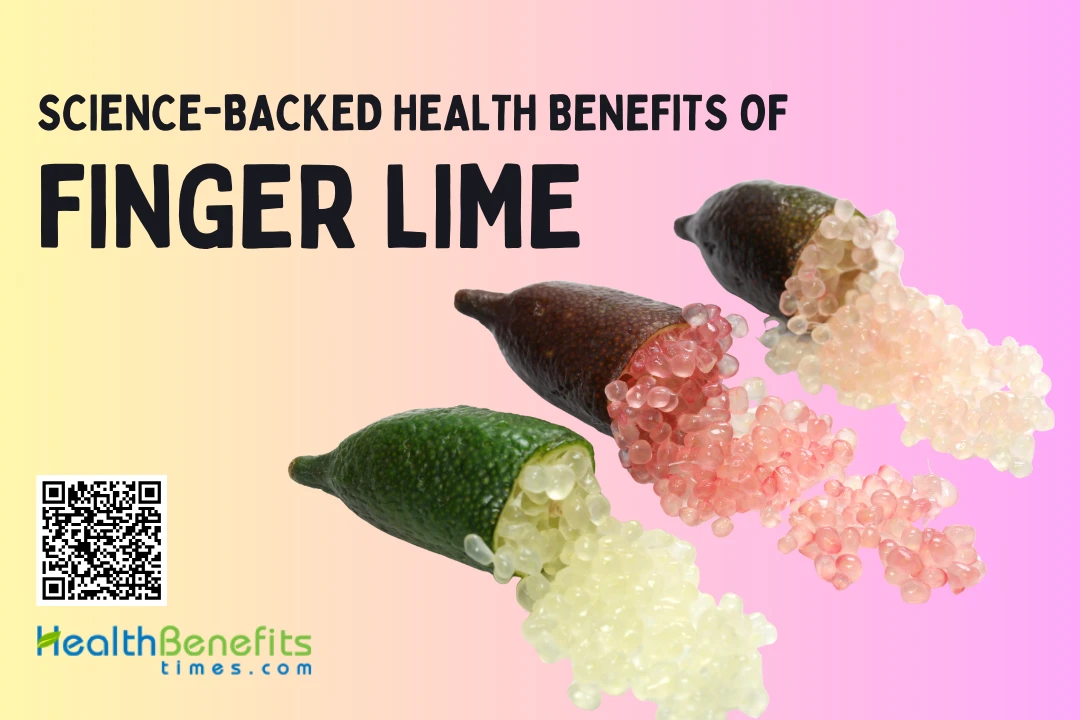
Finger Lime’s most distinctive feature lies in its unique interior structure, containing thousands of tiny, spherical, pearl-like vesicles filled with intensely tangy juice that burst upon consumption, earning it the coveted nickname “citrus caviar”. Physically, the finger lime produces cylindrical, elongated fruits that can reach up to 10 cm in length, with skin colors ranging dramatically from vibrant green to red, pink, bronze, and even dark brown or black. The plant itself grows as a compact shrub or small tree, typically reaching 2-7 meters in height, featuring sharp spines up to 2.5 cm long and small, aromatic, oil-gland-rich leaves that release a distinctive citrus scent when crushed.
Nutritional Profile of Finger Lime (Citrus australasica)
Finger lime packed with essential vitamins and minerals. With a standout 45 mg of Vitamin C per 100g, meeting 50% of the daily value, and a solid 3 g of dietary fiber, it’s a nutrient-dense choice for boosting immunity and supporting digestion. Here are Top 10 Nutrients (per 100g):
| Rank | Nutrient/Component | Amount | Daily Value (%) |
| 1 | Vitamin C (Ascorbic Acid) | 45 mg | 50% |
| 2 | Dietary Fiber | 3 g | 12% |
| 3 | Copper | 0.05 mg | 6% |
| 4 | Thiamine (B1) | 0.08 mg | 7% |
| 5 | Vitamin B6 | 0.08 mg | 6% |
| 6 | Potassium | 200 mg | 4% |
| 7 | Folate | 12 μg | 3% |
| 8 | Magnesium | 12 mg | 3% |
| 9 | Niacin (B3) | 0.4 mg | 3% |
| 10 | Riboflavin (B2) | 0.04 mg | 3% |
All Nutritional Value of Finger Lime
| Nutrient/Component | Amount per 100g | Daily Value (%) |
| MACRONUTRIENTS | ||
| Calories | 30 kcal | 2% |
| Water | 90 g | – |
| Protein | 1.0 g | 2% |
| Total Fat | 0.3 g | <1% |
| Total Carbohydrates | 8 g | 3% |
| Dietary Fiber | 3 g | 12% |
| Sugars | 6 g | – |
| VITAMINS | ||
| Vitamin C (Ascorbic Acid) | 45 mg | 50% |
| Folate | 12 μg | 3% |
| Vitamin A | 100 IU | 2% |
| Vitamin E | 0.2 mg | 1% |
| Thiamine (B1) | 0.08 mg | 7% |
| Riboflavin (B2) | 0.04 mg | 3% |
| Niacin (B3) | 0.4 mg | 3% |
| Vitamin B6 | 0.08 mg | 6% |
| MINERALS | ||
| Potassium | 200 mg | 4% |
| Calcium | 25 mg | 2% |
| Magnesium | 12 mg | 3% |
| Phosphorus | 15 mg | 2% |
| Sodium | 3 mg | <1% |
| Iron | 0.3 mg | 2% |
| Zinc | 0.1 mg | <1% |
| Copper | 0.05 mg | 6% |
| Manganese | 0.05 mg | 2% |
| PHENOLIC COMPOUNDS | ||
| Citric Acid | 162 mg | – |
| Naringin | 9.2 mg | – |
| Didymin | 1.1 mg | – |
| 2-Coumaric Acid | 1.0 mg | – |
| Isorhamnetin | 0.4 mg | – |
| Pyrogallol | 0.2 mg | – |
| Rutin | 0.09 mg | – |
| Coumarin | 0.05 mg | – |
| Naringenin | 0.05 mg | – |
| Caffeic Acid | 0.03 mg | – |
| ANTIOXIDANT CAPACITY | ||
| Total Phenolic Content (as GAE) | 26.6 mg GAE | – |
| FRAP Antioxidant Activity (as TE) | 17.6 mg TE | – |
| MAJOR VOLATILE COMPOUNDS | ||
| D-Limonene | High | – |
| Sabinene | Moderate | – |
| γ-Terpinene | Moderate | – |
| β-Phellandrene | Moderate | – |
| Bicyclogermacrene | Moderate |
Science-Backed Health Benefits of Finger Lime (Citrus australasica)
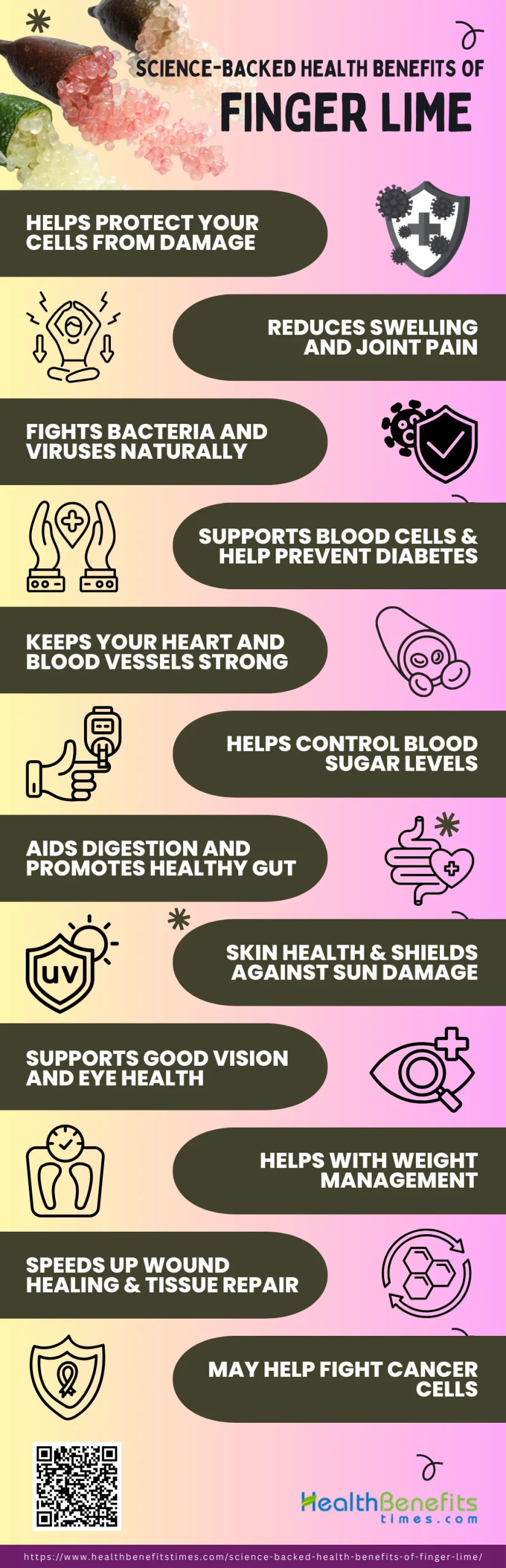 1. Helps Protect Your Cells from Damage
Finger lime stands out as a natural guardian for your cells, packed with powerful compounds that fight harmful damage. Research reveals that this unique citrus fruit contains high concentrations of phenolic compounds, including flavonoids like luteolin, quercetin, and rutin, which act as potent antioxidants to neutralize harmful free radicals. (3) The fruit’s peel and pulp are particularly rich in anthocyanins such as cyanidin and delphinidin glycosides, which provide strong protective effects against oxidative stress that can damage cellular structures. (3) Studies demonstrate that finger lime extracts effectively protect cells from hydrogen peroxide-induced damage, significantly improving cell survival rates. (4) The fruit contains essential bioactive compounds including caffeic acid, gallic acid, and chlorogenic acid, which work together to strengthen the body’s natural defense systems. (5) Additional protective compounds like naringin, hesperidin, and various hydroxycinnamic acid derivatives further enhance the fruit’s ability to shield cells from environmental damage and aging processes. (6) These natural compounds make finger lime an excellent choice for supporting overall cellular health and protecting against oxidative damage.
2. Reduces Swelling and Joint Pain
Emerging research reveals that this fruit contains powerful bioactive compounds that may help reduce swelling and joint pain through natural anti-inflammatory mechanisms. Scientists have identified over 31 phenolic compounds in finger lime, including important flavonoids such as naringenin, rutin, naringin, and quercetin-3-glucoside, which work together to combat inflammation in the body. (7) These natural compounds demonstrate the ability to suppress the release of inflammatory substances, including key markers like IL-1β, IL-6, and TNFα that are commonly associated with swelling and pain. (7) The fruit’s anti-inflammatory action occurs by preventing the upregulation of inflammatory genes such as iNOS, JAK2, and NF-κB, while also blocking pathways that trigger inflammation responses. (7) Research shows that finger lime extracts contain significant levels of antioxidant compounds like catechin, cyanidin-3-glucoside, and isorhamnetin, which contribute to its therapeutic potential. (8) Additional studies have confirmed the presence of caffeic acid, coumarin, and pyrogallol, all of which possess anti-inflammatory properties. (9) The peel of finger lime shows particularly high concentrations of these beneficial compounds, making it a promising natural source for managing inflammatory conditions. (9)
3. Fights Bacteria and Viruses Naturally
This citrus fruit contains a diverse quantity of bioactive compounds including quinic acid, polyphenols, alkaloids, flavonoids like rutin and narcissin, and specialized antimicrobial peptides that work together to combat harmful pathogens. (10) (11) The fruit’s ethanol extract demonstrates significant antibacterial activity against both gram-positive and gram-negative bacteria, with minimum inhibitory concentrations ranging from 500 to 1000 μg/mL, proving particularly effective against dangerous strains like methicillin-resistant Staphylococcus aureus (MRSA). (10) (11) Among the most notable discoveries are stable antimicrobial peptides (SAMPs) that not only directly kill bacteria by disrupting cell membranes but also activate the plant’s immune system to prevent future infections. (12) (13) (14) These compounds, including marmin and various cysteine-rich receptor-like protein kinases, show exceptional heat stability unlike traditional antibiotics, making them ideal for field applications. The finger lime’s natural defense mechanisms involve enhanced redox control systems, pathogenesis-related proteins, and glutathione-S-transferase activity that effectively neutralize reactive oxygen species while strengthening cellular immunity. (12)(13)(14)
4. Supports Healthy Blood Cells and May Help Prevent Diabetes
Finger lime is rich in vitamin C and a diverse array of antioxidant and bioactive compounds that help maintain the integrity and flexibility of red blood cells by protecting key membrane proteins from oxidative damage, supporting healthy blood flow and oxygen delivery. (15) (8) This native Australian citrus also contains high levels of flavonoids, phenolic acids, and anthocyanins, which neutralize free radicals and support cellular antioxidant defenses, contributing to overall blood cell health. (16) In addition, finger lime’s bioactive phytochemicals, including catechin, quercetin-3-glucoside, and cyanidin-3-glucoside, have been shown in laboratory studies to gently influence carbohydrate-digesting enzymes and glucose metabolism pathways, suggesting a role in moderating post-meal blood sugar spikes and promoting healthy glucose regulation. (16) (8) By combining potent antioxidants with sugar-modulating flavonoids, finger lime offers a natural way to support red blood cell function and may help prevent diabetes when incorporated into a balanced diet. (15)(16)(8)
5. Keeps Your Heart and Blood Vessels Strong
Finger lime delivers a potent blend of antioxidants and bioactive compounds that help maintain strong, flexible blood vessels and support heart health. Its vibrant peel and pulp are rich in polyphenols such as catechin, quercetin-3-glucoside, and cyanidin-3-glucoside substances shown to counteract oxidative stress and inflammation, key factors in cardiovascular disease prevention. (8) (9) In addition, finger lime contains significant levels of phenolic acids and anthocyanins, which work together to protect the delicate lining of arteries and promote healthy blood flow. (9) (17) By neutralizing free radicals and reducing inflammation, these flavonoids and related compounds help preserve the elasticity of blood vessels and prevent the buildup of plaque that can lead to heart attacks and strokes. Furthermore, the natural vitamin C found in finger lime supports collagen production, strengthening blood vessel walls and enhancing overall circulation. (17) Regular enjoyment of finger lime whether as a fresh garnish, juice, or in salads can contribute to a heart-healthy diet, offering a simple, delicious way to harness nature’s power for cardiovascular well-being.
6. Helps Control Blood Sugar Levels
Antioxidants and bioactive compounds in Finger Lime support healthy blood sugar control by reducing oxidative stress and glycation, both of which can impair normal glucose metabolism. (15) (18) Its pulp and peel are especially high in vitamin C and flavonoids such as quercetin-3-glucoside and catechin, which help stabilize blood sugar by protecting insulin-sensitive cells from damage. (8) In particular, anthocyanins and phenolic acids found in finger lime have been linked to improved carbohydrate handling, likely by modulating enzymes that influence glucose release into the bloodstream. (19) Additionally, the juice extract has been shown to lower levels of glycated hemoglobin, a marker of long-term blood sugar management, suggesting that regular dietary inclusion of finger lime could contribute to overall glycemic balance. (18) While more human trials are needed to confirm these benefits, the combined action of vitamin C, flavonoids, and phenolic antioxidants positions finger lime as a natural, nutrient-dense option for those seeking to maintain healthy glucose levels.
7. Aids Digestion and Promotes a Healthy Gut
Packed with phenolic compounds such as caffeic acid and coumaric acid, and rich in flavonoids like naringin and didymin, this citrus delivers gentle support to the digestive tract by helping maintain healthy enzyme activity and reducing occasional discomfort. (19) Its high citric acid content contributes to a mildly acidic environment in the stomach, which can aid in the breakdown of food and improve nutrient absorption. (9) Additionally, the fruit’s antioxidant properties help protect the delicate lining of the gastrointestinal tract from oxidative stress, fostering an environment where beneficial bacteria can thrive and support overall gut balance. (19) (9) Finger lime also contains vitamins and minerals that play supportive roles in digestive health, helping to regulate normal muscle contractions in the intestines and promote regularity without harsh stimulants. (9) By incorporating finger lime into the diet whether enjoyed fresh, as a zest, or in lightly flavored beverages individuals can tap into its synergistic blend of organic acids, flavonoids, and antioxidants to encourage smooth digestion and promote a healthy, resilient gut.
8. Improves Skin Health and Shields Against Sun Damage
Finger Lime delivers a unique blend of antioxidants such as vitamin C, polyphenols, and flavonoids that work together to neutralize free radicals generated by UV exposure, helping to prevent premature skin aging and oxidative damage. (8) (20) Additionally, its rich anthocyanin content contributes to enhanced photoprotection by absorbing high-energy light and reducing inflammation in skin cells, thereby supporting skin resilience under sun exposure. (6) (20) The high levels of limonoids and coumarins further bolster the fruit’s ability to maintain skin barrier integrity and moisture balance, which are critical for healthy, protected skin. (8) (21) Moreover, monoterpenes and sesquiterpenes in Finger Lime essential oils promote skin renewal and soothe irritations that can result from UV overexposure, aiding in the restoration of a smooth, even complexion. (6) (21) Collectively, these naturally occurring nutrients in Finger Lime present a compelling case for its inclusion in topical formulations or dietary routines aimed at improving overall skin health and providing a shield against sun-induced damage.
9. Supports Good Vision and Eye Health
Antioxidant compounds such as phenolic acids and flavonoids, including rutin, naringin and isorhamnetin, found in Finger Lime neutralize free radicals that can damage retinal cells and contribute to age-related vision decline. (9) (19) Moreover, finger lime’s exceptional vitamin C content plays a crucial role in synthesizing collagen, an essential protein for maintaining the structure of the cornea and sclera, while also protecting ocular tissues from oxidative stress. (8) In addition, bioactive flavonoids found in the fruit such as quercetin derivatives and anthocyanins have been shown to support microcirculation within the eye, enhancing nutrient delivery to delicate tissues and helping prevent conditions that impair visual acuity. (9) (8) The combined action of these natural antioxidants and bioactive compounds contributes to reducing inflammation and oxidative damage in the eye, potentially lowering the risk of cataracts and macular degeneration. (19) (22) Regular consumption of finger lime, whether fresh or as a nutrient-rich extract, can therefore be a simple and flavorful way to bolster vision support and promote long-term ocular well-being.
10. Helps with Weight Management
Finger Lime support weight management through its rich profile of bioactive compounds. This native Australian fruit delivers high levels of polyphenols and flavonoids, such as naringin, rutin, and isorhamnetin derivatives, which help modulate digestive enzymes and improve metabolic balance. (9) Additionally, the peel and pulp are abundant in antioxidants, including catechin and quercetin-3-glucoside, that combat oxidative stress linked to excess adiposity and insulin resistance. (20) Finger Lime also contains limonene, a citrus terpene shown to influence lipid metabolism and reduce fat accumulation without relying on pharmacological interventions. (8) Moreover, its modest vitamin C content enhances the absorption of these phytonutrients and contributes to the regulation of energy expenditure. (23) By combining these nutrients antioxidants, polyphenols, flavonoids, and vitamin C Finger Lime presents a natural dietary option to support healthy body weight when included as part of a balanced eating pattern. (8)(9)(23)
11. Speeds Up Wound Healing and Tissue Repair
Finger Lime is rich in bioactive compounds that support skin repair by promoting cell regeneration and strengthening tissue integrity. Its peel and pulp contain high levels of vitamin C and polyphenols, such as quinic acid and other flavonoids, which act as potent antioxidants to reduce oxidative stress and inflammation at wound sites. (24) (25) Additionally, alkaloids and alcohols like myoinositol contribute to enhancing collagen synthesis, thereby accelerating the closure of damaged skin layers and improving the overall structure of the repaired tissue. (24) The diverse array of phytochemicals, including esters and organic acids, helps modulate cellular permeability and membrane integrity, which further facilitates nutrient uptake essential for tissue remodeling. (24) (25) Moreover, the antioxidant capacity of Finger Lime, measured through assays like FRAP and CUPRAC, underscores its ability to neutralize free radicals that can impede healing processes, thus creating an optimal environment for repair. (26) Collectively, these natural nutrients and phytochemicals in Finger Lime synergize to speed up wound healing and bolster tissue repair, making this fruit a promising candidate for incorporation into topical formulations and dietary interventions aimed at supporting skin health and recovery.
12. May Help Fight Cancer Cells
Research highlights that its peel and pulp are rich in limonene, a terpene known for its antioxidant and potential anti-tumor properties, along with β-pinene and other monoterpenes that contribute to its health benefits. (27) Additionally, the fruit provides substantial amounts of phenolic acids and flavonoids, including quercetin derivatives, which are recognized for their ability to protect cells from oxidative damage and to support the body’s natural defense against malignancies. (28) Finger Lime also offers organic acids such as citric acid, which not only enhance flavor but also add to its antioxidant profile by scavenging harmful free radicals. (27) The combined action of these antioxidant molecules helps create an unfavorable environment for cancer cell survival and proliferation, suggesting that incorporating Finger Lime into a balanced diet could support overall cellular health. While more clinical studies are needed to confirm these effects in humans, the nutrient profile of this fruit positions it as a promising complementary approach for cancer prevention strategies. (27)(28)
Culinary and Practical Uses of Finger Lime (Citrus australasica)
- Provides caviar-like vesicles as a gourmet garnish in seafood, salads, and desserts.
- Delivers tangy juice and aromatic zest to substitute traditional lime in cocktails, dressings, and preserves.
- Supplies nutrient-rich pulp used in marinades, sauces, and vegan caviar alternatives, enhancing both flavor and phytonutrient content.
Finger lime combines unique sensory appeal with robust health-promoting properties. Its vesicles burst with high concentrations of vitamin C, flavonoids, and monoterpenes, offering antioxidant activity that supports collagen synthesis and combats oxidative stress in both diet and skincare formulations. Peel and pulp extracts demonstrate broad spectrum antimicrobial effects including activity against methicillin-resistant Staphylococcus aureus suggesting applications as natural food preservatives and therapeutic agents. Moreover, the fruit’s dietary fiber aids digestion and contributes to gut health, aligning with wellness trends. As a versatile ingredient, Citrus australasica elevates culinary creations, enhances functional beverages, and informs the development of cosmetic and pharmaceutical products aimed at overall health and wellness.
Potential Risks and Considerations of Finger Lime (Citrus australasica)
Beneath its vibrant appearance, finger lime contains a diverse amount of bioactive compounds including citric acid, flavonoids, and polyphenols that contribute to its antioxidant potential but also warrant careful consideration regarding safety.
- High concentrations of compounds, such as eriodictyol glycosides and estragole, have been associated with toxic or genotoxic effects in preliminary assessments, highlighting the importance of dose regulation and thorough risk evaluation. (29)
- Additionally, the chemical profile of finger lime can vary widely due to factors like growing conditions and extraction methods, meaning that nutrient and flavonoid levels may not be consistent across products, underscoring the necessity of standardized characterization before use in dietary or therapeutic contexts. (9)
- Coumarins and furocoumarins identified in the peel’s volatile oils may pose photosensitivity risks, as similar compounds in other citrus species have been linked to skin irritation upon sun exposure, suggesting a need for caution when using finger lime oils topically. (30)
- Consumers should also be aware that while antioxidants such as rutin and naringin support cardiovascular and metabolic health, excessive intake without understanding individual compound interactions could lead to unintended side effects.
Therefore, incorporating finger lime into wellness routines should involve attention to sourcing, proper dosing, and awareness of potential interactions to maximize benefits and minimize risks.