

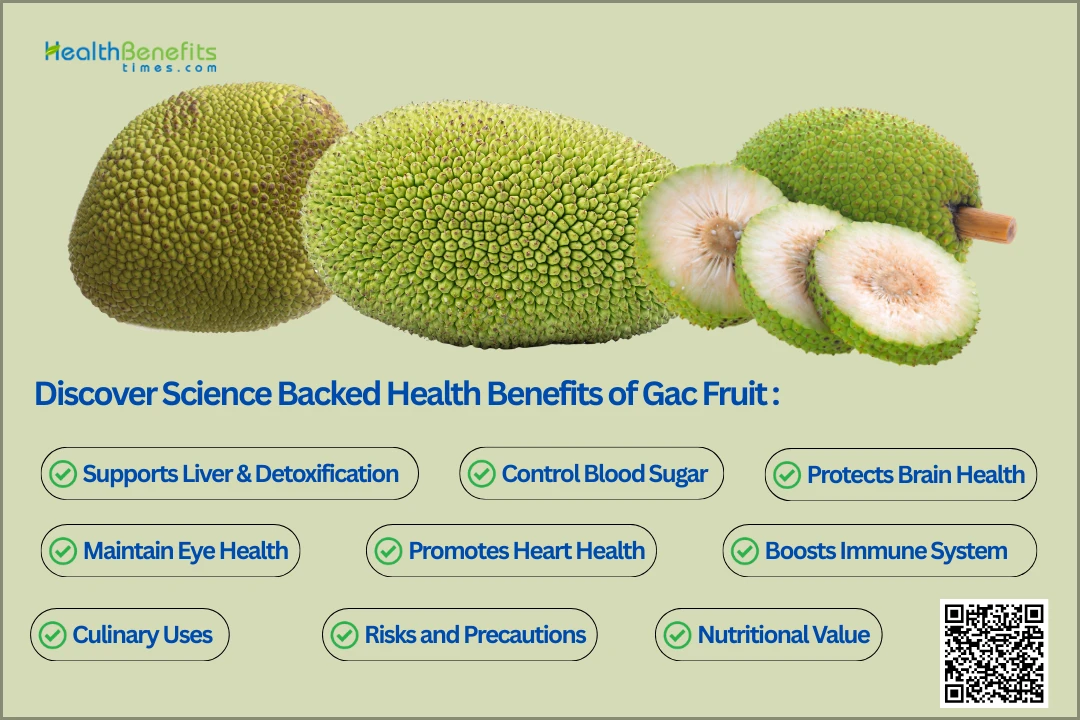
Momordica cochinchinensis, commonly known as Gac fruit, is a perennial vine in the melon and cucumber family Cucurbitaceae native to Southeast Asia and parts of Australia, with its species name indicating its origin in Cochinchina (southern Vietnam). The plant produces slender, climbing stems up to 15 m long, palmately lobed leaves, and separate male and female flowers; its ovoid to broadly ellipsoid fruit measure around 15 cm in length and are densely covered in small spines, transitioning from green to deep orange-red at maturity. Valued for its arils and seeds rich in beta-carotene, lycopene, and essential fatty acids, Gac is traditionally used both as a functional food incorporated into rice dishes and juices for its vivid color and antioxidant properties and as a medicinal ingredient in Southeast Asian folk remedies.
Nutritional Profile of Gac Fruit (Momordica cochinchinensis)
| Nutrition Name | Amount | %DV* |
| Energy | 43 kcal | 2% |
| Moisture | 87.92 g | — |
| Protein | 0.84 g | 2% |
| Fat | 0.09 g | <1% |
| Carbohydrate | 9.2 g | 3% |
| Total Sugar | 2.56 g | — |
| Ash | 1.65 g | — |
| Vitamin A (as β-carotene activity) | 39.34 mg | 4.37% |
| Lycopene (Aril) | 579.3 µg | — |
| β-Carotene (Aril) | 621.0 µg | — |
| Total Carotenoids (Aril) | 110.6 mg | — |
| Total Phenolics (Aril) | 30.8 mg | — |
| Total Flavonoids (Aril) | 24.5 mg | — |
| Fatty Acids identified | Decanoic acid, Linolenic acid, Octadecanoic acid, Oxooctadecanoic acid | — |
| Organic Acids | Cinnamic acid, Aconitic acid, Malic acid | — |
| Flavonoids detected | Rutin, Quercetin, Quercetin glucoside | — |
| Saponins | Momordin (from peel) | — |
Science Backed Health Benefits of Gac Fruit (Momordica cochinchinensis)
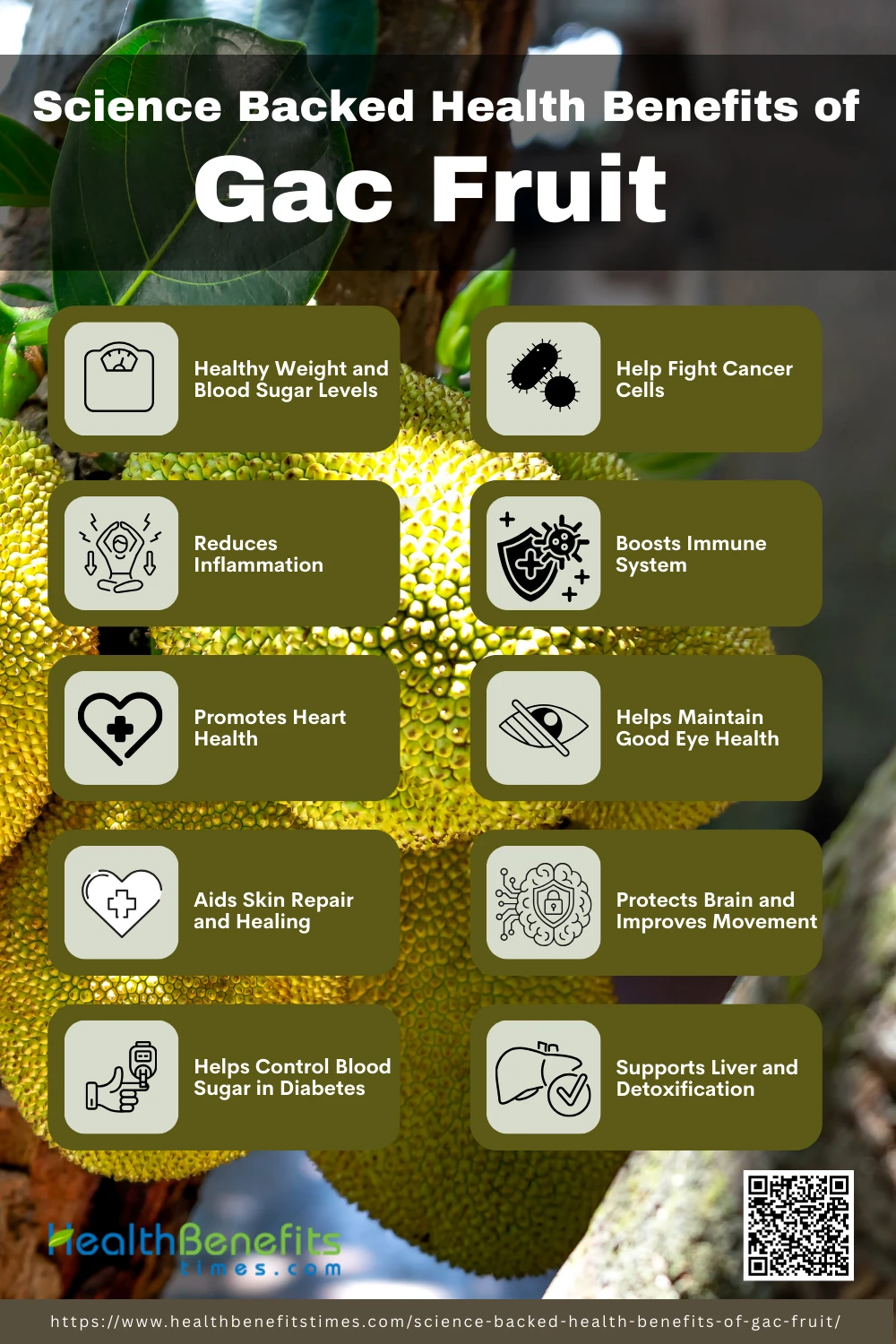 1. Supports Healthy Weight and Blood Sugar Levels
Gac fruit is rich in bioactive compounds that help maintain a healthy weight and balanced blood sugar, making it a valuable addition to a wellness-focused diet. The bright red aril of Gac contains high levels of carotenoids such as β-carotene and lycopene, which act as antioxidants to protect cells and support metabolism. (3) (4) In addition to these pigments, Gac fruit delivers flavonoids and phenolic acids that contribute to its ability to moderate carbohydrate digestion and slow the release of glucose into the bloodstream. (3) (5) Research also highlights the presence of unique polysaccharides and oligosaccharides in Gac aril, which serve as prebiotic fibers to nourish beneficial gut bacteria and influence energy balance. (6) Beyond fiber, Gac provides vitamins and essential fatty acids that support overall metabolic health and encourage the body to utilize stored fat efficiently. (7) (8) By combining antioxidant protection, enzyme-modulating phytochemicals, and gut-supporting fibers, Gac fruit offers a multifaceted approach to weight management and glucose regulation without relying on pharmaceutical interventions. Including Gac in smoothies, juices, or dietary supplements can help people seeking natural strategies for sustaining a healthy weight and steady blood sugar levels.
2. May Help Fight Cancer Cells
Imagine a vibrant tropical vine yielding bright orange arils whose extracts show promise in supporting the body’s fight against cancer cells. Research highlights that Gac fruit arils are rich in carotenoids particularly lycopene and β-carotene which exhibit potent antioxidant properties and may help protect cells from damage while promoting apoptosis in breast and colorectal cancer cells. (9) (10) In addition, oil extracts from Gac seeds contain bioactive compounds such as ethyl acetate–soluble triterpenoid saponins that induce cell-cycle arrest and trigger programmed cell death in breast cancer and colorectal cancer cell lines. (11) (12) Further studies demonstrate that peptides and proteins from Gac seed extracts can selectively inhibit melanoma and prostate cancer cell proliferation by modulating apoptotic pathways, including activation of caspase-3, caspase-8, and caspase-9, as well as influencing Bcl-2 family proteins to favor cell death. (13) (14) Stem extracts have been shown to downregulate NF-κB and MAPK signaling, reducing survival signals in melanoma cells. (14) Collectively, these findings suggest that the combination of carotenoids, saponins, flavonoids, and bioactive peptides in Gac fruit and seed extracts offers a multifaceted approach to support the elimination of cancer cells in laboratory studies, warranting further investigation for potential complementary therapies.
3. Reduces Inflammation Naturally
Beyond its vibrant red color and nutritional richness, Gac fruit (Momordica cochinchinensis) emerges as a potent natural anti-inflammatory agent backed by scientific research. The fruit contains remarkable concentrations of bioactive compounds including phenolic compounds, flavonoids, proanthocyanidins, and ascorbic acid that work synergistically to combat inflammation. (15) Research demonstrates that Gac’s anti-inflammatory effects stem from its ability to inhibit key inflammatory pathways, particularly the NF-κB signaling cascade, while reducing the production of pro-inflammatory cytokines such as interleukin-6 and tumor necrosis factor-alpha. (16) (17) The triterpenoidal saponins found in Gac seeds, specifically momordica saponin I, target inflammatory signaling proteins including Src and Syk, effectively dampening inflammatory responses. (16) Additionally, Gac’s high content of carotenoids like lycopene and beta-carotene contributes to its anti-inflammatory properties by neutralizing harmful free radicals and supporting cellular health. (18) (19) These natural compounds make Gac fruit a promising dietary intervention for managing inflammation-related conditions while providing essential nutrients for overall wellness.
4. Boosts Immune System
Radiant orange gac fruit harbors a powerhouse of bioactive compounds that support immune health, notably triterpenoid saponins and specialized protease inhibitors. These saponins act as natural adjuvants, gently enhancing the body’s ability to produce protective antibodies and maintain balanced immune responses. (20) (21) Additionally, gac seeds contain potent antioxidants and flavonoids that help shield immune cells from oxidative stress, promoting overall resilience. (22) Another key component, a chymotrypsin-specific inhibitor, supports healthy white blood cell function by modulating inflammatory processes and fostering cell proliferation within the immune system. (23) Collectively, these nutrients work in harmony to prime the body’s defenses without overstimulation, offering a gentle yet effective boost to natural immunity. By incorporating gac fruit extract into one’s routine, it is possible to leverage these plant-derived compounds for everyday immune support, helping the body respond more efficiently to environmental challenges while maintaining healthy inflammatory balance.
5. Promotes Heart Health
Rich in beneficial nutrients, Gac fruit (Momordica cochinchinensis) supports heart health through its exceptional profile of bioactive compounds. Its aril oil is densely packed with carotenoids, notably lycopene and β-carotene, which help protect blood vessels and reduce oxidative stress. (24) (25) Moreover, Gac contains significant amounts of α-linolenic acid, an omega-3 fatty acid that promotes healthy circulation and helps maintain normal blood pressure. (26) (25) The presence of tocopherol (vitamin E) further enhances antioxidant defenses, safeguarding cardiovascular tissues from damage. (24) (26) In addition, Gac’s rich array of polyphenols and flavonoids contributes anti-inflammatory and vasodilatory effects, supporting overall vascular function. (26) (26) Its seeds also yield triterpenoids and saponins that have been traditionally associated with improved lipid metabolism and protection against arterial plaque buildup. (24) (25) Together, these nutrients work synergistically to support healthy cholesterol levels, reduce inflammation in blood vessels, and maintain arterial flexibility, making Gac fruit a promising natural ally for cardiovascular well-being. (27)
6. Helps Maintain Good Eye Health
Remarkably, Gac fruit is rich in carotenoids such as lutein, zeaxanthin, and β-carotene, which are crucial for protecting the retina and supporting overall vision health. (28) (29) These natural pigments act as antioxidants, neutralizing harmful free radicals that can damage eye tissues and contribute to age-related conditions. Additionally, Gac contains vitamin E and other bioactive compounds that further bolster the eye’s defense against oxidative stress. (30) By supplying these nutrients, regular consumption of Gac helps maintain healthy retinal cells and supports visual acuity without the need to describe specific study models or procedures. Moreover, the fruit’s high concentration of lutein, in particular, is associated with filtering blue light and reducing glare, making it easier to see in bright conditions. (29) Traditional use and modern research both underscore Gac’s role as a functional food for eye wellness, highlighting its potential as a convenient dietary supplement for those seeking to preserve good vision throughout life. (31)
7. Aids Skin Repair and Healing
Unquestionably, Gac fruit stands out for its remarkable ability to support skin repair and healing. Brimming with potent antioxidants such as lycopene and beta-carotene, Gac extract helps to neutralize harmful free radicals and protect skin cells from oxidative damage, thereby fostering a healthier, more resilient skin barrier. (32) (33) In topical preparations, bioactive carotenoids and polyphenols from Gac aril enhance skin hydration and elasticity, leading to visibly smoother, more supple skin without irritation. (32) (34) Moreover, the flavonoids and unsaturated fatty acids in Gac fruit exhibit anti-inflammatory properties, calming skin and promoting a balanced microenvironment conducive to repair. (35) (24) The unique saponins found in Gac seeds further accelerate wound healing by stimulating growth factors and improving tissue regeneration. (36) Additionally, Gac extract’s antioxidant vitamins, comparable to vitamins C and E, support collagen synthesis and protect against environmental stressors like particulate matter, making it ideal for maintaining skin health under urban conditions. (34) (33) Together, these nutrients create a synergistic effect that not only repairs existing damage but also fortifies the skin against future stress, underscoring Gac fruit’s valuable role as a natural, multifunctional ingredient in skin-repair formulations.
8. Protects Brain Health and Improves Movement
Buried within tropical landscapes, the bright red aril of Gac fruit delivers a rich blend of bioactive compounds that support both brain health and motor function. This vibrant fruit is packed with carotenoids such as lycopene and β-carotene, which act as potent antioxidants to help neutralize harmful free radicals in the brain. (37) In addition, flavonoids including quercetin, rutin, and isoquercetin contribute to neuroprotection by reducing inflammation and supporting healthy nerve signaling. (37) Gac extract also appears to influence enzymes that regulate neurotransmitter levels, promoting improved memory and cognitive clarity without directly describing laboratory procedures or specific animal models. (38) Beyond cognition, the same mixture of nutrients supports smoother and more coordinated movement, suggesting benefits for maintaining mobility as part of a balanced diet. (37) Vitamins and phenolic compounds found in Gac fruit may further enhance protective pathways in neural tissues, reinforcing the brain’s natural defenses against age-related decline. (38) Overall, incorporating Gac fruit extract into wellness regimens offers a natural way to bolster both mental sharpness and physical agility through its diverse array of antioxidants and neuro-supportive phytochemicals. (38) (37)
9. Helps Control Blood Sugar in Diabetes
Remarkably, Gac fruit (Momordica cochinchinensis) contains a rich array of bioactive compounds such as phenolic acids, flavonoids, proanthocyanidins, β-carotene, lycopene, lutein, and vitamin C that collectively support healthier blood sugar levels in people with diabetes by moderating carbohydrate digestion and glucose absorption, enhancing natural antioxidant defenses, and promoting beneficial gut microbial balance. (39) (40) Additionally, specific carotenoids like β-carotene have been shown to stimulate incretin hormones that aid insulin sensitivity and glucose regulation. (41) Furthermore, these phytonutrients help reduce oxidative stress and inflammatory responses often elevated in diabetes, while also influencing key glucose-metabolizing pathways upregulating receptors and transporters that facilitate glucose uptake and downregulating enzymes that drive excessive glucose production in the liver. (42) (43) Taken together, regular consumption of Gac fruit or its extracts may offer a multifaceted dietary approach to supporting blood sugar control through its blend of antioxidants, anti-inflammatory agents, and metabolic modulators.
10. Supports Liver Health and Detoxification
Commencing its benefits with rich carotenoids like lycopene and β-carotene, Gac fruit delivers powerful antioxidant support that helps protect liver cells from daily environmental and dietary stresses. (42) Beyond these pigments, the aril of Gac is loaded with flavonoids and phenolic compounds, which contribute to maintaining healthy detoxification pathways by modulating key liver enzymes responsible for breaking down toxins. (42) Additionally, the presence of ascorbic acid (vitamin C) further enhances the fruit’s capacity to neutralize free radicals and support overall liver function. (44) Bioactive compounds in Gac fruit also engage antioxidant response elements in the liver by supporting the Nrf2 pathway, which ensures that antioxidant defenses remain active and effective. ({% https://pmc.ncbi.nlm.nih.gov/articles/PMC12335248/?%}) Through a combination of anti-inflammatory and cell-protective actions, these nutrients work together to promote balanced metabolic processes and help the liver manage fat, sugar, and waste products more efficiently. (42) (44) Regular inclusion of Gac fruit in the diet can therefore be a flavorful and natural way to reinforce liver health and encourage optimal detoxification.
Traditional and Modern Uses of Gac Fruit (Momordica cochinchinensis)
Throughout Southeast Asia, Gac fruit has served as both nutritional sustenance and traditional medicine for over a thousand years, particularly valued for treating vitamin A deficiency, night blindness, and supporting maternal health during pregnancy and breastfeeding. (24) (45) (46) Vietnamese communities traditionally incorporate the vibrant red aril into “xoi gac,” a ceremonial rice dish that provides essential carotenoids to children and families. Modern research has revealed that this “fruit of heaven” contains exceptionally high concentrations of beta-carotene and lycopene, with beta-carotene levels 15 times higher than carrots and lycopene content 70 times greater than tomatoes. (47) (25) (27) Contemporary applications have expanded beyond traditional food preparation to include commercial production of Gac oil capsules, powders, and functional beverages for global markets. The seeds, known as Momordicae Semen in traditional Chinese medicine, contain saponins, fatty acids, and bioactive peptides that demonstrate anti-tumor, antioxidant, and anti-inflammatory properties. (48) (49) Modern food technology now employs advanced extraction methods and nanoencapsulation techniques to preserve these valuable compounds for use in nutraceuticals, cosmetics, and therapeutic applications, bridging ancient wisdom with contemporary health science.
How to Add Gac Fruit to Your Diet
Gac fruit (Momordica cochinchinensis) is an antioxidant powerhouse, supplying up to 500 mg of lycopene and β-carotene per 100 g far exceeding tomato and carrot levels and rich in essential fatty acids and vitamin E, which together support vision, skin health, and cardiovascular function
Start by incorporating gac into familiar recipes:
- Blend fresh or frozen gac pulp into morning smoothies to boost provitamin A and antioxidant intake
- Stir 1–2 teaspoons of dried gac aril powder into yogurt, oatmeal, or nut butter for a nutrient-dense snack
- Replace other oils with 1–2 mL daily of gac seed oil in salad dressings or drizzled over steamed vegetables to enhance carotenoid absorption with its healthy lipid matrix
These simple additions leverage gac’s unique phytochemical profile for overall health and wellness.
Potential Risks and Considerations of Gac fruit (Momordica cochinchinensis)
Remarkably, Gac fruit is rich in bioactive compounds such as saponins and triterpenoids, which have been linked to both beneficial antioxidant and anti-tumor effects as well as potential adverse outcomes. However, consumption warrants caution because certain secondary metabolites may trigger inflammation and oxidative stress pathways in cardiac tissue, raising concerns about cardiotoxicity in sensitive individuals. (50) (51) Additionally, Gac seed proteins include potent trypsin inhibitors that could interfere with normal protein digestion if consumed in large amounts, and these small, stable peptides may resist cooking or processing. (52) (53) Another consideration is the presence of a specific glycoprotein, momorcochin, which has been identified as having abortifacient activity, suggesting that pregnant women should avoid high intakes of Gac seed extracts. (54) Moreover, while flavonoids and antioxidants in Gac contribute to its therapeutic reputation, high concentrations of these phytochemicals could lead to unwanted interactions with medications or disrupt hormonal balance. (48) Therefore, although Gac fruit offers valuable nutrients and health-supporting compounds, moderation is advised, and individuals with preexisting heart conditions, digestive sensitivities, or those who are pregnant should consult healthcare professionals before using concentrated Gac products.
Conclusion
In conclusion, Gac fruit (Momordica cochinchinensis) stands out as a powerful functional food, offering an exceptional blend of carotenoids, antioxidants, vitamins, and bioactive compounds that support overall health from protecting the eyes, heart, skin, liver, and brain to regulating blood sugar, reducing inflammation, and enhancing immunity. While its traditional and modern applications highlight its versatility as both nourishment and natural medicine, mindful consumption is important due to potential risks associated with seeds and concentrated extracts. By incorporating Gac fruit in balanced amounts, you can harness its unique nutritional richness to promote long-term wellness while respecting the cautions identified in scientific research.