

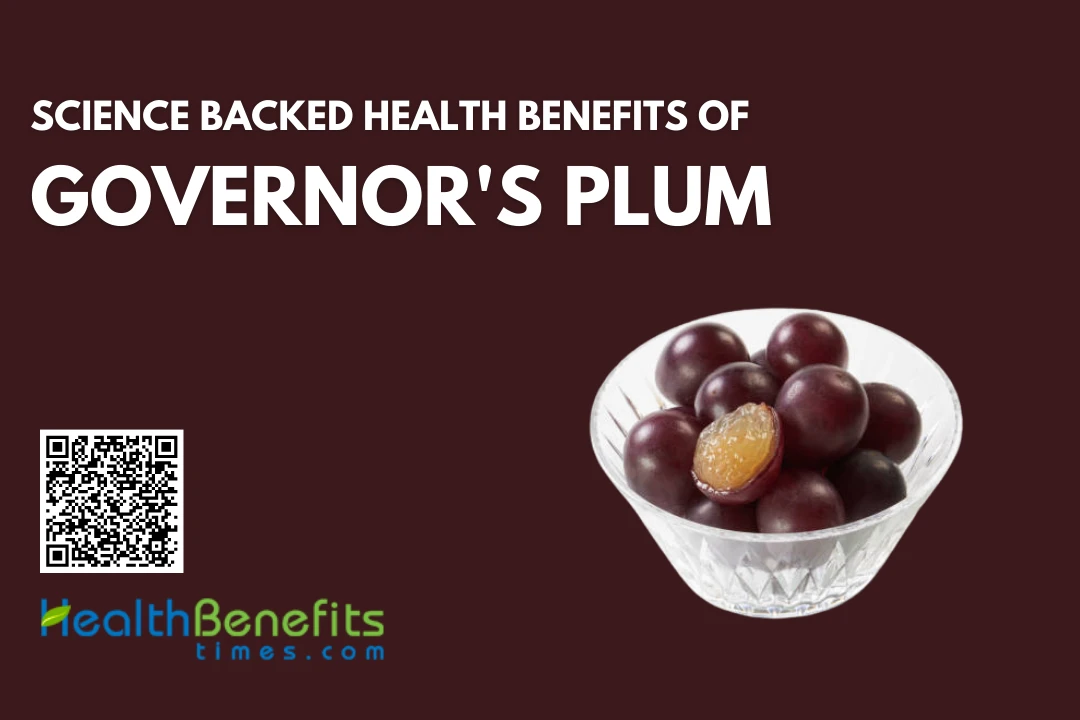
 Flacourtia indica, commonly known as the governor’s plum or Indian plum, is a slow-growing, spiny shrub or small tree in the Salicaceae family, native to tropical and subtropical regions of Africa and Asia. Typically reaching 3–5 m in height (occasionally up to 10 m), it bears leathery, oval leaves and inconspicuous yellowish flowers in small axillary clusters, followed by globular, reddish to purple edible berries about 2 cm across. The fruit’s sweet-tart flavor makes it popular fresh or processed into jams, jellies, sauces, and even fermented beverages, while its young shoots and leaves are occasionally consumed as vegetables. Rich in vitamin C, dietary fiber, and phenolic antioxidants, Flacourtia indica has long been used in traditional medicine for its antimicrobial, anti-inflammatory, and analgesic properties applications ranging from treating fevers and respiratory infections to easing gastrointestinal ailments making it a valuable addition for those interested in natural health and wellness.
Nutritional profile of Governor’s Plum (Flacourtia indica)
The following table presents the nutrient and bioactive compound contents of raw Flacourtia indica fruit, alongside their corresponding Daily Values (DVs) for adults and children aged 4 and over, based on FDA guidelines.
| Nutrient / Compound | Amount per 100 g | %DV |
| Calories | 224 kcal | 11% |
| Total Carbohydrate | 49.77 g | 18% |
| Dietary Fiber | 2.39 g | 9% |
| Total Sugars | 6.28 g | — |
| Protein | 3.69 g | 7% |
| Total Fat | 1.16 g | 1% |
| Vitamin C | 3,210 mg | 3,567% |
| Calcium | 371.5 mg | 29% |
| Iron | 6.82 mg | 38% |
| Potassium | 18.2 mg | <1% |
| Sodium | 3,218 mg | 140% |
| Magnesium | 7.85 mg | 2% |
| Phosphorus | 183.3 mg | 15% |
| Antinutritional Factors | ||
| Oxalates | 21.82 mg | — |
| Phytates | 4.49 mg | — |
| Tannins | 163.23 mg | — |
| Saponins | 5.84 mg | — |
Science Backed Health Benefits of Governor’s Plum
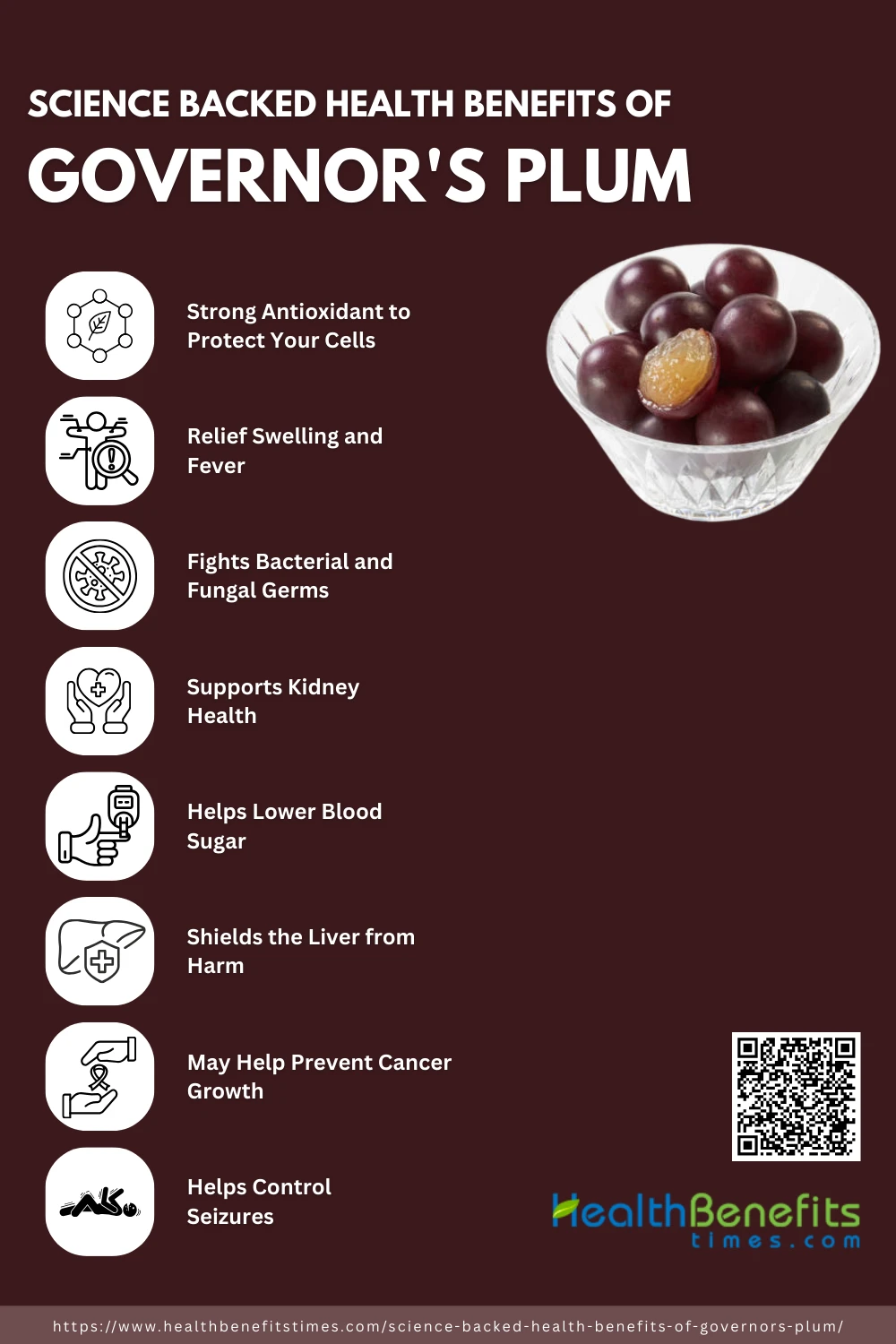 1. Strong Antioxidant to Protect Your Cells
This tropical fruit contains an impressive arsenal of antioxidant compounds including gallic acid, quercetin, ferulic acid, caffeic acid, and vanillic acid, which are the key players in neutralizing dangerous reactive oxygen species that can damage your cells. (3) (4) Research demonstrates that various parts of the plant, from leaves to fruits and even peels, exhibit powerful DPPH radical scavenging activity and nitric oxide neutralization capabilities. (5) (6) The fruit’s rich concentration of flavonoids, anthocyanins, and proanthocyanidins work synergistically to prevent oxidative stress and support your body’s natural antioxidant enzyme systems. (7) (8) These bioactive compounds not only protect individual cells from damage but also help modulate gene expression related to antioxidant defense, making Governor’s Plum a valuable addition to a health-conscious lifestyle. (9)
2. Relief Swelling and Fever
Research reveals that this tropical fruit contains powerful anti-inflammatory agents, with N-Hexadecanoic acid being the most abundant compound at 18.032% in ethanolic extracts, alongside other significant compounds like oleic acid and beta-sitosterol. (10) Studies show that Flacourtia indica extracts effectively reduce inflammation through protein denaturation inhibition, achieving up to 70% effectiveness in laboratory tests, while also demonstrating 64.23% success in membrane stabilization methods. (10) The fruit’s antipyretic properties are equally impressive, with research indicating significant fever reduction capabilities through mechanisms similar to standard fever-reducing medications. (11) The plant’s effectiveness stems from its rich phenolic compounds, including flavonoids and antioxidants that work together to suppress inflammatory responses and regulate body temperature. (11) (12) These natural compounds help modulate the body’s inflammatory pathways while providing gentle yet effective relief from fever and swelling without the harsh side effects often associated with synthetic alternatives.
3. Fights Bacterial and Fungal Germs
The plant’s remarkable antimicrobial properties stem from its rich concentration of bioactive compounds, including flavonoids, phenolic compounds, tannins, alkaloids, saponins, and terpenoids. (13) Studies demonstrate that the plant extracts show strong antifungal activity against dangerous fungi like Trichophyton mentagrophytes and Aspergillus niger, while also effectively fighting bacterial infections caused by Staphylococcus aureus. (13) (14) Essential compounds like cycloheptasiloxane tetradecamethyl, 2,4-di-tert-butylphenol, n-hexadecanoic acid, and squalene contribute to these germ-fighting abilities. (15) The high levels of antioxidants also support the body’s natural defense system by neutralizing harmful free radicals that can weaken immunity. (13)(14)
4. Supports Kidney Health
The fruit extract contains powerful phenolic antioxidants, including quercetin and gallic acid, which work together to shield kidney tissues from oxidative damage. (16) These bioactive compounds effectively reduce harmful markers of kidney stress, including malondialdehyde, nitric oxide, and advanced protein oxidation products, while simultaneously restoring essential antioxidant enzymes like catalase, superoxide dismutase, and glutathione peroxidase. (3) The fruit’s polyphenolic substances demonstrate significant anti-inflammatory properties by modulating gene expression related to kidney protection, particularly through the activation of Nrf-2 pathways and heme oxygenase enzymes. (16) Furthermore, Governor’s Plum extract helps normalize important kidney function markers such as creatinine and uric acid levels while preventing tissue inflammation and fibrosis. (3) The presence of ferulic acid, caffeic acid, and vanillic acid in the fruit contributes to its comprehensive kidney-protective effects, making it a promising natural approach for supporting overall kidney health and function. (16)
5. Helps Lower Blood Sugar
Studies show that various extracts from the plant’s leaves and stem bark contain powerful flavonoids, polyphenols, tannins, and saponins that contribute to significant hypoglycemic effects. (17) (8) The plant’s therapeutic benefits stem from its abundant antioxidant properties, with research indicating strong free radical scavenging abilities that help stabilize glucose metabolism. (18) (19) Particularly noteworthy are the flavanones and flavones identified through chemical analysis, which work alongside phenolic compounds and anthocyanins to provide glucose-stabilizing effects. Scientific investigations demonstrate that regular consumption of Flacourtia indica extracts leads to substantial reductions in blood glucose concentrations while also improving overall lipid profiles. The plant’s mineral content and phytochemical composition work synergistically to enhance insulin sensitivity and promote healthy glucose metabolism, making it a promising natural approach for blood sugar management. (17)(8)
6. Shields the Liver from Harm
Research demonstrates that this medicinal plant parts leaves and steam bark possesses significant hepatoprotective properties, effectively defending liver cells against various toxic substances including paracetamol, alcohol, and aluminum chloride. (20) (21) The plant’s therapeutic power lies in its rich collection of bioactive compounds, including phenolic compounds, flavonoids, β-sitosterol, coumarin compounds such as scoparone and aesculetin, and terpenoids. (22) (23) Studies reveal that extracts from both leaves and stem bark significantly reduce harmful liver enzymes while promoting cellular regeneration and healing. The antioxidant properties of these phytochemicals work by neutralizing free radicals and reactive oxygen species that cause liver damage. (24) (25) Additionally, the plant contains essential minerals like magnesium, manganese, and zinc, which serve as cofactors for important liver enzymes, further supporting hepatic function and glucose regulation.
7. May Help Prevent Cancer Growth
Research has identified numerous bioactive compounds in the fruit, including coumarins, phenolic glycosides, and scoparone, which demonstrate significant anticancer potential. (26) (27) The methanol extract from the plant’s aerial parts effectively triggers apoptosis (programmed cell death) in cancer cells by generating reactive oxygen species (ROS) and activating key cellular pathways. (27) (28) Studies reveal that these extracts inhibit important cancer-promoting proteins like Bcl-2, Bcl-xl, and survivin while activating caspase-3, a crucial enzyme for eliminating damaged cells. (26) The fruit’s impressive antioxidant properties come from its rich phenolic and flavonoid content, with compounds like phytol and cyclopropanepentanoic acid showing promise against lung cancer cells. (4) Additionally, the extracts demonstrate the ability to inhibit cytochrome P450 1B1 enzyme activity, suggesting potential chemoprotective effects against various cancer types. (29) These findings highlight Governor’s Plum as a promising natural source for cancer prevention strategies.
8. Helps Control Seizures
Scientific investigations demonstrate that this medicinal plant possesses significant anticonvulsant properties, effectively reducing seizure intensity and duration through multiple mechanisms of action. The plant’s seizure-controlling abilities stem from its rich concentration of bioactive compounds, particularly flavonoids and phenolic compounds, which work together to stabilize brain activity. These natural chemicals appear to influence important neurotransmitter systems, including GABA (gamma-aminobutyric acid), which helps calm excessive electrical activity in the brain. (30) Research indicates that Governor’s Plum extract may block voltage-dependent sodium channels and reduce glutamate-mediated brain excitation, two key mechanisms that prevent seizures from spreading throughout the nervous system. Additionally, the plant’s antioxidant properties, derived from its flavonoid content, help protect brain cells from oxidative damage that can trigger seizure episodes. (30) Studies suggest that higher concentrations of the plant extract provide more pronounced protective effects, supporting its traditional use as a natural remedy for neurological disorders. (31)
Traditional and Folk Medicine Uses of Governor’s Plum (Flacourtia indica)
Throughout centuries in Indian traditional medicine systems, Governor’s Plum (Flacourtia indica) has served as a versatile healing remedy, earning recognition as “sruvavrksa” in Ayurvedic literature. Traditional healers have historically utilized different parts of this medicinal plant to address various health ailments, with the stem bark being particularly valued for treating blood disorders (raktavikara), inflammation (sopha), wounds (dusta vrana), jaundice, and enlarged spleen conditions. (32) (33) The fruit has been traditionally consumed as an appetizing and digestive remedy, specifically prescribed for jaundice and spleen enlargement, while the roots are administered for kidney-related ailments and the gum is used in cholera treatment. (33) The plant’s therapeutic properties are attributed to its rich concentration of bioactive compounds including flavonoids, phenolic compounds, tannins, saponins, glycosides, terpenoids, and specific phytochemicals like scoparone, flacourtin, and β-sitosterol. (26) (34) (33) Folk medicine practitioners have also employed the leaves for treating skin conditions such as itching and scabies, while utilizing various plant extracts for managing diabetes, malaria, and inflammatory conditions, demonstrating the plant’s comprehensive therapeutic applications in traditional healthcare systems.
Different Ways to Consume Governor’s Plum
Governor’s Plum (Flacourtia indica), commonly known as ramontchi or Indian plum, offers diverse consumption methods that cater to various taste preferences and health benefits. This underutilized fruit species provides multiple preparation techniques ranging from fresh consumption to value-added processed products.
- Fresh Consumption remains the most traditional method, where ripe fruits are eaten directly after reaching their dark purple stage, offering sweet, acidic flavors with tangy characteristics. The fruit’s variable taste profile, ranging from sweet to sour depending on ripeness and growing conditions, makes it suitable for immediate consumption once fully mature.
- Culinary Processing transforms the fruit into palatable preparations. Governor’s plums are commonly simmered with sugar to create jams and jellies, which helps counteract their natural acidity and astringency. The fruits can also be cooked into sauces for roasted meats or incorporated as fillings in desserts, including pies, tarts, and cakes. Research demonstrates that processing methods significantly enhance the fruit’s culinary applications by reducing antinutritional compounds while preserving essential nutrients.
- Fermented Products represent another consumption avenue. The fruits can be macerated and infused into wines and liquors, with rum being particularly popular. Traditional fermentation processes utilize the fruit’s natural sugars to create alcoholic beverages that maintain the nutritional benefits while providing unique flavors.
Potential Side Effects and Precautions of Governor’s Plum (Flacourtia indica)
While Governor’s Plum (Flacourtia indica) is generally considered safe when consumed in moderation, certain precautions are advised due to its potent bioactive compounds and limited comprehensive safety data. The following precautions should be considered:
- Existing research on toxicity is primarily based on animal studies and standardized extracts, not on the whole fruit in human diets. More comprehensive studies are needed to establish definitive safety parameters for human consumption. (5)
- The presence of various bioactive compounds means potential interactions with prescription medications cannot be ruled out.
- Individuals with pre-existing kidney dysfunction should exercise caution, as the plant has demonstrated effects on kidney function markers and is traditionally used for renal complaints. (16)
- Pregnant women, nursing mothers, and individuals with chronic health conditions should consult a healthcare provider before medicinal use, as long-term safety data for these groups is limited.
- Caution is advised regarding dosage, as the concentration of active compounds can vary significantly between different plant parts and extracts.
Conclusion
In conclusion, Governor’s Plum (Flacourtia indica) stands out as a nutrient-rich fruit and traditional medicinal plant with impressive modern research support for its health-promoting properties. From its exceptionally high vitamin C content and potent antioxidants to its antimicrobial, anti-inflammatory, hepatoprotective, and antidiabetic benefits, this versatile fruit offers both nutritional and therapeutic value. While it shows promise in areas like kidney protection, seizure control, and even potential anticancer effects, cautious use is advised for individuals with existing health conditions due to limited safety data. Overall, Governor’s Plum represents a powerful natural ally for wellness when consumed responsibly as part of a balanced diet and healthy lifestyle.