

- Okra seeds are the small, round seeds found inside the okra pod, rich in nutrients and bioactive compounds.
- Backed by scientific studies, okra seeds offer potential benefits for blood sugar control, heart health, and inflammation reduction.
- Their high fiber, antioxidant, and protein content make them a valuable addition to health-conscious diets.
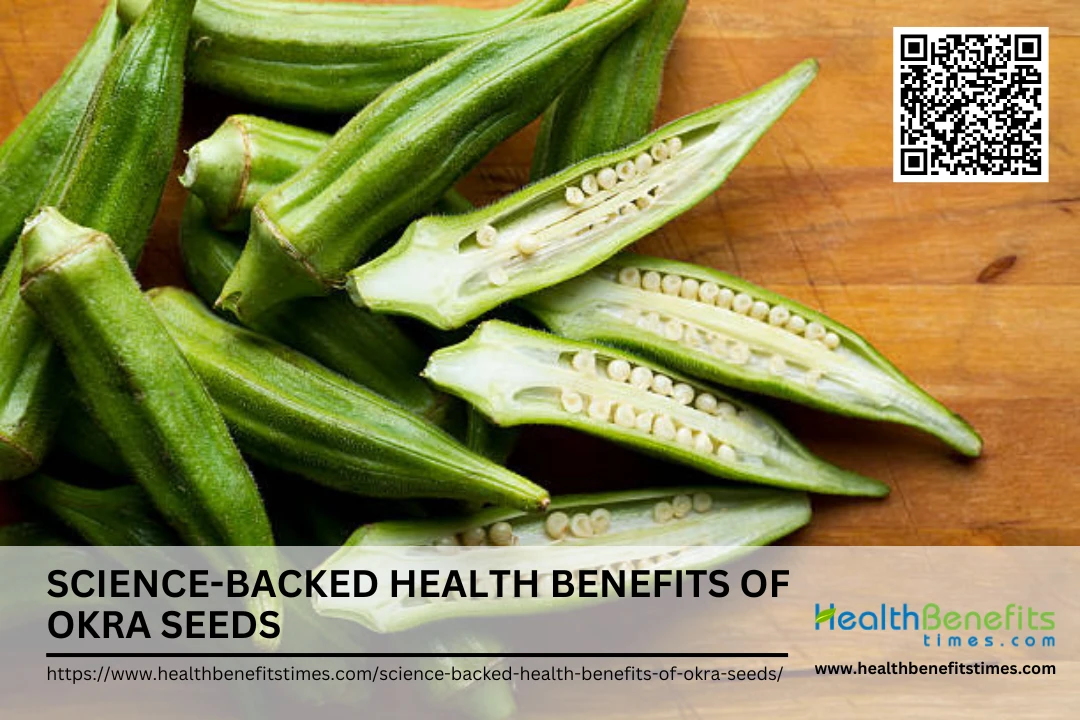
Okra (Abelmoschus esculentus) is a flowering plant in the mallow family, widely cultivated for its edible green pods and nutrient-rich seeds, especially in tropical and subtropical regions. Okra seeds, often overshadowed by the pods, are emerging as a potent nutritional and therapeutic component of the plant. Recent scientific studies have highlighted their remarkable antioxidant, anti-inflammatory, and anti-diabetic properties, making them a focus in both functional food and pharmaceutical research. Okra seeds contain a rich composition of flavonoids and phenolic compounds, contributing to their free radical scavenging capacity and potential to mitigate chronic diseases such as diabetes and cardiovascular disorders. Additionally, they have demonstrated promising results in preclinical cancer studies due to the presence of bioactive compounds that can inhibit tumor cell growth. These findings reinforce the need to explore okra seeds as not just agricultural by-products, but as valuable contributors to preventative health strategies.
What Are Okra Seeds?
Okra seeds are the small, round components found inside the green pods of the Abelmoschus esculentus plant. Typically white to grayish-brown in color, these seeds exhibit a firm yet smooth texture. Once dried, they take on a harder, more fibrous consistency. When consumed raw, okra seeds possess a slightly earthy and nutty taste, which becomes more pronounced when roasted—often compared to mild coffee or toasted legumes Roasted Okra Seed Flavor Study. (1) Their appearance and sensory properties have been explored in product formulations like biscuits and snacks due to their neutral yet adaptable flavor Appearance and Texture Evaluation in Biscuits. (2)
Sensory analysis shows that okra seed meal enhances the texture and mouthfeel of food items, adding body and mild bitterness depending on the concentration Organoleptic Evaluation in Food Products. The seeds also contribute to a denser appearance in flour-based recipes and influence color subtly when roasted Color & Texture Profile in Muffins. (3) Moreover, their application in innovative formulations such as gluten-free products and jelly sticks supports their growing use in both culinary and nutraceutical settings Jelly Stick Sensory Study. (4)
Nutritional Composition of Okra Seeds
Okra seeds are packed with essential nutrients like fiber, protein, antioxidants, and minerals. Their impressive nutritional profile supports various health functions, making them a valuable addition to a balanced diet.
 1. Rich in High-Quality Protein
Okra seeds are an excellent plant-based protein source, containing up to 20–23% protein by weight. This makes them especially valuable in regions where animal protein is limited. The amino acid profile of okra seed protein includes essential amino acids like lysine and tryptophan, which are often limited in other plant proteins.
2. High in Healthy Fats
Okra seeds are rich in unsaturated fatty acids, particularly linoleic acid (omega-6) and oleic acid (omega-9), which contribute to cardiovascular health. The oil extracted from okra seeds has been studied for its stability and nutritional benefits, making it suitable for food and cosmetic applications Fatty Acid Composition of Okra Seeds
3. Abundant in Dietary Fiber
The seed coats of okra are fibrous and offer a good source of both soluble and insoluble dietary fiber. This fiber supports healthy digestion, promotes satiety, and can assist in blood sugar and cholesterol regulation.
4. Loaded with Micronutrients
Okra seeds are packed with essential micronutrients, including magnesium, calcium, potassium, and phosphorus. These minerals are critical for maintaining bone strength, fluid balance, and enzymatic activities.
5. Enriched with Phytochemicals and Antioxidants
Apart from nutrients, okra seeds are also known to contain antioxidant compounds like flavonoids, polyphenols, and sterols. These phytochemicals help reduce oxidative stress and may play a role in preventing chronic diseases, including diabetes and cancer.
Science-Backed Health Benefits of Okra Seeds
Okra seeds offer numerous science-backed health benefits, from supporting blood sugar control to boosting heart and digestive health. Emerging research highlights their nutritional power and potential in disease prevention and wellness.
 1. Rich Source of Antioxidants
Okra seeds are a potent source of antioxidants, including polyphenols, flavonoids, and tannins, which protect cells from oxidative damage. Studies reveal that their high phenolic content contributes significantly to their free radical scavenging activity Total Phenol Content Study. (5) Other research confirms these bioactive compounds also possess anti-inflammatory and anti-aging potential Okra Review on Health Benefits. (6) Their ethanolic extracts have been shown to exhibit notable antioxidant activity in cosmeceutical applications Cosmeceutical Benefit Study. (7) Further analysis of Ethiopian varieties supports their classification as natural antioxidant agents Ethiopian Antioxidant Profiles. (8) These findings underscore the seeds’ nutritional and therapeutic value Polyphenolic Compounds from Underutilized Seeds. (9)
2. May Help Lower Blood Sugar
Okra seeds have been shown to support healthy blood sugar levels, especially in diabetic individuals. Their mucilage content and polyphenols may slow carbohydrate absorption and improve insulin sensitivity. A randomized clinical trial highlighted their hypoglycemic effects in type 2 diabetics Clinical Trial – Springer. (10) Another study found that okra seed extract significantly reduced glucose levels in diabetic rats Research Framework – ResearchGate. (11) Additional trials confirmed this impact across various okra preparations Meta-Analysis – Frontiers, Okra Peel-Seed Mix Study – Jurnal Unai, and Okra Glucose Impact Review – ResearchGate. (12) (13)
3. Support Heart Health
Okra seeds are rich in unsaturated fats and phytosterols, both known to help reduce LDL cholesterol and promote cardiovascular wellness. Their oil contains linoleic acid, which may lower blood lipids and improve endothelial function Okra Oil Study – TUBITAK. (14) Studies also show antioxidant compounds in okra seeds help reduce oxidative stress on arteries Cardioprotective Review – Springer. (15) Furthermore, sterol content may modulate cholesterol metabolism Sterols and Fatty Acids – MDPI, while animal models confirm lipid-lowering outcomes Lipidemia & Okra Seed Study – SciELO. (9) (16) Clinical research continues to validate these benefits Springer Clinical Overview. (10)
4. Potential Anti-inflammatory Properties
Okra seeds possess significant anti-inflammatory potential, primarily due to their abundance of polyphenols and flavonoids. These bioactive compounds inhibit pro-inflammatory cytokines and help modulate immune response Bioactive Compound Study – MDPI. One clinical study showed that okra seed extract reduced inflammation markers in diabetic nephropathy patients Clinical Inflammation Study – ScienceDirect. (17) Laboratory studies confirmed suppression of TNF-α and IL-6 levels Okra Extract Cytokine Impact – NIH. (18) Okra oil also lowered inflammatory markers in animal models Preclinical Anti-Inflammatory Review – ScienceDirect, while in vitro tests validated reduced endothelial inflammation Cellular Response Data – Springer. (15) (19)
5. Aids Digestive Health
Okra seeds support digestive health through their rich content of soluble dietary fiber and mucilage, which enhance bowel movement and reduce gastrointestinal discomfort. Their prebiotic compounds nourish beneficial gut bacteria, promoting microbiota balance and gut integrity (Prebiotic Fiber – Academia). In vitro studies demonstrate positive modulation of gut flora and reduced inflammation (Prebiotic Plant Extracts – ThaiScience). Okra-based functional foods have shown digestive safety and enhanced colonic fermentation. (20) Polysaccharides from okra improve intestinal microbial composition and enhance overall gut health in neurodegenerative models. (21) (22)
6. May Support Weight Management
Okra seeds may aid in weight control through a combination of dietary fiber, antioxidants, and bioactive compounds that promote satiety and regulate fat metabolism. Research confirms their role in reducing adiposity and lipid levels in high-fat diet models. (23) Polysaccharides in okra have also been linked to appetite suppression. (24) Their antioxidant activity enhances fat oxidation and energy utilization. Additionally, okra seed mucilage can reduce caloric intake by increasing satiety. (18) Emerging data support its anti-obesity potential in both dietary and supplemental forms. (25)
7. Antimicrobial and Antibacterial Activities
Okra seeds exhibit significant antimicrobial and antibacterial activity, making them promising candidates for natural therapies. Research demonstrates that okra seed extracts effectively inhibit the growth of pathogenic bacteria like E. coli and S. aureus, attributed to compounds such as flavonoids and polyphenols. (26) In comparative analyses, okra seeds showed larger inhibition zones than other plant parts. (27) Additionally, a study confirmed strong antibacterial effects in both aqueous and ethanolic extracts. (28) Moreover, advanced formulations using okra mucilage in nanoformulations enhanced biocompatibility and antibacterial strength. (29) Okra’s effectiveness extends to bactericidal activities against multidrug-resistant strains, emphasizing its relevance in antimicrobial research. (30)
8. Have Cancer-fighting Potential
Okra seeds contain potent bioactive compounds, including flavonoids, polysaccharides, and lectins, which have demonstrated anti-proliferative and pro-apoptotic effects on cancer cells. A study found okra seed extracts inhibit breast cancer cell growth through mitochondrial dysfunction. (18) Another revealed suppression of colorectal cancer via polyphenol action. (9) Okra-derived flavonoids also target breast tumor proteins. (31) Their phenolic-rich content boosts antioxidant and chemopreventive activity. (32) Studies highlight their therapeutic promise in anti-cancer nutraceuticals. (24)
9. Enhance Immune System
Okra seeds are enriched with zinc, iron, magnesium, and antioxidant compounds that fortify immune responses. These nutrients support leukocyte production and immune signaling. (33) Lectins from okra also exhibit immune-modulating effects by influencing cytokine expression. (18) Polyphenols from seed extracts reduce oxidative damage in immune cells. (9) Their role in traditional medicine as immune boosters is long-established. (34) Additional studies confirm okra’s efficacy in preventing infection and supporting immunity. (32)
10. Good for Cognitive Health
Okra seeds show neuroprotective potential due to their rich antioxidant and flavonoid profile. Animal studies demonstrate that okra seed extracts significantly improve memory and cognitive function by mitigating oxidative stress and neuroinflammation. (23) Rutin and quercetin in okra improve brain signaling pathways and restore memory loss in rodents. (25) Supercritical fluid extracts enhance cognitive responses. (24) Studies also validate its potential for Alzheimer’s protection and age-related memory loss reversal. (18)
How to Use Okra Seeds
Okra seeds can be easily incorporated into your diet. From roasting and brewing to blending into powders or supplements, these seeds offer versatile ways to enjoy their health-boosting benefits.
 1. Roast and Brew Like Coffee
Okra seeds can be roasted and brewed into a caffeine-free coffee alternative. When roasted, they develop a rich, nutty flavor and retain antioxidant properties Agbenorhevi et al., 2017. (5) Studies show that such brews are aromatic and suitable for individuals sensitive to caffeine Davis, 2022. (35) Roasting enhances polyphenol content and taste complexity Viernes et al., 2024.
2. Grind into Flour for Baked Goods
Okra seeds can be milled into fine flour and used in baking. This flour is rich in protein and fiber, improving nutritional value in bread and biscuits Owheruo et al., 2023. (36) It supports gluten-free formulations and enhances texture Agbenorhevi et al., 2017. (5) Research also supports its role in satiety-enhancing baked snacks Adeyemi et al., 2024. (37)
3. Supplement Capsules and Powders
Okra seeds are processed into nutraceutical powders and encapsulated supplements for managing diabetes, inflammation, and oxidative stress. Clinical trials report their safe and effective usage for metabolic support in humans (Cambridge Study – BJN). Powdered okra extract enhances antioxidant status and supports encapsulation in capsule format. (38) (9)
4. Oil Extraction for Culinary and Cosmetic Use
Cold-pressed okra seed oil is rich in unsaturated fats and phytosterols, making it suitable for both culinary and skincare products. It shows antioxidant and antimicrobial effects, supports cardiovascular wellness, and enhances skin hydration in cosmetic applications. (39) (33) (14)
5. Fortify Soups and Stews with Whole Seeds
Okra seeds are often added whole or ground into stews and soups, where they act as a natural thickener due to their mucilaginous content. (40) This usage enhances both texture and nutrition, supplying fiber and protein. (41) Their inclusion in functional recipes aligns with traditional culinary and modern health applications. (42)
Side Effects of Okra Seeds
While okra seeds are generally safe, some individuals may experience side effects. These include digestive issues, allergic reactions, or concerns related to oxalate content, especially for those prone to kidney stones.
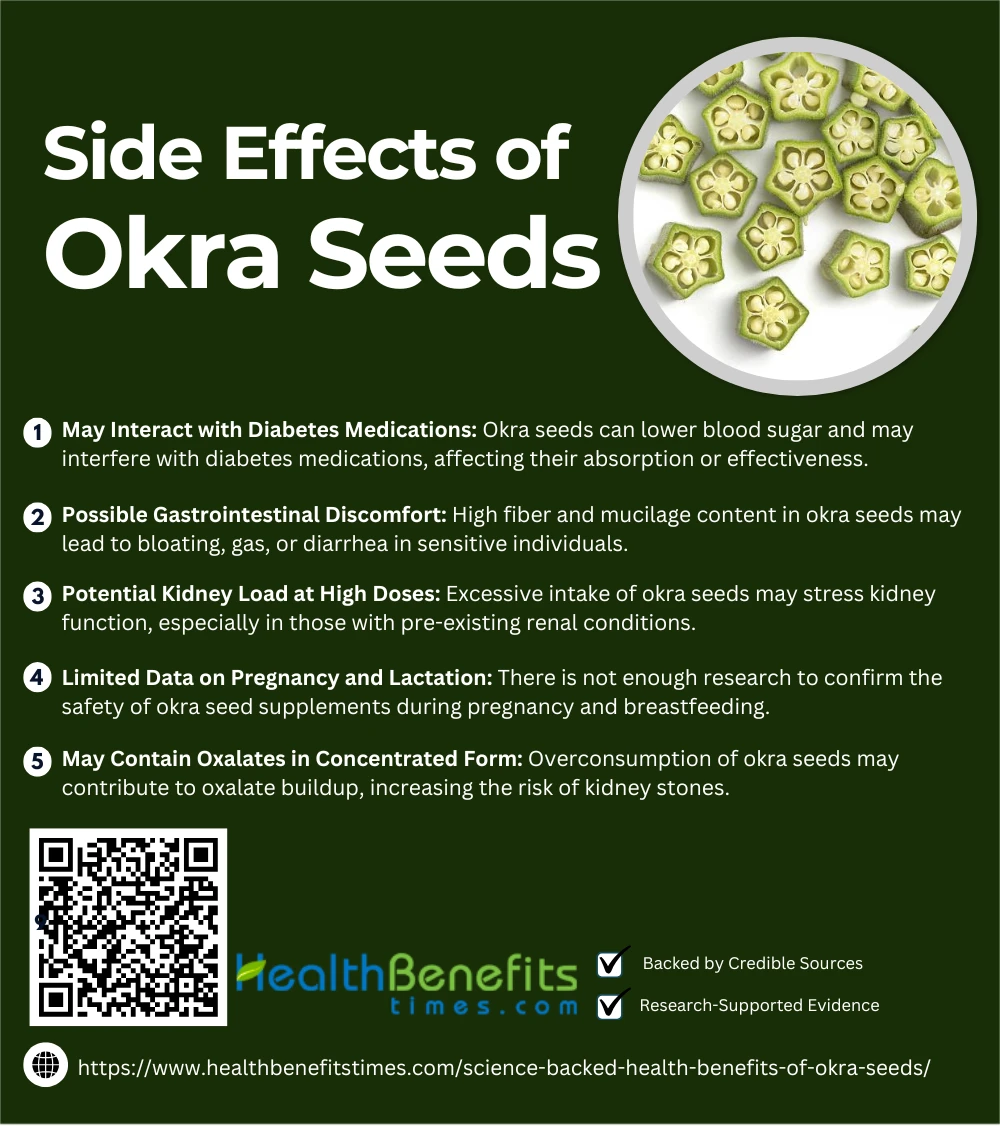 1. May Interact with Diabetes Medications
Okra seed extracts may reduce blood sugar significantly, potentially interfering with diabetes drugs like metformin or acarbose. Studies suggest this interaction may alter drug absorption or diminish efficacy. (43) Herb-drug interaction risks are supported by pharmacokinetic findings and documented in Nigerian ethnomedicinal reviews. (44) (45)
2. Possible Gastrointestinal Discomfort
Okra seeds are high in fiber and mucilage, which may trigger bloating, gas, or diarrhea in sensitive individuals, especially when consumed in excess. Their mucilaginous nature can irritate the gut in some users, particularly during initial intake (Cureus Digestive Review) or in concentrated forms. (46) (41)
3. Potential Kidney Load at High Doses
High doses of okra seed extracts, particularly in supplemental form, may pose a renal burden in vulnerable individuals. Animal studies observed elevated urea and creatinine levels with excessive okra intake. (47) These effects may result from concentrated polyphenols or mineral overload and should be monitored in those with kidney issues. (33) (48)
4. Limited Data on Pregnancy and Lactation
Although okra is widely consumed, there is insufficient clinical evidence supporting the safety of okra seed extracts during pregnancy or lactation. Studies advise caution due to potential hormonal or uterine effects, and ethnobotanical surveys report underrepresentation in maternal trials. Further human studies are needed to confirm maternal safety. (17)
5. May Contain Oxalates in Concentrated Form
Okra seeds, when overconsumed or overly processed, may contribute moderate levels of oxalates, increasing the risk of kidney stones in predisposed individuals. Analytical studies detected oxalates and antinutritional compounds in seed meal. (48) Nutrient-dense parts like seeds and leaves share this caution, and their role in renal oxalate load requires controlled intake. (49)
Conclusion
In conclusion, okra seeds are a nutrient-rich powerhouse offering several science-backed health benefits. From helping regulate blood sugar levels and supporting heart health to providing antioxidant and anti-inflammatory properties, these tiny seeds pack a powerful punch. Their high fiber and protein content also contribute to better digestion and weight management. While more clinical research is needed to fully validate some claims, existing studies are promising. With their versatility in culinary use and potential as a natural health aid, incorporating okra seeds into your diet can be a simple yet impactful step toward improved overall well-being and preventive health care.