

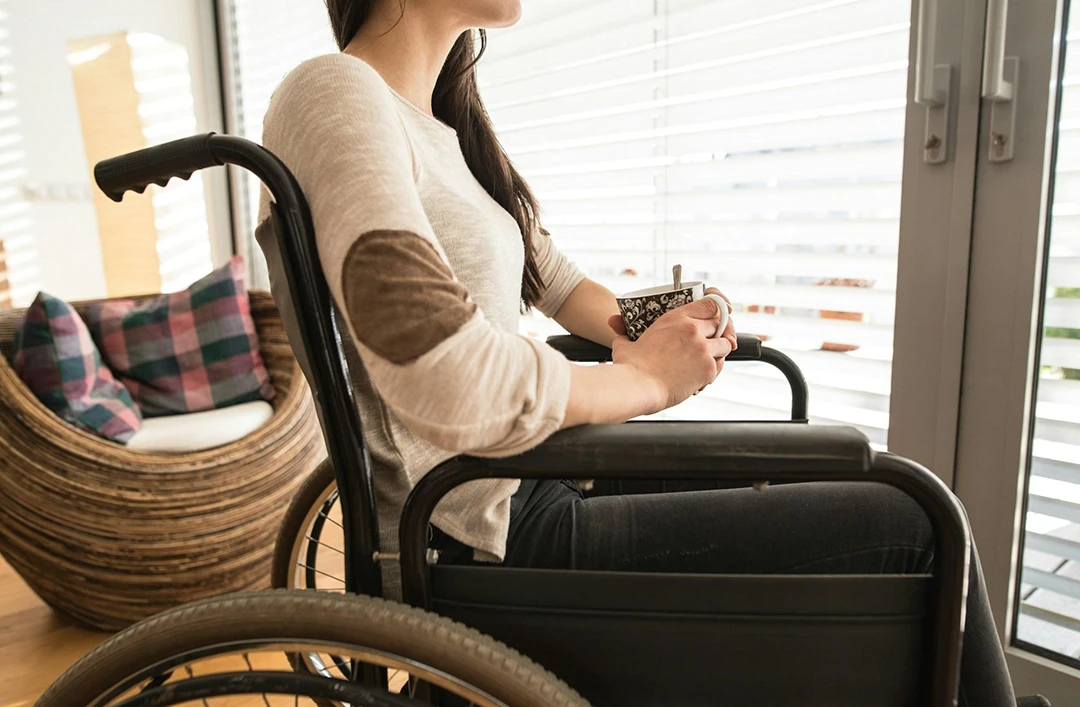
 Spinal cord injuries (SCI) are life-changing and can happen in an instant. Whether caused by trauma from car accidents, falls, or sports injuries, the impact on your life is immense. An injury to the spinal cord often results in permanent changes to strength, sensation, and other body functions below the site of injury, leading to conditions like paralysis.
Your spinal cord is a crucial part of the central nervous system. It runs down your back, protected by the vertebrae, and carries signals from your brain to the rest of your body. Damage to this system can disrupt how your body communicates, impacting everything from your ability to move to how you feel pain. This disruption can affect your sensory, motor, and autonomic functions, making everyday tasks a challenge.
Understanding the various aspects of spinal cord injury—from the causes and types to the treatments available—can empower you to manage the condition better. Early intervention and ongoing care are vital for recovery and improving quality of life. Learn more about diagnosis and treatment methods from experts at Mayo Clinic.
Understanding Spinal Cord Injury
Spinal cord injuries can be life-altering. They can result from various causes and present different types and severities. Recognizing symptoms early and getting a proper diagnosis is crucial.
Causes and Risk Factors
Spinal cord injuries often result from trauma. Common causes include:
- Motor vehicle accidents: These are the leading cause, making up nearly half of all spinal cord injuries.
- Falls: Especially prevalent among older adults.
- Violence: Gunshot wounds and other violent acts contribute to many cases.
- Sports injuries: High-impact sports like football or diving can lead to severe damage.
- Diseases: Conditions like arthritis and cancer can also cause spinal cord injuries.
Males, especially young men, are at higher risk due to greater participation in risky activities. Understanding these risks can help in taking preventive measures.
Key takeaway: Knowing the causes and risk factors can aid in prevention and preparedness.
Types and Severity
Spinal cord injuries are categorized mainly as complete or incomplete:
- Complete injuries: There is a total loss of motor function and sensory function below the injury level.
- Incomplete injuries: Some motor or sensory function remains. Types include:
- Tetraplegia (quadriplegia): Affects arms, hands, trunk, legs, and pelvic organs.
- Paraplegia: Affects all or part of the trunk, legs, and pelvic organs.
Severity can vary significantly. Incomplete injuries offer a better chance of some recovery, while complete injuries typically result in permanent loss of function. Motor and sensory function assessments help determine the severity.
Key takeaway: The type and severity of the injury dictate the level of care and potential for recovery.
Symptoms and Diagnosis
Symptoms of a spinal cord injury are often immediate and can include:
- Loss of movement
- Loss of sensation
- Difficulty breathing
- Loss of bowel or bladder control
- Extreme pain or pressure in the neck, head, or back
Diagnosis typically involves imaging tests like:
- CT scans: Show detailed images of bones, muscles, fat, and organs.
- MRI scans: Provide detailed images of soft tissues.
- X-rays: Evaluate bone damage and alignment.
Early and accurate diagnosis is crucial for treatment and prognosis. Recognizing symptoms early on can significantly improve outcomes for individuals with spinal cord injuries.
Key takeaway: Early recognition and diagnosis of symptoms are essential for effective treatment and better recovery outcomes.
Treatment and Rehabilitation
Spinal cord injury treatment requires prompt medical attention, followed by extensive rehabilitation. This helps individuals regain as much independence as possible.
Medical and Surgical Interventions
Initial treatment often begins at the accident scene, where emergency actions are crucial to prevent further damage. Prompt medical attention is vital. Doctors might use steroids to reduce swelling or stabilize the spine with braces or collars.
In more severe cases, surgery might be necessary to remove bone fragments, herniated discs, or foreign objects compressing the spine. Surgery also stabilizes the spine to prevent future pain or deformity. Depending on the type of spinal cord injury, different surgical approaches are used.
Key Takeaway: Early medical intervention is critical to minimizing damage and setting the stage for recovery.
Rehabilitation Processes
Rehabilitation focuses on helping you regain as much function and independence as possible. This includes physical therapy, which improves strength and flexibility, and occupational therapy to help you adapt to daily tasks.
- Physical therapy: Focuses on improving muscle function and strength. • Occupational therapy: Helps you adapt to new ways of performing everyday tasks. • Training with adaptive equipment: Teaches you to use wheelchairs, braces, and other devices. • Home modification: Adapts your living space to make it more accessible.
Key Takeaway: Rehabilitation is tailored to individual needs, enhancing your quality of life and independence.
Living With a Spinal Cord Injury
Adjusting to life after a spinal cord injury can be challenging, but many resources and support systems are available. Emotional support from friends, family, and therapists is crucial. Adaptive equipment, such as motorized wheelchairs and modified vehicles, increases mobility.
Occupational therapists can teach new techniques for daily living skills. Home modifications, like ramps and widened doorways, help create a more accessible environment.
Key Takeaway: Support systems and adaptive strategies make a significant difference in daily life.
Complications and Management
Living with a spinal cord injury can lead to several complications, such as:
- Bowel and bladder issues: Managed with medications and catheterization.
- Pressure ulcers: Prevented by regular repositioning and special mattresses.
- Pneumonia: Reduced with respiratory therapies and exercises.
- Spasticity: Treated with medication or physical therapy.
- Autonomic dysreflexia (AD): Medically managed to prevent dangerous spikes in blood pressure.
- Deep vein thrombosis (DVT): Prevented with blood thinners and compression stockings.
Key Takeaway: Managing complications requires ongoing medical care and lifestyle adjustments to ensure the best possible outcomes.