

- DIY skincare involves creating homemade beauty products using natural or household ingredients, often without professional guidance.
- While popular for being affordable and “natural,” many DIY recipes lack scientific validation and safety testing.
- Using the wrong ingredients or improper methods can lead to skin irritation, infections, and long-term damage.
 Skincare refers to a range of practices that support skin integrity, enhance appearance, and relieve skin conditions, including the use of cleansers, moisturizers, sunscreens, and treatments to maintain healthy skin. According to the National Institutes of Health, daily skincare is a foundational aspect of maintaining overall skin health and preventing dermatological issues. In recent years, DIY skincare has surged in popularity, fueled by social media platforms and influencer content that promote homemade, “natural” remedies as safer or more holistic alternatives to commercial products. However, beneath the appeal lies a serious set of concerns. Many DIY recipes rely on untested or misused ingredients like lemon juice, baking soda, or essential oils—substances that can disrupt the skin’s delicate pH balance and barrier function. Studies have shown that improper topical application of such ingredients can cause inflammation, burns, or allergic reactions. Furthermore, a 2025 review on skin barrier physiology stresses that well-formulated skincare is crucial, as disruption of the skin’s natural defenses can lead to chronic irritation and heightened sensitivity.
What is DIY Skincare?
DIY skincare, or do-it-yourself skincare, refers to the practice of creating skincare treatments at home using natural or readily available ingredients such as fruits, oils, herbs, and pantry staples. It typically excludes synthetic chemicals and is often based on traditional, cultural, or social media-influenced remedies. As defined in Pharmacognosy Reviews, DIY skincare is a form of herbal cosmetic practice that emphasizes plant-based ingredients and homemade formulations (Ashawat et al., 2009).
One of the primary appeals of DIY skincare lies in its affordability, accessibility, and perceived safety. Many users prefer DIY products to avoid preservatives and synthetic ingredients found in commercial brands. Research from International Journal of Pharmaceutical Research suggests that DIY skincare allows individuals to tailor products to their specific skin needs and control ingredient quality, offering a sense of empowerment and personalization. (1)
However, DIY skincare is not without risks. Improper formulation, lack of sterilization, and incorrect ingredient use can lead to adverse effects such as allergic reactions, skin burns, and long-term damage. A 2023 study published in Cosmoderma warns that ingredients like lemon juice or baking soda, though often recommended online, can damage the skin’s natural barrier, exacerbate sensitivity, or cause post-inflammatory hyperpigmentation. (2)
Why People Trust DIY Skincare
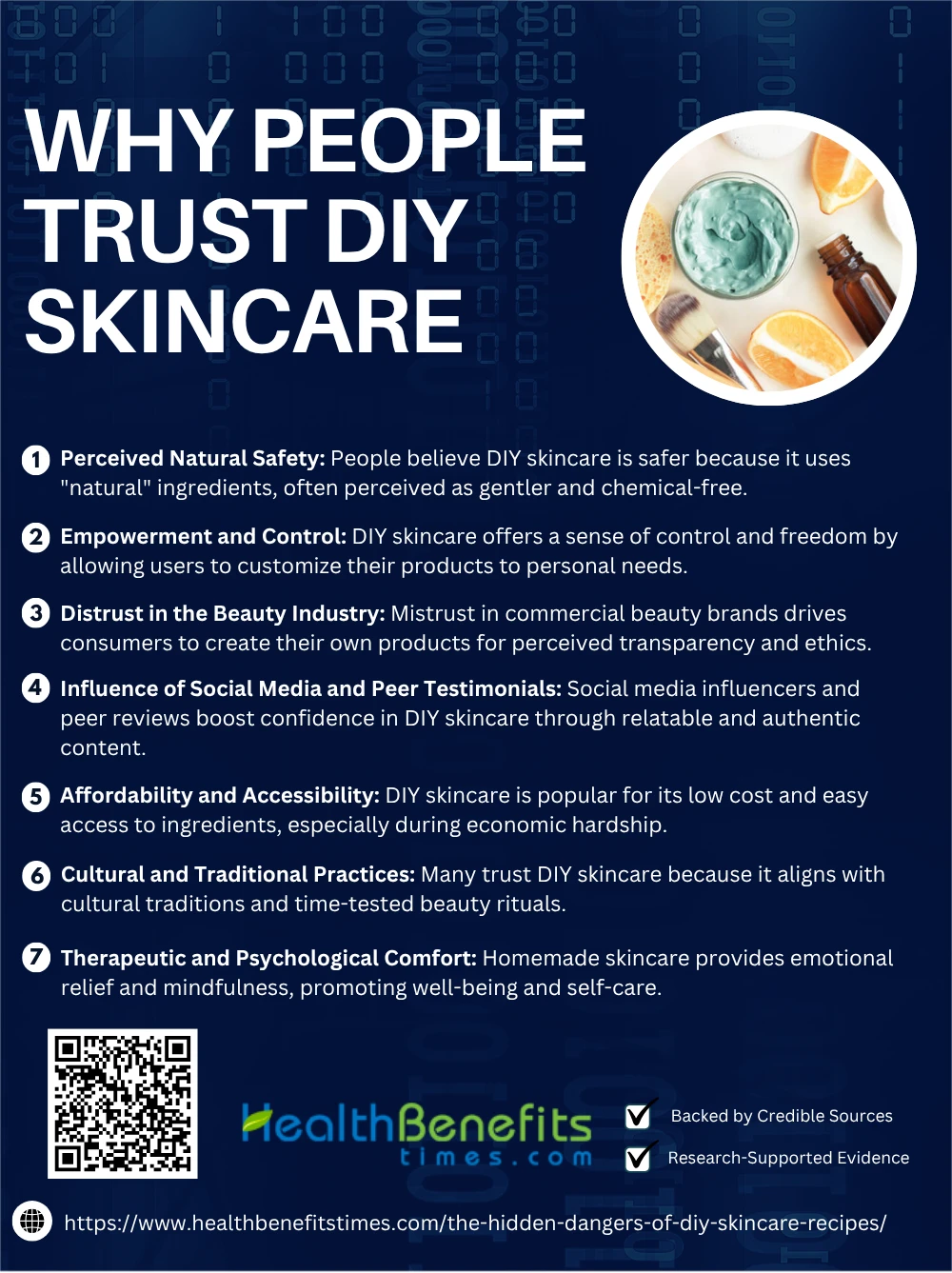
Many people trust DIY skincare because it feels natural, affordable, and customizable. Social media influencers and home remedies boost its appeal, promoting a sense of control over ingredients and results.
 1. Perceived Natural Safety
Many individuals trust DIY skincare because of its perceived natural safety, assuming that homemade, plant-based ingredients are gentler than synthetic chemicals. This belief is reinforced by cultural traditions and distrust in industrial products’ additives. Social media further glamorizes “chemical-free” routines. Studies highlight that people associate “natural” with safe despite lacking clinical proof, amplifying cognitive bias and emotional trust in these practices. (3) (4)
2. Empowerment and Control
DIY skincare empowers users by offering control over ingredients and formulations, enabling them to tailor routines to personal needs. Consumers perceive this autonomy as liberating and confidence-boosting. This trend is reinforced by emotional marketing and participatory brand practices. DIY skincare also symbolizes independence from corporate influence and supports ethical sourcing decisions. (5)
3. Distrust in the Beauty Industry
Mistrust toward the beauty industry is a major reason consumers turn to DIY skincare. Concerns about greenwashing and hidden toxins in commercial products drive users to seek perceived transparency through self-made routines. Academic findings show that consumer skepticism grows with brand deception and health concerns among marginalized groups. (6) Empowerment movements amplify this distrust, encouraging DIY choices as safer, more ethical alternatives. (7)
4. Influence of Social Media and Peer Testimonials
The rising trust in DIY skincare is strongly influenced by social media engagement and peer testimonials. Research shows that platforms like Instagram and TikTok increase consumer trust through relatable influencer content and perceived authenticity. (8) Peer reviews and user-generated content have a persuasive effect, particularly among Gen Z consumers. Trust grows when consumers see real-life experiences reflected online. Testimonials build product credibility and shape brand perceptions. (9) Furthermore, digital influence enhances emotional connection and brand loyalty in skincare purchasing decisions.
5. Affordability and Accessibility
DIY skincare appeals strongly to budget-conscious consumers, particularly students and low-income groups, due to its cost-effectiveness and ingredient availability. Many users prefer natural remedies because they are both economically viable and culturally familiar. Accessibility through home kitchens enhances adoption rates. (10) Studies also note increased preference for local, handmade alternatives during inflationary periods, aided by widespread online tutorialsand affordable social media marketing platforms.
6. Cultural and Traditional Practices
Cultural heritage deeply influences skincare habits, with DIY recipes often passed down through generations using local herbs and oils. These rituals are seen as time-tested and spiritually grounding. In many regions, traditional practices foster both health and beauty. Cultural alignment increases trust in familiar ingredients, often supported by holistic beliefs and community rituals.
7. Therapeutic and Psychological Comfort
DIY skincare fosters psychological well-being by promoting mindfulness and self-care rituals that soothe anxiety and boost confidence. These routines often serve as emotional coping strategies, especially during stress. (11) Research links skincare to self-identity and control. (4) Therapeutic touch and routine enhance emotional balance, while cultural narratives around beauty reinforce comfort and spiritual health.
Common Ingredients in DIY Skincare and Their Risks
DIY skincare often uses everyday ingredients like lemon juice or baking soda. While these seem harmless, they can cause irritation, imbalance skin pH, or even lead to long-term skin damage.
 1. Lemon Juice (Citric Acid)
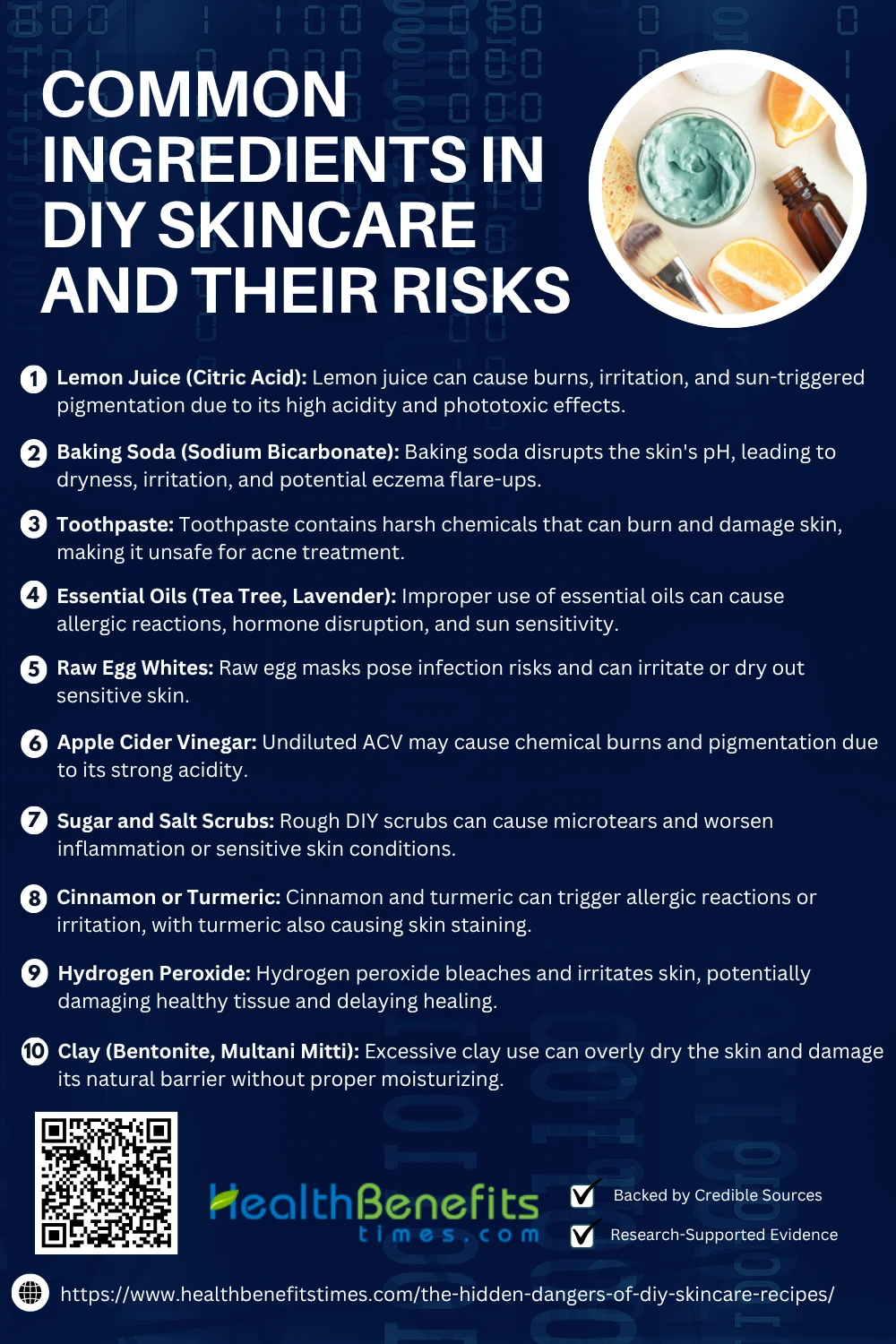
Lemon juice is widely used in DIY skincare for its astringent and skin-brightening properties. However, its low pH can severely disrupt the skin’s acid mantle, causing burns and phototoxicity when exposed to sunlight. Overuse may lead to post-inflammatory hyperpigmentation and long-term damage.
2. Baking Soda (Sodium Bicarbonate)
Baking soda is often used for exfoliation due to its gritty texture. Despite this, it has an alkaline pH that disrupts the skin’s natural barrier, leading to dryness, irritation, and even eczema flare-ups. It’s inappropriate for facial use without buffering agents.
3. Toothpaste
Toothpaste is popularly misused for acne spot treatment. Containing hydrogen peroxide, menthol, and triclosan, it often causes contact dermatitis and burns. It’s formulated for enamel, not skin, and poses barrier damage risks when repeatedly applied topically.
4. Essential Oils (Tea Tree, Lavender)
Essential oils are potent plant extracts used for their antibacterial and aromatic qualities. However, improper dilution or overuse leads to allergic contact dermatitis, phototoxicity, and hormone disruption. Reactions vary by skin sensitivity and oil type.
5. Raw Egg Whites
Raw eggs are included in face masks for tightening and pore-minimizing effects. However, raw whites can contain Salmonella, posing infection risks especially near the eyes or broken skin. They also disrupt natural oils and may irritate sensitive skin.
6. Apple Cider Vinegar
Apple cider vinegar (ACV) is used as a toner or acne remedy, but when undiluted, its high acidity causes chemical burns, irritation, and post-inflammatory pigmentation. The lack of buffering in DIY recipes makes its use unpredictable and potentially harmful.
7. Sugar and Salt Scrubs
DIY scrubs made from sugar or salt are popular for exfoliation. However, their coarse particles create microtears on the skin, worsening inflammation or acne. These scrubs are especially harsh on facial skin and can worsen rosacea or eczema.
8. Cinnamon or Turmeric
These spices are praised for their antimicrobial and brightening effects. But they are also common contact allergens. Cinnamon may cause burning or swelling, while turmeric, although safer, may stain skin and irritate sensitive users.
Hydrogen Peroxide
Used in acne spot remedies, hydrogen peroxide is a strong oxidizer that can cause skin bleaching, irritation, and delay wound healing. Even low concentrations may destroy healthy tissue when applied repeatedly.
Clay (Bentonite, Multani Mitti)
Clays are used for absorbing oil and tightening pores, but overuse strips skin moisture and can result in dryness or flaking. If not followed by moisturizers, it may lead to barrier damage, especially in dry or sensitive skin types.
The Hidden Dangers of DIY Skincare Recipes
DIY skincare recipes may seem harmless and cost-effective, but many pose hidden risks. From allergic reactions to permanent damage, using untested ingredients can jeopardize your skin’s health and safety.
 1. Skin Burns and Chemical Reactions
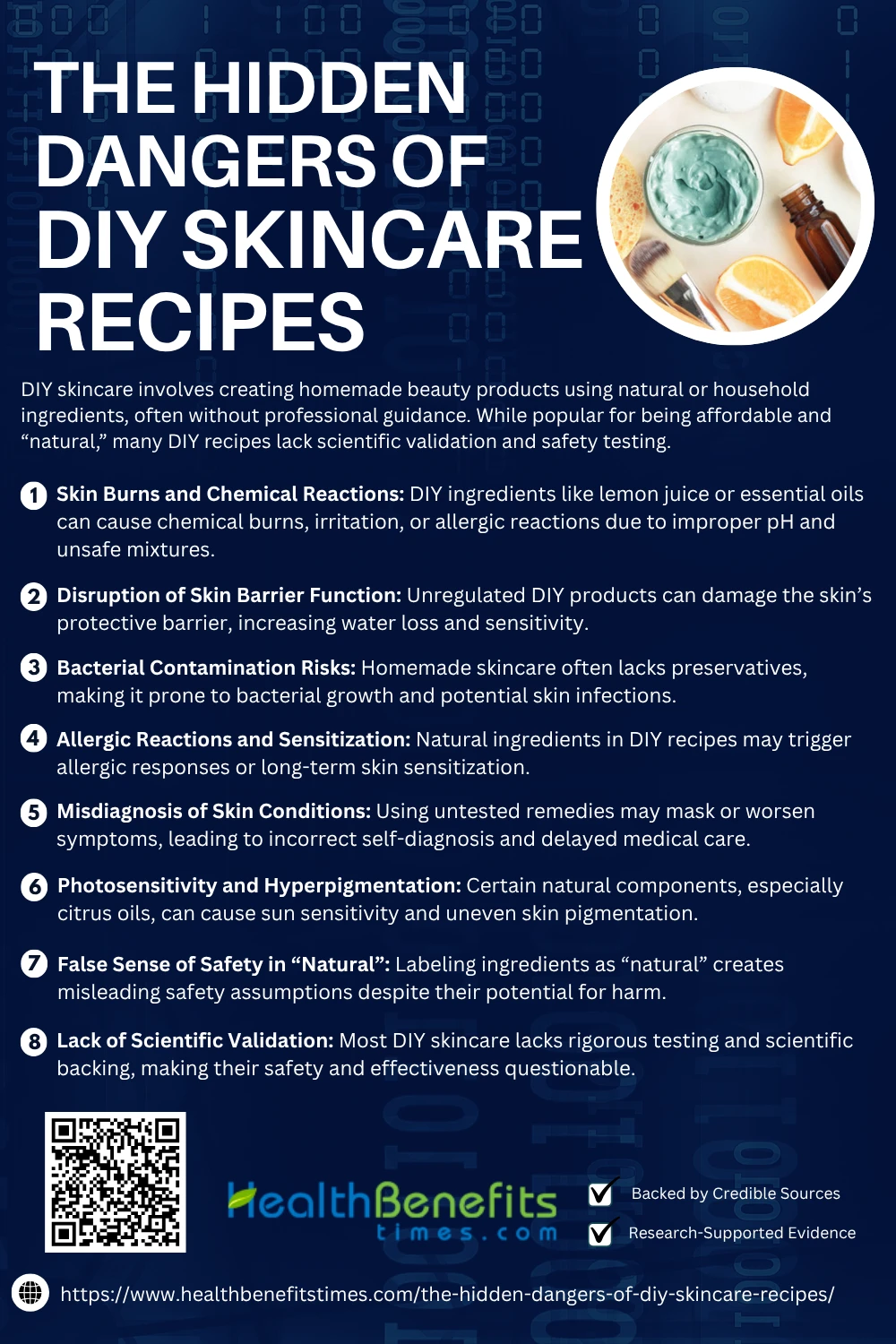
DIY skincare recipes often use acidic ingredients like lemon juice or baking soda that disrupt skin pH and provoke chemical burns or irritations. Studies show improper mixing of such compounds can induce oxidative damage and cellular stress. Citrus oils also heighten photosensitivity, while essential oils may trigger allergic reactions or dermatitis. Improper emulsification or pH in home formulations risks skin inflammation.
2. Disruption of Skin Barrier Function
DIY skincare lacks standardized formulation, risking transepidermal water loss (TEWL) and barrier dysfunction. Natural oils can permeate and disrupt lipid bilayers if misused. Excess exfoliation via AHAs/enzymes in homemade masks compromises the stratum corneum. These disruptions delay healing and exacerbate sensitivity.
3. Bacterial Contamination Risks
Homemade skincare products often lack preservatives, creating a breeding ground for microbial contamination. Research highlights high contamination risk in DIY formulations due to unregulated environments and insufficient antimicrobial control. (12) (13) Poor hygiene during preparation introduces harmful bacteria, risking skin infections. (14)
4. Allergic Reactions and Sensitization
Natural DIY ingredients like citrus, essential oils, and herbal extracts can trigger allergic contact dermatitis or delayed hypersensitivity. Studies warn of sensitization to common components in homemade skincare. Cross-reactivity to food allergens used topically poses risks, especially in sensitive skin.
5. Misdiagnosis of Skin Conditions
DIY skincare remedies often lack clinical validation, leading to symptom-masking and misdiagnosis. Incorrect use of unregulated natural products can mimic or worsen dermatologic conditions, such as eczema or contact dermatitis, confusing accurate diagnosis. (15) Furthermore, herbal mixtures may mask clinical signs, delaying medical intervention, potentially exacerbating chronic skin conditions and leading to preventable complications. (16) (17) (18)
6. Photosensitivity and Hyperpigmentation
DIY skincare remedies often lack clinical validation, leading to symptom-masking and misdiagnosis. Incorrect use of unregulated natural products can mimic or worsen dermatologic conditions, such as eczema or contact dermatitis, confusing accurate diagnosis. (15) Furthermore, herbal mixtures may mask clinical signs, delaying medical intervention, potentially exacerbating chronic skin conditions and leading to preventable complications. (16) (17) (18)
7. False Sense of Safety in “Natural”
DIY skincare often promotes a false sense of safety under the label “natural,” ignoring potential allergic reactions and contamination risks. For example, Ulutaş et al. warn that homemade sunscreens lack proper testing, while Singh et al. emphasize that Ayurvedic ingredients are widely used without validation. (19) (20) Similarly, Javdan et al. found many consumer recommendations unsupported, and Lee et al. critique natural ingredient analysis based solely on anecdotal evidence. (21) (22)
8. Lack of Scientific Validation
Many DIY skincare recipes lack scientific validation, raising concerns about safety and efficacy. As highlighted by Georgievskaya et al., transparency in testing is limited. (23) Lee and Kwon noted poor regulatory oversight in skincare genomics. (24) Madhumita et al. also emphasize the absence of standardized research, while Goh et al. call for controlled studies in holistic skincare routines. (16) (25)
Safer Alternatives and Best Practices to DIY Skincare
Instead of risky DIY skincare, consider safer alternatives like dermatologist-approved products or well-formulated natural brands. Following expert advice and patch-testing ingredients can help protect your skin from unnecessary harm.
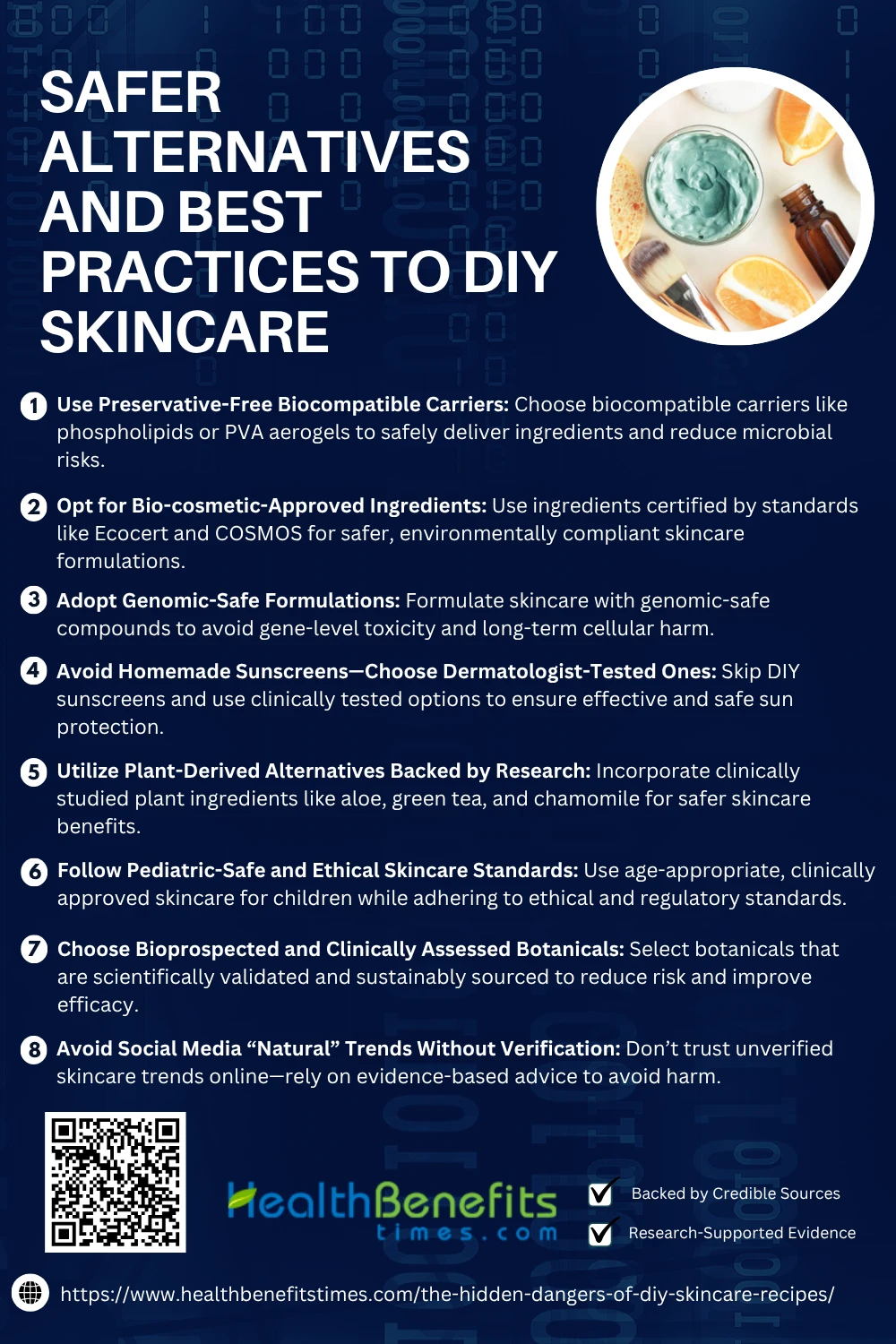 1. Use Preservative-Free Biocompatible Carriers
Utilizing preservative-free, biocompatible carriers like phospholipids or PVA-based aerogels improves ingredient delivery and reduces microbial risk. These carriers are biodegradable and non-toxic, ideal for sensitive skin. (26) Lecithin-based emulsifiers also enhance skin compatibility, while PVA aerogels aid hydration without preservatives. (27) (28)
2. Opt for Bio-cosmetic-Approved Ingredients
Bio-cosmetic-certified ingredients adhere to rigorous ISO and Ecocert safety and sustainability standards, making them a superior choice in DIY skincare. These certifications ensure low toxicity and environmental compliance. (29) COSMOS guidelines further regulate formulation purity, promoting safe, effective skincare practices through standardized evaluation. (30)
3. Adopt Genomic-Safe Formulations
Incorporating genomic-safe formulations into skincare protects users from gene-level disruptions and unintended toxicity. CRISPR-based models now test safety thresholds within genomic “safe harbors”. (31) These approaches minimize off-target effects and enhance cellular stability, especially for long-term topical applications. (32) (33)
4. Avoid Homemade Sunscreens—Choose Dermatologist-Tested Ones
Homemade sunscreens are often misleading and fail to provide adequate UV protection, increasing the risk of sunburn and skin cancer. Studies show significant instability in natural sunscreen compounds. (19) Dermatologists caution against their use due to lack of SPF accuracy and poor photoprotection. (34) (35)
5. Utilize Plant-Derived Alternatives Backed by Research
DIY skincare benefits from incorporating plant-based alternatives proven safe through clinical studies. For example, Aloe vera’s anti-inflammatory properties support skin repair. (36) Similarly, green tea polyphenols help reduce acne and signs of aging. Chamomile extracts also show calming, dermatologically-validated effects. (37)
6. Follow Pediatric-Safe and Ethical Skincare Standards
Effective pediatric skincare must comply with ethical formulation principles and avoid harmful excipients. A stepwise approach ensures safety for conditions like atopic dermatitis. (38) Pediatric dermatology guidelines emphasize clinically approved, age-appropriate formulations. (39) Ethical concerns in marketing to children demand stricter regulation. (40)
7. Choose Bioprospected and Clinically Assessed Botanicals
Opting for botanicals in DIY skincare is safest when they are bioprospected and clinically assessed. Research confirms that standardized plant extracts provide greater efficacy and fewer side effects compared to unverified home remedies. Using evidence-based phytoformulations ensures bioactivity, while avoiding untested botanicals reduces the risk of skin reactions. (41)
8. Avoid Social Media “Natural” Trends Without Verification
DIY skincare trends on social media often circulate misinformation lacking scientific scrutiny, risking skin health. (42) Many adolescents adopt regimens without consulting professionals, driven by influencers. (43) Verified dermatological advice is crucial to combat misleading content and ensure safety. (44)
Conclusion
While DIY skincare recipes may appear natural, budget-friendly, and empowering, they often come with hidden dangers that can harm your skin in the long run. From harsh ingredients and allergic reactions to contamination and pH imbalance, the risks outweigh the perceived benefits. Trusting social media trends or anecdotal advice without scientific backing can lead to irreversible skin damage. It’s crucial to prioritize your skin’s health by consulting dermatologists, using properly formulated products, and researching ingredients thoroughly. In the end, your skin deserves safe, effective care—don’t gamble with it for the sake of convenience or viral beauty trends.