

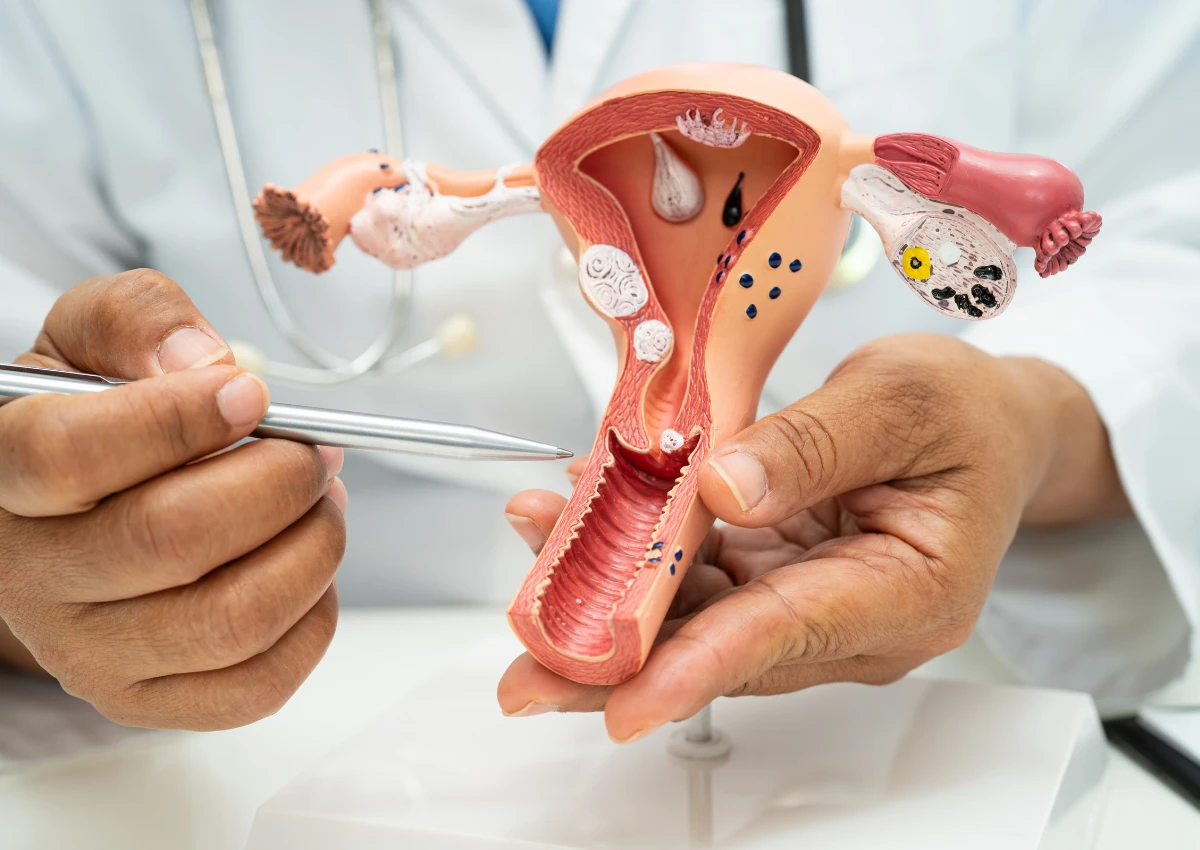
 Endometriosis is a chronic gynecological condition that affects millions of women worldwide, yet it often remains underdiagnosed and misunderstood. In the field of GYNECOLOGY Endometriosis, the condition presents unique challenges due to its complex symptoms, variable severity, and significant impact on physical, emotional, and reproductive health. Understanding endometriosis is crucial for early diagnosis, effective management, and improved quality of life for those affected.
What Is Endometriosis?
Endometriosis occurs when tissue similar to the lining of the uterus (endometrium) grows outside the uterine cavity. These growths, known as endometrial implants, are commonly found on the ovaries, fallopian tubes, pelvic lining, and ligaments supporting the uterus. In more severe cases, they may spread to the bowel, bladder, or even areas beyond the pelvic region.
Unlike normal endometrial tissue, which sheds during menstruation, these misplaced tissues have no way to exit the body. As a result, they can cause inflammation, scarring, adhesions, and chronic pain. From a GYNECOLOGY Endometriosis perspective, this abnormal tissue behavior is the core reason behind the disease’s wide-ranging symptoms.
Causes and Risk Factors
The exact cause of endometriosis is still not fully understood. However, gynecological research suggests several possible contributing factors:
- Retrograde menstruation, where menstrual blood flows backward into the pelvic cavity
- Genetic predisposition, as the condition often runs in families
- Immune system dysfunction, preventing the body from eliminating misplaced endometrial tissue
- Hormonal influences, particularly estrogen, which stimulates tissue growth
Risk factors include early onset of menstruation, short menstrual cycles, heavy periods, delayed childbirth, and certain anatomical abnormalities. In GYNECOLOGY Endometriosis studies, these factors are frequently evaluated to assess individual susceptibility.
Common Symptoms
Symptoms of endometriosis can vary widely from person to person. Some women experience severe discomfort, while others have minimal or no symptoms at all. The most common signs include:
- Chronic pelvic pain
- Painful menstrual cramps (dysmenorrhea)
- Pain during or after intercourse
- Heavy or irregular menstrual bleeding
- Fatigue and gastrointestinal discomfort
- Infertility or difficulty conceiving
In gynecology, it is important to note that symptom severity does not always correlate with disease extent. Even small endometrial implants can cause intense pain, which complicates diagnosis and treatment planning.
Diagnosis in Gynecology
Diagnosing endometriosis can be challenging, often taking years from the onset of symptoms. In GYNECOLOGY Endometriosis practice, diagnosis typically begins with a detailed medical history and pelvic examination. Imaging tests such as ultrasound or MRI may help identify ovarian endometriomas (chocolate cysts), but they cannot detect all lesions.
The gold standard for diagnosis remains laparoscopy, a minimally invasive surgical procedure that allows direct visualization and biopsy of endometrial tissue. Early diagnosis is critical to prevent disease progression and long-term complications.
Impact on Fertility and Pregnancy
Endometriosis is a leading cause of infertility, affecting up to 50% of women struggling to conceive. The condition can interfere with ovulation, damage reproductive organs, and create an inflammatory pelvic environment that reduces fertility.
From a GYNECOLOGY Endometriosis standpoint, fertility treatment options may include hormonal therapy, surgical removal of lesions, or assisted reproductive technologies such as in vitro fertilization (IVF). Many women with endometriosis can still achieve successful pregnancies with appropriate medical care.
Treatment Options
Although there is no definitive cure for endometriosis, several treatment strategies aim to manage symptoms and slow disease progression. Treatment plans are personalized based on symptom severity, age, fertility goals, and overall health.
Medical Management
- Pain relievers such as NSAIDs
- Hormonal therapies including oral contraceptives, progestins, and GnRH agonists
- Hormone-suppressing medications to reduce estrogen levels
Surgical Treatment
- Laparoscopic excision or ablation of endometrial lesions
- Removal of adhesions to relieve pain and improve fertility
- In severe cases, hysterectomy may be considered
In GYNECOLOGY Endometriosis care, a multidisciplinary approach often yields the best outcomes, combining gynecological treatment with pain management, physical therapy, and mental health support.
Emotional and Psychological Effects
Living with endometriosis can significantly affect emotional well-being. Chronic pain, fertility struggles, and delayed diagnosis may contribute to anxiety, depression, and reduced quality of life. Gynecologists increasingly recognize the importance of addressing these psychological aspects alongside physical symptoms.
Support groups, counseling, and patient education play a vital role in comprehensive endometriosis management. Empowering patients with knowledge helps them advocate for better care and treatment options.
Advances in Gynecological Research
Ongoing research in GYNECOLOGY Endometriosis is focused on improving diagnostic tools, identifying biomarkers, and developing targeted therapies. Scientists are exploring non-invasive diagnostic tests, novel hormonal treatments, and immune-based therapies that may revolutionize future care.
Increased awareness and advocacy efforts are also driving earlier diagnosis and better access to specialized gynecological services worldwide.
Conclusion
Endometriosis is a complex and often debilitating gynecological condition that requires early recognition, accurate diagnosis, and individualized care. Through advances in GYNECOLOGY Endometriosis, medical professionals are improving outcomes and quality of life for affected women. Greater awareness, ongoing research, and patient-centered treatment approaches are essential to addressing this widespread yet frequently overlooked condition.
Understanding endometriosis is not just a medical necessity—it is a crucial step toward empowering women to take control of their reproductive health and well-being.