

- Stress is the body’s natural response to physical, emotional, or environmental demands that disrupt its balance.
- Adaptogens are natural substances believed to help the body adapt to stress by supporting hormonal balance and energy levels.
- This article explores how adaptogens work, the types commonly used, their claimed benefits, and whether science backs their stress-fighting reputation.
Stress is defined as the body’s response to any demand or challenge that disrupts its natural balance, encompassing emotional, physical, or psychological strain. In a world increasingly burdened by chronic stress and burnout, the interest in natural remedies has surged, with adaptogens gaining attention as herbal compounds that claim to stabilize physiological processes and promote homeostasis. Rooted in traditional medicine systems like Ayurveda and Traditional Chinese Medicine, adaptogens such as ashwagandha, Rhodiola rosea, and ginseng are now being studied in modern science for their stress-relieving potential. These herbs are believed to interact with the hypothalamic-pituitary-adrenal (HPA) axis, thereby modulating cortisol levels and improving resilience to stress. Emerging clinical trials indicate that certain adaptogens may indeed help reduce symptoms of anxiety and fatigue when administered under controlled conditions, although the field still calls for more rigorous, large-scale studies to confirm their mechanisms and efficacy
What Are Adaptogens?
Adaptogens are natural substances—typically derived from herbs or roots—that are believed to increase the body’s resilience to stress by modulating its physiological responses to external and internal stressors. (1) These compounds are unique because they are considered to have a normalizing influence on the body’s stress response systems, especially the hypothalamic-pituitary-adrenal (HPA) axis. (2)
The concept of adaptogens finds its historical roots in several ancient medicinal systems. In Ayurveda, herbs like Ashwagandha and Tulsi have been used for centuries to manage stress and enhance vitality. (3) Traditional Chinese Medicine (TCM) includes herbs like Rhodiola and Ginseng as energy tonics. (4) In the 1940s, Russian scientist Nikolai Lazarev coined the term “adaptogen” to describe compounds that enhance the “state of non-specific resistance” to stress. (5)
The core idea of adaptogens lies in their ability to help the body adapt to various stressors—physical, emotional, and environmental—without causing major physiological disruption. (6)
How Do Adaptogens Work in the Body?
Adaptogens help the body cope with stress by supporting balance in key systems like the nervous and endocrine systems. They work by regulating stress hormones, especially cortisol, and promoting resilience.
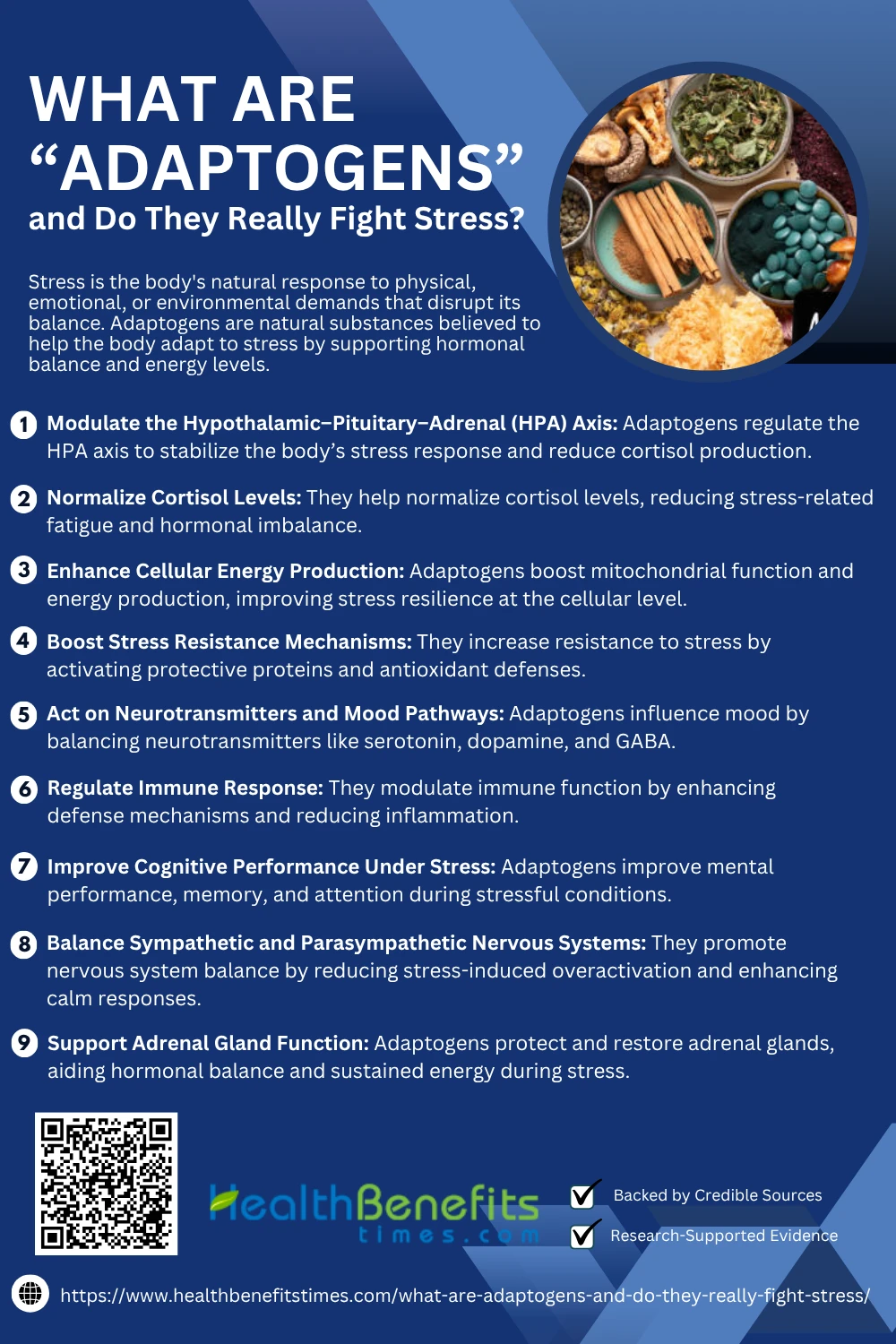 1. Modulate the Hypothalamic–Pituitary–Adrenal (HPA) Axis
Adaptogens influence stress response by modulating the hypothalamic–pituitary–adrenal (HPA) axis, a key neuroendocrine system. Compounds like Rhodiola rosea and Withania somnifera reduce excessive HPA activity and regulate glucocorticoid signaling, thereby stabilizing physiological stress responses. (7) These effects have been validated in controlled studies. (8) Moreover, meta-analyses confirm adaptogens can reduce cortisol while restoring HPA balance. (9) Rhodiola has shown consistent HPA modulation in animal models. (10) Such modulation supports homeostasis under chronic stress. (11)
2. Normalize Cortisol Levels
Adaptogens effectively normalize cortisol levels during stress by enhancing resistance to fatigue and modulating adrenal function. Clinical trials report that Withania somnifera significantly reduced serum cortisol after 60 days. (12) Similarly, Rhodiola rosea normalized cortisol in patients with chronic fatigue syndrome. (13) Adaptogens’ balancing effects have also been confirmed in meta-analyses. (9) Furthermore, studies show reduced stress-induced hypercortisolemia in rodents. (14) These findings align with historical evidence of adaptogens’ cortisol-lowering properties. (15)
3. Enhance Cellular Energy Production
Adaptogens significantly enhance cellular energy production by modulating mitochondrial activity and reducing oxidative stress. Rhodiola rosea, for instance, improves ATP synthesis in mitochondria, optimizing bioenergetics under stress conditions. (16) Ashwagandha enhances mitochondrial respiration in neuronal cells. (17) Schisandra chinensis has shown efficacy in improving glucose metabolism. (10) Adaptogens may also modulate AMPK signaling. Their synergistic effects promote overall energy balance. (18) (19)
4. Boost Stress Resistance Mechanisms
Adaptogens boost stress resistance by modulating the hypothalamic-pituitary-adrenal (HPA) axis and heat shock protein expression. They enhance resilience by activating molecular chaperones like Hsp70, which stabilize proteins under duress. (7) Eleutherococcus senticosus increases nonspecific resistance to environmental stressors. (10) Rhodiola rosea reduces cortisol and supports cognitive function under stress. (20) Adaptogens also protect brain cells via antioxidant mechanisms and extend stress tolerance in model organisms. (21) (19)
5. Act on Neurotransmitters and Mood Pathways
Adaptogens influence neurotransmission and mood regulation by modulating pathways involving serotonin, dopamine, and GABA. Rhodiola rosea stimulates serotonin and dopamine activity in key brain regions affecting emotional stability. (22) Adaptogens also increase brain-derived neurotrophic factor (BDNF), enhancing mood resilience. (23) They balance glutamate and GABA signaling, crucial in stress disorders. (11) Recent studies confirm adaptogens affect opioid and monoaminergic systems to reduce anxiety and depression. (13) These herbs modulate multiple neurochemical networks, offering a systemic psychotropic effect. (6)
6. Regulate Immune Response
Adaptogens influence immunity by modulating stress-induced immune suppression and enhancing innate defenses. For instance, Rhodiola rosea and Eleutherococcus senticosus were shown to balance cytokine production and reduce inflammatory mediators in brain cells, modulating immunity via stress pathways. (24) Panax ginseng significantly enhanced cellular and humoral immunity in animal studies. (25) Adaptogens also suppress overactive immune responses, such as NO production in glial cells, helping maintain homeostasis. (26) Their protective mechanisms extend to stress-induced immune dysregulation, restoring T-cell activity and reducing oxidative stress. (7) Finally, adaptogens contribute to innate immunity through Hsp-mediated molecular responses, reinforcing antiviral defenses. (27)
7. Improve Cognitive Performance Under Stress
Adaptogens enhance mental clarity and attention under stress by modulating neuroendocrine pathways and increasing resistance to fatigue. Clinical trials have shown that Rhodiola rosea improves reaction time, memory, and concentration under fatigue-induced conditions. (7) Studies in elderly populations found adaptogens stimulate brain electrical activity and improve cognitive performance. (28) In stressful tasks, ADAPT-232 significantly improved attention and task accuracy after a single dose. Randomized trials using adaptogenic supplements showed reduced stress markers and enhanced cognitive flexibility. (29) Further evidence links these herbs with improved mood and reduced mental fatigue during high cognitive load. (30)
8. Balance Sympathetic and Parasympathetic Nervous Systems
Adaptogens promote autonomic balance by modulating the sympathetic and parasympathetic branches of the nervous system. Rhodiola rosea and similar compounds enhance parasympathetic tone while reducing stress-induced sympathetic hyperactivity. (22) Clinical data indicate adaptogens normalize the stress response loop, supporting homeostasis between activating and calming neural signals. (6) In long-term use, adaptogens increase vagal activity and shift the autonomic balance positively. (31) These herbs also enhance cardiovascular regulation via autonomic tuning. (32) This synergistic effect improves resilience and emotional equilibrium. (10)
9. Support Adrenal Gland Function
Adaptogens assist adrenal function by modulating the HPA axis and supporting hormonal homeostasis. Withania somnifera has shown to restore adrenal structure and reduce cortisol levels under stress. (33) Animal studies demonstrate adaptogens reduce adrenal hypertrophy and fatigue-related hormone imbalance. Moreover, adaptogens like Eleutherococcus regulate ACTH and glucocorticoid activity, optimizing adrenal output. (11) Clinical reviews show they buffer against adrenal depletion in chronic stress conditions. (13) These effects contribute to sustained energy, metabolic balance, and improved stress adaptability. (22)
Common Types of Adaptogens and Their Claims
Various adaptogens are known for their unique stress-fighting properties. From ashwagandha to ginseng, each offers potential benefits like boosting energy, enhancing focus, and supporting overall physical and mental resilience.
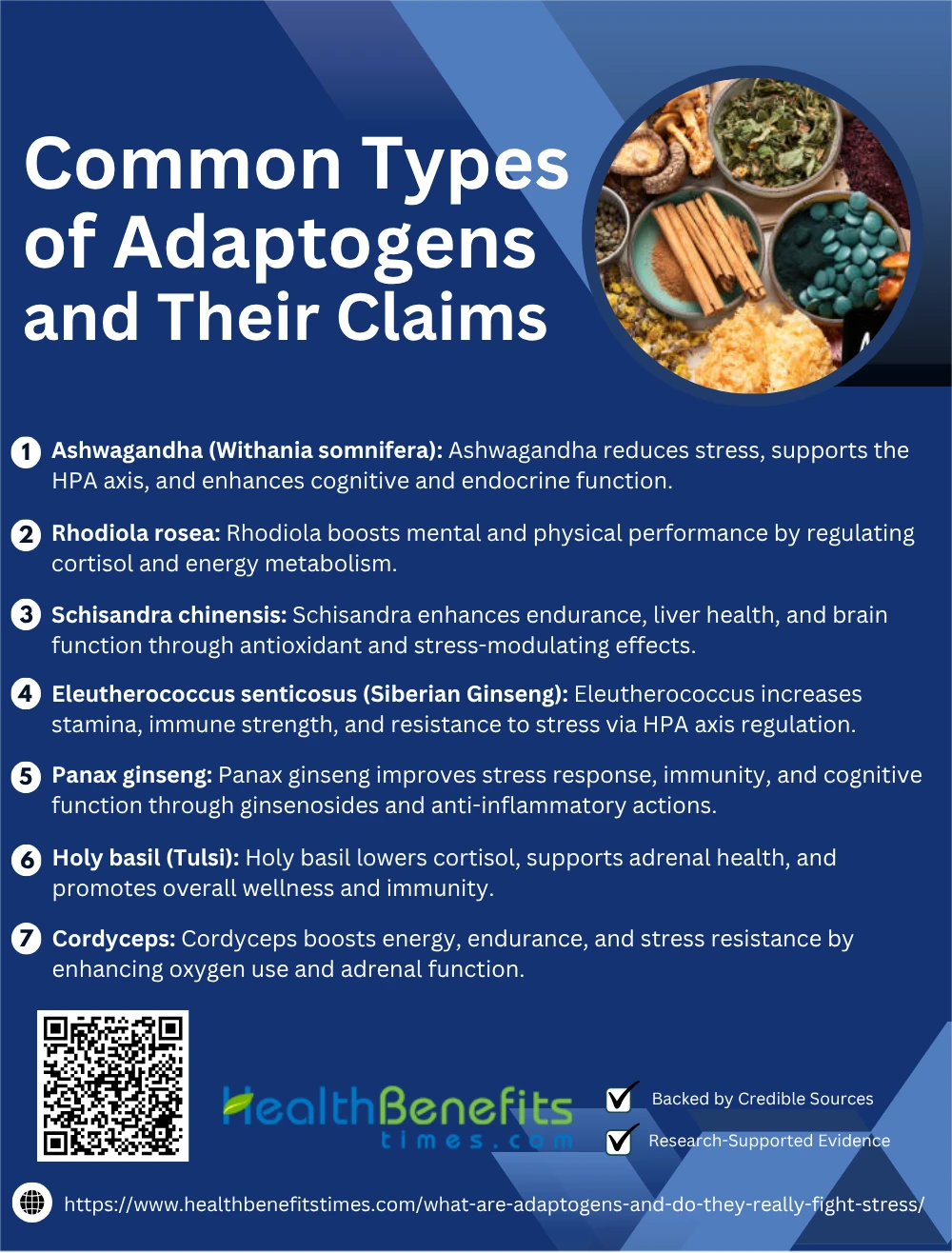 1. Ashwagandha (Withania somnifera)
Ashwagandha (Withania somnifera) is one of the most studied adaptogenic herbs known for enhancing resilience to stress. It demonstrates significant anxiolytic and anti-inflammatory effects, making it beneficial in managing stress and fatigue. (34) Clinical trials also reveal cognitive and neuroprotective benefits. (35) As an adaptogen, it modulates the hypothalamic-pituitary-adrenal (HPA) axis. (36) Additionally, Ashwagandha supports endocrine function, especially under chronic stress conditions. (37)
2. Rhodiola rosea
Rhodiola rosea is a well-established adaptogen known for its ability to improve physical performance, reduce fatigue, and support mental well-being. It exhibits stress-buffering effects by regulating cortisol levels and enhancing cellular energy metabolism. (38) Studies show Rhodiola’s role in cognitive function and mood stabilization. (39) Its adaptogenic mechanism includes activating stress-responsive signaling pathways. (40) Moreover, Rhodiola rosea extract SHR-5 has been clinically validated in reducing burnout symptoms. (41)
3. Schisandra chinensis
Schisandra chinensis is a widely used adaptogen known for enhancing physical endurance, liver function, and mental performance. It supports cellular stress adaptation through antioxidant and anti-inflammatory pathways. (7) Studies confirm its ability to modulate stress-induced HPA activity. (42) The fruit’s lignans contribute to neuroprotective benefits. (26) Additionally, Schisandra enhances adaptogenic synergy in multi-herb formulas. (10)
4. Eleutherococcus senticosus (Siberian Ginseng)
Eleutherococcus senticosus, often called Siberian Ginseng, is a classic adaptogen known to boost stamina, immunity, and stress resilience. It enhances non-specific resistance to environmental and physical stress. (43) Research confirms its role in modulating the HPA axis and cortisol secretion (Murray, 2020). It also improves cognitive and cardiovascular performance in fatigue models. (44) Eleutherococcus is integral to adaptogen formulations like ADAPT-232. (16)
5. Panax ginseng
Panax ginseng, commonly known as Korean ginseng, is a potent adaptogen valued for its ability to modulate the stress response and enhance mental and physical performance. Research indicates its bioactive compounds, ginsenosides, play key roles in regulating the hypothalamic–pituitary–adrenal (HPA) axis and boosting immunity. It also improves cognitive function and reduces fatigue in clinical trials. Furthermore, ginseng’s adaptogenic effects are linked to its anti-inflammatory and antioxidant properties. As a cornerstone in traditional medicine, Panax ginseng is widely recognized for promoting resilience to stress and disease.
6. Holy basil (Tulsi)
Holy basil, or Tulsi (Ocimum sanctum), is a revered adaptogen in Ayurvedic medicine, known for enhancing resilience to physical, environmental, and emotional stress. Its adaptogenic properties stem from phytochemicals like eugenol and ursolic acid that support the body’s stress response systems. (45) Tulsi reduces cortisol levels and supports adrenal health. (46) It also offers antioxidant and anti-inflammatory benefits. (47) Recognized as the “Queen of Herbs,” Tulsi enhances general well-being and immunity. (91)
7. Cordyceps
Cordyceps, a genus of medicinal fungi, is recognized as a powerful adaptogen for its role in enhancing energy, endurance, and stress resistance. It boosts ATP production and oxygen utilization, supporting physical performance (Goswami & Tah, 2018). Cordyceps also acts on adrenal and immune modulation pathways. (49) Its adaptogenic role is further supported by anti-fatigue and antioxidant mechanisms. (50) Additionally, Cordyceps improves aerobic performance, especially under hypoxic conditions.
Claimed Health Benefits of Adaptogens
Adaptogens are believed to offer a range of health benefits, including reduced stress, improved energy, enhanced focus, and better immune function, making them popular in natural wellness routines.
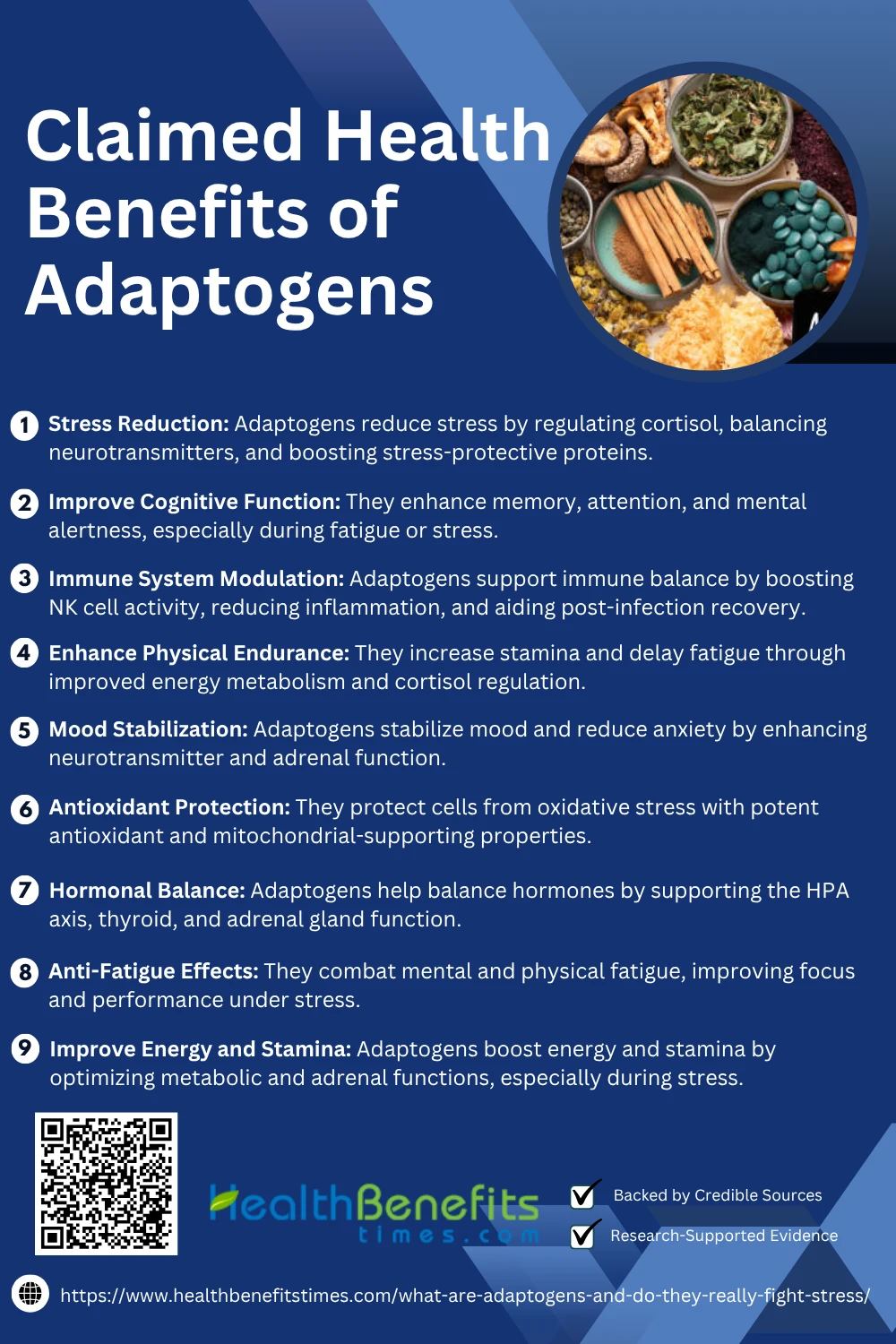 1. Stress Reduction
Adaptogens are natural substances that enhance the body’s resilience to stress by modulating the hypothalamic–pituitary–adrenal (HPA) axis. Clinical studies have confirmed that Rhodiola rosea reduces cortisol levels and improves mood stability under chronic stress conditions. (7) Further, a review of adaptogenic herbs indicates their role in balancing neurotransmitters like serotonin and dopamine. (51) Adaptogens also activate stress-protective proteins such as heat shock proteins, and studies show they can counteract fatigue-related disorders. (52) (10)
2. Improve Cognitive Function
Adaptogens play a significant role in enhancing cognitive function, particularly under fatigue or stress. In a placebo-controlled study, Rhodiola rosea improved attention and processing speed during mental fatigue. (7) ADAPT-232, a complex of adaptogenic plants, showed a notable enhancement in memory and attention in clinical trials. (29) Furthermore, adaptogens stimulate brain electrical activity, indicating improved neuroplasticity and alertness. (28) Recent preclinical data also suggest that adaptogens modulate neuroglial transcriptomes to protect against cognitive decline. (51)
3. Immune System Modulation
Adaptogens are natural substances that help the body resist stress and enhance physiological homeostasis, including modulation of the immune system. Studies show that adaptogens like Rhodiola rosea and Panax ginseng exhibit immunomodulatory effects by influencing cytokine levels and enhancing NK cell activity. (14) Other research confirms their role in reducing inflammatory stress and improving immune resilience in chronic fatigue. (53) (54) Furthermore, adaptogens enhance immune recovery post-infection. (55)
4. Enhance Physical Endurance
Adaptogens are widely recognized for their capacity to improve physical endurance, particularly under stressful or fatiguing conditions. Eleutherococcus senticosus and Rhodiola rosea are shown to boost stamina and delay fatigue onset in athletes. (56) Research also supports enhanced performance in endurance-based sports through adaptogenic interventions. (8) In animal models, adaptogens improved work capacity under physical load. (57) These benefits likely stem from reduced cortisol levels and improved energy metabolism. (58)
5. Mood Stabilization
Adaptogens are known to positively influence mood by modulating the stress response system. Herbs like Rhodiola rosea and Withania somnifera enhance neurotransmitter function, particularly serotonin and dopamine pathways, aiding in emotional balance. (6) Clinical reviews have confirmed their mood-stabilizing and anti-anxiety effects. (11) Additionally, adaptogens support adrenal function, which is closely linked to psychological resilience. (13) Their neuroprotective roles in managing long-term fatigue and emotional dysregulation have also been observed. (59)
6. Antioxidant Protection
Adaptogens exhibit significant antioxidant properties by reducing oxidative stress and cellular damage. They scavenge free radicals and enhance the activity of endogenous antioxidant enzymes. (60) Rhodiola, Eleutherococcus, and Schisandra are notable for their polyphenolic compounds with high antioxidant capacity. (61) These herbs not only protect mitochondrial function but also preserve cognitive integrity during aging. (7) Furthermore, their combined stress-protective and antioxidant roles make them effective in holistic therapies. (62) Such properties have been validated in both animal models and clinical studies. (63)
7. Hormonal Balance
Adaptogens support hormonal equilibrium by modulating the hypothalamic-pituitary-adrenal (HPA) axis, a key regulator of endocrine function. For instance, Ashwagandha has been shown to reduce cortisol levels and normalize thyroid function, contributing to hormonal stability. (35) Rhodiola rosea enhances resistance to stress-induced hormonal imbalance. (64) Similarly, studies on Schisandra chinensis show it improves adrenal gland function. (7) Moreover, adaptogens like Eleutherococcus senticosus help restore hormonal homeostasis during fatigue and overtraining.
8. Anti-Fatigue Effects
Adaptogens are known for their potent anti-fatigue properties, enhancing physical and mental endurance under stress. Rhodiola rosea, in clinical trials, improved concentration and reduced fatigue in healthy individuals. (65) A key study on SHR-5 extract showed a measurable anti-fatigue index improvement. (22) Ginseng also exhibited significant anti-fatigue effects by modulating neurotransmitters and boosting energy metabolism. (66) Furthermore, adaptogens demonstrated improved outcomes in chronic fatigue syndrome patients. (67)
9. Improve energy and stamina
Adaptogens enhance energy and stamina by optimizing adrenal function and cellular metabolism. Rhodiola rosea and Panax ginseng have been clinically shown to reduce fatigue and enhance physical endurance. (13) Adaptogens improve glucose metabolism and mitochondrial activity, leading to better oxygen utilization. (68) Additionally, they enhance liver function, indirectly boosting overall vitality. Their benefits are particularly notable under chronic stress or intense physical exertion. (58)
How to Use Adaptogens Safely?
Using adaptogens safely involves understanding proper dosages, choosing the right form, and monitoring your body’s response. Start slowly, consult a healthcare provider, and avoid combining multiple adaptogens without guidance.
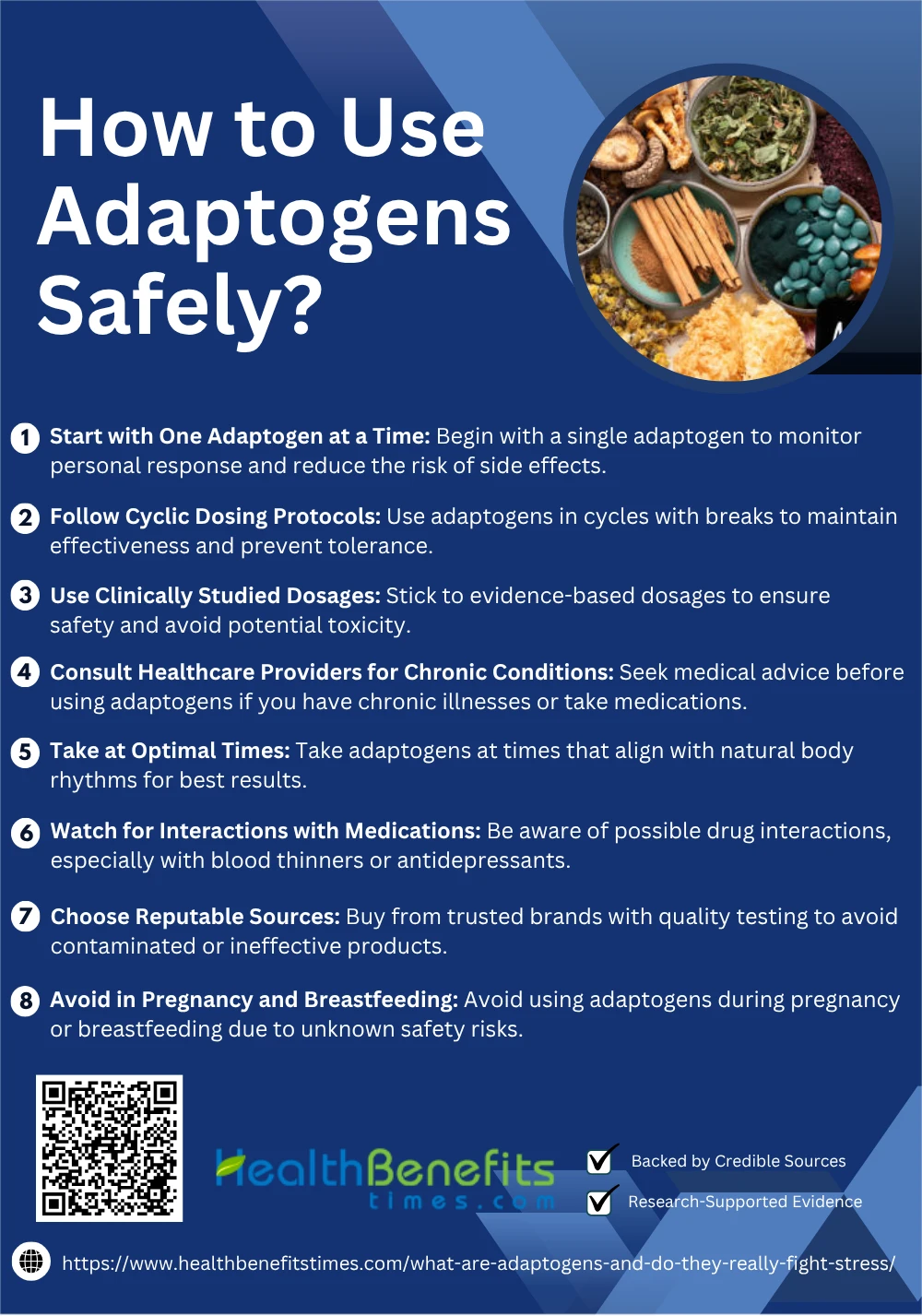 1. Start with One Adaptogen at a Time
When integrating adaptogens into your routine, starting with one at a time helps monitor individual responses and avoid interactions. Studies emphasize that although adaptogens are generally safe, their individual effects can vary based on personal biochemistry. (16) Single-herb initiation allows for accurate tracking of benefits or side effects. (53) Clinical trials recommend beginning with a short-term regimen to assess tolerance. (69) This approach aligns with safe practices outlined in Stansbury et al. (2012). (13)
2. Follow Cyclic Dosing Protocols
Cyclic dosing—periodic breaks between usage phases—is a key strategy in using adaptogens safely. This protocol prevents receptor desensitization and maintains effectiveness over time, as shown in trials by Panossian & Amsterdam (2017). (23) A common pattern involves taking the adaptogen for 4-6 weeks followed by a 1-2 week pause. This method also helps identify any cumulative adverse effects or diminishing returns. (70) Research affirms that cycling adaptogens supports sustained physiological balance and adaptation. (6)
3. Use Clinically Studied Dosages
Using clinically studied dosages is essential for the safe and effective application of adaptogens. Studies show that standardized doses of herbs like Rhodiola rosea and Withania somnifera yield consistent results with minimal side effects when used within evidence-based ranges. (22) Research emphasizes that exceeding these doses may reduce efficacy or increase toxicity. (69) Furthermore, adaptogens like Eleutherococcus senticosus exhibit optimal benefits only at tested concentrations. (71) Adhering to clinically validated dosages ensures both efficacy and safety. (13)
4. Consult Healthcare Providers for Chronic Conditions
When dealing with chronic illnesses, adaptogen use should always be supervised by healthcare professionals. Some herbs may interact with medications or exacerbate underlying conditions. (92) For example, ginseng and ashwagandha may affect hormonal pathways, requiring adjustments in treatment plans. (73) Physicians can evaluate patient history and recommend adaptogens based on individual risk factors, especially in autoimmune or cardiovascular cases. Ultimately, personalized consultation ensures adaptogens support rather than hinder recovery. (74)
5. Take at Optimal Times
Timing plays a vital role in adaptogen efficacy. For instance, morning intake is often recommended to align with cortisol rhythms. (7) Taking Rhodiola rosea before meals enhances absorption. (65) Adaptogen timing also affects mental performance. (75) For sustained effect, cyclic dosing is preferable. (8)
6. Watch for Interactions with Medications
Although adaptogens are largely safe, potential drug interactions must be monitored. For example, Schisandra may impact CYP3A4 enzyme pathways, altering drug metabolism. (76) Ginseng can enhance bleeding risk when combined with warfarin. (77) Medical consultation is essential for those on antidepressants or immunosuppressants. (78) (79)
7. Choose Reputable Sources
Using adaptogens safely starts with sourcing products from reputable manufacturers with third-party testing. (80) Adulteration and contamination have been reported in poorly regulated markets. (81) Verified brands ensure consistency and clinical-grade extracts. (28) Consumer safety hinges on validated sourcing practices. (2)
8. Avoid in Pregnancy and Breastfeeding
Adaptogens should generally be avoided during pregnancy and breastfeeding due to insufficient safety data. Some herbs like ashwagandha may stimulate uterine contractions. (82) Concerns also include hormonal interference and toxicity risks to the infant. Medical authorities recommend abstention unless directed by a physician.
Do Adaptogens Really Work for Everyone?
Adaptogens offer broad benefits, but their effects can vary significantly between individuals due to genetic, physiological, and lifestyle differences. While many experience improved resilience and energy, not all respond the same way. Research shows that adaptogenic action depends on stress level, metabolic status, and dosage. (7) Some clinicians observe variable effectiveness across populations. (83) Standardized extracts produce more consistent outcomes. (16) However, placebo-controlled studies still highlight mixed individual responses. (75) Thus, adaptogen efficacy is highly individualized. (55)
Possible side effects of Adaptogens
While generally considered safe, adaptogens may cause side effects like digestive upset, headaches, or insomnia in some people. Reactions vary, especially when mixed with medications or taken in high doses.
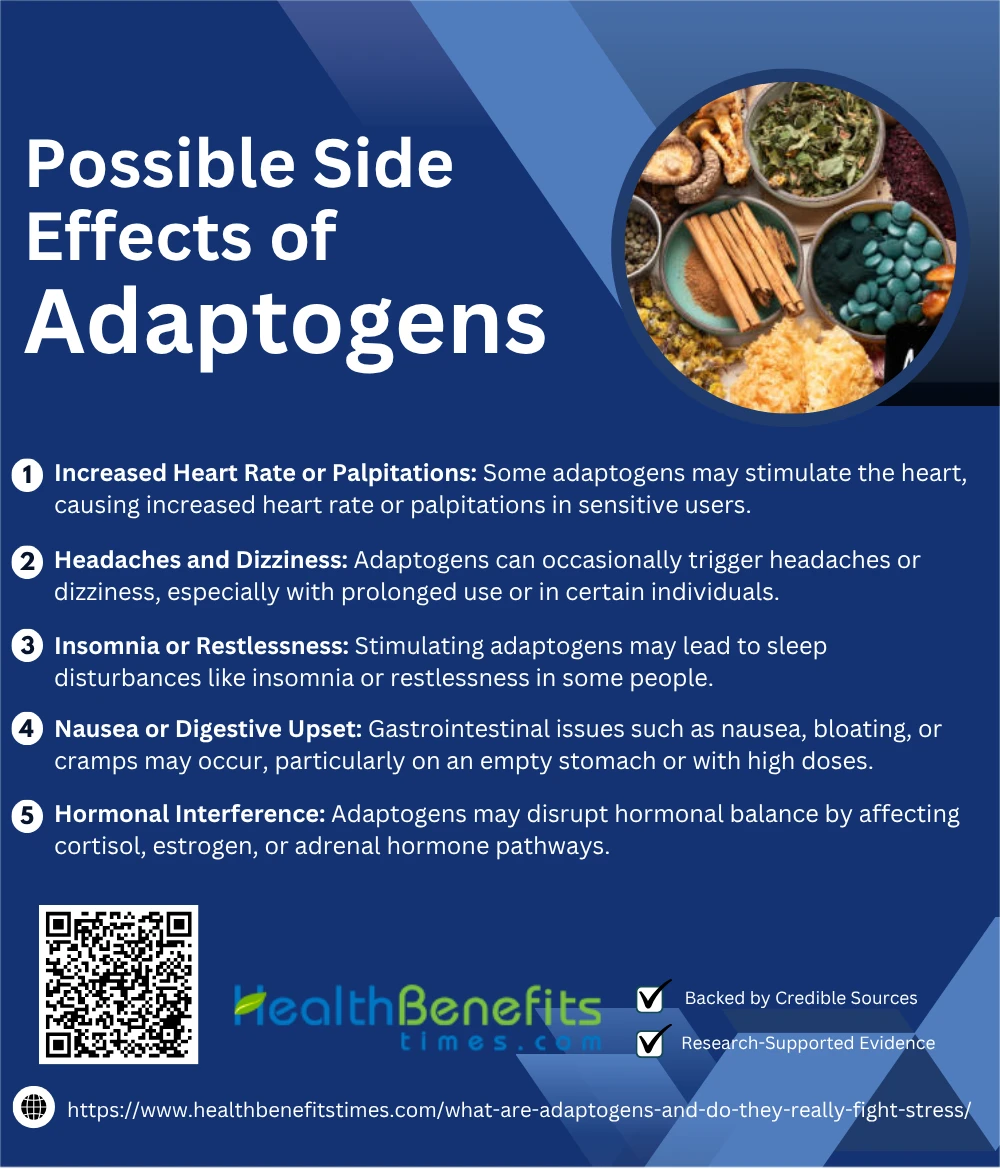 1. Increased Heart Rate or Palpitations
Some adaptogens such as Rhodiola rosea have been linked to cardiovascular stimulation, including increased heart rate and palpitations in sensitive individuals. Research highlights how adaptogens may elevate physiological responses under stress, occasionally resulting in arrhythmias or tachycardia. (81) (22) A systematic review also found Eleutherococcus possibly increases pulse rate. (84) Another study linked Schisandra to sympathetic nervous activation. (85)
2. Headaches and Dizziness
While adaptogens offer stress-buffering effects, they may also produce adverse symptoms like headaches and dizziness in some users. Withania somnifera, for instance, has been associated with mild vertigo episodes. (86) Other studies on Gotu kola and Rhodiola rosea mention headache and nausea as rare side effects. (6) Additionally, systemic reviews confirm such symptoms during prolonged use. (81)
3. Insomnia or Restlessness
While adaptogens are used to combat fatigue, certain compounds like Rhodiola rosea have been linked to restlessness and insomnia due to their stimulating properties. (22) Withania somnifera and Schisandra chinensis may also contribute to disturbed sleep in sensitive individuals. (59) Some findings suggest increased arousal leading to sleep disruptions, and chronic use may exacerbate sleeplessness. (87) (88)
4. Nausea or Digestive Upset
Although adaptogens support homeostasis, they may occasionally provoke nausea or gastrointestinal distress. Rhodiola rosea and Schisandra chinensis have been associated with upset stomach and nausea in some users. (89) Ashwagandha, though generally safe, has been linked to bloating and stomach cramps when taken on an empty stomach. Additional reports also indicate gastrointestinal upset following adaptogen-antidepressant interactions and herbal overstimulation. (65) (76)
5. Hormonal Interference
Adaptogens influence endocrine responses, potentially disrupting hormonal balance. Studies show that Rhodiola rosea and Schisandra chinensis may alter cortisol and corticotropin-releasing hormone levels. (19) Others suggest adaptogens like holy basil modulate estrogenic activity, risking endocrine disturbance. (6) A 2017 study confirmed hormonal stimulation via adrenal pathways, while another review cautioned on pituitary-gonadal axis interference. (11) (90)
Conclusion
Adaptogens have gained popularity as natural remedies for managing stress, enhancing energy, and promoting overall well-being. Rooted in ancient medicinal traditions, these herbs and fungi are believed to help the body adapt to physical, emotional, and environmental challenges by balancing stress hormones and supporting the nervous system. While preliminary research shows promise, especially for adaptogens like ashwagandha and Rhodiola, more large-scale human studies are needed to confirm their effectiveness. They are not a cure-all and should be used alongside healthy lifestyle practices. Always consult a healthcare provider before use to ensure safety and proper integration into your wellness routine.