

 Cabbage juice, derived from fresh or fermented cabbage, is a nutrient-rich beverage packed with vitamins, minerals, and bioactive compounds. It is widely acclaimed for its therapeutic and health-promoting properties, making it a valuable addition to a healthy diet. Research highlights its potential to support gut health through probiotic effects when fermented. (1)
Rich in antioxidants, cabbage juice combats oxidative stress and supports immune function. (2) Its high vitamin C content aids in skin health and wound healing. (3) Fermentation enhances its bioavailability and antioxidant properties. (4) Emerging evidence even indicates its role in reducing inflammation and promoting overall digestive health. (5)
Health Benefits of Cabbage Juice
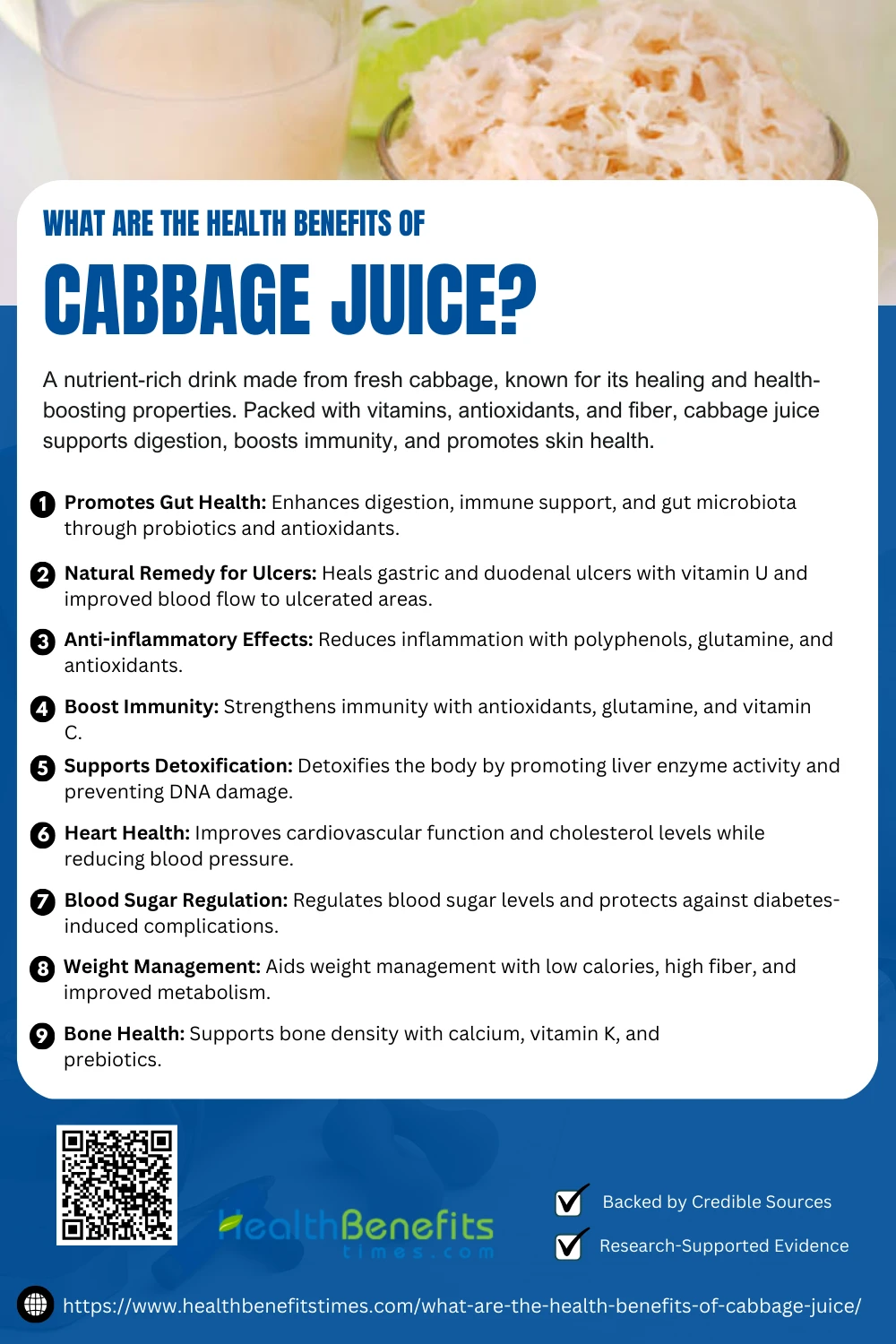
Cabbage juice is a nutrient-packed drink, rich in vitamins, antioxidants, and minerals. It supports digestion, boosts immunity, promotes skin health, and aids in detoxifying the body.
 1. Promotes Gut Health
Cabbage juice is renowned for its ability to promote gut health, particularly through its probiotic potential when fermented. Fermented cabbage juice enhances beneficial gut microbiota, aiding in digestion and immune support. (1) Its antioxidant properties also protect gut lining integrity, while boosting digestive enzymes and reducing inflammation. (5) (4) (2)
2. Natural Remedy for Ulcers
Cabbage juice is a proven natural remedy for ulcers, owing to its high content of vitamin U, which accelerates the healing of gastric and duodenal ulcers. (6) Research on rats has confirmed its anti-ulcerative properties, while fermented forms boost its healing potential. (7) (8) Additionally, cabbage juice has been used in folk medicine for its ability to enhance blood flow to ulcerated areas. (9)
3. Anti-inflammatory Effects
Cabbage juice exhibits potent anti-inflammatory effects, primarily due to its rich polyphenolic compounds, which reduce inflammatory cytokines such as TNF-α and IL-6. (10) It also contains glutamine, an amino acid known for its anti-inflammatory properties. (11) Red cabbage juice has shown significant effects in modulating immune responses, while its antioxidants protect against oxidative stress and inflammation. (12) Studies also confirm its ability to improve intestinal health by restoring epithelial balance.
4. Boost Immunity
Cabbage juice is a powerful natural immunity booster, rich in bioactive compounds that enhance the body’s defense mechanisms. (13) Its antioxidants protect against oxidative stress and support immune health. (14) Additionally, cabbage juice contains glutamine, which promotes immune cell function. (15) It is also packed with vitamin C, essential for maintaining a robust immune response. (16)
5. Supports Detoxification
Cabbage juice is a natural detoxifying agent that promotes the elimination of toxins through the induction of phase II detoxifying enzymes. Rich in glucosinolates, cabbage juice aids in biotransformation pathways essential for detoxification. (17) Fermented cabbage enhances liver detoxification enzymes, reducing oxidative stress. It also supports cellular detoxification and combats environmental toxins. (18) Additionally, cabbage juice prevents DNA damage, further enhancing its detoxifying benefits. (14)
6. Heart Health
Cabbage juice supports heart health through its rich content of antioxidants and bioactive compounds that reduce oxidative stress and inflammation. Fermented cabbage juice has been shown to improve lipid profiles, reducing LDL cholesterol and enhancing cardiovascular function. (19) Regular consumption helps lower serum cholesterol levels, mitigating heart disease risk. (20) The juice’s high potassium content also aids in regulating blood pressure. (21) Additionally, its anti-inflammatory properties protect vascular health. (22)
7. Blood Sugar Regulation
Cabbage juice demonstrates potential in blood sugar regulation due to its rich phytonutrients. Studies reveal its hypoglycemic effects, particularly in managing type-2 diabetes in rats. (23) Fermented cabbage juice improves lipid profiles and glucose metabolism. (24) Furthermore, its antioxidant properties protect against diabetes-induced kidney damage. (25) Cabbage-derived lactic acid also aids glucose homeostasis. (26)
8. Weight Management
Cabbage juice has been highlighted for its potential in aiding weight management, thanks to its high fiber content and low calorie profile. Research suggests that compounds in cabbage, such as flavonoids, support metabolic functions and reduce inflammation, aiding in fat metabolism. (27) Studies on functional foods indicate red cabbage’s antioxidants reduce fat accumulation. (28) Regular intake of cabbage juice was also shown to improve digestive health, further supporting weight goals. (29)
9. Bone Health
Cabbage juice is recognized for its role in promoting bone health, as it is rich in calcium and vitamin K, both vital for maintaining bone density. A study shows that Chinese cabbage juice can enhance bone mineral density due to its nutrient content and prebiotic properties, which improve calcium absorption. (27) Furthermore, its antioxidants protect against bone loss and oxidative stress. Cabbage juice’s benefits underscore its importance as a functional beverage in bone health strategies.
Nutritional Composition of Cabbage Juice
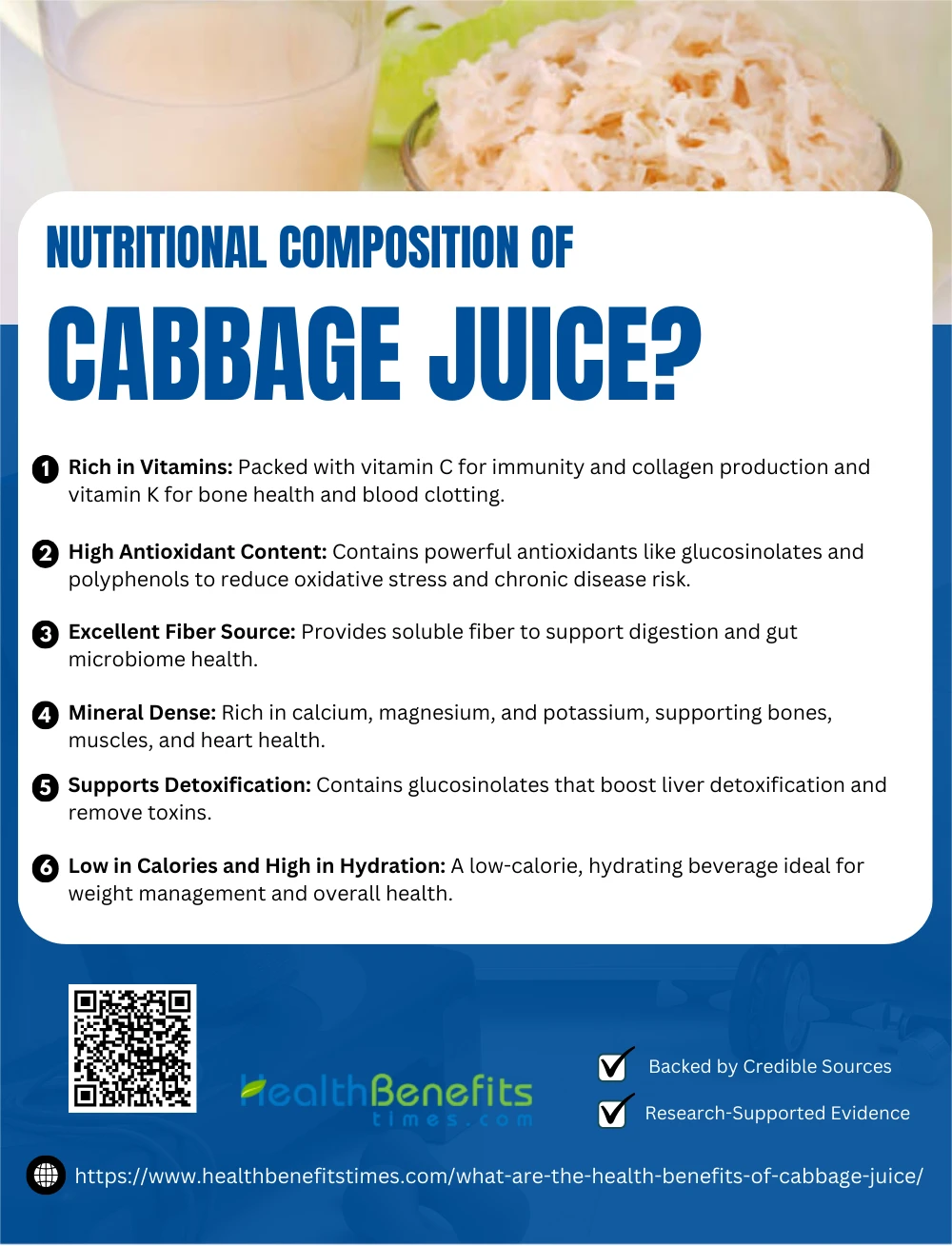
Here is a detailed explanation of the nutritional composition of cabbage juice:
 1. Rich in Vitamins
Cabbage juice is an excellent source of Vitamin C, which acts as a potent antioxidant, protecting cells from damage caused by free radicals. It supports the immune system and promotes collagen production for healthy skin and tissues.(30) Vitamin K, another significant nutrient, is vital for blood clotting and maintaining bone health. Regular consumption helps prevent conditions like osteoporosis by ensuring proper calcium metabolism.
2. High Antioxidant Content
Cabbage juice contains sulfur-containing compounds like glucosinolates and isothiocyanates, which have strong antioxidative and detoxifying properties. (31) Polyphenols found in cabbage further help reduce oxidative stress, decreasing inflammation and the risk of chronic diseases such as heart disease and diabetes.
3. Excellent Fiber Source
Although juicing reduces the insoluble fiber content, cabbage juice still contains soluble fibers that improve digestion and gut health. It encourages the growth of beneficial gut bacteria, helping maintain a healthy microbiome. (30)
4. Mineral Dense
Calcium and magnesium in cabbage juice support bone health, reducing the risk of osteoporosis. These minerals also aid in nerve transmission and muscle function. Potassium, an electrolyte, helps maintain proper fluid balance in the body and supports cardiovascular health. (27)
5. Supports Detoxification
Cabbage juice contains glucosinolates, which, when broken down, produce compounds like sulforaphane that enhance the liver’s detoxifying capabilities. These compounds are particularly effective in flushing out toxins and harmful substances from the body. (30)
6. Low in Calories and High in Hydration
Cabbage juice is low in calories but high in water content, making it a hydrating and weight-friendly beverage. It’s ideal for individuals seeking a nutritious drink that complements weight management plans.
How to Prepare and Consume Cabbage Juice
Here is a detailed guide on how to prepare and consume cabbage juice, covering every essential step, tips, and insights:
Preparation Process
- Select Fresh, Organic Cabbage
- Choose fresh, crisp cabbage heads to maximize nutrient content. Organic cabbage is preferable as it minimizes exposure to pesticides.
- Wash and Prepare
- Rinse the cabbage thoroughly under running water. Remove any outer leaves that appear damaged or wilted.
- Soak the cabbage briefly in water with a pinch of salt or vinegar to remove any dirt, bugs, or residues.
- Chop the Cabbage
- Cut the cabbage into small chunks or strips, making it easier to blend or juice. This helps extract more liquid efficiently.
- Juice It
- Using a Juicer: Feed the cabbage chunks into the juicer. The machine will separate the juice from the fiber.
- Using a Blender: Add the cabbage chunks to the blender with a small amount of water (about 1/2 cup). Blend until smooth. Strain the mixture using a fine sieve or cheesecloth to remove the pulp.
- Add optional ingredients like lime, ginger, or honey to improve taste and enhance health benefits.
- Store Properly
- Pour the juice into an airtight glass container if not consumed immediately. Refrigerate and use within 24 hours to preserve nutrients.
Consumption Guidelines
- Serving Size
- A serving size of about 1 cup (250 ml) is recommended for general health benefits. It contains a concentrated dose of essential vitamins like C and K, antioxidants, and minerals.
- Best Time to Drink
- Drink cabbage juice on an empty stomach in the morning to maximize nutrient absorption and kickstart digestion.
- Frequency
- Regular consumption 2–3 times a week is ideal for reaping its benefits. Daily intake is safe but should be monitored to avoid side effects like bloating or discomfort.
- Special Uses
- For stomach ulcers or digestive issues, research shows that consuming about 1 quart (946 ml) daily can help ulcers heal within 7–10 days.
Risks and Precautions
Here’s a listicle of risks and precautions associated with cabbage juice consumption based on scientific research:
 1. Risk of Contamination
Cabbage juice consumption poses risks of contamination primarily due to microbial hazards. Studies indicate that improper handling can introduce pathogens like E. coli, Salmonella, and Listeria, potentially causing severe health issues. (32) (33) Contaminated irrigation water further elevates these risks. (34) Thorough washing and pasteurization significantly mitigate such risks. (35) Adherence to hygiene protocols is vital to prevent foodborne illnesses. (36)
2. Pesticide Residues
Cabbage juice may contain pesticide residues, posing risks such as neurotoxicity and chronic illnesses if consumed untreated. (37) Washing and peeling can reduce these residues significantly. (38) High-pesticide-residue consumption has been linked to coronary risks. (39) Monitoring pesticide dissipation rates ensures safety (41). ({% %}) Awareness and proper handling mitigate these dangers. (40)
3. Microbial Risks in Raw Juice
Raw cabbage juice poses microbial risks, including contamination by E. coli, Salmonella, and Listeria. (40) Unpasteurized juices are particularly susceptible to these pathogens. (41) Preventive measures like proper washing and handling reduce contamination. (42) Label warnings about microbial risks are crucial. (43) Chlorine washing offers additional safety. (44)
4. Interaction with Medications
Cabbage juice may alter drug metabolism by affecting enzymes such as cytochrome P450, potentially reducing drug efficacy or causing toxicity. (45) Anticoagulants and thyroid medications are particularly susceptible. (46) High vitamin K levels in cabbage can interfere with blood thinners. (47) Awareness of potential food-drug interactions is vital for patients with chronic illnesses. Proper counseling mitigates risks. (48)
5. Potential Allergies or Reactions
Cabbage juice may trigger allergic reactions, including anaphylaxis, in sensitive individuals, often linked to hidden allergens. (49) Symptoms include rashes and respiratory issues. (50) Cross-reactivity with other cruciferous vegetables amplifies risks. (51) Careful introduction and monitoring reduce occurrences. (52) Avoidance and appropriate medical guidance are vital for high-risk groups. (53)
6. Overconsumption Risks
Excessive consumption of cabbage juice may cause nutrient imbalances, thyroid dysfunction, and oxalate toxicity, potentially leading to kidney stones. (54) High doses also affect gut microbiota and digestion. (55) Oxalate content presents risks for individuals prone to stone formation. (56) Proper moderation prevents adverse outcomes. (57) Monitoring intake safeguards health. (58)
Conclusion
Cabbage juice offers numerous health benefits, making it a valuable addition to a balanced diet. Rich in vitamins C and K, it supports immune health and promotes healthy bones and skin. Its high antioxidant content helps combat inflammation and oxidative stress, while its digestive enzymes and fiber improve gut health and alleviate conditions like ulcers. Additionally, cabbage juice contains glucosinolates, compounds linked to cancer prevention, and potassium, which aids in heart health by regulating blood pressure. Incorporating this nutrient-packed juice into your routine can enhance overall well-being and contribute to a healthier lifestyle.