

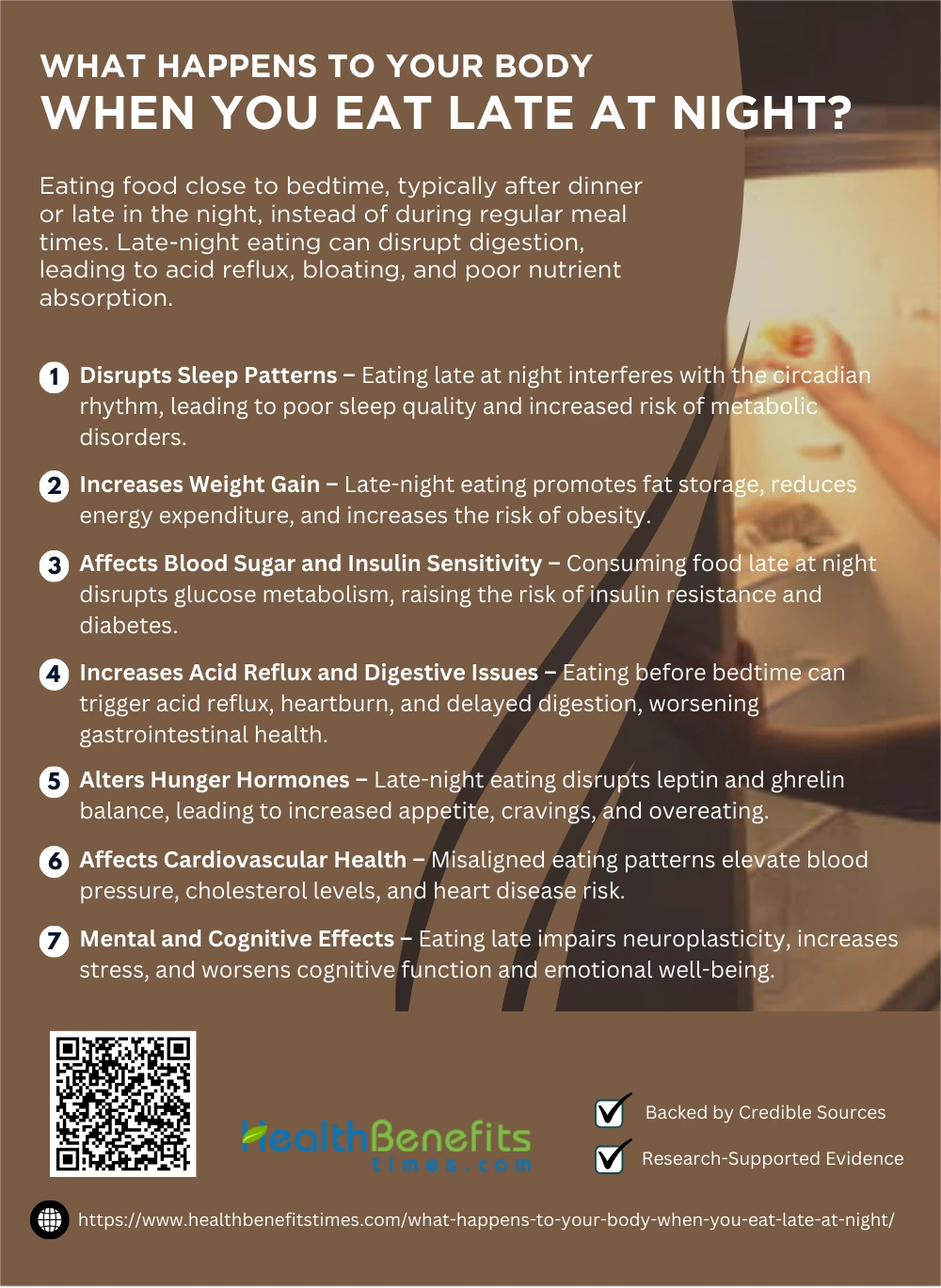
- Eating food close to bedtime, typically after dinner or late in the night, instead of during regular meal times.
- Late-night eating can disrupt digestion, leading to acid reflux, bloating, and poor nutrient absorption.
- It may contribute to weight gain, metabolic issues, and affect sleep quality by altering hormone levels and circadian rhythms.

Late-night eating habits refer to the consumption of food shortly before bedtime, often disrupting metabolic and circadian processes. Eating late at night can significantly impact various bodily functions, leading to adverse health effects. Studies suggest that late-night meals can disturb sleep cycles by increasing digestion-related activity when the body should be resting, leading to poorer sleep quality and increased risk of insomnia.
What Happens to Your Body When You Eat Late at Night?
Eating late at night can disrupt digestion, metabolism, and sleep. It may lead to weight gain, blood sugar spikes, and hormonal imbalances, affecting overall health. Understanding its effects helps in making healthier choices.
 1. Disrupts Sleep Patterns
Eating late at night can significantly disrupt sleep patterns by interfering with the body’s natural circadian rhythm. Research indicates that consuming food close to bedtime can lead to delayed sleep onset and fragmented sleep due to alterations in melatonin secretion and core body temperature regulation. Additionally, studies show that irregular meal timing, including late-night eating, can impair sleep-wake cycles, affecting overall sleep quality. Shift workers, who often eat late at night, are particularly prone to sleep disturbances due to circadian rhythm misalignment.(1) Furthermore, disruptions in sleep due to late-night eating have been associated with an increased risk of metabolic disorders and cardiovascular complications.
2. Increases Weight Gain
Late-night eating has been linked to weight gain due to the misalignment of food intake with the body’s circadian rhythm. Studies reveal that consuming meals late at night leads to increased fat storage and reduced energy expenditure compared to earlier meals. (2) Research further indicates that nighttime eating can lead to higher insulin resistance and impaired glucose metabolism, increasing the likelihood of obesity. (3) Additionally, studies suggest that late-night food consumption, particularly high-calorie snacks, significantly contributes to higher BMI and weight gain over time. (4) Therefore, maintaining an earlier meal schedule is crucial in preventing excessive weight gain and metabolic disorders. (5)
3. Affects Blood Sugar and Insulin Sensitivity
Eating late at night disrupts blood sugar regulation and reduces insulin sensitivity, increasing the risk of metabolic disorders. Research shows that insulin sensitivity is naturally higher in the morning, meaning that late-night meals cause inefficient glucose metabolism and higher fasting blood sugar levels. (6) A study on time-restricted eating found that those who consume late-night meals experience worsened glycemic control and heightened insulin resistance. (7) Additionally, poor meal timing contributes to fluctuations in lipid profiles, further increasing diabetes risk. (7) Late-night eating has also been linked to disrupted circadian rhythms, which negatively impact pancreatic function and insulin secretion. (4) Therefore, limiting food intake to earlier in the day can significantly enhance metabolic efficiency and prevent insulin resistance 11. (8)
4. Increases Acid Reflux and Digestive Issues
Late-night eating significantly increases the risk of acid reflux and digestive discomfort. Research shows that consuming meals before bedtime can lead to gastroesophageal reflux disease (GERD) due to prolonged gastric acid production and delayed stomach emptying. (9) Studies indicate that nighttime heartburn is more common in individuals who eat large meals close to sleep, as lying down exacerbates acid reflux symptoms. (10) Late-night meals have been shown to weaken the lower esophageal sphincter, making reflux episodes more frequent and severe. (11) Additionally, research highlights that eating at irregular times contributes to increased gastric pressure, worsening digestive distress. (12) To minimize acid reflux and digestive issues, experts recommend avoiding meals at least three hours before bedtime. (13)
5. Alters Hunger Hormones
Eating late at night alters hunger hormones, leading to increased appetite and cravings. Studies show that consuming food late disrupts the balance between leptin and ghrelin, which regulate hunger and satiety, causing overeating the next day 25. ({% %}) Research indicates that late-night eating decreases leptin levels, reducing satiety, while increasing ghrelin, which enhances hunger signals. (4) Furthermore, misaligned eating patterns can lead to insulin resistance and disrupted metabolic homeostasis. (8) Late-night meals have also been linked to circadian rhythm disruption, further exacerbating hunger hormone imbalance. (7) Thus, maintaining an early and consistent eating schedule is crucial for optimal hormonal regulation and appetite control. (6)
6. Effects Cardiovascular Health
Late-night eating has been linked to adverse cardiovascular effects, including increased blood pressure and higher risks of heart disease. Research suggests that misaligned eating patterns disrupt circadian rhythms, elevating the risk of hypertension and arterial stiffness. (6) Studies indicate that eating late contributes to inflammation, oxidative stress, and cholesterol imbalances, all of which can accelerate cardiovascular disease progression. (2) Additionally, late-night food intake has been associated with increased risks of atherosclerosis due to its impact on lipid metabolism and glucose regulation. (14) Moreover, studies highlight that night owls who consume food late have a higher incidence of heart disease and metabolic syndrome compared to early eaters. (15) To promote heart health, experts recommend consuming meals earlier in the day and aligning eating habits with the body’s natural metabolic cycles. (16)
7. Mental and Cognitive Effects
Eating late at night can negatively affect cognitive function, memory, and emotional well-being. Research shows that irregular meal timing disrupts brain health by impairing neuroplasticity and increasing inflammation, which can accelerate cognitive decline. (17) Additionally, studies indicate that late-night eating may exacerbate symptoms of depression and anxiety due to its effect on circadian rhythm disruption and neurotransmitter balance. (8) Moreover, misaligned eating patterns have been associated with increased stress hormone levels, contributing to mood disturbances and reduced mental clarity. (4) Furthermore, research highlights that consuming food late in the evening can impact cognitive performance by reducing sleep quality and increasing fatigue during the day. (7) Adopting a consistent and earlier eating schedule can support optimal mental health and cognitive function. (6)
Who is Most Affected by Late-Night Eating?
Late-night eating can impact various groups differently, depending on their lifestyle, biological rhythms, and metabolic responses. Here are the populations most affected by this habit:

1. Shift Workers
Shift workers are particularly vulnerable to the adverse effects of late-night eating due to disrupted circadian rhythms. Research indicates that night shift workers experience increased risks of obesity, metabolic disorders, and cardiovascular disease due to altered meal timing and poor dietary choices. (18) Studies show that shift work can impair glucose metabolism, leading to insulin resistance and a higher likelihood of developing Type 2 diabetes. (19) Additionally, irregular eating patterns among shift workers contribute to gastrointestinal issues, such as acid reflux and indigestion, which can further impact overall health. (20) To mitigate these risks, experts recommend structured meal planning and avoiding calorie-dense meals late at night. (21)
2. Students and Young Adults
Students and young adults are significantly impacted by late-night eating, as it disrupts sleep, increases calorie intake, and negatively affects academic performance. Research highlights that students who frequently consume late-night meals have a higher risk of developing metabolic syndrome and weight gain due to poor dietary choices. (20) Late-night eating has also been linked to increased stress, anxiety, and emotional eating patterns among university students. (22) Additionally, studies suggest that the consumption of high-calorie snacks at night leads to sleep disturbances and impaired cognitive function, affecting students’ academic performance. (23) Experts recommend promoting healthier eating habits and establishing structured meal times to minimize these effects. (24)
3. Individuals with Poor Sleep Patterns
Individuals with poor sleep patterns are more susceptible to late-night eating, which disrupts metabolic health and increases the risk of obesity. Research indicates that circadian misalignment, commonly seen in sleep-deprived individuals, exacerbates cravings for high-calorie foods at night. A study published in Frontiers in Neuroscience explores the interplay between sleep cycles and late-night eating patterns, emphasizing its impact on psychiatric disorders. (8) Moreover, findings from The Journal of Clinical Sleep Medicine highlight the association between sleep restriction and increased nocturnal appetite. Similarly, research in Nutrients explains how poor sleep leads to hormonal imbalances affecting hunger and satiety regulation. These studies collectively underline the significant role of sleep hygiene in mitigating unhealthy late-night eating behaviors.
4. Those with Emotional Eating Habits
Individuals with emotional eating tendencies are particularly vulnerable to late-night eating, as stress and negative emotions often trigger excessive food consumption. Studies indicate that those who struggle with emotional regulation exhibit a higher tendency to engage in nighttime eating to cope with psychological distress. Frontiers in Neuroscience presents evidence linking emotional dysregulation to disrupted eating behaviors, with adverse effects on mental health. (8) Additionally, research in Appetite highlights the correlation between stress-related emotional eating and obesity risk. Findings from Psychiatry Research suggest that cognitive behavioral interventions targeting emotional eating can help reduce late-night cravings. Collectively, these studies emphasize the need for psychological support in managing late-night eating habits among emotional eaters.
5. Night Owls
Night owls are particularly vulnerable to the adverse effects of late-night eating, as their delayed sleep-wake cycle disrupts metabolic regulation. Research indicates that habitual late-night eating is associated with obesity and metabolic syndrome due to increased caloric intake and impaired glucose metabolism (36). ({% %}) Furthermore, a study on urban nightlife suggests that night owls engage in irregular eating habits that may impact their cognitive and emotional well-being (37). ({% %}) Additionally, genetic studies suggest that individuals with a strong evening chronotype exhibit distinct circadian gene expressions that influence their sleep and eating behaviors, further compounding health risks (38). (25)
Tips to Avoid Late-Night Eating
Unhealthy snacking before bed can disrupt sleep and metabolism. These practical tips will help you curb late-night hunger, develop mindful eating habits, and maintain a healthier lifestyle.
1. Establish a Consistent Meal Schedule
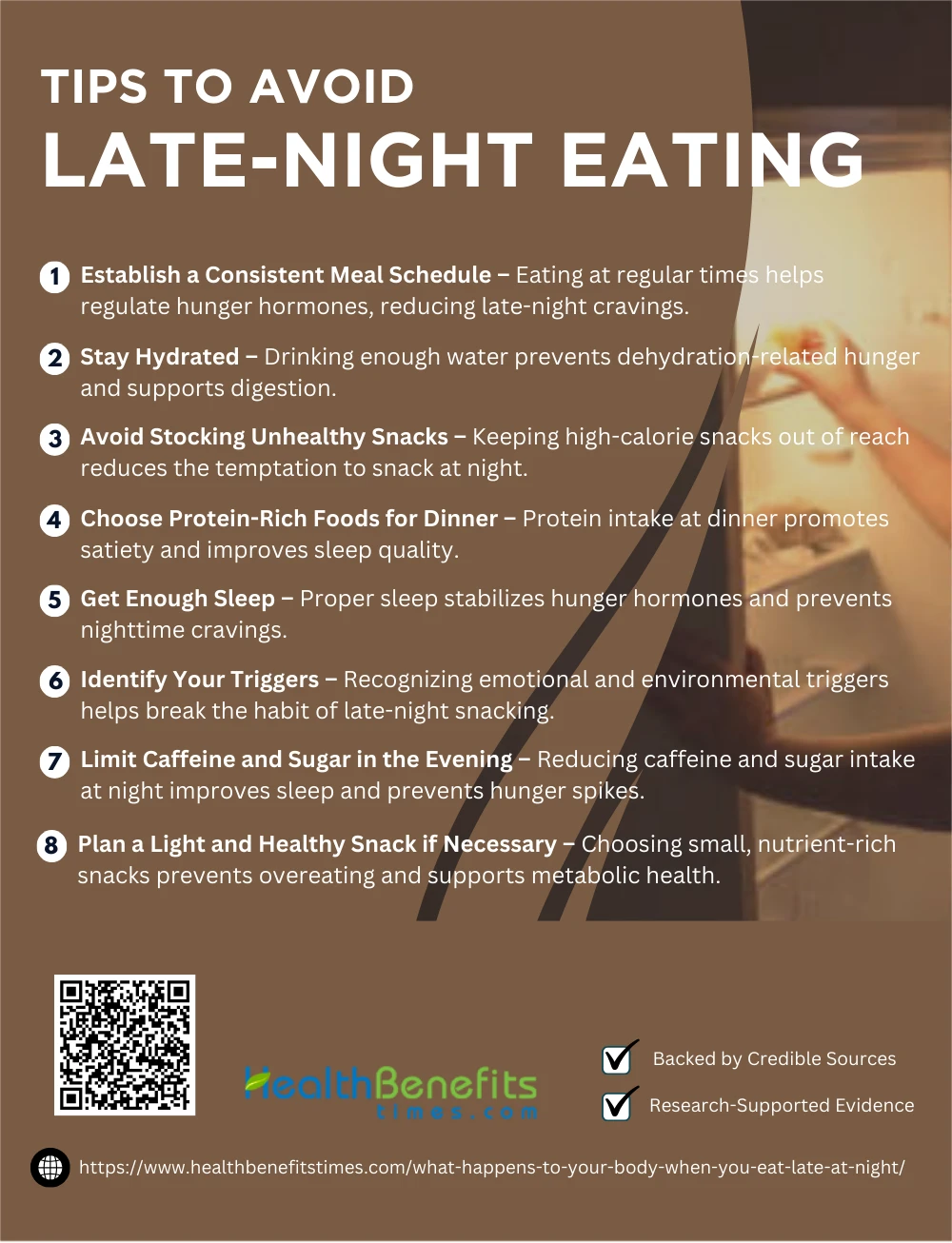
Maintaining a regular meal schedule is crucial in preventing late-night snacking and stabilizing hunger hormones. Studies show that individuals who eat meals at consistent times experience better metabolic health and reduced cravings at night. (26) Late-night eaters often skip breakfast, leading to disrupted circadian rhythms and increased evening hunger. (22) Research also suggests that maintaining structured eating times helps regulate the gut microbiome, preventing metabolic dysregulation. (23) Additionally, individuals with irregular meal timing are more likely to consume excessive calories at night, affecting sleep quality and weight gain. (27)
2. Stay Hydrated
Hydration plays a vital role in managing appetite and preventing unnecessary snacking at night. Research suggests that drinking water before meals can increase satiety, reducing caloric intake. (28) Dehydration often mimics hunger, leading individuals to consume food instead of replenishing fluids. (29) Moreover, staying hydrated improves digestion and metabolic efficiency, preventing cravings caused by poor digestion and nutrient absorption. (30)
3. Avoid Stocking Unhealthy Snacks
One of the most effective ways to prevent late-night snacking is to avoid stocking unhealthy snacks at home. Research indicates that individuals who keep high-calorie foods within easy reach are more likely to indulge in late-night eating habits. (31) Furthermore, studies highlight that replacing processed snacks with healthier alternatives such as fruits and nuts can help regulate cravings and maintain satiety throughout the night. (32) Behavioral psychology also supports this strategy, showing that altering food environments significantly reduces impulsive snacking behaviors.
4. Choose Protein-Rich Foods for Dinner
Including protein-rich foods in dinner can significantly reduce late-night cravings and promote satiety. Studies show that consuming proteins helps regulate hunger hormones, leading to reduced snacking behavior at night. (33) Additionally, protein consumption enhances sleep quality by increasing tryptophan levels, which support melatonin production. (34)
5. Get Enough Sleep
Getting sufficient sleep plays a crucial role in reducing late-night eating habits by stabilizing hunger hormones and improving impulse control. Studies have shown that sleep deprivation increases cravings for high-calorie foods, leading to poor dietary choices at night. (35) Research also indicates that irregular sleep patterns disrupt circadian rhythms, making individuals more likely to snack late at night. (8) Additionally, prioritizing sleep hygiene by maintaining a consistent bedtime routine can help regulate appetite and prevent unnecessary snacking. (36) Lastly, reducing screen time before bed has been linked to better sleep quality and a decreased likelihood of nighttime eating. (23)
6. Identify Your Triggers
Understanding what drives late-night eating is essential for breaking the habit. Research highlights that emotional distress and stress-related eating are major triggers for late-night snacking. (37) Studies also show that environmental factors, such as having food readily available in bedrooms or watching TV while eating, contribute to mindless consumption at night. (38) Identifying specific eating patterns and replacing them with healthier coping mechanisms, like drinking herbal tea or journaling, can help mitigate late-night cravings (50). Furthermore, tracking eating behaviors through a food diary can assist in recognizing patterns and emotional connections to food, thereby enabling better control over nighttime eating urges. (36)
7. Limit Caffeine and Sugar in the Evening
Reducing caffeine and sugar intake in the evening can significantly improve sleep quality and decrease nighttime cravings. Research indicates that consuming caffeine late in the day disrupts sleep cycles, leading to increased hunger at night. (39) High sugar intake in the evening has been associated with blood sugar fluctuations, which can trigger late-night hunger pangs. (40) Additionally, replacing sugary evening snacks with nutrient-dense alternatives helps maintain stable energy levels and prevents unnecessary snacking before bed. (41)
8. Plan a Light and Healthy Snack if Necessary
When late-night hunger strikes, opting for a light and healthy snack can prevent overeating while supporting sleep quality. Research shows that small, protein-rich snacks help regulate hunger hormones and stabilize blood sugar levels. (26) Studies indicate that incorporating nutrient-dense options such as yogurt or nuts can aid in appetite control and prevent excessive calorie intake. (38) Additionally, selecting snacks with balanced macronutrients can enhance satiety and reduce nighttime cravings. (42) Moreover, research highlights that mindful eating and portion control play crucial roles in maintaining a healthy nighttime routine. (43)
Conclusion
Late-night eating can negatively impact your digestion, metabolism, sleep quality, and overall health, increasing risks of weight gain, insulin resistance, and heart issues. While occasional late meals may not cause harm, frequent late-night snacking can disrupt your body’s natural rhythms. Being mindful of your eating habits, choosing lighter, nutrient-dense foods when necessary, and maintaining a consistent meal schedule can help improve digestion, metabolism, and sleep. Prioritizing balanced eating patterns during the day can prevent late-night cravings and support overall well-being.