

- A salad is a dish typically consisting of a mixture of vegetables, fruits, or other ingredients, often served with a dressing.
- Kelp noodle salad is a healthy, low-calorie dish made with nutrient-rich kelp noodles, packed with minerals and antioxidants.
- It’s a versatile, gluten-free meal option that can be customized with various vegetables, proteins, and dressings to suit different dietary preferences.
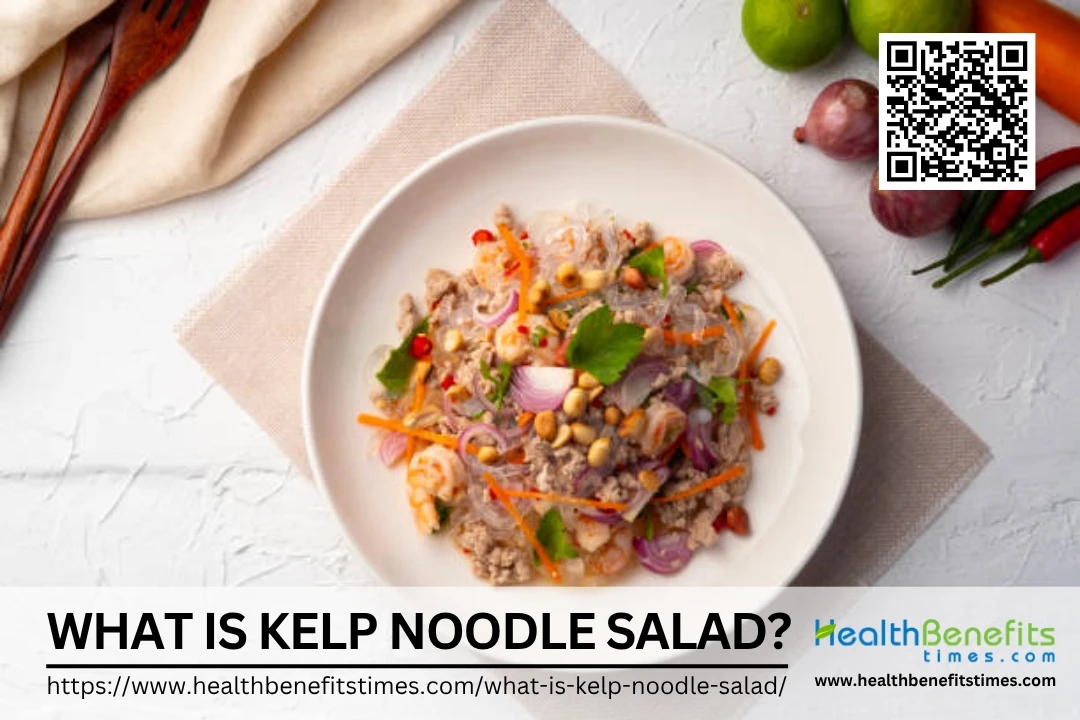
A salad is typically a dish consisting of a mixture of various ingredients, often including vegetables, fruits, grains, or proteins, and typically dressed with a sauce or vinaigrette. Kelp noodle salad is a refreshing and nutrient-dense dish made from kelp, a type of edible seaweed, combined with other fresh ingredients such as vegetables, herbs, and a light dressing. Kelp noodles, which are made from the natural fiber of kelp, are known for being low-calorie, gluten-free, and rich in essential minerals like iodine and calcium. This makes them an excellent choice for those looking to increase their intake of sea vegetables while enjoying a light, flavorful meal. Often accompanied by sesame oil, soy sauce, and vinegar-based dressings, kelp noodle salads have become a popular choice in many health-conscious diets, providing a healthy alternative to traditional pasta salads. With its diverse flavor combinations and nutritional benefits, kelp noodle salad is not only delicious but also a perfect addition to a balanced diet.
What are Kelp Noodles?
Kelp noodles are a type of seaweed-based noodle made from kelp, a nutrient-dense marine vegetable. These noodles are created by extracting the cellulose fibers from kelp and then processing them into a noodle shape. Kelp noodles are known for being low-calorie and gluten-free, making them a popular alternative to traditional wheat noodles. They are particularly rich in iodine, which supports thyroid function, as well as fiber, which aids in digestion. Additionally, kelp noodles provide essential minerals like calcium, magnesium, and iron, contributing to overall health.
Ingredients in a Kelp Noodle Salad
Here are some ingredients typically found in a kelp noodle salad:
 1. Kelp Noodles
Kelp noodles are a unique, low-calorie alternative to traditional pasta, made primarily from kelp, a type of seaweed, combined with water and sodium alginate. These noodles are gluten-free, fat-free, and rich in essential nutrients such as iodine, calcium, and iron. The Sea Tangle Kelp Noodles are popular due to their versatility and ability to absorb the flavors of any dish they are added to. (1) Kelp noodles are light and crunchy, and their nutrient content makes them a healthy option, particularly in dishes like salads or soups. (2) You can find kelp noodles in various recipes that offer a twist on traditional noodle dishes, from kelp noodle pad thai to savory stir-fries. (2)
2. Cucumber
Cucumber is a refreshing vegetable often added to salads for its crisp texture and mild, slightly sweet flavor. It’s rich in water, making it a hydrating ingredient for hot weather dishes. Sliced or julienned cucumber adds an extra crunch to a kelp noodle salad. For an additional boost of vitamins, consider adding cucumber ribbons or using it in combination with other raw vegetables like carrots and radishes. (3) Cucumbers are also a great source of antioxidants and fiber, which can aid in digestion. For different ways to prepare cucumbers, you can check out creative cucumber salad recipes that complement other Asian-inspired dishes. (4)
3. Carrots
Shredded carrots bring a natural sweetness and vibrant color to kelp noodle salad. They’re rich in beta-carotene, which is essential for eye health and overall immune function. Carrots are versatile and can be grated, sliced, or julienned depending on the texture you prefer. They also offer a healthy dose of fiber and antioxidants. Adding shredded carrots to your kelp noodle salad enhances both the flavor and nutritional profile. For other ways to include carrots in Asian dishes, check out this recipe for a Korean-inspired kelp salad, where they pair well with savory ingredients like sesame oil and soy sauce. (4)
4. Sesame Seeds
Sesame seeds are tiny yet nutrient-dense seeds that provide a delightful crunch and a nutty flavor to any salad. They are an excellent source of healthy fats, protein, and essential minerals like magnesium and calcium. Often used as a garnish, sesame seeds bring a toasted, earthy flavor to dishes and are commonly found in Asian cuisine. (2) In addition to their flavor, sesame seeds can also be turned into sesame oil for use in dressings or stir-fries. (2) They also contain lignans, which may support heart health, making them a nutritious addition to any kelp noodle salad.
5. Green Onions
Green onions, also known as scallions, are a staple in many salads for their mild, fresh onion flavor. They can be used as a garnish or mixed in to provide an extra burst of flavor. Rich in vitamins A, C, and K, green onions help to enhance the immune system and promote skin health. They complement the texture of kelp noodles and other ingredients like cucumbers and carrots. For a more intense flavor, try adding green onions to dishes like Korean kelp salad or even mixing them into your dressing for a zesty kick. (4) Green onions are often paired with ginger and soy sauce in various Asian-inspired dishes.
6. Rice Vinegar
Rice vinegar is a key ingredient in many Asian dishes, including kelp noodle salad. It adds a subtle acidity and balances the richness of other ingredients like sesame oil and soy sauce. Rice vinegar is often used in creating a light, refreshing dressing that enhances the fresh vegetables and kelp noodles in the salad. For added depth, you can try blending rice vinegar with sesame oil and soy sauce. (2) Not only does rice vinegar help to tenderize the vegetables, but it also provides a mild sweetness, which complements the salty flavors from soy sauce. You can also find rice vinegar in many marinades and dipping sauces.
7. Soy Sauce
Soy sauce is a staple in many Asian dishes and offers a rich umami flavor. In a kelp noodle salad, soy sauce brings a savory depth that perfectly balances the sweetness of vegetables like carrots and the crunch of kelp noodles. There are different types of soy sauce available, from regular to low-sodium versions. Soy sauce is the base for many dressings, often paired with sesame oil, ginger, and rice vinegar. (2) It also enhances the overall taste profile of the dish, making it a perfect match for kelp noodles. Try experimenting with different soy sauces to find the one that best suits your taste preferences. (3)
8. Ginger
Ginger is a powerful aromatic root that adds a zesty, peppery flavor to a kelp noodle salad. Not only does it provide a fresh, warming kick, but it also offers several health benefits, including aiding in digestion and reducing inflammation. Freshly grated ginger can be added directly to the salad or mixed into the dressing to bring out its spicy undertones. The inclusion of ginger in a kelp noodle salad complements the fresh vegetables and adds a layer of complexity to the flavor profile. (2) If you’re looking for ways to incorporate ginger into other dishes, check out ginger-based recipes that can be paired with various proteins. (4)
9. Garlic
Garlic is known for its pungent flavor and numerous health benefits, such as boosting the immune system and having anti-inflammatory properties. It is an essential ingredient in many salad dressings, including those for kelp noodles. Minced or grated garlic adds an aromatic sharpness that enhances the other flavors in the salad. You can use garlic in combination with ginger and soy sauce to create a dynamic, savory dressing. If you’re interested in making a more complex dressing, you could try garlic chili oil or adding roasted garlic for a different flavor twist. (4)
10. Chili Flakes (Optional)
For those who enjoy a spicy kick, chili flakes are an optional but delightful addition to kelp noodle salad. They add a burst of heat that contrasts beautifully with the cool, refreshing vegetables. Whether you prefer a mild heat or a more intense spiciness, chili flakes can be adjusted to your liking. Chili flakes pair well with ginger and soy sauce in the dressing, offering a balance between sweet, salty, and spicy. (2) If you want to add more heat, you could even try using fresh chili peppers for an added punch.
11. Avocado (Optional)
Avocado is a creamy, nutrient-dense fruit that can be added to kelp noodle salad for a smooth, rich texture. It provides healthy fats, fiber, and a variety of vitamins, such as vitamin E and potassium. Though optional, avocado complements the other ingredients with its creamy consistency and subtle flavor. It is often added as a topping to provide a more satisfying dish. Avocado also works well in combination with sesame seeds, as it enhances the richness of the salad while balancing the more tangy or spicy elements. (2) For another creamy addition, try blending avocado with rice vinegar to create a smooth dressing for your kelp noodles.
Health Benefits of Kelp Noodle Salad
Kelp noodle salad offers a nutritious, low-calorie option packed with essential vitamins, minerals, and antioxidants. This refreshing dish supports weight management, gut health, and promotes glowing skin and hair.
 1. Supports Digestive Health
Kelp noodles are beneficial for digestive health due to the high fiber content in seaweed. The fiber in kelp helps promote regular bowel movements and supports the growth of beneficial gut bacteria. Additionally, the prebiotic properties of seaweed enhance gut function and prevent constipation. (5) The unique polysaccharides in kelp have also been shown to help in gut inflammation reduction and aid in the smooth functioning of the digestive system. The digestibility of kelp noodles makes them an ideal addition to any diet aimed at improving digestive health.
2. Have Antioxidant Properties
Kelp noodles, derived from seaweed, are packed with antioxidants that support overall health. Seaweed is a rich source of polyphenols and carotenoids, which have been shown to combat oxidative stress and reduce the risk of chronic diseases. (6) Incorporating kelp into meals, like kelp noodle salad, can boost your intake of antioxidants and enhance your body’s defense mechanisms. Research indicates that kelp’s antioxidant properties may also help improve skin health and reduce inflammation.
3. Beneficial for Heart Health
Kelp noodles can support heart health due to their rich nutrient profile. Seaweed, particularly kelp, contains high levels of iodine and essential minerals that contribute to cardiovascular health by regulating blood pressure and reducing cholesterol levels. Regular consumption of seaweed has been linked to lower risks of ischemic heart disease and stroke. Furthermore, seaweed enhances circulation and may assist in preventing arterial blockages. (7) Kelp’s anti-inflammatory properties further benefit the heart by improving overall cardiovascular function.
4. Helps with Detoxification
Kelp noodles can aid in detoxifying the body, as seaweed is naturally rich in chlorophyll and other detoxifying compounds. Seaweed helps eliminate heavy metals and toxins by binding to them and facilitating their excretion. (8) Additionally, the iodine content in kelp supports thyroid function, which is crucial for detoxification processes. Moreover, kelp promotes gut health, which is integral for the body’s natural detox mechanisms. (9)
5. Supports Skin Health
Kelp noodles, rich in essential vitamins and minerals, offer significant benefits for skin health. The high iodine and antioxidant content in kelp contribute to improved skin hydration and the prevention of skin aging. Regular consumption of kelp helps promote collagen production, which is vital for skin elasticity and repair. (10) Furthermore, the polysaccharides in seaweed protect the skin against inflammation and oxidative stress. (9) This supports the skin’s overall health by enhancing its ability to retain moisture and fight harmful environmental factors.
6. Boosts Immune System
Kelp noodles can boost the immune system thanks to their rich nutrient content. Seaweed contains beta-glucans, which are known to stimulate immune cells and enhance the body’s defense mechanisms. (8) Additionally, kelp’s high content of vitamins and minerals, such as vitamin C and zinc, further strengthen immune function and improve overall health. (11) Research also shows that the antioxidants in kelp help combat free radicals, further protecting the body from disease and promoting immune resilience. Kelp’s immune-supporting properties make it a valuable addition to your diet.
7. Helps in Weight management
Kelp noodles are a great food for supporting weight management due to their low calorie and high fiber content. Seaweed, including kelp, has been shown to promote satiety, helping to control appetite and reduce food intake. Furthermore, kelp’s fiber has prebiotic effects, promoting gut health which can aid in weight control. (5) Studies suggest that incorporating seaweed into meals, like in kelp noodle salad, can regulate blood glucose levels and assist in weight management by promoting healthy digestion. (12) Moreover, the antioxidants in seaweed help to reduce the accumulation of fat.
How to Make Kelp Noodle Salad
Here’s a simple step-by-step recipe for making Kelp Noodle Salad:
- Collect all the required ingredients.
- Open the package of kelp noodles, rinse them thoroughly under cold water to remove any salty brine. If the noodles are too long, you can cut them into smaller, more manageable pieces.
- Shred the carrots, thinly slice the cucumber and red bell pepper. If you’re using cilantro, chop it finely.
- In a small bowl, mix together the sesame oil, rice vinegar, soy sauce, maple syrup (or honey), grated ginger, minced garlic, and chili flakes (if using). Whisk until the ingredients are well-combined.
- In a large mixing bowl, add the kelp noodles, shredded carrots, sliced cucumber, bell pepper, and cilantro. Toss everything together gently to combine.
- Pour the dressing over the salad and toss again until everything is evenly coated.
- Top with sesame seeds for extra crunch and flavor.
- For an extra refreshing salad, chill the salad in the refrigerator for 15-20 minutes before serving.
- Serve chilled or at room temperature as a light lunch, side dish, or appetizer.
Popular Variations of Kelp Noodle Salad
Kelp noodle salad can be customized with various ingredients and dressings to suit different dietary preferences. From vegan to keto-friendly options, explore popular variations that enhance flavor and nutritional value.
 1. Spicy Kelp Noodle Salad
For those who enjoy a bit of heat, the Spicy Kelp Noodle Salad is an excellent choice. The salad is typically enhanced with chili oil or red pepper flakes, adding a fiery kick to the fresh, crisp kelp noodles. Many people opt for Sriracha sauce as an easy way to bring both spice and a touch of sweetness to the dressing. To complement the spicy dressing, a drizzle of sesame oil brings richness and depth to the flavor. This variation is not only full of heat but also packed with health benefits, as kelp is rich in antioxidants and minerals like iodine, which supports metabolism and thyroid function (Sriracha uses in cooking). For a more intense flavor, some people like to add fresh chopped jalapeños or a spoonful of chili paste.
2. Kelp Noodle and Tofu Salad
If you are looking to make your Kelp Noodle Salad more filling, adding tofu is a great option. This variation often features cubed tofu marinated in soy sauce, sesame oil, and a dash of rice vinegar for a savory flavor profile. The tofu adds plant-based protein, making the dish more substantial and suitable for a hearty lunch or dinner. Additionally, tofu is an excellent source of calcium, helping to support bone health. For those who follow a vegetarian or vegan diet, tofu serves as an essential protein alternative (The benefits of tofu). The kelp noodles provide the perfect contrast to the soft texture of tofu, and adding a few chopped green onions or a sprinkle of sesame seeds adds an extra layer of crunch and flavor.
3. Kelp Noodle Salad with Avocado
The Kelp Noodle Salad with Avocado is a perfect fusion of creaminess and crunch. Avocado brings a rich, creamy texture that pairs beautifully with the crisp kelp noodles and fresh vegetables. This variation typically includes cherry tomatoes, cucumber, and sometimes radishes to complement the buttery taste of avocado. For added flavor, a drizzle of lemon juice enhances the freshness and helps prevent the avocado from browning. The healthy fats in avocado are known to promote heart health and help absorb fat-soluble vitamins like A, D, E, and K (Avocado health benefits). The salad can also be served with a sprinkle of chili flakes to balance the creamy texture with a bit of heat, offering a satisfying blend of flavors and nutrients.
4. Kelp Noodle Salad with Peanut Dressing
The Kelp Noodle Salad with Peanut Dressing is a savory and satisfying dish that brings together the crunchiness of kelp noodles with a rich, nutty dressing. The peanut dressing, typically made with peanut butter, soy sauce, sesame oil, and ginger, offers a creamy and flavorful contrast to the noodles. This variation is often enhanced with the addition of cabbage, carrots, and cucumber, which adds to its refreshing and crunchy texture. The peanut butter provides healthy fats and protein, making this salad a well-rounded option for a filling meal (Peanut butter nutrition). For an extra kick, some recipes include sriracha or chili paste, which works well with the creamy peanut dressing.
5. Kelp Noodle Salad with Asian Pear
For a unique twist on your kelp noodle salad, try adding Asian pear for a touch of sweetness and crunch. The Asian pear is a crisp, refreshing fruit that pairs wonderfully with the savory, umami flavors of kelp noodles and vegetables. The natural sweetness of the pear balances out the salty components of the dressing, while adding a satisfying texture that contrasts beautifully with the kelp noodles. This variation often includes other ingredients like carrots, cucumber, and sometimes toasted almonds for a crunchy contrast. Not only does Asian pear add flavor, but it also provides fiber and vitamin C, supporting immune health and digestive function (Benefits of Asian pears). For extra flavor, a light dressing of rice vinegar and sesame oil complements the sweetness of the pear and the richness of the other ingredients.
Potential Drawbacks of Kelp Noodle Salad
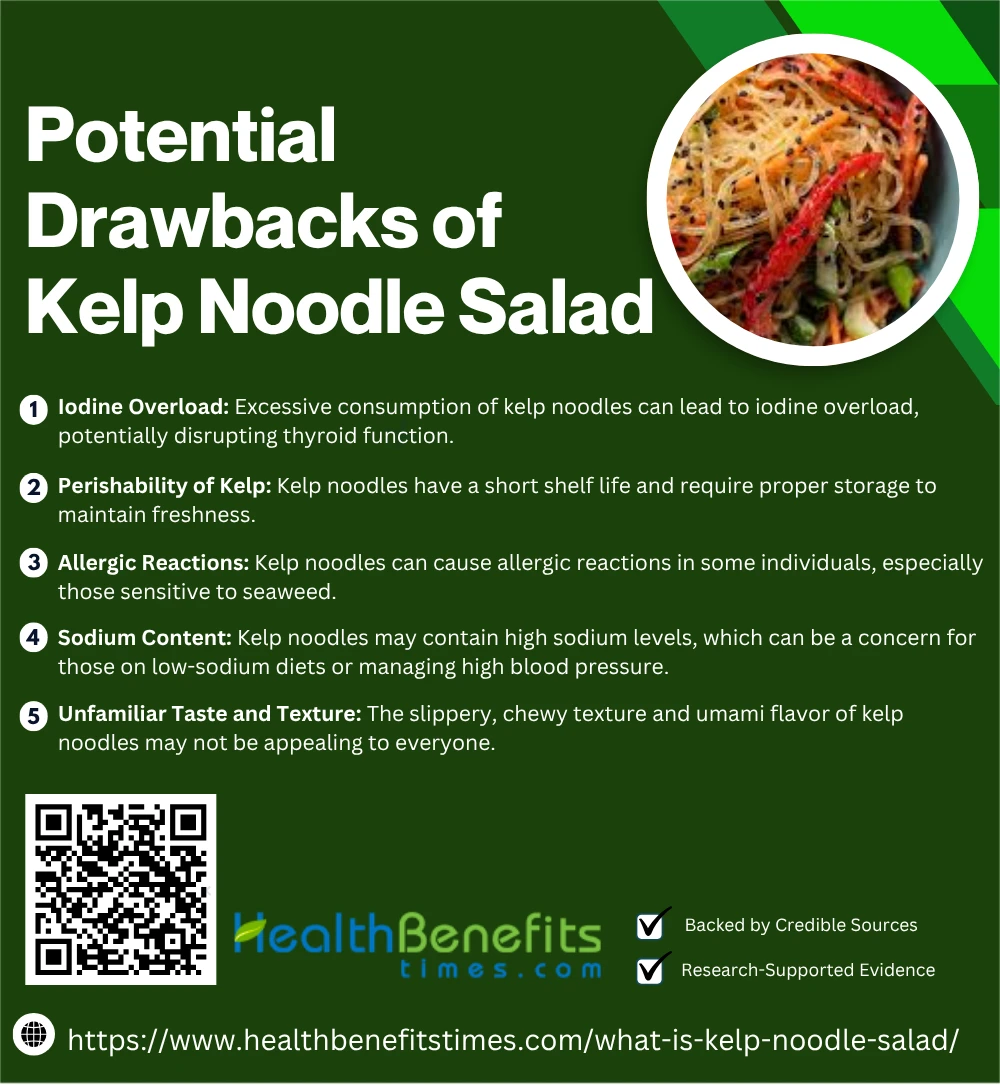
While kelp noodle salad is a healthy choice, it may have potential drawbacks, including excessive iodine intake and texture preferences. It’s important to be mindful of these factors for balanced consumption.
 1. Iodine Overload
Consuming kelp noodles can lead to iodine overload, which may negatively impact thyroid function. Kelp is extremely rich in iodine, and excessive consumption could result in thyroid imbalances such as hypothyroidism or hyperthyroidism. Studies have shown that iodine content in kelp can exceed daily recommended limits. (8) It’s important to consume kelp-based foods in moderation to avoid these risks.
2. Perishability of Kelp
Kelp noodles, made from fresh seaweed, can have a short shelf life due to the perishability of kelp. Seaweed products, including kelp, are prone to spoilage when not stored properly. Studies highlight the challenges of maintaining the freshness of kelp, which may require special handling and storage conditions. (13) Kelp noodles should be consumed shortly after purchase to ensure optimal freshness and taste.
3. Allergic Reactions
Kelp noodles may cause allergic reactions in some individuals, particularly those sensitive to seaweed. Some people experience mild reactions like skin irritation or itching, while others may have more severe symptoms. Seaweed, including kelp, has been recognized as a potential allergen, with cases of adverse reactions reported. (14) Those with food allergies should consult their healthcare provider before consuming kelp-based products. (15) Furthermore, consuming excessive amounts may trigger thyroid dysfunction, especially for individuals with iodine sensitivities. (7)
4. Sodium Content
Kelp noodles, due to their seaweed origins, can contain high sodium levels, which may be concerning for individuals on low-sodium diets or those managing high blood pressure. Although kelp is a natural source of nutrients, including potassium, excessive sodium intake can offset its benefits, leading to health complications. Studies highlight the importance of managing salt intake from seaweed-based products like kelp noodles. Even though rinsing kelp noodles can reduce some of their salt content, sodium levels may still remain relatively high. (16)
5. Unfamiliar Taste and Texture
The taste and texture of kelp noodles may be unfamiliar to many, as the slippery, chewy texture can be an acquired taste. Some individuals may find it challenging to appreciate, particularly when compared to more traditional noodles. Seaweed, including kelp, can impart a briny or umami flavor, which may not be familiar or appealing to everyone. The texture, often described as “slimy,” can vary depending on how it’s prepared, which might affect consumer acceptance. (17) Additionally, the iron-rich taste of kelp can create a distinct flavor that some may find overpowering. Despite these challenges, those who enjoy umami-rich foods may find the addition of kelp noodles a unique and flavorful experience.
Conclusion
Kelp noodle salad is a versatile and nutritious dish that offers a refreshing alternative to traditional pasta salads. With its low-calorie, gluten-free, and high-nutrient profile, it’s a great choice for health-conscious individuals. Packed with essential minerals, antioxidants, and fiber, it supports various aspects of well-being, including weight management, detoxification, and skin health. Whether enjoyed as a light meal or a side dish, kelp noodle salad can be easily customized with a variety of vegetables, proteins, and dressings. While there are potential drawbacks, such as iodine overconsumption, this salad remains a wholesome addition to a balanced diet.