

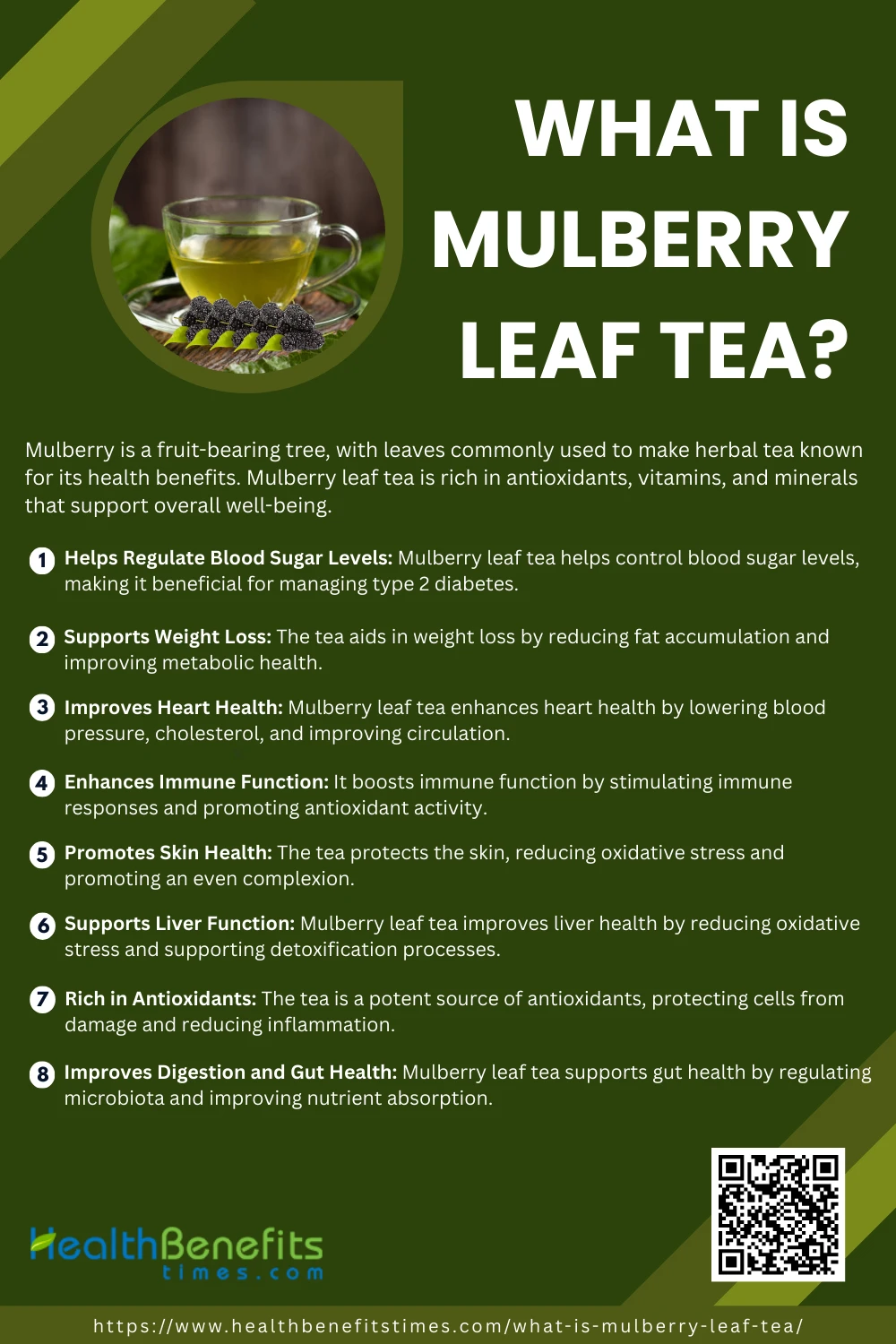
- Mulberry is a fruit-bearing tree, with leaves commonly used to make herbal tea known for its health benefits.
- Mulberry leaf tea is rich in antioxidants, vitamins, and minerals that support overall well-being.
- Regular consumption can help with blood sugar regulation, heart health, and digestion.

Mulberry leaf tea is made from the leaves of the mulberry tree, Morus, which comes in different species such as white mulberry (Morus alba), red mulberry (Morus rubra), and black mulberry (Morus nigra). These leaves are rich in antioxidants and compounds that may benefit health. To make the tea, dried mulberry leaves are steeped in hot water, creating an infusion with a mild, slightly sweet taste. The types of mulberry leaves vary in shape and size, with white mulberry leaves typically being smaller and smoother, while red mulberry leaves are larger and have a rougher texture.
Health Benefits of Mulberry leaf tea
Mulberry leaf tea offers a range of health benefits, including blood sugar regulation, weight management, and enhanced heart health. Its rich antioxidant content helps support overall well-being and improve digestion.
 1. Helps Regulate Blood Sugar Levels
Mulberry leaf tea is widely recognized for its potential to regulate blood sugar levels. Studies suggest that compounds in mulberry leaves, such as 1-deoxynojirimycin (DNJ), can inhibit α-glucosidase, which helps control blood glucose levels after meals. Research has demonstrated that mulberry leaf tea significantly reduces blood sugar levels in both animal models and human trials, showing promise for diabetes management. (1) Additionally, clinical findings support its ability to help manage type 2 diabetes by enhancing glycemic control. (2) Further studies have indicated that mulberry tea may alleviate symptoms of diabetic nephropathy by modulating pathways that impact glucose metabolism. (3) Moreover, recent reviews conclude that mulberry leaf tea’s ability to regulate glucose contributes significantly to diabetes prevention. (4) For further in-depth findings, see. (5)
2. Supports Weight Loss
Mulberry leaf tea is also suggested to support weight loss through its impact on lipid metabolism. Recent research reveals that mulberry leaf extract can reduce body weight gain in high-fat diet-induced obesity models by inhibiting fat accumulation. (6) The leaf’s bioactive compounds, particularly DNJ, play a role in suppressing fat synthesis and improving metabolic profiles. (7) Studies further show that mulberry leaf tea helps decrease plasma triglycerides and LDL-cholesterol, which are linked to obesity-related conditions. (8) Additionally, it has been observed to regulate gut microbiota, a factor associated with weight loss and metabolic health. (9) This suggests that regular consumption of mulberry tea can be beneficial for managing obesity-related metabolic risks. (10)
3. Improves Heart Health
Mulberry leaf tea has been shown to offer significant benefits for heart health. The polyphenolic compounds in mulberry leaves contribute to improved blood circulation, which can reduce the risk of cardiovascular diseases. (11) Studies suggest that it can lower blood pressure and LDL cholesterol levels, helping to prevent heart disease. (12) Additionally, its antioxidant properties help reduce oxidative stress, which plays a key role in cardiovascular complications. (10) Mulberry leaf extract has also been linked to improved heart function in diabetic models, thus providing protection against cardiovascular damage caused by high blood sugar. (13)
4. Enhances Immune Function
Mulberry leaf tea has demonstrated significant immune-enhancing properties. The bioactive compounds in mulberry leaves, such as flavonoids and polysaccharides, are known to stimulate the immune system. (14) Studies show that mulberry leaf extract can modulate immune responses by increasing cytokine production and promoting antioxidant activity, which helps in immune defense. (15) It is also reported to support humoral immunity, essential for the body’s defense against pathogens. (16) Research suggests that mulberry leaf consumption can enhance the activity of immune cells, offering protection against infections and inflammation. (17) Moreover, its potential to boost immune function has been observed in both animal and human models. (18)
5. Promotes Skin Health
Mulberry leaf tea is beneficial for skin health due to its rich antioxidant content. Studies suggest that mulberry leaf extract helps protect the skin by reducing oxidative stress, which can cause premature aging and other skin issues. (19) Furthermore, mulberry extract is known to lighten skin tone by inhibiting tyrosinase activity, contributing to a more even complexion. (11) Its anti-inflammatory properties also aid in treating skin conditions such as eczema and redness. (20) Additionally, mulberry tea helps prevent skin damage caused by UV rays. For a deeper dive, explore. (21)
6. Supports Liver Function
Mulberry leaf tea supports liver function by reducing oxidative stress and modulating liver enzymes. Research indicates that the antioxidants in mulberry leaves help protect the liver from damage caused by metabolic diseases such as fatty liver. (17) Furthermore, mulberry leaf extract has been shown to enhance liver glycogen storage and improve detoxification processes. (22) In addition, studies have highlighted its ability to lower serum ALT and AST levels, thus improving liver health. The tea also aids in alleviating liver inflammation and preventing liver damage in diabetic conditions. (23) For further research, see. (10)
7. Rich in antioxidants
Mulberry leaf tea is a potent source of antioxidants, making it beneficial for overall health. Research indicates that mulberry leaves contain high levels of polyphenols, flavonoids, and phenolic acids, such as caffeoylquinic acid, which have strong antioxidant properties. (24) Studies show that mulberry leaf tea can reduce oxidative stress and protect cells from damage. (25) These antioxidants are associated with reduced inflammation and improved skin health. (26) Additionally, it helps mitigate cellular damage caused by free radicals. (27) For more, see. (28)
8. Improves digestion and gut health
Mulberry leaf tea has demonstrated positive effects on digestion and gut health. Research shows that it helps regulate gut microbiota and improves intestinal barrier function, supporting nutrient absorption. (9) It has been reported to enhance the gut flora, promoting the growth of beneficial bacteria such as Lactobacillus. (29) Moreover, mulberry leaf extract has been linked to improved digestive enzyme activities and reduced intestinal inflammation. Studies have also shown that mulberry leaf consumption may assist in the digestion of dietary fats and improve the absorption of nutrients. (30) For more details, see. (31)
How to Prepare Mulberry Leaf Tea
- Collect all the required ingredients.
- Use about 1–2 teaspoons of dried mulberry leaves for one cup.
- If you have whole leaves, crush them gently with your hands or use a grinder.
- Boil fresh water to around 85-90°C (185-194°F) just below boiling point.
- Place mulberry leaves in a teapot, cup, or infuser.
- Pour hot water over the leaves.
- Let steep for 5–7 minutes.
- Use a tea strainer or infuser to remove the leaves from the tea.
- Add sweetener (honey, stevia, etc.) to taste.
- Add lemon juice or herbs (mint, cinnamon) for added flavor.
- Pour the tea into a cup.
- Enjoy hot or chilled as iced tea.
Potential Side Effects of Mulberry Leaf Tea
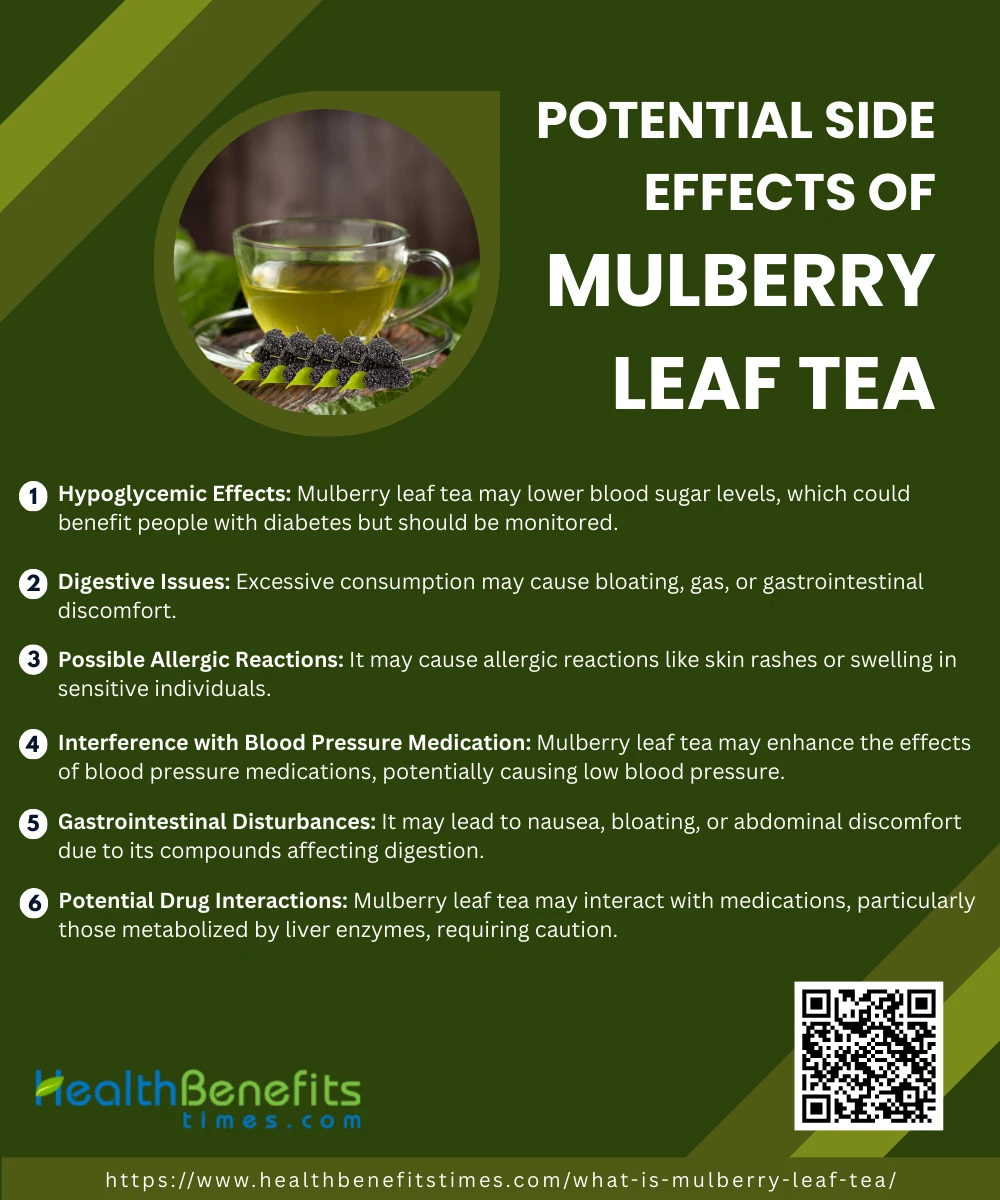
While mulberry leaf tea is generally safe, excessive consumption may cause side effects such as digestive discomfort or allergic reactions. It’s important to consume in moderation and consult a healthcare professional if needed.
 1. Hypoglycemic Effects
Mulberry leaf tea has been studied for its potential hypoglycemic effects, particularly in managing blood sugar levels. Research suggests that the tea may lower blood sugar levels, offering benefits for individuals with diabetes. (1) It has been observed to improve glucose uptake and insulin sensitivity, contributing to better glucose homeostasis. (11) Additionally, the synergistic effects of mulberry leaves with other herbs like green tea may enhance their blood sugar-lowering potential. (32)
2. Digestive Issues
Mulberry leaf tea may cause digestive discomfort in some individuals. It has been reported to lead to bloating or gas when consumed in larger quantities. (11) Additionally, its bioactive compounds might impact gut functions, causing mild gastrointestinal disturbances. (10) In rare cases, excessive intake could interfere with carbohydrate digestion, leading to malabsorption symptoms. (33)
3. Possible Allergic Reactions
Mulberry leaf tea can cause allergic reactions in sensitive individuals. Though rare, it may lead to skin rashes or swelling due to its exposure to certain allergens found in mulberry plants. (34) Studies suggest that the leaves can cause allergic rhinitis or conjunctivitis in predisposed individuals. (35) As with any plant-based product, it’s important to monitor for any adverse reactions after consuming mulberry leaf tea. (36)
4. Interference with Blood Pressure Medication
Mulberry leaf tea may interfere with blood pressure medications due to its antihypertensive properties. Its bioactive compounds, such as flavonoids and alkaloids, could enhance the effects of antihypertensive drugs, potentially lowering blood pressure too much, leading to symptoms like dizziness or fainting. (6) Additionally, its interaction with medications may alter the blood pressure regulation process. (10) People taking blood pressure medication should consult a healthcare provider before using mulberry leaf tea regularly. (36)
5. Gastrointestinal Disturbances
Mulberry leaf tea has been reported to cause gastrointestinal issues such as nausea, bloating, and abdominal discomfort in some individuals. These effects may result from the presence of compounds like 1-deoxynojirimycin, which can interfere with carbohydrate digestion and lead to malabsorption symptoms. (33) Additionally, its consumption may disrupt the gut microbiota, leading to digestive discomfort. (9) Overconsumption can aggravate these symptoms. (37)
6. Potential Drug Interactions
Mulberry leaf tea may interact with certain medications, particularly those metabolized by liver enzymes. Its compounds can alter the activity of cytochrome P450 enzymes, which are crucial for drug metabolism, potentially leading to herb-drug interactions. (38) This could affect drugs like metformin or blood pressure medications. It’s recommended to consult a healthcare provider when consuming mulberry tea with prescription medications. (39)
Conclusion
In conclusion, mulberry leaf tea is a beneficial herbal drink that offers a variety of health advantages, from supporting blood sugar regulation to promoting heart health and boosting digestion. Its rich nutritional profile, packed with essential vitamins, minerals, and antioxidants, makes it a valuable addition to a healthy lifestyle. While generally safe for most people, it’s important to consume it in moderation to avoid potential side effects like digestive discomfort or allergic reactions. Whether enjoyed for its taste or its health benefits, mulberry leaf tea is a great choice for those seeking natural wellness solutions.