

- Olive leaf tea is a herbal infusion made from the leaves of the olive tree (Olea europaea), known for its health benefits.
- Packed with antioxidants and polyphenols, it supports immune health, reduces inflammation, and promotes cardiovascular well-being.
- Used in traditional medicine for centuries, olive leaf tea offers a natural remedy for various ailments.
Olive leaf is derived from the olive tree (Olea europaea) and has long been revered for its medicinal properties. The leaves of the olive tree contain oleuropein, a compound known for its antioxidant and anti-inflammatory effects. Olive leaf tea is made by infusing the leaves of the olive tree in hot water, offering a rich source of antioxidants and a mild, slightly bitter taste. Traditionally consumed for its health benefits, olive leaf tea has been shown to support immune function and cardiovascular health. Its properties, such as promoting blood circulation and lowering blood pressure, make it a popular natural remedy. Recent studies suggest that olive leaf tea may also play a role in managing blood sugar levels and reducing inflammation, making it an excellent option for people seeking natural alternatives for health improvement.
What is Olive Leaf Tea?
Olive leaf tea is an herbal beverage made from the leaves of the olive tree (Olea europaea), a species native to the Mediterranean region. The leaves are carefully harvested, dried, and brewed to make tea, which has a distinct, slightly bitter taste. Olive leaf tea has been used in traditional medicine for centuries, particularly in Mediterranean cultures, where it was consumed to treat a variety of ailments, including malaria and the common cold. The active compound oleuropein in olive leaves is known for its antioxidant and anti-inflammatory effects. Historically, olive leaf tea was revered for its medicinal properties, with its use extending back to ancient times and continuing as a popular remedy for boosting immunity and reducing inflammation.
Nutritional Profile of Olive Leaf Tea
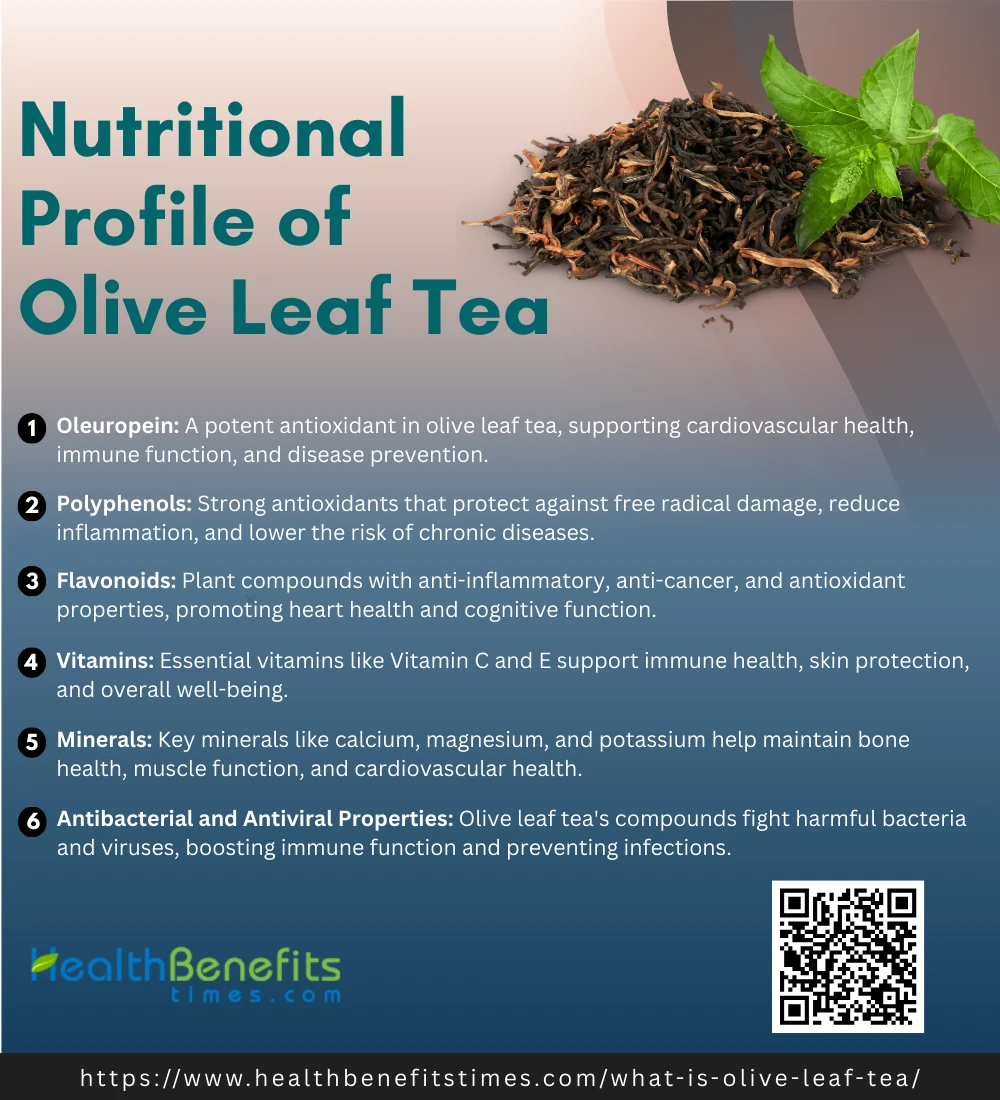
Olive leaf tea is rich in antioxidants, polyphenols, and essential nutrients. Packed with compounds like oleuropein, it offers a powerful nutritional profile that supports overall health and well-being.
 1. Oleuropein
Oleuropein is the primary bioactive compound found in olive leaves and is a potent antioxidant. This compound has been extensively studied for its ability to support cardiovascular health by reducing oxidative stress and improving blood circulation. It can also help reduce blood pressure and lower cholesterol levels, making it beneficial for individuals at risk of heart disease. The compound has demonstrated its role in boosting the immune system and may offer protection against certain viruses. Regular consumption of olive leaf tea, rich in oleuropein, is linked to improved overall health and disease prevention.
2. Polyphenols
Polyphenols in olive leaf tea are known for their strong antioxidant properties, which help protect the body from damage caused by free radicals. These compounds, including oleuropein, have anti-inflammatory effects and can reduce the risk of chronic conditions like heart disease, diabetes, and cancer. Polyphenols also promote vascular health by improving blood circulation and regulating blood pressure. The antioxidant activity of polyphenols also helps to reduce oxidative stress, which can lead to aging and the development of various diseases. Regular consumption of olive leaf tea can significantly contribute to improving overall health.
3. Flavonoids
Flavonoids are plant compounds found in olive leaves that possess anti-inflammatory, anti-cancer, and antioxidant properties. These compounds are known to promote heart health by improving blood vessel function and reducing inflammation. Additionally, flavonoids have been shown to lower the risk of neurodegenerative diseases by protecting neurons from oxidative damage. In olive leaf tea, flavonoids contribute to its mild, bitter taste while offering significant health benefits. The intake of flavonoids through olive leaf tea can enhance cognitive function and promote skin health by reducing the effects of aging. Researchers continue to study these compounds for their potential in preventing chronic illnesses.
4. Vitamins
Olive leaf tea contains essential vitamins like Vitamin C and Vitamin E, which play crucial roles in maintaining immune health and promoting skin health. Vitamin C, known for its antioxidant properties, helps boost the immune system, reduce the duration of colds, and protect against infections. Vitamin E is important for maintaining healthy skin by reducing oxidative damage and promoting cell regeneration. The combination of these vitamins makes olive leaf tea a great choice for supporting overall health, particularly immune function and skin protection. Regular consumption of this tea can contribute to better well-being, especially during cold and flu seasons.
5. Minerals
Olive leaf tea provides important minerals such as calcium, magnesium, and potassium, all of which are essential for maintaining healthy bodily functions. Calcium is critical for strong bones and teeth, while magnesium supports muscle and nerve function. Potassium helps regulate fluid balance, blood pressure, and muscle contractions. The mineral content in olive leaf tea contributes to its health benefits, particularly in supporting bone density, cardiovascular health, and muscle function. Drinking this herbal tea regularly can help ensure you are getting a good dose of these essential minerals, promoting overall health and vitality.
6. Antibacterial and Antiviral Properties
Olive leaf tea is renowned for its antibacterial and antiviral properties, thanks to the presence of oleuropein and other compounds. These properties help fight harmful bacteria and viruses, making olive leaf tea an effective natural remedy for boosting the immune system. The tea has been shown to support the body in resisting infections, particularly respiratory and digestive tract infections. Regular consumption of olive leaf tea can strengthen the immune system and help prevent illnesses, offering a natural defense against pathogens and promoting overall health. These antibacterial and antiviral benefits have made olive leaf tea a traditional remedy in many cultures, particularly in the Mediterranean region.
Health Benefits of Olive Leaf Tea
Olive leaf tea is celebrated for its numerous health benefits, including antioxidant protection, immune support, anti-inflammatory effects, and potential cardiovascular and blood sugar regulation, making it a powerful natural remedy.
 1. Boosts Immune Function
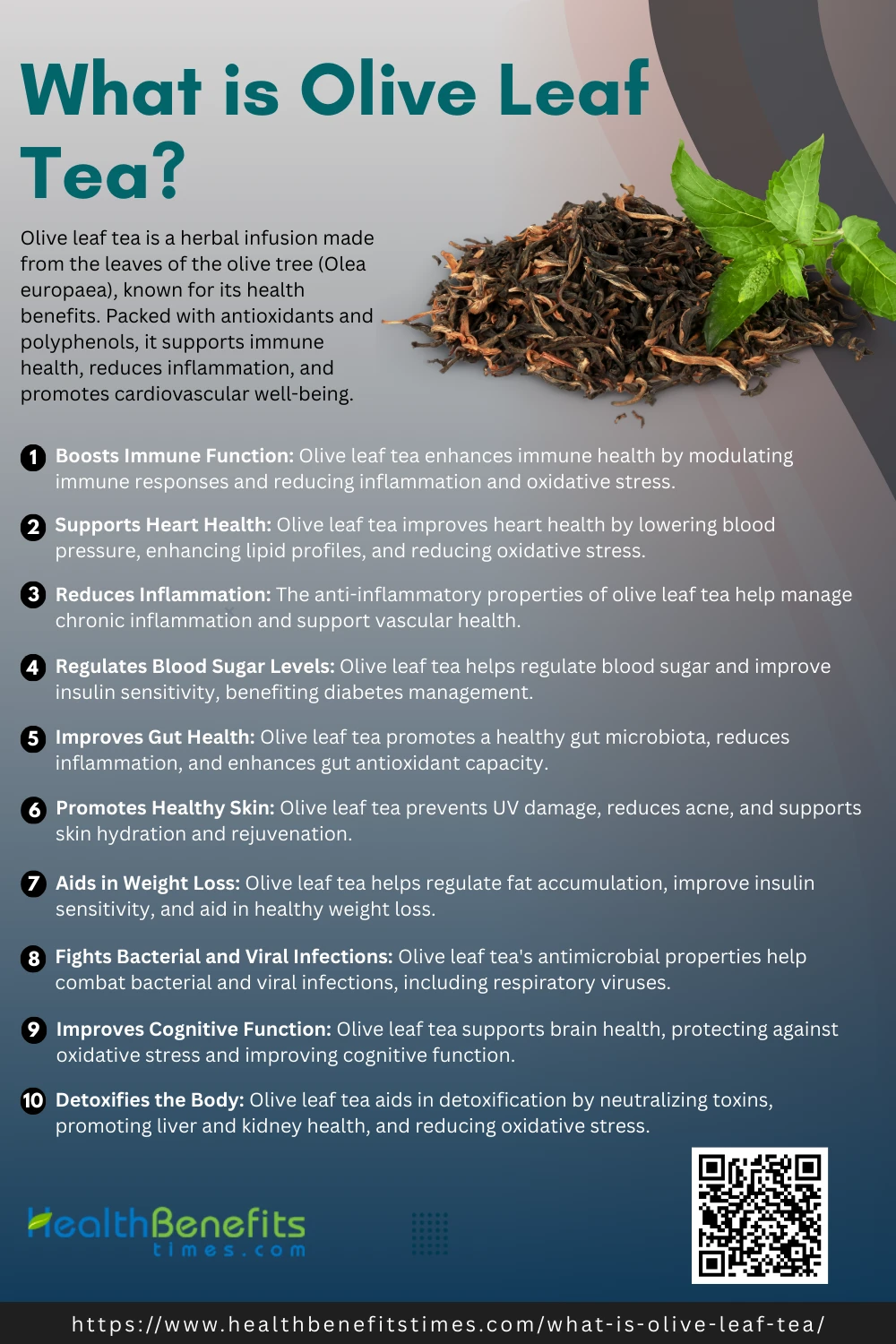
Olive leaf tea has been recognized for its potential to enhance immune function, largely due to its rich content of polyphenolic compounds, such as oleuropein. Studies have shown that olive leaf extract can modulate the immune response, supporting both oxidative stress reduction and immune regulation. For instance, a study on chickens highlighted improvements in immunological and physiological parameters following olive leaf supplementation. (1) In humans, olive leaf extract has been shown to influence gene expression related to immune cell activity, and even modulate inflammation and oxidative stress. (2) (3) Furthermore, research supports the hypothesis that olive leaf tea can improve immune function by regulating immune responses in the context of viral infections, as explored during the COVID-19 pandemic. (4) This evidence suggests that regular consumption of olive leaf tea could play a supportive role in boosting immune health.
2. Supports Heart Health
Olive leaf tea is increasingly celebrated for its heart-health benefits. The bioactive compounds in olive leaves, particularly oleuropein, have demonstrated the ability to reduce blood pressure, improve lipid profiles, and combat oxidative stress. For instance, research highlights that olive leaf extract may help lower blood pressure and improve arterial health, while other studies show its role in preventing myocardial damage and atherosclerosis. (5) (6) Additionally, its anti-inflammatory properties contribute to cardiovascular protection by reducing inflammation markers like TNF-α. (7) The extract has also shown promising effects in reducing platelet activation, a key factor in heart disease. (8) This supports the hypothesis that olive leaf tea can be a natural addition to heart-healthy diets.
3. Reduces Inflammation
Olive leaf tea has been shown to reduce inflammation significantly. Its rich polyphenol content, including oleuropein, has demonstrated potent anti-inflammatory effects by regulating macrophage polarization and suppressing inflammatory cytokines. For example, olive leaf extract has been reported to reduce inflammation induced by palmitate in vitro. (9) It has also been observed to alleviate intestinal inflammation by modulating immune responses in animal models. (10) The tea has shown promise in reducing markers like TNF-α and IL-1, which are linked to chronic inflammation. (11) Moreover, its impact on vascular inflammation has been observed in human endothelial cells, reducing pro-inflammatory expression. (6) Thus, incorporating olive leaf tea into a regular health regimen may provide a natural, effective means of managing inflammation.
4. Regulates Blood Sugar Levels
Olive leaf tea has been shown to regulate blood sugar levels effectively, making it a potential therapeutic tool for managing diabetes. Research suggests that olive leaf extract can enhance insulin sensitivity and lower blood glucose levels in both diabetic rats and humans. (12) Additionally, it has been found to inhibit enzymes responsible for starch absorption, further controlling glucose levels. (13) Olive leaf tea’s anti-inflammatory effects also play a role in managing diabetes-related complications. (14) Furthermore, studies suggest its role in improving lipid profiles, which are often altered in diabetic patients. (15) These findings underscore its potential in diabetes management.
5. Improves Gut Health
Olive leaf tea has shown promising effects on gut health, largely due to its anti-inflammatory and antioxidant properties. Studies indicate that olive leaf extract can modulate gut microbiota, improving intestinal health by promoting beneficial bacteria and reducing harmful ones. (16) Additionally, olive leaf tea has been linked to enhanced epithelial integrity in the gut, reducing inflammation in conditions like colitis. (17) The polyphenols in olive leaf, particularly oleuropein, contribute to improving the gut’s antioxidant capacity, providing protection against oxidative stress. (18) This natural approach may support overall digestive health by maintaining a healthy gut environment.
6. Promotes healthy skin
Olive leaf tea is renowned for its skin benefits due to its rich content of antioxidants, particularly oleuropein. Studies have demonstrated that olive leaf extract can prevent UV-induced skin damage and support collagen synthesis, contributing to healthy, youthful skin. (19) The extract’s anti-inflammatory properties further help reduce acne and skin irritation. (20) Moreover, olive leaf tea is shown to protect against oxidative stress, which accelerates skin aging. (21) These compounds enhance skin hydration and overall appearance. (22) Regular consumption of this tea promotes both skin health and rejuvenation.
7. Aids in Weight Loss
Olive leaf tea has gained attention for its potential in aiding weight loss. The polyphenols in olive leaves have demonstrated effectiveness in reducing body weight and fat mass by modulating lipid metabolism and insulin sensitivity. Studies have shown that olive leaf extract can help regulate fat accumulation and improve abdominal fat distribution. (14) Additionally, the extract’s ability to inhibit fat absorption and control blood glucose levels plays a significant role in weight management. (23) Research in animal models has also highlighted its benefits in reducing liver weight and improving overall metabolic parameters. (24) Olive leaf tea provides a natural supplement for individuals seeking to lose weight in a healthy and sustainable way. (25)
8. Fights Bacterial and Viral Infections
Olive leaf tea has been shown to effectively combat bacterial and viral infections due to its potent antimicrobial properties. Studies suggest that olive leaf extract can inhibit the growth of harmful bacteria, such as Salmonella and Escherichia coli, and disrupt the replication of viruses like the herpes simplex virus. (19) Olive leaf also exhibits significant antiviral activity, including against respiratory viruses. (5) The extract has been identified as a promising natural antibiotic alternative, reducing inflammation caused by infections. (26) Furthermore, olive leaf tea has been shown to have therapeutic effects in treating viral infections like hepatitis and influenza. (27)
9. Improves Cognitive Function
Olive leaf tea has demonstrated the potential to enhance cognitive function, likely due to its rich polyphenol content, including oleuropein. Research suggests that olive leaf extract can protect the brain from oxidative stress, which is linked to cognitive decline and neurodegenerative diseases like Alzheimer’s. (28) Studies also show that it can improve brain function in both animal models and human trials, particularly in mitigating age-related cognitive impairment. (29) Additionally, its neuroprotective effects have been linked to better blood-brain barrier permeability and reduced brain edema. (30) The polyphenols in olive leaf are also believed to promote cognitive health by supporting memory and learning functions. (31) These findings underscore the potential of olive leaf tea as a natural supplement for brain health.
10. Detoxifies the Body
Olive leaf tea is known for its detoxifying properties, primarily due to its high content of polyphenolic compounds, such as oleuropein. Research indicates that olive leaf extract helps cleanse the body by neutralizing harmful free radicals, promoting liver function, and supporting kidney health. For instance, it has been shown to assist in detoxifying the body from heavy metals and environmental toxins. (5) Additionally, the antioxidant properties of olive leaf are beneficial in reducing oxidative stress, which accelerates detoxification. (27) It also promotes the removal of lipids and harmful chemicals from the body. (32) Furthermore, its role in protecting against liver damage is well-documented. (33) These findings underscore the potential of olive leaf tea in supporting the body’s natural detoxification processes.
Olive Leaf Tea vs. Olive Oil
Here’s a comparison table outlining the key differences between Olive Leaf Tea and Olive Oil:
| Aspect | Olive Leaf Tea | Olive Oil |
| Source | Extracted from the leaves of the olive tree | Extracted from the fruit (olives) of the olive tree |
| Form | Tea, typically consumed as an infusion | Liquid oil, consumed as a cooking ingredient or dressing |
| Main Components | Oleuropein, hydroxytyrosol, polyphenols, flavonoids | Oleic acid, polyphenols, vitamin E, squalene |
| Health Benefits | Antioxidant, anti-inflammatory, immune-boosting, supports heart health, detoxifies the body | Supports heart health, anti-inflammatory, antioxidant, aids in skin health, reduces cholesterol |
| Antioxidant Content | Rich in antioxidants like oleuropein and hydroxytyrosol | High in oleic acid and polyphenols, but less than olive leaf |
| Culinary Uses | Not typically used in cooking; consumed as a beverage | Used in cooking, salads, dressings, and frying |
| Consumption | Typically consumed in tea form (hot or cold) | Consumed as part of meals or used for cooking and frying |
| Taste | Slightly bitter and herbal | Fruity, slightly peppery, or grassy, depending on the type |
| Detoxifying Properties | Helps detoxify the body by reducing oxidative stress and supporting liver and kidney function | Contains antioxidants that support the body’s natural defense against toxins |
| Price | Typically less expensive than olive oil | Generally more expensive due to extraction process and quality |
How to Make Olive Leaf Tea
Here’s a simple step-by-step guide to brewing olive leaf tea:
- Collect all the required ingredients.
- If you’re using dried olive leaves, measure 1-2 teaspoons of leaves per cup of tea. You can buy pre-dried olive leaves from health stores or online, or you can dry fresh leaves at home.
- If you have a tea bag, one bag is typically enough for one cup.
- Bring 1 cup (240 ml) of water to a boil. It’s important that the water is hot enough to extract the beneficial compounds from the leaves, so make sure it’s boiling.
- Add the dried olive leaves directly to your teapot or cup. If using a tea infuser, place the leaves inside the infuser for easy removal later.
- Once the water is boiling, pour it over the olive leaves in the teapot or cup. This helps release the antioxidants, polyphenols, and other nutrients from the leaves.
- Cover the teapot or cup with a lid or plate to trap the steam. Let the tea steep for about 5-10 minutes. If you prefer a stronger flavor, you can steep it for a bit longer.
- If you used loose leaves, strain the tea to remove the leaves. If you used a tea bag or infuser, simply remove it from the cup or teapot.
- Olive leaf tea has a slightly bitter flavor. If desired, you can add honey, lemon, or other sweeteners to balance the bitterness.
- Once your tea is prepared, sip and enjoy the health benefits of this antioxidant-rich herbal tea.
Potential side effects of Olive Leaf Tea
While olive leaf tea offers numerous health benefits, it may cause side effects in some individuals, such as allergic reactions or interactions with medications. It’s important to consume it mindfully.
 1. Gastrointestinal Issues
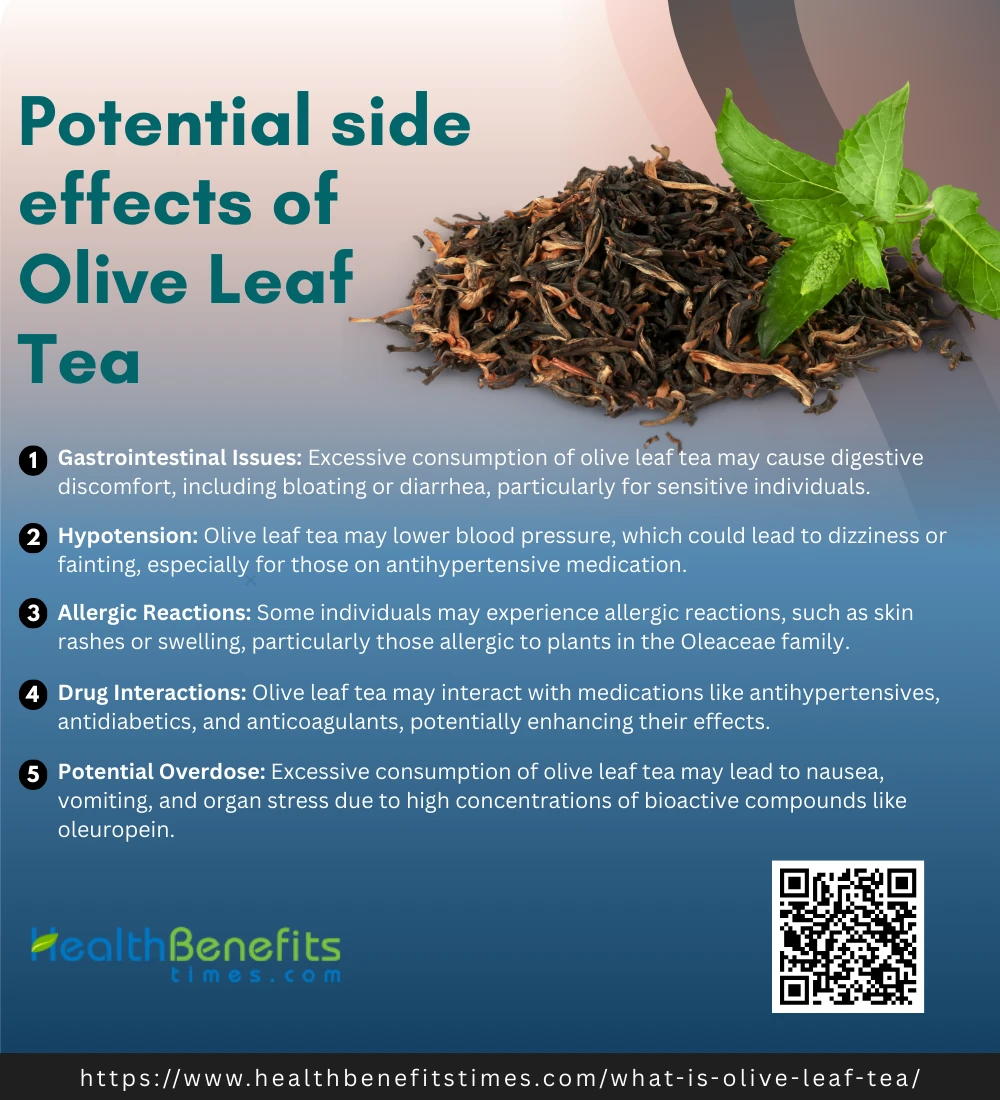
Olive leaf tea is generally safe but may cause gastrointestinal issues in some individuals. Common side effects include mild digestive discomfort, such as bloating or diarrhea, particularly with excessive consumption. (2) The polyphenols in olive leaves, like oleuropein, are resistant to digestion, which can sometimes lead to digestive discomfort. (34) Care should be taken if consuming large quantities. (35) Individuals with sensitive stomachs should start with smaller amounts to monitor any reactions. (36)
2. Hypotension
Olive leaf tea may cause hypotension due to its natural blood pressure-lowering effects. Consuming olive leaf extract regularly has been linked to a reduction in blood pressure, especially in individuals with hypertension. (37) The polyphenols in olive leaves like oleuropein contribute to this effect by relaxing blood vessels. However, excessive intake may cause overly low blood pressure, leading to dizziness or fainting, especially for those on medication for hypertension. (6) People with low blood pressure should consult a healthcare provider before using olive leaf tea regularly. (38)
3. Allergic Reactions
Olive leaf tea may cause allergic reactions in sensitive individuals, particularly those allergic to plants in the Oleaceae family. Symptoms such as skin rashes or swelling may occur after consumption. (5) Mast cell-mediated reactions are the primary cause of these allergies, leading to symptoms like itching and hives. (39) Individuals with a history of plant allergies should be cautious and seek medical advice before using olive leaf tea. (40) While olive leaf extract has anti-inflammatory benefits, allergic reactions remain a potential risk for some. (41)
4. Drug Interactions
Olive leaf tea can cause drug interactions due to its bioactive compounds. It may interact with medications such as antihypertensive drugs, antidiabetics, and anticoagulants. For example, olive leaf extract can amplify the effects of glyburide, a common antidiabetic medication, potentially leading to hypoglycemia. (42) Additionally, combining olive leaf with antihypertensive drugs may cause excessive blood pressure reduction. (43) It’s advised to consult a healthcare provider before using olive leaf tea alongside prescription drugs. (44)
5. Potential Overdose
Excessive consumption of olive leaf tea may lead to potential overdose effects, primarily due to the high concentration of active compounds like oleuropein. High doses can cause gastrointestinal discomfort, such as nausea or vomiting, and affect the liver or kidney in some cases. (44) Though generally considered safe in moderate amounts, an overdose may result in oxidative damage to cells, impacting organ health. Always follow recommended dosages to avoid adverse effects. (45)
Conclusion
In conclusion, olive leaf tea is a herbal beverage derived from the leaves of the olive tree, known for its rich history in traditional medicine and its impressive array of health benefits. Packed with antioxidants, polyphenols, and key nutrients, it supports immune health, reduces inflammation, and may improve cardiovascular function and blood sugar regulation. While generally safe, it’s important to be mindful of potential side effects and consult a healthcare provider if you have any concerns. Whether enjoyed for its taste or health-promoting properties, olive leaf tea is a valuable addition to a balanced, wellness-focused lifestyle.