

- Pandan leaf is a tropical plant known for its fragrant leaves, commonly used in Southeast Asian cuisine and traditional medicine.
- Pandan leaf extract is derived from the leaves and is prized for its aromatic, sweet, and floral flavor.
- It is used in cooking, baking, and beverages, offering various potential health benefits, including antioxidant and anti-inflammatory properties.
Pandan leaf, also known as Pandanus amaryllifolius, is a tropical plant native to Southeast Asia, renowned for its fragrant leaves that are used in a variety of culinary and medicinal applications. The leaves of the pandan plant are typically used fresh or in dried form for their aromatic qualities in various recipes. Pandan leaf extract is derived from the leaves of the pandan plant and is known for its unique, sweet, and floral flavor, often used in Southeast Asian cuisine. It is widely utilized in cooking, especially in dishes like rice, desserts, and beverages, where it imparts a distinct aroma and taste. Beyond its culinary use, pandan extract is valued for its potential health benefits, including antioxidant properties and immune-boosting effects. Research suggests that pandan leaves may help in the prevention of certain diseases like cancer, heart disease, and diabetes, due to their rich vitamin and antioxidant content. Additionally, pandan extract has been linked to calming effects and is used in traditional medicine for various ailments
What is Pandan Leaf?
The pandan leaf, scientifically known as Pandanus amaryllifolius, is a tropical plant belonging to the Pandanus genus. It is renowned for its fragrant, long, green leaves, which are widely used in Southeast Asian cooking for flavoring rice, desserts, and curries. Native to Southeast Asia, the pandan plant is believed to have originated from the Moluccas and spread throughout the region via human activity. (1) It thrives in tropical climates and grows best in regions with high humidity and temperatures. In addition to its culinary uses, pandan is also appreciated for its medicinal properties, being utilized to manage blood sugar and inflammation. The plant has a distinctive spiky appearance, similar to a pineapple, and produces a sweet, vanilla-like fragrance that makes it easily recognizable. (2)
Extraction Process of Pandan Leaf
The extraction of pandan leaf involves various methods to capture its aromatic compounds. One common method is crushing or blending the leaves with water, followed by straining the mixture. For instance, blending chopped pandan leaves with water for a few minutes produces a bright green liquid, which is the pandan extract. Steaming the leaves is another method, used to enhance flavor extraction for various culinary applications. The key components of pandan extract include essential oils, antioxidants, and vitamins, contributing to its unique fragrance and therapeutic properties. (3) The extract is often used in Southeast Asian cooking for flavoring and coloring rice, desserts, and beverages. (4)
Differences between pandan leaf extract and pandan essence
Here is a table highlighting the key differences between Pandan Leaf Extract and Pandan Essence:
| Feature | Pandan Leaf Extract | Pandan Essence |
| Source | Extracted directly from fresh pandan leaves. | Often synthetic or made using concentrated pandan flavor. |
| Preparation Method | Leaves are blended or crushed with water and strained to produce the extract. | Typically made by distilling pandan flavor or using artificial flavors. |
| Taste | Natural, fresh, sweet, and mildly floral. | Stronger, sometimes sweeter, but may lack the depth of natural pandan. |
| Usage | Used in Southeast Asian cooking to flavor rice, desserts, and beverages. | Often used as a flavoring agent for baked goods, drinks, and sweets. |
| Color | Typically green, reflecting the fresh leaves. | Can be green or clear, depending on the product, may not match the natural color. |
| Shelf Life | Shorter shelf life; requires refrigeration if homemade. | Longer shelf life due to preservatives in commercial versions. |
| Nutritional/Health Benefits | Contains antioxidants, vitamins, and essential oils with potential health benefits. | Lacks the nutritional properties of the natural extract. |
| Cost | Generally more expensive as it is made from fresh ingredients. | Typically cheaper, especially if it’s synthetic. |
| Availability | Available in fresh form, can be made at home, or purchased as bottled extract. | More commonly found in stores, especially in concentrated or artificial form. |
Nutritional Profile of Pandan Leaf Extract
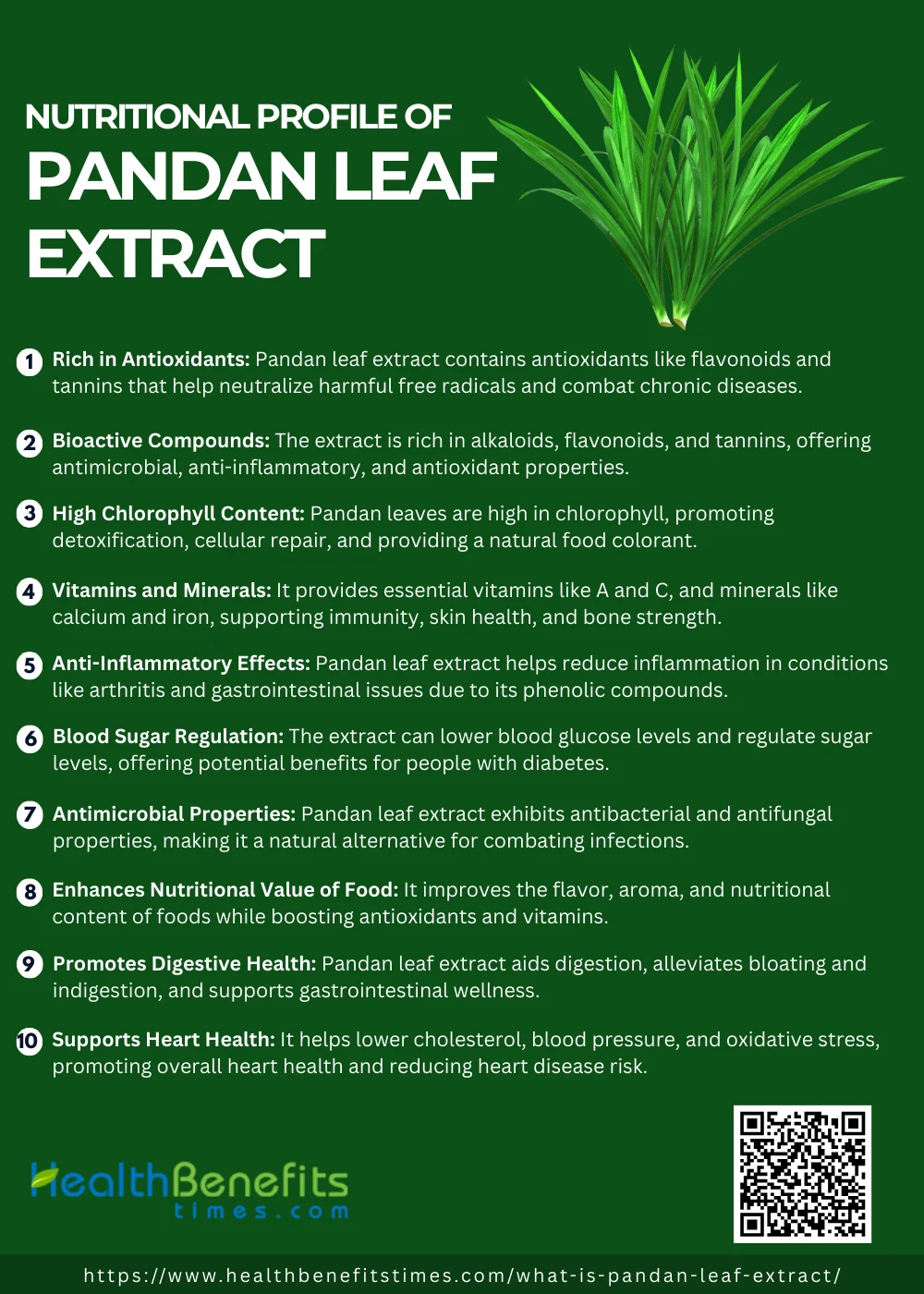
Pandan leaf extract is not only known for its unique flavor but also for its nutritional benefits. Packed with essential compounds, it contributes to overall health, offering antioxidant and anti-inflammatory properties.
 1. Rich in Antioxidants:
Pandan leaf extract is widely recognized for its high antioxidant content, which plays a critical role in neutralizing harmful free radicals in the body. The presence of phenolic compounds has been extensively studied for their potential in combating oxidative stress, which is linked to several chronic diseases, including cancer and heart disease. The antioxidant properties of pandan leaves are attributed to flavonoids, tannins, and other polyphenolic compounds. These compounds help protect cells from damage, and this has been highlighted in various studies, such as those by Bhuyan & Sonowal (2021). Moreover, pandan leaves are also found to enhance the antioxidant activity of various foods, improving their nutritional value.
2. Bioactive Compounds:
Pandan leaf extract contains numerous bioactive compounds such as alkaloids, flavonoids, and tannins. These compounds are known for their health-promoting properties. Alkaloids, for example, are often utilized in traditional medicine due to their antimicrobial and anti-inflammatory effects. According to Zaidan et al. (2020), pandan leaves’ essential oils are rich in bioactive constituents that contribute to improving digestion and metabolism. These essential oils have found uses in the cosmetic industry for their antioxidant and anti-aging properties.
3. High Chlorophyll Content:
The high chlorophyll content in pandan leaves is another significant feature, making it an excellent natural food colorant. Chlorophyll not only enhances the aesthetic appeal of food but also contributes to detoxification and cellular repair. Research has shown that chlorophyll-rich foods like pandan leaves can help in removing toxins from the liver and intestines, promoting overall digestive health. This has made pandan leaves popular in the food industry as a green pigment in dishes like desserts, ice creams, and cakes.
4. Vitamins and Minerals:
Pandan leaf extract provides a rich source of vitamins and minerals, including Vitamin A and Vitamin C, both of which are essential for maintaining a healthy immune system and skin. Vitamin A is known for its role in vision health, while Vitamin C is crucial for the production of collagen, which supports skin elasticity. In addition to vitamins, pandan leaf extract is a good source of minerals like calcium and iron, which are vital for bone health and oxygen transport in the blood.
5. Anti-Inflammatory Effects:
Pandan leaf extract is known for its anti-inflammatory properties, which can help alleviate various health conditions such as arthritis, gastrointestinal inflammation, and skin irritation. Studies have demonstrated that the phenolic compounds in pandan leaves have the ability to reduce inflammation markers in the body. The anti-inflammatory activity of pandan leaves has been recognized in a range of studies, including work by Yulianto et al. (2020), highlighting the therapeutic potentials for managing chronic inflammatory diseases.
6. Blood Sugar Regulation:
Pandan leaf extract has been investigated for its potential role in managing blood sugar levels. Research indicates that pandan leaves can lower blood glucose levels, making them a suitable natural remedy for people with diabetes. This action is mainly attributed to its flavonoid content, which has insulin-like properties that improve the body’s ability to regulate sugar in the blood. Studies like Zakaria et al. (2020) provide evidence of pandan leaves’ effectiveness in managing blood sugar spikes.
7. Antimicrobial Properties:
Pandan leaf extract exhibits antibacterial and antifungal activities, which makes it a natural alternative for combating infections. Its essential oils are known to combat a variety of bacterial strains, including those responsible for foodborne illnesses. Studies have shown that pandan extract can be used in the food industry as a natural preservative to extend the shelf life of products by inhibiting microbial growth.
8. Enhances Nutritional Value of Food:
When incorporated into food, pandan leaf extract enhances not only the flavor and aroma but also its nutritional value. The extract is commonly used in desserts, snacks, and beverages, providing a distinct fragrance while boosting the antioxidant and vitamin content. Its ability to elevate both the taste and nutritional profile of dishes is supported by studies like Suryani et al. (2020). It also improves the digestive properties of foods, making them easier to digest.
9. Promotes Digestive Health:
Pandan leaf extract is traditionally used to support digestive health by promoting the proper functioning of the stomach and intestines. It helps soothe issues like bloating, nausea, and indigestion. The anti-spasmodic properties of pandan leaves make them useful for alleviating stomach cramps and discomfort. Researchers like Jaafar et al. (2013) have highlighted its role in promoting gastrointestinal wellness. Pandan leaves are used as a mild remedy for gastritis and stomach ulcers, aiding in the healing of inflamed tissues.
10. Supports Heart Health:
Pandan leaf extract has been linked to heart health benefits, particularly in its ability to lower cholesterol and blood pressure. The flavonoid compounds in pandan leaves help improve blood circulation, reduce oxidative stress, and promote healthy cardiovascular function. Research indicates that pandan leaves can potentially reduce the risk of heart disease by improving the balance of lipid profiles and lowering harmful cholesterol.
Health Benefits of Pandan Leaf Extract
Pandan leaf extract offers numerous health benefits, from its antioxidant properties to its potential anti-inflammatory effects. Traditionally used for various ailments, it supports overall wellness and may aid in managing specific conditions.
 1. Rich in Antioxidants
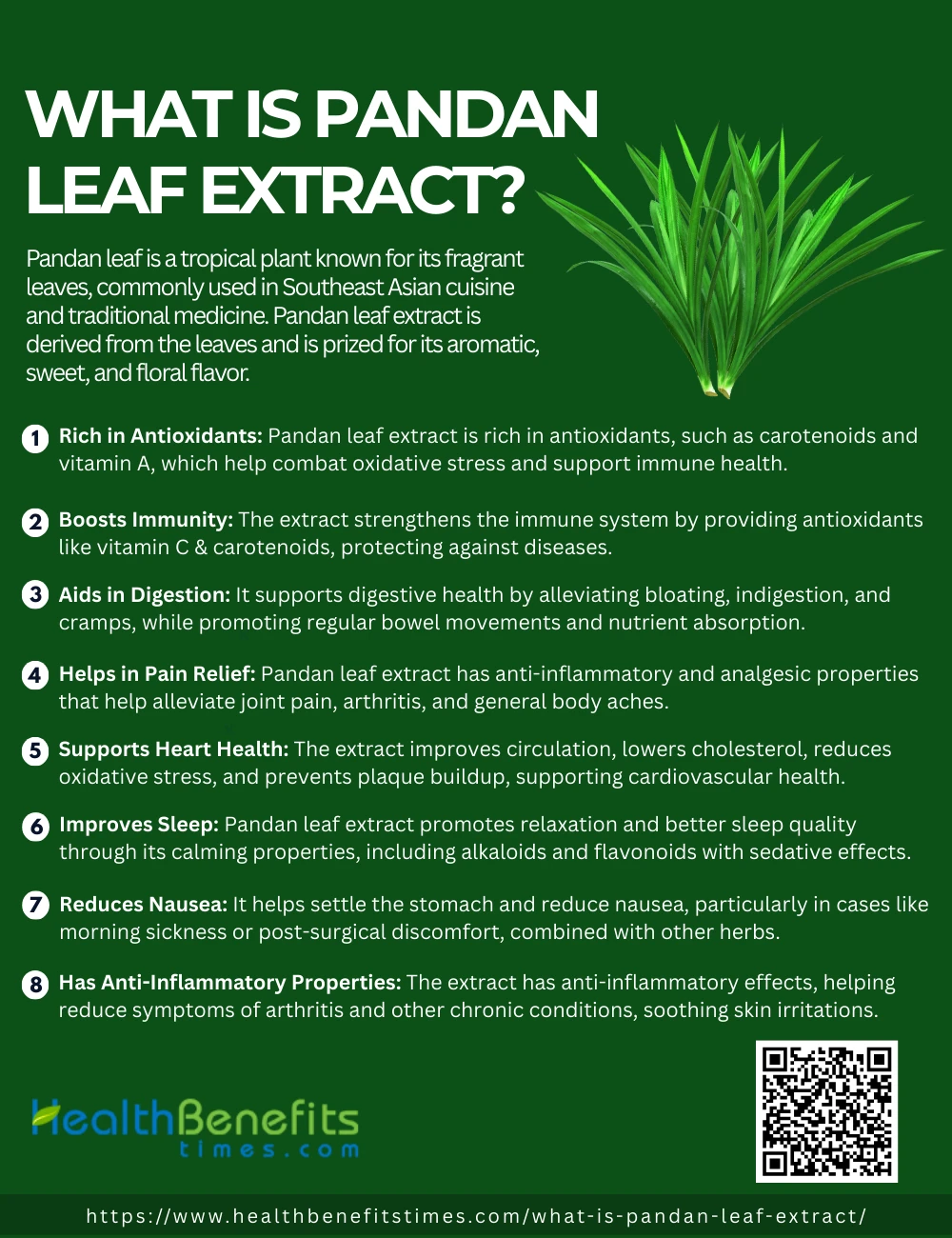
Pandan leaf extract is rich in antioxidants, particularly carotenoids, which help to combat oxidative stress and reduce the risk of diseases like atherosclerosis and heart disease. (5) These antioxidants are vital for promoting overall health by reducing the harmful effects of free radicals in the body. Additionally, pandan is a good source of vitamin A, which is essential for maintaining healthy vision and may even have cancer-preventing properties. (6) The presence of antioxidants in pandan leaf extract supports its role in strengthening the immune system. (7)
2. Boosts Immunity
Pandan leaf extract is known for its immunity-boosting properties, thanks to its rich content of antioxidants, including vitamin C and carotenoids. These compounds help strengthen the immune system and protect against various diseases, such as heart disease and cancer. Additionally, pandan is an excellent source of vitamin A, which supports eye health and enhances immune function. (6) Studies also indicate its ability to support overall health by reducing oxidative stress. (8)
3. Aids in Digestion
Pandan leaf extract is beneficial for digestive health, helping alleviate symptoms like bloating, indigestion, and stomach cramps. Its fiber content supports regular bowel movements and promotes overall gut health. The soothing properties of pandan leaves can reduce digestive discomfort and improve nutrient absorption. It has also been used traditionally as a natural remedy for constipation and other gastrointestinal issues. (9) Additionally, pandan’s mild laxative effect further aids in digestion by promoting the elimination of waste from the body. (10)
4. Helps in Pain Relief
Pandan leaf extract has been shown to help alleviate pain, particularly joint and arthritis pain. The oil present in its leaves is thought to have anti-inflammatory properties, which contribute to its pain-relieving effects. Traditionally, pandan-infused coconut oil is used topically for pain relief in Ayurvedic medicine. Studies suggest that the anti-inflammatory compounds in pandan may help reduce discomfort from various ailments like arthritis. Additionally, pandan’s analgesic effects extend to reducing general body aches and pains. (8)
5. Supports Heart Health
Pandan leaf extract has been found to support heart health by improving circulation and lowering cholesterol levels. The antioxidants in pandan leaves help reduce oxidative stress, which is a contributing factor in heart disease. Moreover, studies suggest that pandan’s natural compounds may help prevent plaque buildup in the arteries, reducing the risk of atherosclerosis. These benefits make pandan an important herb for cardiovascular health. (7) Additionally, pandan’s anti-inflammatory properties further support heart health by reducing inflammation in the blood vessels. (8)
6. Improves Sleep
Pandan leaf extract is known for its calming properties, which can help improve sleep quality. The leaves contain alkaloids and flavonoids that have a sedative effect, promoting relaxation and reducing anxiety. Research shows that pandan may act as a sleep inducer by calming the nervous system, making it an effective natural remedy for sleep disturbances. (19) Pandan tea, especially when combined with ginger, is often consumed to encourage better sleep. (12)
7. Reduces Nausea
Pandan leaf extract is widely used to alleviate nausea, thanks to its soothing and digestive properties. The extract helps settle the stomach, especially when combined with other herbs like ginger. It is particularly beneficial for those suffering from morning sickness or post-surgical nausea. The natural compounds in pandan contribute to easing discomfort and calming the digestive system. (9) Additionally, pandan’s anti-inflammatory properties assist in reducing nausea related to digestive upset. (13)
8. Have an Anti-inflammatory properties
Pandan leaf extract is well-known for its anti-inflammatory properties, which can help alleviate symptoms of conditions like arthritis. The oil in pandan leaves contains compounds that are believed to have anti-inflammatory effects, making it useful in traditional medicine for reducing joint pain and swelling. Additionally, pandan extract is used topically for minor skin irritations, helping to soothe inflammation and promote healing. (7) Studies also suggest that it may assist in reducing pain and inflammation associated with other chronic conditions like heart disease. (14)
Culinary Uses of Pandan Leaf Extract
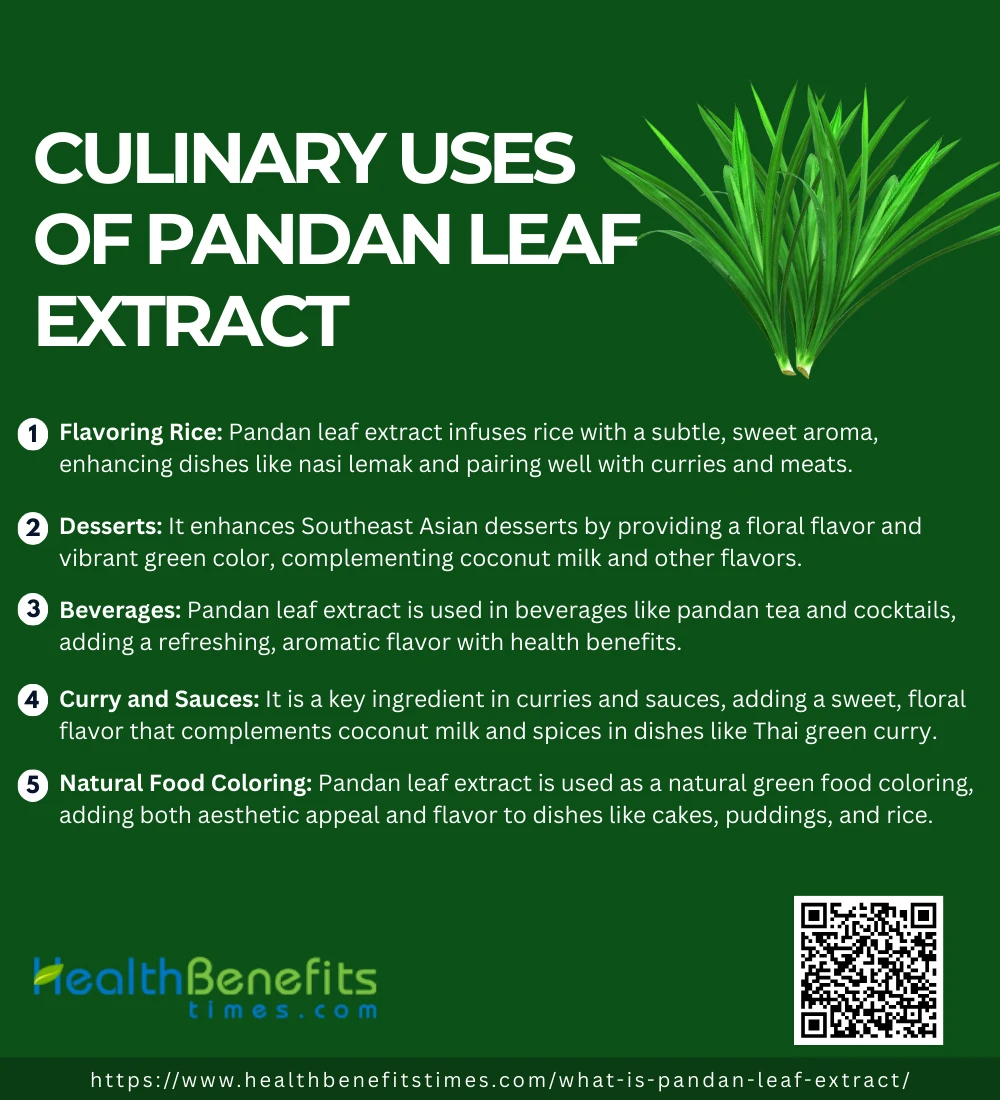
Pandan leaf extract is a prized ingredient in many Southeast Asian cuisines. Its distinct aroma and vibrant green color enhance desserts, drinks, and savory dishes, adding a unique, flavorful touch.
 1. Flavoring Rice
Pandan leaf extract is commonly used in Southeast Asian cuisine to flavor rice, infusing it with a subtle, sweet aroma. It is a key ingredient in dishes like nasi lemak and khao niew mamuang, where its fragrance enhances the rice’s taste and makes it more aromatic. This aromatic rice can also be paired with various curries and meats for a delicious meal. (4)
2. Desserts
Pandan leaf extract is widely used in Southeast Asian desserts for its unique, floral flavor and vibrant green color. It enhances traditional sweets like kueh and chendol. The extract provides a mild sweetness, complementing coconut milk and other dessert flavors. Pandan’s distinct aroma makes it an essential ingredient in various regional cakes and puddings. (2)
3. Beverages
Pandan leaf extract is commonly used in beverages like pandan tea and cocktails. In Southeast Asia, pandan tea is enjoyed for its refreshing, aromatic flavor and health benefits, such as boosting the immune system and improving digestion. Pandan syrup is also used in cocktails to add sweetness and a unique floral note, often paired with lime or gin for an exotic twist.
4. Curry and Sauces
Pandan leaf extract is a key ingredient in many curries and sauces, contributing a unique flavor that complements the richness of coconut milk and spices. It’s used in dishes like Thai green curry or Indonesian rendang, where it enhances the complexity of the sauce. The fragrant leaves elevate the dish with a sweet, floral undertone, making it a staple in Southeast Asian cuisine. (2)
5. Natural Food Coloring
Pandan leaf extract is widely used as a natural food coloring, imparting a vibrant green hue to various dishes. Its extract is often added to desserts like kueh and seri muka, where it not only colors but also enhances the flavor. The extract’s green color is perfect for cakes, puddings, and rice dishes, adding both aesthetic appeal and a unique taste. (3)
Side Effects of Pandan Leaf Extract
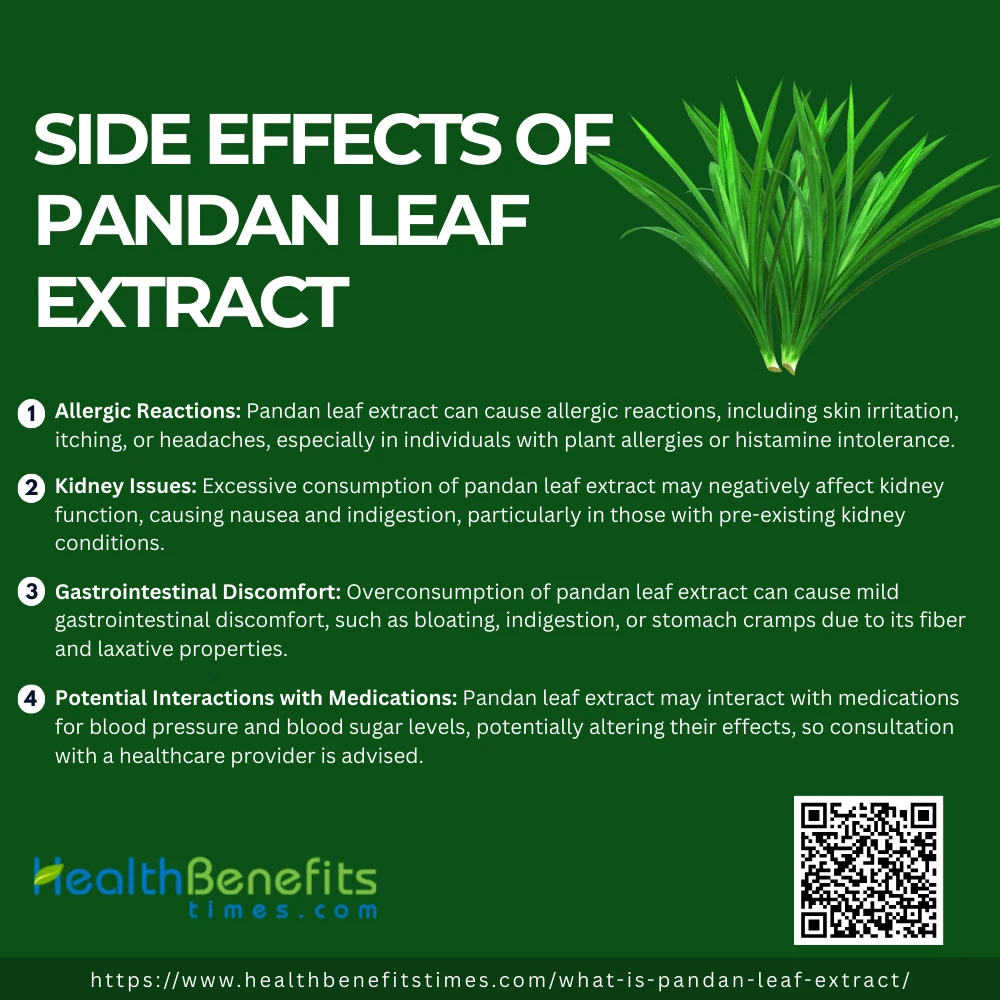
While pandan leaf extract is generally safe, excessive consumption may lead to mild side effects. It’s important to be aware of potential allergic reactions or digestive issues when using it regularly.
 1. Allergic Reactions
Pandan leaf extract can cause allergic reactions in some individuals, particularly those sensitive to plant-based allergens. Symptoms may include skin irritation, itching, or rashes. People with known plant allergies should exercise caution when using pandan leaves. Additionally, individuals with histamine intolerance may experience symptoms such as headaches or nausea after consuming pandan. (15)
2. Kidney Issues
Although pandan leaf extract offers numerous health benefits, excessive consumption may negatively affect kidney function. Those with existing kidney problems should limit their intake, as it can potentially cause nausea, indigestion, and exacerbate renal health issues. It is important to consume pandan extract in moderation and consult with a healthcare provider, especially for individuals with kidney conditions. (16)
3. Gastrointestinal Discomfort
Pandan leaf extract may cause mild gastrointestinal discomfort, including bloating, indigestion, or stomach cramps, especially when consumed in large quantities. These effects are usually due to its fiber content and mild laxative properties. While pandan is typically beneficial for digestion, overconsumption can lead to gastrointestinal upset. (14) (17)
4. Potential Interactions with Medications
Pandan leaf extract may interact with certain medications, particularly those used to manage blood pressure and blood sugar levels. It is important to consult with a healthcare provider if you are on medication, as pandan may alter the effects of these drugs. The extract’s natural compounds could potentially affect the efficacy of medications. (5)(18)
Conclusion
Pandan leaf extract is a versatile and beneficial ingredient with a rich history in culinary and traditional medicine. From enhancing the flavor of Southeast Asian dishes to offering potential health benefits like antioxidant and anti-inflammatory properties, it serves as a valuable addition to any diet. Its unique taste and vibrant color make it a favorite in both sweet and savory recipes. While generally safe for consumption, it’s important to use pandan leaf extract in moderation to avoid any side effects. Overall, this natural extract not only enriches meals but also provides health-promoting qualities when used correctly.