

- Psychobiotics are probiotics that positively influence mental health by affecting the gut-brain axis.
- These beneficial bacteria help improve mood, reduce stress, and support cognitive function.
- Psychobiotics have gained attention for their potential role in treating anxiety, depression, and other mood disorders.
Psychobiotics are a class of probiotics that are believed to positively influence the brain and mental health by modulating the gut-brain axis. This emerging field is a blend of psychiatry and microbiology, focusing on the therapeutic potential of beneficial gut bacteria. Studies suggest that psychobiotics can help alleviate symptoms of anxiety, depression, and stress, improving overall psychological well-being. According to recent research, these microorganisms can produce neurotransmitters like serotonin, which play a significant role in mood regulation and mental health. Furthermore, psychobiotics are being explored as potential treatments for various neurological conditions, given their ability to influence the gut-brain communication pathway. As the science of psychobiotics continues to evolve, it holds the promise of becoming an integral part of personalized mental health care, offering natural alternatives to traditional medications.
Understanding Psychobiotics
Psychobiotics are a specialized category of probiotics known for their potential mental health benefits, particularly through their interaction with gut bacteria. Defined as probiotics that confer psychological benefits when consumed in specific quantities, psychobiotics are believed to influence the gut-brain axis, which is the communication pathway between the gut and the brain. These beneficial microorganisms are typically incorporated into the diet through fermented foods or supplements and have been linked to improving mood, reducing anxiety, and alleviating depression symptoms. The growing interest in psychobiotics is supported by research suggesting that these probiotics can modulate brain activity by producing neuroactive compounds such as serotonin, known to regulate mood and mental well-being.
The historical development of the term “psychobiotics” dates back to the early 2000s when researchers began exploring the connection between gut health and mental disorders. The concept was first introduced to describe probiotics that specifically target mental health by influencing the gut microbiome. Over the years, studies have increasingly demonstrated that gut bacteria can produce neurotransmitters, signaling molecules that influence mood and cognitive function, and thus, may serve as effective treatments for conditions like anxiety and depression. Early trials focused on how various strains of Lactobacillus and Bifidobacterium could impact psychological symptoms, paving the way for a new field of research focused on psychobiotics.
While the field of psychobiotics is still relatively new, it has rapidly expanded as evidence continues to accumulate, showing that gut health plays a significant role in brain health. Psychobiotics hold promise as a natural, non-pharmacological alternative to traditional psychiatric treatments. However, while the therapeutic potential is significant, much remains to be understood about the specific strains and mechanisms through which psychobiotics exert their effects. Current research is focused on identifying the best bacterial strains and the optimal dosage to achieve clinical benefits, and studies continue to explore the potential applications of psychobiotics for a range of mental health conditions, including depression, anxiety, and stress disorders. As this field progresses, psychobiotics are increasingly recognized for their potential to enhance mental well-being, demonstrating the crucial link between the gut microbiome and mental health.
How psychobiotics differ from traditional probiotics
Here is a table comparing how psychobiotics differ from traditional probiotics
| Aspect | Psychobiotics | Traditional Probiotics |
| Definition | Probiotics that specifically confer mental health benefits through gut-brain interaction. | Probiotics that improve gut health by restoring balance in the gut microbiome. |
| Primary Purpose | Primarily target mental health issues like anxiety, depression, and stress. | Primarily support gut health, digestion, and immune function. |
| Mechanism of Action | Influence the gut-brain axis, produce neuroactive compounds such as serotonin. | Work by balancing the gut microbiota and preventing harmful bacteria growth. |
| Target Health Conditions | Mental health conditions, including mood disorders, depression, and anxiety. | Gastrointestinal disorders like IBS, diarrhea, and constipation. |
| Popular Strains | Lactobacillus rhamnosus, Bifidobacterium longum, Lactobacillus helveticus. | Lactobacillus acidophilus, Bifidobacterium bifidum, Saccharomyces boulardii. |
| Mode of Administration | Often consumed through fermented foods or supplements specifically marketed for mental health. | Commonly consumed through fermented foods like yogurt, or as general probiotic supplements. |
| Research Focus | Effects on the brain and mental well-being, including cognitive function and mood regulation. | Effects on digestive health, immune system modulation, and gut flora balance. |
| Impact on Neurotransmitters | May influence the production of neurotransmitters like serotonin, affecting mood and behavior. | No direct impact on neurotransmitters, primarily affecting gut bacteria. |
Types of Psychobiotics
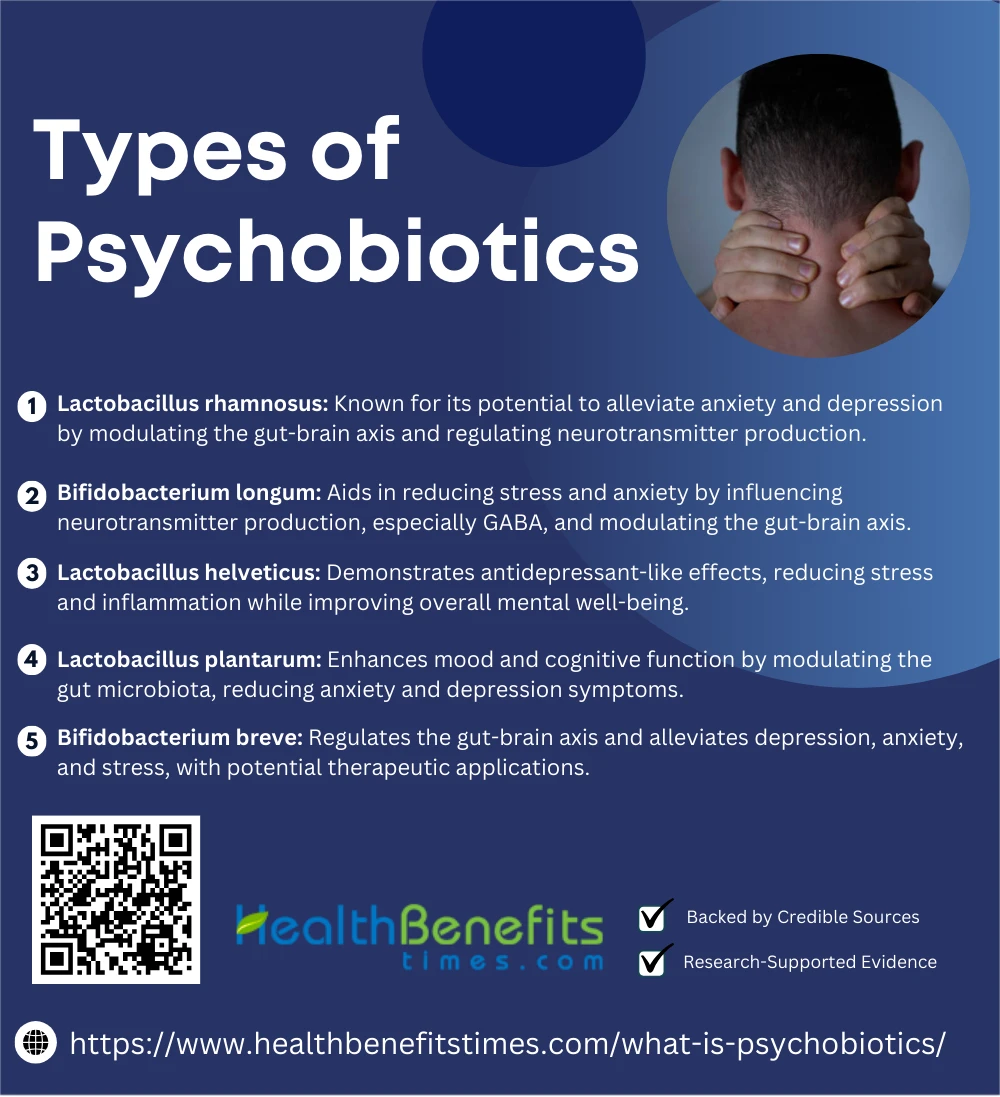
Psychobiotics come in various types, each with unique bacterial strains that influence mental health. Understanding these different strains is key to recognizing how they impact mood, stress, and cognitive function.
 1. Lactobacillus rhamnosus
Lactobacillus rhamnosus, a strain recognized as a psychobiotic, has shown potential in modulating mental health by affecting the gut-brain axis. Research has revealed its role in improving mood disorders, particularly through mechanisms that influence the microbiome and reduce stress. Studies suggest that Lactobacillus rhamnosus can alleviate anxiety and depression, likely by regulating neurotransmitter production and stress response pathways. (1) Moreover, clinical trials with L. rhamnosus JB-1 demonstrated anxiolytic effects, enhancing mental well-being. (2) These findings are echoed in studies that assess its therapeutic potential in various psychological conditions. (3)
2. Bifidobacterium longum
Bifidobacterium longum, a prominent psychobiotic, has been studied for its beneficial impact on mood regulation and cognitive functions. Recent studies suggest that its ability to influence neurotransmitter production, such as GABA, can significantly reduce stress and anxiety. (4) Additionally, preclinical and clinical studies support its role in reducing depressive symptoms through modulation of the gut-brain axis. (5) Notably, B. longum R0175 has been linked to improvements in mental health, further demonstrating its psychobiotic potential. (6)
3. Lactobacillus helveticus
Lactobacillus helveticus, a well-known psychobiotic, has demonstrated significant effects on mental health by influencing the gut-brain axis. Studies indicate its potential in alleviating stress and improving mood disorders, especially in animal models. For instance, L. helveticus has shown antidepressant-like effects by altering brain chemistry and reducing inflammation. (7) Moreover, clinical evidence points to its effectiveness in reducing symptoms of anxiety and improving overall mental well-being. (8) Further studies emphasize its impact on reducing neuroinflammation and boosting cognitive functions in individuals with mental health disorders. (9)
4. Lactobacillus plantarum
Lactobacillus plantarum, an emerging psychobiotic, has shown potential in improving mental health, particularly in reducing symptoms of anxiety and depression. Studies have revealed that strains like L. plantarum PS128 modulate the gut microbiota, influencing neurotransmitter levels to enhance mood and cognitive function. (10) Additionally, recent reviews highlight its role in managing stress and alleviating depressive symptoms. (11) Furthermore, L. plantarum has been shown to positively affect cognitive performance in both preclinical and clinical settings. (12)
5. Bifidobacterium breve
Bifidobacterium breve has gained attention as a psychobiotic due to its potential role in mental health. Research highlights its ability to regulate the gut-brain axis, alleviating depressive symptoms by influencing microbiota composition. (5) Moreover, B. breve has demonstrated positive effects in managing anxiety and stress, opening up possibilities for future therapeutic applications. (13) Other studies further support its neuroactive effects, making it a valuable candidate for psychobiotic therapy. (14) These findings suggest that B. breve could be a key player in psychobiotic interventions for mental health. (15)
Health Benefits of Psychobiotics
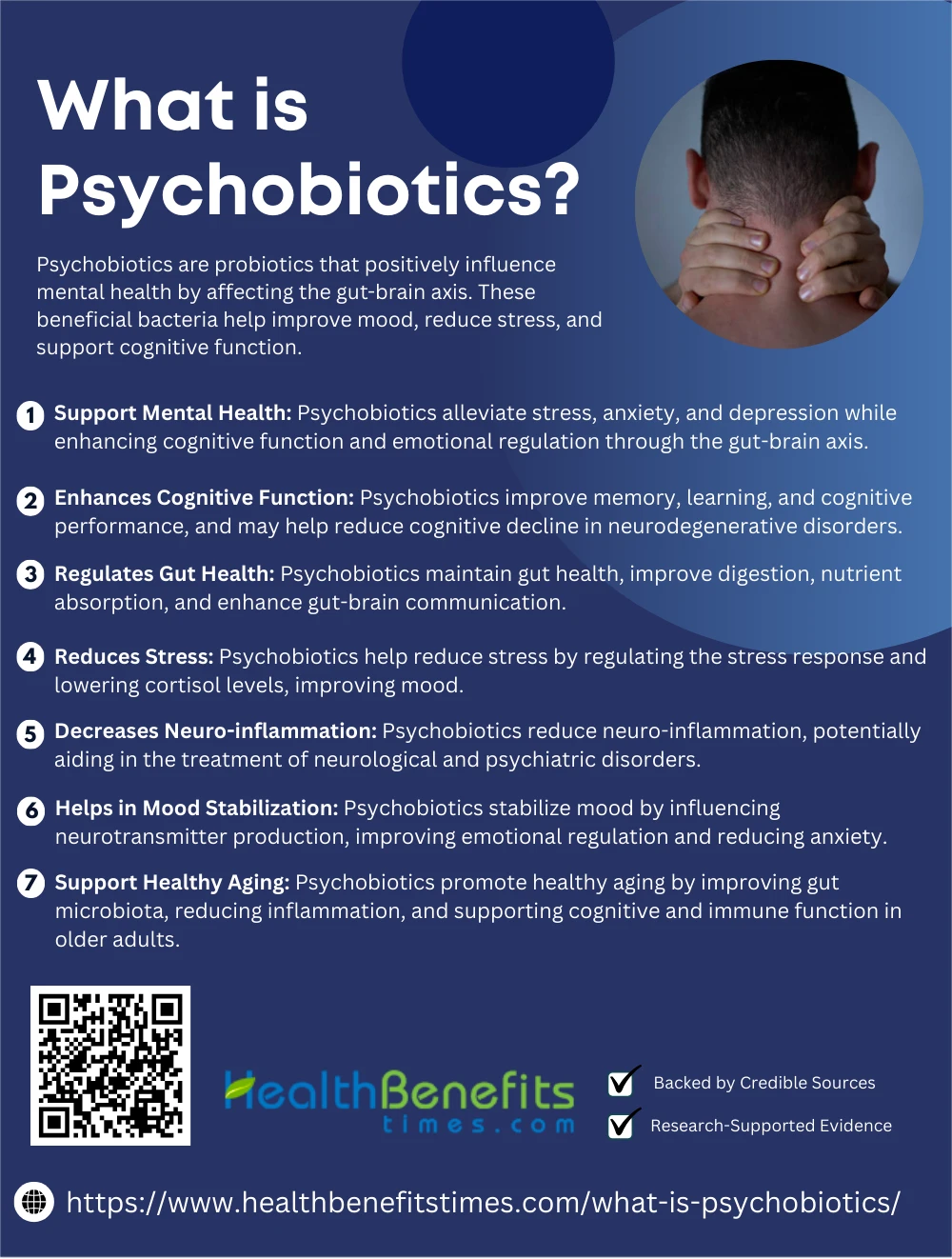
Psychobiotics offer numerous health benefits, particularly for mental well-being. Research suggests they can help reduce anxiety, alleviate depression, enhance cognitive function, and support overall emotional balance by improving gut health.
 1. Support Mental Health
Psychobiotics play a significant role in supporting mental health by influencing the gut-brain axis. These beneficial microbes have been shown to alleviate symptoms of stress, anxiety, and depression. Studies highlight their ability to enhance cognitive function and emotional regulation through the microbiota-gut-brain interaction. (16) Psychobiotics are also being explored for their potential in treating psychiatric disorders, offering an alternative to traditional treatments. (17) These microbes support mental wellness by enhancing the body’s natural defense mechanisms against stressors and improving sleep quality, which is crucial for maintaining good mental health. (18) (19) The ongoing research is solidifying their role in boosting emotional well-being. (20)
2. Enhances Cognitive Function
Psychobiotics have demonstrated significant effects in enhancing cognitive function by influencing the gut-brain axis. Research shows that these probiotics improve memory, learning, and overall cognitive performance. (21) Psychobiotics help regulate neurotransmitter production and brain structure, leading to better brain activation. (11) Studies have also highlighted their effectiveness in alleviating cognitive decline, particularly in neurodegenerative disorders. (22) The modulation of gut microbiota also contributes to improving cognitive behavior. (23)
3. Regulates Gut Health
Psychobiotics play a crucial role in maintaining gut health by promoting a balanced microbiota, which is vital for proper digestion and immune system function. These probiotics regulate gut flora, supporting a healthier gut environment and improving nutrient absorption. (24) They also enhance gut-brain communication, which is essential for overall well-being and cognitive function. Psychobiotics aid in the prevention of gut-related diseases by boosting the immune system and maintaining a healthy gut environment. (25) Their influence on gut health is a growing area of research, with a focus on improving microbiota composition. (23)
4. Reduces Stress
Psychobiotics have shown promising results in reducing stress by improving gut-brain communication. Studies suggest that psychobiotic consumption leads to improved mental health by regulating the stress response. For example, Lactobacillus plantarum has been demonstrated to alleviate stress symptoms in highly stressed individuals. (26) Other research confirms that psychobiotics can reduce cortisol levels, leading to a calmer state. (27) Additionally, psychobiotics have been shown to enhance mood, helping to cope with stress. (28) These findings underline the potential for psychobiotics as a stress management tool. (29)
5. Decreases Neuro- inflammation
Psychobiotics are gaining attention for their ability to reduce neuro-inflammation, which is linked to various neurological and psychiatric disorders. Research has shown that certain psychobiotics can decrease markers of inflammation in the brain, improving conditions such as anxiety and depression. Studies indicate that psychobiotic strains like Bifidobacterium longum can modulate inflammatory responses, leading to neuroprotection. (30) Furthermore, psychobiotics have been linked to reduced brain inflammation and improved mental clarity in animal models. (31) Psychobiotic supplementation also results in decreased neuro-inflammatory markers in clinical studies. (32) This suggests their potential in treating neurodegenerative conditions. (33)
6. Helps in Mood Stabilization
Psychobiotics have demonstrated a remarkable ability to stabilize mood by enhancing gut-brain communication. These probiotics influence neurotransmitter production, reducing symptoms of anxiety and depression. For instance, psychobiotics like Lactobacillus have been shown to improve mood and emotional regulation in clinical studies. Research confirms their positive effects in both healthy individuals and those with mood disorders. These beneficial microbes help regulate the stress response system, further enhancing mood stability. (8)
7. Support Healthy Aging
Psychobiotics contribute to healthy aging by improving gut microbiota and reducing inflammation, both of which are linked to age-related diseases. These probiotics have shown promise in preserving cognitive function and enhancing immune responses in older adults. (34) Additionally, psychobiotics have been linked to reducing oxidative stress and promoting longevity, which are key aspects of healthy aging. (35) Their role in managing inflammation and supporting mental health is critical for aging populations. (36) Further studies also suggest psychobiotics as a novel strategy for combating age-related cognitive decline. (22)
How to Integrate Psychobiotics into Your Diet
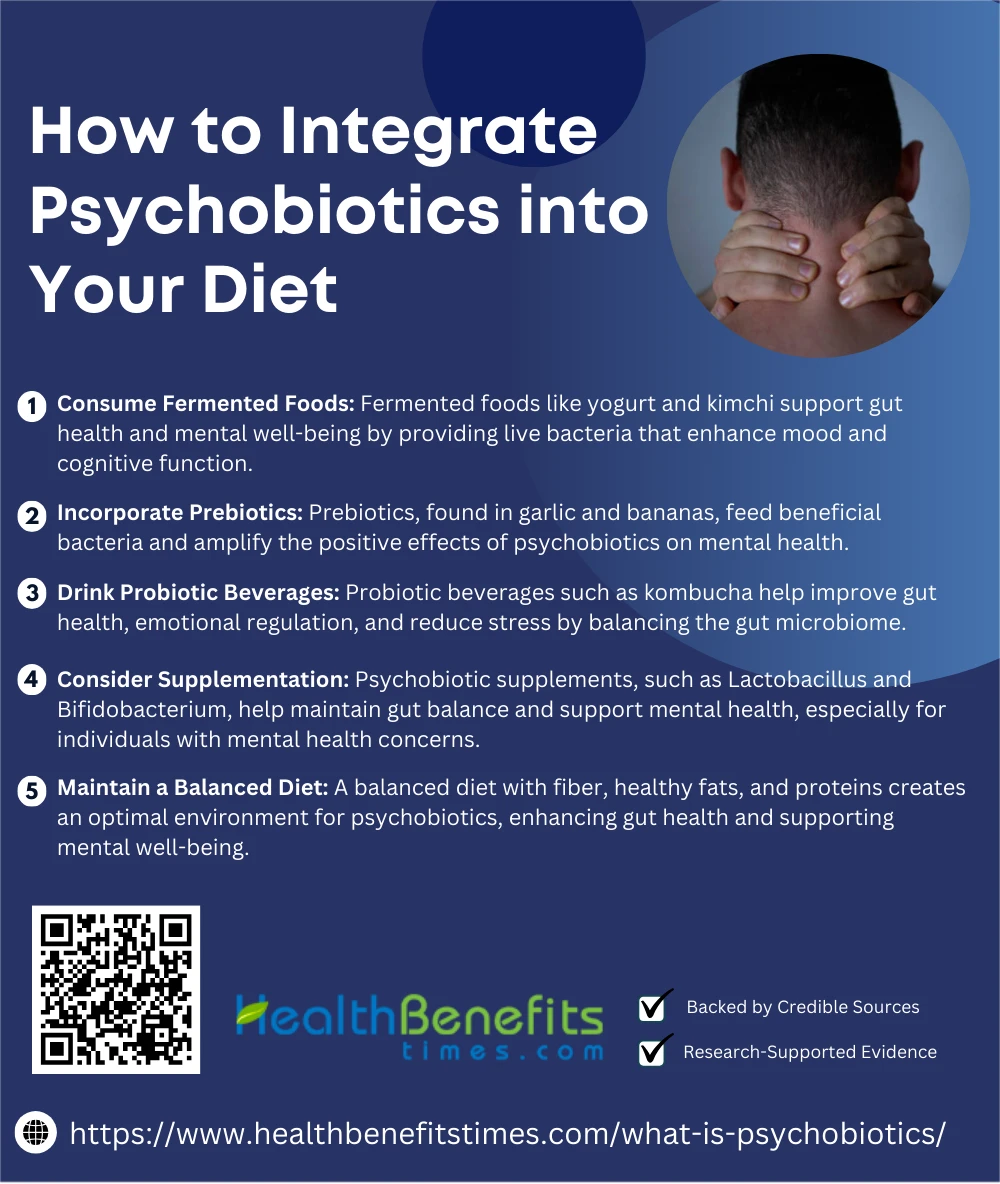
Integrating psychobiotics into your diet can improve mental health. By incorporating specific foods and supplements, you can support gut health and enhance mood, stress resilience, and cognitive function naturally and effectively.
 1. Consume Fermented Foods
Fermented foods like yogurt, kefir, sauerkraut, and kimchi are rich sources of psychobiotics, offering significant benefits for gut and mental health. These foods are naturally packed with live bacteria that positively influence the gut microbiome. Including fermented foods in your diet can help enhance gut flora balance and promote the production of neuroactive compounds that are essential for mood regulation. Regular consumption of fermented foods has been shown to reduce symptoms of anxiety and depression, making them an easy and accessible way to support mental well-being. (1) Additionally, their high probiotic content plays a crucial role in strengthening the gut-brain axis, which influences cognitive function and emotional stability. (37)
2. Incorporate Prebiotics
Prebiotics, found in foods like garlic, onions, and bananas, are essential for feeding beneficial gut bacteria, including psychobiotics. These foods help improve the gut microbiota’s diversity, thus amplifying the positive effects of psychobiotics on mental health. By promoting the growth of beneficial bacteria, prebiotics support cognitive function, enhance the mood-regulating capabilities of psychobiotics, and help reduce stress. Consuming prebiotics regularly alongside psychobiotics ensures the optimal environment for these beneficial bacteria to thrive, leading to improved mental well-being. Studies have demonstrated that a diet rich in prebiotics can enhance the effects of psychobiotics, helping to maintain emotional balance and cognitive clarity. (37) Additionally, prebiotics are linked to improved immune function, which also impacts overall mental health.
3. Drink Probiotic Beverages
Probiotic beverages such as kombucha, kefir, and other fermented drinks are an easy and enjoyable way to incorporate psychobiotics into your diet. These drinks contain beneficial strains of bacteria that can help support gut health, balance the gut microbiome, and improve mental health. Research has shown that probiotic beverages play a significant role in alleviating stress and anxiety by interacting with the gut-brain axis. The regular intake of such beverages supports the microbiome’s diversity, which is linked to better emotional regulation. Many people report feeling calmer and more centered when they include probiotic-rich drinks in their daily routine. As an added benefit, these beverages are often rich in vitamins and other nutrients that contribute to a healthy gut and mind. (17)
4. Consider Supplementation
If incorporating fermented foods and prebiotics into your diet proves challenging, psychobiotic supplements are an excellent alternative. Probiotic supplements, such as those containing Lactobacillus and Bifidobacterium strains, are specifically designed to deliver psychobiotics directly to your gut. These supplements can help maintain and restore the balance of gut microbiota, which in turn supports mental health by influencing the brain through the gut-brain axis. Research indicates that supplementation can be particularly beneficial for individuals with specific mental health concerns, such as depression and anxiety. Using high-quality psychobiotic supplements ensures that you receive the optimal strains needed to positively influence your mood and overall mental well-being. Many clinical studies have shown that these supplements can lead to significant improvements in stress response, emotional resilience, and cognitive performance. (22)
5. Maintain a Balanced Diet
A balanced diet that includes a variety of whole foods, fiber, healthy fats, and proteins is essential for creating an optimal environment for psychobiotics to flourish. Foods rich in fiber, such as fruits, vegetables, and whole grains, support gut health by providing nourishment for beneficial bacteria. Healthy fats, found in foods like avocados, olive oil, and nuts, help maintain the integrity of the gut lining and promote the absorption of nutrients. Including these foods alongside psychobiotics ensures a healthy gut microbiome, which is crucial for emotional and mental well-being. A balanced diet not only supports the growth of psychobiotic bacteria but also enhances the gut-brain axis, helping to stabilize mood and boost cognitive function. By focusing on a nutrient-dense, varied diet, individuals can maximize the therapeutic potential of psychobiotics and experience sustained mental health benefits. (1)
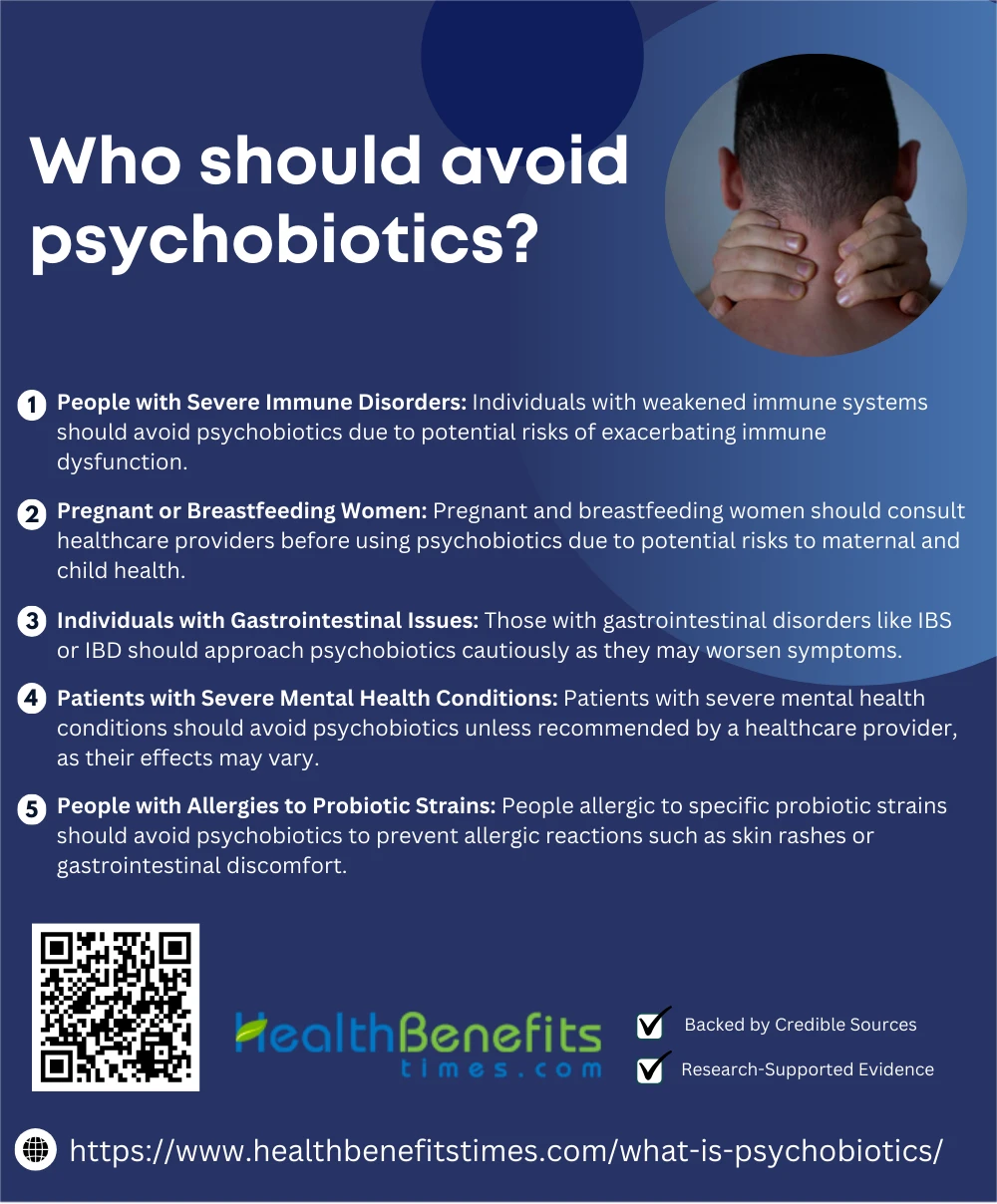
Who should avoid psychobiotics?
While psychobiotics offer numerous benefits, certain individuals should avoid them. Those with weakened immune systems, severe gastrointestinal conditions, or allergies to specific strains may face risks and should consult a healthcare professional.
 1. People with Severe Immune Disorders
Individuals with severe immune disorders should be cautious when considering psychobiotics. The introduction of live bacteria in psychobiotics may exacerbate immune dysfunction and pose risks for people with weakened immune systems. Research suggests that psychobiotics might influence immune responses in unpredictable ways, potentially triggering adverse effects. (16) Therefore, it is crucial for these individuals to consult healthcare providers before using psychobiotics. (11)
2. Pregnant or Breastfeeding Women
Pregnant and breastfeeding women should avoid psychobiotics unless advised by a healthcare provider. While some studies suggest potential benefits of probiotics for maternal health, others indicate that the effects of psychobiotics during pregnancy and breastfeeding are not fully understood. The interaction between psychobiotics and maternal health could pose risks for both the mother and child, requiring careful consideration and professional guidance. (38) As psychobiotics can impact hormonal and immune regulation, they may have unintended effects. (39)
3. Individuals with Gastrointestinal Issues
Individuals with gastrointestinal disorders, such as IBS or IBD, should approach psychobiotics cautiously. Research suggests that some psychobiotic strains may exacerbate gastrointestinal symptoms, especially in people with existing gut conditions. For instance, while psychobiotics can help improve gut health in healthy individuals, they might not be suitable for people with sensitive digestive systems, potentially leading to bloating or discomfort. (40) Some studies have even shown that psychobiotics could alter the balance of gut microbiota in patients with inflammatory bowel diseases, thus aggravating their condition. (11)
4. Patients with Severe Mental Health Conditions
Patients with severe mental health conditions, such as schizophrenia or bipolar disorder, should avoid psychobiotics unless specifically recommended by a healthcare provider. Although psychobiotics have shown potential for improving mood and cognitive function in mild cases, there is insufficient evidence on their safety and efficacy in patients with severe psychiatric disorders. Their effects on the brain and behavior may vary, and they could potentially interfere with prescribed medications or exacerbate symptoms. (41) Additionally, severe cases of mental illness may require more regulated and conventional treatments that are proven to be safe and effective. (16)
5. People with Allergies to Probiotic Strains
People with known allergies to specific probiotic strains should avoid psychobiotics, as they could trigger allergic reactions. Some individuals may develop hypersensitivity to certain strains used in psychobiotic formulations, leading to symptoms such as skin rashes, gastrointestinal discomfort, or respiratory issues. Probiotic strains can vary in their composition, and even those labeled as safe for most individuals may cause adverse effects in sensitive people. (42) It is essential to check for allergic reactions to specific strains before beginning psychobiotic treatment to ensure safety and avoid any complications. (43)
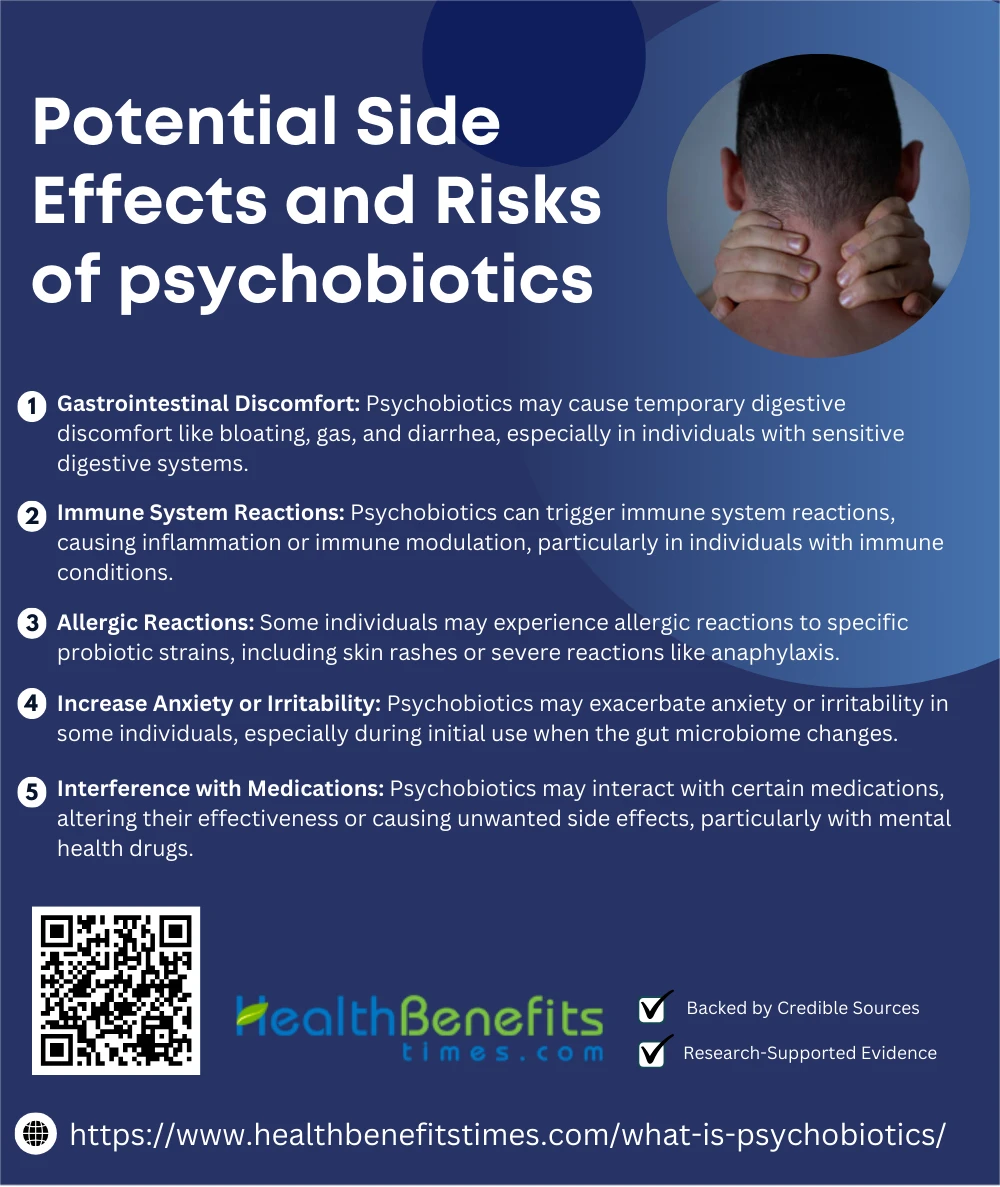
Potential Side Effects and Risks of psychobiotics
Though generally safe, psychobiotics may cause side effects like bloating, gas, or digestive discomfort in some individuals. It’s important to be aware of potential risks and consult a healthcare provider before use.
 1. Gastrointestinal Discomfort
Psychobiotics may cause gastrointestinal discomfort, particularly when first introduced into the diet. Common symptoms include bloating, gas, abdominal pain, and diarrhea. These issues are often temporary, but individuals with sensitive digestive systems may experience exacerbated symptoms. Some studies suggest that psychobiotics can trigger or worsen gastrointestinal symptoms in patients with conditions like IBS or IBD. (44) Additionally, the disruption of gut flora can sometimes lead to digestive disturbances. (45) In more severe cases, these discomforts may require discontinuation of psychobiotic use. (46)
2. Immune System Reactions
Psychobiotics can influence the immune system, sometimes triggering immune system reactions. These reactions might manifest as inflammation or immune modulation, particularly when the body is exposed to unfamiliar probiotic strains. Research has shown that psychobiotics can either stimulate or suppress immune responses, depending on the strains used. Certain individuals may experience heightened immune reactions, especially those with existing immune system conditions. (47) (16)
3. Allergic Reactions
Some individuals may experience allergic reactions to psychobiotics, particularly to specific strains of probiotics. Symptoms of these reactions can include skin rashes, itching, or more severe reactions such as anaphylaxis. The allergic response could stem from the body’s hypersensitivity to certain probiotic components, such as proteins found in bacterial cell walls. It is essential for individuals with known allergies to specific strains to avoid psychobiotics or consult a healthcare provider before use. (16) (1)
4. Increase Anxiety or Irritability
In some cases, psychobiotics may exacerbate symptoms of anxiety or irritability, particularly when the gut microbiome undergoes rapid changes. While many psychobiotics are beneficial for mood regulation, some individuals may experience heightened anxiety or nervousness, especially in the initial stages of use. Research suggests that psychobiotics can sometimes alter the gut-brain axis in ways that temporarily worsen mood in sensitive individuals. (18) (48)
5. Interference with Medications
Psychobiotics may interact with certain medications, especially those used for mental health conditions, leading to unwanted effects. For instance, combining psychobiotics with antidepressants or antipsychotics could either enhance or diminish the medications’ effects. Additionally, psychobiotics may interfere with the metabolism of drugs, altering their effectiveness. Individuals on specific medications should consult healthcare providers before incorporating psychobiotics into their routine to avoid potential drug interactions. (12) (49)
Conclusion
In conclusion, psychobiotics represent a promising field linking gut health to mental well-being. By influencing the gut-brain axis, these probiotics may offer benefits for managing anxiety, depression, and cognitive function. Although research is still evolving, early studies suggest that incorporating psychobiotics into one’s diet could positively impact mental health, particularly for those dealing with mood disorders or stress. However, it’s crucial to consider potential side effects and consult a healthcare professional, especially for individuals with underlying health conditions. As the science behind psychobiotics continues to grow, they could play a key role in future mental health treatments.