

- It refers to couples choosing to sleep in separate beds or rooms to improve sleep quality and overall well-being.
- Sleep divorce is gaining popularity among partners dealing with snoring, restlessness, or conflicting sleep schedules.
- While it may sound drastic, many find it enhances both their health and relationship satisfaction.
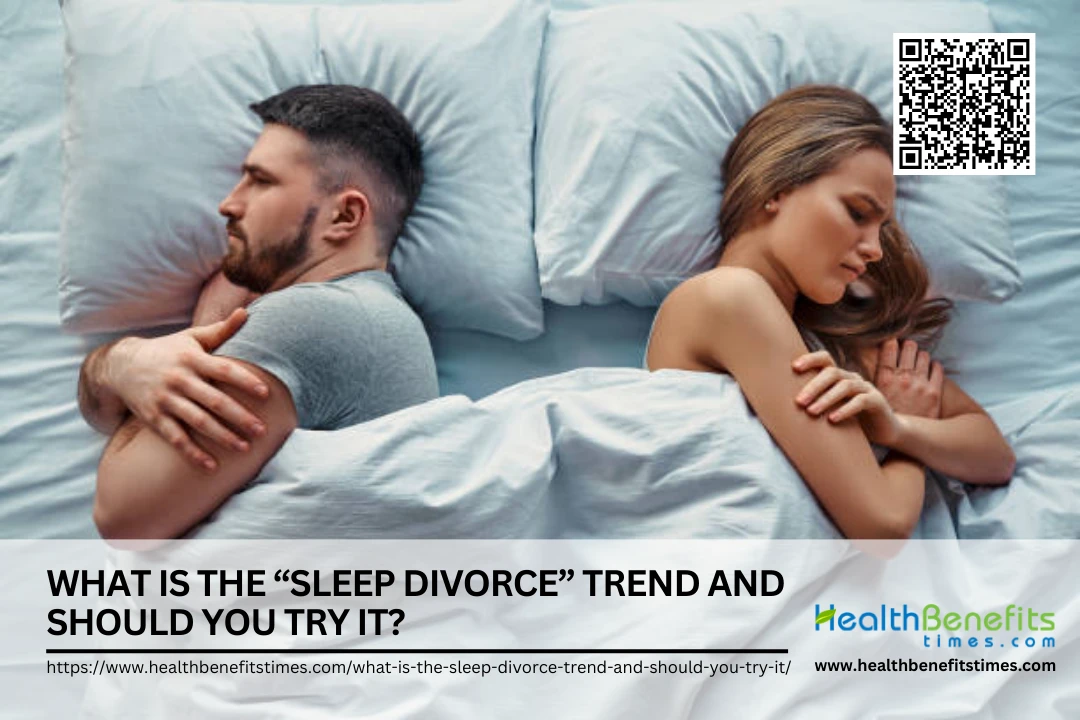 Sleep is a naturally recurring state of reduced consciousness, sensory activity, and voluntary muscle movement that plays a vital role in physical and mental health, with neurological mechanisms rooted in evolutionary biology. As modern couples increasingly prioritize well-being, the term “sleep divorce”—where partners intentionally sleep in separate beds or rooms has emerged as a counterintuitive yet rising trend. Far from signaling relationship distress, this practice is often adopted to improve rest quality and reduce sleep disruptions from snoring, mismatched schedules, or restlessness. Studies show that sleep fragmentation significantly impairs cognitive performance and emotional regulation, which can in turn affect relationship satisfaction. Furthermore, research suggests that sleeping apart may actually enhance intimacy and reduce conflict, especially among those with pre-existing sleep difficulties or stressors related to co-sleeping. As the sleep divorce trend continues to gain traction, it raises important questions about how modern couples can balance closeness with restorative sleep.
What Is Sleep Divorce?
Sleep divorce refers to the intentional choice of couples to sleep in separate beds or even separate rooms in order to improve their sleep quality. Rather than being a sign of relationship turmoil, this practice recognizes that external sleep disturbances—such as snoring, tossing and turning, or mismatched sleep cycles—can significantly impact physical and mental health. As highlighted by researchers, disrupted co-sleeping can impair both individual sleep outcomes and overall relationship satisfaction. (1)
Despite the term’s somewhat jarring connotation, sleep divorce is not about ending emotional intimacy or romantic bonds. On the contrary, many couples report feeling more connected and less irritable after getting better quality rest. This aligns with findings showing that lack of sleep reduces emotional regulation and contributes to interpersonal conflict, thereby affecting relationship quality negatively. (2)
The phrase “sleep divorce” gained popularity through media outlets and social commentary, but its psychological underpinnings can be traced back to earlier research on sleep hygiene and interpersonal functioning. As society’s awareness of sleep’s role in mental health has grown, so has public openness to redefining traditional norms of co-sleeping. Studies have explored how modern sleep arrangements evolve based on stress, anxiety, and changing domestic dynamics. (3)
There are several common variations of sleep divorce. Some couples simply choose separate beds within the same room, while others occupy entirely different bedrooms. Still others opt for staggered sleep schedules or rotate nights apart based on work shifts or health needs. These adaptive approaches reflect growing personalization in sleep strategies, which experts recommend tailoring to the couple’s unique circumstances and communication patterns. (4)
Why Are Couples Choosing Sleep Divorce?
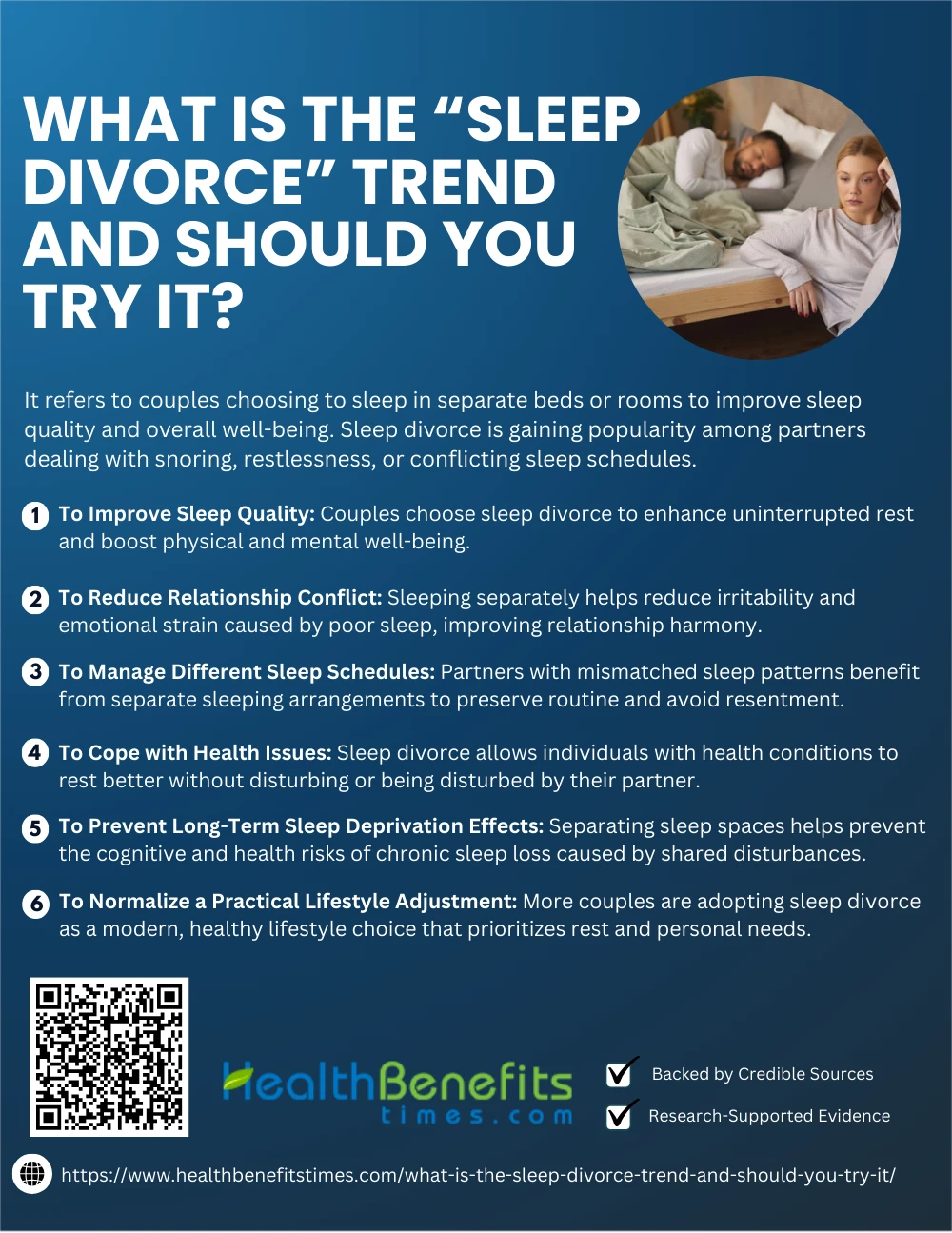
Many couples are embracing “sleep divorce” to improve rest and reduce nighttime disturbances. Snoring, different sleep habits, or restlessness often drive this choice for better individual well-being and relationship harmony.
 1. To Improve Sleep Quality
Many couples are adopting a “sleep divorce,” opting to sleep in separate beds or rooms to enhance rest and reduce disturbances. According to the Sleep Foundation, this strategy can significantly reduce sleep fragmentation. Research shows that even minor disruptions can impact REM sleep and circadian rhythm, affecting health. (5) A study from ScienceDirect found improved sleep satisfaction in couples sleeping apart. Experts on Psychology Today suggest this trend supports autonomy and wellbeing. Verywell Mind echoes this, citing better mood and focus post-rest.
2. To Reduce Relationship Conflict
Sleep divorce, where partners sleep separately, is increasingly seen as a tool to enhance emotional dynamics. The Sleep Foundation reports it helps couples avoid irritability triggered by poor rest. Disrupted sleep is linked to heightened conflict sensitivity, according to NCBI research. (6) ScienceDirect notes couples report better emotional regulation. Verywell Mind explains that sleeping apart doesn’t signal emotional distance. As Psychology Today confirms, it may actually save relationships.
3. To Manage Different Sleep Schedules
Sleep divorce is gaining popularity among couples with misaligned sleep schedules. Research from the Sleep Foundation shows separate sleeping can help partners maintain personalized routines. Studies in ScienceDirect indicate mismatched schedules can harm sleep quality and mood. Psychology Today explains how autonomy in sleep timing prevents resentment. NCBI findings support the mental health benefits of uninterrupted rest. (7) As Verywell Mind notes, this arrangement fosters healthier communication.
4. To Cope with Health Issues
Couples are increasingly embracing sleep divorce to better accommodate chronic health conditions. Verywell Mind highlights cases where snoring or sleep apnea disrupts shared rest. Sleep Foundation reports this approach reduces sleep deprivation tied to health issues. A ScienceDirect study found separate sleep settings enhanced rest for those with insomnia. (8) Psychology Today suggests it lowers stress caused by illness. NCBI research supports individualized sleep environments for better symptom management. (9)
5. To Prevent Long-Term Sleep Deprivation Effects
Sleep divorce is emerging as a preventive strategy against chronic sleep deprivation and its cognitive, emotional, and physiological toll. According to Sleep Foundation, sleep disruptions from a partner can compromise health. Research from NCBI links poor sleep to long-term risks like cardiovascular disease and depression. (10) ScienceDirect highlights improved sleep quality from separate arrangements. Psychology Today emphasizes reduced resentment. Verywell Mind suggests proactive separation fosters individual restoration.
6. To Normalize a Practical Lifestyle Adjustment
As cultural norms evolve, more couples are embracing sleep divorce as a sensible adaptation to modern demands. Psychology Today stresses it doesn’t indicate relationship failure. Sleep Foundation frames it as a strategic move to optimize rest. ScienceDirect underscores flexibility in sleep settings. Verywell Mind argues it reflects modern emotional intelligence. Supporting this shift, NCBI confirms tailored routines reduce stress and increase daily function. (7)
Benefits of Sleep Divorce
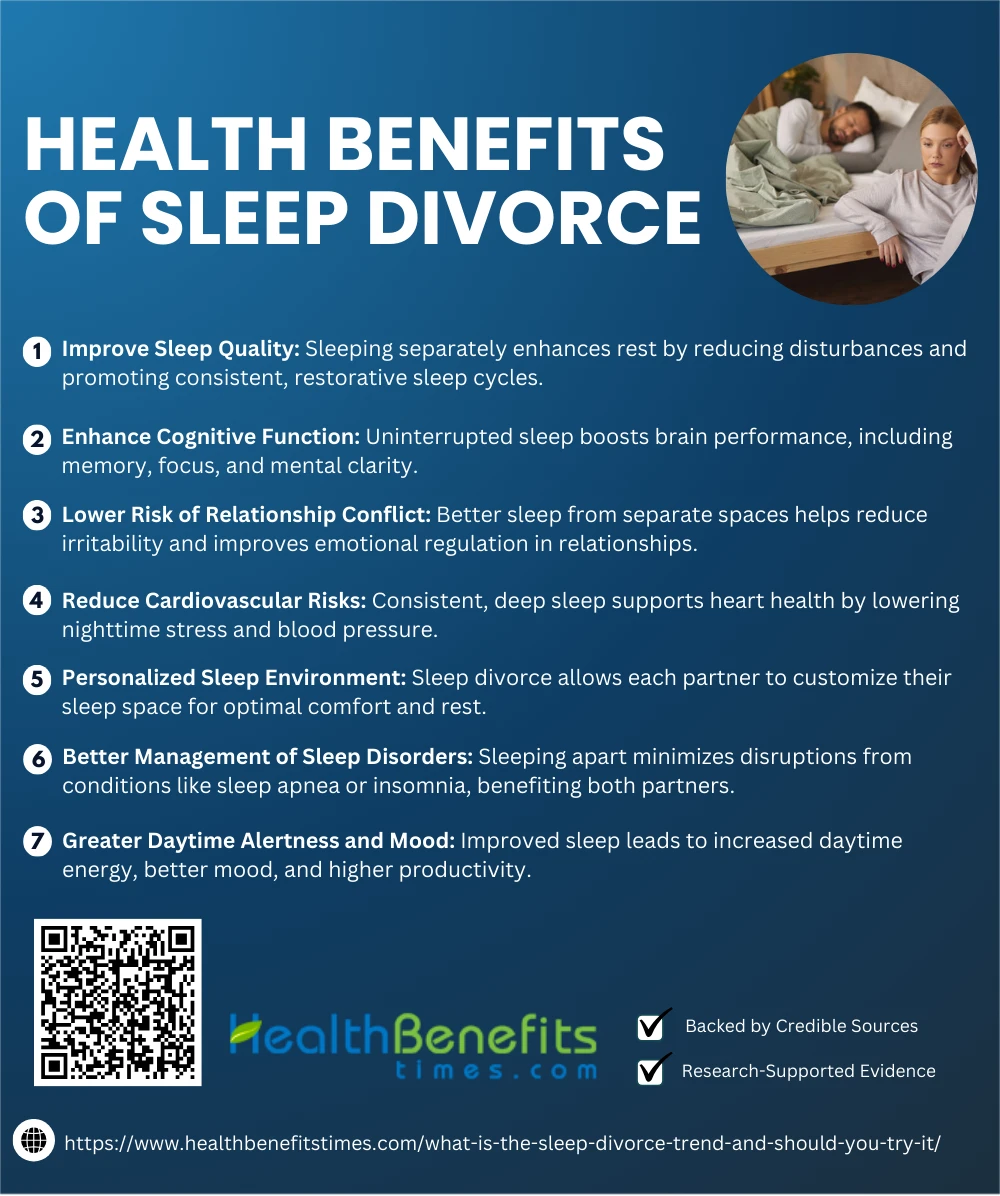
Sleep divorce can offer surprising health benefits, including improved sleep quality, reduced stress, and better mood. By sleeping separately, couples often wake up more refreshed, energized, and mentally balanced each day.
 1. Improve Sleep Quality
Sleep divorce, the choice to sleep separately, significantly enhances sleep quality. The Sleep Foundation explains that uninterrupted sleep boosts physical recovery. A ScienceDirect study found reduced night-time awakenings among such couples. Verywell Mind highlights better mood from improved rest, while Psychology Today links it to more consistent sleep cycles.
2. Enhance Cognitive Function
By minimizing sleep interruptions, sleep divorce can support brain health and function. NCBI research shows that quality sleep strengthens memory and focus. (10) Sleep Foundation ties better sleep to alertness and reduced brain fog. A ScienceDirect article found enhanced mental clarity, and Verywell Mind reports fewer attention lapses post-rest.
3. Lower Risk of Relationship Conflict
Sleep divorce can reduce relational tension by eliminating night-time disturbances. According to Psychology Today, couples report fewer morning arguments. Sleep Foundation highlights the benefits of restful, uninterrupted sleep. Verywell Mind notes that better sleep improves emotional regulation. A ScienceDirect study links improved sleep to less conflict escalation.
4. Reduce Cardiovascular Risks
Uninterrupted sleep from sleep divorce may help reduce cardiovascular stress. Sleep Foundation notes that partner disturbances increase nighttime heart rate. NCBI research shows poor sleep elevates blood pressure risk. (11) ScienceDirect confirms cardiovascular improvement with sleep continuity. Verywell Mind adds that deep rest reduces sympathetic nervous system strain.
5. Personalized Sleep Environment
Sleep divorce allows couples to optimize their individual sleep settings, improving comfort and rest. Verywell Mind emphasizes how temperature, light, and noise preferences vary. Sleep Foundation notes that tailored environments enhance sleep quality. ScienceDirect shows improved satisfaction in personalized settings. Psychology Today supports this strategy for long-term well-being.
6. Better Management of Sleep Disorders
For individuals with sleep disorders, sleep divorce offers vital relief. NCBI studies link separate sleeping to fewer disturbances from apnea or insomnia. (9) Sleep Foundation confirms that managing symptoms is easier alone. Verywell Mind highlights how partners benefit as well. ScienceDirect shows sleep efficiency rises with reduced mutual interference.
7. Greater Daytime Alertness and Mood
Sleep divorce contributes to improved daytime functioning by enhancing sleep continuity. According to the Sleep Foundation, fewer nighttime disturbances mean better rest and morning alertness. Verywell Mind highlights mood improvements with quality sleep. ScienceDirect links uninterrupted sleep to higher productivity. NCBI research confirms better cognition and emotional balance post-rest. (10)
Who Might Benefit from a Sleep Divorce?
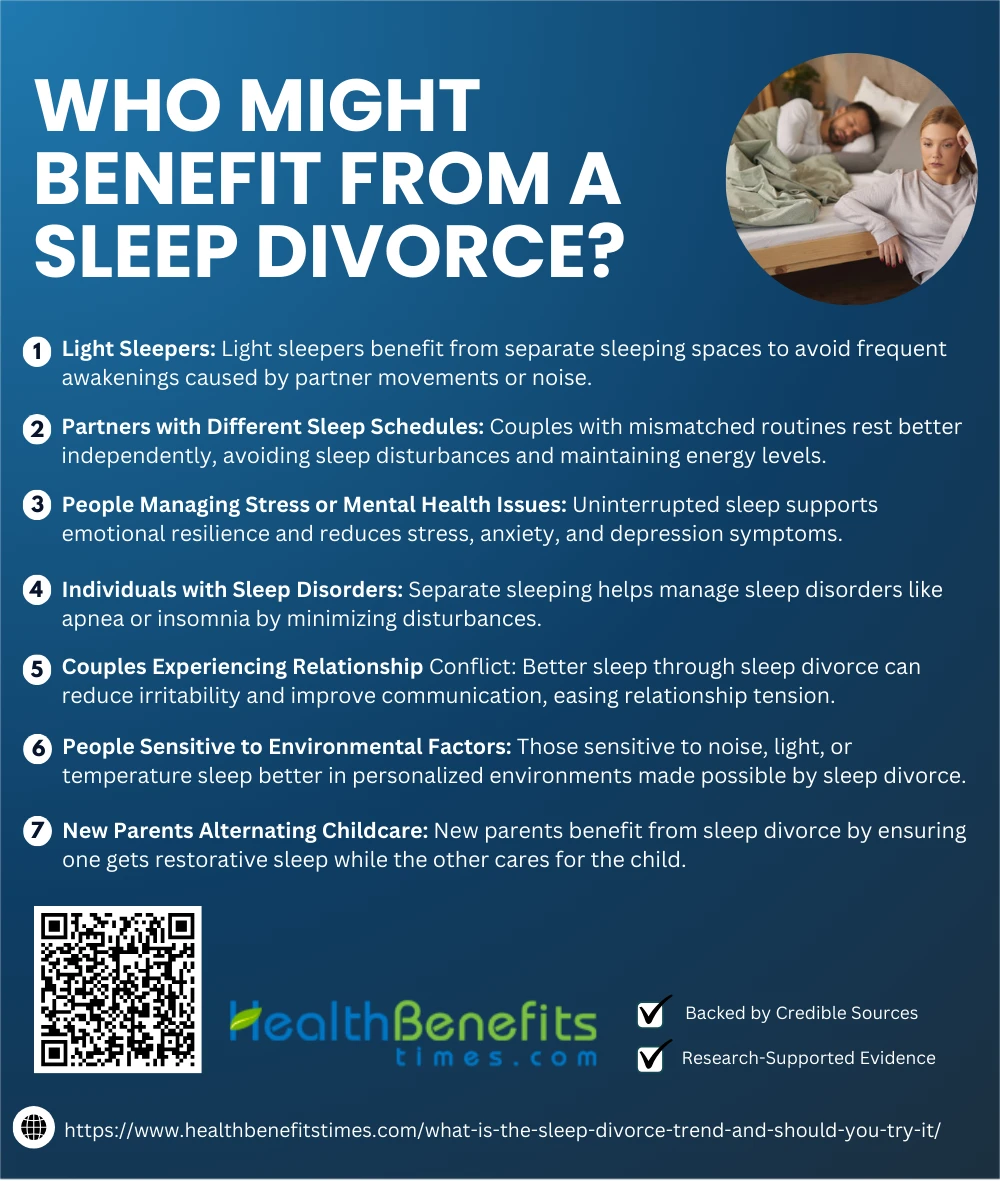
Couples facing sleep disruptions from snoring, different schedules, or restlessness may benefit from sleep divorce. It’s especially helpful for light sleepers or those with health conditions needing uninterrupted rest.
 1. Light Sleepers
Light sleepers are especially vulnerable to minor disruptions from a partner’s movement or snoring. Sleep Foundation recommends separate sleep spaces to minimize awakenings. Verywell Mind supports it for consistent rest. ScienceDirect confirms reduced sleep fragmentation. NCBI links poor sleep to cognitive decline. Psychology Today endorses it as a mental health safeguard. (7)
2. Partners with Different Sleep Schedules
For couples on mismatched routines, sleep divorce allows both to rest without interruption. Sleep Foundation reports fewer sleep disturbances with separate beds. ScienceDirect shows improved mood and energy. Verywell Mind explains flexible arrangements promote well-being. Psychology Today frames it as a practical solution. NCBI confirms sleep timing consistency supports cognitive health. (10)
3. People Managing Stress or Mental Health Issues
Sleep divorce supports emotional recovery by reducing nightly disturbances that worsen anxiety and depression. Sleep Foundation suggests restful sleep fosters emotional resilience. NCBI links better sleep with reduced psychological distress. (10) ScienceDirect confirms emotional stability post-rest. Verywell Mind advocates for it in stress reduction. Psychology Today highlights its role in mental health care.
4. Individuals with Sleep Disorders
For those with sleep disorders like apnea or insomnia, sleep divorce can be transformative. Verywell Mind reports fewer mutual sleep disruptions. Sleep Foundation emphasizes better recovery in separate spaces. ScienceDirect shows improved sleep efficiency. (8) Psychology Today supports this practice. NCBI confirms benefits for both partners. (9)
5. Couples Experiencing Relationship Conflict
Couples facing regular conflict may find sleep divorce a calming reset. Psychology Today states that better sleep reduces irritability. Sleep Foundation links rest with improved communication. Verywell Mind supports the practice for relational health. ScienceDirect shows mood benefits. NCBI confirms sleep deprivation fuels emotional volatility. (10)
6. People Sensitive to Environmental Factors
Individuals sensitive to noise, light, or temperature often benefit from sleep divorce. Verywell Mind explains it allows for full environmental control. Sleep Foundation highlights rest disruption from shared spaces. ScienceDirect shows improved satisfaction with personalized conditions. Psychology Today reinforces this view. NCBI confirms such sensitivities negatively impact sleep quality. (7)
7. New Parents Alternating Childcare
New parents juggling night shifts often gain from sleep divorce by ensuring one partner sleeps uninterrupted. Sleep Foundation highlights its role in promoting recovery. Verywell Mind emphasizes mood stability from proper rest. ScienceDirect shows enhanced alertness. NCBI links rest to parental effectiveness. (10) Psychology Today supports this strategy for emotional resilience.
How to Talk to Your Partner About It
Bringing up sleep divorce requires empathy, timing, and reassurance. Verywell Mind suggests using non-blaming language to express personal sleep needs. Sleep Foundation advises framing it as a health-oriented solution. According to Psychology Today, normalize it as a practical adjustment. ScienceDirect shows communication reduces emotional fallout. NCBI underscores the mental health benefits of mutual understanding. (7)
How to Make a Sleep Divorce Work
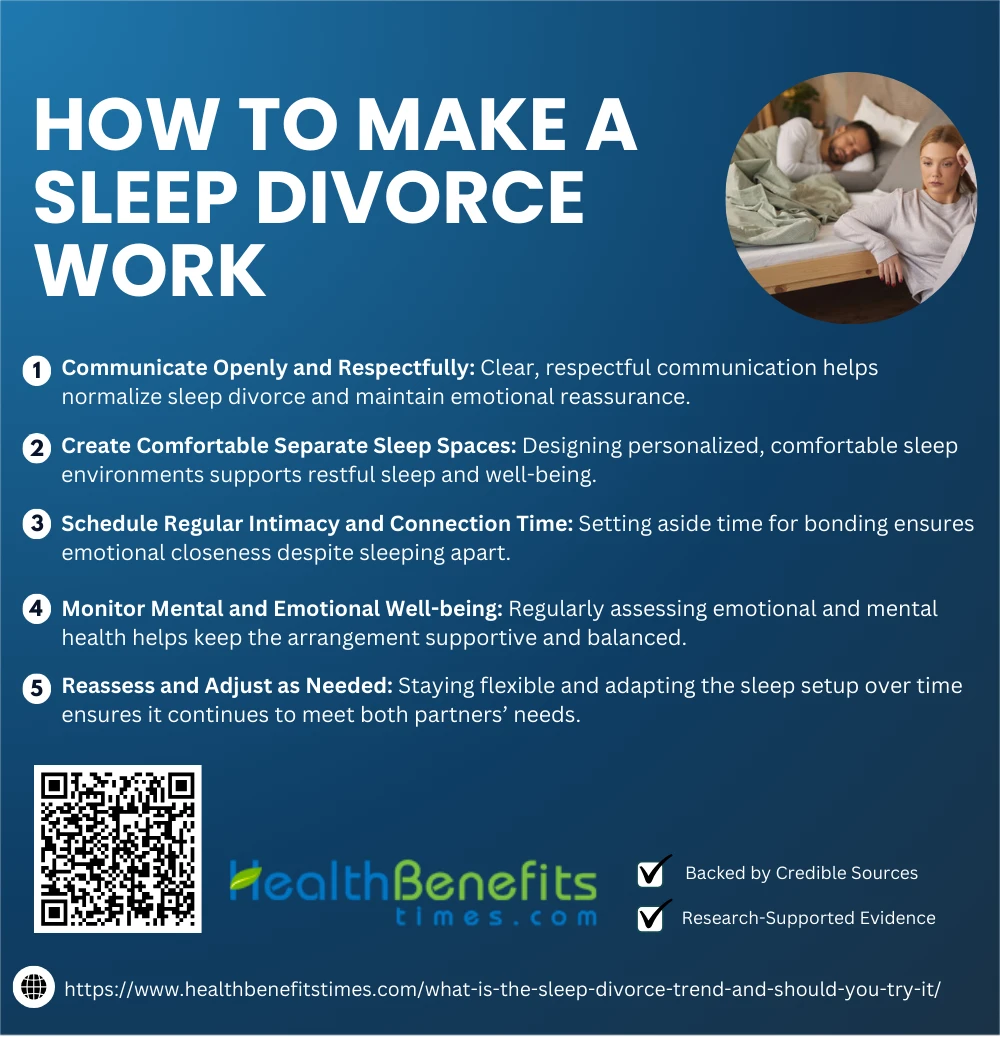
Making a sleep divorce work requires open communication, mutual respect, and thoughtful planning. Couples can stay emotionally connected while sleeping separately by setting routines that support both rest and relationship bonding.
 1. Communicate Openly and Respectfully
Open, judgment-free dialogue is essential for a successful sleep divorce. Verywell Mind recommends framing the conversation around personal wellness rather than relationship issues. Psychology Today advises validating your partner’s feelings. Sleep Foundation suggests reinforcing love and commitment to ease concerns during the transition.
2. Create Comfortable Separate Sleep Spaces
Tailored environments make separate sleep successful. Sleep Foundation emphasizes individualizing lighting, bedding, and noise levels. ScienceDirect links environmental control to improved sleep satisfaction. Verywell Mind highlights the importance of sleep comfort in maintaining emotional and physical well-being.
3. Schedule Regular Intimacy and Connection Time
Maintaining emotional closeness despite separate sleeping arrangements is key. Psychology Today recommends planning shared rituals to stay connected. Verywell Mind emphasizes setting aside time for intimacy. Sleep Foundation highlights that these routines reinforce relationship strength and security.
4. Monitor Mental and Emotional Well-being
Regular check-ins on mental and emotional health ensure a sleep divorce remains supportive. ScienceDirect notes improved emotional regulation with quality sleep. NCBI confirms that sleep stability helps manage stress. (10) Verywell Mind suggests evaluating the arrangement’s impact on well-being to maintain balance.
5. Reassess and Adjust as Needed
Flexibility is key to sustaining a successful sleep divorce. Verywell Mind advises couples to revisit their arrangement regularly to align with changing needs. Sleep Foundation recommends evaluating both sleep quality and relationship dynamics. ScienceDirect supports adapting sleep practices to maintain emotional balance and health benefits.
Side effects of Sleep Divorce
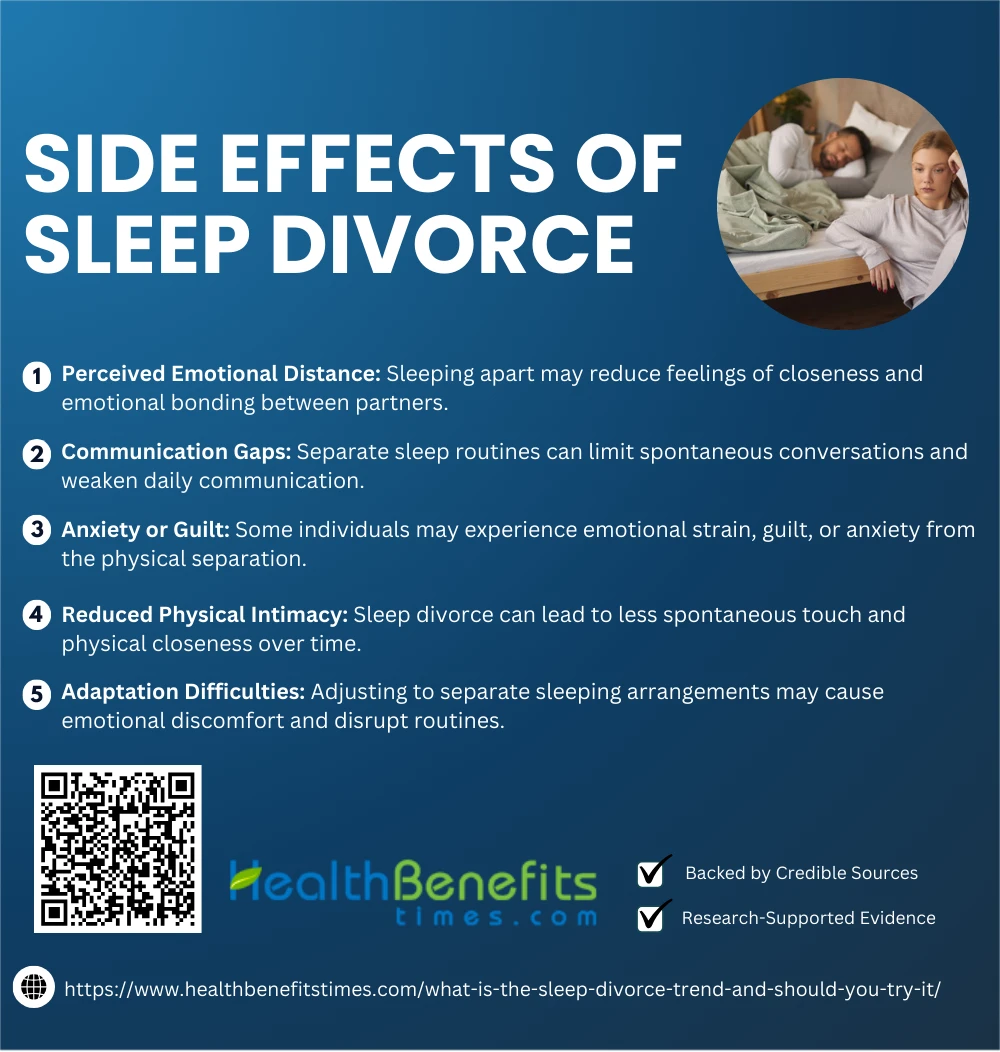
While sleep divorce can improve rest, it may also lead to emotional distance, reduced intimacy, or social stigma. Couples should weigh these side effects before deciding to sleep separately.
 1. Perceived Emotional Distance
Sleep divorce can lead to a heightened sense of emotional distance between partners. According to Sleep Health research, couples not sharing beds report reduced emotional bonding. A Springer study confirms that sleeping separately affects perceived closeness. Furthermore, NCBI findings emphasize the erosion of intimacy due to physical separation. (12)
2. Communication Gaps
Sleep divorce may unintentionally widen communication gaps in relationships. A study on relational dynamics reveals decreased pillow talk among separated sleepers. Springer research found partners report less spontaneous conversation. (13) Additionally, NCBI evidence indicates that the absence of shared bedtime routines weakens relational communication over time. (14)
3. Anxiety or Guilt
Sleep divorce, while often adopted to enhance individual sleep quality, can inadvertently lead to psychological consequences such as anxiety and guilt. A study in Sleep Health links separate sleeping to increased emotional strain in couples. (15) Moreover, research in BMC Psychology suggests guilt may arise from perceived rejection. Additional findings from Springer’s journal on relationships confirm these effects. (16)
4. Reduced Physical Intimacy
One overlooked consequence of sleep divorce is the gradual erosion of physical intimacy. As highlighted in a study from Sleep Medicine, bed-sharing facilitates spontaneous affection. A NCBI-published review found that couples sleeping apart reported reduced touch frequency. (17) Additionally, Springer’s behavioral health report reinforces the link between proximity and intimacy.
5. Adaptation Difficulties
Adjusting to sleep divorce often presents adaptation difficulties, disrupting emotional and behavioral rhythms. A Sleep Medicine study found that altered sleep environments challenge psychological well-being. Research from Springer highlights increased adjustment anxiety. Similarly, NCBI findings reveal that partners may struggle with loneliness and routine changes when adapting to separate sleeping arrangements. (18)
Is It Right for You and Your Partner?
Deciding whether sleep divorce is right for you and your partner depends on sleep compatibility, communication, and emotional needs. Research in Sleep Health shows improved individual sleep quality after separation, while NCBI studies highlight better health outcomes. (15) (19) However, Springer findings warn of emotional distancing. (16) Sleep Medicine research stresses the loss of physical intimacy, and relationship psychology reviews emphasize potential communication breakdowns. (13) Couples must weigh the benefits of rest against relational closeness to make an informed, mutually beneficial decision.
Conclusion
The “sleep divorce” trend highlights a growing awareness that good sleep is essential for overall health and relationship satisfaction. Far from signaling trouble, it can be a proactive solution for couples struggling with nighttime disruptions like snoring, different sleep patterns, or restlessness. While it may not suit everyone, many find that sleeping separately leads to better rest, improved mood, and fewer conflicts. The key is honest communication and mutual agreement. If you and your partner prioritize rest and understand each other’s needs, sleep divorce might just strengthen your relationship—proving that love and sleep don’t always have to share a bed.