

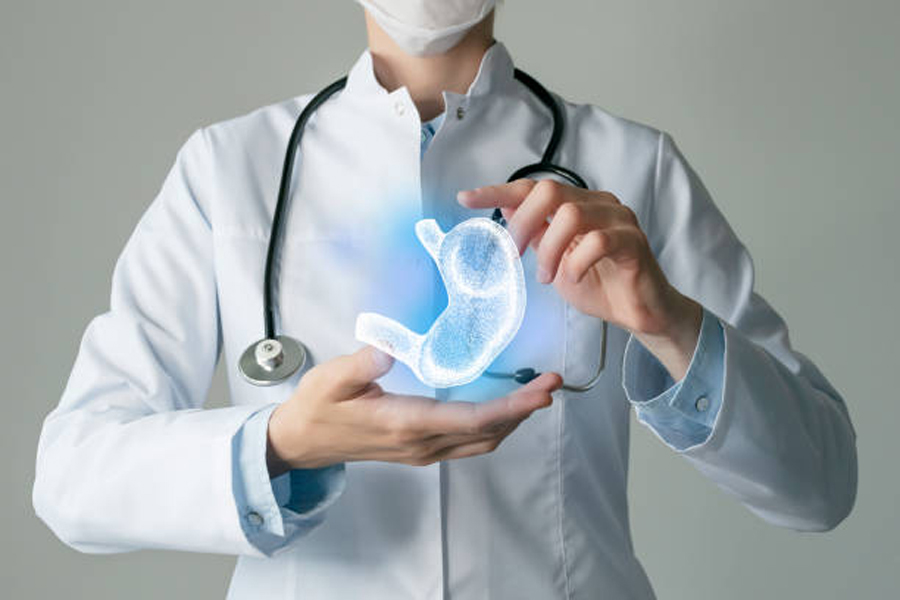
Gastric bypass is one of the most common bariatric weight loss surgeries. It works by creating a workaround in your digestive system so that your body does not absorb as many calories. After a Bypass, it’s important to make changes to your diet to aid in recovery and ensure that the procedure will work for you long term.
According to Heather Hanks, MS, CAM, a nutritionist and medical advisor at Medical Solutions BCN, “it’s important to change your dietary habits accordingly to accommodate your new digestive process and ensure the greatest success of your surgery in the future. If you return to your normal eating habits, your surgery may not be successful. You may also experience unwanted side effects, such as nausea, pain, digestive discomfort, and more.” In this quick guide, you’ll learn what gastric bypass surgery is and what to eat after the procedure.
What is Gastric Bypass Surgery?
Private gastric bypass surgery is a bariatric surgery procedure that can help you lose weight by changing the way your digestive system works. It occurs when your doctor forms a small pouch from your stomach and connects it to your small intestine, allowing food to bypass most of your stomach and the first part of your small intestine. When food bypasses most of your digestive system, your body does not absorb as many calories. Additionally, as your stomach size decreases, it will not be able to hold as much food.
Additionally, by shrinking the size of your stomach, it decreases hunger hormones that affect your appetite, allowing you to feel full on fewer calories. These factors help create a calorie deficit so you can lose weight even if other weight loss techniques, such as diet and exercise, have not worked for you in the past.
Which Patients are Candidates for Bypass?
The procedure is performed in adult patients (18 to 65 years old) with:
type III obesity (BMI > 45 kg/m2)
type II obesity associated with type 2 diabetes mellitus
Before requesting the bypass, you must check whether you are one of the patients who may be candidates for an intervention. The bypass is intended for adult patients between the ages of 18 and 65. Patients suffer from type III obesity (BMI > 45kg/m2) or type 2 obesity which is associated with type 2 diabetes mellitus. This is usually a first intervention for the patient with this type of obesity.
The patient must first have attempted to lose weight using a specific diet and having followed an exercise program adapted to their situation. If this type of measure does not produce the expected results, then it is time to consider gastric bypass.
Steps to Take After Gastric Bypass
Gastric bypass will lead to significant weight loss which will require adaptation and the adoption of a different diet. You will feel the effects of the bypass, especially those of the dumping syndrome. So you shouldn’t want to snack all day. It will be important, during the 2 weeks following the operation, to eat very slowly. Your little stomach will then be healing. So you will have to treat it with caution. This will ensure that you recover well.
You will need regular monitoring to measure the effects of the operation on your body. A precise follow-up will allow you to confirm that the gastric bypass is a success. It is important to check that you have adopted better eating habits. With tracking, you also have the opportunity to confirm
What To Eat After Gastric Bypass
Immediately after surgery
Immediately after surgery while you are still in the hospital, you will begin a clear liquid diet, such as water, clear broth, juices, and Jell-O. Be sure to take small sips of liquid (two or three at a time) and wait ten minutes before consuming more until you learn your tolerance and limits.
Your diet will be very limited as you recover, so be sure to talk to your doctor about taking dietary supplements.
Two weeks after surgery
After you are released from the hospital, you can begin to add thicker liquids to your diet, but you will need to continue to keep your portions small and eat slowly. Some good options include blended soups (such as lentil soup), low-sugar cottage cheese, cream of wheat hot cereal, and fruit and vegetable smoothies made with protein powder.
Aim for one tablespoon of thick liquid foods and gradually increase to two tablespoons. Stay hydrated by drinking ¼ to ½ cup of liquid at a time. Calorie intake should be around 400 calories per day. You should be drinking 1 liter to 1.5 liters of water or other non-calorie beverages to stay hydrated.
Two to eight weeks after surgery
During this time, you may wish to begin taking a multivitamin to ensure you’re meeting your daily vitamin and mineral needs. You can start to add more soft foods to your diet during this time, such as applesauce, well-cooked vegetables, soft fruits (bananas), mashed potatoes, avocado, and scrambled eggs. Avoid foods that are hard to chew, such as grainy bread and red meat, and continue to stay well hydrated. Calorie intake should be around 500 calories per day, with a focus on protein.
Continue to keep portion sizes small. Aim for ¼ cup of solid food and ½ cup of liquids at a time. It’s advisable to wait 20 minutes in between bites when introducing a new food into your diet.
Two to six months after surgery
Two months after surgery, you should be consuming 900 to 1,000 calories with at least 65 to 75 grams of protein per day. Portion sizes should remain ¼ cup for solids and ½ cup for liquids. Going forward, the majority of your calories should come from whole, unrefined plant-based sources, such as fruits, vegetables, unrefined whole grains, beans, legumes, and raw nuts.
Aim for lean protein from organic chicken, grass-fed meat, and wild-caught fish. Avoid refined sugar and processed carbs, and limit your intake of high fat and high sugar foods.