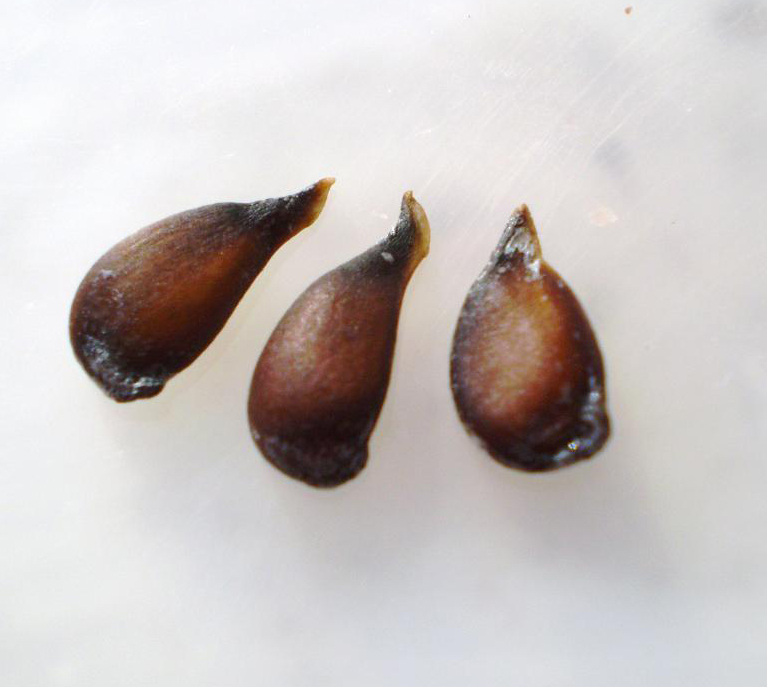
| White Pear Quick Facts |
| Name: |
White Pear |
| Scientific Name: |
Pyrus bretschneideri |
| Origin |
Northern and northwestern China. |
| Colors |
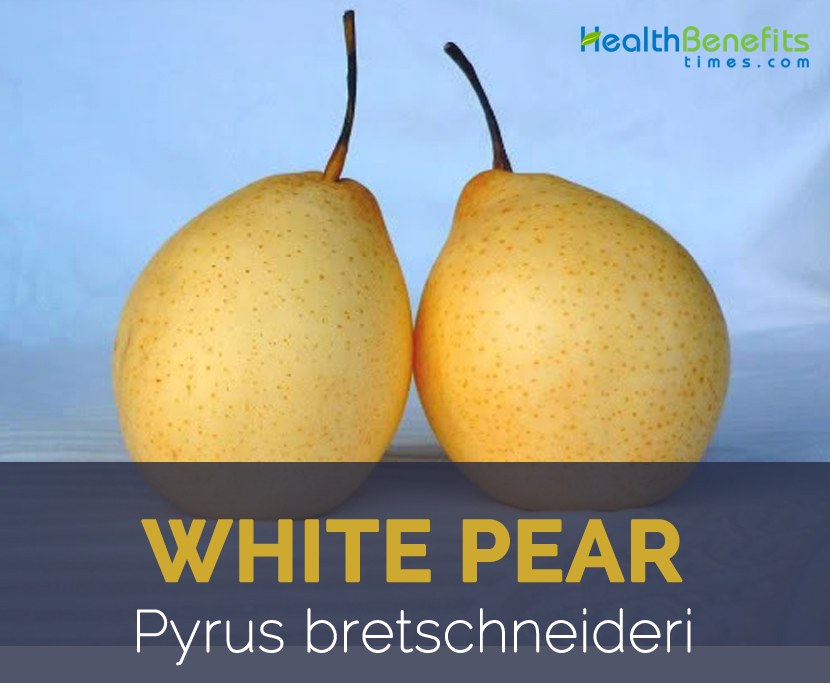
Yellow, with fine dots |
| Shapes |
Pome, ovoid to sub globose 2.5–4 cm diameter, 4- or 5-loculed |
| Flesh colors |
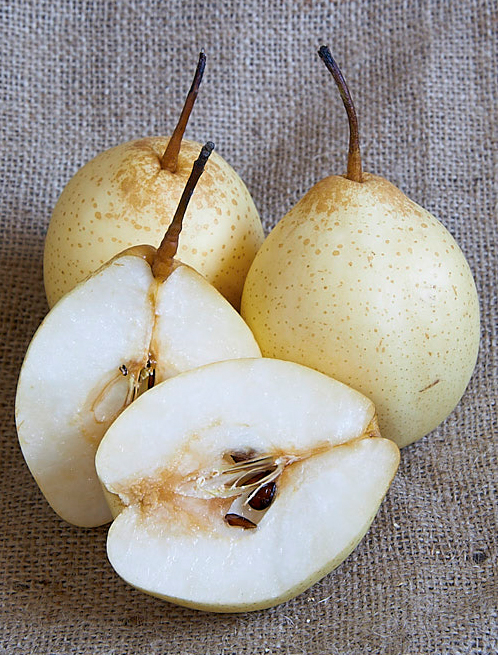
White |
| Taste |
Mild, sweet |
| Health benefits |
Skin, Hair, and Eyes, Bone Health, Inflammation Reduction, Birth Defects, Improved Circulation and Red Blood Cell Count, Wound Healing and Tissue Repair, Heart health, Cancer Prevention, Immune System Health,Antioxidant Activity, Digestion and Intestinal Health, Weight Loss |
| More facts about White Pear |
White pears are a medium-sized fruit, known scientifically as Pyrus bretschneideri. Apart from white pear it is also known as Chinese White Pear, Crisp Chinese Pear, Duck Pear, White Pear, Ya Pear, Ya Li Pear. White pear is an interspecific hybrid species of pear native to northern and northwestern China, where it is widely grown for its edible fruit. They are most often eaten raw or canned, and can also be dried or processed into juice or alcoholic beverages like cider and perry. Various recipes include white pears as one of their main ingredients. This includes salads, cakes and sweets. Sweet pears are highly refreshing and filling. They are also very high in fiber, and may have benefits for weight loss.
Plant
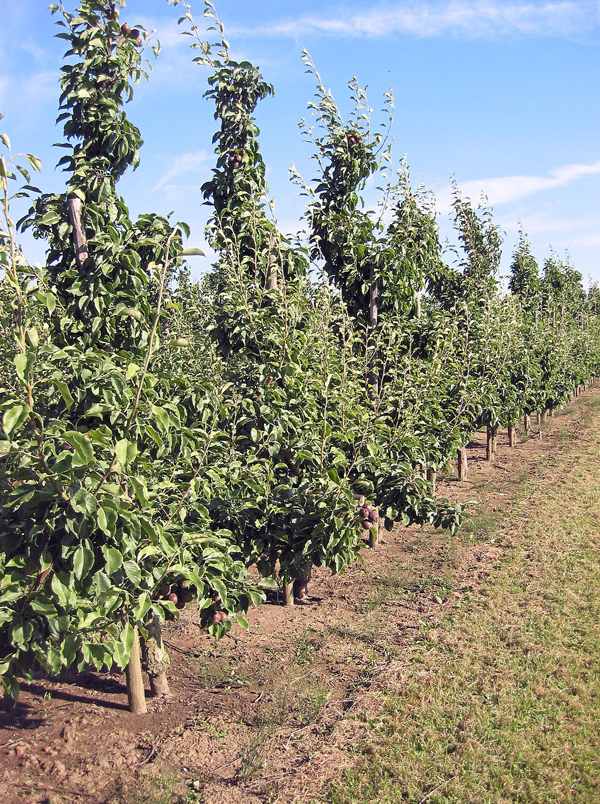
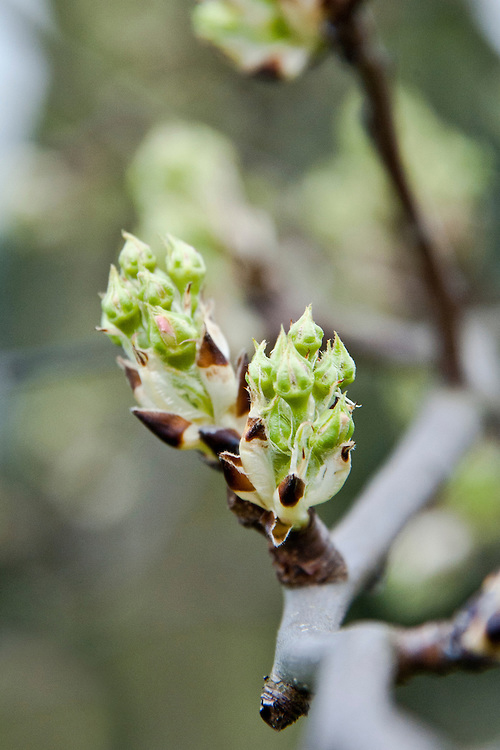
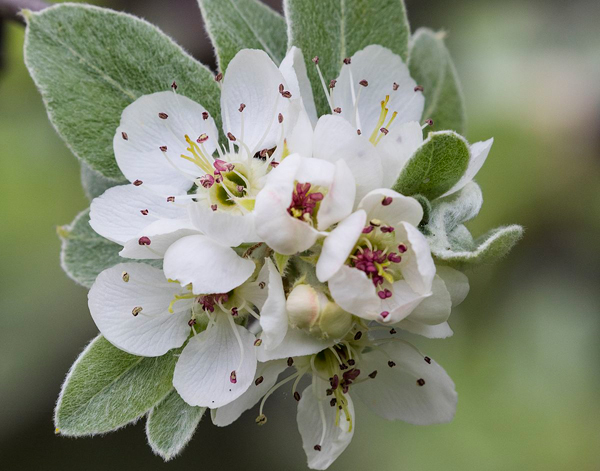
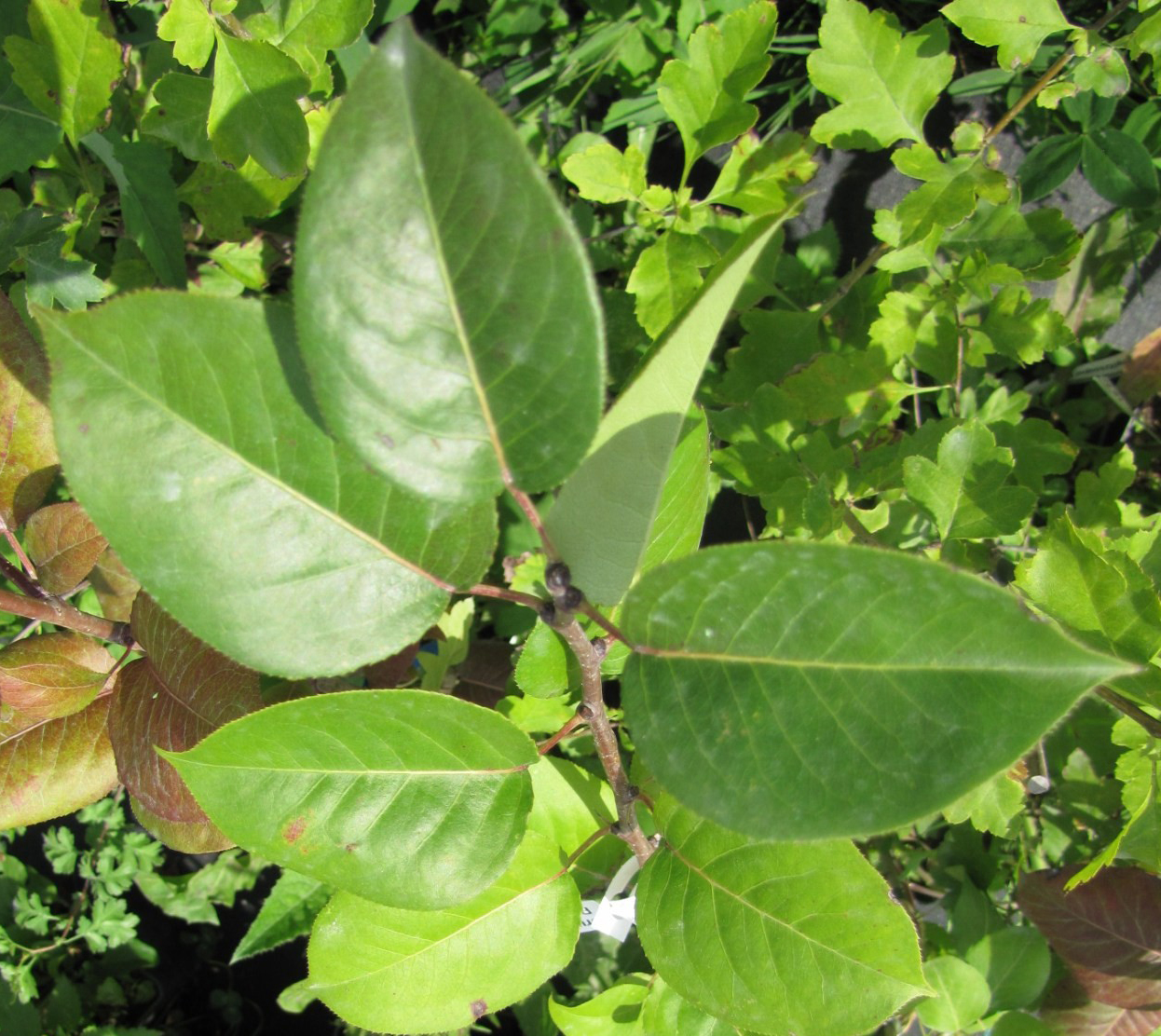
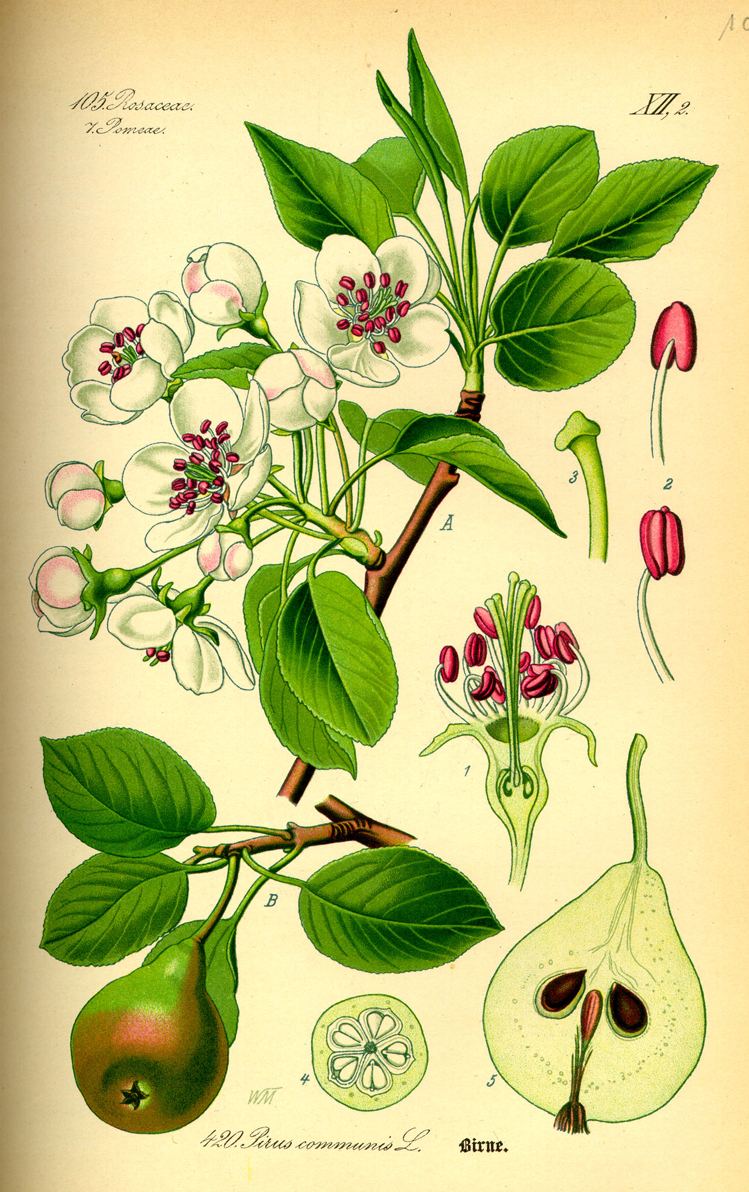
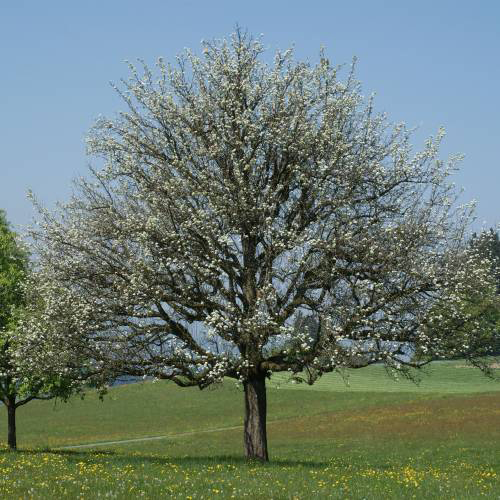
White Pear is a small, deciduous tree growing up to 5–8 m tall and is found growing in sunny location. Normally it prefers well-drained, loamy soils. It is often cultivated on slopes. It has stout hairy branchlets. Leaves are alternate on 2.5–3 cm long petioles, lamina ovate or elliptic-ovate, 5–11 × 3.5–6 cm, both surfaces tomentose when young, soon glabrescent, base obtuse to broadly cuneate, margin spinulose-serrate, apex acuminate. Flowers are white, floccose, glabrescent, 2–3.5 cm in diameter, pedicels 1.5–3 cm long, hypanthium cupular, slightly pubescent, sepals caducous, glabrous, petals white, ovate, 1.2–1.4 × 1–1.2 cm, base shortly clawed, apex rounded.
Fruit
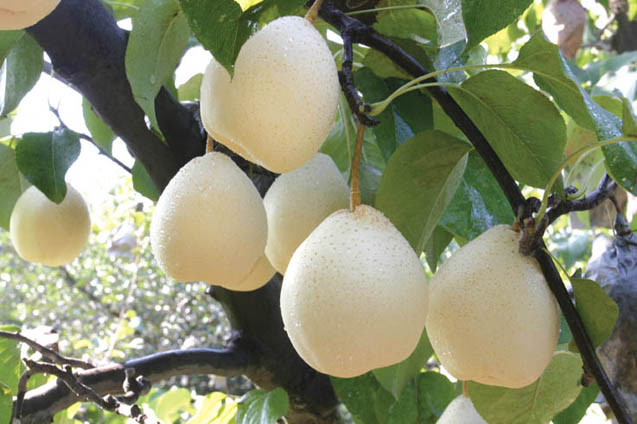
White pear is actually a pome fruit, ovoid to sub globose 2.5–4 cm diameter, 4- or 5-loculed. Fruit is yellow, with fine dots. Flesh is white, gritty, juicy and crisp. The fruit has mild sweet taste and is wonderful for salads, cakes, sweets, juice or alcoholic beverages and many more. Sweet pears are highly refreshing and filling so it is being used for several food items since ancient times throughout the world.
History
White Pear is considered to have originated from northern and northwestern China. It is cultivated from central to Eastern China, Japan, Central Asia and USA. Beyond being a tasty addition to the diet, pears are packed with nutrients and nutritional value so it is grown throughout the world.
Health Benefits of White pear
White pears are valuable fruits that have been widely used and appreciated for their delicious flavor since ancient times. Beyond being a tasty addition to the diet, pears are packed with nutrients and nutritional value. Some of the health benefits of pears include:-
1. Weight Loss
White pears contain a high amount of fiber and have a low glycemic index, so they may help promote a feeling of fullness. Research on 40 overweight women showed that white pears led to more weight loss over time, when compared to oats. Regular consumption of white pears help people loses weight by stimulating the growth of beneficial bacteria in the digestive system.(1), (2), (3)
2. Digestion and Intestinal Health
The fleshy and fibrous white pear fruit has a very important role to play in human digestion. A single serving of white pears offer 18% of the daily requirement for fiber intake, they are a very strong agent for digestive health and function. Most of the fiber in pears is non-soluble polysaccharide (NSP), which means that it acts as a bulking agent in the intestines. It collects the food and adds bulk so it is easier to pass through the intestines. Additionally, it encourages secretion of gastric and digestive juices so food moves smoother, in a more digested state. It normalizes bowel movements and reduces the chances of constipation, as well as diarrhea and loose stool, since it adds that bulk to the bowel movements. Also, the gritty nature of pear fiber helps it bind to cancer-causing agents and free radicals in the colon and protects that organ from their damaging effects.(4)
3. Antioxidant Activity
Like many other fruits, white pears are a wealth of antioxidants that combat various diseases and conditions within the body. Antioxidants work to remove the free radicals that accumulate within the body following cellular metabolism. These free radicals mutate healthy cell DNA into cancerous cells, and may cause a number of other devastating conditions. Therefore, antioxidant components of vitamin C, vitamin A, and flavonoid compounds like beta-carotene, lutein, and zea-xanthin, all of which are found in pears, can seriously help rid the body of these dangerous compounds.(5)
4. Immune System Health
Immune system of the body is boosted by the activities of antioxidants and vitamin-C. Vitamin C is beneficial for the immune system, as it encourages white blood cell production and activity. Traditionally, fruits like pears have been recommended to eliminate simply conditions like the common cold, the flu, or various other mild illnesses that a quick immune system boost could help cure.(6)
5. Cancer Prevention
Antioxidants are mostly praised for their anti-carcinogenic activities, and pears have been associated to prevention of a number of different types of cancer, including colon, rectum, breast, prostate, and lungs. This is not unique to pears, but they do have a high antioxidant score, compared to many other fruits.(7), (8)
6. Heart health
White pears are a wonderful source of potassium, which means that pears can have a significant impact on heart health, because potassium is a well-known vasodilator. This means that it lowers blood pressure, which decreases strain to the entire cardiovascular system and makes it harder for clots to form or harm you. Additionally, it increases blood flow to all parts of the body, which oxygenates the organs and encourages their effective function. Lowering blood pressure is also connected to a lower chance of cardiovascular diseases like atherosclerosis, heart attacks, and strokes. Finally, potassium works as a fluid regulator in the body, meaning that it helps to keep the various parts of the body hydrated, and ensures the balance of essential fluids in the cells and organs. Without potassium, many of our most essential functions would be either slowed down or stopped altogether!(9), (10)
7. Wound Healing and Tissue Repair
Vitamin C contained in white pear is an essential part of synthesizing new tissue in several organs and cellular structures of the body. This keeps the body metabolism running smoothly and ensuring that all functions operate appropriately. Additionally, wound healing is sped up with high levels of ascorbic acid, so small injuries, cuts, and damage done by injuries and diseases can be fixed faster if you include high levels of this essential nutrient to your diet, which white pears do provide. It also helps to repair damaged blood vessels, which reduces the strain on the cardiovascular system and prevents certain heart diseases from developing.(11)
8. Improved Circulation and Red Blood Cell Count
White pears are quite helpful for patients suffering from anemia or other mineral deficiencies, due to its content of copper and iron. Copper accelerates and improves the uptake of minerals into the system, and increased levels of iron mean that red blood cell synthesis increases. Iron is an important part of hemoglobin and anemia is another name for iron deficiency. You can prevent fatigue, cognitive malfunction, muscle weakness, and organ system malfunction by regular consumption of foods high in iron and copper, both of which are found in significant amounts in pears.(12)
9. Birth Defects
Folate is another valuable nutritional component found in pears. Folic acid is positively correlated with a reduction in neural tube defects in newborns, therefore eating folate-rich fruits like white pears can protect the health and happiness of your baby, so pregnant women are always recommended to monitor their folic acid levels.(13)
10. Inflammation Reduction
Antioxidant and flavonoid components found in white pears can encourage anti-inflammatory effects in the body and reduce the pain related with inflammation diseases. This includes the reduction in symptoms of arthritis, rheumatic conditions, gout, and similar conditions. Most fruits have these effects, though citrus fruits are not quite as effective.
11. Bone Health
White pears consist of higher mineral content, which includes magnesium, manganese, phosphorus, calcium, and copper, means that you can reduce bone mineral loss and devastating conditions like osteoporosis and general weakness of the body due to lack of support from the bones.(14)
12. Skin, Hair, and Eyes
One of the most versatile vitamins in the human body is Vitamin A. White pears are high in vitamin A, and its subsequent components, like lutein and zea-xanthin. They act as an antioxidant as well as participating in a number of enzymatic reactions and organ functions, pears can reduce the effects of aging on the skin, like wrinkles and age spots. This powerful fruit can also decrease hair loss, macular degeneration, cataracts, as well as numerous other conditions associated with the aging process.(15), (16)
How to Select and Store Pears
Selecting the right pears and storing them in a perfect manner are necessary for getting the most out of the fruits. Here is a guide for you:
How to Select the Right Pears
Ripe-to-fall pears are best to pick. If the skin of the fruit is bright and glossy, then select the one that are matte golden in color, featuring a nice fragrant and having a little soft neck.
Good pear should be firm enough (not too stiff). The skin of the fruit must be even as well as damage-free. Even if it has a bit russet (brownish patches) on the skin, go for it as there will be nothing wrong with the flavor or the benefits of the fruit. While buying a pear, make sure that the top portion (close to the stem) is neither too soft nor too rigid. In order to do so, just press that area blithely with your fingertips instead of squeezing the entire fruit.
How to Store the Selected Pears
If you want to store ripe pears, put them just in the refrigerator. Conversely, if you wish to make them ripened at room temperature, place them in a bowl without washing as moisture can decay the fruit fast.
You can also help the pears to be fully grown by keeping them in a pierced paper bag. It will help them get enough oxygen and slow down the decay or over-ripening.
How to Eat
- White pear is juicy, sweet and crispy and is best consumed fresh or in fruit salads.
- It also can be combined into drinks.
- Pears are consumed fresh, canned, as juice, and dried.
- The juice can be used in jellies and jams, commonly in combination with other fruits, including berries.
Other Facts
- The tree is planted as shelter-belt.
- Its wood can be used for making cabinets and instruments.
- It is also used for wood carving, and as firewood to produce aromatic smoke for smoking meat or tobacco.
- Pear wood is valued for kitchen spoons, scoops and stirrers.
References:
https://en.wikipedia.org/wiki/Pyrus_%C3%97_bretschneideri
https://en.wiktionary.org/wiki/Chinese_white_pear
http://www.pfaf.org/User/Plant.aspx?LatinName=Pyrus+bretschneideri
https://npgsweb.ars-grin.gov/gringlobal/taxonomydetail.aspx?id=30462
Comments
comments