

- A brewed beverage made from roasted coffee beans, known for its high caffeine content and stimulating effects.
- Matcha offers a smoother, longer-lasting energy boost without the crash or jitters often linked to coffee.
- Packed with antioxidants and calming L-theanine, matcha is becoming the go-to choice for those seeking both focus and wellness.

Coffee is a brewed beverage made from roasted coffee beans, known for its stimulating caffeine content and complex aroma. It plays a major role in global culture, commerce, and daily routines. In recent years, a growing number of people are turning their backs on traditional coffee in favor of matcha—a finely ground powder of specially grown green tea leaves. This shift is not merely a trend, but a broader wellness-driven lifestyle transformation. Matcha offers a unique combination of benefits that align with the demands of modern living: it provides sustained energy without the caffeine crash, supports mental clarity through L-theanine, and boasts high levels of antioxidants like EGCG. Studies have highlighted matcha’s superior nutritional profile and calming effect compared to coffee, contributing to its rising popularity among wellness enthusiasts and professionals alike. Additionally, matcha’s adoption is deeply tied to lifestyle aesthetics and the pursuit of holistic health, especially among younger demographics and urban professionals. Furthermore, its cardiovascular and metabolic benefits make it an attractive alternative for those managing conditions like diabetes and obesity.
What Is Matcha and How Is It Different from Coffee?
Matcha is a powdered green tea made from specially grown and processed leaves of the Camellia sinensis plant. Unlike regular green tea where leaves are steeped and discarded, matcha involves consuming the entire ground leaf, offering a more concentrated source of nutrients and antioxidants. Matcha contains L-theanine, caffeine, chlorophyll, and polyphenols, which contribute to its unique health benefits. (1)
The origins of matcha can be traced back to ancient China, but it became culturally and spiritually significant in Japan, especially in Zen Buddhist traditions. It is traditionally used in Japanese tea ceremonies, where the preparation and presentation of the tea are considered a meditative art. This deep-rooted cultural context gives matcha more than just nutritional appeal—it symbolizes mindfulness and calm. (2)
The process of making matcha is meticulous. The tea plants are shade-grown for about three weeks before harvest, increasing chlorophyll and amino acid content. The leaves are then steamed, dried, and slowly stone-ground into a fine powder. This traditional grinding method ensures the delicate flavor and nutritional profile remain intact. (3)
Compare caffeine content, preparation method, and nutrient profiles.
Here’s a clear comparison table between Matcha and Coffee, focusing on caffeine content, preparation method, and nutrient profiles:
| Feature | Matcha | Coffee |
| Caffeine Content | ~35–70 mg per 1 tsp (2g) serving | ~95–120 mg per 8 oz cup |
| Caffeine Effect | Gradual release due to L-theanine; promotes calm alertness | Rapid absorption; may cause jitters, crash |
| Preparation Method | Powder whisked directly into hot water (no steeping); full leaf consumed | Ground beans brewed via drip, espresso, or French press |
| Nutrient Profile | High in L-theanine, catechins (EGCG), chlorophyll, vitamin C, and fiber | Contains polyphenols (mainly chlorogenic acids), small B-vitamin content |
| Antioxidants | Very high; up to 137x more EGCG than regular green tea (4) | Moderate; good source of chlorogenic acid |
| Acidity | Low to moderate (gentle on stomach) | High (can cause acid reflux in sensitive individuals) |
| Taste | Umami, vegetal, slightly sweet or grassy | Bitter, bold, roasted flavor |
Key Health Benefits of Matcha Over Coffee
Matcha offers a powerhouse of health benefits that go beyond what coffee provides. From antioxidant protection to steady energy, it’s gaining popularity as a healthier, more balanced daily boost.
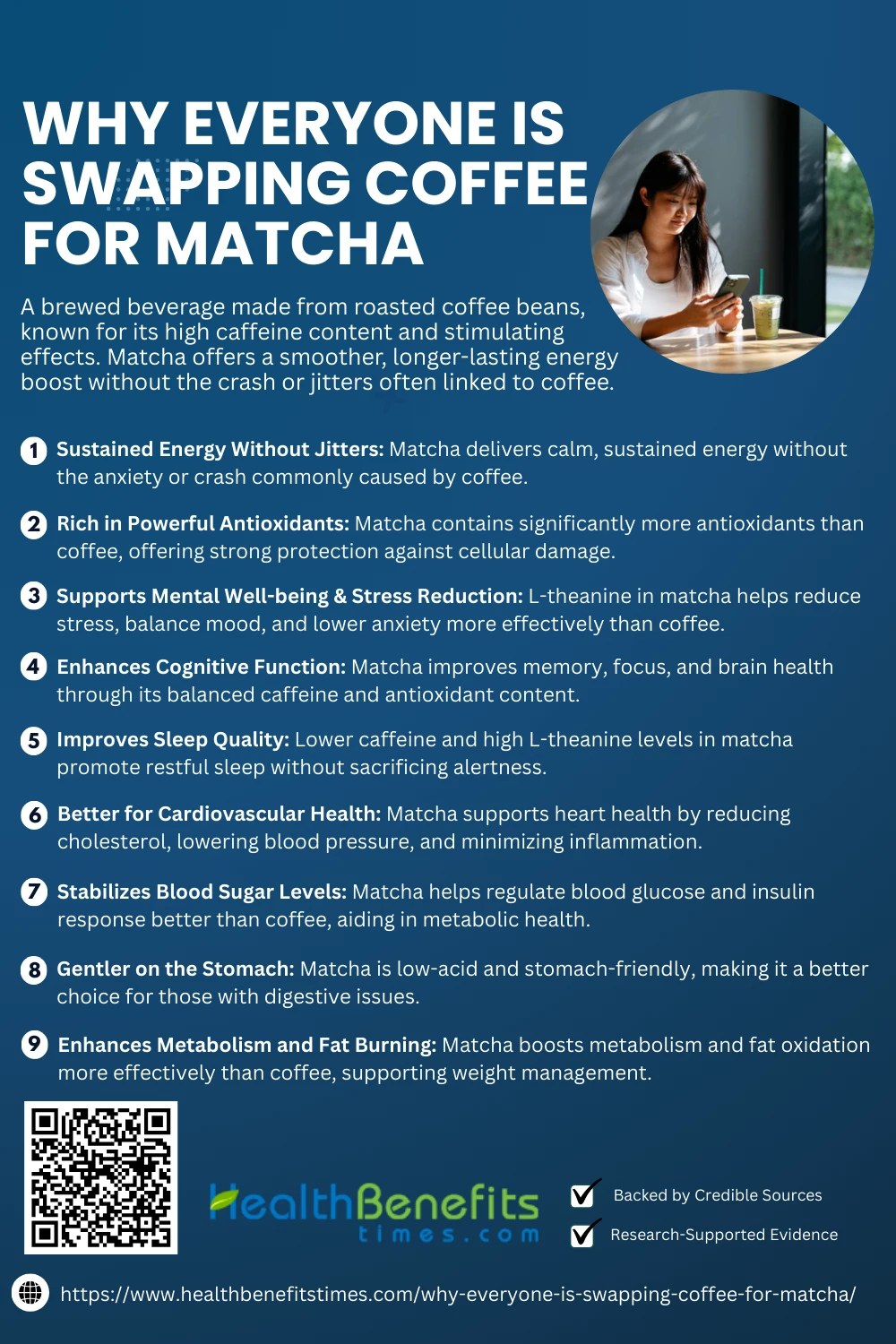 1. Sustained Energy Without Jitters
Unlike coffee, matcha provides a balanced energy boost due to its unique combination of caffeine and L-theanine. This amino acid promotes calm alertness, reducing jitteriness and energy crashes common with coffee. (5) Clinical studies confirm that matcha’s smoother stimulation enhances cognitive performance and supports stable energy. (6) (7) Research also shows reduced anxiety and better mental clarity, making it an ideal coffee alternative. (8) (9)
2. Rich in Powerful Antioxidants
Matcha surpasses coffee in antioxidant power, offering 137 times more EGCG than regular green tea. (1) This catechin protects against free radicals and supports cellular health. (10) Antioxidant-rich matcha has been linked to anti-aging and anti-inflammatory benefits. (11) It also improves cardiovascular health and supports neuroprotection, positioning it as a superior daily beverage. (12) (13)
3. Supports Mental Well-being & Stress Reduction
Matcha contains L-theanine, an amino acid shown to reduce cortisol and enhance calmness, countering caffeine-induced anxiety. (14) It helps improve mood and lower perceived stress levels. (15) A clinical trial found matcha positively affects medical students’ anxiety and happiness. (16) Its unique neurochemical composition balances dopamine and serotonin. (17) Compared to coffee, matcha’s smoother effects make it ideal for reducing psychological stress. (18)
4. Enhances Cognitive Function
Matcha enhances memory, attention, and executive function due to its synergistic blend of caffeine, L-theanine, and catechins. (12) It improves attentional capacity under stress and maintains focus without fatigue. (15) (7) Research shows it supports neuroprotection in aging populations. (19) Compared to coffee’s rapid caffeine burst, matcha offers a stable cognitive uplift that promotes clarity without overstimulation. (20)
5. Improves Sleep Quality
Matcha supports better sleep quality due to its lower caffeine content and high levels of L-theanine, which promotes relaxation without drowsiness. Studies reveal it improves mental restfulness without disrupting sleep architecture. (7) Clinical findings confirm matcha users report fewer awakenings compared to coffee drinkers. (21) Its calming influence is consistent across older adults, youth, and even during meditation routines. (22) (23) (12)
6. Better for Cardiovascular Health
Matcha supports cardiovascular health by lowering LDL cholesterol and reducing oxidative stress thanks to its abundant catechins like EGCG. (10) Unlike coffee, which may elevate blood pressure, matcha helps maintain arterial flexibility. (14) A long-term study found it improved vascular function in older adults. L-theanine’s stress-reducing effects also indirectly protect heart health, and its polyphenol-rich profile lowers inflammation. (13) (19)
7. Stabilizes Blood Sugar Levels
Matcha helps regulate blood sugar more effectively than coffee by enhancing insulin sensitivity and reducing glucose spikes. Its catechin EGCG improves glycemic control in both healthy and diabetic individuals (MDPI 2023). A Saudi-based study confirmed matcha reduces fasting glucose and HbA1c levels. (24) Matcha’s polyphenols also modulate insulin pathways. (25) It lowers oxidative stress, benefiting metabolic function, and supports fat oxidation during exercise. (26) (27)
8. Gentler on the Stomach
Matcha is naturally low in acid and rich in soothing compounds, making it significantly gentler on the stomach than coffee. Unlike coffee, which often triggers acid reflux and gastritis due to its high acidity, matcha’s catechins protect the gastric lining. (10) Matcha consumption does not increase stomach acid or cause discomfort. (11) L-theanine also contributes to digestive relaxation. A comparative review supports matcha’s superior gastrointestinal tolerance, even for those with IBS or acid sensitivity. (28) (29)
9. Enhances metabolism and fat burning
Matcha significantly boosts fat oxidation and metabolic rate, outperforming coffee due to its powerful combination of catechins and caffeine. Studies show it enhances thermogenesis and lipid metabolism during rest and exercise (MDPI Nutrients). One clinical trial showed daily matcha intake increased fat burning during moderate activity (MDPI 2020). Its EGCG content improves mitochondrial function and lipid oxidation. (30) Green tea-based catechins consistently outperform coffee alone in weight regulation trials. (31) Matcha’s metabolic edge also supports long-term obesity prevention. (32)
Potential Downsides and Considerations before Making the Switch
While matcha has many advantages, it’s not without its drawbacks. Before replacing your coffee habit, consider potential issues like cost, taste preferences, caffeine sensitivity, and quality differences in available products.
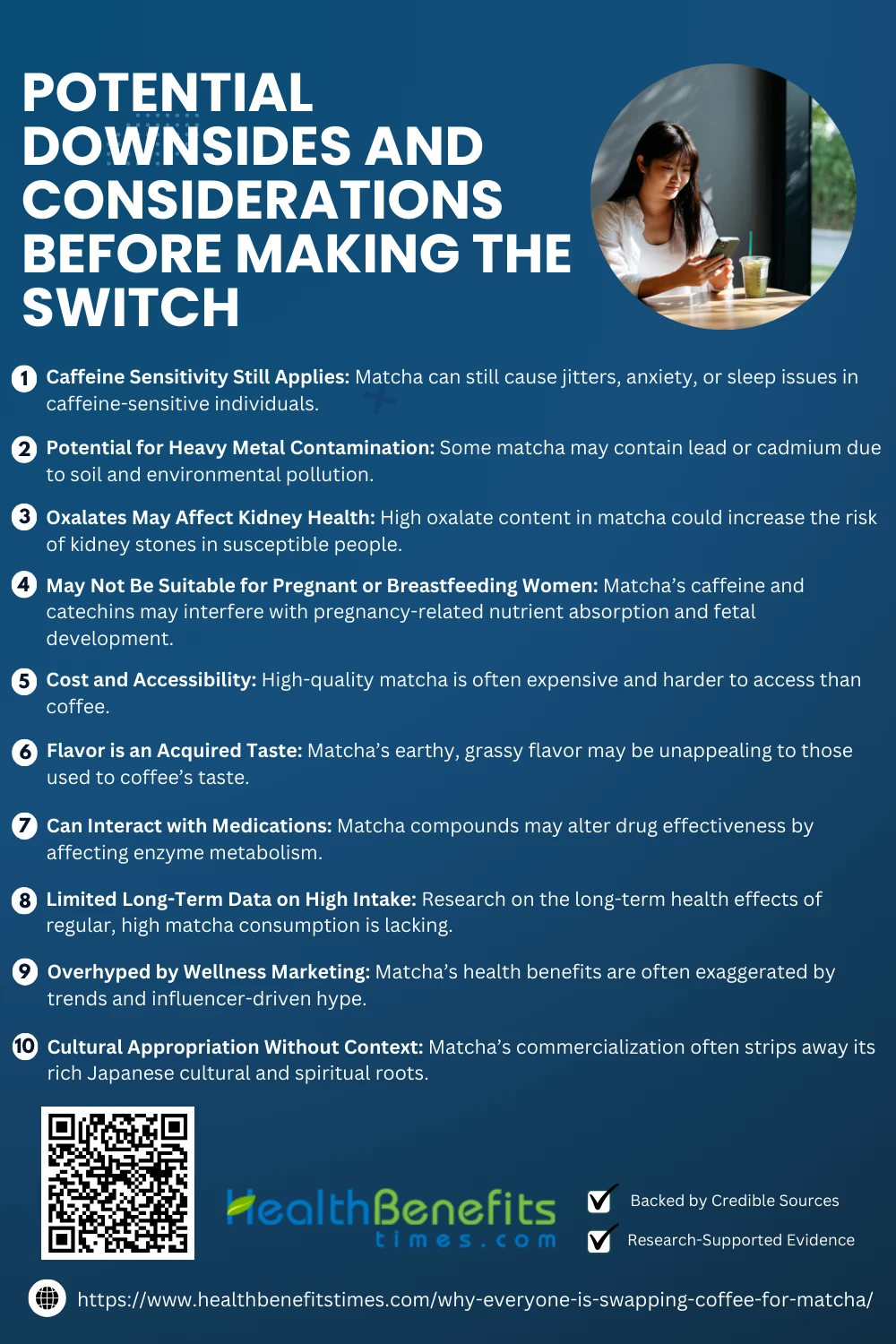 1. Caffeine Sensitivity Still Applies
Even though matcha has less caffeine than coffee, it can still affect those sensitive to stimulants, causing insomnia, jitters, or anxiety. A 2022 study confirmed elevated stress and restlessness among students consuming multiple cups daily. (33) Similar effects were observed in a women’s wellness trial on green tea. (23) A review in Applied Sciences also noted increased nervousness from excessive matcha. (34)
2. Potential for Heavy Metal Contamination
Matcha, like many teas, may accumulate heavy metals such as lead and cadmium from soil and industrial pollution. A Polish study reported cadmium and lead in green tea samples at concerning levels. (35) Chronic consumption may increase toxic burden, especially with lower-grade matcha. (36) Chinese assessments have confirmed variability in contamination across regions.
3. Oxalates May Affect Kidney Health
Matcha is high in natural oxalates, which may increase the risk of kidney stones, especially for individuals predisposed to oxalate sensitivity. A systematic review confirms that high-oxalate plants like matcha should be moderated. Green tea derivatives may contribute to stone formation in some cases (MDPI). Risk is elevated with frequent consumption.
4. May Not Be Suitable for Pregnant or Breastfeeding Women
Matcha contains caffeine and high levels of catechins, which may interfere with folate metabolism, essential during pregnancy. Experts recommend limited matcha intake due to potential developmental risks. (37) Animal studies suggest catechins could impair fetal growth. (10) Excess caffeine is linked to pregnancy complications. (15)
5. Cost and Accessibility
Ceremonial-grade matcha can be significantly more expensive and less accessible than common coffee products. High production costs and export markups limit affordability in global markets. A 2024 market report highlights price disparities in tea sourcing versus coffee. (38) Accessibility challenges especially affect rural and low-income regions. (39)
6. Flavor is an Acquired Taste
Matcha’s earthy, umami-rich flavor can be off-putting to those accustomed to coffee’s bitterness or sweetness. Consumer research shows that many require sweeteners or milk to adapt to matcha’s grassy notes. (11) Cultural expectations also influence acceptance of matcha’s taste. (32) Branding and palate training can influence its wider adoption. (40)
7. Can Interact with Medications
Matcha’s catechins and caffeine can interfere with drug metabolism by affecting enzymes like CYP450. This can reduce or enhance medication efficacy, particularly cardiovascular and psychiatric drugs. (41) Caution is advised with anticoagulants and stimulants. (42) Drug-nutrient interactions have also been observed with supplements and green tea compounds. (43)
8. Limited Long-Term Data on High Intake
While matcha shows short-term benefits, comprehensive long-term studies are limited. Most existing data focus on short-duration trials with small cohorts. (12) The effects of high-dose, daily matcha intake on liver function, micronutrient balance, and hormonal systems remain underexplored. (44) Until longitudinal research expands, high chronic consumption should be approached with care. (1)
9. Overhyped by Wellness Marketing
Matcha’s popularity has been amplified by wellness influencers and commercial branding that often exaggerates its benefits without rigorous scientific backing. Influencer-led narratives distort health claims for trend appeal. Studies show many consumers are swayed more by aesthetic and hype than data. Green tea’s therapeutic portrayal has outpaced conclusive evidence. (45)
10. Cultural Appropriation Without Context
Matcha is deeply embedded in Japanese tea ceremony and Zen tradition, yet its commercialization in the West often ignores this heritage. Critics highlight the stripping of cultural context in favor of profit-driven branding. ({% trusted %}) Western rebranding detaches matcha from its spiritual roots. This trend reflects broader issues of cultural commodification in global wellness markets.
How to Start Incorporating Matcha into Your Daily Routine
Switching to matcha is easy with a few simple steps. Whether you prefer lattes, smoothies, or traditional brews, you can enjoy its benefits by gradually adding it to your routine.
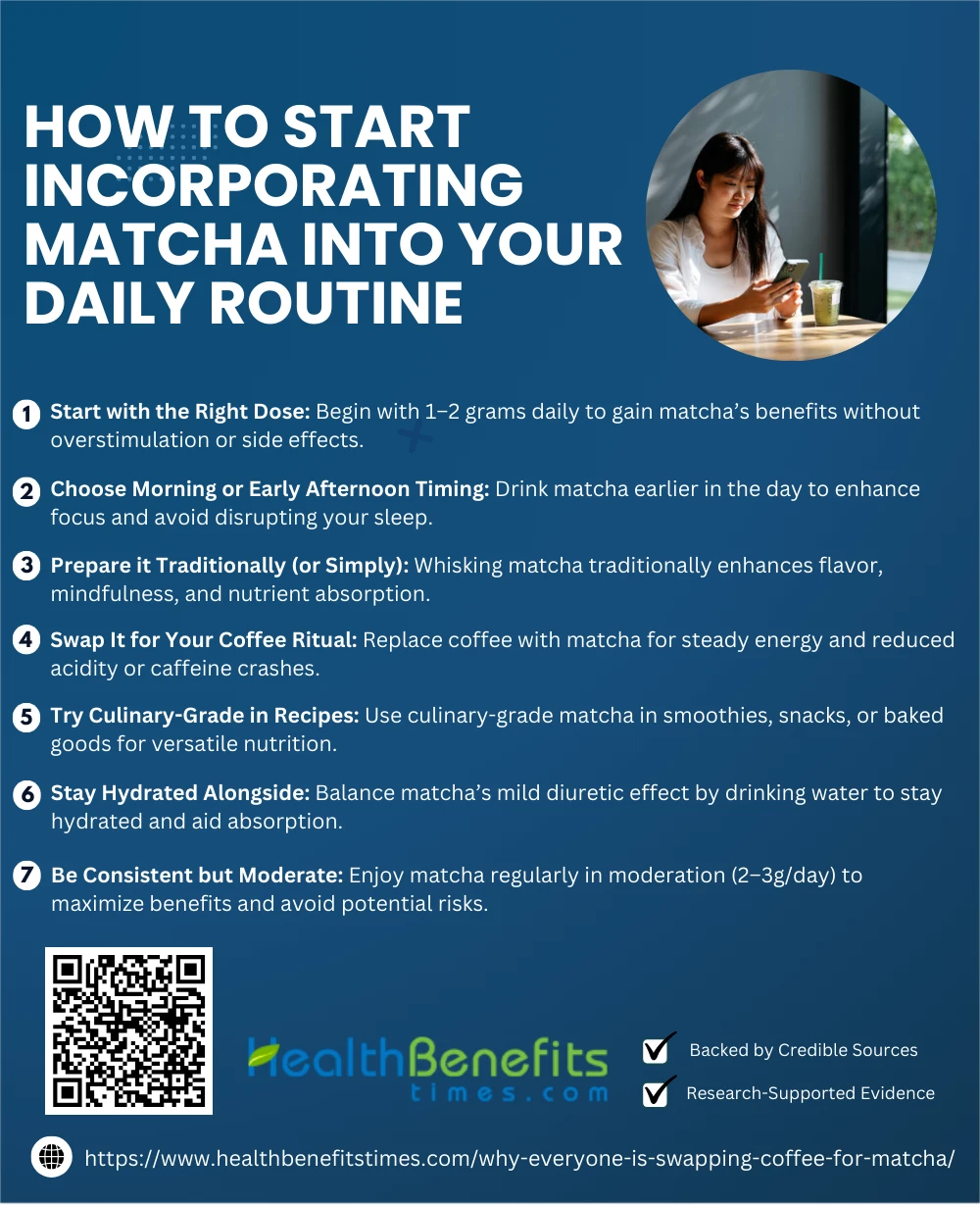 1. Start with the Right Dose
To safely enjoy matcha, begin with 1 to 2 grams per day (about ½ to 1 tsp), providing roughly 30–70 mg of caffeine—enough for alertness without overstimulation. Research suggests this dosage optimizes matcha’s health benefits without triggering side effects. (5) Clinical trials confirm improved cognition at moderate doses, and EFSA safety reviews support caffeine limits under 200 mg/day. (46) (43)
2. Choose Morning or Early Afternoon Timing
To maximize benefits and avoid sleep disturbances, matcha should be consumed in the morning or early afternoon. Its unique combination of caffeine and L-theanine provides calm alertness ideal for starting your day. (12) Studies suggest that earlier intake supports circadian rhythms, while avoiding evening matcha reduces the risk of insomnia. (44) (24)
3. Prepare it Traditionally (or Simply)
To prepare matcha in the traditional Japanese way, use a bamboo whisk (chasen) to froth 1–2 grams of powder into hot water. This method enhances flavor, texture, and mindfulness. A JAIST study found that whisking improves taste and antioxidant dispersion. (47) MDPI also confirms this boosts bioactive benefits, as seen in ceremonial practices. (34) (48)
4. Swap It for Your Coffee Ritual
Matcha can seamlessly replace your daily coffee habit while offering longer-lasting energy and less acidity. Studies show that matcha provides comparable alertness without the crash linked to coffee. (7) Matcha’s L-theanine modulates caffeine’s effects, creating a calm focus ideal for morning routines. (24) Regular drinkers report fewer withdrawal symptoms during the swap. (44)
5. Try Culinary-Grade in Recipes
Culinary-grade matcha is ideal for smoothies, baked goods, and snacks due to its robust flavor and cost-effectiveness. Studies confirm its antioxidant properties remain stable during cooking. Research highlights matcha’s effectiveness in noodles and cookies for boosting nutritional profiles. Its functional value in daily recipes is well-supported. (48)
6. Stay Hydrated Alongside
Matcha, while hydrating, still contains caffeine and diuretic compounds that can lead to mild dehydration if not balanced. Experts recommend pairing it with water to maintain electrolyte balance. (1) Studies show hydration is critical for maximizing matcha’s antioxidant absorption. (24) Matcha latte drinkers especially benefit from increased fluid intake. (49)
7. Be Consistent but Moderate
Daily matcha consumption offers cognitive and metabolic benefits, but moderation is key. Experts recommend no more than 2–3 grams per day to avoid potential liver strain or oxalate buildup. (12) Consistency enhances cardiovascular and metabolic outcomes. (24) Regulatory reviews caution that exceeding safe thresholds may increase health risks. (50)
Functional Comparison: Matcha vs. Coffee
Here’s a detailed functional comparison table between Matcha and Coffee, covering nutritional, physiological, and cognitive aspects based on peer-reviewed research and nutritional databases:
| Feature | Matcha (Ceremonial Green Tea Powder) | Coffee (Black Brewed) | Comparison Insight |
| Primary Active Compound | L-Theanine + Catechins (EGCG) + Caffeine | Caffeine | Matcha offers a synergistic effect of L-Theanine with caffeine for calmer alertness. |
| Caffeine Content (per 8 oz) | ~70 mg (1 tsp Matcha) | ~95 mg | Coffee has more caffeine, producing stronger stimulation, but with possible jitteriness. |
| Energy Boost Type | Sustained, Calm Energy | Quick Spike, Possible Crash | Matcha’s theanine smooths caffeine’s effect, reducing anxiety and crash. |
| Antioxidant Level (ORAC) | ~1384 units/gram | ~200–300 units/gram | Matcha contains up to 10x more antioxidants, especially EGCG. |
| Stress & Anxiety Effect | Reduces stress (due to L-Theanine) | May increase stress and anxiety | Matcha promotes alpha brain waves, linked to relaxation. |
| Cognitive Enhancement | Enhances attention + memory via synergy | Improves alertness, reaction time | Matcha offers cognitive clarity without overstimulation. |
| Chlorophyll Content | High (bright green from shade-growing) | None | Chlorophyll in Matcha offers detoxifying and anti-inflammatory properties. |
| Acidity / Stomach Sensitivity | Low acid, gentle on stomach | High acidity, may cause GI upset | Matcha is better for those with acid reflux or stomach issues. |
| Preparation Style | Whisked powder, consumed whole (not steeped) | Brewed, filtered liquid | Matcha gives 100% leaf consumption, maximizing nutrient intake. |
| Metabolism & Weight Loss | Boosts thermogenesis and fat oxidation (EGCG) | Increases metabolic rate temporarily | Matcha’s catechins offer greater fat-burning potential. |
| Dependency / Tolerance Risk | Low dependency risk | Higher dependency and withdrawal symptoms | Coffee may lead to caffeine addiction and withdrawal headaches. |
| Diuretic Effect | Mild | Strong | Matcha is less dehydrating than coffee. |
| Taste Profile | Umami, vegetal, slightly bitter | Bitter, acidic | Taste preference is subjective; matcha often requires acclimation. |
| Calories (unsweetened) | 3–5 kcal per serving | 0–2 kcal per cup | Both are low-calorie when consumed plain. |
| Key Nutrients | Vitamin C, selenium, zinc, fiber, chlorophyll | Niacin (B3), magnesium, potassium | Matcha offers broader micronutrient diversity. |
| Best Use Timing | Morning to early afternoon | Morning | Matcha can be used later due to smoother caffeine curve. |
| Notable Health Risks | Heavy metal risk if low quality | Sleep disruption, jitteriness, acidity | Quality control is important in both; matcha must be certified clean. |
Conclusion
The growing shift from coffee to matcha isn’t just a passing trend—it reflects a broader move toward mindful, health-conscious living. With its combination of steady energy, powerful antioxidants, and digestive friendliness, matcha offers a compelling alternative for those looking to elevate their daily rituals. It provides mental clarity without the jittery side effects of coffee and aligns with a more balanced lifestyle. While it may not entirely replace coffee for everyone, incorporating matcha even occasionally can be a smart step toward better well-being. So why not give it a try? Your body—and your mind—might just thank you.