| Wild pansy Quick Facts |
| Name: |
Wild pansy |
| Scientific Name: |
Viola tricolor |
| Shapes |
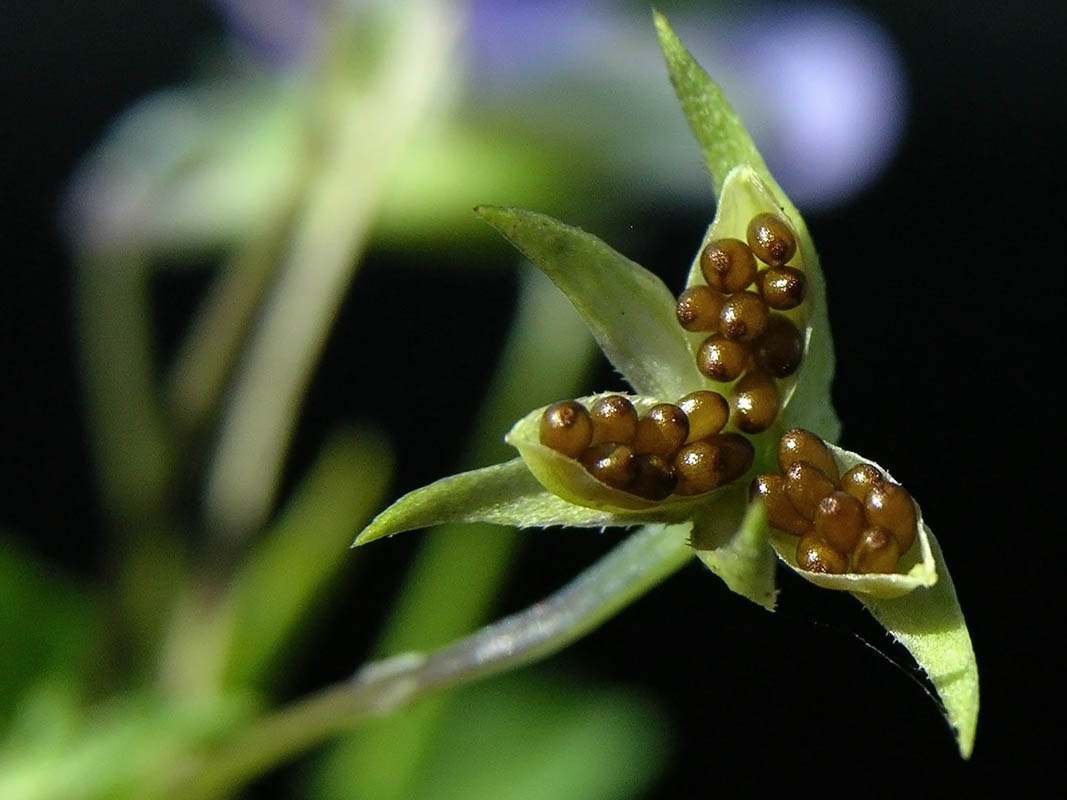
Capsule, tri-valved elastically, loculicidal, ellipsoid-oblong, 0.8-1.2 cm across |
The genus Viola comprises of almost 500 species which is widely distributed throughout the world. Wild pansy is a well-known medicinal plant whose biological activities are associated to its antioxidant capacity.
With the long history of herbal use and is reputed as a treatment for asthma, epilepsy, skin diseases and other problems. In modern herbalism, it is considered to be purifying herb and taken internally for treating skin problems such as eczema. It is antiasthmatic, anodyne, cardiac, anti-asthmatic, demulcent, diaphoretic, depurative, expectorant, emollient, vulnerary and laxative. As an expectorant, it is helpful for various chest problems such as whooping cough and bronchitis. The plant is yield from June to August and dried for later use.
Description
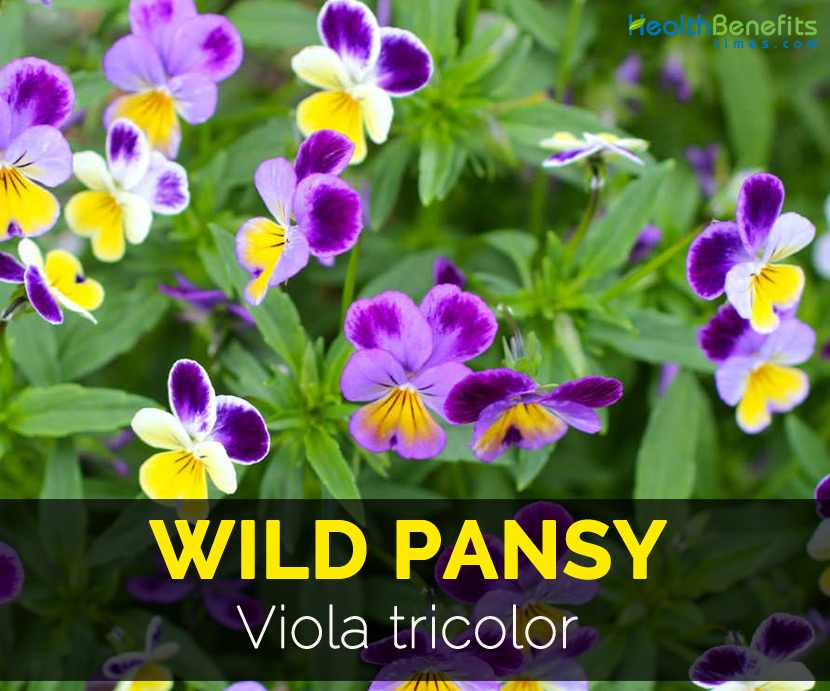
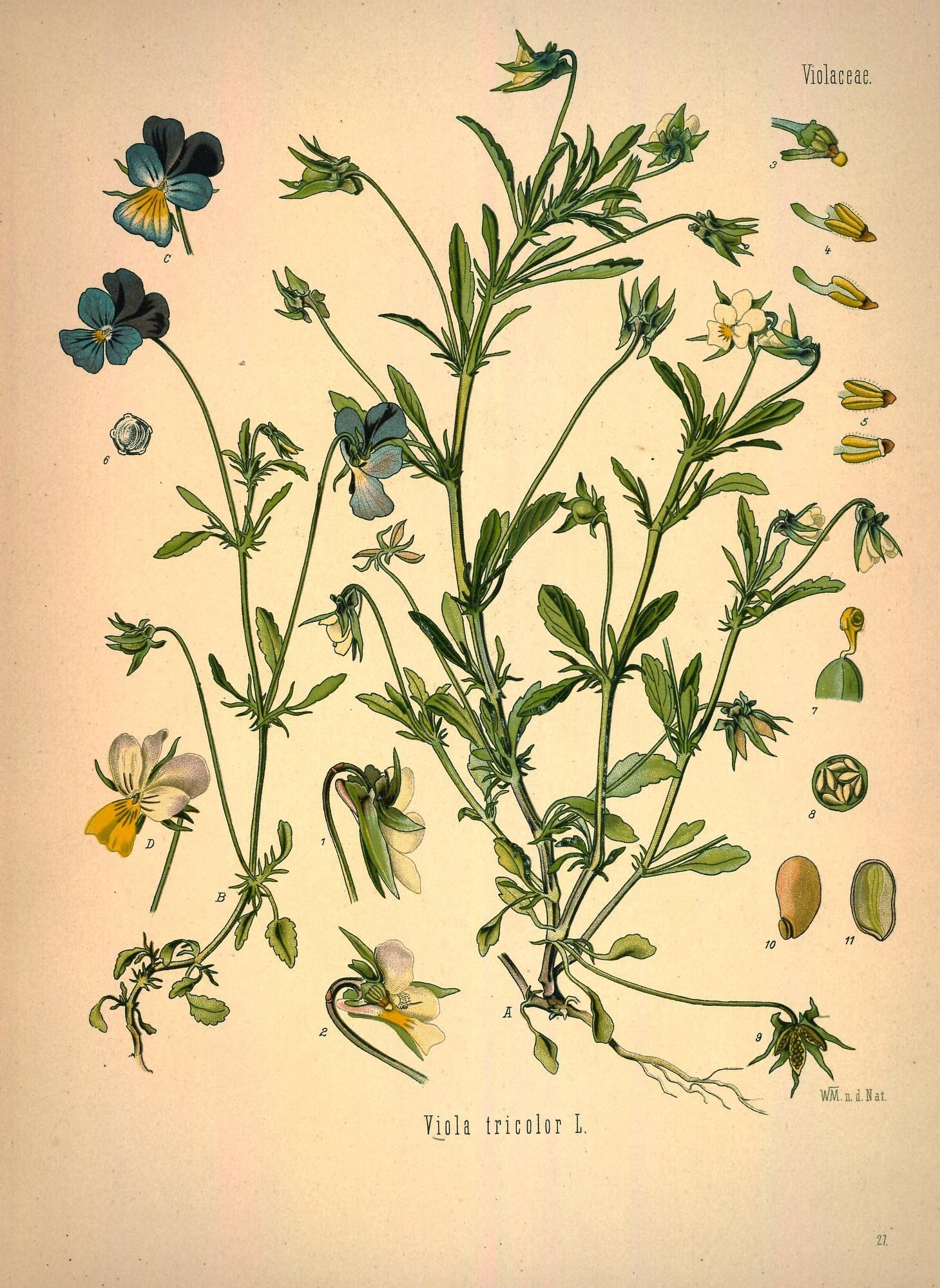
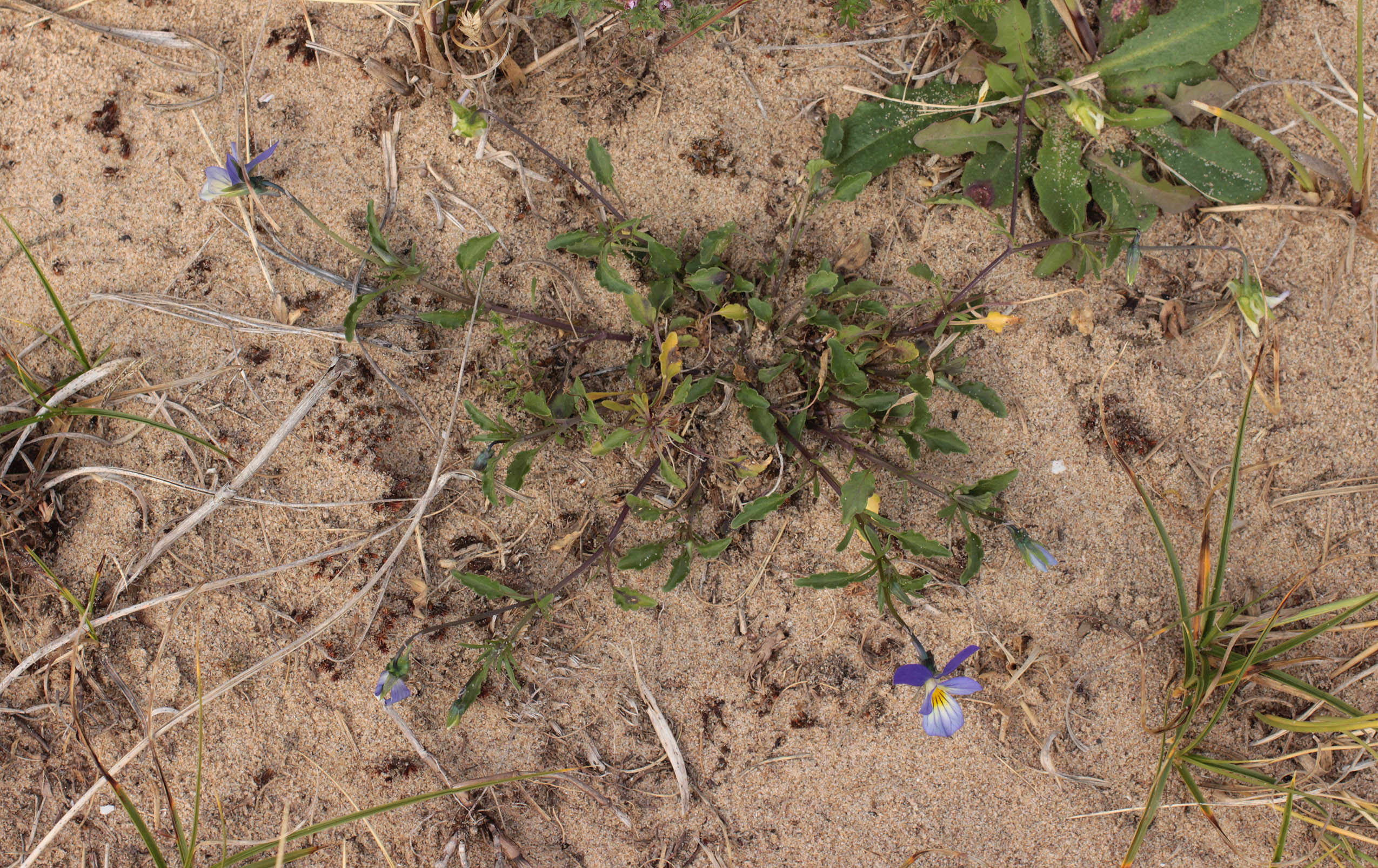
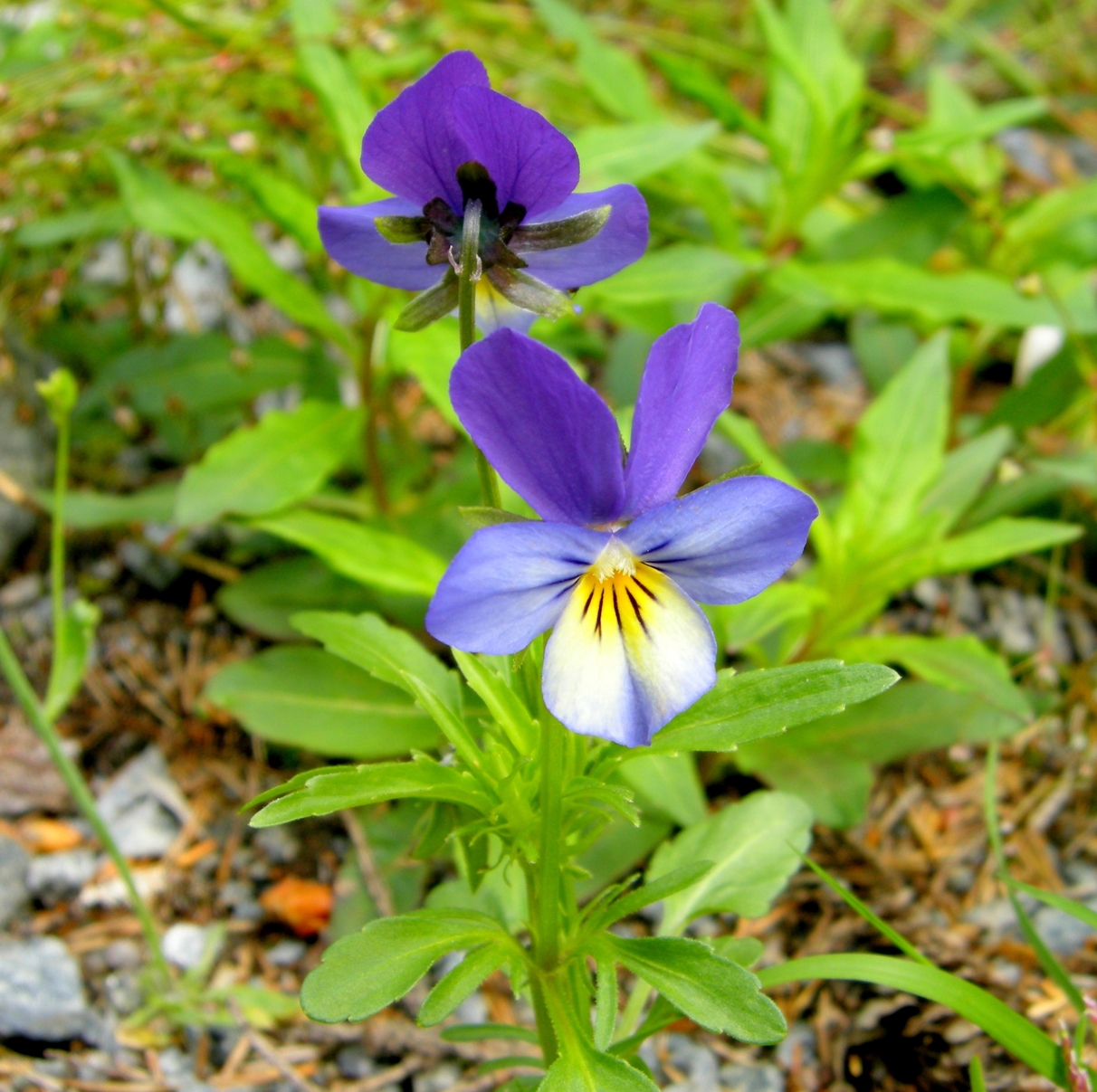
Wild pansy, a small creeping or ramping plant which reaches 15 cm high with flowers 1.5 cm in diameter. It is found in short grassland on farms as well as wastelands on acid and neutral soils. Usually it is found in partial shade. Roots are rhizome type with fine rootlets. Stem is hairless, downy and branched. It has no leaf rosette at the base, not like some other violets such as Viola hirta. Stipules are developed, palm-lined or palmatised. Flowers are lateral and solitary uphold on long peduncles. It is found on aerial stems having more or less long internodes. Sepals are 10-25 mm long. Corolla is found in blue, purple, white or blue in colour. Often it is found in two tones: yellow and purple. The plant is hermaphrodite, self-fertile i.e. pollinated by bees.
Flower
Corolla is zygomorphic generally multicolored (white, yellow and purple; each color is found to be weak or not present at all), about 1-2.5 cm (0.4-1 inches) wide. Petals are five and longer than sepals. There are five stamens and five sepals. Gynoecium is fused or single styled. Flowers are solitary in axils and nodding.
Leaves
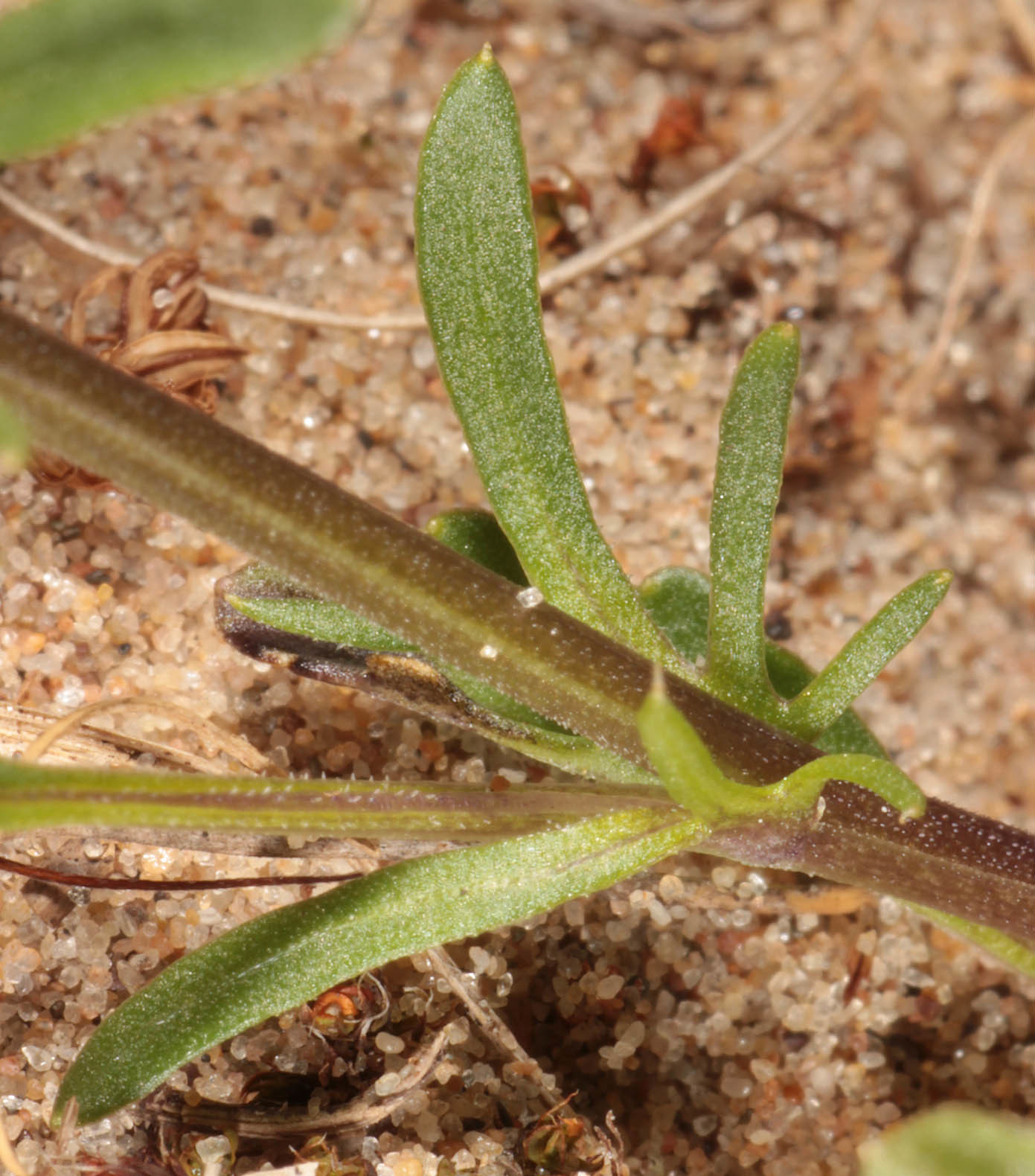
Leaves are stipulate, alternate and quite short stalked. Rosette is usually absent. Blades are ovate-lanceolate with rounded teeth. Stipules are leafy, deeply lobed, tip lobe lanceolate and entire toothed margins.
Habitat
Wild pansy is common on Eurasian continent near the sea or inland and available at an altitude ranging from 0 to 2700 meters. It spreads in open grasslands, wastelands and mainly on acidic and neutral soils. It could be found on banks and alluviums.
Medicinal uses
- Since long time, it is used in folk medicine and herbalism for epilepsy, eczema and skin diseases and for respiratory ailments such as asthma, bronchitis and cold symptoms.
- It is diuretic resulting traditional use for cystitis and rheumatism.
- Leaves are helpful for acidity.
- Apply it externally to alleviate mild seborrhoeic skin conditions, a condition in which the production of sebum is heightened.
- Its extracts are helpful for skin functions.
- Use an ointment, apply externally to treat eczema and other skin problems or useful for bed wetting and rheumatism.
- Use it to treat cutaneous eruptions.
Health Benefits of Wild pansy
- Skin health
Infusions are effective for treating eczema, acute and chronic inflammation of the skin which is characterized by itching, redness and swelling.
- Expectorant activities
The plant is helpful for treating sore throats; relieve problem and lower symptoms of whooping cough. The expectorant effect facilitates elimination of secretion through respiratory tract. It is used for treating asthma and bronchitis.
- Relieve constipation
Wild pansy plant is helpful for dealing with constipation.
- Reduce swelling
Wild pansy is graced with diuretic properties. It eliminates excess water as it stimulates urine. It combats swelling that arises due to fluid retention.
- Anti-inflammatory properties
The tea prepared with wild pansy has anti-inflammatory properties which is beneficial for treating health conditions such as gout, pneumonia and rheumatism.
- Circulation
The plant improves blood circulation which is beneficial for heart health.
- Cystitis
The diuretic properties that Wild pansy is effective for treating cystitis, an inflammation of bladder causing symptoms such as persistent urge to urinate, burning on peeing, small and frequent urine, blood in urine, discomfort in pelvic region, pressure in lower abdomen and low fever.
- Respiratory problems
The expectorant properties are helpful in treating respiratory ailments such as bronchitis and whooping cough. It eliminates the phlegm from the body during attack of cold and cough.
- Urinary health
Besides treating skin and respiratory problems, it helps to cure urinary ailments. It is associated for treating cystitis and frequent urination.
Culinary uses
- Flower buds or young leaves are consumed raw or cooked.
- Add it to soups to thicken it.
- Make a tea from leaves.
- Add small attractive flowers to salads or use it as a garnish.
Precautions
- The plant decoction might cause dermatitis in some people.
- The species with yellow flowers when consumed in high quantities causes diarrhea.
References:
https://www.itis.gov/servlet/SingleRpt/SingleRpt?search_topic=TSN&search_value=22175#null
https://www.drhauschka.de/en/cosmos/values/organic-raw-materials-from-around-the-world/medicinal-plant-glossary/wild-pansy-heartsease/
https://indiabiodiversity.org/species/show/259175
https://ipfs.io/ipfs/QmXoypizjW3WknFiJnKLwHCnL72vedxjQkDDP1mXWo6uco/wiki/Viola_tricolor.html
http://temperate.theferns.info/plant/Viola+tricolor
https://www.carabiniers-grenadiers.be/en/articles/dieta/viola-tricolor-para-que-serve-benefcios-e-propriedades.html
http://www.herbal-information.com/wild-pansy-viola-tricolor/
Comments
comments