

Pigeon pea (Cajanus cajan) is a perennial legume belonging to the Fabaceae family, widely cultivated across tropical and subtropical regions of Asia, Africa, and the Americas. It ranks as the sixth most important edible legume globally, with approximately 5 million tonnes Wiley Online Library produced annually from around 6.1 million hectares of land. 1 Pigeon peas are an economical source of protein and contain essential amino acids such as methionine, lysine, and tryptophan. Their bioactive compounds have been studied for antioxidant and anticarcinogenic properties, and recent evidence suggests they may help modulate gut microbiota and reduce inflammation. ARCC Journals 2 Traditionally, various plant parts have been used to treat conditions including coughs, diarrhoea, wounds, and diabetes. PFAF Rich in dietary fibre, minerals, and phytochemicals, pigeon peas remain a vital crop for food security in developing countries. 3
Nutritional Profile of Pigeon peas
Source: usda.gov
Based on the provided PDF, here are the top 16 nutritional values for Pigeon peas (red gram), mature seeds, cooked, boiled, without salt.
Serving Size: 100g
| Nutrients | Amount | DV%* |
| Water | 68.6 g | – |
| Energy | 121 kcal | – |
| Protein | 6.76 g | 14% |
| Total lipid (fat) | 0.38 g | <1% |
| Carbohydrate | 23.2 g | 8% |
| Fiber, total dietary | 6.7 g | 24% |
| Calcium, Ca | 43 mg | 3% |
| Iron, Fe | 1.11 mg | 6% |
| Magnesium, Mg | 46 mg | 11% |
| Phosphorus, P | 119 mg | 10% |
| Potassium, K | 384 mg | 8% |
| Sodium, Na | 5 mg | <1% |
| Zinc, Zn | 0.9 mg | 8% |
| Copper, Cu | 0.269 mg | 30% |
| Manganese, Mn | 0.501 mg | 22% |
| Folate, total | 111 µg | 28% |
Percent Daily Values (%DV) are based on a 2,000-calorie diet. Individual nutritional needs may vary depending on age, gender, activity level, and overall health.
Science Backed Health Benefits of Pigeon peas (Cajanus cajan)
#1. Boosts Heart Health
Cardiovascular disease often stems from dysregulated lipid profiles and elevated arterial pressure, creating a high risk for conditions such as atherosclerosis and hypertension. Bioactive compounds found in nature can intervene in these pathological processes by restoring cholesterol homeostasis and modulating cardiac function. 4 5 Specifically, the leaves of Cajanus cajan contain potent phytochemicals, including cajaninstilbene acid, flavonoids, and stilbenes, which act directly on the liver’s lipid metabolism pathways. 4 When these nutrients are introduced to the system, they actively suppress the PCSK9 protein a regulator that typically degrades LDL receptors thereby preserving these receptors and enhancing the clearance of “bad” cholesterol from the bloodstream. 4 Additionally, pharmacological evidence suggests that specific aqueous extracts exert a cardio-inhibitory influence by acting on muscarinic receptors to reduce heart rate and vascular tension, offering a dual mechanism to manage hypercholesterolemia and high blood pressure. 5
What Research Says:
- According to research supported by the Ministry of Science and Technology, Taiwan, the methanol extract of Cajanus cajan leaves (MECC) significantly up-regulates LDLR expression in hepatic cells, a mechanism largely driven by the bioactive component cajaninstilbene acid. 4
- Studies conducted at Nangui Abrogoua University demonstrated that aqueous leaf extracts induced dose-dependent hypotension in normotensive subjects (ED50 of 9.33 mg/kg), scientifically validating traditional uses for managing hypertension. 5
- Molecular analysis indicates that MECC down-regulates PCSK9 gene expression by reducing nuclear HNF-1α levels, whereas the hypotensive effect is mediated through cholinomimetic pathways that are sensitive to atropine blockade. 4 5
- Phytochemical profiling across these studies confirmed the presence of pinostrobin, vitexin, orientin, and tannins, establishing a chemical basis for the plant’s potent anti-atherogenic and cardio-protective capabilities. 4 5
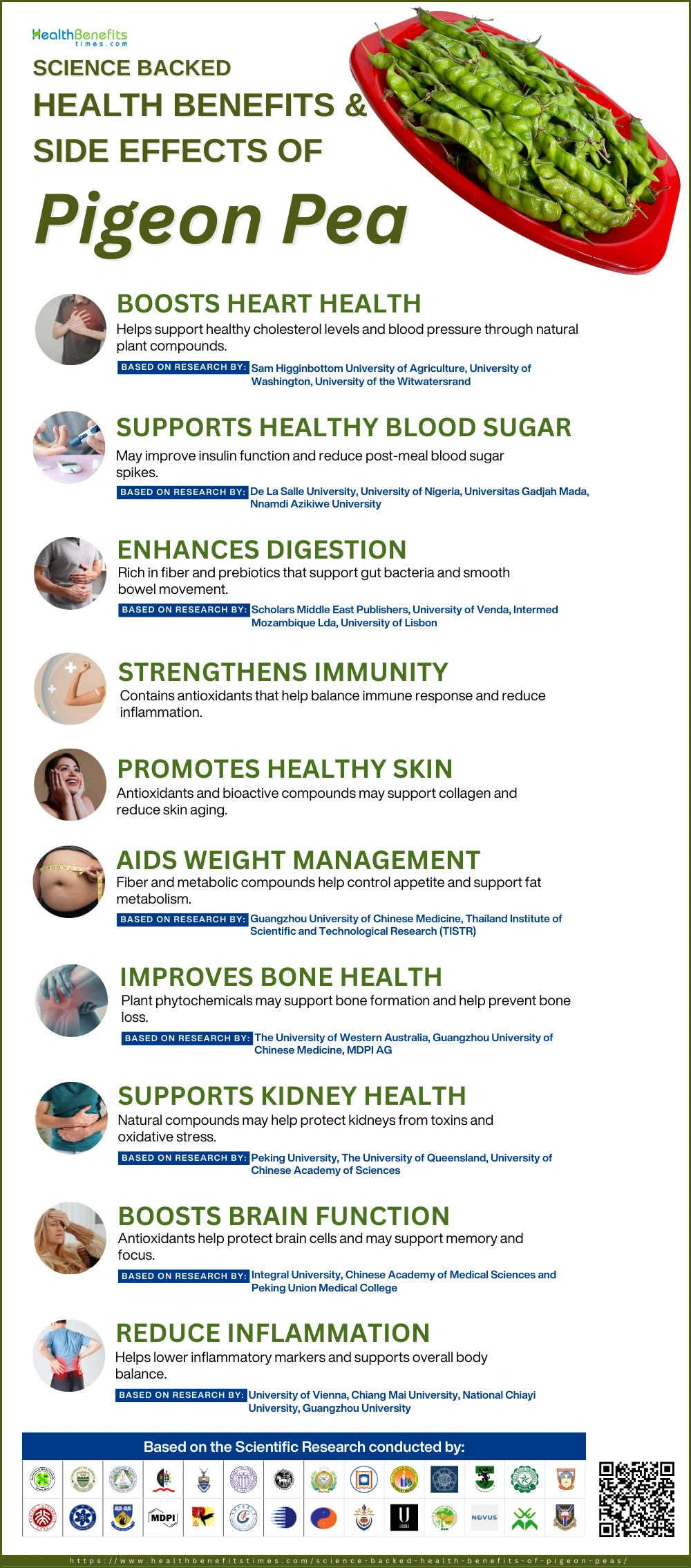 #2. Supports Healthy Blood Sugar Levels
Diabetes mellitus is a chronic metabolic disorder driven by insulin resistance or insufficient insulin production, leading to persistent hyperglycemia and oxidative stress which damages pancreatic beta-cells. 6 7 To counteract this, bioactive dietary components function as natural therapeutic agents by modulating carbohydrate metabolism. Potent phytochemicals found in these legumes specifically flavonoids like daidzein and genistein, alongside saponins and tannins exert antidiabetic effects by inhibiting key digestive enzymes such as alpha-amylase and alpha-glucosidase, thereby retarding glucose absorption in the intestine. 8 7 Furthermore, these nutrients possess strong antioxidant properties that neutralize free radicals, protecting tissues from glucose-induced oxidative injury and improving insulin sensitivity. 7 9 Whether consumed as germinated sprouts or processed into functional foods like yogurt, these compounds help regulate postprandial blood sugar spikes and inhibit hepatic gluconeogenesis, making them particularly effective in the management of Type 2 diabetes. 8
What Research Says:
- Studies conducted at the University of Nigeria indicate that methanol extracts of the leaves significantly reduce fasting blood sugar and suppress postprandial hyperglycemia in diabetic rats, likely due to the insulin-mimetic activity of constituent tannins and terpenoids. 9
- Research on functional foods at Universitas Gadjah Mada demonstrated that fermenting these legumes into yogurt with L. plantarum increases the bioavailability of aglycones (daidzein and genistein) and produces short-chain fatty acids like butyrate; this formulation reduced blood glucose levels in mice by over 36%, an effect comparable to the drug metformin. 8
- Comparative investigations from Bangladesh highlighted that root extracts possess superior antioxidant capacity and hypoglycemic potency compared to Tamarindus indica, effectively mitigating oxidative stress associated with diabetes. 6
- Experiments regarding dietary preparation methods show that germination significantly boosts total phenolic content and the inhibition of carbohydrate-hydrolyzing enzymes (alpha-amylase and alpha-glucosidase), thereby enhancing the potential to control hyperglycemia and lipid peroxidation. 7
- Additionally, trials using ethanolic leaf extracts confirmed a dose-dependent hypoglycemic effect in hyperglycemic mice, with significant blood glucose reductions observed at doses between 400 and 800 mg/kg. 10
#3. Enhances Digestion
Optimal gastrointestinal function relies heavily on the synergistic balance between enzymatic breakdown and microbiome stability. Legumes such as Cajanus cajan facilitate this balance through a dense concentration of dietary fiber, specifically insoluble cellulose and resistant starch, which bypass digestion in the small intestine to serve as substrates for colonic fermentation. 11 12 This biological process generates short-chain fatty acids that maintain mucosal integrity and regulate bowel motility. Furthermore, these seeds contain functional oligosaccharides like raffinose and stachyose that act as prebiotics, selectively stimulating beneficial bacterial proliferation to crowd out pathogens. 12 Beyond mechanical regulation, the plant’s rich profile of phenolic compounds and flavonoids exerts potent anti-inflammatory and antibacterial effects, which are clinically relevant for managing acute conditions such as dysentery and reducing gut inflammation when consumed as part of a balanced diet. 11
What Research Says:
- Research published in PLoS ONE indicates that high-temperature short-time extrusion cooking significantly modifies the starch digestion kinetics of these grains, increasing the ratio of rapidly digestible starch while retaining prebiotic oligosaccharides essential for hindgut health. 12
- According to investigations involving the Eduardo Mondlane University, processing methods like roasting effectively reduce anti-nutritional factors such as trypsin inhibitors and tannins, which otherwise hinder nutrient absorption and irritate the gut lining; this thermal treatment was linked to improved duodenal crypt depth and reduced intestinal immune activation. 13
- A study featured in the Saudi Journal of Biomedical Research identified that the cellulosic seed coat acts as a physical barrier to enzymatic hydrolysis, with findings showing that removing this hull increases in vitro starch digestibility from 82% to 88%. 14
- Further data highlights that combining germination with fermentation significantly degrades complex antinutrients, thereby enhancing protein digestibility and functional properties for sensitive digestive tracts. 15
#4. Strengthens Immunity
Immune diseases represent a complex breakdown in physiological homeostasis, often characterized by persistent inflammation, compromised mucosal barriers, and a dysregulated defense system. Cajanus cajan (Pigeon pea) intervenes in this pathological process by restoring immune balance, specifically through the activation of the aryl hydrocarbon receptor (AhR) pathway, a critical regulator of intestinal immunity and tissue repair. 16 The therapeutic efficacy is driven by potent bioactive phytochemicals, including stilbenes like cajaninstilbene acid, longistylin A, and longistylin C, as well as flavonoids such as cajachalcone. 17 When these compounds are introduced to the system, they function as AhR agonists, modulating the body’s cytokine profile to reduce oxidative stress and prevent the progression of debilitating gastrointestinal conditions like inflammatory bowel disease (IBD) and colitis. 16 This phytochemical interaction facilitates a shift from aggressive immune reactivity toward restorative healing processes, reinforcing the epithelial barrier against inflammatory insults. 17
What Research Says:
- According to comprehensive research conducted by the School of Life and Health Sciences at Hainan University, Cajanus cajan leaf extract (CCLE) demonstrates significant therapeutic potential in treating acute colitis by correcting systemic immune homeostasis. 16
- Scientific evaluations utilizing DSS-induced models revealed that the extract effectively downregulates pro-inflammatory mediators such as TNF-α, IL-6, and myeloperoxidase (MPO), while simultaneously upregulating protective tight junction proteins like ZO-1 and Occludin. 17
- Flow cytometry analysis highlights a functional correction in splenic immune cell populations, specifically reducing pathogenic Th17 cells and M1 macrophages in favor of anti-inflammatory Treg cells and M2 phenotypes. 16
- Microbiome sequencing confirms that the botanical intervention reverses gut dysbiosis by inhibiting harmful bacteria like Staphylococcus and enriching beneficial genera such as Odoribacter and Oscillibacter, which are essential for maintaining mucosal integrity. 17
#5. Promotes Healthy Skin
Skin diseases often stem from chronic inflammation, oxidative stress, or immune dysregulation, manifesting as conditions ranging from autoimmune disorders like psoriasis to premature aging and hyperpigmentation. Promoting dermal health requires modulating these underlying pathways to restore homeostasis and structural integrity. Cajanus cajan serves as a potent botanical intervention, delivering a complex matrix of bioactive nutrients including flavonoids, stilbenoids, and specific peptide fractions. 18 19 These phytochemicals, such as pinosylvin and cajaninstilbene, function by scavenging reactive oxygen species and suppressing inflammatory cytokines like IL-6 and TNF-α, which are critical drivers of skin pathology. 18 19 Furthermore, when these nutrients are utilized, they actively stimulate collagen synthesis and inhibit melanin overproduction. 20 This multifaceted mechanism allows the plant’s active constituents to alleviate symptoms of inflammatory skin conditions while simultaneously addressing cosmetic concerns like wrinkles and melasma. 20 19
What Research Says:
- According to clinical observations involving the Thailand Institute of Scientific and Technological Research, alkaline-extracted peptides from this species demonstrated significant anti-aging efficacy; a 0.2% peptide solution reduced wrinkle depth by approximately 9% and significantly lightened melasma in human volunteers after eight weeks of application. 20
- Research investigating autoimmune interventions indicates that stilbene-enriched ethyl acetate extracts effectively attenuate psoriasis symptoms by activating the aryl hydrocarbon receptor (AhR) pathway. This activation downregulates pro-inflammatory chemokines and cytokines, such as IL-17a and Ccl2, leading to the normalization of epidermal thickness in murine models. 19
- Further pharmacological reviews highlight that hydroalcoholic extracts act as powerful antioxidants, with specific constituents like cyanidin-3-monoglucoside suppressing inflammatory production in macrophage cells, thereby validating traditional uses for treating wounds and oral ulcers. 18
#6. Aids Weight Management
Excess body weight, particularly the accumulation of visceral adipose tissue, is often driven by a chronic imbalance between energy intake and expenditure, frequently exacerbated by low-grade inflammation. Pigeon peas facilitate weight management through potent bioactive compounds, specifically prebiotic oligosaccharides of the raffinose family and stilbenoids like Cajanolactone A (CLA). Medically, these nutrients intervene by modulating the hypothalamus to downregulate orexigenic (appetite-stimulating) genes, effectively curbing excessive food intake. 21 Concurrently, they enhance mitochondrial biogenesis and promote the “beiging” of white adipose tissue, a process that augments thermogenesis converting stored lipids into heat energy rather than retaining them as fat. 22 This metabolic regulation helps prevent abdominal obesity, liver steatosis, and dyslipidemia by inhibiting lipid synthesis and improving insulin sensitivity. 21
What Research Says:
Scientific investigations validate the efficacy of Cajanus cajan components in regulating metabolic health through distinct pathways:
- Research conducted by the National Institute of Nutrition demonstrated that prebiotic oligosaccharides from red gram significantly lowered serum triglycerides by over 32% and total cholesterol by 18% in controlled animal studies. 23
- Studies from Guangzhou University of Chinese Medicine established that Cajanolactone A (CLA) treatment prevents weight gain by suppressing hypothalamic genes like ORX and Gal, leading to reduced energy intake. 21
- Further analysis indicates that CLA improves gut health by increasing the abundance of beneficial Bacteroidetes, which is inversely associated with obesity. 21
- The OBESICA clinical protocol suggests that incorporating pigeon peas into diets, combined with physical activity, targets the NLRP3 inflammasome to reduce systemic inflammation and facilitate weight loss in severe obesity. 24
- Evidence confirms that these bioactives protect liver and adipose tissue mitochondria from lipid-induced dysfunction, maintaining essential energy expenditure capacities 22
#7. Improves Bone Health
Osteolytic disorders, such as postmenopausal osteoporosis and fracture nonunion, arise when the delicate physiological equilibrium between bone formation and resorption is disrupted, leading to fragile skeletal architecture. Bioactive phytochemicals found in Cajanus cajan, specifically stilbenoids like cajanine, cajanolactone A, and cajaninstilbene acid, as well as flavonoids like cajanin, intervene by modulating crucial cellular signaling pathways to restore this balance. 25 26 27 28 29 These compounds function through distinct mechanisms: some exhibit estrogen-like action that enhances the proliferation of bone-building osteoblasts, while others actively suppress the fusion and activity of bone-degrading osteoclasts. 26 30 27 Whether through water-soluble components that limit the differentiation of marrow cells into adipocytes or specific molecules that activate the Wnt signaling pathway, these nutrients facilitate mineralized matrix formation and preserve trabecular structure, offering a robust defense against pathological bone loss. 25 31
What Research Says:
- Wnt Pathway Activation: Research conducted by the Institute of Tropical Medicine at Guangzhou University of Chinese Medicine demonstrates that Cajanolactone A promotes osteoblast differentiation by stimulating Wnt3a and Wnt10b ligands, which activates the Wnt/LRP5/beta-catenin signaling cascade and upregulates Runx2 expression. 25
- Inhibition of Osteoclast Fusion: A study supported by the National Natural Science Foundation of China found that Cajanin transcriptionally disrupts the Siglec15/NFATc1 signaling axis, which dose-dependently inhibits the fusion of osteoclast precursors and prevents actin ring formation in ovariectomized models. 27
- Hormonal and Cellular Modulation: Investigations indicate that stilbene extracts (SECC) improve femoral morphology by reducing follicle-stimulating hormone (FSH) levels without affecting uterine weight, suggesting a targeted approach for postmenopausal osteoporosis. 30
- Suppression of Resorption Signaling: Further analysis reveals that Cajaninstilbene acid (CSA) attenuates RANKL-mediated NF-kappaB pathways and blocks intracellular calcium oscillations, while water extracts (WECML) shift bone marrow stromal cell differentiation away from adipogenesis towards osteogenesis (705, 707). {% %} 31
#8. Supports Kidney Health
Renal compromise frequently arises from metabolic imbalances like hyperuricemia or toxic insults from environmental pollutants and pharmaceutical overdoses. Cajanus cajan addresses these pathologies through specific bioactive constituents, notably seed proteins and the flavonoid pinostrobin, which exert protective effects by inhibiting the enzyme xanthine oxidase and reducing uric acid production. These phytochemicals function as reversible competitive inhibitors, mitigating the inflammation and fibrosis often associated with kidney injury. 32 33 Furthermore, the plant’s therapeutic properties extend to preventing nephrotoxicity induced by heavy metals like lead and drugs such as acetaminophen, actively stabilizing renal architecture. By modulating critical biochemical markers, these natural compounds maintain kidney function and structural integrity against diverse stressors. 34 35
What Research Says:
- Scientific evaluations by Li et al. revealed that the ethyl acetate extract of Cajanus cajan and its active ingredient, pinostrobin, demonstrated significant urate-lowering activities and renal protection through the inhibition of xanthine oxidase. 32 33
- According to research conducted by the Department of Anatomy at Edo State University, subjects treated with Cajanus cajan extracts following lead-acetate exposure showed a significant decrease in nephrotoxicity markers, specifically urea and serum creatinine, compared to untreated groups. 34
- Studies involving acetaminophen-induced renal damage indicate that seed proteins from this plant ameliorate toxicity by restoring levels of the marker enzyme glyceraldehyde-3-phosphate dehydrogenase (GAPDH) and preventing histopathological deterioration. 35
- Molecular docking simulations further support these findings, suggesting that specific structural analogues within the plant effectively bind to therapeutic targets to delay disease progression. 32 35
#9. Boosts Brain Function
Neurodegenerative conditions and cognitive decline often result from oxidative stress, inflammation, and neurotransmitter imbalances that compromise neuronal integrity. Cajanus cajan, commonly known as pigeon pea, mitigates these pathological processes through its rich profile of bioactive phytochemicals, particularly flavonoids like vitexin and unique stilbenes such as cajaninstilbene acid (CSA). 36 These nutrients function by upregulating endogenous antioxidant defenses specifically superoxide dismutase (SOD) and catalase to neutralize reactive oxygen species that damage brain tissue. 37 Beyond antioxidant support, these compounds preserve cognitive function by inhibiting acetylcholinesterase to maintain acetylcholine levels and regulating glutamate homeostasis to prevent excitotoxicity. 37 36 Consequently, the therapeutic application of these extracts offers neuroprotection against threats ranging from heavy metal toxicity to Alzheimer’s-like pathology, effectively shielding the prefrontal cortex and hippocampus from cellular degeneration. 36
What Research Says:
- Research conducted by the Chinese Academy of Medical Sciences indicates that Cajaninstilbene acid (CSA) isolated from the plant significantly ameliorates cognitive impairment in early-stage Alzheimer’s models by clearing Amyloid-β oligomers and activating the protective PKA/CREB/BDNF/TrkB signaling pathway. 36
- According to studies at Chrisland University, subjects exposed to lead toxicity showed preserved working memory and reduced microglial activation in the prefrontal cortex when pre-treated with vitexin and Cajanus cajan extracts, attributed to the restoration of Nrf2 expression.
- Investigations by Integral University reveal that hydroalcoholic leaf extracts effectively counter memory loss in sleep-deprived subjects by inhibiting acetylcholinesterase (AChE) activity and dampening lipid peroxidation, demonstrating therapeutic efficacy comparable to the standard drug piracetam. 37 38
#10. Reduces Inflammation
Inflammation is a complex biological response to harmful stimuli, but when dysregulated, it drives the pathogenesis of chronic conditions such as Inflammatory Bowel Disease (IBD) and nociceptive pain disorders. Pigeon peas (Cajanus cajan) effectively mitigate these inflammatory cascades through a potent profile of bioactive phytochemicals, including stilbenes like cajaninstilbene acid and longistylin, as well as flavonoids such as orientin, pinostrobin, and luteolin. 39 17 39 These nutrients exert their therapeutic effects by inhibiting the expression of pro-inflammatory cytokines specifically TNF-α, IL-6, and IL-1β and suppressing critical enzymes like cyclooxygenase-2 (COX-2), phospholipase A2 (PLA2), and inducible nitric oxide synthase (iNOS). 40 41 39 Mechanistically, these compounds activate peroxisome proliferator-activated receptor gamma (PPARγ) and aryl hydrocarbon receptors (AhR), which helps restore gut microbiota balance and immune homeostasis. 39 17 Consequently, the systemic administration of seed or leaf extracts can significantly alleviate conditions ranging from acute edema to colitis and chronic nociception. 41 17
What Research Says:
- Research conducted by Hainan University indicates that Cajanus cajan leaf extract (CCLE) alleviates DSS-induced colitis by modulating the Th17/Treg cell balance and restoring gut microbial diversity, specifically increasing beneficial bacteria like Odoribacter while reducing harmful Staphylococcus populations. 17
- According to a study involving the University of Lagos, ethanol seed extracts demonstrated a 72% inhibition of nociceptive response in mice and significantly reduced carrageenan-induced edema through the dual inhibition of COX-2 and PLA2 enzymes and activation of opioidergic signaling pathways. 40
- Investigations utilizing human cancer cell lines (HeLa, CaCo-2, MCF-7) revealed that cajaninstilbene acid and pinosylvin monomethylether function as novel PPARγ activators, exhibiting strong cytotoxicity towards cancer cells and completely inhibiting iNOS expression in macrophage models. 39
- A study on Egyptian Cajanus cajan seeds found that hexane extracts reduced acute inflammation by up to 95% within three hours, correlating with significant decreases in serum TNF-α and IL-6 levels. 41
- Furthermore, analysis of anthocyanins in pigeon peas confirmed that cyanidin-3-monoglucoside effectively suppresses inflammatory cytokine production and protects macrophages from hydrogen peroxide-induced DNA damage. 42 43
Health Risks and Precautions of Pigeon peas (Cajanus cajan)
Side Effects
1. The primary adverse effects associated with pigeon pea consumption are attributed to the presence of naturally occurring antinutritional factors. Mature pigeon pea seeds contain dietary inhibitors such as trypsin inhibitors, chymotrypsin inhibitors, alkaloids, condensed tannins, phytic acid, amylase inhibitors, and polyphenols. These compounds can inhibit digestive enzymes, which may lead to reduced crude protein degradability, decreased amino acid accessibility, increased fecal nitrogen, and overall impaired nutrient bioavailability. 11 However, these antinutritional effects can be significantly mitigated through processing techniques such as chemical soaking, cooking, and dry or hydrothermal heat treatments like high-temperature short-time (HTST) extrusion cooking, which deactivates heat-labile bioactives. 11 12
2. Administration of 90% ethanol extract of pigeon pea leaves (EEC) at doses of 3.0 or 6.0 g/kg to female rats for four weeks increased kidney weight, and in male rats, it decreased testes and epididymis weight. Furthermore, male rats treated with a high dose (6.0 g/kg) of EEC lost approximately 15% of their body weight by the end of the recovery period. However, these effects on organ weight returned to normal levels after a two-week recovery period. 44 Conversely, a 90-day safety assessment of pigeon pea root extract (EECR95) found no significant adverse effects on organ/tissue weights or behavior in rats at doses up to 1.0 g/kg bw 45
3. Consumption of pigeonpea can lead to adverse effects primarily due to the presence of anti-nutritional factors (ANFs) such as phytic acid, tannins, lectins, saponins, and enzyme inhibitors, which hinder the bioavailability of nutrients, particularly proteins and iron. Specifically, phytic acid obstructs iron absorption in the body, and tannins interfere with protein absorption ability. Lectins act as hemagglutinins, coagulating undigested nitrogen and carbohydrates in the intestine and reducing ingestion ability, while protease inhibitors affect protein digestion and absorption in the gastrointestinal tract. 46 In animal studies, consumption of a diet containing 80:20 fonio-pigeon pea resulted in significantly lower packed cell volume (PCV), hemoglobin (HGB) concentration, and red blood cell (RBC) counts, attributed to the presence of phytate which limits iron bioavailability and may lead to anemic conditions. Additionally, histopathological examination revealed that diets containing pigeon pea caused a mild loss of liver parenchyma, disorganization, dilation of the central vein, and variations in the size and shape of hepatocyte nuclei in albino rats. 47 Pigeonpea is also a known allergen; it contains five distinct allergens (Caj c1, Caj c2, Caj c3, Caj c4, Caj c5) capable of inducing allergic reactions including urticaria, nosobronchial asthma, and allergic rhinitis in sensitized individuals. Cutaneous or oral exposure to pigeon pea proteins in mice promoted TH2-dependent sensitization leading to IgE-mediated anaphylaxis, characterized by symptoms such as scratching, diarrhea, labored respiration, and a significant drop in core body temperature. 48
Food Incompatibilities
N/A
Timing & Conditions
In an acute toxicity study, mice treated with the dichloromethane fraction (DEC) of pigeon pea leaves showed a transient decrease in body weight on days 5 and 7. Additionally, during a sub-chronic toxicity study, reduced motility, abdominal distention, and poor grooming were observed in rats treated with a high dose (6.0 g/kg) of the ethanol extract of pigeon pea leaves (EEC). These observations suggest potential gastric disturbances or reduced nutrient absorption following administration of certain leaf extracts. 44
Contraindications
1. Due to the observed reversible effects on reproductive organ weights in animal studies, caution may be warranted. Sub-chronic administration of ethanol extract of pigeon pea leaves (EEC) to male rats at all tested doses (1.5, 3.0, and 6.0 g/kg) for four weeks resulted in smaller testes and epididymis weight. These effects were attributed to the phytoestrogen content in the extracts and were reversed after a recovery period. Female rats exposed to 3.0 or 6.0 g/kg of EEC, or 3.0 g/kg of water extract (WEC), for four weeks also showed increased kidney weight. 44
2. Pigeon pea consumption is contraindicated for individuals with specific allergic conditions. It is unsafe for patients suffering from atopic dermatitis (AD), as pigeon pea allergy has been clinically associated with AD-like symptoms such as urticaria. Furthermore, individuals with diagnosed food allergies to other legumes may be at risk due to potential cross-reactivity; significant cross-reactivity has been reported between pigeon pea allergens and allergens from soy bean, green gram, and chick peas. The study also indicates that individuals with impaired skin barrier function, such as those with filaggrin gene mutations, are at higher risk of developing allergic sensitization to pigeon pea proteins following cutaneous exposure. 48
Drug Interactions
N/A
External Pesticides and Mold
N/A
Comments
This article is based on Scientific Research Conducted by following Research Organization:
- Nutritional Composition, Bioactive Compounds, Food Applications, and Health Benefits of Pigeon Pea (Cajanus cajan L. Millsp.): A Review–Agriculture and Forestry University, Nepal, University of Alberta, Canada
- Role of pigeon pea (Cajanus cajan L.) in human nutrition and health: A review–University of Agricultural Sciences, India
- Cajanus cajan - (L.) Millsp.
- The Cholesterol-Modulating Effect of Methanol Extract of Pigeon Pea (Cajanus cajan (L.) Millsp.) Leaves on Regulating LDLR and PCSK9 Expression in HepG2 Cells–University of KwaZulu-Natal, South Africa, University of the Witwatersrand, South Africa, London School of Hygiene & Tropical Medicine, United Kingdom, University of Washington, USA
- Hypotensive and cardio-inhibitor effects of Cajanus cajan harms (fabaceae) aqueous leaf extract in anesthetized normotensive rabbits–Sam Higginbottom University of Agriculture, Technology & Sciences (SHUATS), India
- Comparative study of antidiabetic activity of Cajanus cajan and Tamarindus indica in alloxan-induced diabetic mice with a reference to in vitro antioxidant activity–University of Rajshahi, Bangladesh, Southeast University, Bangladesh
- Germinated Pigeon Pea (Cajanus cajan): a novel diet for lowering oxidative stress and hyperglycemia–Institute of Management and Technology (IMT), Enugu, Nigeria, Nnamdi Azikiwe University, Nigeria
- Development of a yogurt drink produced from pigeon pea (Cajanus Cajan (L.) Millsp.) that exhibits glucose-lowering effects in diabetic mice–Universitas Gadjah Mada, Indonesia
- Experimental evidence for the antidiabetic activity of Cajanus cajan leaves in rats–University of Nigeria, Nsukka
- Antihyperglycemic effects of Cajanus cajan L. (pigeon pea) ethanolic extract on the blood glucose levels of ICR mice (Mus musculus L.)–De La Salle University, Philippines
- The Dietary Use of Pigeon Pea for Human and Animal Diets–Werabe University, Ethiopia
- Influence of extrusion cooking on physicochemical properties and starch digestion kinetics of Sphenostylis stenocarpa, Cajanus cajan, and Vigna subterranean grains–University of Ibadan, Nigeria
- Growth performance and gut health of broilers fed heat- and enzyme-treated Vigna unguiculata and Cajanus cajan diets–Eduardo Mondlane University, Mozambique, Novus International, Inc., United States, Agricultural Research Institute of Mozambique, Mozambique, University of Lisbon, Portugal, Intermed Mozambique Lda, Mozambique, University of Venda, South Africa
- Nutritionnel Assessment of Cajanus Cajan Seeds from Côte D’ivoire–Scholars Middle East Publishers, Dubai, United Arab Emirates
- Effect of Germination and Subsequent Fermentation Period on the Functional, Color, and Antinutrients of Pigeon Pea ( Cajanus cajan ) Flour and Its Structural Parts
- Therapeutic Potential of Cajanus cajan (L.) Millsp. Leaf Extract in Modulating Gut Microbiota and Immune Response for the Treatment of Inflammatory Bowel Disease
- Therapeutic Potential of Cajanus cajan (L.) Millsp. Leaf Extract in Modulating Gut Microbiota and Immune Response for the Treatment of Inflammatory Bowel Disease
- Cosmetic Potential of Cajanus cajan (L.) Millsp: Botanical Data, Traditional Uses, Phytochemistry and Biological Activities
- Stilbene-enriched extract from the leaves of Cajanus cajan attenuates psoriasis in imiquimod-induced psoriatic mice by targeting aryl hydrocarbon receptor and chemokines
- In vivo anti-wrinkle and anti-melasma activities of peptides isolated from Pigeon pea (Cajanus cajan L. Millsp)–Thailand Institute of Scientific and Technological Research (TISTR), Thailand.
- Cajanolactone A, a stilbenoid from Cajanus cajan, inhibits energy intake and lipid synthesis/storage, and promotes energy expenditure in ovariectomized mice
- Cajanolactone A, a Stilbenoid From Cajanus canjan (L.) Millsp, Prevents High-Fat Diet-Induced Obesity via Suppressing Energy Intake–Guangzhou University of Chinese Medicine, China
- Hypolipidemic Effect of Red Gram (Cajanus cajan L.) Prebiotic Oligosaccharides in Wistar NIN Rats
- Pigeon Peas (Cajanus Cajan) : a Natural Anti-inflammatory Facilitating Weight Loss in Obese Patients Returning to Sport? (OBESICA)–University Hospital Center of Martinique, France
- Cajanolactone A from Cajanus cajan Promoted Osteoblast Differentiation in Human Bone Marrow Mesenchymal Stem Cells via Stimulating Wnt/LRP5/β-Catenin Signaling
- [Effects of the extracts of Cajanus cajan L. on cell functions in human osteoblast-like TE85 cells and the derivation of osteoclast-like cells]
- Cajanin transcriptionally disrupts the Siglec15/NFATc1 signaling cascade to attenuate osteoclast fusion and bone resorption
- Cajanolactone A from Cajanus cajan Promoted Osteoblast Differentiation in Human Bone Marrow Mesenchymal Stem Cells via Stimulating Wnt/LRP5/β-Catenin Signaling–MDPI AG, Switzerland
- Cajaninstilbene acid inhibits osteoporosis through suppressing osteoclast formation and RANKL-induced signaling pathways–Guangzhou University of Chinese Medicine, China, The University of Western Australia, Australia
- [Effects of the stilbene extracts from Cajanus cajan L. on ovariectomy-induced bone loss in rats]
- Effects of water extract of Cajanus cajan leaves on the osteogenic and adipogenic differentiation of mouse primary bone marrow stromal cells and the adipocytic trans-differentiation of mouse primary osteoblasts
- Amelioration effects of Cajanus cajan extracts and the active ingredient pinostrobin on hyperuricemia and related kidney injury–Guangdong Provincial Key Laboratory of Applied Botany, China, University of the Chinese Academy of Sciences, China, The University of Queensland, Australia, Peking University, China
- Amelioration effects of Cajanus cajan extracts and the active ingredient pinostrobin on hyperuricemia and related kidney injury–Chinese Academy of Sciences, China, Guangdong Provincial Key Laboratory of Applied Botany, China, University of Chinese Academy of Sciences, China, The University of Queensland, Australia, Peking University, China
- Histomorphology and Nephroprotective Effect of Cajanus cajan in Lead-acetate-Induced Kidney Damage
- Therapeutic and protective effects of Caesalpinia gilliesii and Cajanus cajan proteins against acetaminophen overdose-induced renal damage
- Cajaninstilbene Acid Ameliorates Cognitive Impairment Induced by Intrahippocampal Injection of Amyloid-β1–42 Oligomers–Chinese Academy of Medical Sciences and Peking Union Medical College, Beijing, China
- Protective role of hydroalcoholic extract of Cajanus cajan Linn leaves against memory impairment in sleep deprived experimental rats–Integral University, India
- Protective role of hydroalcoholic extract of Cajanus cajan Linn leaves against memory impairment in sleep deprived experimental rats
- Cajanus cajan – a source of PPARγ activators leading to anti-inflammatory and cytotoxic effects†–University of Vienna, Austria, Chiang Mai University, Thailand
- Standardized seed extract of Cajanus cajan (L) Millsp. produced antinociceptive and anti-inflammatory actions through inhibition of inflammatory mediators and activation of opioidergic signaling
- Assessment of anti-inflammatory, antinociceptive, immunomodulatory, and antioxidant activities of Cajanus cajan L. seeds cultivated in Egypt and its phytochemical composition
- Antioxidant and anti-inflammatory effects of pigeon pea (Cajanus cajan L.) extracts on hydrogen peroxide- and lipopolysaccharide-treated RAW264.7 macrophages
- Antioxidant and anti-inflammatory effects of pigeon pea (Cajanus cajan L.) extracts on hydrogen peroxide- and lipopolysaccharide-treated RAW264.7 macrophages–National Chiayi University, Taiwan
- Acute and sub-chronic toxicity of Cajanus cajan leaf extracts–Guangzhou University, China
- Safety Assessment and Hepatic–Renal Protection of Cajanus cajan (L.) Millsp. Root and Its Soy Isoflavone Contents–Da-Yeh University, Taiwan, National Chung-Hsing University, Taiwan, Taichung Veterans General Hospital, Taiwan, National Taiwan Normal University, Taiwan
- Hepatotoxicity and biochemical evaluation of a novel breakfast food produced from the blend of fonio (Digitaria iburua Stapf) and pigeon pea (Cajanus cajan (L.) Millspaugh) in albino rats
- Strategizing pigeonpea for enhancing health-benefitting traits: A path to nutritional advancements
- Cutaneous exposure to clinically-relevant pigeon pea (Cajanus cajan) proteins promote TH2-dependent sensitization and IgE-mediated anaphylaxis in Balb/c mice