

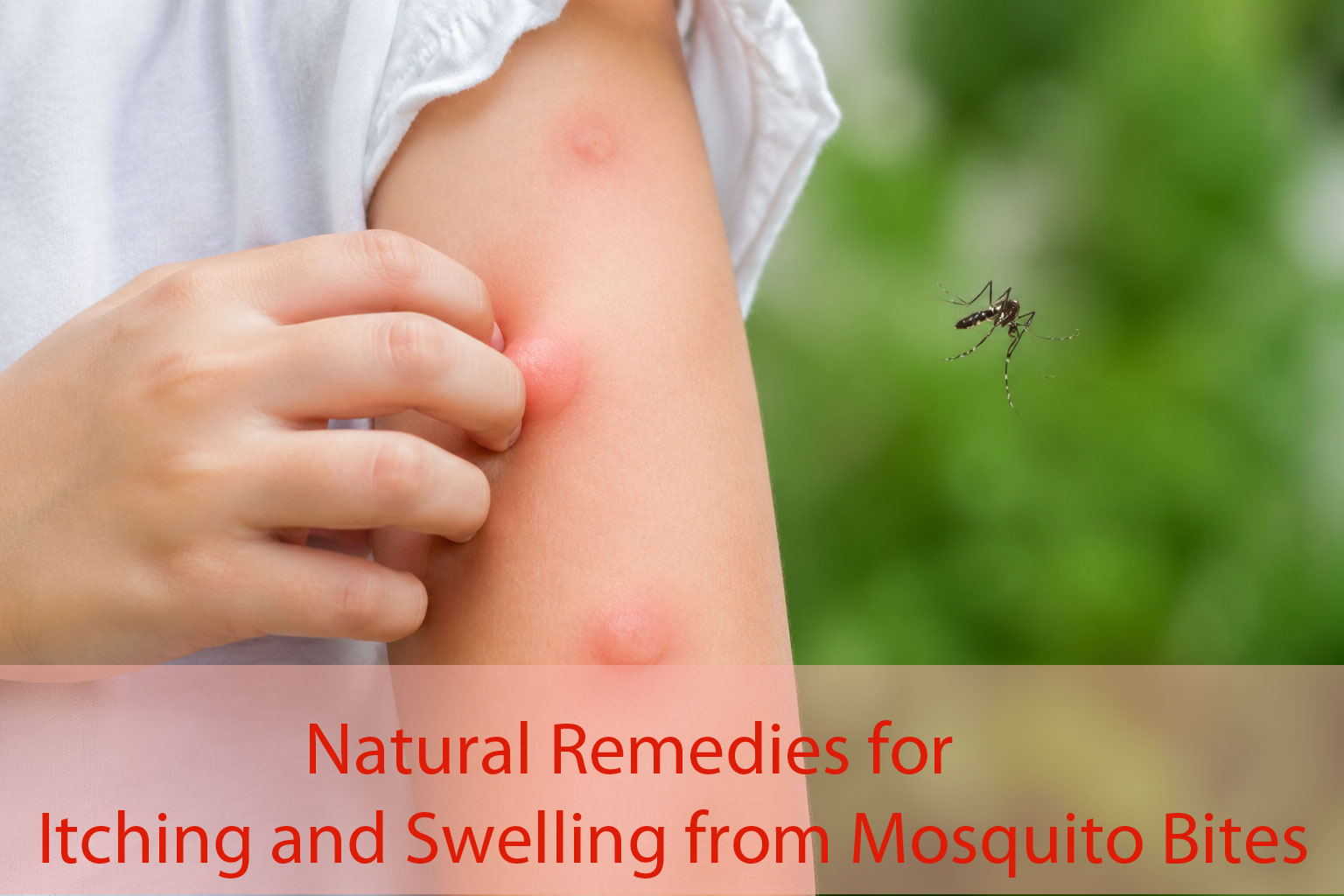
If you’ve ever wondered why a tiny mosquito bite can make you so miserable, the answer comes back to your immune system and a chemical called histamine. When a female mosquito bites you, she doesn’t just draw blood. She uses a needle-like mouthpart to pierce your skin and injects saliva that stops your blood from clotting 1. Your body quickly flags the proteins in that saliva as a threat and responds by releasing histamine 2. Histamine rushes blood and fluid to the area, which is why you end up with that familiar redness, swelling, and maddening itch 3. For most people, this means a small, annoying bump that goes away in a few days. But how your immune system reacts can vary a lot some people barely notice a bite, while others end up with large, painful welts that stick around much longer.
Medical Causes of Itching and Swelling from Mosquito Bites
Diving into the biology of a bug bite reveals exactly why your skin reacts the way it does. You might wonder what exactly is happening beneath the surface to cause so much discomfort after such a tiny insect lands on you. Here is a breakdown of the specific medical causes behind that stubborn itching and swelling:
1. The Initial Histamine Release
When a mosquito bites you, your immune system quickly reacts to its saliva by releasing chemicals like histamines triggered by IgE antibodies and mast cells which cause the familiar warmth, swelling, and itching around the bite. 4
2. Delayed Immune Responses
Sometimes a hard, itchy bump appears hours after a mosquito bite because your body’s T-cells and IgG antibodies trigger a slower immune response that keeps the skin inflamed long after the mosquito is gone. 5
3. Skeeter Syndrome (Extreme Allergy)
Some people are extremely allergic to mosquito saliva, causing their bites to become large, hot, painful, and swollen welts that can last up to ten days. 6
4. Secondary Cellular Inflammation
Rubbing a mosquito bite can spread the insect’s saliva deeper into your skin, causing the redness and swelling to expand as your immune system reacts to the wider area of irritation 7.
What Other Symptoms Could Be Noticed from Mosquito Bites
Beyond the classic itchy bump, you should stay vigilant for other physical signs that indicate something more serious is happening. Your body will usually let you know if a simple bite is turning into a complication.
1. Signs of Bacterial Infection
Scratching can break the skin and allow bacteria to cause an infection, which may show signs such as spreading redness, warmth, and pus 8.
2. Severe Systemic Allergies
In rare cases, mosquito bites can trigger a life-threatening allergic reaction called anaphylaxis, which causes symptoms like throat swelling, difficulty breathing, and fainting, and requires immediate emergency medical care. 9
3. Viral Fever and Joint Pain
Mosquito bites can transmit serious viruses such as Zika, Dengue, and Chikungunya, which may cause sudden high fever, severe joint pain, or rash, and these symptoms appearing days after a bite could mean a dangerous virus has entered your bloodstream 10.
4. Neurological Complications
Mosquito-borne illnesses like Zika virus can trigger serious autoimmune reactions such as Guillain-Barré syndrome, causing muscle weakness, tingling, or paralysis that require immediate medical attention 11.
Mosquito Bites Facts
Understanding the biological habits and preferences of mosquitoes can help you minimize your exposure and understand your personal risk levels.
Symptoms
|
|
Causes
|
|
| Types of Mosquitos and its bytes effects
14. 15. 16. |
|
| How does spread |
|
| You might be at a higher risk for Mosquito Bites if you:
17. 18.
|
|
| Other facts
19. 20. |
|
Natural Remedies for Itching and Swelling from Mosquito Bites
You probably already know that mosquito bites are annoying. What you might not know is that some of the best remedies for them are already sitting in your kitchen no pharmacy trip required.
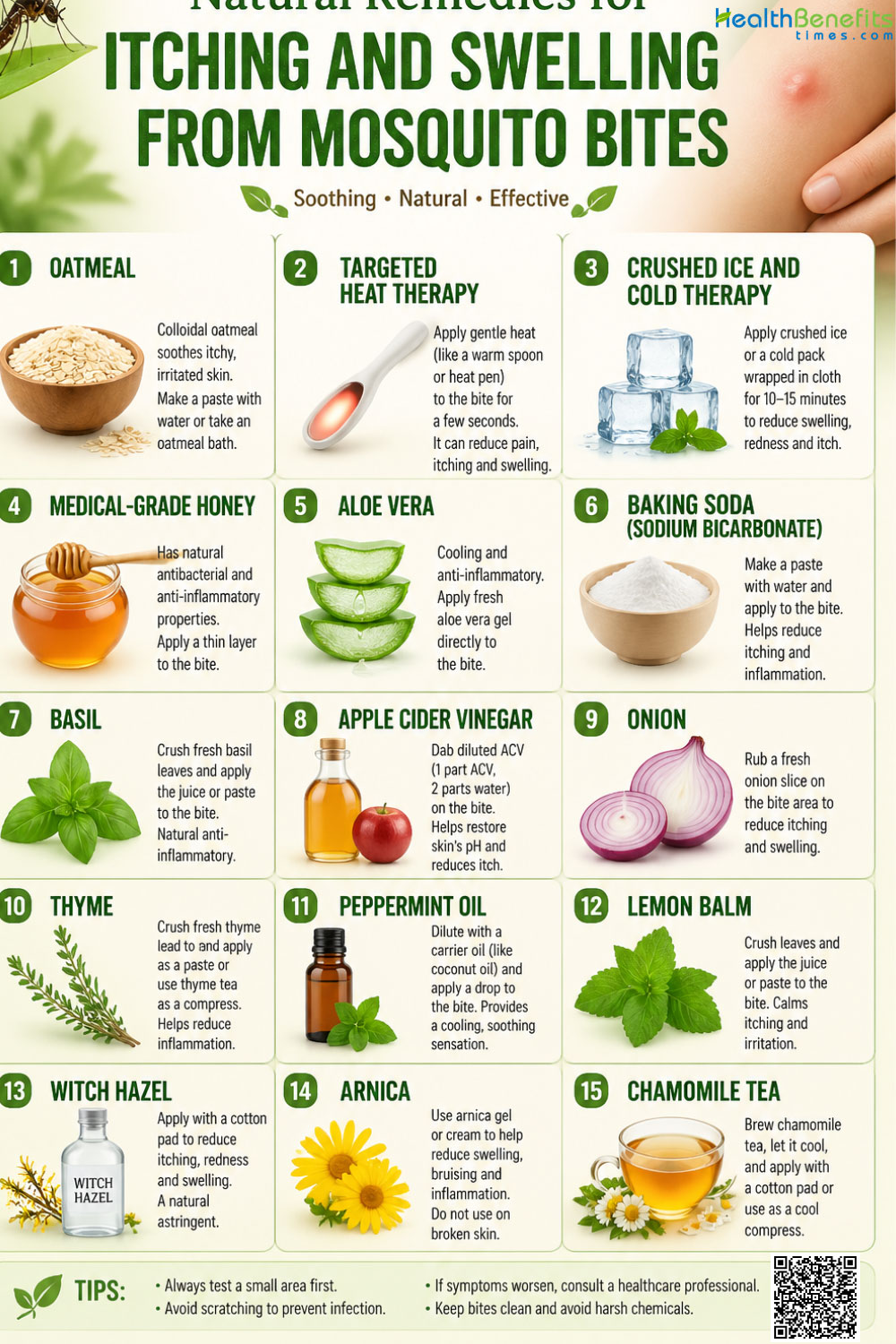
1. Oatmeal
Avenanthramides are found in very few foods and oats happen to be one of the richest sources. These natural compounds help calm itching and reduce inflammation on your skin 21. To use oatmeal on a bite, mix equal parts finely ground oatmeal and water into a thick paste. Apply it to the bite and leave it on for about ten minutes. It’s a simple fix that works surprisingly well.
2. Targeted Heat Therapy
The idea that heat could soothe an inflamed bite sounds completely backwards yet it’s one of the more effective remedies available. When you press concentrated heat, around 51°C, onto a mosquito bite for just three to six seconds, it breaks down the saliva proteins the mosquito injected. That’s what triggers the itch in the first place. In clinical testing, this approach cut itching by up to 81% within ten minutes 22. You can use a specialized electronic thermal device for this, or simply hold a hot, damp washcloth firmly against the unbroken skin.
3. Crushed Ice and Cold Therapy
If you’ve ever wondered why grabbing something cold feels so instinctive after a mosquito bite, the answer comes back to how your blood vessels respond to temperature. When you press crushed ice against the bite, the cold causes nearby blood vessels to tighten. This does two things. It slows the spread of histamine the chemical behind that annoying itch and swelling. And it numbs the nerve endings in the area, giving you quick, short-term relief 23.
4. Medical-Grade Honey
You probably already know honey is a natural healer. What you might not know is how it actually works on something as simple as a mosquito bite. Medical-grade honey does more than just soothe it fights bacteria across a wide range of species and lowers the pH on your skin. That slightly acidic environment signals your immune cells to start repairing damaged tissue. The result? Less swelling and a noticeably reduced urge to scratch 24.
5. Aloe Vera
For a plant with such a simple appearance, aloe vera packs a surprisingly effective punch when it comes to skin repair. Keeping one on your windowsill means you always have a natural remedy within arm’s reach. Just snap open a leaf, and you’ll find a clear, gel-like substance inside. That gel contains active compounds that help speed up healing of minor burns and skin irritations 25. If a mosquito bite is burning or swollen, applying a bit of fresh aloe gel can help calm things down 25.
6. Baking Soda (Sodium Bicarbonate)
You probably already have one of the best itch remedies sitting in your kitchen right now. Baking soda is naturally alkaline, which means it works against the acidic environment that forms around an inflamed bite. Just mix one tablespoon with a small amount of water to make a thick paste. Apply it to the bite and let it dry for about ten minutes 26. It’s simple, cheap, and surprisingly effective.
7. Basil
What sets basil apart from similar herbs is its essential oils particularly a compound called eugenol. Eugenol has both antibacterial and anti-inflammatory properties, which is why basil has long been used as a traditional remedy for insect stings 27. To use it, finely chop a few fresh leaves and gently rub them onto the bite. This helps release those active compounds directly onto your irritated skin.
8. Apple Cider Vinegar
Apple cider vinegar is widely known as a kitchen staple. What you might not know is that it doubles as a gentle, natural astringent with real antimicrobial properties when applied to the skin. Research shows it works by disrupting the protein structure of harmful bacteria that can cause secondary infections at the bite site. At the same time, it helps reduce the release of inflammatory chemicals responsible for that persistent swelling around the bite 28.
9. Onion
Most people don’t think of onions as a first-aid tool, but they’ve been used for skin irritation far longer than most store-bought remedies. A freshly cut onion can offer quick relief from the sting of an insect bite. Here’s why it works: when you slice into an onion, an enzyme called alliinase breaks down certain molecules and releases sulfur compounds. These compounds have natural antibacterial properties, which means they can help keep the bite from getting infected. They also help calm the irritation on your skin 29.
10. Thyme
Most people don’t think of thyme as a source of skin-healing compounds, but it consistently ranks among the better natural options for mosquito bite relief. Fresh thyme contains an essential oil rich in two key compounds, thymol and carvacrol. Thymol works by disrupting the outer layer of bacterial cells, which helps protect your skin from infection. It also lowers the chemicals your body produces that cause redness and swelling 30.
11. Peppermint Oil
If you’ve ever wondered why peppermint oil feels so cooling on irritated skin, the answer often comes back to menthol its main active ingredient. Menthol works as a natural pain reliever when you apply it to your skin. When you dab diluted peppermint oil on a mosquito bite, it activates specific nerve fibers and receptors that essentially block itch signals from traveling from your skin to your brain 31. That’s why it can be effective for treating persistent itching.
12. Lemon Balm
You probably already know lemon balm as a soothing ingredient in herbal teas. What you might not know is that it also works surprisingly well on mosquito bites. The plant is packed with polyphenols particularly caffeic acid and rosmarinic acid. These two compounds work together to calm skin inflammation and shield your skin cells from damage caused by free radicals 32. It also has a mild astringent quality, which can help tighten the skin and reduce swelling at the bite area.
13. Witch Hazel
In traditional medicine cabinets across North America, witch hazel has held a steady place for generations and for good reason. It comes from the bark and leaves of a shrub native to the region, and it’s one of the most widely used natural astringents for skin irritation 33. So how does it actually work on a mosquito bite? Witch hazel is packed with natural tannins. These compounds bind to the proteins in your skin and form a thin protective barrier. That barrier helps tighten the tissue, reduce fluid buildup, and pull swelling down relatively quickly 33.
14. Arnica
Few natural remedies have earned as strong a reputation among athletes as arnica and the science partially backs it up. This bright yellow flower has long been a go-to for bruises, swelling, and skin injuries. When researchers pooled results from multiple clinical trials, they found that arnica applied to the skin does help it can reduce bruising and bring down swelling in a meaningful way 34. That same anti-swelling effect makes it a practical option for those hard, puffy mosquito bites that won’t quit.
15. Chamomile Tea
Most people think of chamomile as something you drink before bed. But that same cup of tea can double as a surprisingly effective remedy for mosquito bites. Chamomile contains a compound called bisabolol oxide A, which works like a natural antihistamine. It helps calm the itch and can block over 70 percent of the chemical reaction that causes swelling and redness at the bite site 35.
What Not to Do After a Mosquito Bite
Most of us deal with mosquito bites at some point they’re one of those universal annoyances that seem minor but can turn into a real problem if you handle them the wrong way. A few common reactions and home remedies can actually make things worse, leading to skin damage or even infection.
1. Don’t Scratch It
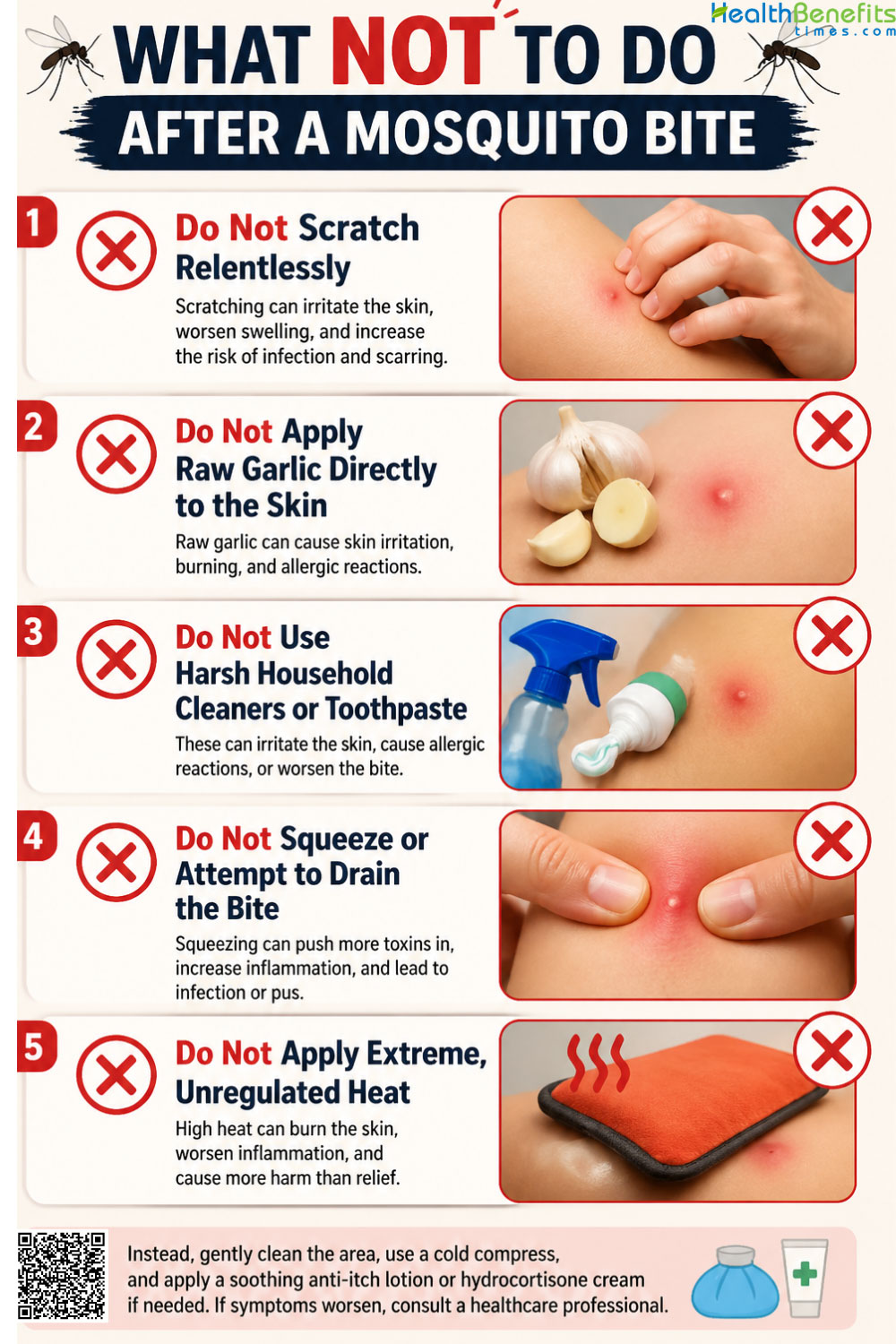
You probably already know scratching a mosquito bite isn’t great for you. What you might not know is just how much damage it can actually cause. When you scratch hard and repeatedly, you break through your skin’s protective outer layer. That opens the door to infection and in some cases, it can spiral into something more serious called excoriation disorder. That’s a condition where you develop a compulsive urge to pick at your skin, which can lead to open wounds that won’t heal, ongoing distress, and permanent scarring 36.
2. Do Not Apply Raw Garlic Directly to the Skin
Garlic has a strong reputation in home remedy circles as a fix for just about everything. The science, however, tells a different story when it comes to putting it on your skin. Raw, crushed garlic contains powerful sulfur compounds. When you press it against a fresh mosquito bite especially under a bandage those compounds can burn your skin 37. We’re not talking mild redness here. It can cause serious irritation, painful blisters, and even damage to the top layer of your skin 37. So skip this one entirely.
3. Do Not Use Harsh Household Cleaners or Toothpaste
You’ve probably seen the advice floating around: dab some toothpaste on a mosquito bite and it’ll dry right up. Here’s what the science actually shows. Toothpaste and household alcohol contain detergents and abrasives that are way too strong for already-irritated skin. Instead of helping, they strip moisture from the area and cause more irritation. The result? More redness, more swelling, and more pain than you started with 38.
4. Do Not Squeeze or Attempt to Drain the Bite
It’s tempting to treat a swollen mosquito bite the way you’d handle a pimple just squeeze it and move on. But that instinct will make things worse. When you press on the inflamed skin, you’re pushing mosquito saliva and bacteria from the surface deeper into the tissue beneath. That raises your chances of developing a secondary infection, which can spread and become serious 39.
5. Do Not Apply Extreme, Unregulated Heat
Getting [curcumin] from food and getting it from a supplement aren’t the same thing in the same way, applying gentle, controlled warmth to a mosquito bite and blasting it with boiling water are two very different things. Controlled warmth can actually help with itching. But boiling water or an unregulated heating pad? That’s a recipe for trouble. The skin around a bite is already inflamed and sensitive. Exposing it to extreme heat can cause serious burns. It also forces blood vessels to widen dramatically, which floods the area with more histamine the very chemical that’s making you itch in the first place 40. So instead of relief, you end up with a worse reaction and potentially damaged skin.
When to See a Doctor
Most mosquito bites are harmless. They heal on their own within a week, and you won’t need to see a doctor. But mosquitoes can sometimes cause serious skin reactions and they’re also known carriers of infectious diseases. So it’s worth paying attention to how your bite evolves.
1. Signs of an Expanding Bacterial Infection
If your bite shifts from itchy to painful when you touch it, that’s a signal to get medical help. Watch for redness that spreads quickly, unusual warmth around the area, or thick pus draining from the wound. These are signs that a bacterial infection like cellulitis may have set in and that typically requires prescription antibiotics to clear up 41.
2. Symptoms of a Systemic Allergic Reaction
Most bug bites cause nothing more than a red, itchy bump. But in rare cases, your body’s immune response can spiral into something far more serious and knowing the difference could save your life. If you suddenly have trouble breathing after a bug bite, that’s a medical emergency. Don’t tr