

Oat bran is the outer layer of the oat groat, sitting just beneath the inedible hull, and it is one of the most nutrient-dense parts of the whole grain. Rich in soluble fiber particularly beta-glucan oat bran has been extensively studied for its ability to help lower LDL cholesterol levels, support healthy blood sugar regulation, and promote digestive health. Because it absorbs water and expands in the stomach, it can also contribute to a feeling of fullness, making it a useful addition to a weight-management diet. Oat bran is versatile in the kitchen: it can be cooked into a creamy hot cereal, stirred into smoothies, mixed into yogurt, or used as a partial flour substitute in muffins, pancakes, and breads to boost fiber content. It also provides a good source of B vitamins, iron, magnesium, and plant-based protein, making it a simple yet powerful upgrade to everyday meals.
Science Backed Health Benefits of Oat Bran
#1. Boosts Heart Health
Cardiovascular pathology, frequently driven by dyslipidemia and autonomic dysfunction, necessitates multifaceted management strategies beyond standard pharmacotherapy. Soluble dietary fibers play a pivotal role in this defense, mechanically and chemically altering lipid metabolism to significantly lower total cholesterol, low-density lipoproteins (LDL), and apolipoprotein B, thereby mitigating arterial plaque accumulation. 1 Beyond lipid control, specific phytochemical interactions involving the modulation of gut microbiota generate short-chain fatty acids; these metabolites are believed to suppress renin release via the vagus nerve and GPR41/43 receptors, offering a novel physiological pathway for heart rate reduction in hypertensive states. 2 These combined effects exert broad protection against coronary heart disease and metabolic syndrome by stabilizing triglycerides and enhancing HDL profiles, essential for patients with elevated cardiovascular risks. 3
What Research Says:
- According to a randomized controlled study at Wehrawald Hospital, incorporating 35–50g of this fiber into a fat-modified regimen significantly reduced atherogenic markers specifically LDL and apolipoprotein B surpassing the results of caloric and fat restriction alone. 1
- Clinical trials conducted by Soochow University verified that a 30g daily supplementation alongside the DASH diet significantly lowered 24-hour maximum and daytime heart rates in hypertensive subjects, a benefit not observed in the control group. 4 5
- Observations from a psychiatric institution study indicated that long-term intake over 180 days effectively remediated metabolic components, specifically reducing triglycerides and improving HDL-cholesterol levels in patients predisposed to high cardiovascular risk. 3
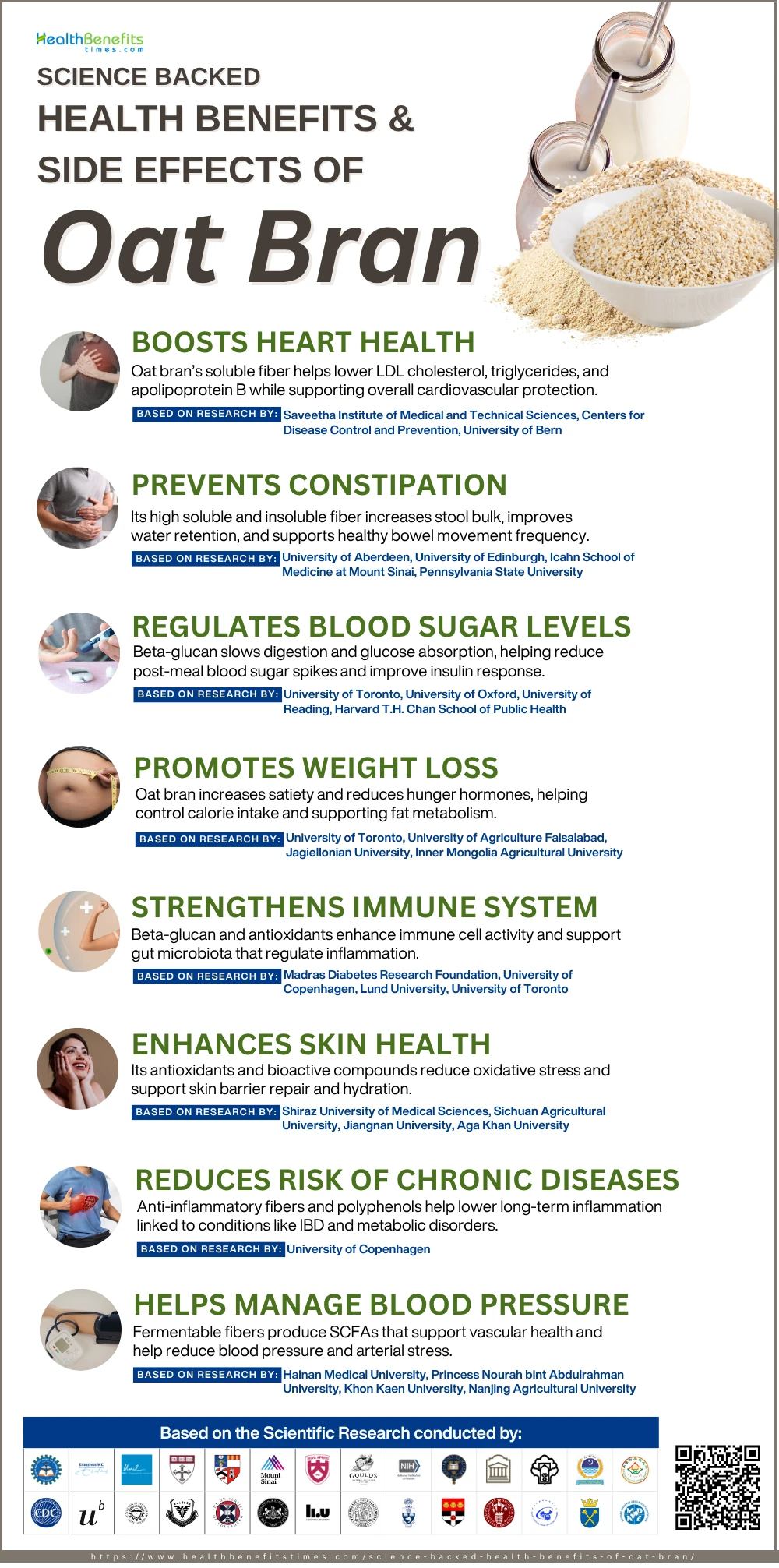 #2. Prevents Constipation
Constipation acts as a pervasive functional gastrointestinal disorder characterized by infrequent evacuation and hardened stools, often stemming from reduced colonic motility or insufficient dietary bulk. Dietary interventions utilizing this cereal grain address the pathology through a dual mechanism involving key phytochemicals and nutrients. High concentrations of insoluble fibers, such as arabinoxylans, and soluble fibers like beta-glucan mechanically increase fecal mass and water retention, effectively softening stool consistency. 6 7 Simultaneously, the bacterial fermentation of these polysaccharides in the colon stimulates the production of short-chain fatty acids, specifically butyrate, which is essential for maintaining mucosal integrity and regulating peristalsis. 8 This physiological modulation proves particularly vital for managing constipation-predominant Irritable Bowel Syndrome (IBS-C) and age-related bowel dysfunction. 9 10 When ingested, these bioactive components significantly reduce colonic transit time and straining without the habit-forming risks often associated with pharmaceutical laxatives. 11
What Research Says:
- Research conducted by the University of Vienna confirmed that adding this fiber source to the diet of frail nursing home residents allowed for a 59% discontinuation rate of laxative use, significantly outperforming control groups. 12 9
- In a clinical study involving elderly general practice patients, the administration of ‘Lejfibre’ biscuits resulted in marked improvements in bowel frequency and a significant reduction in pain upon defecation over a 12-week period. 13 13
- Scientific evaluations of natural medicine formulations for Irritable Bowel Syndrome demonstrated that specific combinations including this bran significantly reduced straining, bloating, and abdominal pain in constipation-predominant subjects. 10
- According to animal trials at Dankook University, aqueous extracts exhibited potent laxative effects in loperamide-induced constipation models, restoring fecal moisture and transit speed comparable to the drug bisacodyl. 7
- A randomized controlled trial by Linköping University showed that while a wheat-based control diet increased constipation in patients with ulcerative colitis, high-fiber oat interventions prevented symptom deterioration and increased fecal butyrate levels. 8
#3. Regulates Blood Sugar Levels
Diabetes Mellitus is a chronic metabolic condition characterized by impaired insulin function and persistent hyperglycemia, often resulting from the body’s inability to effectively manage glucose entering the bloodstream. 14 15 Managing this condition involves regulating how quickly carbohydrates are digested and absorbed to prevent dangerous spikes. The primary bioactive component responsible for this regulation in oats is beta-glucan, a viscous soluble fiber that thickens the contents of the upper digestive tract. 16 17 This increased viscosity acts as a physical barrier that delays gastric emptying and slows the enzymatic breakdown of starch, thereby flattening postprandial blood sugar and insulin responses. 17 15 Additionally, oat phenolics and proteins may inhibit digestive enzymes like alpha-amylase, further moderating glucose release. 15 These mechanisms are particularly beneficial for managing Type 2 Diabetes and Gestational Diabetes Mellitus, helping to control fasting blood sugar and insulin sensitivity naturally. 18 19 20 14
What Research Says:
- Systematic reviews by INQUIS Clinical Research and others indicate that oat beta-glucan significantly lowers acute glucose and insulin responses, with clinical efficacy strictly dependent on a high molecular weight and a minimum effective dose often requiring at least 1.6g of beta-glucan per serving to reduce the glucose area under the curve by over 20%. 16 17
- Clinical trials conducted at Ahvaz Jundishapur University of Medical Sciences demonstrated that adding oat bran to the standard diet of women with Gestational Diabetes Mellitus for four weeks significantly reduced both fasting and two-hour postprandial glucose levels compared to control groups. 21 22 14
- Studies involving Type 2 Diabetes patients confirm that oat bran flour and isolated oat gum reduce postprandial glucose excursions and insulin secretion more effectively than refined grains or glucose loads alone. 19 20
- Meta-analyses highlight that the physical form of the oat matters; while intact kernels and thick flakes offer significant glycemic benefits, extensive processing that disrupts the kernel’s structural integrity such as in thin instant oats can diminish these metabolic advantages. 18 23
- Comprehensive reviews suggest that beyond fiber, the specific crystalline structure of oat starch and the presence of antioxidant phenolics contribute to a lower glycemic index compared to other common cereals. 15
#4. Promotes Weight Loss
Body weight regulation hinges on the intricate balance between energy intake and expenditure, governed largely by neuroendocrine signals and metabolic pathways. Complex carbohydrates and specific phytochemicals found in certain cereals facilitate weight management by modulating these physiological systems. 24 Specifically, the high viscosity of beta-glucan, a soluble fiber, delays gastric emptying and forms a gel-like barrier in the intestine, which impedes the rapid absorption of lipids and carbohydrates. 25 Beyond physical obstruction, these bioactive compounds including water-insoluble beta-glucans and polyphenols like avenanthramides actively influence hormonal signaling by suppressing the hunger hormone ghrelin while stimulating satiety peptides such as PYY, GLP-1, and CCK. 24 25 Furthermore, these nutrients activate hepatic AMPK pathways and inhibit lipogenic enzymes like FAS, effectively shifting metabolism towards fat oxidation rather than storage in visceral and ectopic depots. 26 27
- Clinical trials involving women with type 2 diabetes demonstrated that a low-energy diet supplemented with oat bran significantly lowered Body Mass Index and serum lipids compared to diet alone, with specific improvements in systolic blood pressure. 28
- According to a prospective case series by New York Chiropractic College, a 21-day purification program incorporating oat bran concentrate resulted in an average weight loss of 11.7 lbs and improved lipid profiles in overweight adults. 29
- Research on high-fat diet-fed mice indicates that water-insoluble beta-glucan isolates significantly reduce final body weight and adipocyte size by accelerating lipid decomposition and improving protein expression of hormone-sensitive lipase in the liver. 26
- Studies utilizing an oat-corn-konjac formula powder revealed that such dietary interventions can regulate gut microbiota diversity, specifically increasing beneficial Bifidobacterium and Akkermansia, which correlates with reduced body weight and improved metabolic enzyme activity. 27
- Comparative animal studies suggest that while mushroom powder may have stronger effects on plasma triacylglycerol, high doses of oat powder successfully increase fecal fat excretion, contributing to reduced total fat mass and weight gain prevention. 30
#5. Strengthens Immune System
Immune dysfunction often manifests as chronic inflammation or increased susceptibility to infectious pathogens, driven by nutritional deficiencies and compromised physiological barriers. To counteract these vulnerabilities, specific dietary fibers and phytochemicals play a critical role in modulating both innate and adaptive immune responses. Soluble fibers, particularly beta-glucans, directly activate pattern-recognition receptors on immune cells like macrophages and neutrophils, while simultaneously fermenting in the colon to produce short-chain fatty acids (SCFAs) that reinforce the intestinal mucosal barrier. 31 32 Furthermore, polyphenols such as avenanthramides and ferulic acid, alongside essential minerals like zinc and selenium, function as potent antioxidants and immunomodulators, effectively downregulating pro-inflammatory cytokines and reducing oxidative stress (501), (505). {% %} 31 These synergistic mechanisms are vital for preventing respiratory tract infections, mitigating chronic inflammatory conditions like colitis, and managing systemic inflammation induced by external stressors such as radiation or heavy metal exposure (503), (506). 33 34
What Research Says:
Scientific research corroborates the immunomodulatory potential of these nutrients through various experimental models:
- According to research conducted by the University of Gothenburg, a diet rich in this fiber significantly reduced serum levels of pro-inflammatory cytokines, including IL-1α and IL-12p40, in mice subjected to pelvic irradiation, suggesting a protective effect against long-term radiation-induced inflammation (503). 34
- A study by South China Agricultural University demonstrated that supplementation in mice with chemically induced colitis improved intestinal barrier function by upregulating tight junction proteins (Claudin-1 and Claudin-5) and suppressing TNF-α secretion, mediated by positive shifts in gut microbiota (502). 32
- Investigations at the Federal University of San Carlos found that supplementation in exercised rats prevented immune suppression by maintaining glycogen stores and reducing corticosterone levels, leading to a lower post-exercise inflammatory response (504). 35
- Research from the Chinese Academy of Agricultural Sciences indicated that including this ingredient in the diet of Nile tilapia exposed to copper stress significantly upregulated anti-inflammatory factors (TGF-β) and increased the abundance of Delftia bacteria, which aid in heavy metal degradation (506). 33
#6. Enhances Skin Health
Disruptions in the epidermal barrier and oxidative stress are primary catalysts for various dermatological conditions, ranging from atopic dermatitis and psoriasis to photoaging and UV-induced inflammation. 36 37 Restoring cutaneous homeostasis requires specific bioactive compounds such as beta-glucans, polyphenols, and low-molecular-weight peptides that actively modulate cellular defense mechanisms. 36 38 When applied externally or utilized in clinical formulations, these phytochemicals penetrate the stratum corneum to scavenge reactive oxygen species (ROS) and inhibit lipid peroxidation, a key process in cellular aging. 39 38 Furthermore, specific polysaccharides facilitate essential signaling pathways that regulate calcium influx, a critical trigger for keratinocyte differentiation and barrier regeneration. 37 By dampening inflammatory cytokine release and upregulating structural proteins like filaggrin, these nutrients effectively fortify the skin against environmental aggressors and accelerate the healing of compromised tissue. 39 36
What Research Says:
- Research conducted by the Institute of Oats and associated laboratories utilized High-Performance Liquid Chromatography (HPLC) to isolate peptide-rich extracts, revealing that pretreatment with these hydrolysates significantly reversed H2O2 induced injury in dermal fibroblasts by restoring Superoxide Dismutase (SOD) activity and decreasing Malondialdehyde (MDA) levels. 38 40
- In a separate study involving UVB-irradiated immortal keratinocytes (HaCaT), scientists observed that oat bran fermented with Schizophyllum commune exhibited superior anti-inflammatory properties compared to unfermented bran; this was achieved by suppressing the JAK/STAT signaling pathway and downregulating cytokines such as TNF-alpha and IL-6. 36 39
- Further investigations into physical barrier disruption demonstrated that topical oat beta-glucan functions by binding to the Dectin-1 receptor, which activates ERK and p38 signaling cascades to upregulate the Calcium-Sensing Receptor (CaSR), thereby accelerating epidermal recovery and reducing transepidermal water loss. 37
#7. Reduces Risk of Chronic Diseases
Chronic diseases often manifest as persistent, nonspecific states of low-grade inflammation that compromise the immune system and disrupt tissue homeostasis. This pathological cascade, particularly prevalent in conditions like Inflammatory Bowel Disease (IBD), can be significantly mitigated through the strategic intake of bioactive nutrients found in cereal by-products. Phenolic acids specifically ferulic, caffeic, and coumaric acids along with beta-glucan, function as potent antioxidants and prebiotics that neutralize free radicals and modulate immune responses. When consumed, these phytochemicals do not merely act locally; they reinforce the intestinal epithelial barrier by upregulating essential tight junction proteins like Claudin-1 and Claudin-5. Furthermore, this dietary mechanism suppresses pro-inflammatory signaling pathways, reducing cytokines such as TNF-alpha and IL-6, while simultaneously promoting the secretion of the anti-inflammatory cytokine IL-10, thereby effectively managing chronic intestinal inflammation. 32
What Research Says:
Recent investigations conducted by researchers at South China Agricultural University highlight the efficacy of these dietary interventions in animal models of dextran sulfate sodium (DSS)-induced colitis. 32
- Clinical observations indicated that supplementation effectively ameliorated disease severity, evidenced by improved colon length, reduced spleen indices, and the alleviation of histological damage such as mucosal edema and crypt loss 32
- Metabolic analysis revealed that the intervention significantly restored the levels of fecal short-chain fatty acids (SCFAs), particularly butyric and propionic acids, which are critical for maintaining colonic health 32
- Microbiome sequencing demonstrated a restructuring of the gut flora, characterized by a marked reduction in Proteobacteria and Bacteroidetes, alongside an enrichment of beneficial Firmicutes, confirming the potential of these nutrients to restore host-microbe equilibrium. 32
#8. Helps Manage Blood Pressure
Hypertension, defined as persistently elevated force of blood against arterial walls, creates significant strain on the cardiovascular system. Oat bran manages this condition primarily through its high concentration of beta-glucan, a potent viscous soluble fiber. 41 Upon ingestion, this fiber resists digestion in the small intestine and ferments in the colon, where gut microbiota convert it into short-chain fatty acids (SCFAs) like butyrate. 42 5 These metabolites are physiologically significant; they are believed to activate specific G-protein coupled receptors (GPR41/43) in the kidneys and blood vessels, a mechanism that inhibits the release of renin an enzyme central to raising blood pressure and subsequently lowers it. 42 5 Furthermore, oat bran aids in the excretion of cholesterol-rich bile acids, which indirectly supports vascular elasticity and health. 43 This dietary intervention is particularly effective for managing essential hypertension and mitigating cardiovascular risks associated with Type 2 diabetes. 42 43
What Research Says:
- A systematic review involving 1,569 participants confirmed that oat consumption significantly reduces systolic blood pressure, particularly in hypertensive individuals or those consuming ≥5g of beta-glucan daily for at least 8 weeks. 41
- Clinical trials conducted at King Salman Hospital demonstrated that diabetic women following a low-energy diet supplemented with 10g of oat bran experienced significant reductions in both systolic (up to 9.0%) and diastolic blood pressure compared to controls. 43
- Research by the First Affiliated Hospital of Soochow University found that a daily intake of 30g of oat bran (providing ~8.9g of fiber) significantly lowered 24-hour ambulatory blood pressure and reduced the required dosage of antihypertensive medication in patients with essential hypertension. 42 44
- Further analysis by the same research group indicated that this 30g daily supplementation also significantly reduced 24-hour maximum and average heart rates, suggesting a regulating effect on the autonomic nervous system. 45 5
- Animal studies using spontaneously hypertensive rats (SHR) observed that adding oat bran to the diet significantly ameliorated blood pressure spikes typically induced by high-sucrose intake. 46
Health Risks and Precautions of Oat Bran
Side Effects
1. Oat bran consumption was generally well tolerated in clinical studies, with no significant side effects reported in most elderly and constipated patient groups. However, some individuals with coeliac disease experienced gastrointestinal symptoms including flatulence, bloating, abdominal distension, nausea, diarrhoea, and in some cases, constipation or vomiting. One patient with coeliac disease developed mucosal changes and dermatitis, indicating oat intolerance. Patients with dermatitis herpetiformis occasionally developed transient or persistent rash, and one withdrew due to rash. Increased flatulence was reported in some participants without coeliac disease 11
2. In a 12‑week open trial of elderly patients with constipation, consumption of oat bran biscuits was not associated with any patient‑reported side effects. 13
3. Oat bran is generally well-tolerated; however, excessive fiber intake during pregnancy is not recommended due to the risk of gastrointestinal side effects, specifically diarrhea and potential nutrition loss. 14
4. Consumption of oat bran has been associated with mild and transient adverse effects. In a 21-day dietary program that included oat bran concentrate supplementation, participants reported headaches (13.6% frequency), gastrointestinal symptoms including bloating, belching, flatulence, diarrhea, constipation, heartburn, and nausea (14.2% frequency), fatigue and muscle soreness (8.3% frequency), and hunger or food cravings (5.9% frequency); these effects subsided after the second week of the program. 24 In rare instances, proteins contained in oat can trigger enterocolitis (allergic inflammation of the intestine), and when consumed at excessive doses, may trigger celiac disease in susceptible individuals. No serious adverse side-effects of oat have been reported. 29
5. Consumption of excessive dietary fiber from oat bran may exacerbate inflammatory bowel disease (IBD) by impairing intestinal barrier integrity and disrupting immune functions, highlighting the need for balanced consumption to optimize benefits rather than cause harm. Long-term, single-nutrient intake of oat bran can lead to nutritional imbalances, as most oat bran is currently used as animal feed, resulting in low utilization and limited economic value, though this primarily reflects utilization patterns rather than direct toxicity. 32 No other adverse effects of oat bran consumption were explicitly detailed in the provided documents.
6. A dose-dependent effect of oat bran on growth performance was observed in Nile tilapia, where excessive addition (20% oat bran) did not yield the best growth results, suggesting a negative impact when over-supplemented. Oat bran contains phytic acid (myoinositol hexaphosphate), an antinutritional factor that reduces mineral and protein bioavailability; high dietary concentrations of non-starch polysaccharides (NSPs), including β-glucan, may reduce digestibility of dry matter and energy, increase digesta viscosity, and limit nutrient digestion and absorption. 38 In an in vitro study using human dermal fibroblasts, oat peptide-rich extract (Oatp) at concentrations higher than 2.5 mg/ml led to decreased cell viability, suggesting potential cell toxicity at high concentrations. 33 Additionally, in a study using HaCaT cells, the reparative effect of oat bran fermentation broth on UVB-damaged cells decreased when the volume fraction exceeded 2.5%. 36
7. In a randomized controlled trial involving patients with hypertension, no side effects or symptoms due to oat bran consumption were reported among participants during the three-month follow-up period. 32 However, a study on inflammatory bowel disease (IBD) in mice noted that high-dose oat bran consumption (30% dose group) was less effective in alleviating colon shortening compared to lower doses, and excessive dietary fiber intake could potentially exacerbate intestinal inflammation by impairing barrier integrity and disrupting immune functions, suggesting that balanced consumption is important to optimize benefits and avoid adverse effects in susceptible individuals. 45
8. In a randomized controlled trial involving 70 participants with hypertension, no side effects or symptoms due to oat consumption were observed during the three-month follow-up period. 2
Food Incompatibilities
N/A
Timing & Conditions
N/A
Contraindications
1. Coeliac disease patients who are highly sensitive to gluten or who have confirmed oat intolerance should avoid oat bran due to risk of mucosal changes, dermatitis, and gastrointestinal symptoms. Although most coeliac patients tolerate up to 100 g/d of uncontaminated oats, contamination with gluten-containing cereals during processing, transport, or field growth poses a risk for sensitive individuals. One study documented a patient intolerant to oats who developed mucosal changes and dermatitis. Patients with dermatitis herpetiformis may experience rash activation; however, moderate amounts are generally considered acceptable. 11
2. The only explicitly reported condition requiring caution is pregnancy. Although no complications from oat bran have been reported in pregnant women, excessive fiber intake is advised against due to the risk of diarrhea and reduced nutrient absorption. 14 No other medical conditions or diseases are listed as contraindications in the provided documents.
3. Individuals with inflammatory bowel disease (IBD) should exercise caution with oat bran consumption, as excessive dietary fiber intake could exacerbate the condition by impairing intestinal barrier integrity and disrupting immune functions. 32 No other specific medical conditions or diseases contraindicating oat bran consumption were explicitly detailed in the provided documents.
4. While no explicit contraindications for human consumption were detailed, the study on IBD mice indicated that high concentrations of oat bran (30% dose) were less effective in improving colitis symptoms such as colon shortening, and excessive dietary fiber intake may worsen intestinal barrier dysfunction and immune function in the context of chronic intestinal inflammation. 32 These findings suggest caution in individuals with active IBD or severe intestinal barrier impairment, particularly with high-dose intake.
5. Oat bran supplementation should be avoided in individuals with known allergy to oat bran, gastrointestinal diseases occurring within the past month, regular dietary fiber intake of 25 g/day or greater, and those taking antibiotics, hormones, or microecological agents. Additionally, pregnant or lactating women and individuals with cognitive impairment or serious mental disorders were excluded from participation in clinical trials evaluating oat bran supplementation. 2
Drug Interactions
1. Oat bran supplementation significantly reduced laxative use in frail elderly patients with chronic diseases, with one study demonstrating a 59% reduction in laxative requirement, and another showing significant decrease in laxative use. 12 9 No other specific drug interactions were reported.
2. No specific drug interactions with oat bran were reported in the provided documents. In the hypertension trials, participants continued their usual antihypertensive medications, and no adverse interactions were noted; however, the use of heart-rate-lowering drugs such as beta-blockers and calcium channel antagonists did not differ significantly between the intervention and control groups, and no participants used ivabradine. 45 Another study reported that increased dietary fiber supplementation led to a significant reduction in the amount of antihypertensive drugs used, but no direct drug interaction was described. 42
External Pesticides and Mold
N/A
Comments
This article is based on Scientific Research Conducted by following Research Organization:
- Oat bran in cardiovascular risk control in mental disorder–Saveetha Institute of Medical and Technical Sciences, India
- Effect of Dietary Fiber (Oat Bran) Supplement in Heart Rate Lowering in Patients with Hypertension–Centers for Disease Control and Prevention, United States
- Effect of oat supplementation interventions on cardiovascular disease risk markers–University Medical Center Rotterdam (Erasmus MC), Netherlands, University of Bern, Switzerland, University of Lausanne, Switzerland, University of Novi Sad, Serbia, Harvard T.H. Chan School of Public Health, USA
- Effect of Dietary Fiber (Oat Bran) Supplement in Heart Rate Lowering in Patients with Hypertension–Centers for Disease Control and Prevention (CDC), United States
- Effect of Dietary Fiber (Oat Bran) Supplement in Heart Rate Lowering in Patients with Hypertension–Zhejiang University School of Medicine, China
- Oats and bowel disease–University of Aberdeen, UK, University of Edinburgh, UK, Icahn School of Medicine at Mount Sinai, USA, Pennsylvania State University, USA
- Beneficial Effects of Oat (Avena sativa L.) Bran Extract in Loperamide-induced Constipated SD Rats–Chungbuk National University, South Korea
- Oat Bran Increased Fecal Butyrate and Prevented Gastrointestinal Symptoms in Patients With Quiescent Ulcerative Colitis–Linköping University, Sweden
- Use of fiber instead of laxative treatment in a geriatric hospital to improve the wellbeing of seniors–University of Aberdeen, United Kingdom
- Effects of two natural medicine formulations on irritable bowel syndrome symptoms: a pilot study–Goulds Naturopathica, Australia
- Oats and bowel disease–University of Aberdeen, United Kingdom
- The status of vitamins B6, B12, folate, and of homocysteine in geriatric home residents receiving laxatives or dietary fiber–University of Vienna, Austria
- An open study of oat bran meal biscuits ('Lejfibre') in the treatment of constipation in the elderly–National Institutes of Health (NIH), United States
- The effect of oat bran consumption on gestational diabetes: a randomized controlled clinical trial–University of Toronto, Canada
- Oat-Based Foods: Chemical Constituents, Glycemic Index, and the Effect of Processing–University of Oxford, United Kingdom
- Effect of adding oat bran to instant oatmeal on glycaemic response in humans – a study to establish the minimum effective dose of oat β-glucan†–University of Reading, United Kingdom
- The effect of oat β-glucan on postprandial blood glucose and insulin responses–University of Toronto, Canada
- Effect of oats and oat ß-glucan on glycemic control in diabetes–Harvard T.H. Chan School of Public Health, United States
- High beta-glucan oat bran and oat gum reduce postprandial blood glucose and insulin in subjects with and without type 2 diabetes–University of Ottawa, Canada
- The effect of oat bran consumption on gestational diabetes: a randomized controlled clinical trial–University of Copenhagen, Denmark
- Glycemic responses of oat bran products in type 2 diabetic patients–University of Toronto, Canada
- The Effect of Oat Bran Supplement on Fasting Blood Sugar and Glycosylated Hemoglobin in Patients with Gestational Diabetes Mellitus: Single-blind Randomized Clinical Trial–Shahid Sadoughi University of Medical Sciences, Iran
- A Systematic Review and Meta-Analysis of Randomized Controlled Trials on the Effects of Oats and Oat Processing on Postprandial Blood Glucose and Insulin Responses–Chinese Center for Disease Control and Prevention, China
- The Effect of Dietary Oat Consumption and Its Constituents on Fat Storage and Obesity–University of Toronto, Canada
- Impact of Oats on Appetite Hormones and Body Weight Management: A Review–University of Agriculture Faisalabad, Pakistan
- Structural Studies of Water-Insoluble β-Glucan from Oat Bran and Its Effect on Improving Lipid Metabolism in Mice Fed High-Fat Diet–Jagiellonian University, Poland
- Effects of Oat Complex High-Fiber Formula Powder on the Composition of Intestinal Microbiota and Enzyme Activities in Mice Induced by a High-Fat Diet–Inner Mongolia Agricultural University, China
- Effects of a low‐energy diet with and without oat bran and olive oil supplements on body mass index, blood pressure, and serum lipids in diabetic women: A randomized controlled trial–Princess Nourah bint Abdulrahman University, Saudi Arabia
- Changes in weight loss and lipid profiles after a dietary purification program–University of Toronto, Canada
- The Comparison of the Effect of Oat and Shiitake Mushroom Powder to Prevent Body Weight Gain in Rats Fed High Fat Diet
- The Role of Oat Nutrients in the Immune System: A Narrative Review–Madras Diabetes Research Foundation (MDRF), India
- Effects of Oat Bran Addition on the Growth Performance and Intestinal Health of Nile Tilapia (Oreochromis niloticus) Exposed to Copper Ions–University of Copenhagen, Denmark
- Gut Microbiota and Metabolites Mediate Health Benefits of Oat and Oat Bran Consumption in IBD Mice
- Dietary Oat Bran Reduces Systemic Inflammation in Mice Subjected to Pelvic Irradiation–Lund University, Sweden
- Effect of oat bran on time to exhaustion, glycogen content and serum cytokine profile following exhaustive exercise–University of Toronto, Canada
- Reparative effects of Schizophyllum commune oat bran fermentation broth on UVB-induced skin inflammation via the JAK/STAT pathway–Shiraz University of Medical Sciences, Iran
- Oat β-glucan ameliorates epidermal barrier disruption by upregulating the expression of CaSR through dectin-1-mediated ERK and p38 signaling pathways–Sichuan Agricultural University, China
- Protective effect of oat bran extracts on human dermal fibroblast injury induced by hydrogen peroxide–Jiangnan University, China
- Reparative effects of Schizophyllum commune oat bran fermentation broth on UVB-induced skin inflammation via the JAK/STAT pathway–Aga Khan University, Pakistan
- Protective effect of oat bran extracts on human dermal fibroblast injury induced by hydrogen peroxide–Jiangnan University, China
- Effect of Oat Consumption on Blood Pressure
- The effect of dietary fiber (oat bran) supplement on blood pressure in patients with essential hypertension–Hainan Medical University, China
- Effects of a low-energy diet with and without oat bran and olive oil supplements on body mass index, blood pressure, and serum lipids in diabetic women–Princess Nourah bint Abdulrahman University, Saudi Arabia
- The effect of dietary fiber (oat bran) supplement on blood pressure in patients with essential hypertension–Khon Kaen University, Thailand
- Effect of Dietary Fiber (Oat Bran) Supplement in Heart Rate Lowering in Patients with Hypertension: A Randomized DASH-Diet-Controlled Clinical Trial–Nanjing Agricultural University, China
- Influence of oat bran of sucrose-induced blood pressure elevations in SHR–University of Texas Medical Branch (UTMB), United States