

 What Are Cataracts?
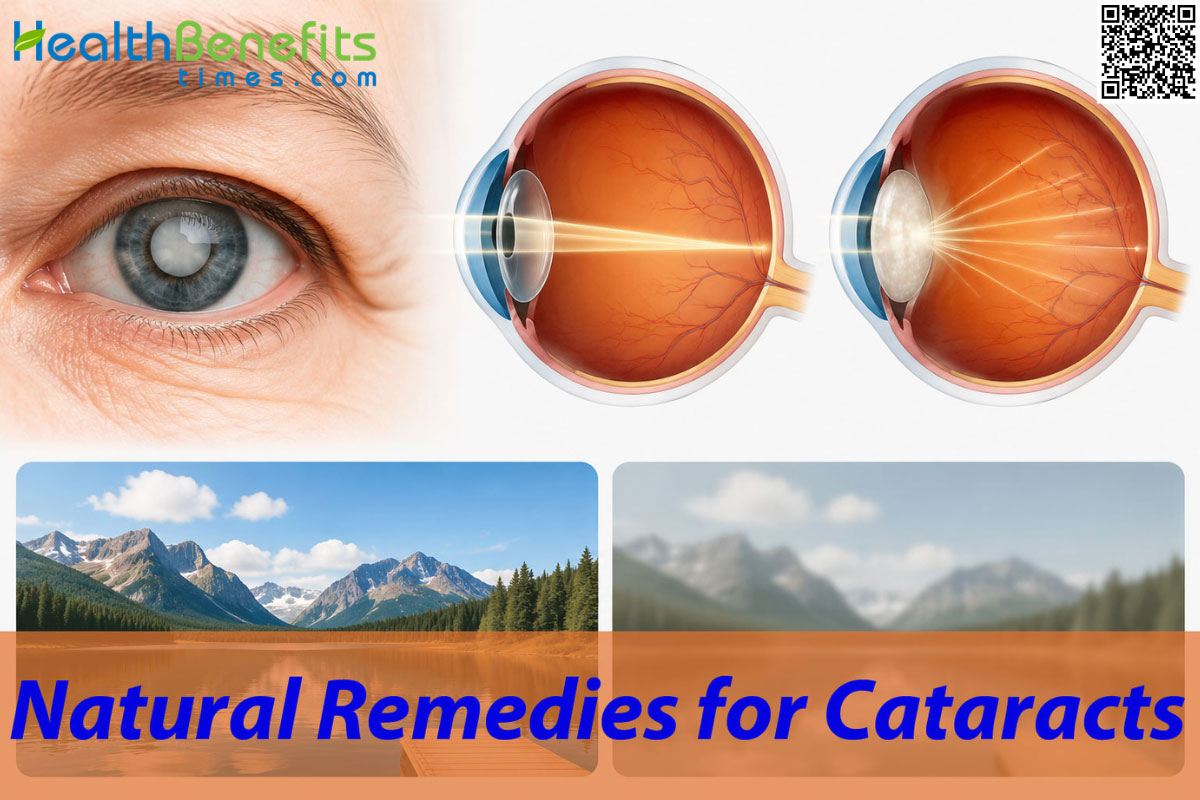
Think of your eye’s lens like a camera lens it normally stays clear so light can pass through and help you see. A cataract develops when the proteins in this lens begin to clump together, creating a cloudy appearance that makes vision blurry or dim 1. This cloudiness doesn’t hurt, but it gradually makes it harder to see clearly, much like looking through frosted glass. The condition is incredibly common worldwide, affecting millions of people, particularly as they age 2.
Cataracts are actually the leading cause of vision loss in older adults across the globe 3. What’s important to understand is that cataracts develop very slowly in most cases. You might not even notice the changes at first, but over months or years, the cloudiness increases, affecting your ability to read, drive, or recognize faces 4. The good news is that this condition is treatable, and understanding what causes it can help you take preventive steps.
Causes of Cataracts
Understanding what triggers cataract formation is essential for prevention and early management. Here are the primary causes:
1. Aging and Natural Protein Changes
As you grow older, the proteins in your eye’s lens naturally break down and accumulate 5. This is the most common reason cataracts develop, typically appearing after age 60, though they can form earlier. The process is somewhat like how rubber hardens over time, it’s a natural part of aging that affects most people eventually.
2. Prolonged UV Light Exposure
Spending too much time in the sun without protection can accelerate cataract formation 6. Ultraviolet rays damage the lens proteins over decades, making sunglasses and hats essential protective measures for your long-term eye health.
3. Diabetes and Other Metabolic Conditions
If you have diabetes, your risk for cataracts increases significantly 7. High blood sugar levels can cause the lens to swell, and excess glucose can be converted into sorbitol, which accumulates in the lens and contributes to cloudiness.
4. Smoking and Tobacco Use
Smokers develop cataracts earlier than non-smokers 8. The toxins in cigarette smoke create free radicals that damage lens proteins, accelerating the clouding process significantly.
5. Certain Medications and Treatments
Long-term use of corticosteroid medications, whether applied to the eyes or taken orally, can increase cataract risk 9. Some chemotherapy drugs can also contribute to lens clouding.
6. Previous Eye Injuries or Surgery
Trauma to the eye or previous surgical procedures can trigger cataract development years later 10. This type of cataract may develop more rapidly than age-related ones.
7. Excessive Alcohol Consumption
Regular, heavy alcohol use is associated with earlier cataract onset 11. Alcohol may interfere with antioxidant systems that protect the lens from damage.
Symptoms of Cataracts
Cataracts typically develop slowly, and you might not notice changes immediately. Watch for these warning signs:
- Blurry or dim vision: Objects may appear hazy or lack their usual sharpness and clarity
- Difficulty seeing at night: You may struggle with driving after dark or reading in low light
- Sensitivity to light and glare: Bright sunlight, headlights, or lamps may cause discomfort or halos around lights
- Need for brighter light: You find yourself needing stronger lighting to read or perform detailed work
- Faded colors: Colors appear less vibrant and more muted than they used to
- Double vision in one eye: You see two images instead of one when looking with the affected eye
- Frequent changes in eyeglass prescription: Your eye doctor notes that your vision is changing more often than usual
- White or brownish tint to the pupil: The normally dark center of the eye may appear cloudy or white
Cataracts at a Glance: Essential Facts
| Quick Reference Guide | |
| Symptoms | • Cloudy or blurry vision • Difficulty with night vision • Light sensitivity and glare • Faded or discolored vision • Double vision in one eye • Need for brighter lighting |
| Primary Causes | • Aging and natural protein breakdown • Prolonged UV light exposure • Diabetes and metabolic disorders • Smoking and tobacco use • Certain medications (corticosteroids) • Previous eye injury or surgery • Excessive alcohol consumption |
| Types of Cataracts | • Age-related (nuclear, cortical, posterior subcapsular) • Congenital (present at birth) • Secondary (caused by disease or medication) • Traumatic (following eye injury) • Radiation-induced |
| How It Spreads | • Cataracts do not spread from one eye to another • Each eye develops independently • One eye may become cloudy faster than the other • Progression varies by individual |
| Age Group Most Affected | • Age 60 and older (majority of cases) • Can occur at any age • Children born with congenital cataracts • Younger people with specific risk factors |
| Higher Risk Factors | • Being over 60 years old • Family history of cataracts • Smoking and heavy drinking • Uncontrolled diabetes • Prolonged sun exposure without protection • Obesity • High blood pressure • Previous eye trauma or surgery |
| How Doctors Diagnose | • Visual acuity test (eye chart reading) • Slit-lamp examination to view lens • Dilated eye exam • Ophthalmoscopy to examine back of eye • Tonometry to measure eye pressure • Detailed patient history assessment |
| Other Important Facts | • Cataracts are painless and develop slowly • Currently, only surgery can remove cataracts • Early detection improves outcomes • Natural remedies may slow progression • Prevention strategies are highly effective • Surgery has high success rates (90%+) • Regular eye exams are essential |
Medical and Supportive Care for Cataracts
While natural remedies can help support eye health, understanding conventional medical approaches is equally important:
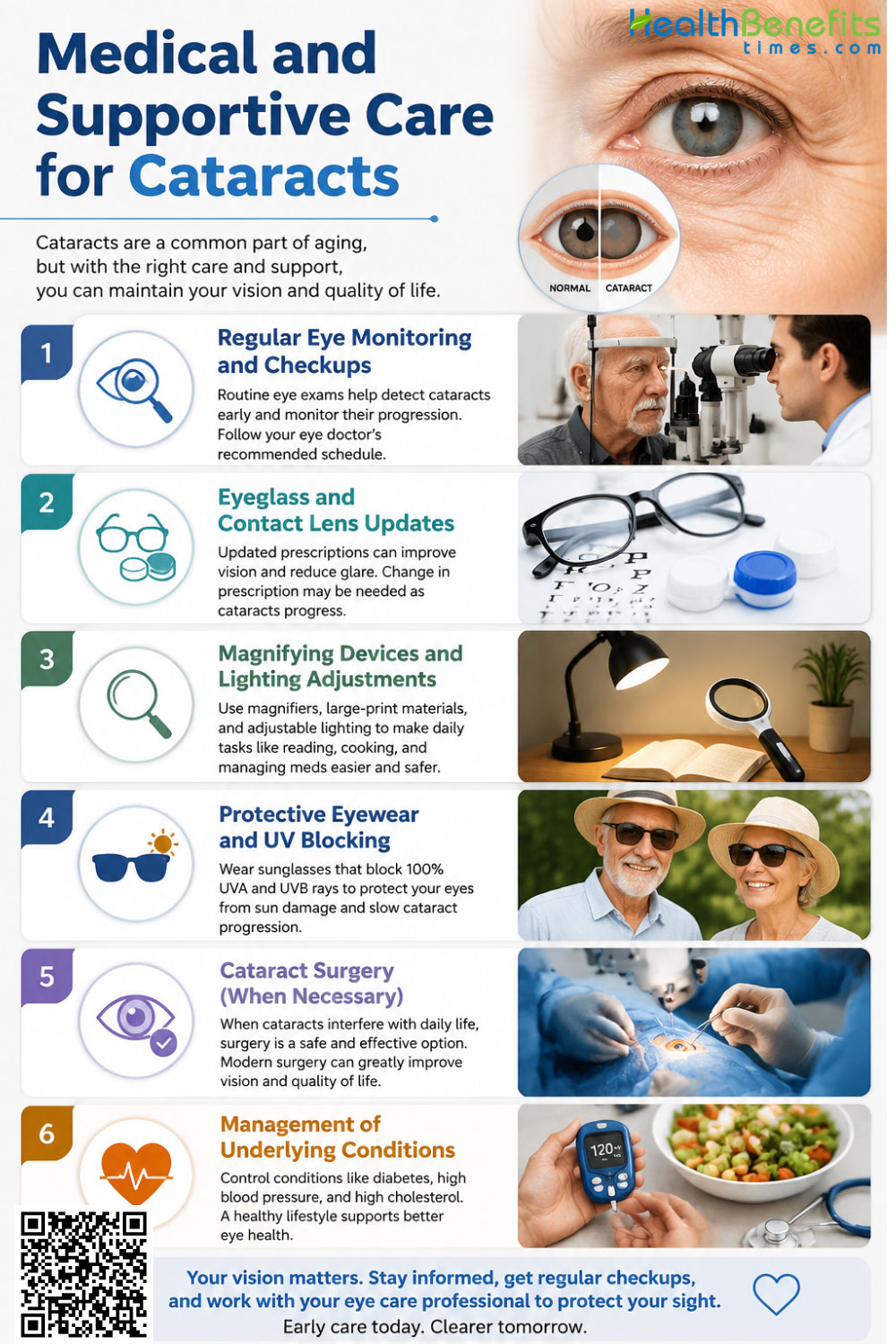
1. Regular Eye Monitoring and Checkups
Your eye care professional will track the progression of your cataract through regular dilated eye exams 12. During these visits, your doctor measures how much your vision has been affected and discusses whether treatment is needed. Most people have exams every 6-12 months once a cataract is detected. Early detection allows for better management strategies and helps prevent complications.
Common use: Annual or bi-annual comprehensive eye exams are the gold standard for tracking cataract development and determining when surgery might be necessary.
2. Eyeglass and Contact Lens Updates
As your lens becomes cloudier, you may need stronger eyeglass prescriptions or new contact lenses 10. Updating your correction can sometimes improve vision temporarily and allow you to delay surgery. Your optometrist can prescribe anti-glare coatings to reduce light sensitivity.
Common use: Periodic prescription updates can extend your functional vision period before surgical intervention becomes necessary.
3. Magnifying Devices and Lighting Adjustments
Using magnifying lenses for reading, increasing indoor lighting, and adjusting screen brightness can help you maintain independence in daily activities 6. Positioning light sources to reduce glare is particularly helpful for night driving and detailed work.
Common use: These practical adaptations help maintain quality of life while managing progressive vision loss from cataracts.
4. Protective Eyewear and UV Blocking
Wearing UV-protective sunglasses with 100% UVA and UVB blocking is one of the most effective preventive measures 13. Wide-brimmed hats provide additional protection. This is particularly important if you spend time outdoors or have a family history of cataracts.
Common use: Sun protection is essential for slowing cataract progression and preventing new cataracts from forming.
5. Cataract Surgery (When Necessary)
When cataracts significantly impact your quality of life, your ophthalmologist will recommend surgery 14. The cloudy lens is removed and replaced with an artificial intraocular lens (IOL). This is one of the most commonly performed and successful surgeries, with over 90% of patients experiencing improved vision 3.
Common use: Surgery is the definitive treatment when cataracts interfere with daily functioning and conservative management is no longer sufficient.
6. Management of Underlying Conditions
If you have diabetes or high blood pressure, controlling these conditions through medication and lifestyle changes can slow cataract progression 7. Working with your primary care doctor to optimize your overall health directly benefits your eye health.
Common use: Comprehensive health management addresses the root causes that contribute to cataract development and progression.
Natural Remedies for Cataracts
While surgery is the only way to remove an established cataract, numerous natural approaches can support eye health, potentially slow progression, and promote overall wellness. These remedies work best when combined with medical supervision and a healthy lifestyle:
1. Antioxidant-Rich Foods and Supplements
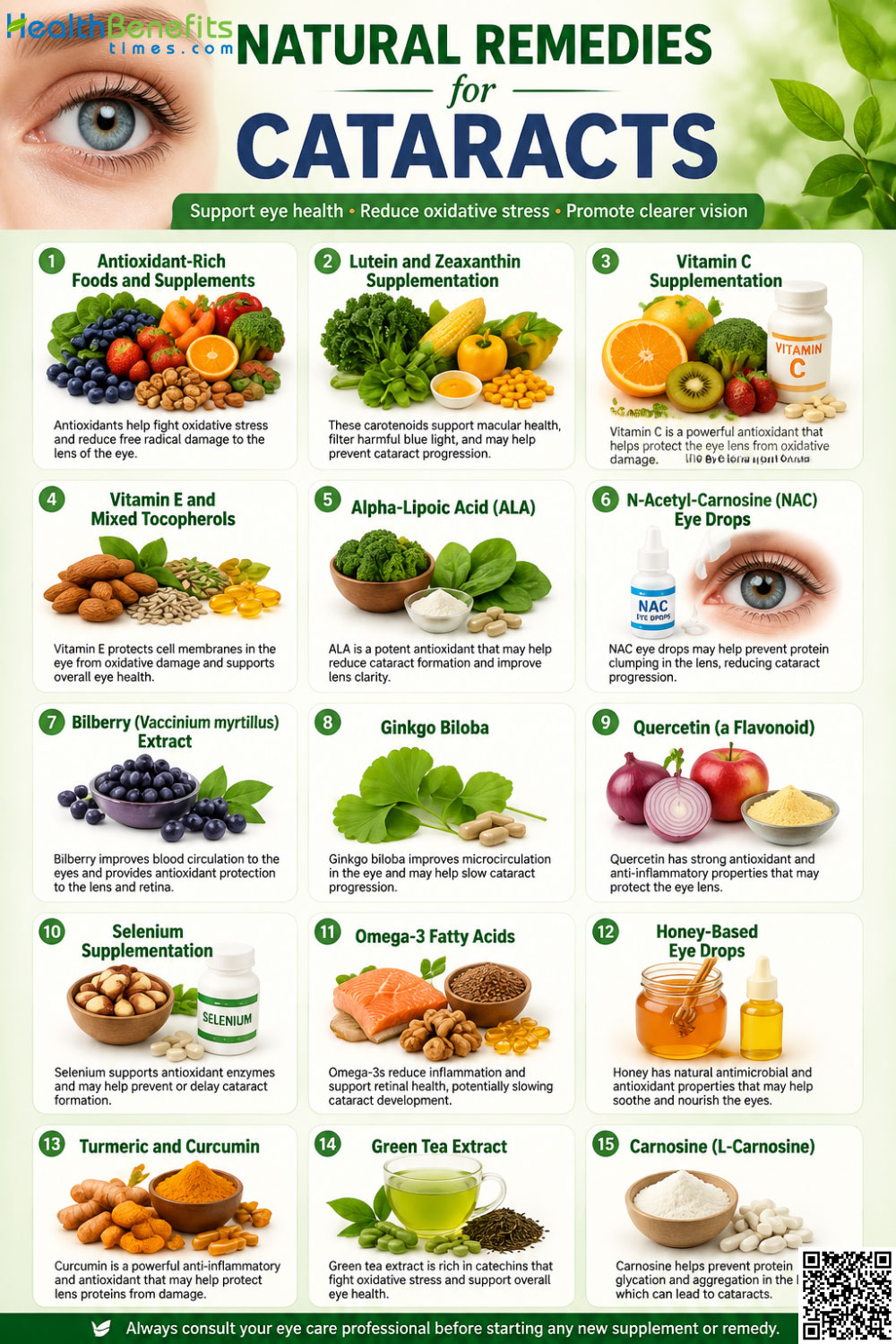
Your eyes are particularly vulnerable to oxidative stress, which accelerates cataract formation 15. Consuming foods high in vitamins C and E, lutein, and zeaxanthin provides powerful antioxidant protection. Citrus fruits, berries, almonds, and leafy greens are excellent sources. Research shows that higher dietary antioxidant intake is associated with slower cataract progression 16.
Application: Include 2-3 servings of antioxidant-rich foods daily, or consult your doctor about appropriate supplement dosages for your individual needs.
2. Lutein and Zeaxanthin Supplementation
These two carotenoids accumulate in the lens and act as natural filters against harmful light 17. Studies indicate that adequate lutein and zeaxanthin levels are associated with reduced cataract risk 18. Spinach, kale, collard greens, and broccoli are the richest natural sources, or you can use supplements.
Application: Aim for 6-10 mg of lutein and 1-2 mg of zeaxanthin daily from food or supplements, with medical guidance on proper dosing.
3. Vitamin C Supplementation
Vitamin C is highly concentrated in the lens and plays a critical protective role against free radical damage 19. Studies suggest that people with higher vitamin C intake have significantly lower cataract risk 20. This water-soluble vitamin cannot be stored in the body, making consistent intake important.
Application: Consume 500-1000 mg daily through citrus fruits, berries, or supplements, as recommended by your healthcare provider.
4. Vitamin E and Mixed Tocopherols
Vitamin E protects lens proteins from oxidative damage and works synergistically with vitamin C for enhanced protection 18. Nuts, seeds, vegetable oils, and whole grains are rich sources. Research indicates that higher vitamin E levels correlate with clearer lenses in aging populations.
Application: Include vitamin E-rich foods in your diet, or take 400 IU daily if using supplements, under medical supervision.
5. Alpha-Lipoic Acid (ALA)
This powerful antioxidant crosses the blood-brain barrier and protects the lens from oxidative stress 20. ALA also helps regenerate other antioxidants like vitamins C and E, creating a protective cascade. Studies suggest ALA may slow cataract progression in people with early stages.
Application: Take 300-600 mg daily in divided doses, preferably under guidance from an eye care specialist or nutritionist.
6. N-Acetyl-Carnosine (NAC) Eye Drops
This dipeptide has shown promise in laboratory and early clinical studies for potentially improving lens clarity 21. NAC provides antioxidant and anti-glycation benefits. While some users report improvements in vision quality, evidence remains preliminary, and regulatory approval varies by country.
Application: If using NAC drops, apply 1-2 drops in each eye 2-4 times daily, but consult your eye doctor before starting any new eye treatment.
7. Bilberry (Vaccinium myrtillus) Extract
Bilberries are exceptionally rich in anthocyanins, potent antioxidants that support eye health 16. Traditionally used in European folk medicine for vision support, bilberry supplements have been studied for their potential to improve vision quality and slow age-related eye changes.
Application: Take 160-240 mg daily of standardized bilberry extract with 25% anthocyanins, following product label directions.
8. Ginkgo Biloba
This ancient herb improves blood circulation to the eye and provides antioxidant protection 22. Better blood flow means improved nutrient and oxygen delivery to lens cells. Some studies suggest ginkgo may support visual function in aging eyes.
Application: Take 120-240 mg daily of standardized extract (24% ginkgo flavone glycosides), in divided doses with meals.
9. Quercetin (a Flavonoid)
This plant pigment found in onions, apples, and berries acts as both an antioxidant and anti-inflammatory agent 20. Quercetin may inhibit the enzyme aldose reductase, which contributes to cataract formation through the accumulation of sorbitol in the lens.
Application: Consume quercetin-rich foods daily or take 500-1000 mg supplements daily in divided doses.
10. Selenium Supplementation
Selenium is an essential component of glutathione peroxidase, an enzyme that protects lens proteins from oxidative damage 18. Adequate selenium status has been associated with lower cataract prevalence in population studies.
Application: Consume selenium-rich foods like Brazil nuts, fish, and eggs, or take 100-200 mcg daily if supplementing.
11. Omega-3 Fatty Acids
These essential fats support the structural integrity of cell membranes, including those in lens cells 16. Omega-3s also have anti-inflammatory properties that benefit overall eye health. Fish oil and plant-based sources like flaxseed and chia seeds are excellent options.
Application: Include fatty fish 2-3 times weekly, or take 1000-2000 mg EPA/DHA daily through supplements.
12. Honey-Based Eye Drops
Raw, medical-grade honey contains powerful antioxidants and antimicrobial compounds 23. Some traditional practices use honey eye drops to support lens clarity, though modern clinical evidence is limited. Always use sterile, pharmaceutical-grade preparations if applying anything to the eyes.
Application: Use only medical-grade honey eye drops under professional guidance, as contaminated or non-sterile preparations can cause infections.
13. Turmeric and Curcumin
Curcumin, the active compound in turmeric, has potent anti-inflammatory and antioxidant properties supported by extensive research 24. Studies suggest curcumin may help prevent oxidative damage to lens proteins. However, turmeric’s poor bioavailability means supplements with piperine or specialized delivery systems work better than dietary amounts alone.
Application: Take 500-2000 mg daily of curcumin extract with piperine for enhanced absorption, in divided doses with meals.
14. Green Tea Extract
Green tea’s polyphenols, particularly EGCG, provide neuroprotective and antioxidant benefits specifically studied for eye health 25. Regular consumption has been associated with better lens clarity and lower cataract incidence in population studies.
Application: Drink 2-3 cups of green tea daily or take 300-400 mg extract daily in supplement form.
15. Carnosine (L-Carnosine)
This dipeptide protects proteins from glycation, a process that damages lens proteins and accelerates cataract formation 21. Carnosine is particularly beneficial for people with diabetes who have accelerated cataract development due to high blood sugar.
Application: Take 1000-2000 mg daily in divided doses, preferably with meals for better absorption.
Myths and Misconceptions About Cataracts
| Myth | Reality |
| Cataracts cause blindness | While untreated cataracts can eventually lead to vision loss, they are not the cause of blindness in most cases. Surgery can restore vision in 90%+ of cases |
| You’re born with cataracts | Most cataracts develop later in life. While congenital cataracts exist, age-related cataracts are the norm and typically appear after 60 years old |
| Cataracts spread from one eye to the other | Cataracts do not spread. Each eye develops independently. One eye may cloud faster than the other, but the conditions are separate |
| Natural remedies can dissolve cataracts | While natural remedies may slow progression, only surgery can remove an established cataract. However, prevention measures work very well for early-stage disease |
| You must wait for cataracts to ripen before surgery | Modern surgical techniques allow removal at any stage of development. Surgery timing is based on your vision needs and quality of life, not cataract maturity |
| Wearing glasses worsens cataracts | Eyeglasses do not worsen or improve cataract development. They simply correct vision affected by the cataract |
| Cataracts are extremely painful | Cataracts themselves are painless. Vision loss occurs gradually without any discomfort. Pain suggests a different eye condition |
| You can prevent cataracts completely with diet | While diet and antioxidants significantly reduce risk, they cannot guarantee prevention due to aging and genetic factors. However, lifestyle measures are highly effective |
Special Considerations for Vulnerable Populations
1. Children and Congenital Cataracts
While most cataracts occur in older adults, some children are born with cataracts 6. These congenital cataracts require prompt evaluation and may need surgery to prevent permanent vision loss during critical developmental periods. Parents should ensure early childhood eye screenings. Natural remedies may support overall eye health but cannot replace necessary medical intervention in children.
2. Pregnancy and Hormonal Changes
Pregnancy can temporarily cause minor vision changes, and some women experience accelerated cataract development 26. Before taking any supplements or natural remedies, pregnant women should consult their obstetrician and ophthalmologist, as some substances may affect fetal development. Focus on food-based antioxidants rather than high-dose supplements during pregnancy.
3. Chronic Conditions (Diabetes, Hypertension)
People with diabetes develop cataracts earlier and more frequently 7. Tight blood sugar control through medication, diet, and exercise is crucial. Those with high blood pressure should work with their physicians to achieve optimal control. When considering natural remedies, ensure they don’t interact with diabetes or blood pressure medications—some supplements affect glucose levels or interact with common medications like metformin.
4. Elderly Patients and Polypharmacy
Older adults often take multiple medications, creating potential for supplement interactions 9. Before starting any natural remedy, discuss it with your pharmacist and doctors. Some antioxidants can interact with blood thinners, diabetes medications, or other drugs. A comprehensive review of all supplements and medications is essential to prevent harmful interactions.
Important Precautions Before Using Natural Remedies
While natural remedies can support eye health, taking proper precautions ensures safety and effectiveness:
1. Consult Your Eye Care Professional
Before starting any natural remedy, discuss it with your ophthalmologist or optometrist. They understand your specific eye condition and can advise whether a particular remedy is appropriate for you 6
2. Check for Medication Interactions
Many natural remedies interact with prescription medications. For example, ginkgo biloba can increase bleeding if you take anticoagulants, and some supplements affect how diabetes medications work 9
3. Do Not Delay Necessary Medical Treatment
While natural remedies may slow early-stage cataract progression, surgery is the only definitive treatment for advanced cataracts 3. Do not avoid surgery if your cataract significantly impairs your quality of life
4. Be Cautious with Eye Drops
Only use sterile, pharmaceutical-grade products directly in the eye. Contaminated solutions can cause serious infections 23. Never put non-ophthalmic preparations into your eyes
5. Monitor for Adverse Reactions
Keep track of any side effects or changes in your vision after starting a new supplement. Common side effects include stomach upset, allergic reactions, or interactions with other substances you consume
6. Purchase from Reputable Sources
Buy supplements from established manufacturers that follow quality control standards 27. Look for third-party testing certifications (USP, NSF, ConsumerLab)
7. Avoid Excessive Dosing
More is not always better. Excessive doses of fat-soluble vitamins (A, D, E, K) can accumulate in your body and cause toxicity. Follow recommended dosages on product labels or from your healthcare provider
8. Be Aware of Allergies
Some natural remedies can trigger allergic reactions. For example, people allergic to birch pollen may react to ginkgo supplements. Review ingredient lists carefully if you have known allergies
9. Consider Your Overall Health Status
If you have liver disease, kidney problems, autoimmune conditions, or other chronic illnesses, certain supplements may not be appropriate. Work with a healthcare provider to evaluate safety for your situation
10. Keep a Supplement Log
Document what supplements you’re taking, dosages, and any changes you notice in your vision or overall health. Share this with your healthcare team at every appointment
When to See a Doctor About Cataracts
Certain situations require immediate professional evaluation:
1. Any Sudden Vision Changes
If you experience sudden blurriness, floaters, flashing lights, or a sudden change in your vision, contact your eye doctor immediately 1. These can indicate complications or other eye conditions requiring urgent attention
2. Eye Pain or Redness
Cataracts themselves don’t cause pain. If you experience eye pain, redness, or discharge, see an eye care professional promptly, as this suggests infection or inflammation
3. Difficulty with Daily Activities
If your cataract makes it hard to read, drive safely, recognize faces, or perform work tasks, discuss surgical options with your ophthalmologist 14
4. Age-Related Eye Exams (Routine Prevention)
Everyone over 60 should have comprehensive eye exams every 1-2 years 6. Those with risk factors (diabetes, family history, smoking) should have exams more frequently
5. Before Starting New Supplements
Schedule an appointment with your eye doctor before beginning any new supplements or natural remedies, especially if you take medications or have other eye conditions
6. Following Eye Trauma
Any significant eye injury should be evaluated by an ophthalmologist immediately, as traumatic cataracts can develop weeks or months after the initial injury
7. Monitoring Natural Remedy Effectiveness
If you’re using natural remedies for prevention or to slow cataract progression, follow-up eye exams (every 6-12 months) help determine if the approach is working or if other interventions are needed
8. Post-Surgical Follow-Up
If you’ve had cataract surgery, attend all scheduled follow-up appointments to ensure proper healing and optimal lens function 3
Conclusion: A Comprehensive Approach to Cataract Management
Cataracts are a common part of aging, but they don’t have to significantly impact your quality of life. While natural remedies and preventive measures cannot cure an existing cataract, they play an important role in slowing progression, supporting overall eye health, and maintaining vision as you age. The most effective approach combines multiple strategies: a diet rich in antioxidants, appropriate supplementation under medical guidance, UV protection, management of underlying health conditions, regular eye exams, and open communication with your healthcare team.
Remember that natural remedies work best as part of a comprehensive eye health strategy that includes conventional medical care. Your eye care professional can help you determine which natural approaches are appropriate for your situation while monitoring your eye health through regular examinations. If your cataract eventually impairs your vision significantly, modern surgical techniques offer safe, effective treatment with high success rates.
By taking a proactive, evidence-based approach that respects both traditional wisdom and modern medical science, you can optimize your eye health and maintain the clearest vision possible throughout your life.