

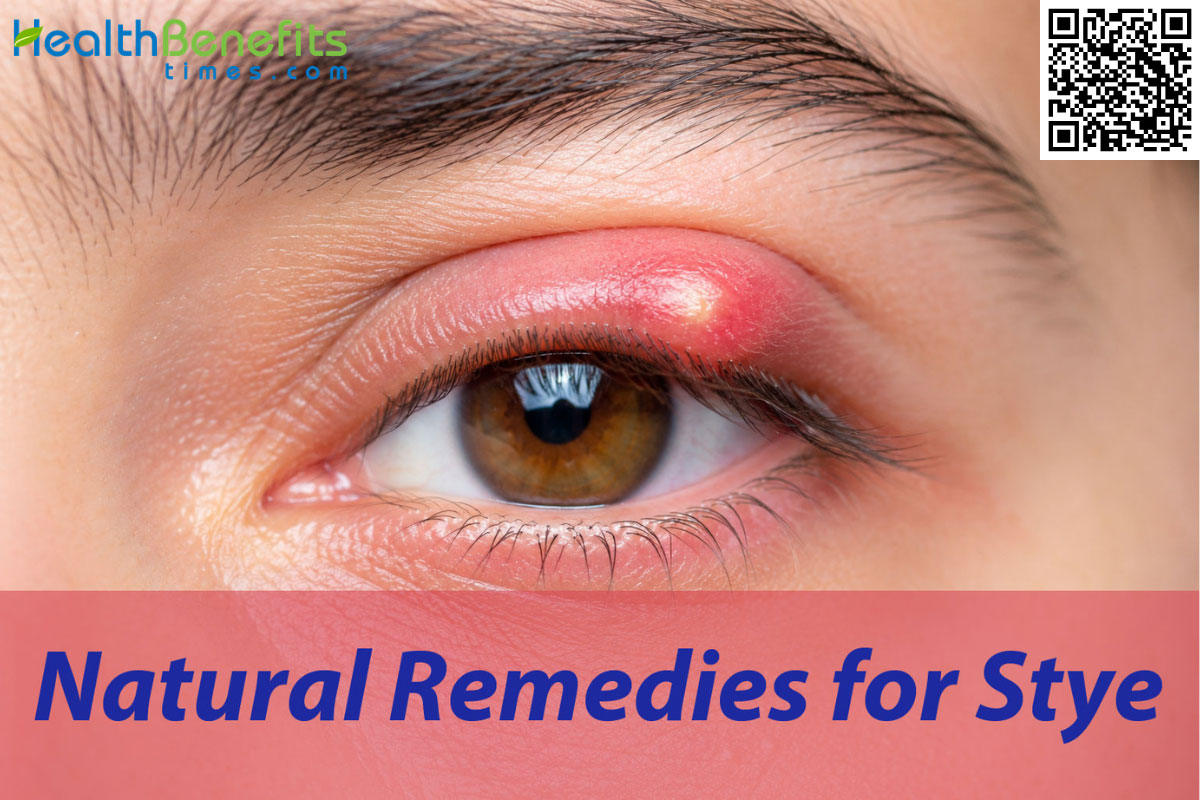
A stye, medically known as a hordeolum, is a red, painful, and tender lump that suddenly develops near the edge of the eyelid 1. This acute condition occurs when a hair follicle at the base of an eyelash, or a specialized oil-producing gland inside the eyelid, becomes blocked and subsequently infected by bacteria, most commonly Staphylococcus aureus. As the bacteria rapidly multiply within the trapped space, the body’s immune system responds by sending white blood cells to fight the infection, which creates a localized pocket of pus. Individuals suffering from a stye typically experience immediate, sharp pain, localized swelling, and a visible yellowish spot at the center of the bump, strongly resembling a common pimple 2. The affected eye may also become heavily watery, feel uncomfortably gritty, and exhibit increased sensitivity to bright light. Unlike a chalazion, which is a painless blocked oil gland, a stye is an active bacterial infection that usually requires regular warm compresses to encourage natural drainage and complete healing. 3, 4.
Causes of Stye
Looking beneath the surface of the skin reveals that a hordeolum rarely develops entirely out of nowhere; it is typically the result of specific environmental, mechanical, or systemic factors creating a breeding ground for pathogens.
1. Bacterial Overgrowth
The fundamental root cause of almost all styes is an opportunistic infection driven by Staphylococcus aureus, a highly common strain of bacteria that naturally and harmlessly colonizes the surface of human skin 5. When the normal barrier of an eyelash follicle or oil gland is compromised, these bacteria multiply rapidly within the trapped space, leading to the accumulation of white blood cells and the formation of a pus-filled abscess.
2. Meibomian Gland Dysfunction (MGD)
The complex lipid layers of human tears are produced by meibomian glands located inside the tarsal plate of the eyelid. When these glands fail to secrete oil properly due to thickening or blockages, the resulting hyperosmolarity and tear film instability trap debris, paving the way for internal bacterial colonization 6.
3. Chronic Blepharitis
Continuous, low-grade inflammation of the eyelid margins is a prevailing condition that causes excessive crusting, redness, and flaking of the skin at the base of the eyelashes 7. Because this condition generates an abundance of dead cellular material, it frequently clogs the underlying glandular pores and triggers secondary bacterial styes.
4. Demodex Mite Infestation
Microscopic ectoparasites, specifically Demodex folliculorum, naturally inhabit human hair follicles, but an aggressive overpopulation along the lash line can physically obstruct the meibomian glands 8. The presence and biological waste of these mites cause intense localized irritation that severely compromises the eye’s natural defenses against bacterial invasion.
5. Systemic and Metabolic Imbalances
An individual’s overall metabolic health significantly influences their ocular resilience, as poorly controlled blood glucose levels in diabetes impair the body’s generalized immune response, rendering the eyelid tissues far more susceptible to recurrent infections 9. Furthermore, facial skin conditions like rosacea inherently alter the normal function of the meibomian glands, trapping the very oils meant to protect the eye.
Symptoms of Stye
Recognizing the clinical onset of an eyelid infection allows for prompt management and helps distinguish it from other non-infectious ocular disorders. The presentation follows a highly predictable pattern.
- A distinctly tender, painful lump forming rapidly on either the outward-facing lash line or the inner mucosal surface of the eyelid 10.
- Pronounced, localized swelling of the skin immediately surrounding the infected follicle, often accompanied by erythema (redness) that may be more difficult to visually detect on darker skin tones.
- The gradual appearance of a visible, yellowish core of pus located at the absolute center of the inflammatory swelling, closely resembling the head of a small facial pimple 11.
- A persistent, gritty sensation underneath the eyelid, mimicking the feeling of a trapped grain of sand or a foreign object scratching the surface of the eye.
- Involuntary, excessive tear production leading to a continuously watery eye on the affected side, driven by the body’s attempt to flush away the irritation 12.
- Mild to moderate photophobia, resulting in an increased sensitivity and discomfort when exposing the affected eye to bright indoor lights or direct sunlight.
- Accumulation of crusts or hardened discharge clinging to the eyelashes, which becomes particularly noticeable and bothersome immediately upon waking in the morning.
Stye Facts
| Parameter | Details |
| Symptoms |
|
| Causes |
|
| Types of Stye |
|
| How does spread |
|
| Age Group |
|
| You might be at a higher risk for exposure of this disease if you: |
|
| How doctors diagnose |
|
| Other facts |
|
Natural Remedies for Stye
Taking control of your recovery involves utilizing conservative, non-invasive methods that respect the highly sensitive anatomy of the human eye. You can safely encourage the trapped infection to resolve by relying on supportive natural therapies designed to promote spontaneous drainage and reduce localized inflammation.
1. Warm Water Compresses
The most biologically sound and universally recommended intervention for clearing a blocked eyelid gland is the application of sustained, gentle heat. Because the secretions inside the meibomian and Zeis glands are composed of complex lipids, they easily solidify and form waxy plugs when the tissue is inflamed or the body temperature shifts. By applying a warm compress, you effectively raise the local tissue temperature, melting the hardened oils that are causing the anatomical obstruction 14. Once the blockage is liquefied, the trapped bacterial debris and pus can naturally migrate toward the surface and drain out of the follicle without requiring dangerous mechanical squeezing.
Note: You perform this remedy by soaking a clean flannel cloth in comfortably warm water, wringing out the excess, and holding it gently against your closed eyelid for 5 to 10 minutes, repeating the process up to four times daily until the lesion naturally opens.
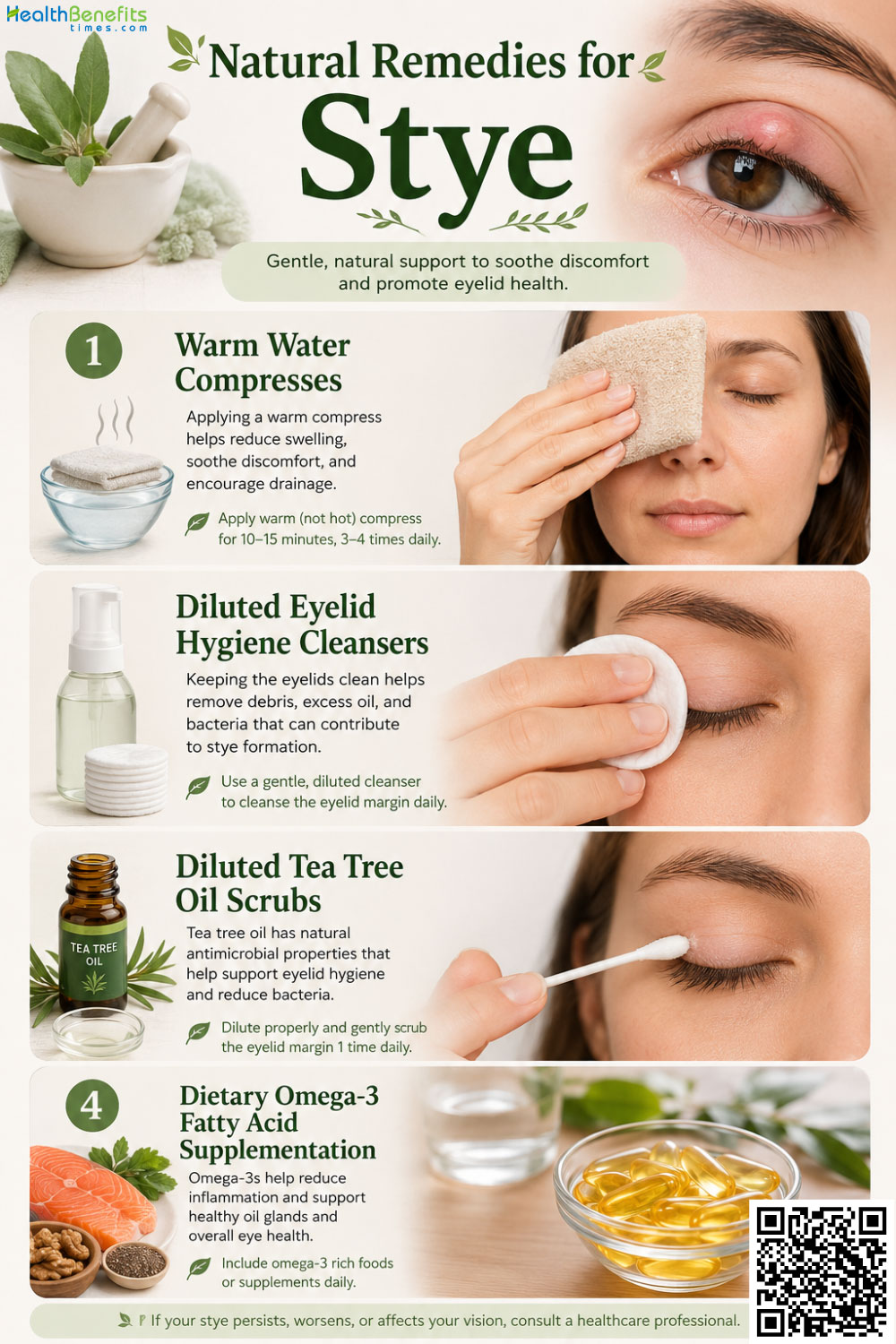
2. Diluted Eyelid Hygiene Cleansers
Maintaining an impeccable level of hygiene across the eyelid margin is vital for accelerating the healing timeline and preventing adjacent glands from succumbing to the spreading bacteria. Because a stye thrives in environments cluttered with dead skin cells, hardened oils, and crusts, clearing away this debris strips the bacteria of their protective biofilm. Utilizing heavily diluted, tear-free baby shampoo is a well-established, non-irritating household alternative to commercial scrubs, effectively washing away the external bacterial load without disrupting the delicate pH balance of the tear film 15.
Note: You apply this remedy by mixing a single drop of mild baby shampoo into a small cup of warm water, dipping a clean cotton swab into the solution, and gently sweeping it horizontally across the base of your eyelashes to wash away crusts.
3. Diluted Tea Tree Oil Scrubs
For individuals whose recurrent eyelid infections are closely linked to chronic blepharitis or an underlying infestation of Demodex mites, tea tree oil presents a powerful botanical countermeasure. The active therapeutic compound found in tea tree oil, known as terpinen-4-ol, demonstrates proven clinical efficacy in paralyzing and eradicating Demodex mites while simultaneously acting as a broad-spectrum antimicrobial agent against surface bacteria 16. Because essential oils are highly volatile and toxic to the clear cornea, pure tea tree oil must never be used; it must be specifically formulated and heavily diluted for ophthalmic safety.
Note: You use this remedy by purchasing a commercially prepared, low-concentration (5% to 50%) tea tree oil eyelid wipe and carefully wiping the outer lash line only, ensuring no active liquid seeps into the actual eye.
4. Dietary Omega-3 Fatty Acid Supplementation
Addressing the root cause of recurrent styes often requires shifting your internal systemic environment to support healthier glandular output. High daily doses of dietary Omega-3 fatty acids specifically the EPA and DHA variants found in fish or specialized plant oils are absorbed into the bloodstream and fundamentally alter the composition of the oils secreted by your meibomian glands 17. This nutritional shift makes the glandular secretions significantly thinner, clearer, and far less prone to stagnating and clogging, thereby eliminating the precise conditions that allow a hordeolum to form in the first place.
Note: You consume this remedy daily in the form of high-quality dietary supplements or by incorporating rich sources like linseed oil into your regular diet to serve as a long-term, systemic preventative measure.
Is There Any Exercise or Physical Activities for Stye?
Moving beyond static treatments, the mechanical dynamics and physical actions of the eyelid muscles play a surprisingly vital role in overall glandular health. You can actively encourage the drainage of sluggish eyelid glands and support the stability of your tear film through highly targeted physical routines.
1. Intentional Blinking Exercises
The human eyelid operates identically to a mechanical pump; every time your eyes blink, the physical compression of the surrounding orbicularis oculi muscles squeezes a microscopic amount of oil out of the meibomian glands and spreads it across the surface of the eye. In the modern era, humans frequently suffer from “incomplete blinking,” where the upper eyelid does not make full contact with the lower eyelid, leaving the lower glands unstimulated, stagnant, and highly prone to bacterial blockages. Correcting this mechanical failure through active muscle training restores the necessary pressure required to keep the glands flowing smoothly 18.
Note: You do this exercise by performing a deliberate “close-squeeze-open” cycle: close your eyes normally, squeeze the lids shut tightly for two seconds to activate the muscle pump, and then open them fully, repeating this sequence 15 times, three times a day.
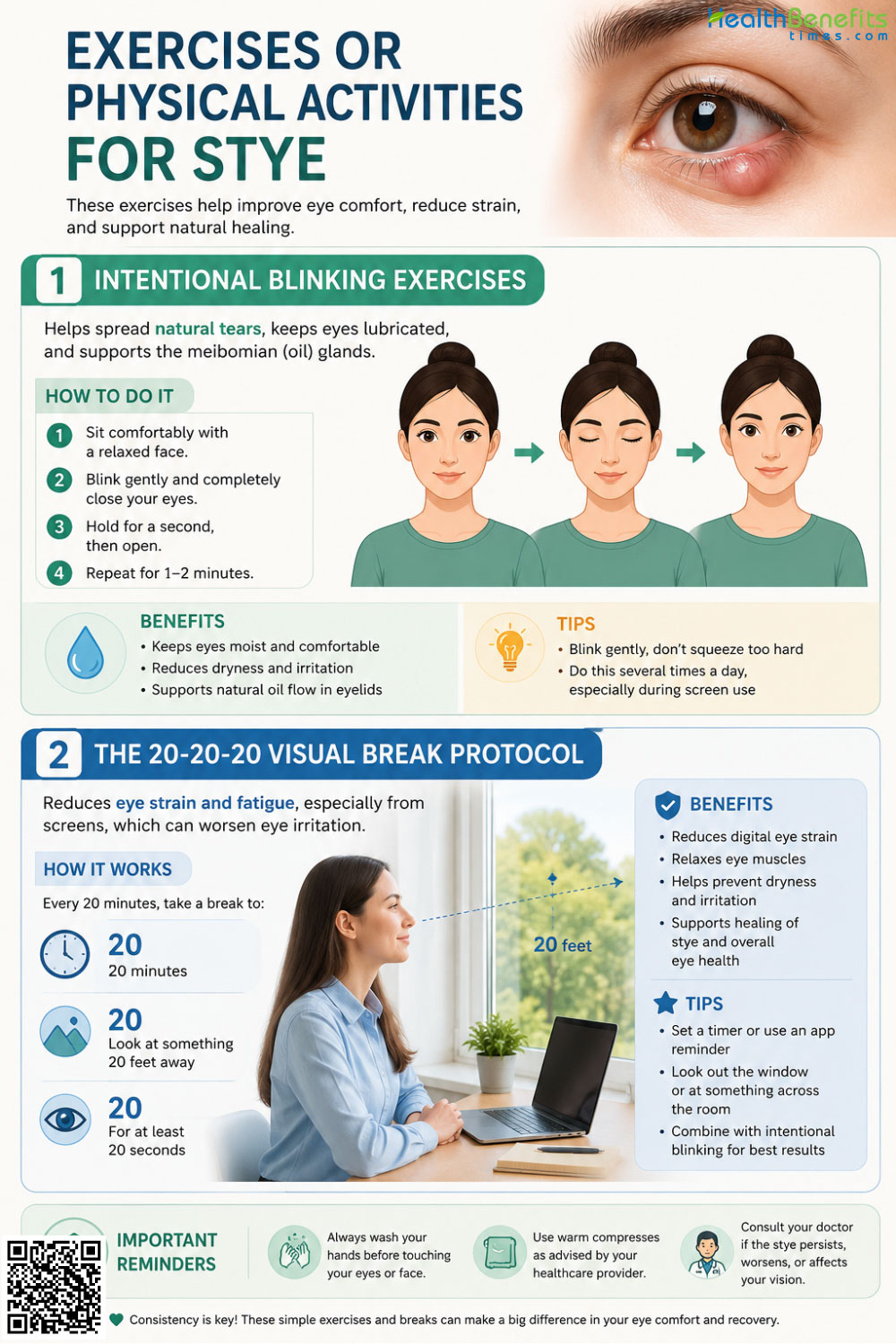
2. The 20-20-20 Visual Break Protocol
Prolonged exposure to digital screens and monitors drastically alters your natural physiological rhythms, causing your subconscious blink rate to plummet from a healthy average of 15 to 20 blinks per minute down to as few as 5 blinks per minute. This extended muscular inactivity allows the warm lipid secretions to cool down, stagnate, and solidify inside the glandular ducts, creating the perfect biological trap for a bacterial infection. Forcing structured mechanical breaks forcefully disrupts this hazardous cycle of stagnation and prevents the onset of dry eye symptoms 19.
Note: You perform this activity by strictly looking away from your digital screen every 20 minutes, focusing your gaze on an object at least 20 feet away, and actively forcing yourself to take several full, deep blinks for a duration of 20 seconds before returning to your task.
Foods and Activities to Avoid
Navigating your daily habits during an active infection requires a deep understanding of what exacerbates cellular inflammation. Certain dietary inputs and physical actions can dramatically worsen the swelling, prolong the overall healing timeline, or inadvertently introduce aggressive secondary pathogens into the weakened tissue.
Foods to Avoid When You Suffer from Stye and You Are Prone to Stye
1. High-Glycemic and Sugary Foods
Diets heavily laden with refined sugars and simple carbohydrates cause rapid, systemic spikes in blood glucose levels. Elevated blood sugar creates an ideal metabolic environment for Demodex mites to proliferate and directly correlates with a higher susceptibility to aggressive eyelid infestations and subsequent bacterial styes 20.
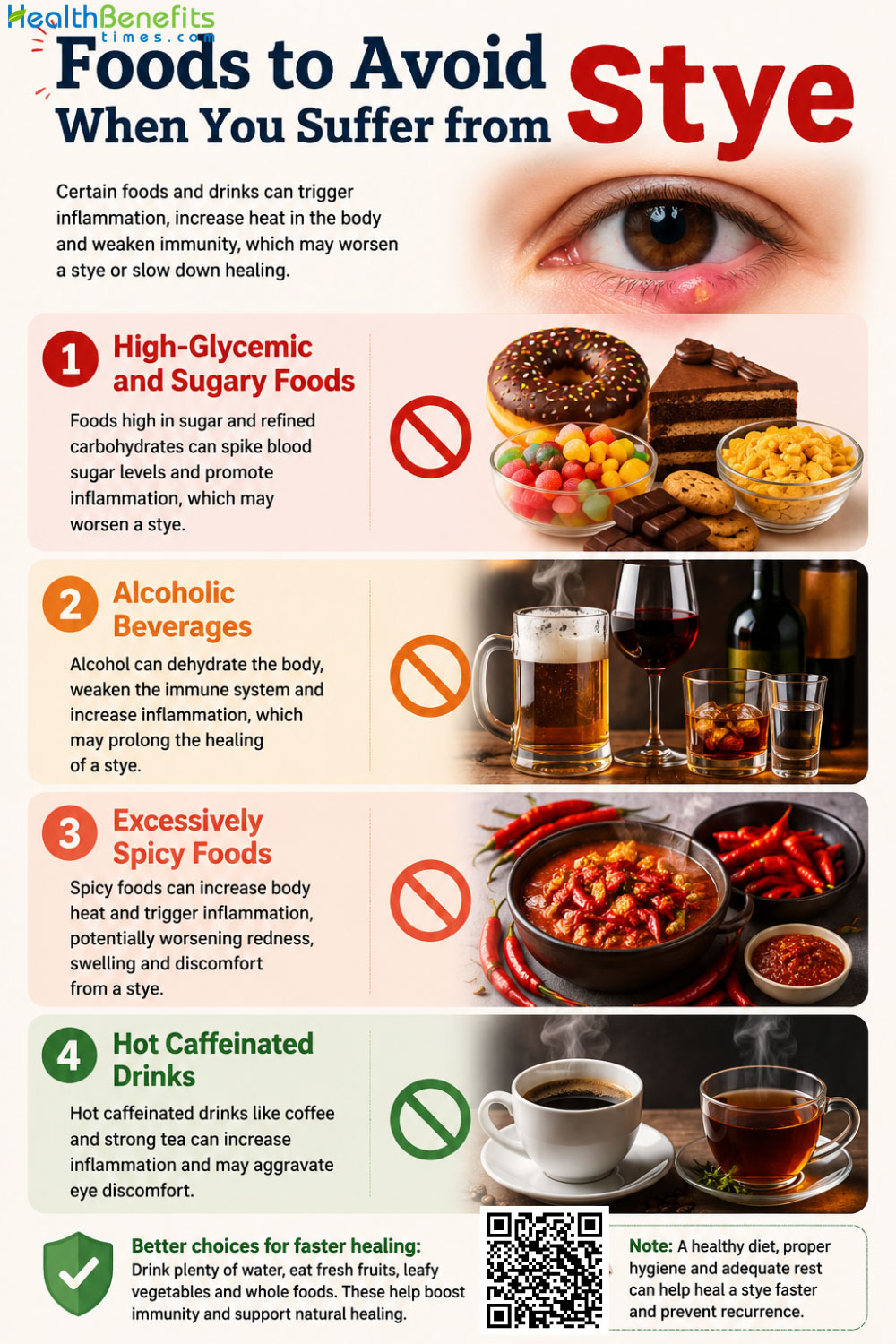
2. Alcoholic Beverages
For individuals whose recurring styes are intrinsically driven by underlying ocular rosacea, alcohol serves as a potent and rapid trigger. Alcohol acts as a systemic vasodilator, widening the blood vessels in the face and eyelids, which immediately worsens localized tissue swelling, redness, and inflammatory discomfort 21.
3. Excessively Spicy Foods
Similar to the physiological effects of alcohol, heavily spiced foods trigger acute vascular flushing and heat generation in patients dealing with rosacea-linked eyelid conditions, fueling the inflammatory fire surrounding the blocked gland.
4. Hot Caffeinated Drinks
Consuming thermally hot beverages can precipitate a neurovascular flushing response that irritates the sensitive ocular surface glands, making a pre-existing stye feel notably more engorged and painful.
Activities to Avoid When You Suffer from Stye
1. Squeezing or Popping the Lump
Under absolutely no circumstances should you attempt to manually burst the abscess like a common pimple. The eyelid contains a complex, delicate venous drainage system; applying intense pressure forces the infected pus backward into the deeper, highly vascularized tissues of the eyelid, risking severe and vision-threatening complications like orbital cellulitis.
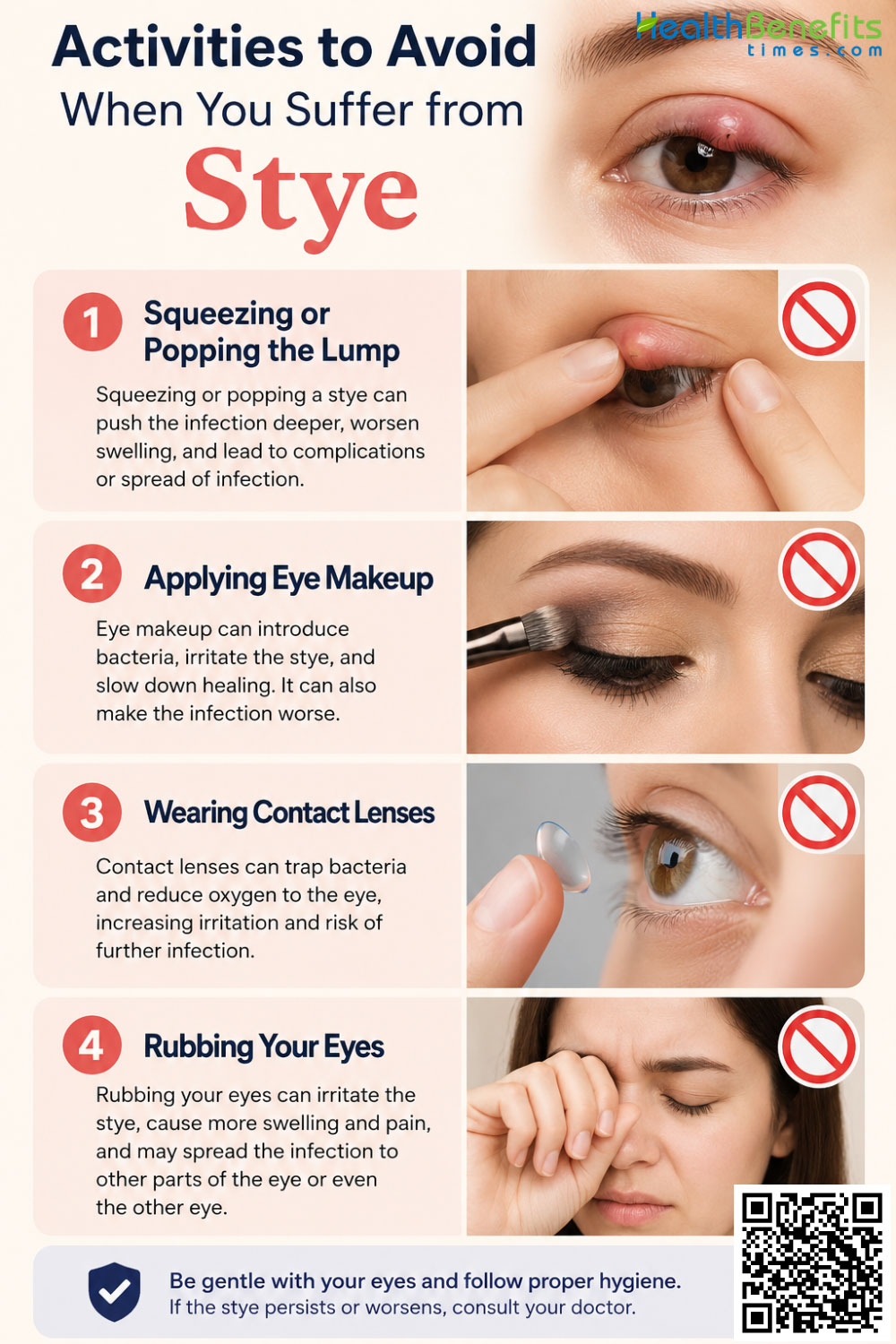
2. Applying Eye Makeup
Utilizing mascara, heavy eyeliner, or eyeshadow introduces harsh foreign chemical particles directly into the compromised tear film. Furthermore, makeup brushes and applicators act as physical carriers for bacteria, guaranteeing that you will either reinfect the healing area or permanently contaminate your expensive cosmetic products.
3. Wearing Contact Lenses
Because the eye’s natural lipid layer is severely disrupted during an active stye outbreak, inserting contact lenses will feel exceptionally dry, abrasive, and irritating. More critically, the physical lens can trap the aggressive staphylococcal bacteria tightly against the clear cornea, inviting a dangerous secondary corneal infection or ulcer.
4. Rubbing Your Eyes
Vigorously rubbing the affected eye creates microscopic abrasions on the surrounding healthy skin and acts as a mechanical vector, physically dragging the active bacterial load from a single infected follicle into adjacent, previously healthy glands.
Myths and Misconceptions
| Myth | Reality |
| Instilling human breast milk into the eye is a safe, natural cure for infections.
22. |
While breast milk contains specific immunological factors, applying it directly to a bacterial eye infection is widely documented as an unsterile, potentially harmful practice. It provides a warm, nutrient-rich environment for bacteria to multiply rapidly and offers no clinically proven superiority over standard, sterile hygiene protocols. |
| Applying a warm, wet tea bag directly to the eye is a risk-free herbal compress. | Though commonly touted in holistic circles as a soothing remedy, utilizing porous, non-sterile plant material like green tea bags on an open or weakened ocular surface has been medically documented to cause devastating, deep stromal fungal keratitis, a severe fungal infection of the clear cornea. |
| Popping a stye with a sterilized needle helps it heal much faster. | Puncturing the lesion at home forces infected pus deeper into the eyelid’s delicate tissue network. This reckless action can transform a minor, localized gland blockage into a rapidly spreading soft tissue infection (cellulitis) that requires urgent hospitalization and systemic intravenous antibiotics. |
| Styes are highly contagious, airborne infections that require strict isolation. | The primary bacteria involved in hordeolum formation already live on the normal skin of most healthy people. While you should never share towels or pillowcases to prevent direct contact cross-contamination, a stye itself is not airborne, and there is no medical requirement to stay isolated from school or work. |
| If a lump on your eyelid doesn’t hurt at all, it is just a healing stye. | A painless, hard, rubbery lump that persists for several weeks or months after the initial inflammatory redness fades is no longer an active stye; it has morphed into a chalazion. This is a chronic granulomatous cyst that requires entirely different medical management, as the active bacterial infection has passed but the gland remains permanently blocked. |
Special Considerations
Factoring in the unique physiological landscapes of different individuals is critical, as immune responses and anatomical structures undergo profound changes throughout the human lifespan. Managing a delicate eyelid infection requires highly nuanced care depending on the patient’s specific demographic or underlying health profile.
1. Children
The pediatric population is extraordinarily susceptible to hordeolum development primarily due to highly active behavioral factors and developing hygiene habits. Young children frequently engage in vigorous eye rubbing with unwashed hands after playing, introducing heavy loads of environmental dirt and aggressive pathogens directly into their vulnerable eyelash follicles. When managing an infection in a child, strict adult supervision is absolutely required during the application of warm compresses to ensure the water temperature does not inadvertently scald their highly sensitive, thin facial skin. Furthermore, if a child exhibits extreme swelling that forces the eye shut, or complains of any visual changes, they must be evaluated by a medical professional immediately. Because their immune barriers are less developed and their facial bones are smaller, localized infections can spread rapidly into the deeper tissues, presenting a high risk for dangerous periorbital cellulitis 24.
2. Pregnancy
During the gestational period, profound systemic immune shifts, fluid retention, and dramatic hormonal fluctuations can significantly alter the viscosity of the body’s natural oil secretions, occasionally making expectant mothers far more prone to blocked meibomian glands. The paramount consideration during pregnancy is minimizing fetal exposure to unnecessary systemic pharmaceutical interventions. Expectant mothers should rely entirely on conservative, topical natural remedies such as sterile warm water compresses and gentle, chemical-free lid hygiene. If over-the-counter pain relief becomes absolutely necessary to manage intense physical discomfort, medications must be cleared by an obstetrician, as certain common anti-inflammatory drugs pose specific risks during various trimesters.
3. Chronic Conditions
Patients harboring long-term chronic systemic diseases face a continuous, uphill battle against recurrent eyelid infections. Individuals suffering from latent or established diabetes mellitus exhibit a notably increased incidence of acute ocular infections; chronic hyperglycemia severely impairs the function of white blood cells and alters the delicate microvascular environment of the eye, making it harder for the body to fight off simple bacterial invasions 25. Furthermore, diabetics frequently suffer from compromised corneal nerve sensitivity, meaning a worsening stye might not trigger the appropriate warning pain until the infection is severe. Similarly, individuals dealing with dermatological rosacea experience chronic, structural dysfunction of their meibomian glands as a baseline state, leaving their natural ocular defenses perpetually compromised 26. For these specific populations, treating a stye is never a one-off event; it requires continuous, lifelong lid hygiene, strict dietary management of inflammatory triggers, and rigorous systemic glycemic control.
4. Elderly
As the human body advances in age, the physical architecture of the eyelid undergoes profound degenerative changes. The critical meibomian glands frequently atrophy and drop out entirely, leading to a severe decrease in lipid production, chronic dry eye syndrome, and thick, sluggish secretions that easily solidify into rigid blockages. Because of these irreversible age-related mechanical failures, older adults frequently experience highly stubborn, recurrent styes that take much longer to resolve. Crucially, when an elderly patient presents with what appears to be a recurrent stye localized to the exact same anatomical spot, particularly if it is accompanied by the localized loss of eyelashes or destruction of the eyelid margin, a thorough clinical biopsy is heavily advised. This presentation can occasionally mimic sebaceous gland carcinoma, a rare but highly serious ocular malignancy that requires immediate surgical intervention rather than warm compresses 27.
Precaution Before Use of Natural Remedies When You Have Stye
Safeguarding your vision requires an acknowledgment that “natural” does not inherently mean safe, especially when dealing with the incredibly delicate mucosal tissues of the ocular surface. Implementing home remedies demands rigorous safety protocols to avoid catastrophic secondary injuries.
- Ensure Absolute Sterility: You must never use a dirty washcloth, a previously used makeup cotton pad, or unwashed bare fingers to touch the infected eye. Any fabric or therapeutic tool applied to the eyelid must be freshly laundered or entirely single-use to prevent introducing highly aggressive new bacterial strains right into the open, vulnerable follicle.
- Test Water Temperatures Carefully: You should be keenly aware that the skin of the human eyelid is exceptionally thin and highly prone to severe thermal injury. When preparing a warm water compress, always test the heat level against the sensitive skin of your inner wrist first; the temperature should feel deeply warm and soothing, never scalding, burning, or painful.
- Avoid Porous Plant Materials: You must strictly avoid utilizing steeped herbal tea bags (such as green tea, black tea, or chamomile) directly as warm compresses. The organic, porous matter inside the bags can easily harbor microscopic fungal spores, which, if inadvertently introduced to a scratched or weakened eye, can cause devastating and exceptionally difficult-to-treat fungal blindness.
- Dilute Essential Oils Strictly: If you are utilizing tea tree oil to combat an underlying Demodex mite issue, you must never apply it in its pure, undiluted essential oil form. Pure tea tree oil is incredibly volatile, highly toxic to the clear cornea, and will cause severe chemical burns upon contact. You must only use commercially formulated, properly diluted ophthalmic scrubs.
- Reject Unverified Biological Fluids: You should strictly avoid culturally inherited but medically dangerous practices, such as instilling human breast milk, raw honey, or herbal infusions directly into the eye. These unsterilized biological fluids act as active petri dishes for rapid bacterial proliferation and introduce wild, unknown pathogens 28.
- Patch Test for Contact Allergies: If you are using a new lid-cleansing wipe, baby shampoo, or botanical extract for the very first time, always apply a small amount to the skin of your inner arm 24 hours prior to ocular use. This ensures you do not have an undiagnosed contact allergy that could trigger a severe, blinding eyelid dermatitis reaction on top of the bacterial infection.
When to See a Doctor
Recognizing the limits of self-care is a crucial component of preserving your vision. While conservative natural management successfully resolves the vast majority of mild styes, there is a clear, non-negotiable demarcation line where home remedies must end and professional medical intervention must begin.
- Failure to Improve After Two Weeks: If the intense swelling, localized pain, and redness have not noticeably subsided after ten to fourteen days of consistent, daily warm compresses and lid hygiene, you need to be evaluated by a clinician who may perform a minor surgical drainage or prescribe targeted topical antibiotic ointments.
- Onset of Visual Disturbances: If you experience any distinct changes to your actual vision such as sudden blurriness, the appearance of wavy lines, flashing lights, or a physical, heavy obstruction dropping over your line of sight you must seek immediate, urgent ophthalmic care, as a standard external stye should never structurally affect the optical pathways 29.
- Spread of Erythema (Redness) Beyond the Lid: If the aggressive redness, heat, and intense swelling begin to expand outward from the localized eyelid bump and actively track across your cheek, up into your eyebrow, or across broader facial tissue, this is a major medical warning sign. The localized infection may have breached the surrounding fascial tissue to become preseptal cellulitis, a serious condition requiring oral systemic antibiotics.
- Intense, Unbearable Pain or Spontaneous Bleeding: A standard stye will be mildly tender to the touch, but agonizing, throbbing pain that keeps you awake, severe sensitivity to ambient room light (photophobia), or spontaneous bleeding originating from the eyelid margin warrants immediate emergency room evaluation to rule out deeper ocular trauma.
- Thick, Continuous Ocular Discharge: While a healing stye may briefly weep a tiny amount of pus when it finally bursts, if your eye is actively oozing thick, sticky, green or yellow discharge that repeatedly glues your upper and lower eyelids completely together, the bacterial infection has likely spread to the broader conjunctiva and necessitates prescription medical drops.
- Highly Recurrent Outbreaks: If you suffer from relentless, back-to-back styes, or if a persistent stye repeatedly appears in the exact same anatomical spot month after month, you need an ophthalmologist to evaluate you for underlying systemic conditions like diabetes, severe rosacea, or more serious structural and malignant eyelid pathologies.