


Chronic pain is medically defined as persistent or recurrent pain lasting more than three months, continuing well beyond the usual recovery time for an illness or injury. Unlike acute pain, which acts as a temporary warning signal, chronic pain is a complex health condition in its own right. It can stem from an initial trauma, an underlying disease, or emerge without an obvious physical cause. Because this type of pain is deeply influenced by a combination of biological, psychological, and social factors, its severity and impact vary significantly among individuals. Over time, unmanaged chronic pain can restrict mobility, disrupt sleep, and negatively impact mental health, frequently leading to a reduced quality of life or disability. If you are experiencing persistent discomfort, you should consult a healthcare professional to build a comprehensive, personalized management plan tailored to your physical and emotional needs.
Causes of Chronic Pain
- Neuropathic pain and nerve damage, including diabetic neuropathy and trigeminal neuralgia
- Musculoskeletal conditions, such as osteoarthritis, rheumatoid arthritis, and ankylosing spondylitis
- Trauma, injury, or physical accidents
- Inflammatory conditions, including inflammatory bowel disease and peripheral nerve inflammation
- Spinal and back conditions, including low back pain, sciatica, slipped disks, and spondylosis
- Postoperative complications and chronic post-surgical pain
- Cancer and tumor metastases
- Infections, such as the varicella-zoster virus causing post-herpetic neuralgia or shingles
- Drug-induced pain, resulting from certain anti-cancer or anti-HIV medications
- Primary chronic pain syndromes like fibromyalgia
- Chronic headaches and migraines 1, 2, 3, 4, 5
Symptoms of Chronic Pain
- Aching, throbbing, or shooting pain
- Burning or electric shock-like sensations
- Widespread or localized body pain
- Spontaneous, stimulus-independent pain
- Fatigue and extreme exhaustion
- Sleep disturbances, including insomnia or unrefreshing sleep
- Cognitive dysfunction, such as difficulties with attention, language, and memory
- Mood changes, including severe depression, anxiety, and irritability
- Heightened sensitivity to pain, known as hyperalgesia
- Pain in response to a normally non-painful stimulus, known as allodynia
- Spread of pain to adjacent, undamaged tissue or distant body regions
- Joint stiffness, muscle spasms, tension, or physical weakness 6, 7, 8, 9, 10
Natural Remedies for Chronic Pain
1. Probiotic Supplementation for Gut Microbiome Restoration
How it may help
Probiotic supplements restore beneficial bacteria in the digestive tract, altering nerve signaling and supporting immune health 11. By regulating the gut-brain connection, probiotics lower body-wide inflammation and reduce the nervous system’s sensitivity to pain, providing a natural management approach 12.
What research says
Scientific evidence indicates that specific probiotic strains significantly diminish nerve pain by decreasing cellular damage and suppressing inflammation triggers 13. Furthermore, administering live microorganisms successfully alleviates joint degeneration and osteoarthritis discomfort by modulating immune responses and limiting tissue swelling 14.
How to use it safely
When starting a probiotic routine, select products containing well-researched strains like Lactobacillus or Bifidobacterium, and carefully follow the manufacturer’s dosage instructions 15. You should integrate these supplements gradually to allow your body to adjust safely, and always consult your doctor beforehand 16.
Potential precautions or side effects
Probiotics are generally safe but may cause minor stomach symptoms like temporary gas 17. However, severely immunocompromised individuals face a rare risk of serious infections 18.
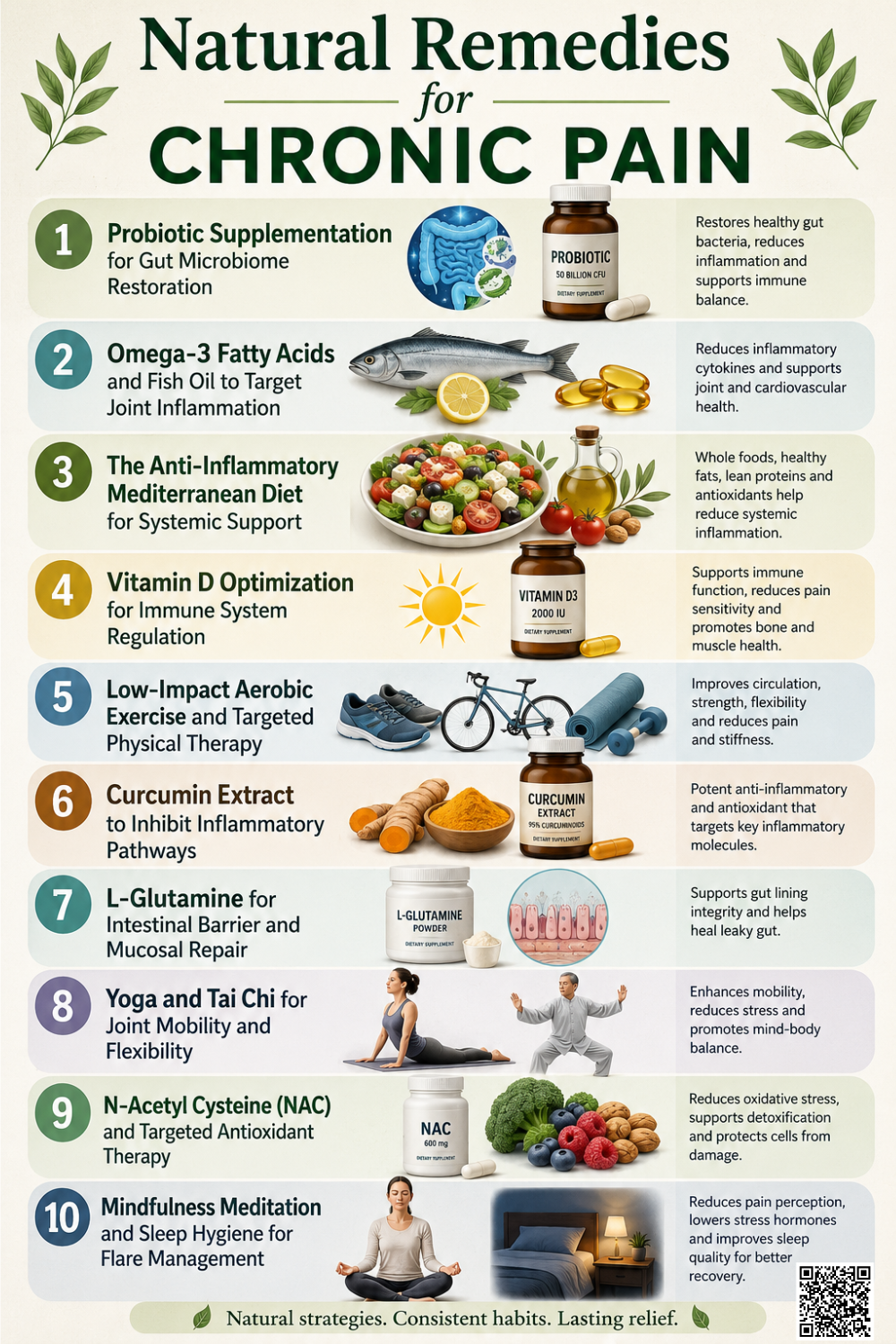 2. Omega-3 Fatty Acids and Fish Oil to Target Joint Inflammation
How it may help
Omega-3 polyunsaturated fatty acids, particularly EPA and DHA found in fish oil, possess potent anti-inflammatory properties 19. They work by altering inflammatory pathways and reducing the production of pro-inflammatory markers like prostaglandins and leukotrienes. By targeting cellular inflammation directly, omega-3s help decrease joint swelling and alleviate the severity of chronic pain conditions like rheumatoid arthritis 20.
What research says
Extensive clinical trials and meta-analyses demonstrate that regular omega-3 supplementation significantly reduces tender joint counts, decreases morning stiffness, and lowers the need for non-steroidal anti-inflammatory drugs in rheumatoid arthritis patients 21. While evidence strongly supports its efficacy for systemic inflammatory joint conditions, research results for general osteoarthritis pain relief remain mixed 22.
How to use it safely
You should consult your healthcare provider before starting any supplementation. Select high-quality fish oil products that clearly state the exact amounts of EPA and DHA. Therapeutic daily doses typically range between two to three grams 23. Take your supplement with meals to enhance absorption and minimize mild digestive discomfort.
Potential precautions or side effects
High doses may increase bleeding risks, especially if you take blood-thinning medications 24. Common mild side effects include a fishy aftertaste, heartburn, and nausea. Always discontinue use before your surgeries.
3. The Anti-Inflammatory Mediterranean Diet for Systemic Support
How it may help
The Mediterranean diet helps control chronic pain by lowering systemic inflammation, reducing oxidative stress, and supplementing the body’s innate antioxidant defense system 25. It provides essential nutrients while actively removing ultra-processed foods that degrade tissues and inappropriately activate innate immune responses 26.
What research says
Clinical evidence demonstrates that adopting a Mediterranean diet significantly improves disability scores, fatigue, anxiety, and sleep quality in chronic pain populations 27. The dietary pattern decreases intestinal barrier permeability and lowers inflammatory mediator production, which leads to measurable and sustained reductions in overall pain 28.
How to use it safely
Focus on consuming fresh vegetables, legumes, whole grains, nuts, and high-polyphenol extra virgin olive oil daily 29. Eat fatty fish regularly to balance your fatty acid ratios, and severely limit refined carbohydrates, sodium, and red meat to prevent tissue stress and metabolic disruption 30.
Potential precautions or side effects
Individuals should monitor potential food sensitivities and manage portion sizes to maintain a healthy weight, preventing excessive caloric intake from the nutrient-dense healthy fats found in oils and nuts.
4. Vitamin D Optimization for Immune System Regulation
How it may help
Vitamin D regulates the immune system by lowering inflammation, a primary driver of persistent discomfort 31. It also beneficially alters how the central nervous system processes and transmits pain signals 32.
What research says
Clinical studies show patients with chronic musculoskeletal discomfort often exhibit severe vitamin D deficiency 33. Restoring these baseline levels through targeted clinical supplementation reliably reduces physical pain severity and significantly improves daily mobility.
How to use it safely
You should obtain a blood test to confirm a deficiency first. Follow prescribed dosages strictly, as unmonitored supplementation directly increases the risk of excess calcium entering the urine 34.
Potential precautions or side effects
Excessive intake causes dangerous hypercalcemia, prompting severe nausea 35. This significantly elevates the clinical risk of debilitating incident kidney stones 36.
5. Low-Impact Aerobic Exercise and Targeted Physical Therapy
How it may help
Low-impact aerobic exercise and targeted physical therapy provide essential tools for managing chronic pain by retraining the nervous system to be less sensitive to pain signals 37. These activities improve physical function, build muscle strength, and release natural “feel-good” chemicals that help reduce pain sensitivity 38.
What research says
Research indicates that consistent, multimodal exercise programs—incorporating aerobic, strengthening, and flexibility training—significantly improve pain levels, sleep, and overall quality of life for those with chronic conditions. Evidence suggests that regular movement is generally more effective for long-term symptom control than passive care or persistent rest 39.
How to use it safely
Consult a doctor or physical therapist to develop a personalized routine that starts with low-intensity activities like walking or swimming 40. Focus on consistency over intensity, and always include a proper warm-up and cool-down to protect your muscles and joints.
Potential precautions or side effects
Be aware that sudden increases in activity may trigger temporary symptom flares; therefore, it is important to progress slowly and listen to your body’s signals to prevent overexertion 41.
6. Curcumin Extract to Inhibit Inflammatory Pathways
How it may help
Curcumin, a compound extracted from turmeric, helps manage chronic pain by blocking specific biological pathways that trigger inflammation 42. By inhibiting the activation of inflammatory molecules like NF-κB and various signaling pathways, it reduces the release of pain-inducing chemicals from immune cells in the nervous system 43, 44.
What research says
Curcumin significantly reduces pain scores and improves physical function in conditions like arthritis, often with effectiveness comparable to conventional pain medications 45. These findings support its use as a helpful addition to standard care for those suffering from persistent inflammatory pain conditions 46.
How to use it safely
You should prioritize high-quality standardized extracts, as raw turmeric has poor absorption in the body. Consult your doctor to determine an appropriate dosage, as clinical trials have utilized varying amounts to achieve therapeutic effects while maintaining a good safety profile 47.
Potential precautions or side effects
While generally well-tolerated at high doses, curcumin may cause mild digestive upset in some individuals. Always discuss use with a healthcare provider, especially if you take blood-thinning medications.
7. L-Glutamine for Intestinal Barrier and Mucosal Repair
How it may help
L-glutamine serves as a critical fuel source for the cells lining your digestive tract, helping to maintain the integrity of the intestinal wall 48. By supporting these tight junction proteins, it acts as a sealant that prevents harmful substances from leaking into your system, potentially reducing the inflammation often associated with chronic pain 49.
What research says
Clinical research indicates that supplemental L-glutamine can effectively restore intestinal barrier function in individuals with digestive disorders characterized by increased permeability 50. Studies have demonstrated that consistent use can improve gut-related symptoms, which may indirectly influence systemic inflammatory responses connected to chronic pain management.
How to use it safely
Start with a lower dose to assess your tolerance, as therapeutic amounts used in clinical settings typically range between 5 and 15 grams per day, often divided into smaller doses. Always consult your healthcare provider to determine the appropriate amount for your specific health needs.
Potential precautions or side effects
High-dose supplementation may occasionally cause digestive discomfort or interfere with normal amino acid absorption 51. Use caution if you have existing liver or kidney dysfunction, as these conditions require medical oversight.
8. Yoga and Tai Chi for Joint Mobility and Flexibility
How it may help
Yoga and Tai Chi improve joint mobility and flexibility by combining gentle, low-impact movements with focused breathing and mindfulness 52. These practices relax the muscles surrounding joints, reduce stiffness, and increase the range of motion, which helps stabilize joints and decrease the strain that contributes to chronic pain 53.
What research says
Evidence suggests these mind-body practices are effective for managing chronic conditions like lower back pain and osteoarthritis 54. Research indicates that individuals who engage in these structured movements experience significant pain reduction, improved physical function, and a decreased need for pain medication compared to those who do not 55.
How to use it safely
You should begin by participating in supervised classes led by a certified instructor to ensure correct form. Always consult with your healthcare provider before starting any new exercise program to tailor the practice to your specific physical limitations or health status 56.
Potential precautions or side effects
While these practices are generally low-risk, they may cause mild, temporary joint or muscle soreness. It is essential to avoid overextending or pushing through sharp pain during movements to prevent injury.
9. N-Acetyl Cysteine (NAC) and Targeted Antioxidant Therapy
How it may help
N-Acetyl Cysteine (NAC) helps control chronic pain by replenishing glutathione, a powerful antioxidant that neutralizes harmful reactive oxygen molecules in the body 57. By lowering oxidative stress, this targeted therapy stops inflammatory pathways and regulates glutamate, a brain chemical involved in processing pain signals 58.
What research says
Scientific findings confirm that NAC effectively delays the onset and reduces the persistence of chronic nerve pain by blocking tissue-damaging enzymes 59. Additional evidence demonstrates it successfully protects nerve structures and restores normal sensory function 60. Furthermore, it acts as a valuable add-on therapy by significantly improving the effectiveness of other treatments 61.
How to use it safely
You can take NAC as an oral supplement, with standard therapeutic doses typically ranging from 600 to 1,200 milligrams daily 62. For optimal absorption, divide your total daily amount into smaller doses, and always consult your doctor before combining it with other treatments.
Potential precautions or side effects
While generally safe, you might experience mild digestive issues like stomach upset 63. Avoid using it without medical supervision if you have asthma to prevent breathing difficulties.
10. Mindfulness Meditation and Sleep Hygiene for Flare Management
How it may help
Mindfulness meditation focuses attention on the present moment, enhancing cognitive and emotional control to alleviate chronic pain 64. Concurrently, short sleep duration is strongly linked to worsened general physical and mental health; thus, practicing proper sleep hygiene promotes restorative rest to prevent flare-ups 65.
What research says
Clinical trials show that structured mindfulness training yields significant reductions in present-moment pain, negative body image, and mood disturbances like anxiety 66. Furthermore, qualitative studies demonstrate that individuals practicing mindfulness experience improved sleep latency, better pain coping mechanisms, and long-term enhancements in overall well-being 67.
How to use it safely
You should start with short, daily exercises like a body scan, where you gradually direct attention to various body regions without judgment 68. Establish a consistent sleep schedule and optimize your environment for rest. Always consult a healthcare provider to ensure these strategies complement your existing treatments.
Potential precautions or side effects
Mindfulness may initially increase your awareness of pain or trigger temporary emotional discomfort. These practices should be integrated gradually and must not replace prescribed medical therapies without professional guidance.
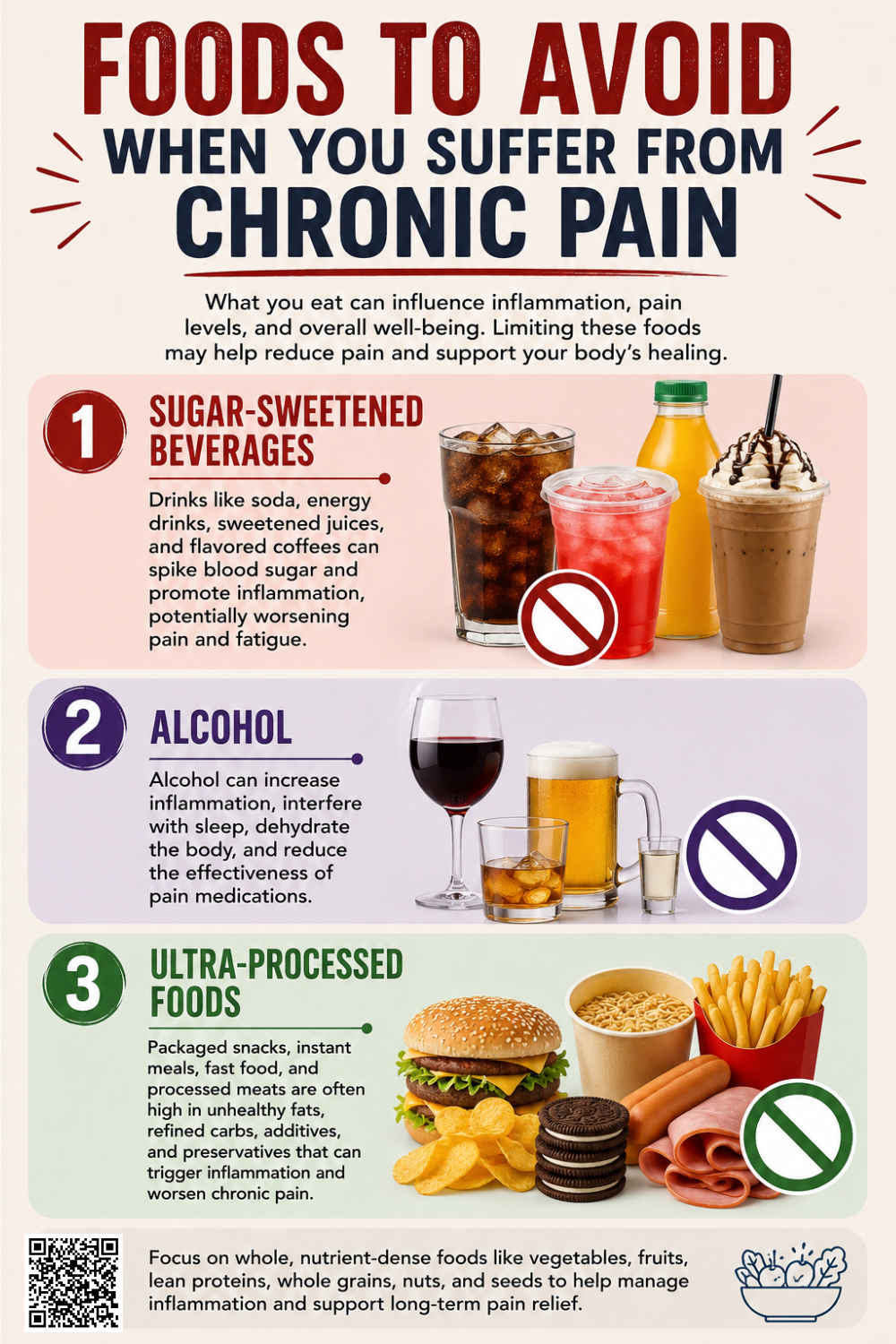 Foods to Avoid When You Suffer from Chronic Pain
1. Sugar-Sweetened Beverages
Sodas and sugary drinks rapidly spike blood sugar, driving inflammatory processes and oxidative stress that can significantly exacerbate chronic joint and muscle pain. 69, 70
2. Alcohol
Excessive alcohol consumption up-regulates inflammatory pathways and receptors, triggering systemic inflammation and tissue injury that can intensify pre-existing chronic pain conditions. 71, 72
3. Ultra-Processed Foods
Diets heavy in ultra-processed foods lack vital anti-inflammatory nutrients, raising systemic inflammatory biomarkers which worsens overall pain and metabolic health. 73, 74
When To see Doctor when you have Chronic Pain
1. Development of Red Flag Symptoms
Sudden fever, unexplained weight loss, night sweats, or bowel incontinence alongside chronic back pain require immediate evaluation for serious underlying conditions or infections. 75, 76
2. Emergence of Neurological Deficits
Seek care if your pain is accompanied by new focal neurologic signs like severe muscle weakness, saddle anesthesia, decreased reflexes, or persistent tingling. 77, 78
3. Pain Progressively Worsens
Consult a physician if chronic pain abruptly intensifies or changes character, as this could signal a new injury, escalating tissue damage, or progressive spinal conditions. 79
4. Severe Interference with Daily Life
When pain starts frequently limiting mobility, self-care, or work activities (high-impact chronic pain), medical intervention and targeted functional treatments become critically necessary. 80, 81
5. Associated Mental Health Changes
If chronic pain leads to significant distress, severe anxiety, depressive symptoms, or feelings of helplessness, multidisciplinary evaluation including behavioral health support is strongly recommended. 82, 83