

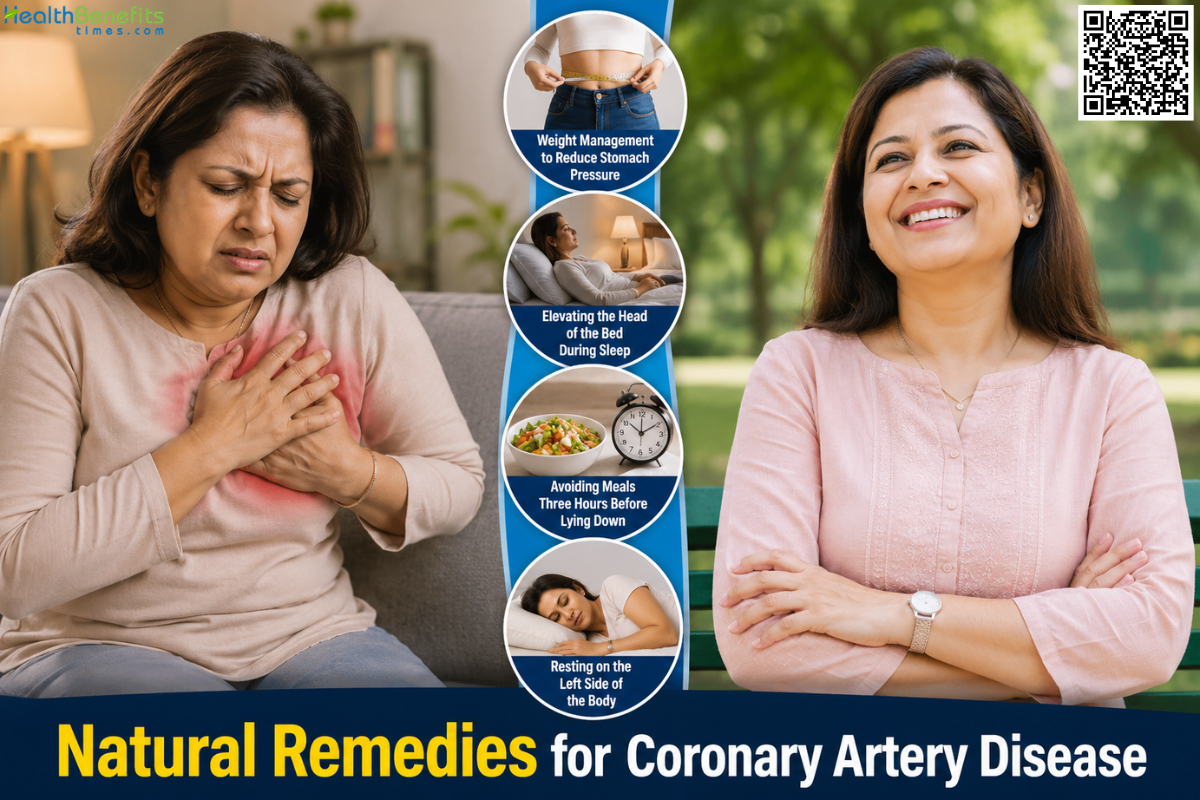
Coronary artery disease (CAD), also referred to as coronary heart disease, is a structural cardiovascular condition and the most common form of heart disease globally. The disease develops when plaque—a fatty substance composed of cholesterol, calcium, and cellular waste—accumulates along the inner walls of the coronary arteries through a pathological process known as atherosclerosis 1. Over time, this arterial buildup causes the vessels to harden and narrow, progressively restricting oxygen-rich blood flow to the heart muscle 2. As a result, the diminished blood supply frequently leads to exertional chest pain (angina), shortness of breath, and an increased risk of heart failure. If a plaque ruptures and forms a blood clot that completely obstructs an artery, the subsequent loss of oxygen results in a myocardial infarction, commonly known as a heart attack, which can cause permanent damage to the heart tissue 3.
Causes of Coronary Artery Disease
1. Atherosclerosis
The primary underlying cause of coronary artery disease is atherosclerosis, a progressive condition where deposits of cholesterol, fat, and cellular waste form rigid plaques inside the arteries, narrowing the passageways and restricting blood flow to the heart 4.
2. High Blood Pressure
Chronic hypertension places excessive physical force on the inner lining of the blood vessels, causing microscopic tears and vascular damage that make it easier for cholesterol plaques to take hold and grow 5.
3. Elevated Cholesterol
High levels of low-density lipoprotein (LDL), often called “bad” cholesterol, provide the primary building blocks for arterial plaque, while insufficient high-density lipoprotein (HDL) fails to clear these fatty deposits from the bloodstream.
4. Tobacco Use
The chemical compounds in cigarette smoke severely damage the heart’s blood vessels, promote systemic inflammation, and encourage blood cells to clump together, which significantly accelerates the process of plaque formation 6.
5. Diabetes and Insulin Resistance
Persistently high blood sugar levels associated with diabetes cause sustained vascular damage and inflammation, which drastically increases the speed at which plaque accumulates in the coronary arteries 7.
Symptoms of Coronary Artery Disease
1. Chest Pain (Angina)
The most recognizable symptom is a sensation of pressure, tightness, heaviness, or squeezing in the middle or left side of the chest, which typically arises during physical activity or emotional stress and improves with rest 8.
2. Shortness of Breath
As narrowed arteries restrict oxygen delivery, the heart struggles to pump enough blood to meet the body’s physiological demands, resulting in breathing difficulties or unexplained breathlessness, especially during physical exertion.
3. Unusual Fatigue
A significant and persistent feeling of exhaustion can occur when the heart muscle is continually deprived of adequate oxygen-rich blood, making routine daily activities feel overwhelmingly tiring 9.
4. Radiating Discomfort
The pain or discomfort caused by reduced cardiac blood flow does not always stay in the chest; it frequently spreads outward, radiating into the shoulders, arms, neck, jaw, or upper back 10.
5. Heart Attack (Myocardial Infarction)
If a coronary artery becomes completely blocked, it triggers a heart attack, an emergency characterized by severe, crushing chest pain, sudden cold sweats, profound weakness, nausea, and lightheadedness.
6. Silent Ischemia
In some cases, particularly among individuals with diabetes, a temporary lack of oxygen to the heart produces no noticeable warning signs, meaning the disease may progress undetected until a major cardiac event occurs.
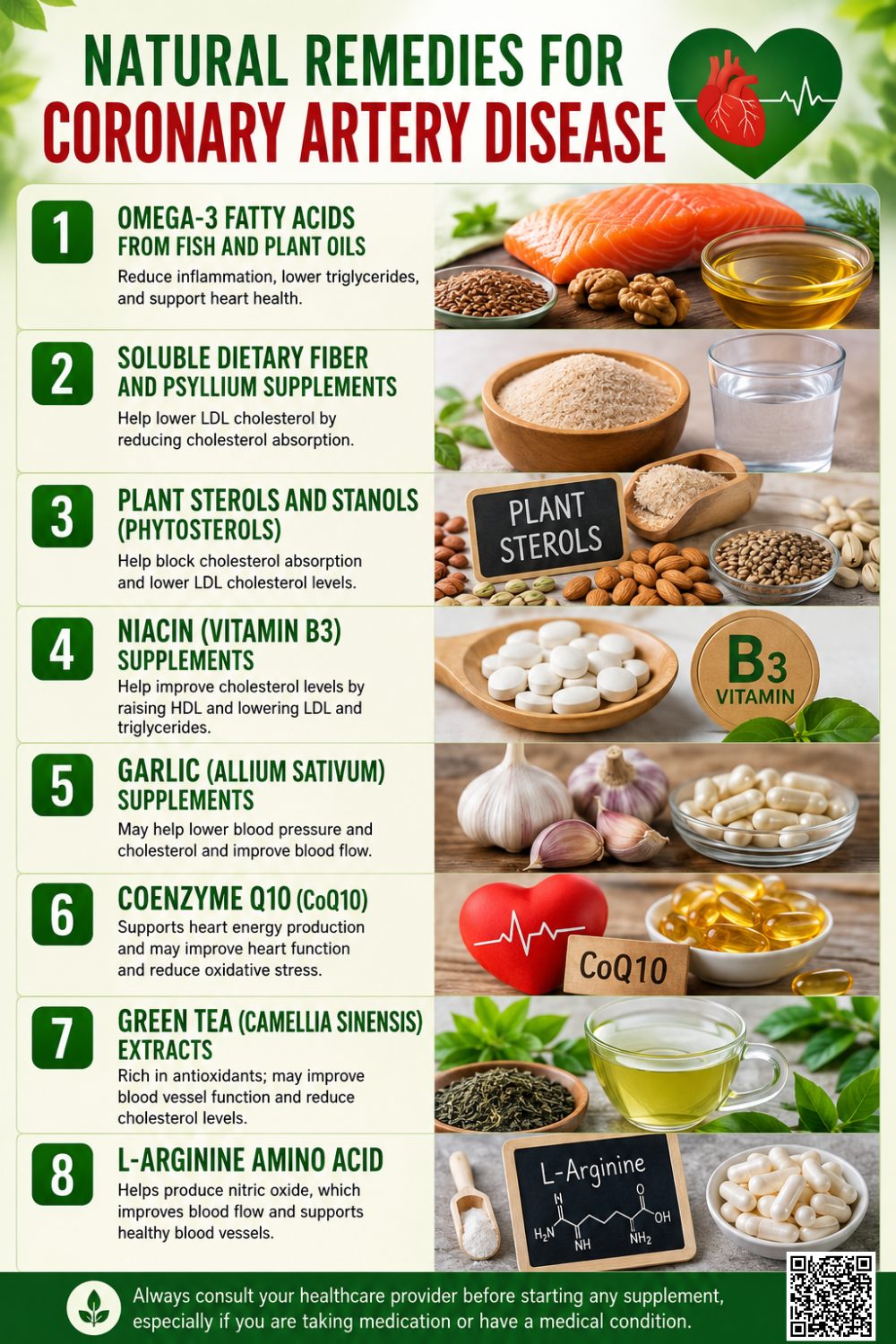 Natural Remedies for Coronary Artery Disease
1. Omega-3 Fatty Acids from Fish and Plant Oils
How it may help
Omega-3 fatty acids, specifically EPA and DHA found in fish, help manage coronary artery disease by lowering elevated triglyceride levels in the blood. These essential fats also reduce vascular inflammation and decrease the tendency of blood platelets to clump together, helping prevent dangerous blood clots that can block coronary arteries 11.
What research says
Clinical research concludes that prescription-level doses of omega-3s significantly lower triglyceride levels and reduce the risk of major cardiovascular events in individuals with existing heart disease 12. However, current evidence does not strongly support that over-the-counter supplements prevent coronary artery disease in otherwise healthy people.
How to use it safely
To safely increase your intake, aim to eat fatty fish, like salmon or mackerel, at least twice a week 13. If you consider taking fish oil supplements, always consult your healthcare provider to determine the correct dosage, as high doses require strict medical supervision.
Potential precautions or side effects
High doses of omega-3 supplements can increase bleeding risks and interact negatively with blood-thinning medications. Common, mild side effects include bad breath, nausea, heartburn, and general digestive discomfort.
2. Soluble Dietary Fiber and Psyllium Supplements
How it may help
Soluble dietary fiber, including psyllium, binds to cholesterol particles within the digestive tract, preventing them from being absorbed into the bloodstream 14. This physical mechanism helps lower circulating low-density lipoprotein (LDL), or “bad” cholesterol, thereby slowing the arterial plaque buildup that characterizes coronary artery disease 15.
What research says
Clinical research consistently demonstrates that regular intake of soluble fiber, particularly psyllium husk, significantly lowers total cholesterol and LDL cholesterol levels in adults 16. Scientists conclude that incorporating adequate soluble fiber into a daily diet actively reduces the overall risk of developing cardiovascular disease.
How to use it safely
To use these supplements safely, you should introduce psyllium into your diet gradually to allow your digestive system to adjust. You must always consume psyllium with a full, eight-ounce glass of liquid to ensure proper digestion and prevent swallowing hazards 17.
Potential precautions or side effects
Common side effects include temporary gas and bloating. Because psyllium can reduce medication absorption, you must take it at least two hours apart from your prescription drugs.
3. Plant Sterols and Stanols (Phytosterols)
How it may help
Plant sterols and stanols, collectively known as phytosterols, are natural plant compounds that structurally resemble human cholesterol. When digested, they compete directly with dietary cholesterol for intestinal absorption. This blocks cholesterol from entering the bloodstream, effectively lowering the LDL cholesterol that drives coronary artery disease 18.
What research says
Extensive clinical research demonstrates that plant sterol and stanol supplements produce a clinically significant reduction in circulating LDL and total cholesterol levels 19. Meta-analyses confirm these supplements provide a comparable cholesterol-lowering benefit to eating sterol-enriched foods, making them a proven strategy for reducing cardiovascular disease risk.
How to use it safely
To maximize their cholesterol-blocking benefits, you must take plant sterol or stanol supplements in conjunction with a meal. Consult your healthcare provider before starting these supplements, especially if you currently take prescription statins, to ensure they safely complement your existing cardiovascular treatment plan.
Potential precautions or side effects
These supplements are broadly safe, though minor digestive issues like diarrhea may occur. People with the rare condition sitosterolemia must avoid them to prevent premature atherosclerosis.
4. Niacin (Vitamin B3) Supplements
How it may help
High-dose niacin alters blood lipid profiles by increasing high-density lipoprotein (HDL), the beneficial cholesterol that clears fatty deposits from arteries. It also lowers circulating triglycerides and low-density lipoprotein (LDL), helping to slow the progression of the plaque buildup that causes coronary artery disease 20.
What research says
While niacin effectively improves cholesterol numbers, large clinical trials conclude that adding it to standard statin therapy does not further reduce the risk of heart attacks or strokes. Consequently, medical guidelines no longer recommend it as a primary treatment, reserving it for patients who cannot tolerate statins.
How to use it safely
You should never use over-the-counter niacin to treat high cholesterol on your own. If you and your doctor decide to use it, you must take prescription-strength formulations strictly under medical supervision to monitor liver function and manage the specific dosage required 21.
Potential precautions or side effects
High doses frequently cause intense skin flushing and nausea. Serious risks include liver toxicity, elevated blood sugar, and an increased risk of type 2 diabetes.
5. Garlic (Allium sativum) Supplements
How it may help
Garlic contains active sulfur compounds, primarily allicin, which provide cardiovascular benefits. These natural compounds help manage coronary artery disease by moderately lowering high blood pressure and reducing the amount of circulating low-density lipoprotein (LDL), or “bad” cholesterol, that contributes to arterial plaque buildup 22.
What research says
Clinical reviews show that taking garlic supplements for at least two months reduces total cholesterol and LDL cholesterol by approximately 10 percent in people with mildly elevated levels. Evidence also indicates garlic provides a small reduction in blood pressure, though its effects remain modest compared to prescription medications.
How to use it safely
You can safely consume raw or cooked garlic as a regular part of your daily diet. If you choose to take concentrated garlic supplements, you must consult your healthcare provider to ensure they do not interfere with your prescribed cardiovascular treatments 23.
Potential precautions or side effects
Garlic increases bleeding risks. You must avoid these supplements if you take anticoagulants or have upcoming surgery. Minor side effects include heartburn, upset stomach, and body odor.
6. Coenzyme Q10 (CoQ10)
How it may help
Coenzyme Q10 (CoQ10) is a substance produced by the body that is essential for cellular energy production. In patients with heart conditions, it acts as a powerful antioxidant that helps reduce oxidative stress and inflammation within the vascular system, potentially improving heart muscle function and supporting blood vessel health 24.
What research says
Clinical research indicates that CoQ10 may improve symptoms in individuals with heart failure, a common complication of coronary artery disease, by enhancing physical performance and reducing hospitalizations. However, evidence remains inconsistent regarding its ability to directly prevent the progression of arterial plaque or reduce the risk of heart attacks.
How to use it safely
You should only use CoQ10 supplements under the guidance of a healthcare professional. They will determine if supplementation is appropriate based on your specific cardiac profile and current medications, as this helps ensure that you reach an effective dosage while avoiding unnecessary risks.
Potential precautions or side effects
CoQ10 may interact with blood-thinning medications like warfarin, potentially reducing their effectiveness. Reported side effects are generally mild and include nausea, diarrhea, and abdominal discomfort.
7. Green Tea (Camellia sinensis) Extracts
How it may help
Green tea contains high levels of polyphenols, specifically catechins, which function as potent antioxidants. These compounds help manage coronary artery disease by reducing systemic inflammation, improving the inner lining of the blood vessels, and lowering circulating low-density lipoprotein (LDL) cholesterol levels, thereby hindering the progression of arterial plaque 25.
What research says
Clinical research suggests that regular, long-term consumption of green tea is associated with a lower risk of cardiovascular disease. Studies indicate that green tea catechins can lead to modest reductions in blood pressure and total cholesterol, contributing to improved cardiovascular health, although more definitive, large-scale trials are required to confirm these therapeutic benefits.
How to use it safely
You can safely enjoy green tea as a beverage as part of your daily diet. If you choose to take concentrated green tea extract supplements, you must consult your healthcare provider to determine a safe dosage and duration to avoid the risk of liver damage.
Potential precautions or side effects
Concentrated extracts may cause serious liver injury. The caffeine content can also lead to increased heart rate, anxiety, insomnia, and digestive discomfort for sensitive individuals.
8. L-Arginine Amino Acid
How it may help
L-Arginine is an amino acid that the body converts into nitric oxide. Nitric oxide acts as a signaling molecule that relaxes and widens blood vessels, a process that improves blood flow to the heart and helps lower blood pressure, potentially easing symptoms in those with coronary artery disease 26.
What research says
Clinical research on L-Arginine remains inconclusive regarding its long-term benefits for heart disease. While some studies show modest improvements in blood vessel function, large-scale evidence does not confirm that it prevents heart attacks or reduces mortality. Consequently, medical experts do not currently recommend it as a standard treatment for managing cardiovascular conditions.
How to use it safely
You should only use L-Arginine under the strict guidance of a healthcare professional. Because it can affect blood pressure and interact with various medications, your doctor must determine if it is appropriate for your specific health needs and ensure the dose remains within safe limits.
Potential precautions or side effects
L-Arginine may be dangerous following a heart attack. Common side effects include abdominal pain, bloating, diarrhea, gout, and worsening of asthma or allergy symptoms.
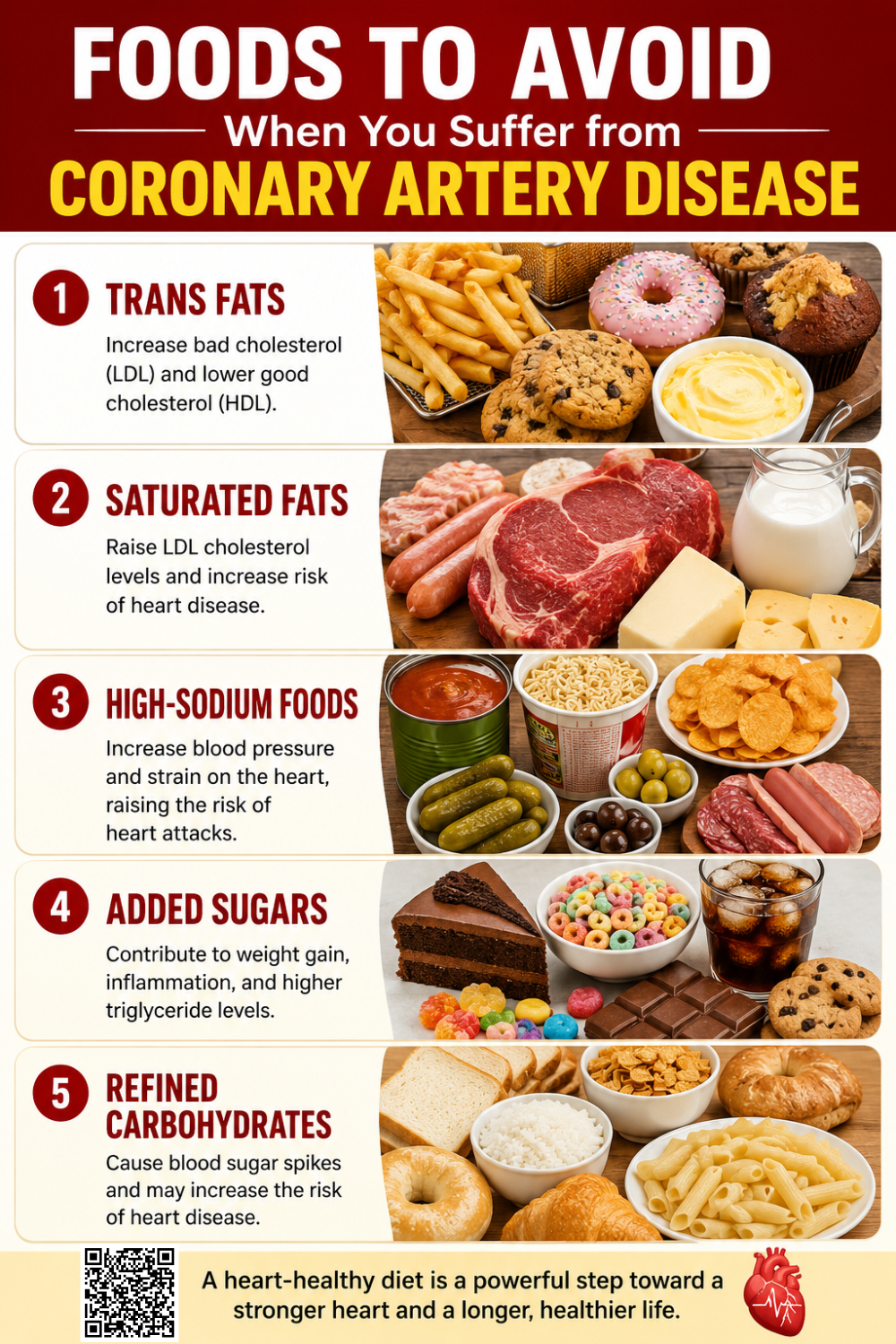 Foods to Avoid When You Suffer from Coronary Artery Disease
1. Trans Fats
Found in processed snacks and fried items, these artificial fats raise “bad” LDL cholesterol while lowering “good” HDL cholesterol, significantly increasing your risk of heart vessel blockages 27.
2. Saturated Fats
Excessive intake of red meats and full-fat dairy products elevates blood cholesterol levels, promoting the buildup of arterial plaque that restricts blood flow to your heart muscle.
3. High-Sodium Foods
Excessive salt intake causes fluid retention and raises blood pressure, placing unnecessary physical strain on your coronary arteries and forcing your heart to work much harder 28.
4. Added Sugars
High consumption of sugary drinks and candies contributes to weight gain, inflammation, and insulin resistance, all of which accelerate the development of dangerous coronary artery disease.
5. Refined Carbohydrates
White bread, pasta, and processed cereals lack fiber and can cause rapid spikes in blood sugar, which encourages the inflammation and fat storage that harm your cardiovascular system.
When to See a Doctor When You Suffer from Coronary Artery Disease
1. Increased Frequency of Chest Pain
If you experience angina that occurs more often, lasts longer, or happens during minimal physical exertion, seek an evaluation to reassess your cardiac management plan 8.
2. Unusual Shortness of Breath
Notify your physician if you develop new or worsening difficulty breathing while resting or during routine activities, as this may indicate reduced heart pumping efficiency.
3. Dizziness or Lightheadedness
Any sensation of feeling faint, lightheaded, or unsteady requires medical attention, as these symptoms can signal inadequate blood flow to the brain or heart.
4. Swelling in Extremities
Noticeable swelling in your legs, ankles, or feet may suggest that your heart is struggling to pump effectively, requiring a clinical review of your condition 29.
5. Emergency Symptoms
Call emergency services immediately if you experience sudden, crushing chest pain, radiating discomfort in the jaw or arms, or severe nausea and cold sweats, as these are signs of a heart attack.