

Infectious mononucleosis, commonly known as mono, is a highly contagious viral illness that primarily affects teenagers and young adults. It is most frequently caused by the Epstein-Barr virus (EBV), a widely circulating virus that spreads mostly through bodily fluids such as saliva 1. The classic symptoms of the disease include extreme fatigue, a severe sore throat, fever, and noticeably swollen lymph nodes in the neck and armpits 2. While the acute phase usually improves within two to four weeks, some individuals experience lingering exhaustion that persists for several months 1. Because it is a viral infection, antibiotics are ineffective; instead, treatment focuses entirely on supportive care, meaning most people recover fully with plenty of rest, adequate hydration, and over-the-counter medications to manage pain and fever 2.
Causes of Mononucleosis
1. Epstein-Barr Virus (EBV)
The most frequent cause of infectious mononucleosis is the Epstein-Barr virus, which is responsible for the vast majority of cases 1. It spreads primarily through direct contact with infected saliva, such as through kissing, sharing drinks, or using the same eating utensils 2.
2. Cytomegalovirus (CMV)
This is another common virus in the herpes family that can cause an illness clinically identical to EBV-induced mononucleosis 3. It is transmitted through close, direct contact with infected bodily fluids, including saliva, blood, urine, and breast milk 4.
3. Toxoplasmosis
Infection with the single-celled parasite Toxoplasma gondii can result in an illness that closely mimics viral mononucleosis 5. People typically acquire this parasitic infection by consuming raw or undercooked meat, or by accidentally swallowing the parasite after handling infected cat feces 6.
4. Other Viral Infections
In some cases, different viruses can trigger a syndrome that looks and feels exactly like mononucleosis. These alternative viral causes include adenoviruses, rubella, hepatitis A, B, or C, and the primary infection stage of the human immunodeficiency virus (HIV) 7.
Symptoms of Mononucleosis
1. Extreme Fatigue
Individuals frequently experience profound exhaustion and a severe lack of energy that can persist for weeks or even months after other signs of the illness have resolved 8.
2. Severe Sore Throat
A highly painful sore throat is a hallmark sign, often accompanied by swollen, red tonsils that may develop a white or grayish coating or patches of pus 7.
3. Fever
A significant rise in body temperature is standard during the early acute phase of the infection, which may peak in the late afternoon or evening and is sometimes accompanied by chills 8.
4. Swollen Lymph Nodes
The infection commonly causes noticeable swelling and tenderness in the lymph nodes (frequently referred to as swollen glands), particularly those located in the neck and armpits 2.
5. Enlarged Spleen
The virus can cause the spleen—an organ located in the upper left side of the abdomen—to swell, which may produce a dull ache, a feeling of fullness, or a dangerous risk of organ rupture if subjected to physical impact 7.
6. Swollen Liver
The liver may become mildly inflamed or enlarged, which can occasionally result in temporary jaundice, characterized by a yellowing of the skin and the whites of the eyes 8.
7. Headaches and Muscle Aches
Generalized body pain, muscle weakness, and persistent headaches frequently occur as the immune system mounts a defense against the virus 2.
8. Skin Rash
A flat, pink, or red skin rash may appear, which most commonly develops if an individual is mistakenly treated with antibiotics such as amoxicillin or ampicillin before doctors confirm the viral nature of the infection 7.
Alternative Treatment for Mononucleosis
1. Vitamin C Supplements
How it may help
Vitamin C supports the immune system by protecting cells from damage and encouraging the production of white blood cells that fight infections 9. During a viral illness like mononucleosis, this essential nutrient helps the body manage cellular stress and may reduce the duration of severe fatigue 10.
What research says
Clinical studies indicate that high doses of vitamin C can lower the levels of the Epstein-Barr virus in the blood 10. Research demonstrates that patients receiving targeted vitamin C therapy experience a shorter disease duration and a faster reduction in the viral proteins associated with active mononucleosis infections 10.
How to use it safely
To safely support your recovery, incorporate vitamin C-rich foods like citrus fruits into your daily diet 11. If you choose to take over-the-counter supplements, restrict your daily intake to no more than 2,000 milligrams, which is the established safe upper limit for adults 12.
Potential precautions or side effects
Taking more than 2,000 milligrams daily can cause stomach cramps, nausea, and severe diarrhea 11. High doses also increase the risk of developing kidney stones in susceptible individuals 12.
2. Vitamin D
How it may help
Vitamin D plays a crucial role in regulating the immune system and enhancing the body’s ability to fight viral infections 13. By boosting the pathogen-fighting effects of white blood cells and decreasing inflammation, it helps the body manage the severe immune response triggered during mononucleosis 14.
What research says
Research indicates a strong link between low vitamin D levels and increased severity of Epstein-Barr virus infections 15. Clinical studies conclude that maintaining optimal vitamin D levels significantly reduces the risk of acute viral illnesses and helps suppress the active replication of the virus responsible for mononucleosis 16.
How to use it safely
To use this safely, get moderate sun exposure and eat foods like fatty fish or fortified dairy 17. If you take a supplement, stick to the recommended daily amount of 600 to 800 international units (IU), unless your doctor prescribes a specific dose for a deficiency 18.
Potential precautions or side effects
Taking excessively high doses can lead to a dangerous buildup of calcium in the blood 17. This condition causes nausea, severe muscle weakness, and potentially irreversible kidney damage 18.
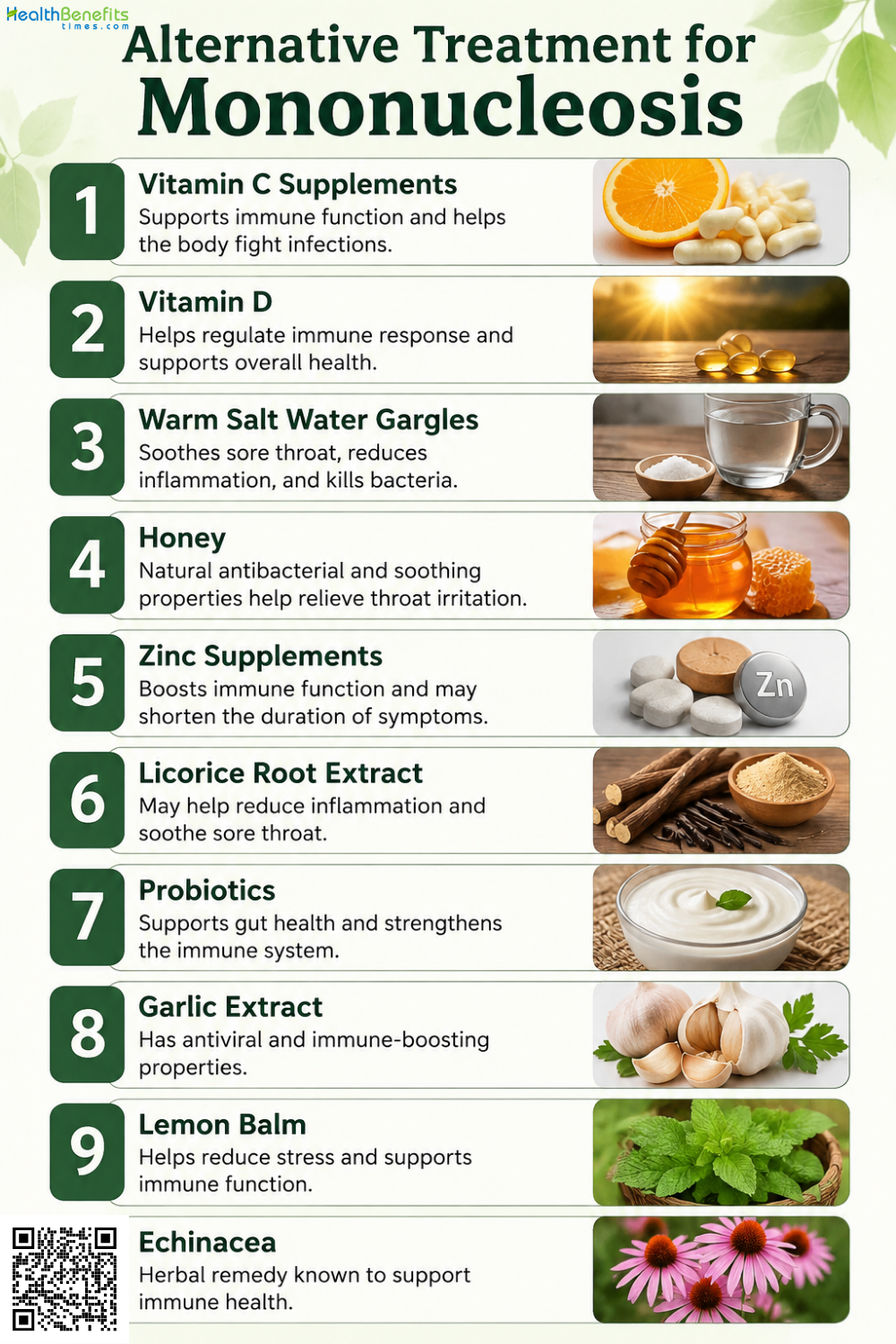
3. Warm Salt Water Gargles
How it may help
Warm salt water acts as a mild astringent that draws excess fluid out of inflamed throat tissues, quickly reducing swelling and relieving severe pain 19. This simple process also loosens thick mucus and helps wash away irritants from the back of the throat during the active phase of mononucleosis 7.
What research says
Medical consensus confirms that saline solutions effectively decrease local tissue swelling and temporarily soothe throat inflammation 20. Research concludes that regular gargling with hypertonic saline safely relieves acute mucosal pain and helps clear localized viral shedding in the upper respiratory tract without the need for extra medications 21.
How to use it safely
To make a soothing rinse, mix half a teaspoon of salt into eight ounces of warm water 19. Take a sip, tilt your head back, and gently gargle the liquid in the back of your throat for thirty seconds before spitting it out entirely 22.
Potential precautions or side effects
Avoid swallowing the saltwater, as ingesting it can cause stomach upset and nausea 19. This remedy is not safe for young children who cannot properly spit out liquids 22.
4. Honey
How it may help
Honey naturally coats the throat to relieve the severe soreness and irritation common with mononucleosis 23. Its natural anti-inflammatory properties calm swollen tissues in the mouth and throat, providing immediate comfort for irritated mucous membranes without the use of harsh chemicals 24.
What research says
Clinical research concludes that honey effectively reduces the severity of upper respiratory symptoms, including intense sore throats 25. Studies demonstrate that honey frequently outperforms standard over-the-counter treatments in soothing tissue inflammation, making it a proven option for safely managing viral throat pain 23.
How to use it safely
To soothe your throat, swallow one to two teaspoons of plain honey directly 26. Alternatively, you can stir the honey into a cup of warm water or herbal tea to safely manage throat pain and maintain necessary hydration during your recovery 22.
Potential precautions or side effects
Never give honey to infants under one year old to prevent severe infant botulism 27. People with diabetes must closely monitor their blood sugar when using this sweet remedy 28.
5. Zinc Supplements
How it may help
Zinc is an essential mineral that strengthens the immune system and helps the body fight off invading viruses 29. It works by interfering with the ability of viruses to multiply inside healthy cells, which helps control the infection and supports overall recovery from mononucleosis 30.
What research says
Clinical research concludes that adequate zinc levels are crucial for optimal immune function against viral infections 31. Studies demonstrate that targeted zinc supplementation safely disrupts viral replication processes and effectively shortens the duration of infectious respiratory symptoms by enhancing the body’s natural antiviral defenses 30.
How to use it safely
To safely support your recovery, incorporate zinc-rich foods like beans, nuts, and poultry into your daily diet 29. If you take a supplement, ensure your total daily intake stays below 40 milligrams, which is the established safe upper limit for adults 32.
Potential precautions or side effects
Taking too much zinc can cause sudden nausea, stomach cramps, and vomiting 29. Long-term excessive use dangerously lowers copper levels and can actually weaken the immune system 32.
6. Licorice Root Extract
How it may help
Licorice root extract is a traditional botanical remedy utilized for its soothing effects. It contains an active compound called glycyrrhizin, which possesses significant antiviral and anti-inflammatory properties 33. It helps calm localized throat swelling while actively interfering with the viral processes that drive mononucleosis infections 34.
What research says
Medical research continuously evaluates botanical extracts for viral suppression. Laboratory studies establish that glycyrrhizic acid successfully halts the replication of the Epstein-Barr virus 34. Evidence concludes that the extract safely prevents the virus from penetrating healthy cells, effectively reducing the overall viral load during active infections 35.
How to use it safely
To safely use this herb for throat relief, steep licorice root tea or choose deglycyrrhizinated licorice (DGL) supplements, which have the risky compounds removed 33. Limit your overall use to a maximum of two weeks to prevent dangerous accumulation in the body 33.
Potential precautions or side effects
Standard licorice extract can dangerously raise blood pressure and cause a severe drop in potassium 33. Avoid it completely if you have heart disease or hypertension 33.
7. Probiotics
How it may help
Beneficial gut bacteria play a major role in regulating overall health. Probiotics are live microorganisms that strengthen the gut microbiome, which houses a large portion of the immune system 36. This targeted support enhances the body’s natural defense mechanisms, helping it more efficiently fight viral infections like mononucleosis 37.
What research says
Scientific investigations consistently highlight the immune-boosting properties of a balanced microbiome. Clinical studies conclude that probiotics actively stimulate antibody production and increase white blood cell activity 37. Furthermore, research demonstrates that specific bacterial strains effectively reduce the overall severity and duration of viral infections by modulating immune responses 38.
How to use it safely
Dietary changes are the safest way to improve gut health. Consume fermented foods like active-culture yogurt, kefir, and sauerkraut daily 36. When using supplements, select widely researched strains like Lactobacillus and strictly follow the recommended dosing guidelines 39.
Potential precautions or side effects
Probiotics frequently cause mild, temporary gas or abdominal bloating 36. Individuals with compromised immune systems must avoid these supplements entirely due to a rare risk of dangerous systemic infections 39.
8. Garlic Extract
How it may help
Garlic contains allicin, a powerful sulfur compound that provides natural antimicrobial and antiviral properties. When consumed, it stimulates white blood cells to actively seek out and destroy viral pathogens 40. This immune-boosting mechanism helps the body clear infections more efficiently while reducing systemic inflammation 41.
What research says
Clinical research concludes that aged garlic extract significantly enhances immune cell function during viral illnesses 42. Studies demonstrate that garlic’s active compounds successfully inhibit viral replication and reduce the overall duration of severe symptoms in viral respiratory infections by strengthening the body’s natural defense mechanisms 40.
How to use it safely
To incorporate this safely, add fresh, crushed garlic to your daily meals to maximize allicin release 41. If you prefer supplements, choose standardized aged garlic extract and strictly follow the manufacturer’s dosing instructions, which typically range from 600 to 1,200 milligrams daily 42.
Potential precautions or side effects
Consuming high amounts of garlic can cause severe heartburn, stomach upset, and bad breath 41. It safely increases bleeding risk, so avoid high-dose supplements if you take blood-thinning medications 43.
9. Lemon Balm
How it may help
Lemon balm extract contains active plant compounds, such as rosmarinic acid, that provide potent antiviral and anti-inflammatory properties 44. It works by preventing viruses from successfully attaching to and entering healthy human cells, which helps reduce the overall viral load during an active mononucleosis infection 44.
What research says
Clinical research concludes that lemon balm extract effectively inhibits the replication of viruses in the herpes family, which includes the Epstein-Barr virus 44. Studies demonstrate that its active compounds rapidly neutralize viral particles, significantly decreasing infection severity and supporting a faster immune response without damaging healthy cells 45.
How to use it safely
To use this remedy safely, steep dried lemon balm leaves in hot water to make a soothing herbal tea 46. If you prefer taking a concentrated liquid extract or capsule, strictly follow the manufacturer’s dosage instructions and limit your continuous use to less than four weeks 46.
Potential precautions or side effects
Lemon balm may cause mild nausea, dizziness, or stomach pain 46. Avoid this extract completely if you take thyroid medications or sedatives, as dangerous drug interactions can occur 46.
10. Echinacea
How it may help
Echinacea contains active natural compounds that stimulate the immune system by increasing the production and activity of white blood cells 47. By enhancing these defense mechanisms and reducing tissue inflammation, it helps the body combat active infections and relieves the severe cold-like symptoms associated with mononucleosis 48.
What research says
Clinical research concludes that Echinacea extract possesses direct antiviral properties against several common respiratory pathogens 48. Studies demonstrate that taking this botanical significantly decreases the overall duration and physical severity of acute viral infections by rapidly activating the body’s immune response and suppressing further viral spread 49.
How to use it safely
To use this remedy effectively, start taking Echinacea capsules or liquid extracts at the very first sign of viral symptoms 50. Follow the specific dosage instructions on the product label and strictly limit your continuous use to no more than eight weeks 47.
Potential precautions or side effects
Echinacea can cause mild stomach upset and nausea 47. Avoid this herb completely if you have autoimmune diseases or severe allergies to plants in the daisy or ragweed family 50.
Foods to Avoid When You Suffer from Mononucleosis
1. Alcohol
Mononucleosis frequently causes temporary liver inflammation. Consuming any alcoholic beverages adds dangerous toxic stress to the liver, significantly increasing your risk of severe organ damage 7.
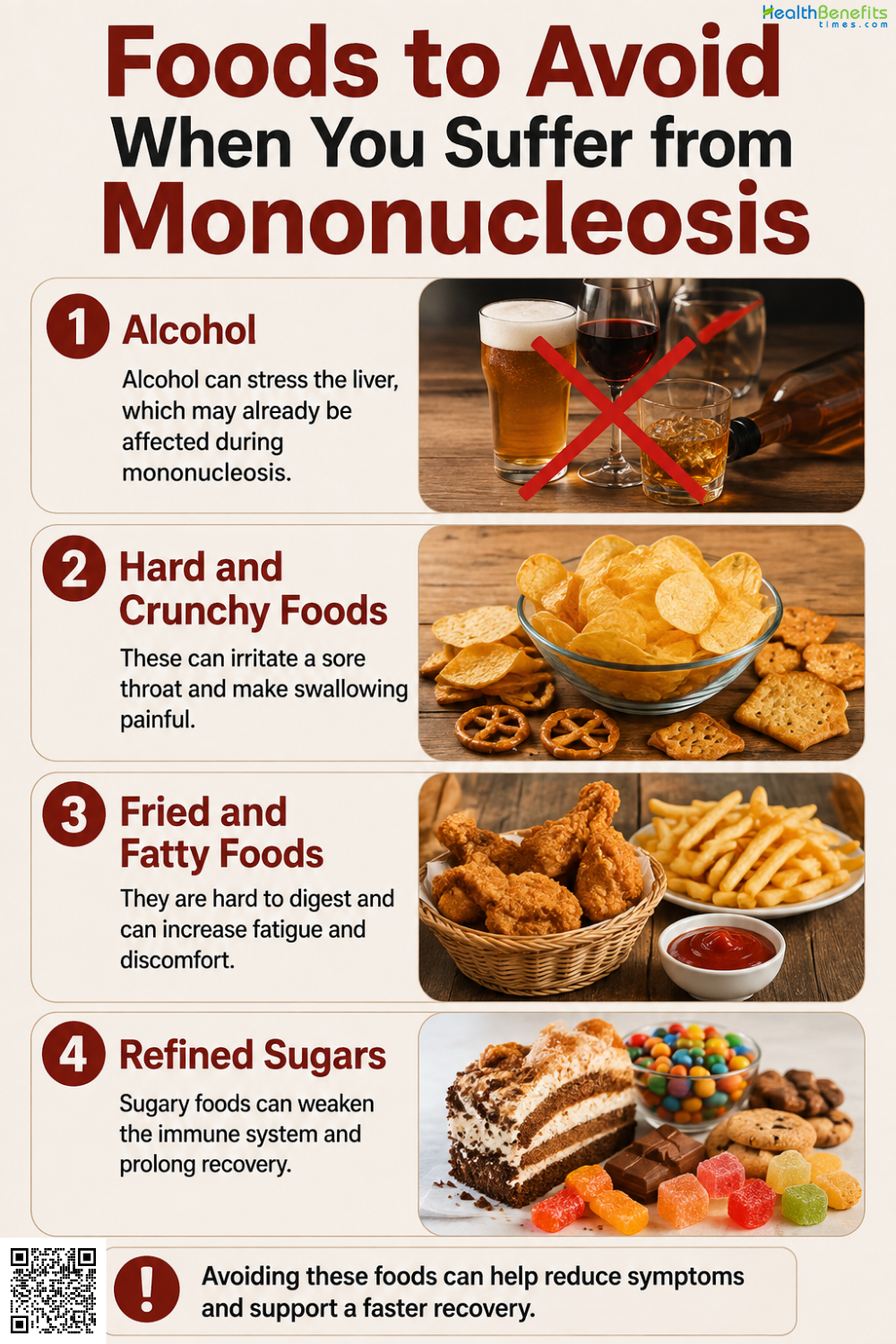
2. Hard and Crunchy Foods
Severe sore throats are a primary symptom. Avoid sharp, rough items like chips or toasted bread, which can physically scrape and severely irritate swollen tonsils 2.
3. Fried and Fatty Foods
Because the virus often inflames the liver, digesting heavy, greasy meals forces this compromised organ to work much harder, potentially worsening nausea and delaying recovery 7.
4. Refined Sugars
Excessive added sugars trigger widespread inflammation and suppress white blood cell activity, making it much harder for your immune system to efficiently clear the virus 51.
When to See a Doctor When You Struggle from Mononucleosis
1. Sudden, Sharp Pain in the Upper Left Abdomen
This is a critical medical emergency that indicates an enlarged spleen may have ruptured, requiring immediate emergency medical care 7.
2. Severe Difficulty Breathing or Swallowing
Massive swelling of the tonsils and throat tissues can dangerously obstruct your airway, necessitating urgent medical intervention to restore normal airflow 1.
3. Yellowing of the Skin or Eyes
Noticeable jaundice indicates significant liver inflammation, which requires professional evaluation and liver function monitoring by a healthcare provider 8.
4. Symptoms That Worsen or Fail to Improve After Two Weeks
If high fever, extreme throat pain, or severe weakness persists without improvement, consult a doctor to rule out secondary bacterial infections 2.
5. Inability to Keep Fluids Down
Severe throat pain or constant nausea that prevents adequate fluid intake can cause severe dehydration, requiring medical treatment and possible intravenous fluids 19.