

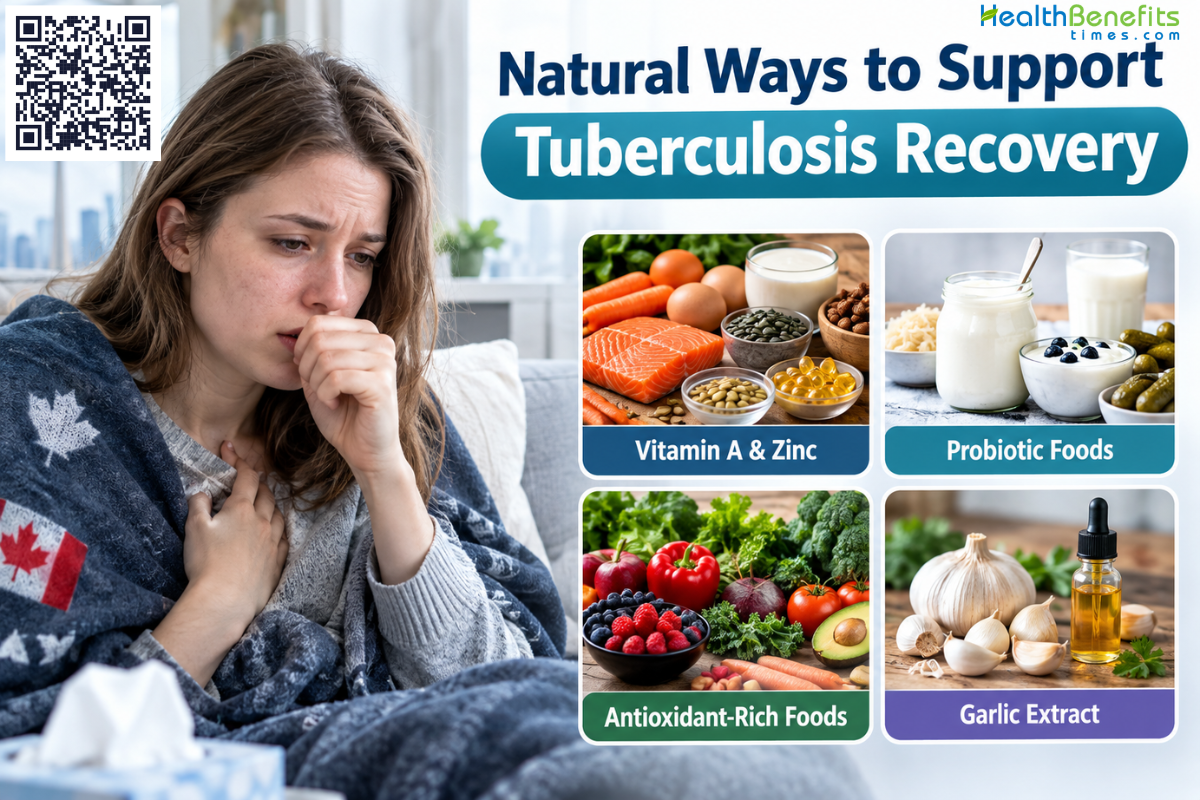
Tuberculosis (TB) is a highly contagious bacterial infection caused by the bacterium Mycobacterium tuberculosis. While it most commonly attacks the lungs, the disease can also damage other vital organs, including the kidneys, spine, and brain 1. The bacteria spread from person to person through the air when an individual with active lung TB coughs, sneezes, or speaks. It is important to distinguish between the two forms of the condition: latent TB infection, where the bacteria live in the body without causing illness or spreading to others, and active TB disease, which causes severe symptoms and is highly transmissible 2. Although tuberculosis is entirely preventable and curable with a strict, months-long course of specialized antibiotics, it remains one of the deadliest infectious diseases globally, requiring prompt medical diagnosis and intervention to prevent severe complications 3.
Causes of Tuberculosis
- Bacterial Infection: The direct cause of tuberculosis is a specific germ known as Mycobacterium tuberculosis [cite: 1.1.4] 4.
- Airborne Spread: These bacteria are transmitted through the air when an individual with an active lung infection coughs, speaks, or sneezes, allowing nearby people to breathe in the germs 5.
- HIV/AIDS: Because HIV severely weakens the immune system, it destroys the body’s ability to keep the TB germs contained, turning a silent infection into an active, life-threatening disease [cite: 1.3.3] 6.
- Diabetes: Having diabetes alters the body’s immune-metabolic defenses, which creates a highly favorable environment for the tuberculosis bacteria to multiply and cause active illness [cite: 1.3.2] 7.
- Poor Nutrition: A lack of proper, healthy food leaves the body frail and lowers natural barriers, making malnourished individuals highly vulnerable to developing active tuberculosis [cite: 1.3.2] 7.
- Tobacco and Alcohol Use: Smoking tobacco and heavily consuming alcohol damage lung tissues and weaken immune cells, heavily increasing the risk of getting sick from a TB infection [cite: 1.3.2] 7.
Symptoms of Tuberculosis
- Persistent Cough: A severe cough that lasts for three weeks or longer is often the first and most prominent sign of an active tuberculosis infection in the lungs 8.
- Coughing Up Blood or Sputum: Patients frequently expel blood or thick mucus (phlegm) from deep within the airways when they cough 8.
- Chest Pain: An aching or sharp pain in the chest area, which may worsen during deep breathing or coughing, commonly occurs when the bacteria damage lung tissue 8.
- Fever and Chills: An ongoing fever and periodic chills are standard systemic reactions as the immune system attempts to fight off the active bacterial infection 8.
- Night Sweats: Experiencing heavy, drenching sweating during sleep is a classic and highly indicative physical symptom of active tuberculosis disease 8.
- Unexplained Weight Loss and Loss of Appetite: A significant, unintended drop in body weight, coupled with a complete lack of desire to eat, is a major systemic sign of the illness 9.
- Severe Fatigue: Overwhelming tiredness, weakness, and a general feeling of being unwell are typical as the disease taxes the body’s energy and immune reserves 8.
- Organ-Specific Symptoms: If the tuberculosis bacteria attack parts of the body outside the lungs (extrapulmonary tuberculosis), the physical signs depend entirely on the affected area. For instance, spinal tuberculosis causes persistent back pain, kidney tuberculosis leads to blood in the urine, and brain tuberculosis (meningitis) triggers severe headaches or mental confusion 9.
- Asymptomatic State (Latent TB): Individuals with a latent tuberculosis infection harbor the live bacteria in their bodies but experience absolutely no physical symptoms, do not feel sick, and cannot spread the disease to others unless it progresses to an active state 10.
Natural Ways to Support Tuberculosis Recovery
1. Consuming High-Calorie Foods
How it may help
Tuberculosis drastically increases the body’s energy demands, often leading to severe weight loss and muscle wasting. Consuming a high-calorie diet provides the essential energy required to sustain a robust immune response and repair damaged lung tissues, thereby preventing dangerous malnutrition and physical decline during the intensive healing process 11.
What research says
Clinical guidelines establish that severe undernutrition heavily increases tuberculosis mortality risks. Final research conclusions confirm that providing high-calorie nutritional supplementation directly accelerates healthy weight gain, restores physical strength, and significantly improves overall treatment success rates and survival odds in undernourished patients undergoing active medical therapy 12.
How to use it safely
You should eat multiple small, nutrient-dense meals throughout the day to avoid overwhelming your digestive system. Focus on adding healthy, high-calorie whole foods, such as nuts, seeds, avocados, and natural oils, while strictly avoiding empty calories from highly processed sugary foods 13.
Potential precautions or side effects
Rapidly increasing calorie intake in severely malnourished individuals can trigger dangerous electrolyte imbalances. Furthermore, patients with underlying diabetes must strictly monitor blood sugar levels when increasing overall food consumption 14.
2. Eating a High-Protein Diet
How it may help
Tuberculosis triggers severe muscle wasting and tissue damage due to increased metabolic demands. A high-protein diet supplies the vital amino acids required to repair damaged lung tissues and manufacture essential immune cells. This nutritional approach prevents further muscle breakdown, restores physical strength, and directly supports the body’s natural healing processes during active infection 12.
What research says
Clinical studies confirm that active tuberculosis heavily depletes the body’s protein reserves, which severely weakens immune defenses. Final research conclusions indicate that high-protein nutritional supplementation significantly accelerates healthy weight gain, enhances cellular immune responses, and promotes faster lung healing when combined with standard medical treatments, ultimately improving overall patient recovery rates 15.
How to use it safely
You should incorporate lean, highly digestible protein sources like poultry, fish, eggs, tofu, and legumes into your daily meals. Distribute your protein intake evenly across multiple meals rather than consuming it all at once, ensuring your body efficiently absorbs these nutrients for optimal tissue repair 13.
Potential precautions or side effects
Excessive protein consumption can overwork the kidneys, particularly in patients with pre-existing kidney disease. Medical supervision is necessary to monitor kidney function and prevent organ damage during tuberculosis recovery 16.
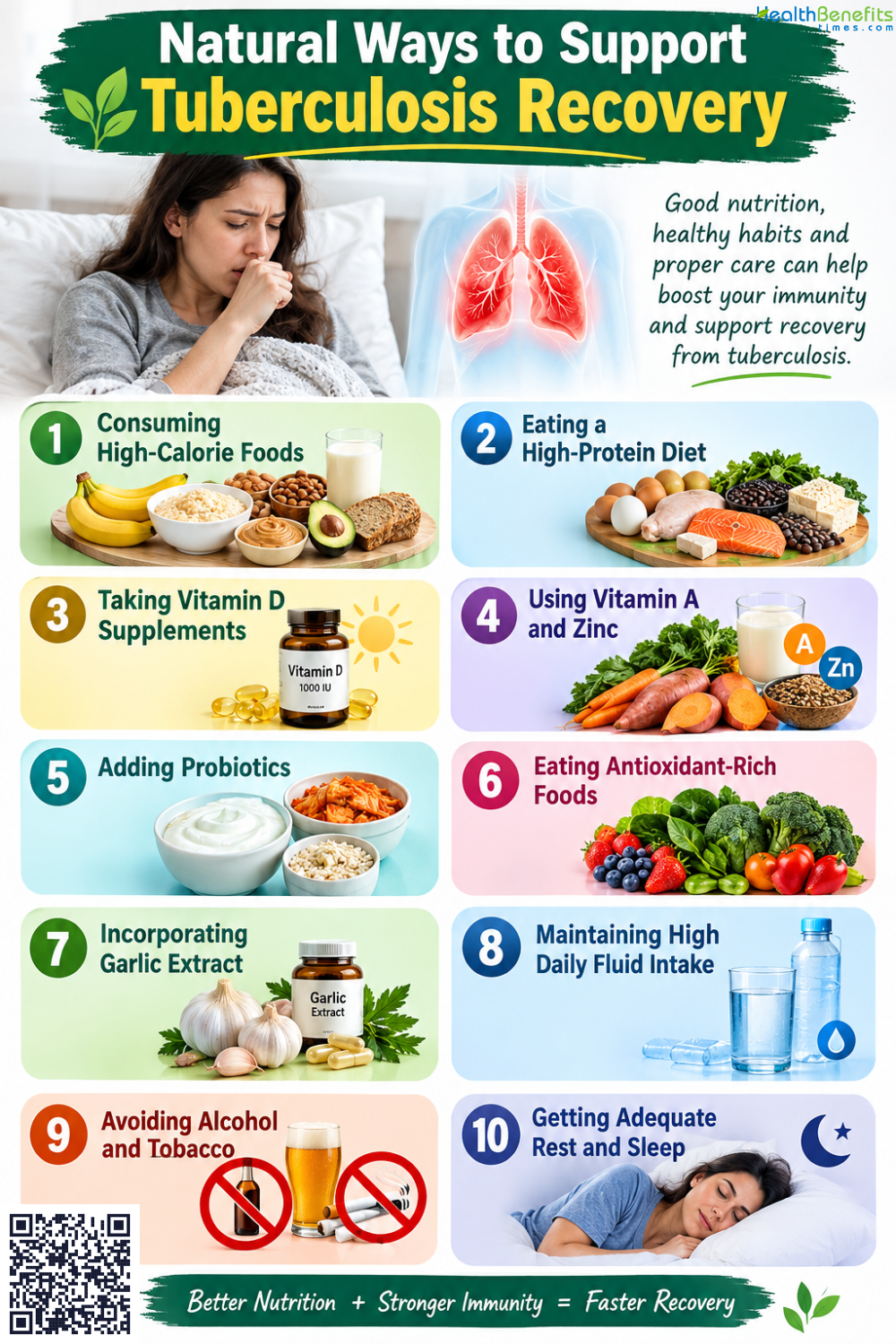
3. Taking Vitamin D Supplements
How it may help
Vitamin D acts as a crucial regulator for the human immune system, specifically enhancing the ability of white blood cells to attack and destroy tuberculosis bacteria. By activating these essential cellular defenses, the vitamin helps the body effectively control the infection and limits further bacterial growth within the respiratory system 17.
What research says
Clinical studies demonstrate that severe vitamin D deficiency is highly prevalent among tuberculosis patients. Final research conclusions indicate that when combined with standard antibiotic therapy, targeted vitamin D supplementation can accelerate the clearance of tuberculosis bacteria from the lungs, ultimately leading to faster respiratory recovery and improved overall treatment outcomes 18.
How to use it safely
You should first ask your doctor for a blood test to determine your specific vitamin D levels. If diagnosed with a deficiency, strictly take the exact daily dosage of vitamin D3 prescribed by your healthcare provider, alongside your standard tuberculosis medications, to ensure safe nutritional support 19.
Potential precautions or side effects
Consuming excessive vitamin D causes toxic calcium buildup in the blood. This condition can trigger severe kidney stones, persistent nausea, weakness, and potentially dangerous irregular heart rhythms 20.
4. Using Vitamin A and Zinc
How it may help
Vitamin A maintains the protective mucous lining of the respiratory tract, preventing further tissue damage, while zinc is essential for producing the white blood cells that actively fight infections. Together, these two micronutrients rebuild the body’s natural immune barriers and enhance its overall defense against tuberculosis bacteria 21.
What research says
Clinical studies indicate that active tuberculosis infections severely deplete the body’s natural reserves of essential micronutrients. Final research conclusions demonstrate that supplementing vitamin A and zinc alongside standard antibiotic treatments significantly boosts immune cell recovery, accelerates the healing of lung tissues, and improves overall nutritional status 22.
How to use it safely
You should prioritize getting these nutrients from natural food sources, such as sweet potatoes, leafy greens, lean meats, and legumes. If you require dietary supplements, you must strictly consult your doctor to ensure the exact dosage safely aligns with your prescribed tuberculosis treatment plan 23.
Potential precautions or side effects
Consuming excessive amounts of vitamin A can cause dangerous liver toxicity, while taking too much zinc can trigger severe nausea, vomiting, and actually suppress healthy immune function 24.
5. Adding Probiotics
How it may help
The powerful antibiotics required to cure tuberculosis destroy beneficial gut bacteria alongside the targeted infection. Adding probiotics introduces healthy microorganisms back into the digestive tract. This vital restoration prevents severe antibiotic-induced diarrhea, improves essential nutrient absorption, and supports immune function, helping the body tolerate intensive daily treatments without suffering extreme gastrointestinal distress 25.
What research says
Clinical studies confirm that tuberculosis medications severely disrupt the natural intestinal microbiome. Final research conclusions demonstrate that supplementing with probiotics significantly reduces gastrointestinal side effects, minimizes drug-induced liver toxicity, and enhances overall medication tolerance, which actively prevents patients from dangerously abandoning their life-saving treatments prematurely 25.
How to use it safely
You should consume natural probiotic sources like plain yogurt daily. If taking supplements, you must space them at least two hours apart from your tuberculosis antibiotics, ensuring the strong medications do not immediately destroy the beneficial bacteria before they work 26.
Potential precautions or side effects
Probiotics may cause temporary gas or bloating. Patients with severely weakened immune systems, such as those with advanced HIV, must avoid them to prevent rare, dangerous bacterial blood infections 26.
6. Eating Antioxidant-Rich Foods
How it may help
Tuberculosis medications frequently induce significant oxidative stress, leading to dangerous cellular damage and liver toxicity. Consuming a diet rich in natural antioxidants helps neutralize these harmful molecules. This protective mechanism actively defends vital organs, preserves healthy lung tissue, and mitigates the severe physical strain caused by intense, long-term antibiotic therapy 27.
What research says
Clinical studies confirm that active tuberculosis heavily depletes the body’s natural antioxidant reserves. Final research conclusions demonstrate that an antioxidant-rich diet significantly decreases drug-induced liver injury, lowers severe systemic inflammation, and improves overall patient tolerance to harsh antibiotic regimens, ultimately supporting faster cellular recovery and tissue repair 27.
How to use it safely
You should focus on eating a diverse array of fresh, colorful fruits and vegetables, such as berries, spinach, and carrots, every day. Rely entirely on natural food sources rather than high-dose commercial supplements, as whole foods provide a safe, balanced combination of protective nutrients without risking toxicity 28.
Potential precautions or side effects
You must avoid high-dose antioxidant pills, as excessive artificial amounts can dangerously interfere with the effectiveness of prescribed tuberculosis antibiotics and cause severe gastrointestinal distress 28.
7. Incorporating Garlic Extract
How it may help
Garlic contains a highly active natural compound called allicin, which possesses strong antibacterial properties. By directly attacking the protective walls of tuberculosis bacteria, garlic extract helps suppress the infection and provides vital support to the body’s natural immune defenses during intensive medical treatment 29.
What research says
Laboratory studies confirm that garlic extract actively inhibits the growth of tuberculosis bacteria, including highly drug-resistant strains. Final research conclusions indicate that its natural antimicrobial properties serve as a beneficial supplementary aid that enhances the overall effectiveness of standard antibiotic therapies 30.
How to use it safely
You should incorporate fresh, finely crushed garlic into your daily meals to safely maximize its natural benefits. If opting for concentrated garlic pills, you must consult your physician to establish a safe dosage that will not interfere with your antibiotics 31.
Potential precautions or side effects
Avoid excessive garlic supplements, as they can increase bleeding risks and dangerously interfere with essential medications. High doses also frequently cause severe heartburn, nausea, and painful stomach upset 31.
8. Maintaining High Daily Fluid Intake
How it may help
Tuberculosis frequently causes severe night sweats and chronic fever, leading to dangerous dehydration. Drinking plenty of fluids replenishes lost water and helps the kidneys efficiently filter and flush out the potentially toxic byproducts of strong tuberculosis medications from the bloodstream, protecting vital organ function during treatment 32.
What research says
Clinical guidelines emphasize that adequate hydration is critical during intensive antibiotic therapy. Final research conclusions demonstrate that maintaining high fluid intake actively prevents medication-induced kidney toxicity, helps stabilize body temperature during persistent fever episodes, and reduces severe physical fatigue associated with clinical dehydration in recovering patients 33.
How to use it safely
You should drink plenty of clean, purified water steadily throughout the day. Focus on hydrating fluids like clear broths or oral rehydration solutions. You must strictly avoid sugary drinks and high-caffeine beverages, which can worsen dehydration and upset your stomach 34.
Potential precautions or side effects
Patients with pre-existing heart failure or advanced kidney disease must avoid drinking excessive fluids, as it can cause dangerous physical swelling and life-threatening imbalances in blood sodium levels 16.
9. Avoiding Alcohol and Tobacco
How it may help
Tuberculosis medications put severe stress on the liver, while the bacterial infection heavily damages the lungs. Completely avoiding alcohol prevents dangerous liver toxicity, and stopping tobacco use halts further destruction of respiratory airways, allowing these vital organs to actively heal during intensive medical treatment 19.
What research says
Clinical studies confirm that combining alcohol with tuberculosis antibiotics drastically increases the risk of severe drug-induced liver injury. Final research conclusions demonstrate that smoking tobacco heavily delays lung tissue healing, increases the risk of medication failure, and significantly raises overall mortality rates among infected patients 35.
How to use it safely
You must immediately stop all alcohol consumption and tobacco smoking when starting your medication. Consult your doctor for safe quitting strategies, such as prescription aids or behavioral counseling, to successfully manage daily cravings and completely avoid relapsing during your lengthy recovery period 36.
Potential precautions or side effects
Abruptly quitting heavy alcohol use can trigger dangerous withdrawal symptoms, including severe tremors or seizures. You require immediate medical supervision to safely manage these potentially life-threatening withdrawal complications 37.
10. Getting Adequate Rest and Sleep
How it may help
Fighting a severe tuberculosis infection rapidly drains the body’s energy. Getting adequate rest and uninterrupted sleep allows the immune system to redirect vital energy toward attacking the bacteria. This deep rest is essential for repairing damaged lung tissues and restoring the physical strength needed to endure harsh, long-term medical treatments 19.
What research says
Clinical studies prove that sleep deprivation directly suppresses immune system function. Final research conclusions demonstrate that maintaining healthy sleep cycles significantly enhances the production of infection-fighting white blood cells, accelerates overall physical recovery, and improves patient healing rates during active tuberculosis therapy 38.
How to use it safely
You should establish a strict bedtime routine, aiming for at least eight to ten hours of continuous sleep each night. Incorporate short daytime naps when feeling exhausted, and ensure your sleeping environment is well-ventilated to support healthy breathing during your recovery 13.
Potential precautions or side effects
Prolonged bed rest without any movement can cause severe muscle weakness and dangerous blood clots. You must balance deep sleep with gentle daily activities to maintain healthy blood circulation 39.
Foods to Avoid When You Suffer from Tuberculosis
1. Alcoholic Beverages
Mixing alcohol with tuberculosis medications drastically increases the risk of severe liver damage. Patients must strictly avoid all alcoholic drinks throughout their entire treatment course 19.
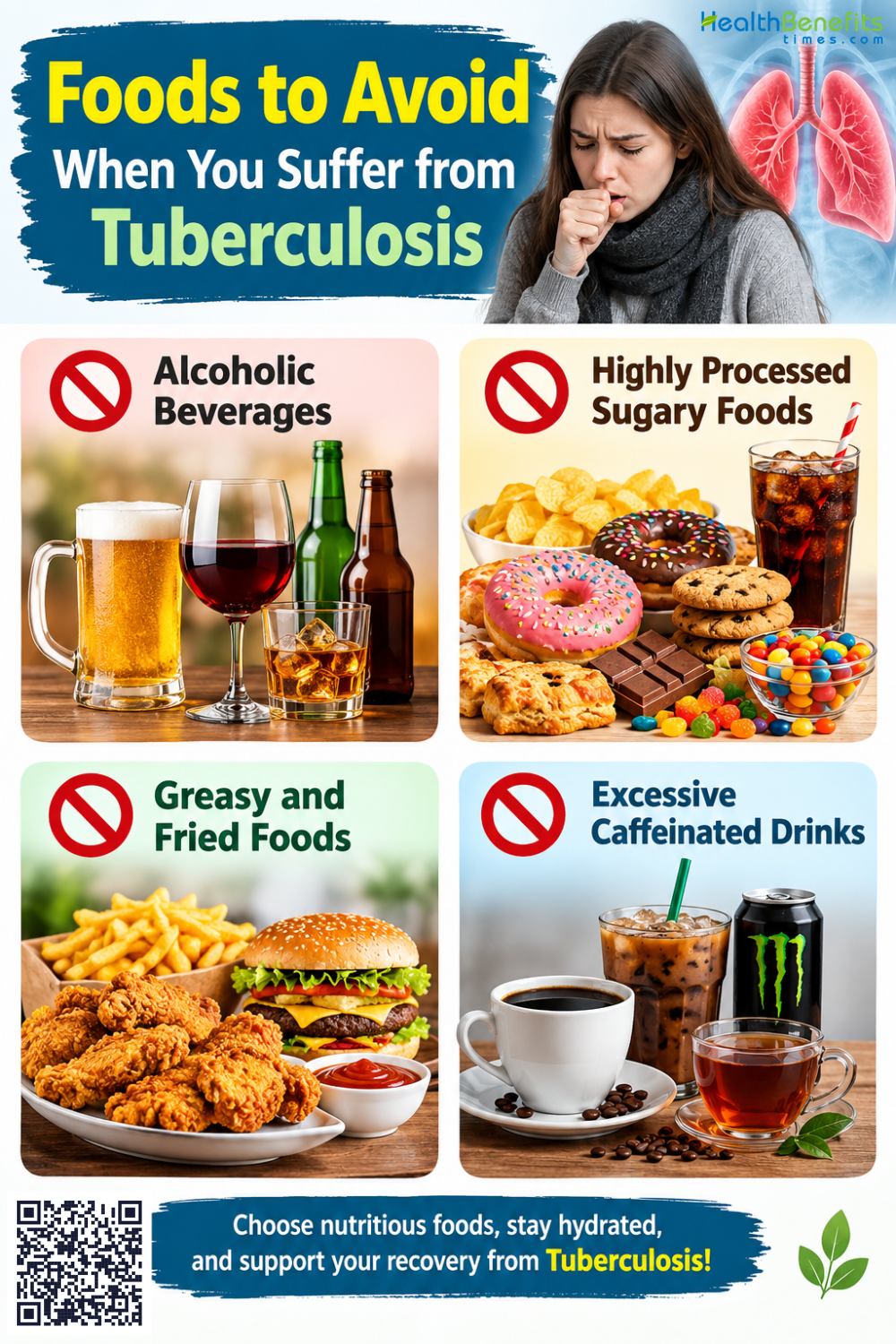
2. Highly Processed Sugary Foods
Consuming excess sugar weakens immune defenses and destabilizes blood glucose levels. This severely complicates tuberculosis recovery, particularly for individuals with underlying diabetes 14.
3. Greasy and Fried Foods
Heavy, deep-fried meals are difficult to digest. They actively worsen the severe nausea, abdominal cramping, and diarrhea frequently caused by strong tuberculosis antibiotics 25.
4. Excessive Caffeinated Drinks
High caffeine intake from coffee or energy drinks triggers clinical dehydration and directly disrupts the deep, restorative sleep necessary for the immune system to heal 34.
When to see Doctor when you struggle from Tuberculosis
1. Coughing Up Blood
If you begin coughing up blood or large amounts of dark mucus, seek emergency medical care immediately, as this indicates severe, actively progressing lung tissue damage 8.
2. Severe Shortness of Breath
Experiencing sudden, intense chest pain or significant difficulty breathing requires urgent medical attention. These critical physical signs suggest the bacterial infection is dangerously compromising respiratory function 8.
3. Yellowing of Skin or Eyes
You must contact your doctor immediately if your skin or eyes turn yellow. This indicates severe, potentially life-threatening liver toxicity directly caused by prescribed tuberculosis medications 19.
4. Vision or Hearing Changes
Report any sudden blurred vision, color blindness, or ringing in the ears. These are dangerous warning signs of nerve damage triggered by specific tuberculosis antibiotics 19.
5. Worsening Symptoms During Treatment
If your persistent fever, drenching night sweats, or coughing fail to improve after weeks of strict medication use, consult your physician to test for drug-resistant bacteria 40.