

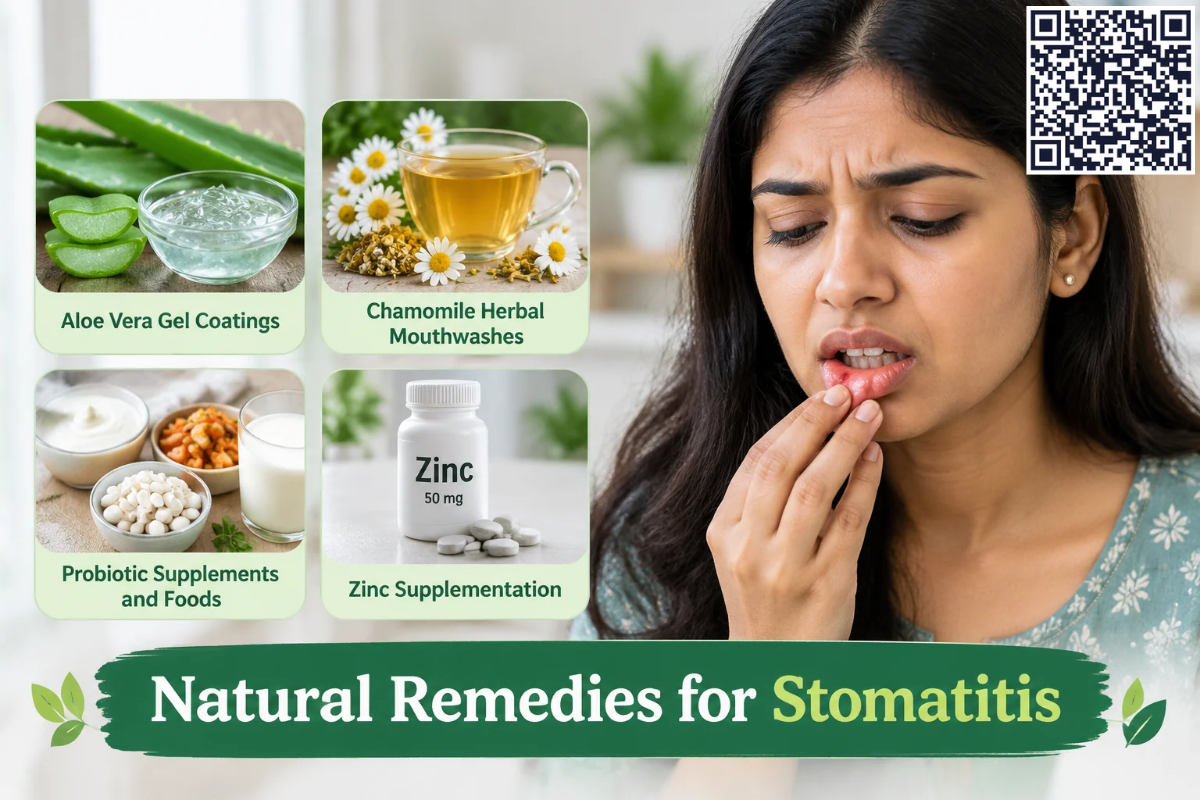
Stomatitis refers to the painful swelling and inflammation of the mucous membranes lining the inside of the mouth, including the lips, inner cheeks, gums, and tongue. The condition typically presents with redness and the formation of oral ulcers that make eating, swallowing, and speaking highly uncomfortable. Clinically, it frequently manifests as recurrent aphthous stomatitis (canker sores) or herpetic stomatitis, a viral infection caused by the herpes simplex virus that produces fluid-filled blisters 1. Beyond localized viral infections, outbreaks are consistently linked to weakened immune responses, specific nutritional deficiencies like a lack of vitamin B12 or folate, and systemic diseases 2. Research concludes that chronic oral mucosal ulcers can also serve as early clinical indicators of underlying autoimmune disorders, such as celiac disease or lupus 3. While minor lesions generally heal independently within two weeks, persistent cases necessitate clinical evaluation to determine appropriate immunosuppressive or antiviral therapies.
Causes of Stomatitis
1. Viral Infections
The herpes simplex virus (HSV) is a primary infectious cause, leading to herpetic stomatitis, which produces painful fluid-filled blisters and ulcers inside the mouth 1.
2. Cancer Treatments
Medical therapies such as chemotherapy and radiation frequently damage the cellular lining of the mouth, causing severe inflammation and bleeding of the mucous membranes known as oral mucositis 4.
3. Nutritional Deficiencies
A lack of essential vitamins and minerals, specifically vitamin B12, folic acid, or iron, significantly increases susceptibility to recurrent mouth ulcers 5.
4. Local Physical Trauma
Minor physical injuries resulting from accidental cheek biting, abrasive tooth brushing, sharp dental braces, or ill-fitting dentures directly trigger localized mucosal inflammation 5.
5. Systemic and Autoimmune Diseases
Underlying health conditions that affect the immune response or gastrointestinal tract, including Crohn’s disease, Behcet’s disease, and HIV, are strongly associated with severe and chronic stomatitis outbreaks 5.
6. Chemical Irritants and Allergies
Allergic contact stomatitis develops when oral tissues react negatively to specific chemical irritants, artificial food flavorings, dental materials, or preservatives 6.
7. Fungal Infections
An overgrowth of the Candida albicans fungus, commonly known as oral thrush, causes oral inflammation and visible lesions on the tongue and inner cheeks 7.
Symptoms of Stomatitis
1. Mouth Sores and Ulcers
The development of painful, shallow ulcers that typically feature a white or yellow center surrounded by a prominent red border, appearing on the inner lips, cheeks, gums, or tongue 5.
2. Pain When Eating and Speaking
Intense oral discomfort that drastically worsens during chewing, swallowing, or talking, especially when the mouth is exposed to spicy, salty, or highly acidic foods 2.
3. Fluid-Filled Blisters
The rapid formation of painful blisters that eventually rupture and leave behind raw, tender lesions, which is a hallmark sign of viral infections such as herpetic stomatitis 1.
4. Swelling and Redness
Noticeable inflammation, tenderness, and widespread redness of the oral mucous membranes, which may become so sensitive that routine teeth brushing causes minor bleeding 4.
5. Fever and Swollen Lymph Nodes
Systemic signs including a high body temperature, generalized fatigue, and swollen lymph glands in the neck, which frequently present alongside stomatitis caused by active viral pathogens 1.
6. Excessive Drooling
An abnormal increase in saliva production combined with a clear reluctance or inability to swallow due to severe pain, a symptom most commonly observed in young children suffering from oral viral infections 1.
Natural Remedies for Stomatitis
1. Saltwater Mouth Rinses
How it may help
Saltwater mouth rinses act as a mild, natural disinfectant that helps soothe inflamed tissues. By temporarily increasing the pH level in the mouth 8, salt creates an environment that prevents harmful bacteria from multiplying. This gentle action helps reduce swelling, eases ulcer pain 1, and promotes faster healing of mouth sores without relying on harsh chemicals.
What research says
Clinical evidence supports saline as an effective supportive therapy for oral lesions. Research confirms that regular saltwater rinsing significantly decreases the severity 9 of stomatitis and shortens recovery time. It serves as a safe baseline treatment for mouth ulcers, reducing local pain and improving overall comfort 10 during standard clinical recovery phases.
How to use it safely
To make a safe rinse, dissolve half a teaspoon of plain salt into eight ounces of warm water 11. Gently swish the mixture around your mouth for thirty seconds to coat the sores, then spit it out completely 12. You can repeat this basic soothing process up to four times daily.
Potential precautions or side effects
Avoid swallowing the saltwater mixture, as ingesting it causes mild stomach upset 13. Excessive daily rinsing might also cause dry mouth or temporarily irritate sensitive oral tissues 14 over time.
2. Baking Soda and Water Solutions
How it may help
Baking soda acts as a mild alkaline agent that gently neutralizes acidic conditions in the mouth 15. By actively balancing the oral pH level, it effectively reduces tissue irritation and creates a highly favorable environment for sores to heal 11. This simple chemical process lessens painful inflammation and helps protect delicate mouth tissues from further bacterial damage.
What research says
Clinical studies indicate that sodium bicarbonate solutions effectively manage mouth ulcerations by limiting harmful bacterial reproduction 16. Extensive research confirms these specialized alkaline rinses significantly decrease patient pain scores and reduce the overall severity of stomatitis 10. Medical experts consistently conclude this is a reliable, evidence-based supportive therapy for managing inflammatory oral lesions.
How to use it safely
To prepare this gentle rinse, correctly dissolve one-fourth teaspoon of baking soda into eight ounces of warm water 17. Swish the soothing liquid carefully around your mouth for exactly thirty seconds, then spit it out completely 12. You should strictly repeat this oral cleaning process three to four times daily.
Potential precautions or side effects
Never swallow the baking soda mixture, as doing so may cause unwanted stomach discomfort 15. Discontinue rinsing immediately if your mouth becomes overly dry or exhibits further irritation 18.
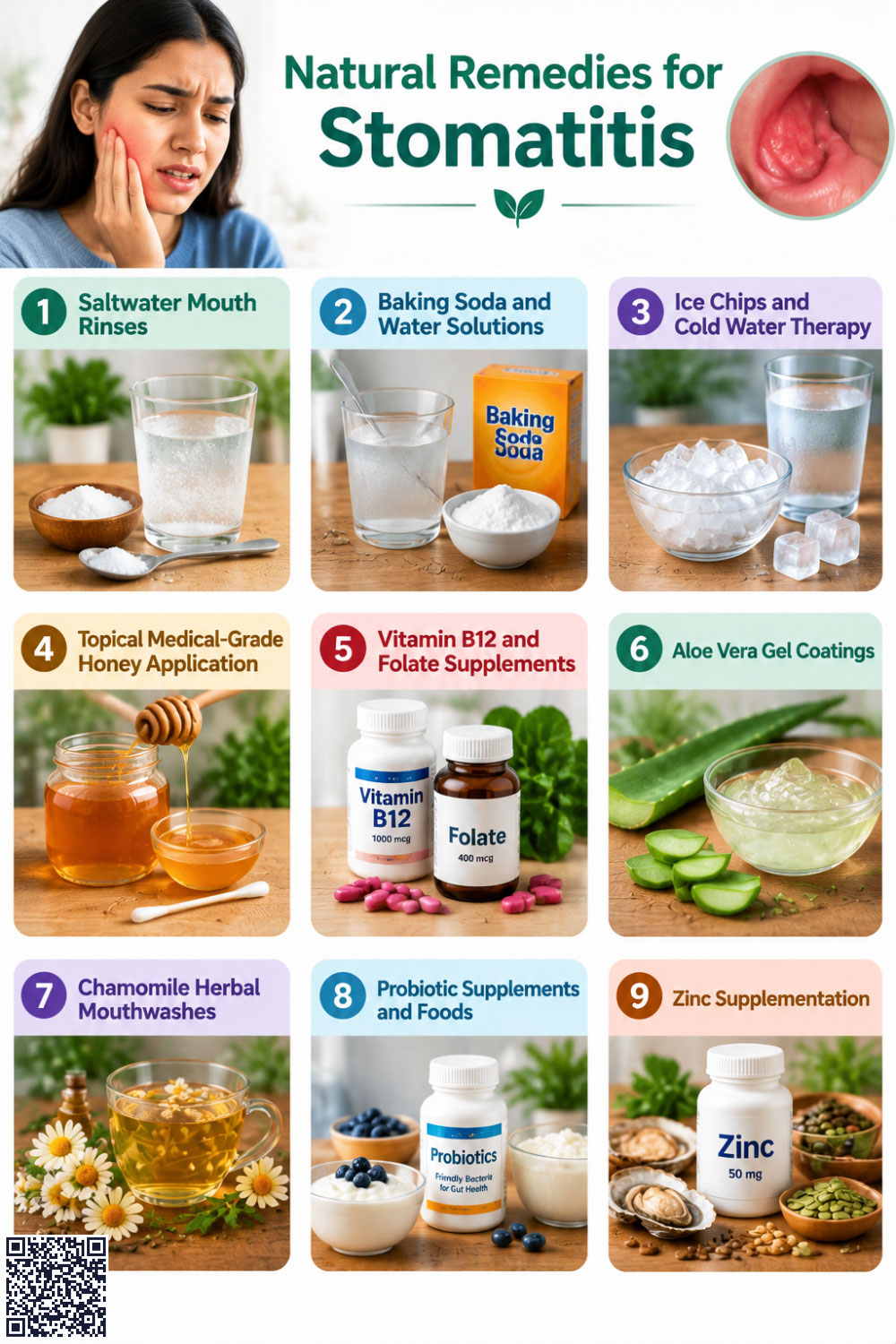
3. Ice Chips and Cold Water Therapy
How it may help
Applying cold temperatures to the mouth constricts local blood vessels, which effectively reduces painful swelling and limits severe inflammation 10. This basic chilling process numbs exposed nerve endings, offering immediate temporary pain relief without systemic medications. The soothing cold safely decreases tissue sensitivity 9 while simultaneously keeping the oral cavity comfortably hydrated.
What research says
Clinical studies conclusively demonstrate that oral cryotherapy actively prevents severe stomatitis during medical treatments by restricting toxic drug delivery to oral tissues 10. Rigorous research confirms that applying ice significantly lowers patient pain scores and prevents ulcer progression 19. Medical experts consistently recommend this cooling therapy as a highly effective, non-invasive supportive intervention.
How to use it safely
To properly manage pain, allow small ice chips to slowly melt directly inside your mouth instead of chewing them aggressively 11. Frequently sip fresh, ice-cold water throughout the day to maintain adequate moisture 12. You can safely repeat this gentle cooling method as often as necessary whenever severe discomfort returns.
Potential precautions or side effects
Avoid chewing ice, as it forcefully fractures dental enamel 17 and damages teeth. Stop this cooling therapy if sudden cold triggers nerve sensitivity 14 or worsens your overall pain.
4. Topical Medical-Grade Honey Application
How it may help
Medical-grade honey creates a thick, protective barrier over exposed mouth ulcers while delivering natural antibacterial properties 20. This dense coating reduces friction during swallowing and directly limits infection risks. By keeping the inflamed tissues deeply moisturized 21, it effectively minimizes sharp pain and accelerates the physical repair of damaged cellular layers.
What research says
Extensive clinical trials conclude that applying honey significantly reduces the healing time of severe mouth lesions 22. Research confirms this natural intervention actively lowers patient pain levels and prevents ulcer expansion during medical treatments. Experts note that standardized medical honey outperforms basic supportive care 23 in controlling localized oral inflammation efficiently.
How to use it safely
Carefully apply a small amount of sterile, medical-grade honey directly onto your mouth sores using a clean cotton swab 10. Allow the thick liquid to sit undisturbed on the affected areas for fifteen minutes 24. You should repeat this soothing topical application three times daily after meals.
Potential precautions or side effects
Never give honey to infants under twelve months due to severe botulism risks 25. Diabetics should strictly monitor blood sugar, as oral mucosal absorption quickly elevates systemic glucose levels 26.
5. Vitamin B12 and Folate Supplements
How it may help
Vitamin B12 and folate actively drive the continuous repair of damaged cellular structures by supporting rapid DNA synthesis 27. When individuals lack these vital nutrients, their delicate oral lining quickly becomes unusually thin and highly susceptible to recurring ulcerations. Consistently replenishing these precise vitamins directly fortifies the mucosal barrier 28, significantly limiting new sore formation and actively accelerating the physical closure of persistent stomatitis wounds in affected patients.
What research says
Clinical trials demonstrate that routine vitamin B12 supplementation significantly reduces both the frequency and duration of recurrent aphthous stomatitis outbreaks 29. Comprehensive research formally confirms this specific therapeutic benefit occurs entirely independently of a patient’s initial baseline blood serum levels. Medical experts conclude that combining folate with B12 effectively repairs oral mucosal integrity 30, establishing these daily supplements as a highly reliable, evidence-based preventive treatment for chronic oral inflammatory conditions.
How to use it safely
To safely manage oral lesions, take a daily sublingual B12 tablet containing one thousand micrograms alongside a standard folic acid supplement 31. Always consult your primary physician before starting this specific vitamin regimen to determine the exact dosage your body requires 32. Consistently consume these oral supplements alongside regular meals to steadily maximize their natural digestive absorption.
Potential precautions or side effects
Excessive folate intake strictly masks dangerous B12 deficiencies, potentially causing permanent neurological damage 33. Stop supplementation immediately if you unexpectedly develop severe skin rashes or unusual breathing difficulties 34.
6. Aloe Vera Gel Coatings
How it may help
Aloe vera gel provides a naturally soothing, protective layer that directly covers exposed oral ulcers. By actively delivering potent anti-inflammatory compounds into the damaged tissues 35, this thick botanical coating effectively lessens severe irritation. It continuously maintains vital tissue hydration, reducing sharp localized pain 11 and supporting faster cellular repair of the delicate mucosal lining.
What research says
Clinical trials confirm that topical aloe vera application significantly reduces the physical size and intense pain of recurrent aphthous stomatitis 36. Extensive research demonstrates this natural botanical intervention continuously accelerates the overall healing phase of mouth lesions. Medical experts recognize these specific soothing gels as a highly viable, evidence-based alternative therapy 37 for managing local oral inflammation.
How to use it safely
Carefully apply a small amount of pure, medical-grade oral aloe vera gel directly onto your mouth sores using a sterile cotton swab 38. Allow this soothing protective layer to remain completely undisturbed for at least twenty minutes 39. You should repeat this calming treatment three times daily.
Potential precautions or side effects
Never ingest large quantities of unpurified aloe, as it causes severe abdominal cramping and hazardous diarrhea 40. Discontinue use immediately if you develop localized oral burning or sudden swelling 39.
7. Chamomile Herbal Mouthwashes
How it may help
Chamomile flowers contain powerful natural compounds that actively reduce severe tissue inflammation and soothe painful oral tissues 41. By gently coating the damaged mucosal lining, this herbal liquid directly minimizes localized swelling and redness. It consistently provides mild pain relief 11 and supports the natural healing phase of irritated mouth sores without using harsh chemical ingredients.
What research says
Clinical trials demonstrate that daily chamomile mouthwashes significantly decrease the severity of inflammatory mouth lesions 42. Comprehensive research confirms this botanical therapy effectively lowers overall pain scores and accelerates mucosal tissue repair in affected patients. Medical experts strongly support using these herbal rinses 10 as a reliable, evidence-based supportive treatment for managing chronic oral ulcers.
How to use it safely
To prepare a safe oral rinse, steep pure chamomile tea in boiling water and allow it to cool completely 43. Swish this lukewarm liquid gently around your mouth for sixty seconds before spitting it out completely 12. You should repeat this soothing herbal wash up to four times daily.
Potential precautions or side effects
Avoid this herbal rinse entirely if you possess severe allergies to ragweed or daisies 44 before attempting treatment. Discontinue use immediately if sudden oral swelling 43 unexpectedly develops.
8. Probiotic Supplements and Foods
How it may help
Probiotics actively restore the critical balance of beneficial bacteria within the oral cavity, which directly suppresses harmful microbial overgrowth 45. By positively regulating the local immune system, these helpful microorganisms effectively decrease severe mucosal inflammation. This restored biological environment actively promotes faster tissue healing 46 and reliably prevents future ulcerations from forming in delicate mouth tissues.
What research says
Clinical trials confirm that targeted probiotic therapies significantly reduce the pain intensity and physical size of mouth ulcers 47. Comprehensive research demonstrates these living organisms steadily accelerate the complete healing phase of recurrent aphthous stomatitis. Medical experts endorse incorporating beneficial bacterial cultures 48 as a highly effective, evidence-based supportive treatment for chronic oral inflammatory conditions.
How to use it safely
To safely improve oral health, consistently consume plain yogurt containing live active cultures during your regular daily meals 49. Alternatively, you can carefully take a verified daily probiotic capsule. Always consult your primary physician beforehand to select the most appropriate bacterial strain 50 for your specific immune needs.
Potential precautions or side effects
Avoid probiotics if you possess a severely compromised immune system 50, as dangerous infections may develop. Initial use frequently causes mild intestinal bloating 51 during the first week.
9. Zinc Supplementation
How it may help
Zinc actively supports the critical immune system and significantly accelerates cellular repair processes throughout the body. By enhancing the structural integrity of the oral mucosal lining 52, this essential mineral effectively reduces severe tissue inflammation. It directly promotes faster wound healing 53 within the mouth, thereby minimizing the overall severity and duration of painful stomatitis lesions.
What research says
Clinical studies demonstrate that targeted zinc supplementation significantly decreases the frequency of recurrent aphthous stomatitis outbreaks 54. Comprehensive research confirms this specific mineral actively shortens the healing duration of active oral ulcers. Medical experts consistently conclude that correcting underlying zinc deficiencies 55 serves as a highly reliable, evidence-based preventive therapy for managing chronic inflammatory mouth lesions.
How to use it safely
To safely manage oral lesions, take a standard daily zinc supplement directly alongside a full meal to maximize natural digestion 56. You must consult your primary physician before initiating this regimen to determine the exact mineral dosage your body currently requires 57 for effective treatment.
Potential precautions or side effects
Excessive zinc intake causes severe nausea and dangerously depletes vital copper levels 52. Stop supplementation immediately if you unexpectedly develop severe stomach cramps 58.
Foods to Avoid When You suffer from Stomatitis
1. Acidic Fruits and Vegetables
Oranges, lemons, and tomatoes contain high acid levels that directly burn exposed oral ulcers. Consuming these acidic items significantly delays cellular healing and worsens localized tissue inflammation 12.
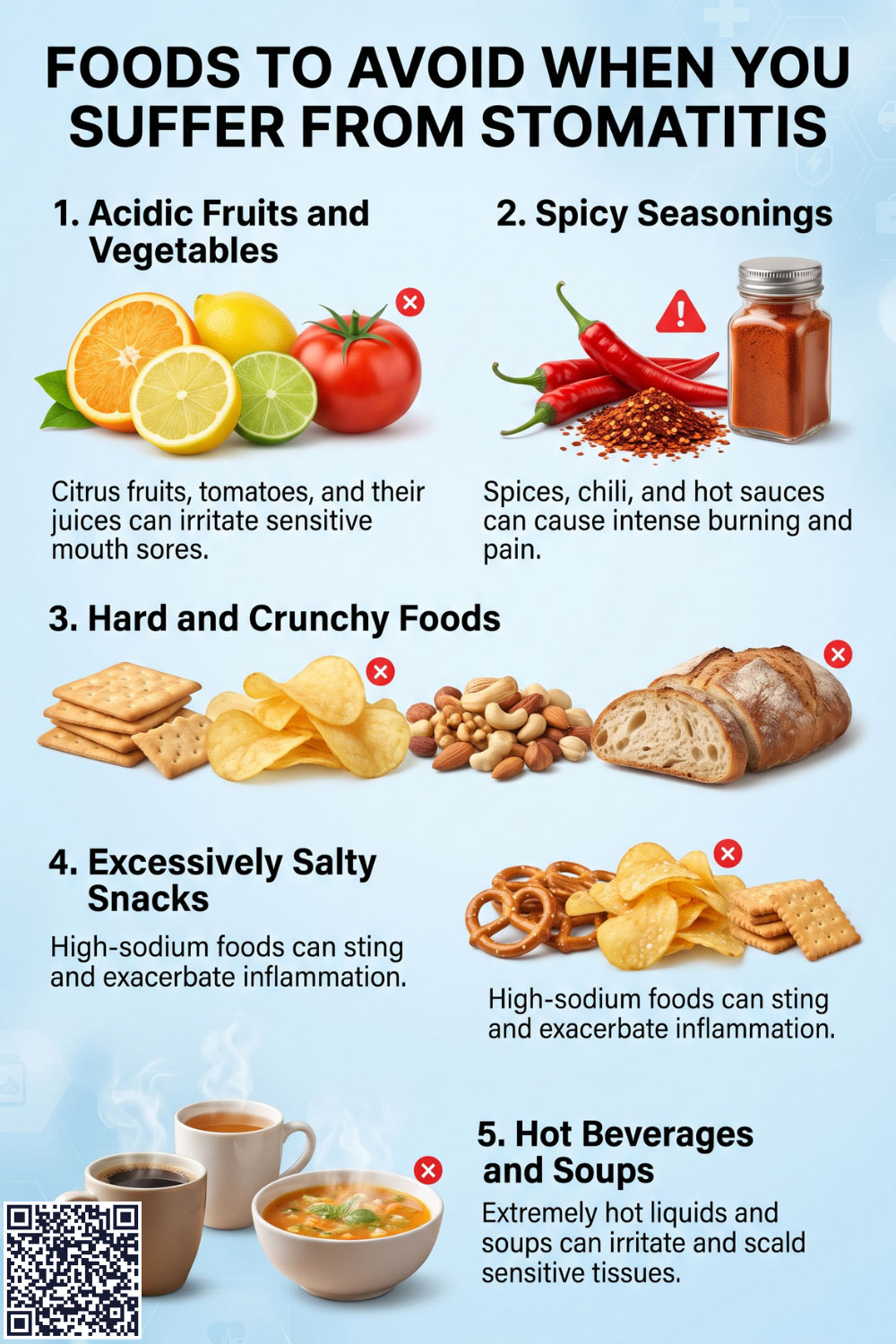
2. Spicy Seasonings
Chili powder, curry, and hot peppers trigger severe chemical irritation in compromised mucosal lining. These intense spices actively amplify nerve sensitivity and dramatically increase acute pain levels 11.
3. Hard and Crunchy Foods
Dry toast, raw carrots, and potato chips physically scrape the fragile mouth lining. This sharp mechanical friction tears recovering tissues, reopening delicate wounds and triggering immediate bleeding 1.
4. Excessively Salty Snacks
Highly salted items immediately draw moisture away from damaged cells through osmosis. This rapid dehydration process causes an intense stinging sensation and actively disrupts natural tissue repair 10.
5. Hot Beverages and Soups
High-temperature liquids induce thermal trauma on inflamed mouth sores. Heat drastically increases local blood flow to the ulcers, which elevates swelling and intensifies throbbing pain during consumption 12.
When to see Doctor when you struggle from Stomatitis
1. Prolonged Healing
Seek immediate medical evaluation if oral ulcers persist longer than two weeks. Chronic sores require professional screening to rule out systemic diseases or early-stage oral cancer 1.
2. Accompanied by Fever
Contact a physician if a sudden high fever accompanies your mouth lesions. This specific combination strongly indicates a severe, rapidly spreading bacterial or viral systemic infection 11.
3. Inability to Hydrate
Visit a clinic if intense pain completely prevents fluid consumption. Severe oral inflammation quickly causes dangerous systemic dehydration, which frequently requires intravenous fluid replacement therapy 10.
4. Rapid Ulcer Expansion
Consult a doctor if lesions become unusually large or visibly spread toward your outer lips. Aggressive expansion requires prescription antimicrobial treatments to stop severe tissue destruction 12.
5. Uncontrollable Severe Pain
Seek professional care when over-the-counter pain medications completely fail to provide relief. Physicians must prescribe specialized anesthetics or potent topical corticosteroids to manage extreme oral nerve irritation 1.