

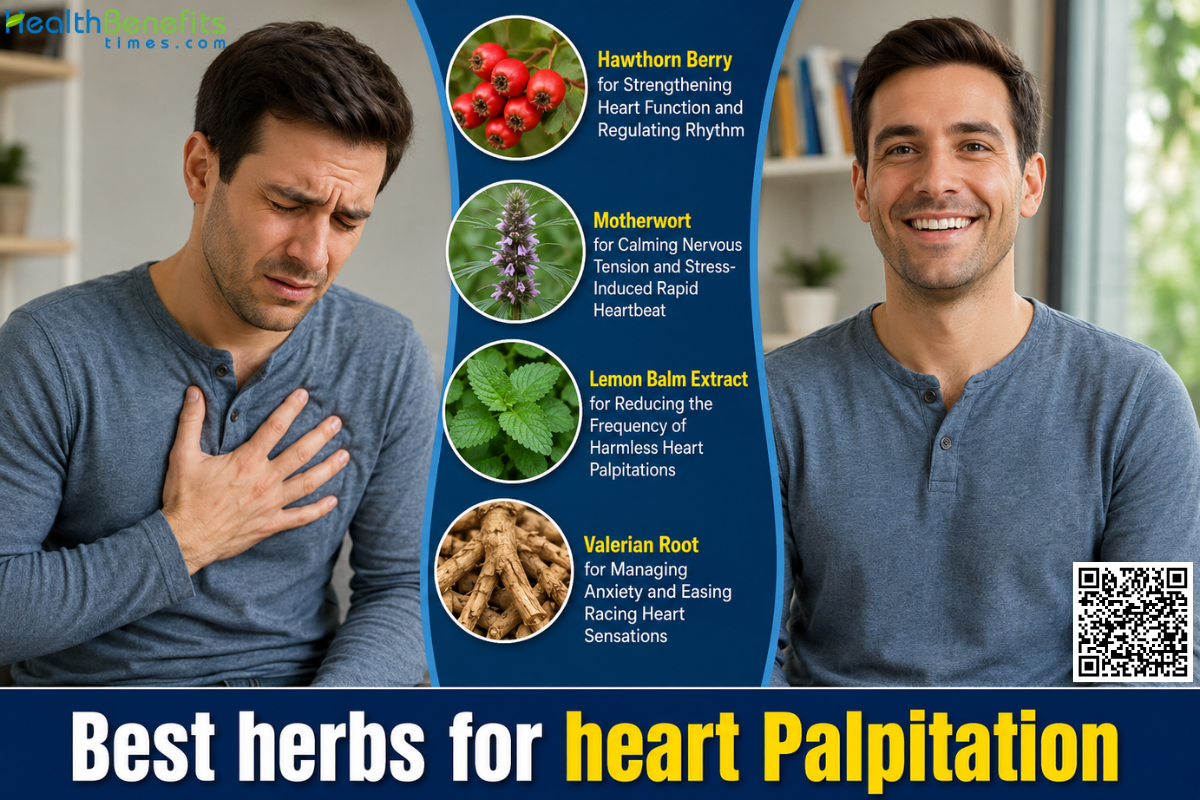
Heart palpitations occur when an individual becomes unpleasantly aware of their own heartbeat. Patients frequently describe this sensation as a fluttering, pounding, racing, or skipped beat that can be felt in the chest, throat, or neck. In clinical practice, palpitations are a very common symptom and are most often benign, meaning they do not indicate a severe underlying health problem 1. These harmless episodes are frequently triggered by lifestyle and emotional factors, such as acute stress, anxiety, vigorous exercise, or the consumption of stimulants like caffeine and nicotine 2. However, they can sometimes serve as an early warning sign of a more serious cardiac arrhythmia, such as atrial fibrillation or ventricular tachycardia, which require prompt medical evaluation 3. Therefore, while brief and occasional palpitations are usually normal, sustained irregular heartbeats should prompt a professional cardiovascular assessment to rule out life-threatening conditions 4.
Causes of Heart Palpitation
1. Emotional and Psychological Stress
Intense emotional states, including severe anxiety, acute stress, and panic attacks, are among the most common non-heart-related triggers for a racing or pounding heartbeat 5.
2. Lifestyle and Dietary Triggers
The consumption of central nervous system stimulants, such as heavy amounts of caffeine and nicotine, along with excessive alcohol intake and rigorous physical exercise, can directly overstimulate the heart muscle.
3. Systemic Medical Conditions
Illnesses that affect the whole body, such as an overactive thyroid gland (hyperthyroidism), a low red blood cell count (anemia), low blood sugar (hypoglycemia), and high fevers, force the heart to work harder and beat faster.
4. Cardiac (Heart-Related) Issues
Direct problems with the heart’s structure or electrical system, including past heart attacks, heart valve disorders, heart failure, and abnormal rhythms (arrhythmias) like atrial fibrillation, can cause irregular or skipped beats.
5. Medications and Supplements
Certain prescription and over-the-counter drugs contain stimulant ingredients that elevate the heart rate, notably asthma inhalers (albuterol), cold and cough medicines containing decongestants (pseudoephedrine), and thyroid medications.
6. Hormonal Fluctuations
Natural shifts in hormone levels that occur during the menstrual cycle, pregnancy, and the transition into menopause frequently lead to temporary, harmless episodes of palpitations 6.
Symptoms of Heart Palpitation
1. Sensation of Skipped Beats
Individuals frequently experience a brief feeling that the heart has paused or missed a normal beat, which is clinically known as a premature contraction occurring in either the upper or lower chambers of the heart.
2. Rapid or Racing Heartbeat
The heart may suddenly feel as though it is beating much faster than usual, even when the person is completely at rest, a symptom medically referred to as tachycardia.
3. Fluttering in the Chest
A common presentation is a rapid, vibrating, or fluttering sensation within the chest cavity, which can sometimes indicate a disorganized heart rhythm such as atrial fibrillation.
4. Pounding or Forceful Beats
Patients often describe their heartbeat as unusually heavy, strong, or forceful, feeling as though the heart is pounding directly against the chest wall.
5. Pulsation in the Neck or Throat
The physical awareness of an abnormal heartbeat is not always confined to the chest; these pounding or racing sensations often radiate upward and can be distinctly felt in the throat or the sides of the neck.
6. Associated Warning Signs
When palpitations occur alongside severe shortness of breath, chest pain, extreme dizziness, or fainting (syncope), these combined symptoms point to a high risk of a dangerous underlying cardiovascular issue requiring immediate emergency medical care.
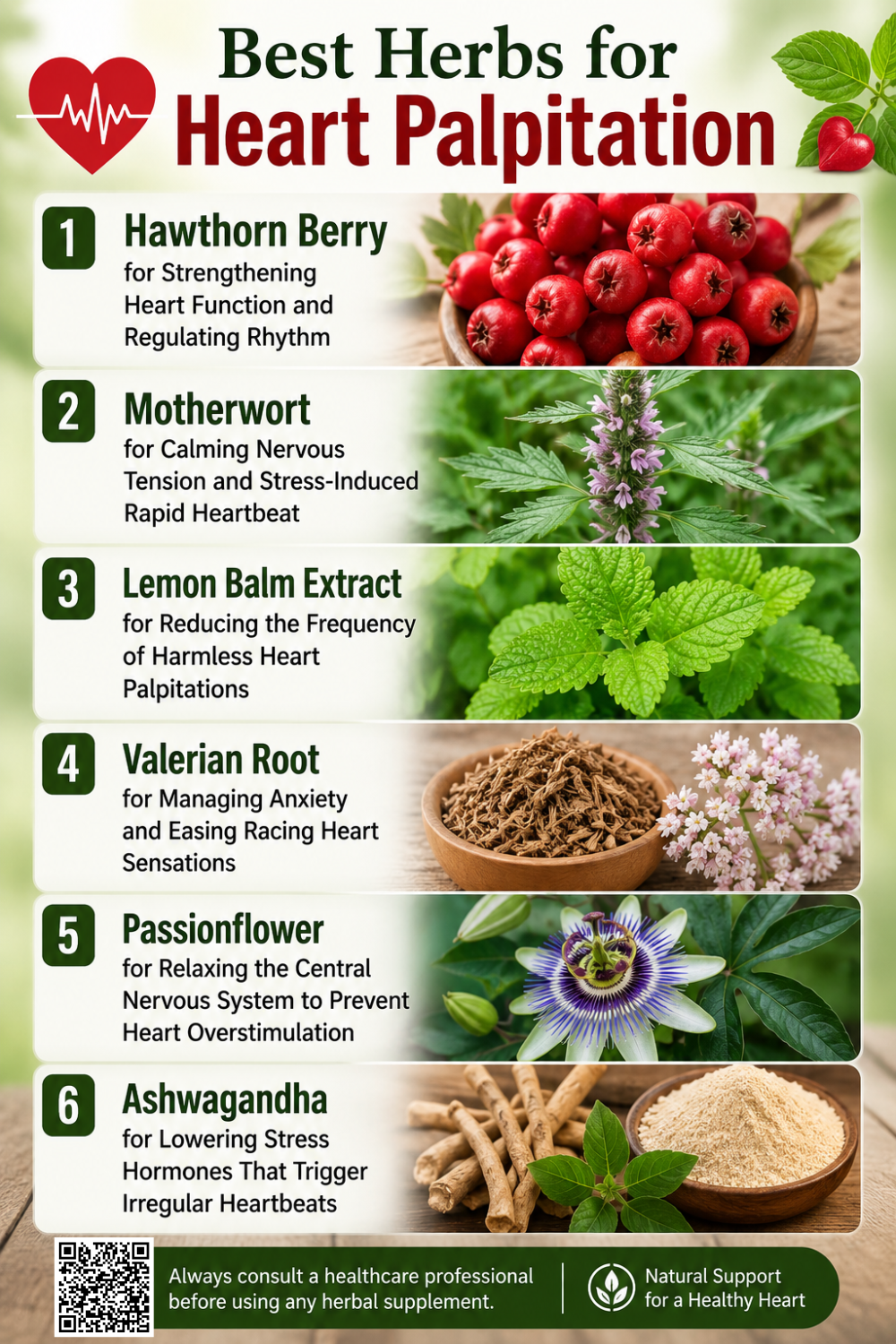 Best Herbs for Heart Palpitation
1. Hawthorn Berry for Strengthening Heart Function and Regulating Rhythm
How it may help
Hawthorn berry improves blood flow and enhances the heart muscle’s ability to pump efficiently. By widening blood vessels and increasing oxygen supply to the heart, it helps stabilize electrical signals. This calming effect on the cardiovascular system can reduce the frequency and intensity of harmless heart palpitations.
What research says
Clinical studies conclude that hawthorn extract is an effective supplemental treatment for mild heart failure and related cardiovascular symptoms. Research confirms it significantly improves heart function, increases exercise tolerance, and reduces the sensation of skipped beats when used consistently over several months 7.
How to use it safely
If you choose to use hawthorn, take it as a standardized extract, capsule, or tea. Clinical guidelines often suggest a daily dose between 160 and 900 milligrams of standardized extract, divided into multiple doses. You must consult a doctor before starting this supplement.
Potential precautions or side effects
Hawthorn can interact dangerously with prescription heart medications, especially blood pressure drugs. Mild side effects may include dizziness, nausea, and digestive upset 8.
2. Motherwort for Calming Nervous Tension and Stress-Induced Rapid Heartbeat
How it may help
Motherwort acts as a mild relaxant for the central nervous system. It helps calm emotional distress and severe anxiety, which are frequent triggers for a racing or pounding heart. By reducing nervous tension, it helps stabilize the heart rate and prevents stress-induced palpitations without causing heavy drowsiness.
What research says
Clinical evaluations demonstrate that motherwort (Leonurus cardiaca) possesses measurable sedative and blood pressure-lowering properties. Research concludes that taking motherwort extract significantly reduces anxiety and decreases elevated heart rates in patients experiencing stress-related cardiovascular symptoms and nervous overactivity 9.
How to use it safely
If you decide to try motherwort, you can consume it as a steeped tea, liquid tincture, or capsule. Traditional daily doses typically range from 2 to 4 grams of dried herb. You must consult your healthcare provider before starting this supplement to ensure cardiovascular safety.
Potential precautions or side effects
Motherwort is strictly prohibited during pregnancy because it can stimulate uterine contractions. It may also cause mild stomach upset and interact dangerously with prescription sedatives and heart medications.
3. Lemon Balm Extract for Reducing the Frequency of Harmless Heart Palpitations
How it may help
Lemon balm acts as a natural, mild relaxant that calms the central nervous system. By decreasing the body’s physical response to stress and lowering overall anxiety levels, it prevents the sudden adrenaline spikes that frequently trigger rapid or irregular heartbeats, helping maintain a steady rhythm.
What research says
Clinical trials confirm that Melissa officinalis (lemon balm) is an effective treatment for benign heart palpitations. Research shows that patients taking lemon balm extract experience a significant reduction in both the frequency and severity of harmless palpitations compared to those taking a placebo 10.
How to use it safely
If you experience benign palpitations, you can consume lemon balm as a capsule, liquid extract, or tea. Clinical studies typically use a dosage of 500 milligrams of extract twice daily. Always consult your doctor before starting this herb to ensure it is safe for you.
Potential precautions or side effects
Lemon balm is generally safe but may cause mild nausea or drowsiness. It can interact negatively with prescription sedatives and medications used to treat thyroid disorders 11.
4. Valerian Root for Managing Anxiety and Easing Racing Heart Sensations
How it may help
Valerian root acts as a natural relaxant for the central nervous system. It increases the brain’s supply of a calming chemical called gamma-aminobutyric acid, which physically reduces severe anxiety 12. By lowering overall stress levels, it prevents the sudden adrenaline spikes that trigger a racing or pounding heartbeat.
What research says
Clinical research indicates that valerian root is an effective, non-habit-forming treatment for anxiety and nervous restlessness. Studies demonstrate that its active compounds successfully reduce nervous system hyperarousal, which indirectly lowers the resting heart rate and decreases the frequency of stress-induced palpitations 13.
How to use it safely
If you try valerian root, you can take it as a capsule, liquid tincture, or brewed tea. For managing anxiety, standard clinical doses range from 300 to 600 milligrams daily. Always consult your healthcare provider before starting this supplement to ensure it is safe for you.
Potential precautions or side effects
Valerian may cause headaches, dizziness, and daytime drowsiness. You must never combine it with alcohol or prescription sedatives due to the risk of dangerous central nervous system depression.
5. Passionflower for Relaxing the Central Nervous System to Prevent Heart Overstimulation
How it may help
Passionflower acts as a natural nervous system relaxant by increasing calming chemicals in the brain. This relaxing effect prevents the severe anxiety and sudden stress responses that often overstimulate the heart muscle. By blocking these emotional triggers, it helps keep the heart rate steady and prevents pounding sensations.
What research says
Clinical trials confirm that passionflower effectively reduces generalized anxiety and nervous tension. Research concludes that its sedative properties lower central nervous system hyperarousal, which helps decrease the frequency of physical anxiety symptoms, including stress-induced rapid heartbeats 14.
How to use it safely
If you decide to use passionflower, you can take it as a brewed tea, liquid extract, or capsule. Clinical applications typically use up to 800 milligrams of dried extract daily. You must consult your healthcare provider before starting this herb.
Potential precautions or side effects
Passionflower can cause drowsiness, dizziness, and confusion. It is strictly prohibited during pregnancy because it may induce uterine contractions. Never combine it with prescription sedatives 15.
6. Ashwagandha for Lowering Stress Hormones That Trigger Irregular Heartbeats
How it may help
Ashwagandha helps the body manage physical and emotional stress. It works primarily by lowering cortisol, a major stress hormone. By blunting the body’s severe stress responses, it prevents the sudden adrenaline surges that frequently overstimulate the cardiovascular system and trigger a pounding or racing heartbeat.
What research says
Clinical studies confirm that ashwagandha root extract effectively reduces severe stress and anxiety. Research demonstrates that taking this herb significantly lowers blood cortisol levels and decreases the physical symptoms of anxiety, which indirectly calms an overactive heart and prevents stress-induced palpitations 16.
How to use it safely
If you choose to take ashwagandha, use a standardized root extract as a capsule or powder. Clinical trials typically use a daily dosage of 300 to 600 milligrams 17. You must consult your doctor before starting this supplement to ensure it is safe for you.
Potential precautions or side effects
Ashwagandha may cause mild stomach upset or daytime drowsiness. It is strictly prohibited during pregnancy and can interact dangerously with thyroid medications and immune-suppressing drugs.
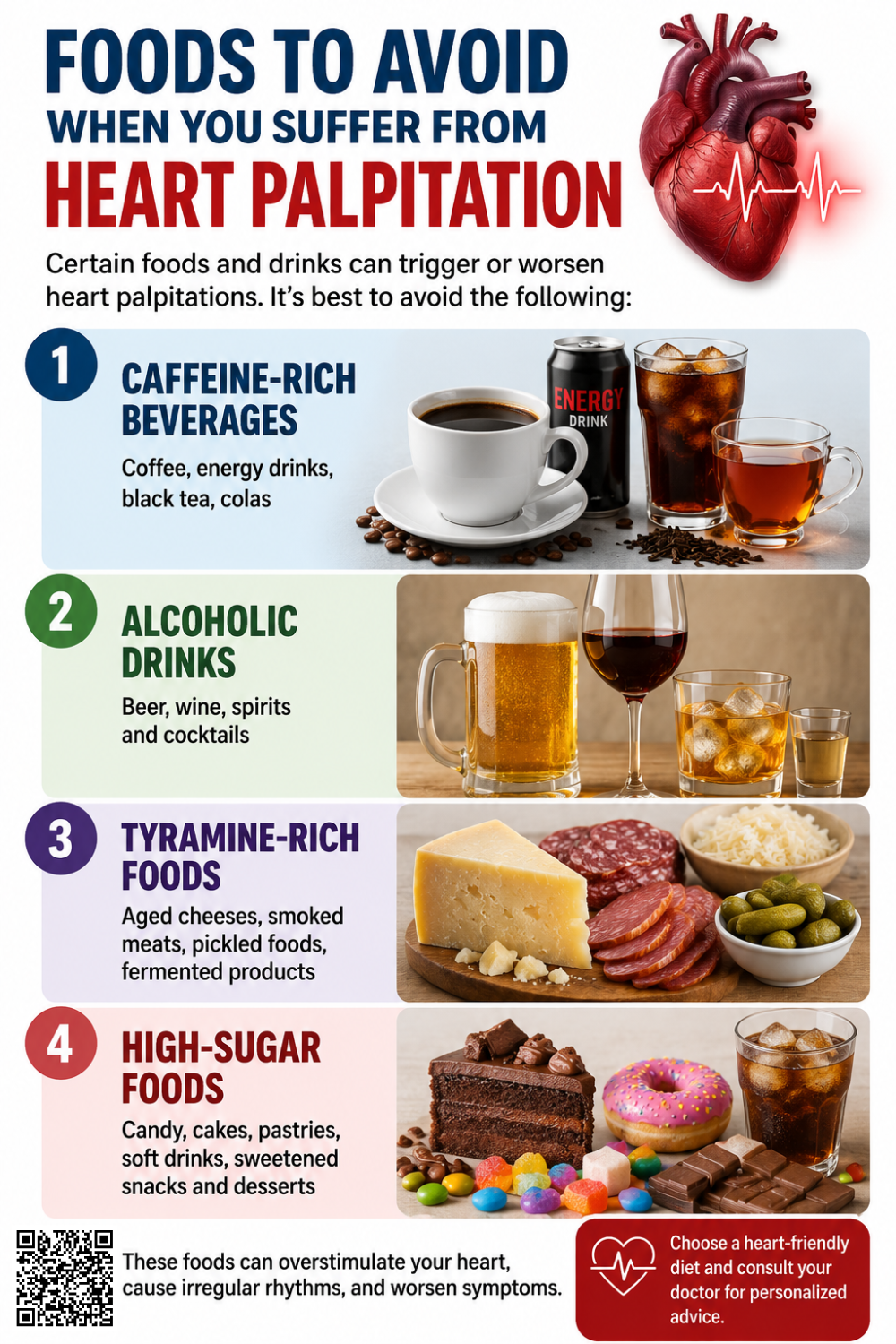 Foods to Avoid When You suffer from Heart Palpitatio
1. Caffeine-Rich Beverages
High caffeine intake overstimulates the central nervous system, directly triggering abnormal electrical impulses in the heart and increasing the frequency of palpitations.
2. Alcoholic Drinks
Excessive alcohol consumption disrupts the heart’s natural electrical signals, significantly elevating the risk of sudden rapid heartbeats and conditions like atrial fibrillation 18.
3. Tyramine-Rich Foods
Aged cheeses and cured meats contain tyramine, which triggers the release of norepinephrine, causing rapid blood vessel constriction, elevated blood pressure, and racing heartbeats 19.
4. High-Sugar Foods
Consuming large amounts of sugar causes rapid blood glucose drops (hypoglycemia), which forcefully triggers the body’s adrenaline response and induces sudden heart palpitations 20.
When To see Doctor when you suffer from Heart Palpitation
1. Severe Chest Pain
Seek immediate emergency care if palpitations occur alongside chest pressure, tightness, or pain, as this strongly indicates a heart attack or restricted blood flow.
2. Shortness of Breath
Sudden difficulty breathing during a palpitation episode suggests the heart is failing to pump sufficient oxygenated blood, requiring urgent medical intervention to prevent cardiac complications.
3. Fainting or Extreme Dizziness
Losing consciousness or experiencing severe lightheadedness indicates a dangerous drop in blood pressure caused by an unstable, potentially life-threatening heart rhythm disorder.
4. Existing Heart Conditions
If you have a history of heart attacks, heart failure, or valve disease, new or worsening palpitations require a prompt cardiovascular assessment by a medical specialist.