

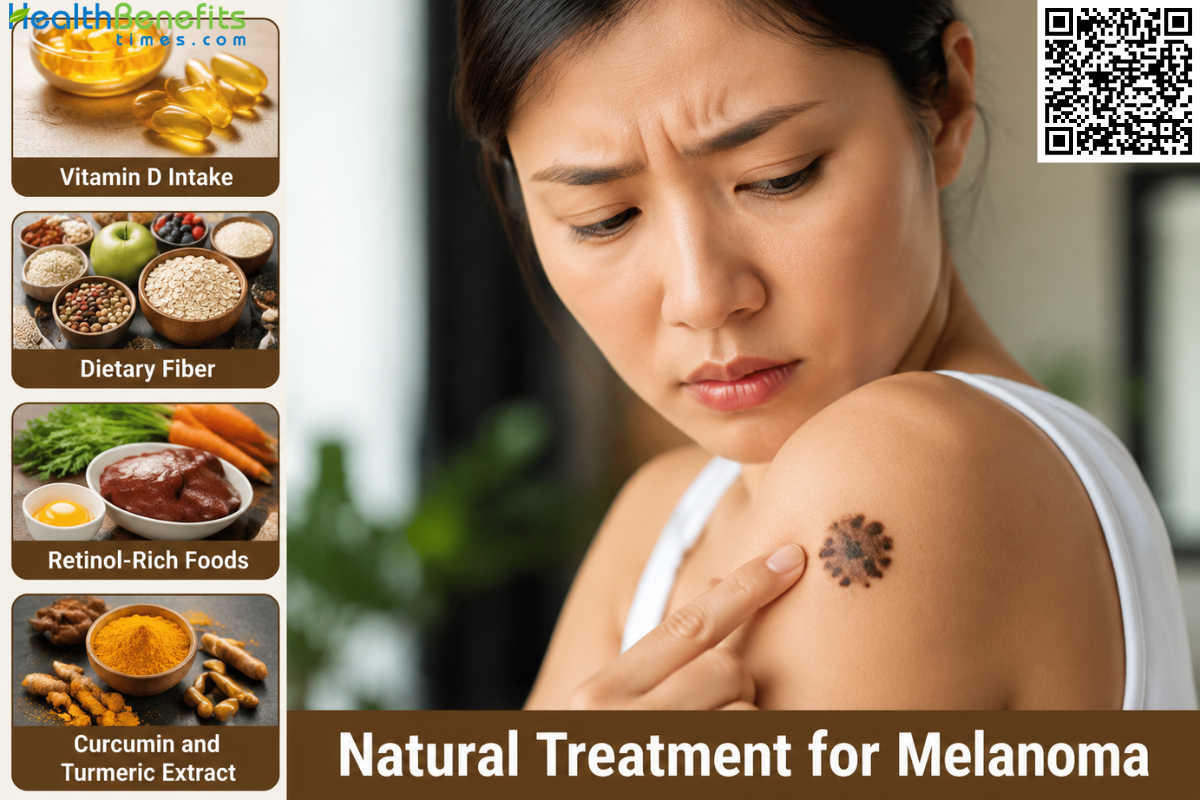
Melanoma is the most serious form of skin cancer, originating in the melanocytes the specialized cells responsible for producing melanin, the pigment that gives skin, hair, and eyes their color. It occurs when these cells undergo malignant transformation, often triggered by cumulative exposure to ultraviolet (UV) radiation from the sun or tanning beds. Unlike other common skin cancers that remain localized, melanoma is particularly dangerous because of its high propensity to invade surrounding tissue and spread to distant organs if not identified and treated early 1. While the exact cause involves a complex interplay of genetic predisposition and environmental factors, clinical diagnosis typically centers on identifying irregularities in the size, shape, or color of existing moles or the appearance of new, evolving skin lesions 2. Understanding these early warning signs is essential for improving prognosis and long-term health outcomes.
Causes of Melanoma
- Ultraviolet (UV) Radiation Exposure: Prolonged and intense exposure to UV rays, whether from sunlight or artificial sources like tanning beds, is the primary environmental cause of DNA damage in skin cells, leading to uncontrolled cell growth 3.
- Genetic Predisposition and Family History: Inherited mutations in specific genes, such as CDKN2A, significantly increase an individual’s susceptibility to developing the disease, particularly in those with a first-degree relative who has had a diagnosis 4.
- Skin Phenotype: Individuals with fair skin, light hair, blue or green eyes, and a tendency to burn rather than tan possess less natural protection against UV-induced DNA damage, which elevates their risk profile 5.
- Presence of Numerous or Atypical Moles: Having a high number of common moles or the presence of dysplastic nevi—moles that appear abnormal under a microscope—serves as a clinical indicator of increased risk for malignant transformation 1.
- Compromised Immune System: Individuals with weakened immune systems due to medical conditions or immunosuppressive medications face a higher likelihood of developing various skin cancers, as the body is less capable of identifying and destroying mutated cells 6.
Symptoms of Melanoma
- Asymmetry: One half of a mole or pigmented lesion does not match the appearance of the other half, representing a departure from the uniform shape typically seen in benign growths 7.
- Irregular Borders: The edges of a lesion appear ragged, notched, blurred, or poorly defined rather than smooth and distinct.
- Variable Coloration: The presence of multiple colors or shades—such as different tones of brown, black, tan, red, white, or blue—within a single lesion is a key clinical warning sign.
- Diameter Progression: A lesion that measures larger than 6 millimeters (roughly the size of a pencil eraser) warrants clinical evaluation, although melanomas can sometimes present smaller in their earliest stages.
- Evolution or Change: Any noticeable change in the size, shape, color, or texture of a mole, or the development of new symptoms such as itching, tenderness, bleeding, or crusting, is a significant indicator of potential malignancy 8.
Natural Treatment for Melanoma
1. Vitamin D Intake
How it may help
Vitamin D may help regulate cell growth and support the immune system’s ability to identify and respond to abnormal skin cells. By maintaining adequate levels, the body may better manage inflammation, which is a key factor in how cancer cells grow and spread throughout the body 9.
What research says
Recent studies suggest that individuals with higher baseline levels of Vitamin D often experience improved outcomes and better survival rates following a melanoma diagnosis. Evidence indicates that maintaining sufficient Vitamin D levels can support the effectiveness of standard clinical treatments and potentially slow the progression of the disease in some patients 9.
How to use it safely
To use Vitamin D safely, first consult your healthcare provider to check your blood levels through a simple test. Based on your results, they will recommend an appropriate daily dose. It is generally safer to obtain Vitamin D through fortified foods or prescribed supplements rather than direct sun exposure, which can worsen skin damage.
Potential precautions or side effects
Excessive intake of Vitamin D can lead to high calcium levels, causing kidney stones or heart rhythm issues. Always follow your doctor’s specific dosage instructions to avoid toxicity.
2. Dietary Fiber
How It May Help
Dietary fiber supports gut health by modulating the microbiome, which plays a critical role in systemic immune function. A healthy gut environment produces short-chain fatty acids that may enhance the body’s anti-tumor immune response. By promoting a diverse gut bacteria population, high-fiber intake may theoretically strengthen the effectiveness of standard immunotherapy treatments for melanoma 10.
What Research Says
Recent clinical studies suggest that patients with metastatic melanoma who consume higher amounts of dietary fiber exhibit improved responses to immune checkpoint inhibitor therapy. Research indicates that fiber intake correlates with longer progression-free survival rates. These findings emphasize the link between nutrition, the gut microbiome, and the systemic efficacy of cancer treatments 11.
How to Use It Safely
Incorporate a variety of whole, plant-based foods into your daily meals. Prioritize legumes, whole grains, fruits, and vegetables to naturally increase fiber intake. Start by gradually adding fiber to your diet to allow your digestive system to adjust, and ensure you drink plenty of water to prevent digestive discomfort.
Potential Precautions or Side Effects
Increasing fiber too quickly can cause temporary bloating, gas, or abdominal cramping. Always consult your oncology team before making significant dietary changes during active cancer treatment.
3. Retinol-Rich Foods
How It May Help
Retinol, a form of vitamin A, assists in maintaining healthy cell growth and immune system function. It plays a vital role in supporting skin health and may influence how cancer cells multiply. Adequate levels of vitamin A are essential for the body’s natural defense mechanisms against abnormal skin cell development 12.
What Research Says
Evidence regarding retinol and melanoma remains complex. While some studies suggest that high intake of vitamin A might be associated with a reduced risk of developing skin cancer, there is no clinical consensus that it serves as a primary treatment for existing melanoma. Current findings do not support the use of retinol as a standalone therapeutic intervention 13.
How to Use It Safely
Prioritize obtaining vitamin A through whole food sources like leafy greens, orange vegetables, and lean proteins rather than high-dose supplements. Maintain a balanced diet to ensure adequate intake. Always discuss your nutritional plan with your oncologist, as some dietary choices may interact with prescribed cancer therapies.
Potential Precautions or Side Effects
Excessive intake of vitamin A, especially through supplements, can lead to toxicity, causing nausea, dizziness, and organ stress. Consult your physician before using concentrated vitamin products.
4. Curcumin and Turmeric Extract
How It May Help
Curcumin is the primary active compound in turmeric, recognized for its anti-inflammatory and antioxidant properties. It may help by targeting specific signaling pathways that regulate the growth and survival of cancer cells. Furthermore, it can promote programmed cell death in abnormal cells, potentially hindering the progression of skin cancer development 14.
What Research Says
Current research demonstrates that while curcumin shows promise in laboratory and animal studies for inhibiting tumor growth and metastasis, clinical evidence for treating human melanoma is limited. It is not currently recognized as an effective monotherapy or a substitute for standard medical treatments like surgery or immunotherapy, requiring further large-scale human clinical trials 15.
How to Use It Safely
Turmeric is safest when used as a spice in cooking. If you choose to use concentrated curcumin supplements, do so under the strict guidance of an oncologist. Always disclose this usage to your healthcare provider to ensure it does not negatively impact the efficacy of your primary cancer treatments.
Potential Precautions or Side Effects
High doses of curcumin may cause digestive upset or interfere with blood-thinning medications. Consult your medical team to avoid dangerous drug interactions during your cancer therapy.
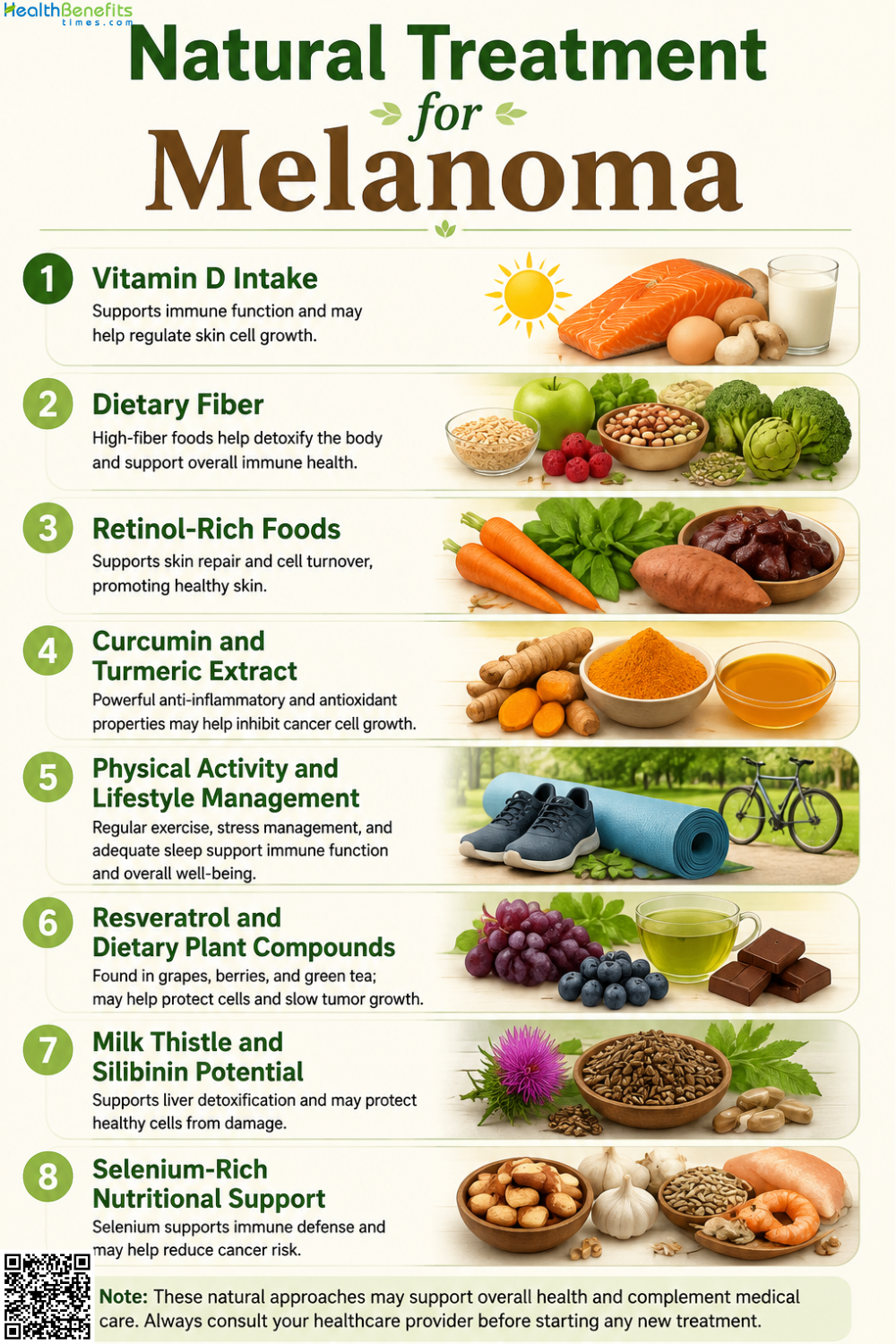
5. Physical Activity and Lifestyle Management
How It May Help
Regular physical activity helps regulate systemic inflammation and optimizes immune system function, which are critical for the body’s ability to recognize and fight malignancy. Consistent movement and healthy lifestyle habits—such as avoiding tobacco and limiting alcohol—reduce physiological stress, potentially supporting better tolerance to intensive medical treatments and improving overall metabolic health 10.
What Research Says
Evidence indicates that individuals who maintain higher levels of physical activity during and after cancer treatment often report improved quality of life and reduced fatigue. Research suggests that active lifestyles may contribute to better long-term health outcomes by supporting cardiovascular function and immune resilience, which are essential for those managing advanced skin cancer diagnoses 16.
How to Use It Safely
Engage in moderate-intensity activities, such as brisk walking, tailored to your current energy levels. Avoid high-intensity exertion if you are experiencing significant treatment side effects. Always coordinate your exercise routine with your oncology team to ensure the activity level is safe for your specific stage of treatment and recovery.
Potential Precautions or Side Effects
Overexertion may cause excessive fatigue or injury. Listen to your body and prioritize rest when needed. Discuss any new physical limitations with your doctor before starting.
6. Resveratrol and Dietary Plant Compounds
How It May Help
Resveratrol, a polyphenol found in grapes and berries, and other plant-based compounds may support melanoma management by inhibiting cancer cell growth and promoting programmed cell death. These substances may also reduce the ability of melanoma cells to migrate or invade surrounding tissues, potentially serving as an adjunctive approach to standard care.
What Research Says
Laboratory and animal studies demonstrate that resveratrol and compounds like quercetin can suppress tumor signaling pathways and enhance the effects of certain therapies. However, clinical evidence in humans remains limited. Currently, these compounds are not established as primary medical treatments for melanoma and require further large-scale human clinical trials to confirm efficacy.
How to Use It Safely
Prioritize whole, plant-based foods such as grapes, berries, and leafy greens as part of a balanced diet. If you are considering concentrated supplements, you must consult your oncologist first. Discussing all dietary additions ensures they do not interfere with the safety or effectiveness of your prescribed cancer medications.
Potential Precautions or Side Effects
High-dose extracts may cause digestive issues or interact with medications, including blood thinners. Always seek medical approval before adding concentrated supplements to your treatment regimen.
7. Milk Thistle and Silibinin Potential
How It May Help
Silibinin, the primary active component in milk thistle, is recognized for its potential to hinder the progression of melanoma cells. It may assist by disrupting signaling pathways that encourage tumor growth and survival, while simultaneously promoting the elimination of damaged cells. These properties are of ongoing interest for their possible role in supporting conventional therapeutic outcomes 14.
What Research Says
Preclinical research indicates that silibinin can suppress the growth and spread of melanoma in laboratory models. However, clinical evidence demonstrating its effectiveness in treating human melanoma patients is currently lacking. Further rigorous human studies are necessary before silibinin can be considered an evidence-based clinical intervention or an adjunct to standard oncology protocols 17.
How to Use It Safely
Always consult your oncologist before introducing milk thistle or silibinin supplements to your treatment plan. Because these substances can alter how your body processes medications, medical supervision is essential to ensure they do not interfere with the efficacy or safety of your prescribed cancer therapy.
Potential Precautions or Side Effects
Silibinin may cause gastrointestinal discomfort or allergic reactions. Most importantly, it can negatively interact with chemotherapy and other essential medications. Always seek medical approval before use.
8. Selenium-Rich Nutritional Support
How It May Help
Selenium is a vital trace mineral that functions as a powerful antioxidant, helping to protect cells from oxidative damage. It supports the immune system’s ability to identify and respond to malignant cells. By reducing cellular stress, adequate selenium levels help maintain the integrity of healthy tissues during the physiological challenges of cancer 18.
What Research Says
Clinical evidence regarding selenium as a direct treatment for melanoma is inconsistent. While some studies explore its role in supporting immune function, there is no definitive proof that selenium supplementation acts as a cure or an effective therapeutic agent for treating existing melanoma. Current findings do not support its use as a standard medical intervention 17.
How to Use It Safely
Prioritize food sources such as Brazil nuts, seafood, lean meats, and whole grains to meet your daily requirements. If your doctor recommends a supplement, do not exceed the recommended daily allowance, as excessive intake can lead to toxicity. Always verify the dosage and necessity with your oncology team first.
Potential Precautions or Side Effects
Excessive selenium intake can cause hair loss, nail brittleness, gastrointestinal distress, and fatigue. Consult your physician before using supplements to avoid the risk of selenosis.
Foods to Avoid When Managing Melanoma
To support overall health and the efficacy of cancer treatments, individuals should prioritize nutritional stability and avoid items that may compromise metabolic function or immune health.
1. Ultra-Processed Foods
High intake of ultra-processed items is linked to systemic inflammation and adverse metabolic health. These foods often lack necessary nutrients and may hinder the body’s immune response 10.
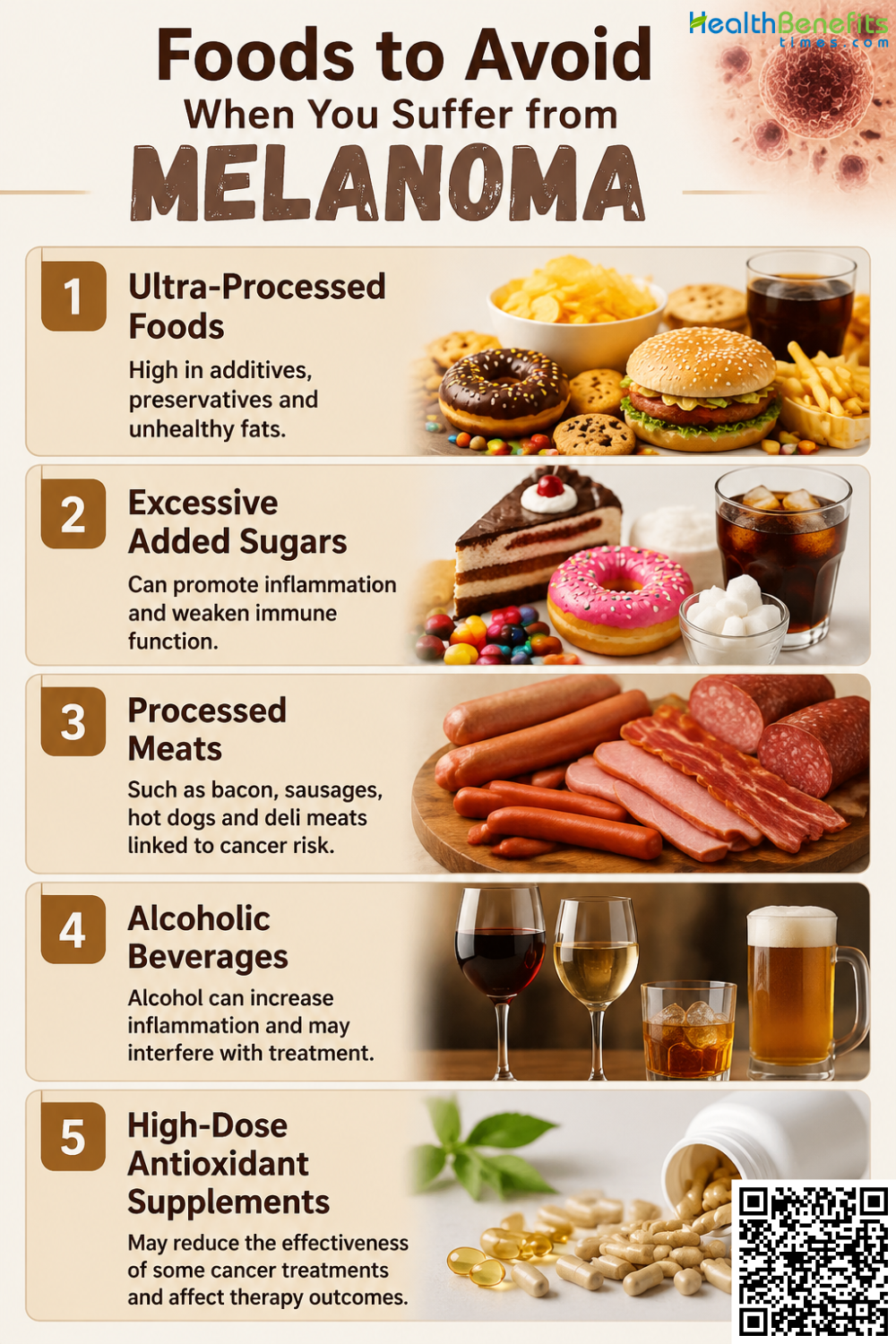
2. Excessive Added Sugars
Significant consumption of refined sugars contributes to insulin resistance and chronic inflammation. Elevated blood glucose levels can negatively impact the body’s ability to maintain optimal immune surveillance 12.
3. Processed Meats
Evidence indicates that high consumption of processed meats, such as sausages and deli meats, is associated with an increased risk of various malignancies and may promote inflammatory pathways 19.
4. Alcoholic Beverages
Alcohol can suppress immune system function and interfere with the metabolism of certain cancer therapies. Its consumption is known to increase oxidative stress within the body’s tissues 10.
5. High-Dose Antioxidant Supplements
While whole foods are beneficial, high-dose antioxidant supplements taken without medical guidance can occasionally interfere with the efficacy of certain chemotherapy and radiotherapy treatments 17.
When to Seek Medical Evaluation for Potential Melanoma
Early detection is the most effective strategy for managing melanoma, as timely diagnosis significantly improves prognosis and treatment success rates. Melanoma, a malignancy arising from pigment-producing cells, requires clinical evaluation when skin lesions exhibit specific changes or atypical features. Physicians utilize standardized assessment criteria to differentiate between benign growths and potential malignancies, ensuring that suspicious spots are biopsied or monitored appropriately. Because approximately half of all melanomas are initially identified by patients during self-examinations, understanding the warning signs is essential for proactive health management. You should consult a board-certified dermatologist if you observe any new or changing skin lesion, particularly if it deviates from your other moles or demonstrates evolving physical characteristics.
- Asymmetry: One half of the mole does not match the other half in shape or size. Healthy moles are typically uniform and symmetrical in appearance. 20
- Border Irregularity: The edges of the mole appear ragged, notched, blurred, or uneven rather than smooth and well-defined. This irregularity is a common warning sign. 20
- Color Variation: The lesion contains multiple colors or shades, such as brown, tan, black, red, white, or blue. A uniform color is generally expected in benign moles. 20
- Diameter Greater Than 6mm: While not all melanomas are large, lesions that are wider than a standard pencil eraser (approximately 6 millimeters) warrant professional inspection by a physician. 21
- Evolution or Change: Any mole or spot that changes in size, shape, color, or elevation is concerning. Additionally, new symptoms like persistent itching, tenderness, or bleeding require assessment. 21
- The “Ugly Duckling” Sign: If you notice a specific lesion that looks significantly different from the rest of your moles, it should be evaluated, even if it lacks other ABCDE features. 22
- Non-Healing Sores: Any skin growth or sore that fails to heal after several weeks should be examined by a dermatologist to rule out malignancy. 23