

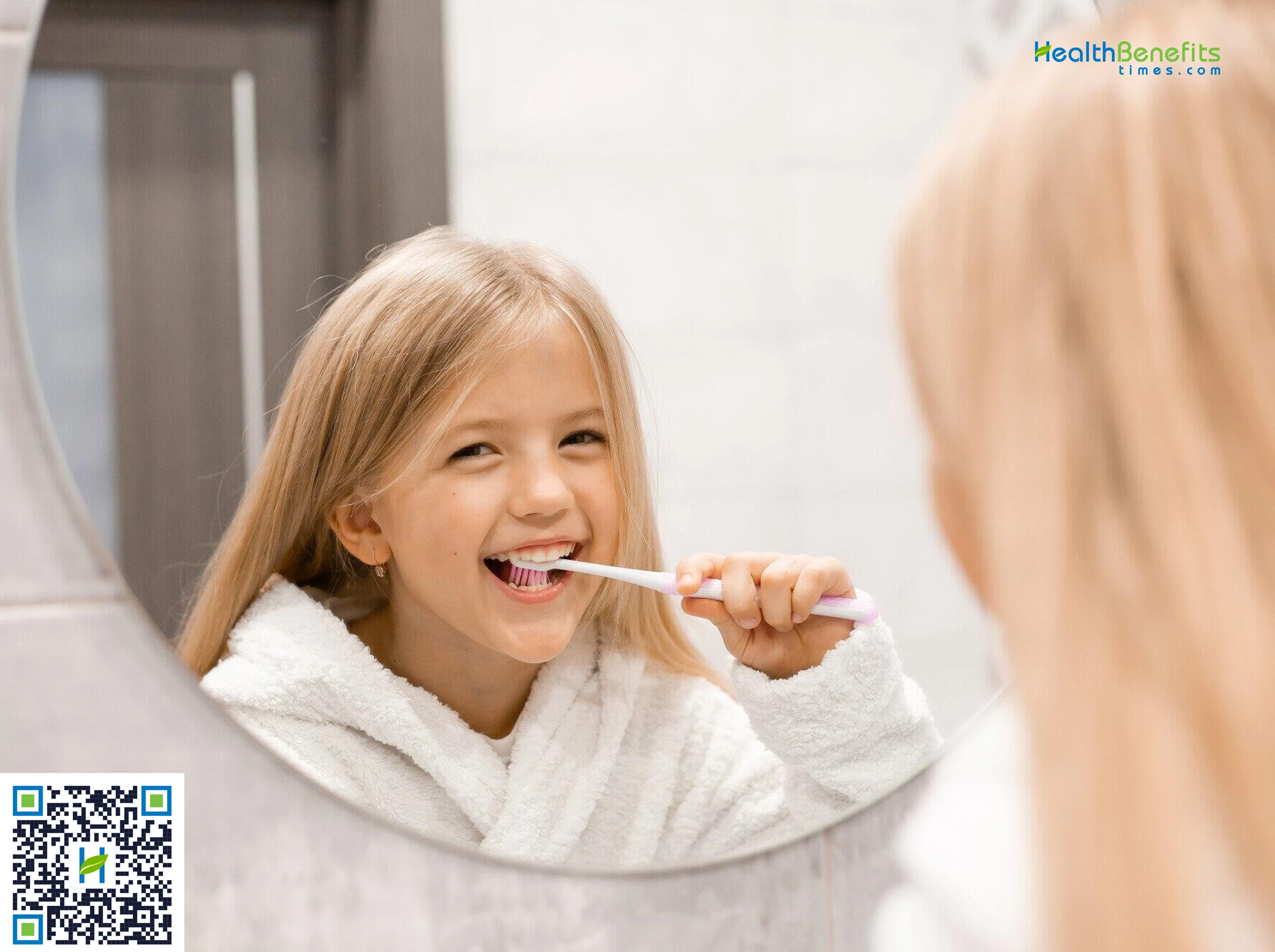
What if a few small changes today could help your child enjoy a healthier smile for years? Good children’s oral health starts with simple habits at home, healthy food choices, and regular visits to the dentist. These steps can help prevent tooth decay, gum problems, and pain that may affect eating, speaking, and learning.
Parents do not need a complex plan to protect young teeth, but they do need steady daily care. This guide shares easy ways to build healthy routines, make brushing fun, and keep your child’s smile strong as they grow.
Make Brushing A Daily Family Habit
Brushing twice a day is one of the best ways to protect children’s teeth. Use a soft toothbrush and a small amount of fluoride toothpaste to clean every tooth gently.
Young children often need help because they may miss spots or brush too quickly. Stay beside your child and guide the brush along the front, back, and chewing sides of each tooth. Make brushing part of the family routine, so children see that everyone cares for their teeth.
Teach Children To Brush Every Tooth
Children may focus on the front teeth because they are easy to see in the mirror. Show them how to move the brush in small circles and clean near the gum line without scrubbing too hard. Remind them to brush the back teeth, where bits of food and plaque can hide.
A two-minute timer can help children brush for long enough each time. Play a favorite song, use a simple brushing chart, or let your child choose a toothbrush with a fun design. Keep the mood calm and cheerful, and praise the effort rather than expecting perfect brushing right away.
Make Flossing Part Of The Routine
A toothbrush cannot reach every tight space between teeth, so food and plaque may stay there. Floss helps clean these areas and lowers the chance of cavities between teeth. Start flossing when two teeth touch, and help your child until they can handle the task well.
Use gentle movements to guide the floss between each pair of teeth. Curve it around one tooth, then the other, and move it carefully under the gum edge without snapping it down. If regular floss is hard to use, ask a dentist whether floss picks may make the job easier for your child.
Serve Foods That Help Build Strong Teeth
Food choices can affect how well teeth grow and how often cavities form. Offer meals with vegetables, fruit, eggs, beans, whole grains, and other foods that provide key nutrients. Calcium-rich foods, such as milk, plain yogurt, and cheese, help support strong teeth and bones.
Crunchy foods like carrots and apples can add texture to meals, but they do not replace brushing. Try to serve whole fruit more often than juice, since fruit juice can contain a lot of sugar. A balanced diet gives children the nutrients they need while helping families build healthy eating habits.
Cut Back On Sugar And Sticky Snacks
Germs in the mouth use sugar from food and drinks to make acids that attack tooth enamel. Frequent sugary snacks can give these acids more chances to harm teeth during the day. Candy, sweet biscuits, cakes, and sticky treats can cling to teeth, so offer them less often.
Check food labels for added sugar and choose plain options when you can. If your child has sweets, serve them with a meal rather than letting them snack on them for hours. Set regular snack times and offer water between meals to help limit repeated acid attacks on teeth.
Make Water The First Drink Of Choice
Water is a simple drink that helps keep the mouth clean and washes away loose food bits. When water contains fluoride, it can also help protect teeth from decay. Keep a reusable water bottle nearby so your child can drink water at school, during play, and after sports.
Sweet drinks can raise the risk of cavities, especially when children sip them throughout the day. Soda, sports drinks, fruit drinks, and sweetened tea may contain sugar or acids that harm teeth. Save these drinks for rare occasions and avoid putting sugary drinks in a baby’s bottle or a child’s bedtime cup.
Protect Baby Teeth From The Start
Baby teeth matter because children use them to chew food, speak clearly, and hold space for adult teeth. Tooth decay in baby teeth can cause pain and may affect sleep, eating, and play. Begin cleaning a baby’s mouth early, and brush the first tooth as soon as it appears.
Use a soft infant brush and a tiny amount of fluoride toothpaste as advised for your child’s age. Do not let a baby fall asleep with a bottle of milk, formula, juice, or another sweet drink. If your baby needs a bottle at bedtime, fill it with water and ask your dentist for advice on feeding and tooth care.
Build A Calm And Positive Dental Routine
Some children feel nervous about brushing or visiting a dentist, especially when the experience is new. Speak in simple, positive words and explain each step before you begin. Avoid using dental visits as a threat or telling scary stories about pain.
Let your child hold the toothbrush, pick a flavor of toothpaste, or brush a toy’s teeth first. A picture chart or small reward for following the routine can help make daily care feel fun. If your child refuses to brush, stay patient, offer a simple choice, and try again without turning it into a fight.
Schedule Dental Visits Before Problems Begin
Regular dental visits help find small problems before they become painful or harder to treat. A dentist can check tooth growth, look for early decay, and show your family how to care for teeth at home. Children should have their first dental visit by their first birthday or within six months after the first tooth appears.
After that first visit, the dentist can suggest how often your child should return based on their needs. Keep appointments even when the teeth look healthy, because early cavities may not cause pain or show clear signs. These visits also give children a chance to get used to the clinic and feel more at ease over time.
Know The Early Signs Of Tooth Trouble
Tooth problems may start with white spots, dark marks, sore gums, or pain when eating. Your child may also avoid cold foods, chew on one side, or wake at night with a toothache. Watch for changes and ask a dentist to check any sign that worries you.
Do not wait for severe pain before seeking dental care. Swelling in the face or gums, fever with tooth pain, or trouble swallowing needs urgent attention. If your child has trouble breathing or swelling that spreads quickly, seek emergency medical help right away.
Keep Teeth Safe During Play And Sports
Children can chip or knock out teeth while running, riding bikes, or playing sports. A well-fitted mouthguard can help protect the teeth and mouth during contact sports and other activities with a risk of impact. Ask your dentist which type is right for your child’s age and sport.
Make helmets and other safety gear part of outdoor play when needed. If a permanent tooth is knocked out, hold it by the crown, not the root, and get urgent dental help. If possible, keep the tooth moist in milk or a tooth preservation kit while you travel, and never try to force it back into place if doing so is unsafe.
Help Children Break Habits That Harm Teeth
Some habits can affect teeth when they continue for a long time. Thumb sucking and pacifier use are common in babies and young children, but ongoing use may change how teeth line up. Speak with a dentist if the habit continues as permanent teeth begin to appear.
Try gentle reminders and praise when your child chooses not to suck a thumb or use a pacifier. Never shame or punish a child for a habit that may help them feel safe. A calm plan and support from a dental professional can help your child make progress at a pace that feels manageable.
Work With A Trusted Dental Team
Parents do not have to manage every part of dental care alone. A child-friendly clinic can explain brushing, fluoride, food choices, and the right time for future visits in clear terms. Choose a dental office where your child feels heard and where staff take time to answer your questions.
For support with your child’s changing dental needs, connect with a Dental Team that puts comfort and prevention first. Share any concerns about tooth pain, brushing struggles, or fear of treatment during the visit. Working together helps you make a care plan that fits your child’s age and daily life.
Build Healthy Smiles With Small Daily Steps
Healthy smiles begin with small steps that children practice every day. Making children’s oral health a family goal can help prevent cavities, protect gums, and build habits that last. Brush twice daily, floss between touching teeth, offer water, and serve foods that help teeth grow strong.
Keep dental visits regular, even when your child has no pain or clear signs of trouble. Stay patient as your child learns, and ask a dentist for help when needed. Start with one simple change today, and build a routine that supports a healthy smile for years to come.
Did this guide help you? Browse the rest of this section for more advice on a variety of topics.