

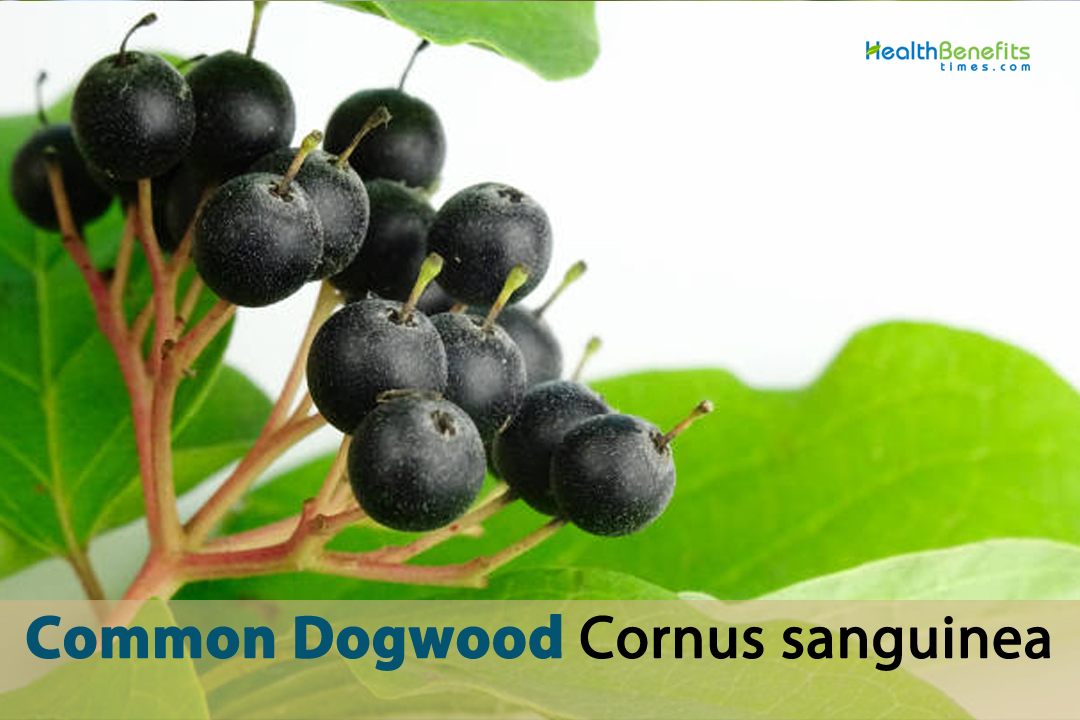
| Common Dogwood Quick Facts | |
|---|---|
| Name: | Common Dogwood |
| Scientific Name: | Cornus sanguinea |
| Origin | Europe, turkey, the Caucasus and western Asia |
| Colors | Green at first, but turn a bright red or dark purple as they mature |
| Shapes | Globose black berry 5–8 millimetres (0.2–0.3 in) diameter, containing a single seed |
| Taste | Sour and astringent in taste |
| Health benefits | Anti-inflammatory properties, Immune-boosting properties, Antiviral properties, Digestive health, Skin health, Natural antipyretic, Cardiovascular health, Respiratory health, Pain relief |
| Name | Common Dogwood |
|---|---|
| Scientific Name | Cornus sanguinea |
| Native | Temperate regions of Europe, turkey, the Caucasus and western Asia, from England and central Scotland east to the Caspian Sea |
| Common Names | Bloody twig, Blood twig dogwood , Common dogwood, Dogberry, Dogwood, Pegwood, Red dogwood, Flowering Dogwood, Pacific Dogwood, Cornelian Cherry Dogwood, Red Osier Dogwood, Gray Dogwood, Silky Dogwood, Swamp Dogwood, European Dogwood, Japanese Dogwood, Korean Dogwood, Rough-Leaf Dogwood, Green Osier Dogwood, Round-Leaved Dogwood, Alternate-Leaved Dogwood, Pagoda Dogwood |
| Name in Other Languages | Afrikaans: Blinkblaar Albanian: Thane Aragonese: Cornera de lobo, cornejo, pelaburros, pichasangres, sangonillo, sangrinera, sangueñero, sangueño, sanguil, sanguín, sanguine, sanguinera, sanguiñera, sanguniño, sanllic, sanguinero Albanian: Dogwood Amharic: Wisha inich’eti (ውሻ እንጨት) Arabic: Qarania (قرانيا), quraniana damawia (قرانيا دموية) Armenian: Shan p’ayt (շան փայտ), Chapki arnakarmir (Ճապկի արնակարմիր) Asturian: Carrampuya, cornapuya, cuernampúa Azerbaijani: Köpək ağacı, Cənub qaramurdaçası Basque: Zuhandor, zuhandorra Belarusian: Svidzina kryvava-čyrvonaja (свідзіна крывава-чырвоная) Bengali: Dogwood (dôgˌwo͝od) Bulgarian: Kucheshki dryan (кучешки дрян), kuchi dryan (кучи дрян) Burmese: Hkwayruu (ခွေးရူး) Catalan: Corner, corniol, curné, matabou, pelabou, sangrell, sanguinella, Sanguinyol, Chinese: Yú (萸), Ōuzhōu hóng ruìmù (欧洲红瑞木),Zhàshù huā (柞树花) Croatian: Sviba, svibovina Czech: Dřín, svída krvavá Danish: Kornel, Rød Kornel Dutch: Kornoelje, Rode kornoelje, Gewone kornoelje English: Dogwood, Bloody twig, Blood twig dogwood , Common dogwood, Dogberry, Dogwood, Pegwood, Red dogwood. Esperanto: Hundo, Ruĝa kornuso Estonian: Dogwood, Verev kontpuu Euskera: Barbandola, belzurda, judas eguirrá, Judas-egurr, zibilindúr, zilimindúr, zilindúr, zilindúrri, zimaldorr, zimendúr, zimindúr, zimindúrri, zuaindur, zuaindurra, zuandor, zuandurra, zubandúr, zugarrandúl, zugarrandúr, zugarrandúrro, zuhandor gorri, zumendúr, zumendúz, zungandúr, zurrandor Filipino: Dogwood Finnish: Dogwood, Mustamarjakanukka French: Cornouiller, Cornouiller sanguin, Bois puant, Bois punais, bois fusain, bois rouge, cornouiller femelle, cornouiller rouge, fraisillon, olivier de Normandie, puègne blanx, sang-vin, sanguin, sanguine, sauvignon, Cornouiller commun Galician: Arbor da rabia, arbor frio, árbore de rábea, Conbhaiscne, sambuguín, sambuguino, sangovin, sangoviño, sangubino, sanguinho, sangumín, virgondoiro, zangariñeira, Sangomiño Georgian: Nadzvis khe (ნაძვის ხე) German: Hartriegel, Blutroter Hartriegel, Blutrute, Roter Hartriegel, Rød kornel, Hundsbeere, Roter Hornstrauch, Rotes Beinholz, Bluthartreigel, Hornstrauch, Rothartriegel, Gewöhnlicher Hartriegel Greek: Dogwood, Agriokraniá (Αγριοκρανιά), Vyzokraniá (Βυζοκρανιά), Kraniá i aimatódis (Κρανιά η αιματώδης) Gujarati: Ḍōgavuḍa (ડોગવુડ) Hausa: Kare Hebrew: דוגווד High Aragonese: Cornera de lobo, pichasán, pichasangre, sangonillo, sangriñera, sanguil, sanguín, sanguinera, sanguiñero, , sanguine, sanguine, sangunillo, sanllic Hindi: Dogwood Hungarian: Somfa, veresgyűrű som Icelandic: Hundaviður Indonesian: Dogwood Irish: Dogwood, Conbhaiscne Italian: Corniolo, Sanguina, Corniolo sanguinello, Sanguinella, Corniolo comune Japanese: Hanamizuki (ハナミズキ) Javanese: Dogwood Kannada: Ḍāgvuḍ (ಡಾಗ್ವುಡ್) Kazakh: Itžek (итжек) Korean: Cheungcheung (층층), gaenalinamu (개나리나무) Kurdish: Darika kûçik Lao: Dogwood Latin: Cornus Latvian: Kizils, asinssarkanais grimonis Lithuanian: Sedula, Raudonoji sedula Macedonian: Drveno drvo (дрвено дрво), Crn Dren (Црн Дрен) Malagasy: Dogwood Malayalam: Dēāgvuḍ (ഡോഗ്വുഡ്) Maltese: Dogwood Marathi: Ḍŏgavuḍa (डॉगवुड) Mongolian: Dogwood Nepali: Ḍagavuḍa (डगवुड) Norwegian: Dogwood, Villkornell Occitan: Cornièr sanguinòl, esclamè, herdùlh, hùst-pùt, pudis, sangul Oriya: କୁକୁର Pashto: سپي Persian: چوب سگ, ال قرمز Picard: Puhin·nhe Polish: Dereń, Dereń świdwa Portuguese: Dogwood, árbore de rábea, árbore fría, pilriteiro femea, sangomiño, sanguinho, sanguinho legítimo, Corniso comum Punjabi: Ḍaugavuḍa (ਡੌਗਵੁੱਡ) Romanian: Dogwood, sânger Russian: Kizil (кизил), doren krasnyy (дёрен красный), svidina krovavo-krasnaya (свидина кроваво-красная), Drevesina kizil’nika (Древесина кизильника) Scots: Common Dugwid Serbian: Dogvood (догвоод) Sindhi: ڊاگوَر Sinhala: Dogvuḍ (ඩොග්වුඩ්) Slovak: Svib krvavý, drieň krvavý Slovenian: Pasji les, rdeči dren Spanish: Madera del perro, Cornejo sanguine, albellanino, árbol de las cuatro caras, árbol frío, barbaija, cerezo de monte, cerezo falso, cornahuelo, cornejo común, cornejo encarnado, cornejo, cornejo hembra, cornejo rojo, cornejo silvestre, corno durillo, corno hembra, corno salvaje, cuerno, durillo encarnado, escuernacabra, malmadurillo basto, palo hierro, pata de perdiz, sangüeña, sangueño, sangüeño, sanguillo, sanguine, sanguine, sanguiñuela, sanguño, vara sangrienta, virga sanguinea, zangüeño, Rdeči dren, sanapudio blanco, sanguinuelo Sundanese: Dogwood Swedish: Dogwood, Benved, Hårdved, Skogskornell, Vildkornell, Mustamarjakanukka Tajik: Dogvud (Догвуд) Tamil: Ṭākvuṭ (டாக்வுட்) Telugu: Dogwood Thai: T̂n dxk wūd (ต้นดอกวูด) Turkish: Kızılcık sopası, Adi kizilcik, kiren Ukrainian: Kizil (кизил), deren-svydyna (дерен-свидина), deren kryvavo-chervonyy (дерен криваво-червоний), svydyna krov’yana (свидина кров’яна) Upper Sorbian: Čerwjeny drěn Urdu: ڈاگ ووڈ Uzbek: Dogwood Valencian: Sanguiñol roig, sanguinyol, sanguinyol roig Vietnamese: Cây dương Welsh: Dogwood, cwyrosyn, Cornel, Cwyrol, Cwyros, Cwyrosyn, Cwyrwialen, Pren Ci, Cwyrosyn cwyros Zulu: Izinkuni |
| Plant Growth Habit | Upright, round-topped, spreading, twiggy, multi-stemmed, medium to large deciduous shrub |
| Growing Climates | Variety of habitats, including temperate woodlands, woodland edges, scrub and hedgerows, rocky slopes, forests, along streams and riversides, particularly in shady areas and ravines and margins of forests or unforested areas |
| Soil | Grows best in moist, well-drained soils that are rich in organic matter. It can tolerate a wide range of soil types, including sandy, loamy, and clay soils, as well as acidic or alkaline pH levels. Normally it prefers well-draining substrates that are kept consistently moist and slightly acidic |
| Plant Size | 2-4 meters (6-13 feet) and a width of 2-3 meters (6-10 feet) |
| Root | Shallow root system that spreads out wide, but not very deep |
| Bark | Bark of the stem is smooth and grey in color when young, but as the plant ages, it becomes more rough and scaly, with patches of brown and grey |
| Branchlets | Branchlets reddish brown, with appressed trichomes at first, later glabrous, lenticels apparent on older wood |
| Stem | Size of the stems can change depending on how old the bush is and how big it is. When a plant is fully grown, its stems can be up to 1 foot in diameter, |
| Leaf | Leaves are opposite, 4–8 centimeters (2–3 in) long and 2–4 centimeters (0.8–1.6 in) broad, with an ovate to oblong shape and an entire margin |
| Flowering season | April to June |
| Flower | Hermaphrodite flowers are small; 5–10 millimeters (0.2–0.4 in) diameter, with four creamy white petals, produced in clusters 3–5 centimeters (1–2 in) diameter, and is insect pollinated. |
| Fruit Shape & Size | Fruit is a globose black berry 5–8 millimetres (0.2–0.3 in) diameter, containing a single seed |
| Fruit Color | Green at first, but turn a bright red or dark purple as they mature |
| Seed | Small, oval-shaped seeds of the Common Dogwood plant are held in a small, red berry |
| Taste | Sour and astringent in taste |
| Plant Parts Used | Inner barks, bark, berries roots, leaves |
| Propagation | By seeds or hardwood cuttings |
| Season | August to October |
| Health benefits |
|
Plant Description
The common dogwood is a plant that loses its leaves in the fall. It usually grows straight up, has a round top, and spreads out. It has a twiggy, multi-stemmed appearance, and it can grow to be between 2 and 4 meters (6 to 13 feet) tall and 2 to 3 meters (6 to 10 feet) wide. It can grow up to 6 meters (20 feet) tall and as wide if the conditions are right. The size of the plant relies on things like how old it is, how it grows, and how often it has been pruned.
This shrub grows in a variety of places, such as temperate woods, woodland edges, scrub and hedgerows, rocky slopes, forests, along streams and rivers, especially in shady areas, ravines, and the edges of forests or unforested areas. It likes grounds that are moist, well-drained, and full of organic matter. The common dogwood can grow in a wide range of soils, including sandy, loamy, and clay soils. It can also grow well in both acidic and alkaline pH levels. It grows best in soils that are always wet, slightly acidic, and have good drainage.
Roots
The common dogwood, or Cornus sanguinea, has fibrous, shallow roots that spread out and cover a large amount of soil. Most of the time, these roots are thin and don’t go very deep into the dirt. The roots of the shrub can also grow together to make a thick mat close to the surface. This helps stop soil erosion and makes the soil more stable.
Like most shrubs, the main job of Cornus sanguinea’s roots is to hold the plant down in the earth and give it water and important nutrients. The root system is also very important for the plant’s overall health and growth because it helps the plant take in minerals and other vital nutrients from the soil.
Stem
The grayish-brown bark on the roots of the Common Dogwood bush is smooth and hard. Most of the time, they grow straight up, and their many branches make a tight, round head. The size of the stems can change depending on how old the bush is and how big it is. When a plant is fully grown, its stems can be up to 1 foot in diameter, while the stems of younger plants may be smaller. When a plant is young, its stems grow quickly, but as it gets older, this rate slows down. The growing rate of the stems can also be affected by things like the type of soil and how much water is available.
Leaves
The Common Dogwood bush has simple, opposite, and ovate-shaped leaves. Most of the time, they are between 4 and 10 centimeters long and 2 to 6 centimeters wide, with a smooth edge and a sharp tip. On the stem, the leaves are in pairs, and each pair is at a right angle to the pair above and below it. They are dark green and have a smooth, shiny surface. In the fall, the leaves turn a beautiful red or purple, which adds to the beauty of the plant as a whole.
The leaves of the Common Dogwood are not only beautiful, but they are also very important to the process of photosynthesis. They have a pigment called chlorophyll, which takes in light and turns it into chemical energy. Animals like deer and bunnies, which eat the leaves and twigs of the plant, depend on the leaves as a main food source. Overall, the leaves are a very important part of the plant. They play a key role in photosynthesis and feed animals. Because of the bright fall colors, this shrub is a popular choice for farmers and landscapers.
Flowers
Most of the time, the Common Dogwood’s flowers are small and white, and they grow in groups called cymes. They usually bloom in late spring or early summer, between May and June, based on where they are and the weather. The flowers are a dull white or creamy white color, and they are grouped in a flat-topped inflorescence that is 4-5 cm wide and has a long peduncle but no involucre of bracts. Each flower has four spreading, lance-shaped petals that are 4–7 mm long and a clump of yellow pollen-producing stamens in the middle. There is also a yellowish ring of nectar inside the flower.
Cornus sanguinea has flowers that are hermaphroditic, which means they have both male and female reproductive parts. This means that the flowers can self-fertilize or be pollinated by insects. They are very important for getting pollinators like bees and butterflies to visit the plant. The nectar and pollen from the flowers are important food sources for many kinds of animals. In general, the flowers are a beautiful and important part of the life cycle of the plant. They are very important for pollination, making fruit, and giving food to birds and animals.
Fruits
The Common Dogwood’s fruit is a small, round, red berry that is shiny and has a diameter of about 6–10 millimeters and only one seed. Depending on where you live and the weather, the fruit usually comes into season in late summer or early fall. The berries are green when they are young, but as they grow, they turn a deep, shiny red. Even though the fruit can be eaten, it doesn’t taste good to people because it is sour and bitter.
But the fruit of Cornus sanguinea is an important food source for many birds and small animals, like thrushes, finches, and squirrels. These animals eat the fruit in the fall and winter, which helps spread the seeds and keep the plant alive. Also, the Common Dogwood’s fruit can be used to treat illnesses. It has been used in Europe for a long time to treat things like colds, flu, and fevers. The fruit has a lot of vitamins, which have been shown to help reduce inflammation and boost the immune system. Overall, the fruit of Cornus sanguinea is a useful and important part of the life cycle of the plant. Wildlife can eat it, it helps the plant grow, and it can be used to treat some health problems.
Seeds
The small, oval-shaped seeds of the Common Dogwood plant are held in a small, red berry that ripens in late summer or early fall. When the fruit is ready, it splits open to show the brown seed that has a hard, woody shell. Most of the time, birds and small animals that eat the fruit and then pass the seeds through their feces are responsible for spreading the seeds.
Cornus sanguinea can’t live without its seeds. They are an important part of the plant’s life cycle. They are important for the plant’s reproduction and provide food for animals. The process of animals spreading seeds helps the plant grow and stay alive in many different places. In general, the Common Dogwood’s seeds are a useful part of the plant that helps both the plant and the ecosystem around it.
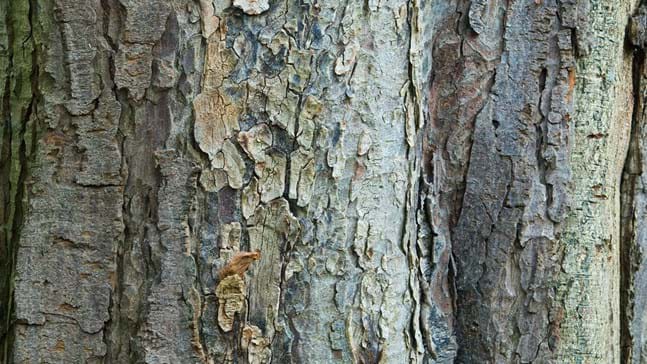 Bark-of-Common-Dogwood
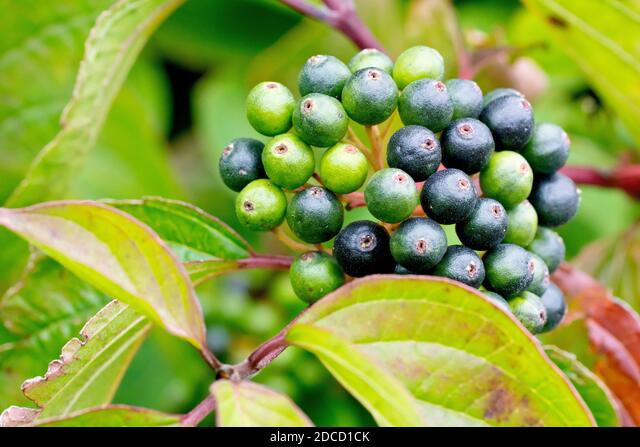 Immature-fruits-of-Common-Dogwood
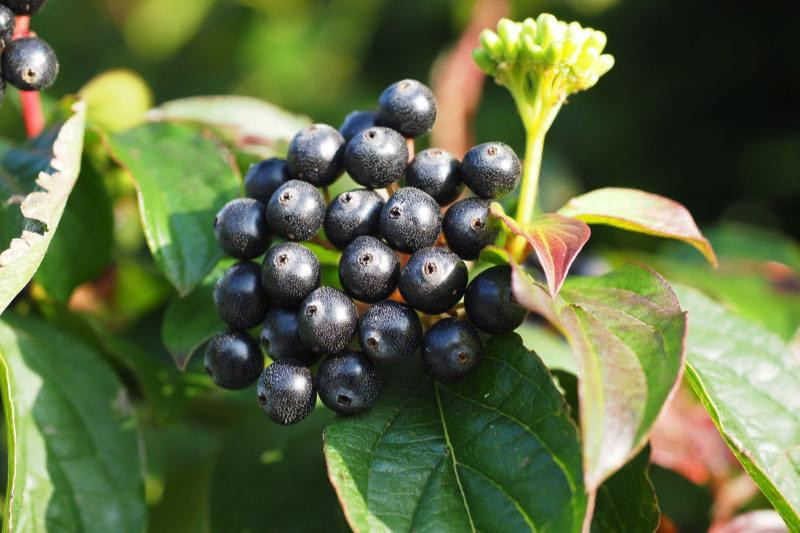 Closer-view-of-Mature-fruits-of-Common-Dogwood
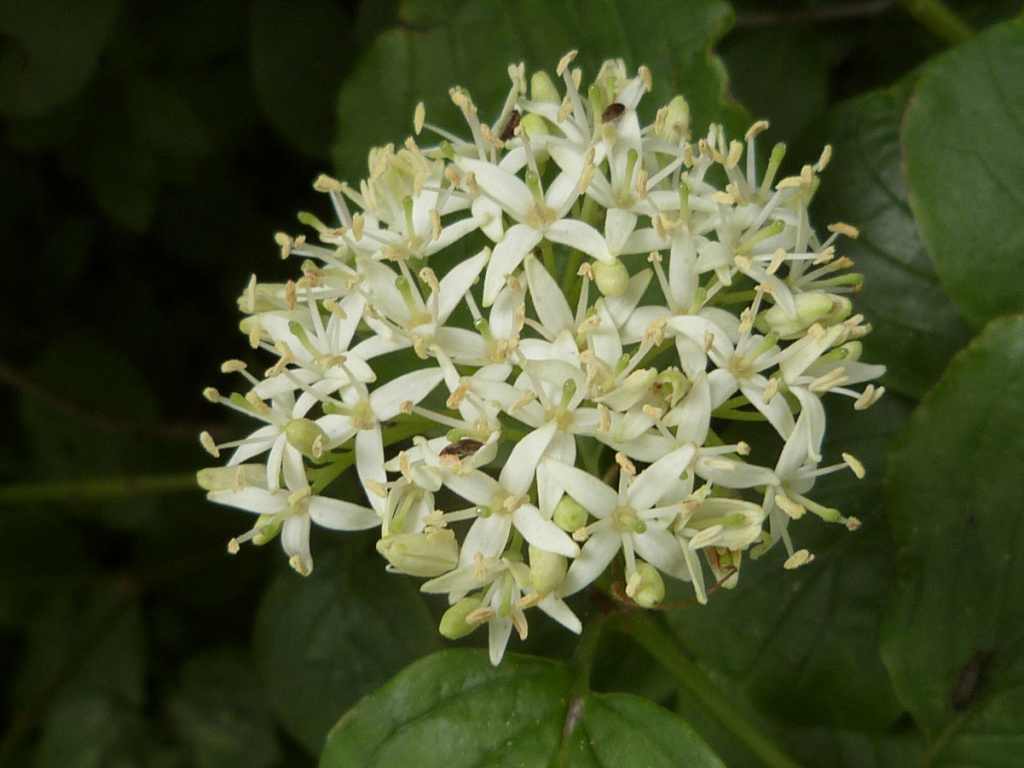 Flowers-of-Common-Dogwood
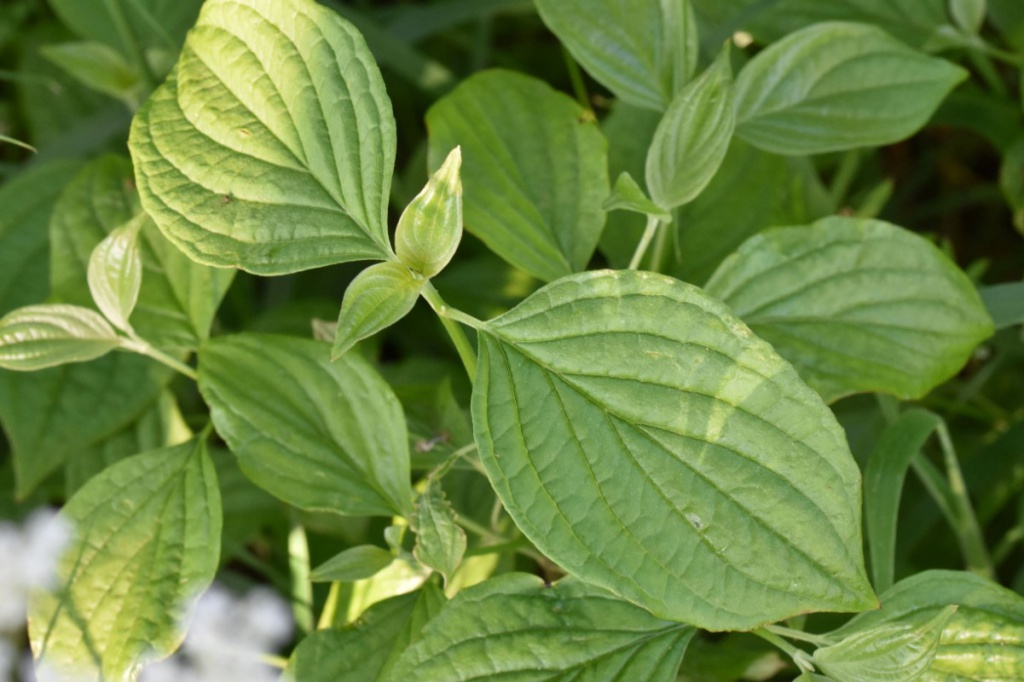 Leaves-of-Common-Dogwood
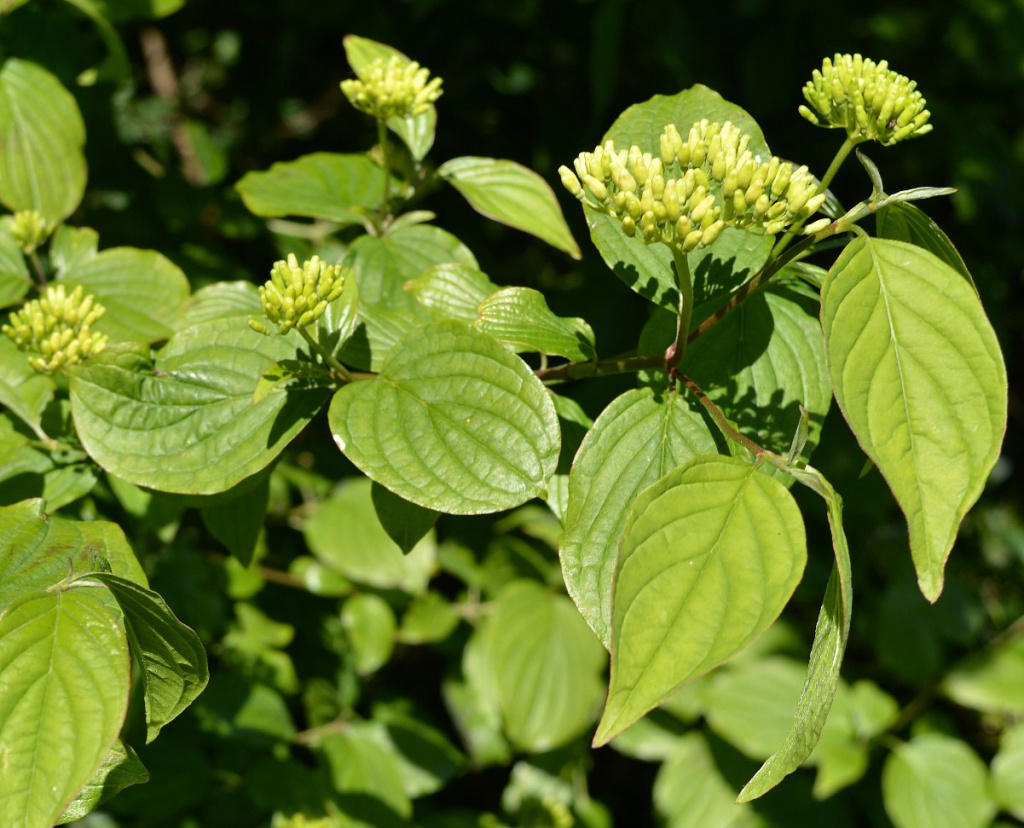 Flowering-buds-of-Common-Dogwood
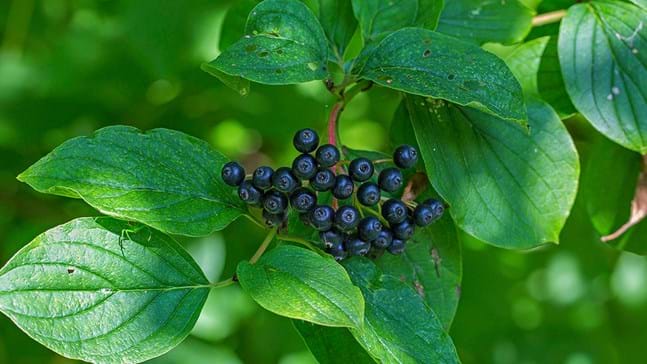 Mature-fruits-of-Common-Dogwood
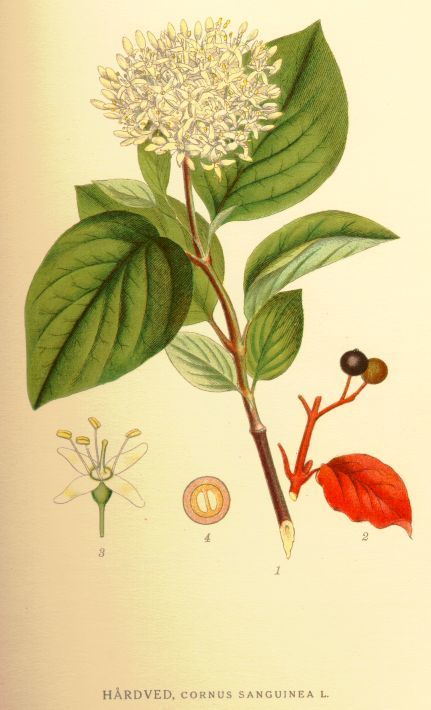 Plant-Illustration-of-Common-Dogwood
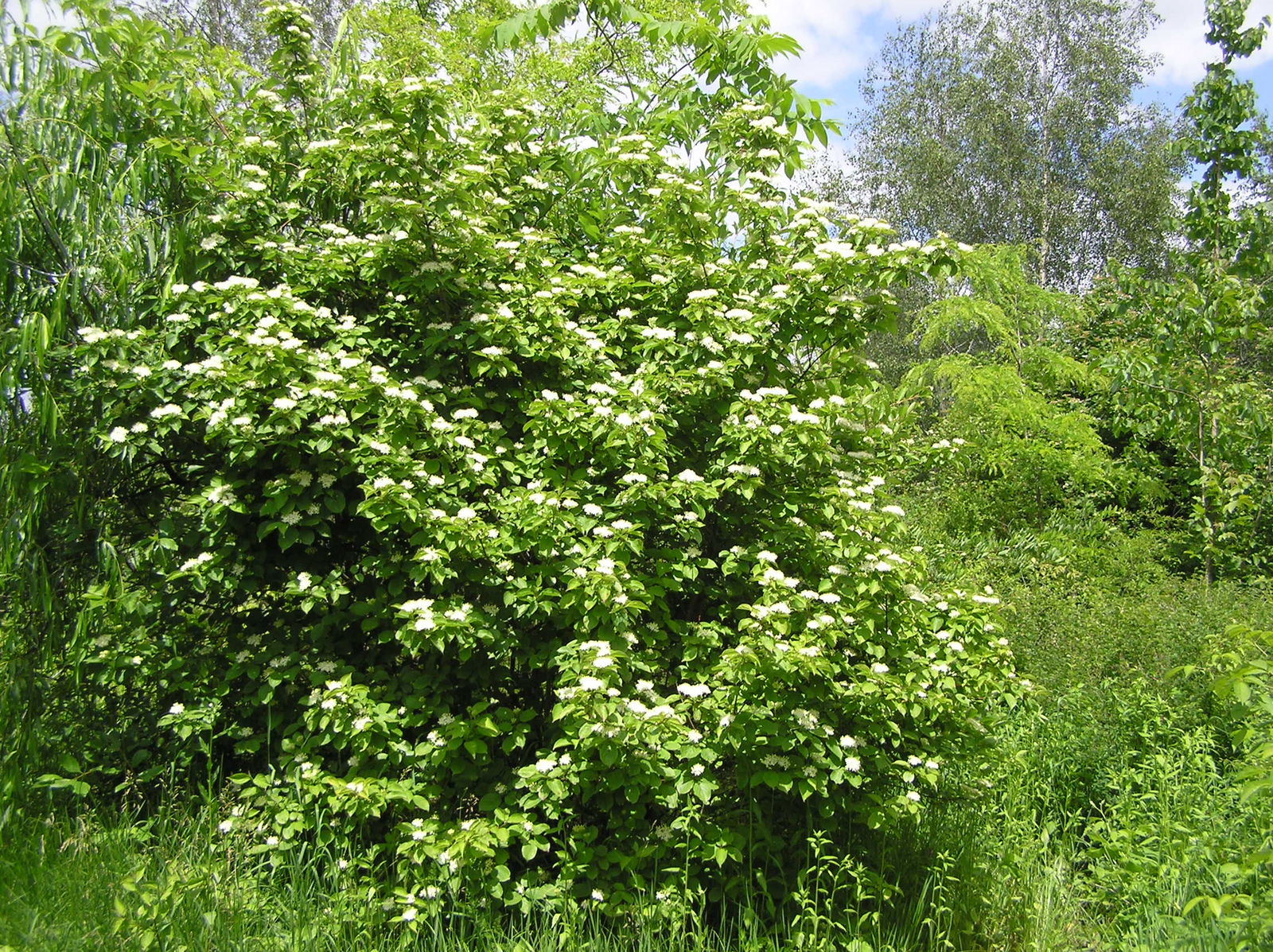 Common-Dogwood-plant-growing-wild
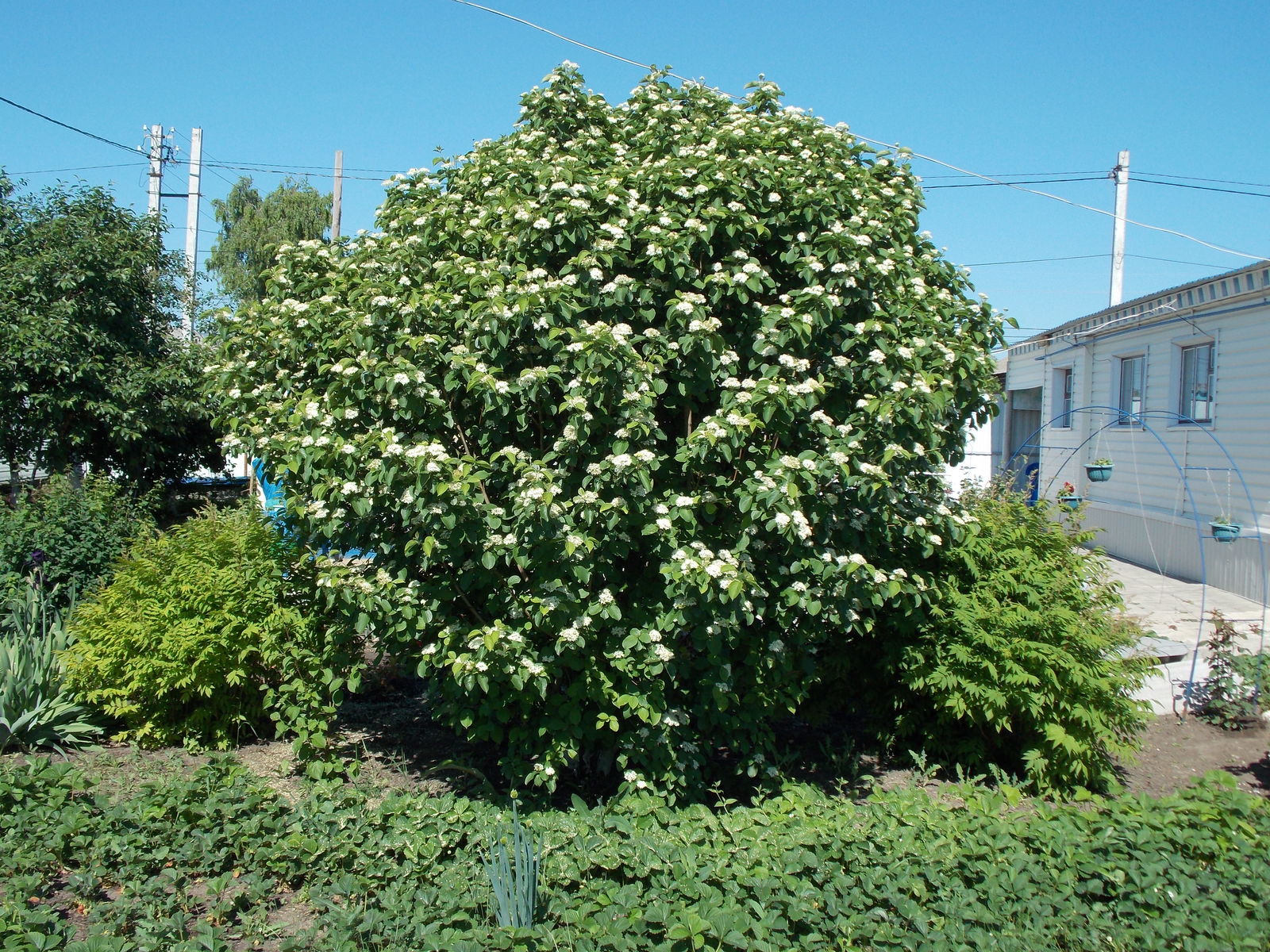 Common-Dogwood-plant
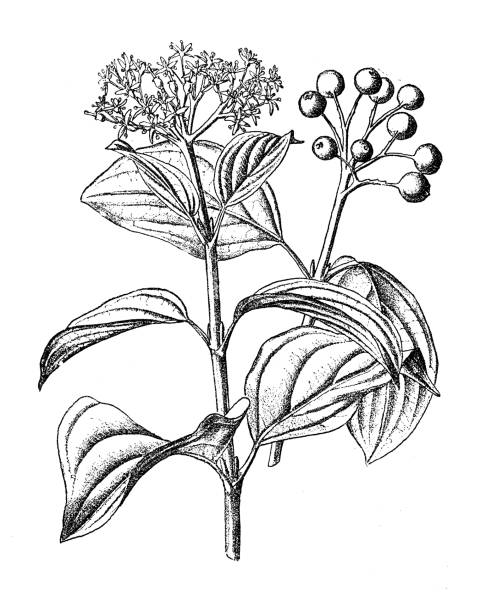 Sketch-of-Common-Dogwood
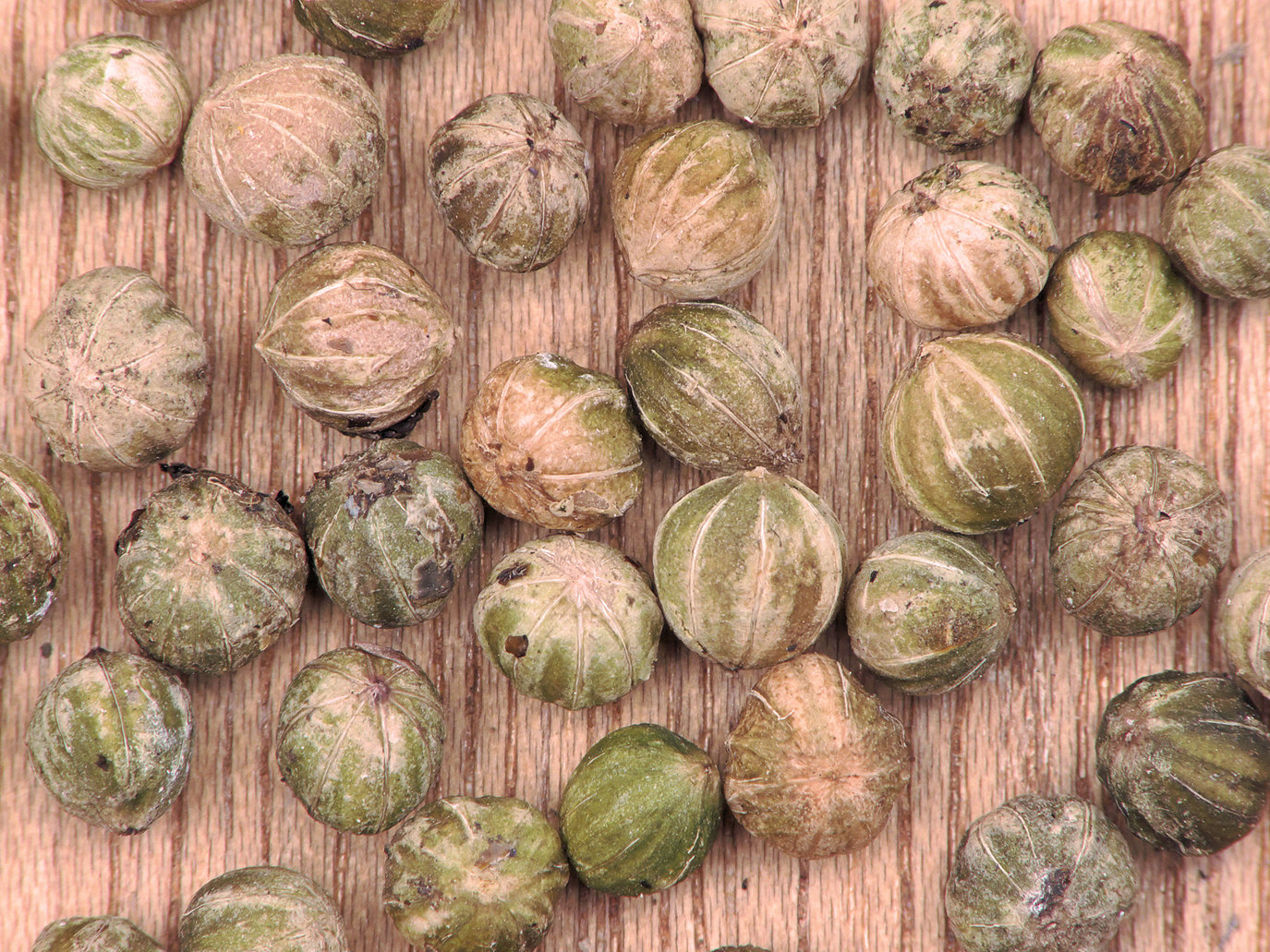 Seeds-of-Common-Dogwood
Health benefits of Common Dogwood
People know that the Common Dogwood plant, which is also called European Red Dogwood, is good for your health in many ways. Listed below are some of the potential health benefits associated with this plant:
1. Anti-inflammatory properties
The Common Dogwood plant has fruit that has a lot of antioxidants that have been shown to help reduce inflammation. This could make it a natural way to treat inflammatory diseases like arthritis.
2. Immune-boosting properties
The Cornus sanguinea plant has been used for a long time to boost the immune system and fight infections. The plant’s fruit is full of vitamins that can help the body’s natural defenses work better.
3. Antiviral properties
Several studies have shown that Cornus sanguinea may have antiviral qualities, which could make it a possible natural treatment for viral illnesses like the common cold or flu.
4. Digestive health
Cornus sanguinea has been used for a long time as a natural treatment for diarrhea and stomach cramps. Tannins, which are found in the plant’s fruit, are astringent and can help reduce inflammation and speed up healing in the digestive system. Traditional medicine says that eating a small amount of fruit can help your body digest food better. But if you eat too much food, you might get a stomachache or have other problems with your gut.
5. Skin health
Traditional medicine has long used the Common Dogwood plant to treat skin problems like eczema and acne. It may be able to treat these diseases because it has anti-inflammatory and antioxidant properties.
6. Natural antipyretic
The Common Dogwood’s berries and bark have antipyretic qualities that make them a natural way to bring down a fever. But for safety reasons, you should never make your own dogwood medicines. Many dogwood species look the same, and it’s easy to mix up a safe tree with a poisonous one. It is best to talk to a professional or buy your dogwood preparation from a reliable source, such as a health food store or drugstore.
7. Cardiovascular health
Cornus sanguinea has been used in traditional medicine for a long time to help keep the heart healthy. Researchers have found that the plant’s fruit has a good effect on blood fat levels, which can help lower the risk of heart disease.
8. Respiratory health
In traditional medicine, Cornus sanguinea has been used to treat respiratory diseases and illnesses like colds and the flu. Researchers have found that the plant has antiviral qualities that can help fight these kinds of infections.
9. Pain relief
People believe that the leaves of Cornus sanguinea have pain-relieving qualities and could help with headaches, menstrual cramps, and other types of pain.
Traditional uses and benefits of Common Dogwood
- Dogwood has been used to treat many different conditions, such as fever, diarrhea, inflammation, pain, and skin problems.
- The leaves are sometimes put on the skin to make it feel tighter.
- People have used the bark to treat malaria, diarrhea, painful periods, and other problems.
- People have used the roots to treat headaches and pain in their joints.
- Berries have been used to treat colds, flu, and fever, among other things.
- In ancient medicine, the leaves have been used to treat pain, fever, and diarrhea.
- In the past, roots were used to treat urinary tract infections and other problems with the bladder and kidneys.
Culinary Uses
Cornus sanguinea, also known as “European Dogwood,” is a perennial shrub that grows in Europe and Asia. Even though it’s not used in cooking very often, some parts of the plant can be eaten or used in cooking.
Here are a few culinary uses of Cornus sanguinea
- Berries: Cornus sanguinea has berries that can be eaten and used in the same way as blueberries or strawberries. They taste a little bit sour and can be used to make stews, jams, and jellies.
- Tea: Tea made from the leaves of Cornus sanguinea has a slightly bitter taste and is thought to have some health effects. People believe that the tea can help reduce inflammation and boost the immune system.
- Pickling: Cornus sanguinea’s young shoots and leaves can be stewed and used as a condiment.
Precautions
Here are some precautions to keep in mind
- Avoid ingesting toxic parts: It is important to remember that the bark, roots, and stems of the Common Dogwood plant are harmful and can cause stomach problems, breathing problems, and skin irritation. It is important not to eat any parts of the plant that are dangerous.
- Use caution when handling: It is best to wear gloves when handling Cornus sanguinea to keep your skin from getting hurt.
- Check for allergies: Some people may be allergic to Cornus sanguinea or other plants in the same family. If you have a reaction to plants, it is best not to touch or eat this plant.
- Consult a knowledgeable expert: If you’re not sure how to use Cornus sanguinea in food or as a medicine, it’s best to ask an expert or look it up in a reference book.
Other Facts
Here are some different pieces of information about this plant:
- Folklore: People used to believe that the Cornus sanguinea tree could guard against witchcraft and evil spirits. It was also used to find out things about the future, like the gender of an unborn child.
- Wood: The wood of Cornus sanguinea is dense and hard, which makes it suitable for crafting tool handles, spindles, furniture, and small objects. In the past, it has also been utilized to produce weaving shuttles.
- Natural dye: Cornus sanguinea has bark and leaves that can be used to make a yellowish-green natural dye.
- Natural dye: The bark of a Common Dogwood tree can be used to make a natural dye that can turn things pink to reddish-brown.
- Invasive species: Cornus sanguinea has become an invasive species in some parts of North America, where it crowds out native plant species and upsets local environments.
- Bird decoy: Hunters once used the bright red twigs as a lure to catch birds like thrushes and robins.
- Endangered species: Some types of Common Dogwood, like the St. Johnswort-leaved dogwood, are thought to be threatened because their habitats are being destroyed or they are getting sick.
- Fossil record: Common Dogwood has been around for a long time. Fossils of the tree have been found that date back more than 80 million years.
- Edible fruit: The fruit of the Common Dogwood is not usually eaten because it tastes bitter, but it has been used in traditional medicine because it is good for you and has health benefits.
- Symbolism: Cornus sanguinea is often used in traditional ceremonies and practices in some Native American cultures because it is thought to protect and clean.
- State tree: The state tree of Missouri and Virginia is the Common Dogwood, which is also called Cornus sanguinea.
- Ornamental value: Common Dogwood, which is also called Cornus sanguinea, is an ornamental tree that is very popular in farming and landscaping. It is known for its beautiful flowers and bright fall leaves, which are two of its most notable features.
- Wildlife habitat: The common Dogwood provides habitat and food for various wildlife species, including birds, squirrels, and deer. The tree’s berries are an important food source for many birds.
Additional Facts
- Folklore and superstitions about it include the idea that it can protect against witchcraft and bad spirits.
- In many countries, the Common Dogwood is a sign of strength and resiliency.
- It is a valued species in the wild world because of its beautiful flowers and important ecological role.
- The seeds have 45% oil that doesn’t dry out, which is used to make soap and light. Non-drying oil is also obtained from the pericarp, it is used for lighting.
- Pericarp consists of 19 – 35% oil.
- The fruit makes a dye that is greenish-blue.
- The young twigs bend easily and are used to make baskets.
- The wood is used to make good charcoal, and the wood is also a great fuel.
- In ancient Greece, the plant was linked to the queen of the underworld, the goddess Persephone.
- It was used in holy ceremonies a lot.
- Because young branches are flexible, they can be used to make baskets, outdoor brooms, toothpicks, and in some places, skewers, which give the meat a good smell.
- In the past and sadly still today, branches were used to make the hooks that closed the “arches,” which were used to kill and torture small birds.
References:
https://www.itis.gov/servlet/SingleRpt/SingleRpt?search_topic=TSN&search_value=501636#null
https://npgsweb.ars-grin.gov/gringlobal/taxon/taxonomydetail?id=11572
https://pfaf.org/user/plant.aspx?latinname=Cornus+sanguinea
http://www.missouribotanicalgarden.org/PlantFinder/PlantFinderDetails.aspx?taxonid=279333
http://www.theplantlist.org/tpl1.1/record/kew-47495
https://en.hortipedia.com/Cornus_sanguinea
https://en.wikipedia.org/wiki/Cornus_sanguinea
https://gd.eppo.int/taxon/CRWSA
https://en.wikipedia.org/wiki/Cornus_sanguinea
http://www.naturalmedicinalherbs.net/herbs/c/cornus-sanguinea=dogwood.php
https://plants.usda.gov/home/plantProfile?symbol=COSA81