

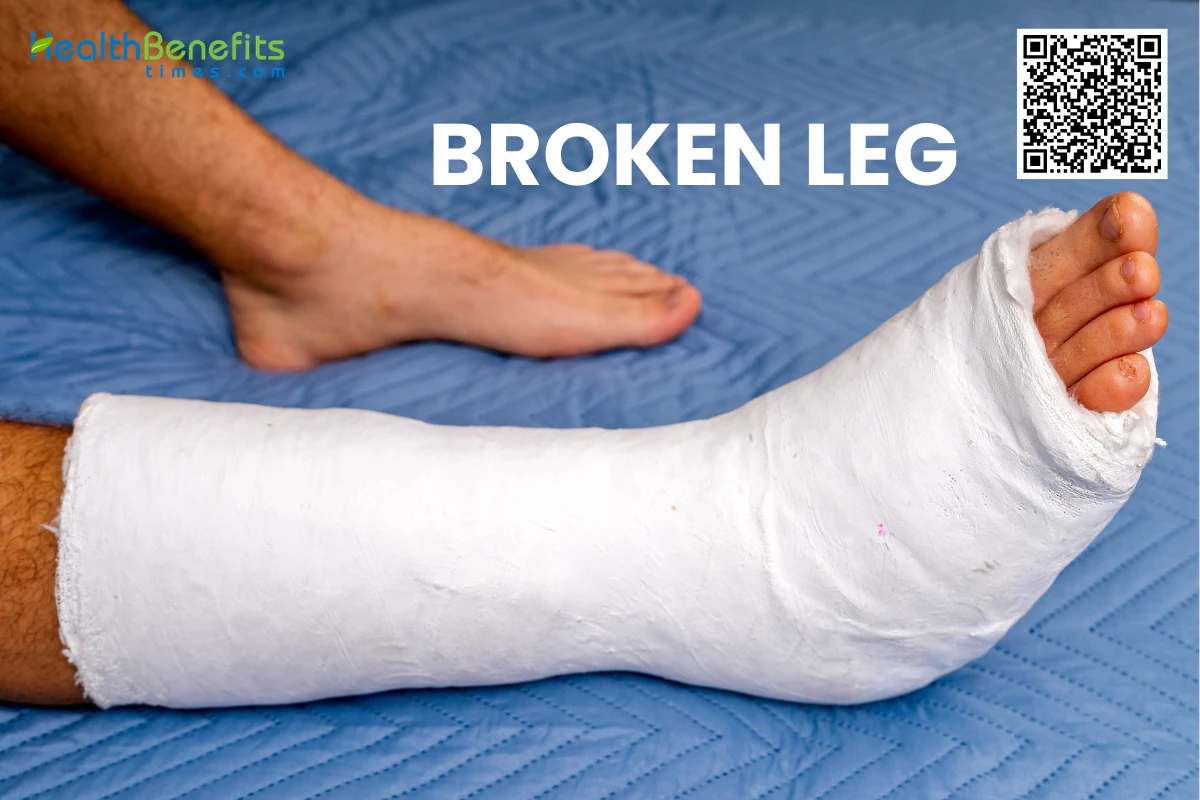
A broken leg at work can turn an ordinary day into a painful, expensive, and stressful mess. In many cases, workers’ compensation can help cover the fallout by paying for medical treatment and replacing part of your lost wages after a job-related injury.
Workers’ compensation is generally a no-fault system, which means benefits are usually available even when no one meant for the accident to happen, although the exact rules and procedures depend on state law. It also commonly covers injuries suffered in the course of employment, from falls and equipment accidents to other worksite incidents.
When a Broken Leg at Work Is Usually Covered
A broken leg is often covered by workers’ compensation if the injury happened while you were doing your job or performing work-related duties. That can include slipping on a wet floor, falling from a ladder, being struck by equipment, tripping over materials in a warehouse, or getting hurt during other job tasks. In general, workers’ comp is designed to pay benefits for job-related injuries without requiring the worker to prove the employer was negligent.
Coverage can also extend to aggravations of certain preexisting conditions in some situations, though that depends on the facts and state law. Still, not every injury is automatically covered. Claims may be challenged if the employer or insurer argues that the accident happened outside the scope of work, during horseplay, while commuting, or while the worker was intoxicated or intentionally causing harm.
What Benefits You May Receive After the Injury
If your claim is accepted, workers’ compensation usually pays for reasonable and necessary medical care related to the broken leg. That may include emergency treatment, X-rays, surgery, hospital care, medication, follow-up visits, physical therapy, mobility aids, and rehabilitation. Workers’ comp also typically provides partial wage replacement if the injury keeps you from working for a period of time, and some workers may qualify for longer-term disability benefits if the injury leaves lasting impairment.
In some cases, vocational rehabilitation may also be available if you cannot return to the same kind of work right away. The exact amount and duration of benefits vary by state, but the basic purpose is the same: to help injured workers recover medically and financially after a workplace injury.
What to Do After Suffering a Broken Leg on the Job
After a workplace accident, getting medical care should come first, because prompt treatment protects both your health and your claim. You should also report the injury to your employer as soon as possible, since workers’ compensation systems usually have deadlines for notice and filing. Delays can give insurers room to question what happened, whether the injury is work-related, or how serious it is.
Keep copies of incident reports, medical records, work restrictions, and any communication about missed time from work. If the claim is denied, delayed, or underpaid, speaking with a broken leg lawyer may help you understand your options and protect your right to benefits under your state’s workers’ compensation rules.
Why Some Claims Become Complicated
Even a straightforward broken leg claim can become complicated when there is a dispute over how the accident happened, whether the worker was acting within job duties, or how disabled the worker really is. Insurance carriers may also question ongoing treatment, the need for surgery, the length of time away from work, or whether a permanent impairment exists.
In addition, workers’ compensation usually limits lawsuits against the employer, but there are situations where a separate third-party claim may exist, such as when defective equipment or another non-employer party caused the injury. That is one reason injured workers should pay close attention to deadlines, medical documentation, and return-to-work instructions. A broken leg may sound simple on paper, but legally and financially, it can affect income, mobility, and future employment in a very real way.
Conclusion
Yes, you can often get workers’ compensation for a broken leg at work if the injury happened in the course of your employment and you follow the proper reporting and claims process. These benefits commonly include medical care, partial wage replacement, and sometimes longer-term disability support.
Because state laws differ, the details of coverage, deadlines, and disputes can change depending on where you work. Even so, a job-related broken leg is exactly the kind of injury workers’ compensation systems are generally meant to address.