

Health Benefits
    Facebook Twitter Instagram
    Friday, December 5
    Facebook Twitter Pinterest
    Health Benefits
    • Home
    • Dental Health
    • Mental Health
    • Weight Loss
    • Health Wiki
    • Nutrition
    • Healthy Recipe
    • BMI Calculator
    Health Benefits
    Home»Essential OIls»Galangal essential oil facts and health benefits
    Essential OIls

    Galangal essential oil facts and health benefits

    By s mMarch 13, 2017Updated:September 25, 2017No Comments4 Mins Read
    Facebook Twitter Pinterest LinkedIn Tumblr Email

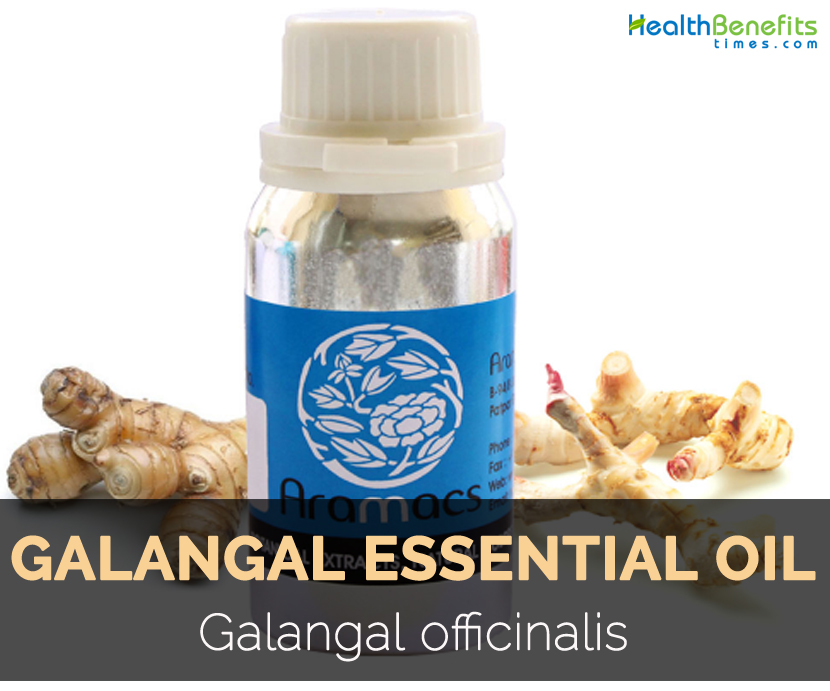
    Galangal essential oil is extracted from the roots of Galangal plant from the steam distillation method which belongs to the family Zingiberaceae and genus Alpinia. It has spicy and bitter taste. This herb is native to Malaysia, Thailand and Indonesia. It is used for medicinal purposs in India and Middle-East. Galangal is related with ginger having similar uses and qualities. Though it is non-irritant and non-toxic, it might cause sensitization in some peoples. It is used as a stimulant in natural medicine. It possesses antispasmodic and anti-bacterial properties.

    Health Benefits of Galangal essential oil

    • It helps to treat fatigue.
    • It enhances the circulation and assist joint and muscle stiffness.
    • It is used as a cure for digestion, congestion, skin problems and cholera.
    • This oil is a treatment for dyspepsia, flatulence, motion sickness, vomiting, travel sickness and colic.
    • It helps to treat rheumatoid arthritis and arthritis.
    • It is useful for treating respiratory problems such as catarrh, bronchitis, cold, asthma and flu.
    • It assists in digestion of intestinal fats.
    • It is also useful for tinea versicolor and gall bladder infections.
    • It enhance the mood if diffused or added to hot bath.
    • It is used in aromatherapy by adding 2 to 3 drops to hot bath that helps to relax muscles.
    • For better sleep, diffuse it at night.

    Precautions                                                                                                 

    • It should not be applied directly to the skin. Dilute it with carrier oil to use it topically.
    • Breastfeeding, pregnant women or people with sores and open wounds should not use it.

    How to Eat         

    This oil used in Thai and Indian curries and soups.

    Other Facts        

    • It combines well with atractylis, cardamom, black pepper, carnation, cedarwood, cascarilla, chamomile, clove, cinammon, coriander, cypress, cubeb, elemi, frankincense, fennel seed, geranium, grains of paradise, ginger, guaiacwood, ho leaf, hinoki root, ho wood, labdanum, juniper berry, laurel leaf, lovage, lavandin, marjoram, mace, mimosa, opoponax, myrtle, parsley seed, palmarosa, patchouli, pimento berry, rose, pine, rosewood, snakeroot, sandalwood, spikenard, tansy, sugandha kokila berry, tarragon, vetiver, turmeric, and zedoary.
    • This essential oil is used in skin care products such as lotions and soaps as well as perfumes.

    Galangal essential oil facts

    Galangal Root Essential Oil is also known as false ginger. The oil is extracted by using steam distillation method. It has nice fragrance and is closely related to Ginger. It acts as a stomachic and carminative. It provides relief from dyspepsia, unwanted gas, vomiting, nausea, motion illness and loss of appetite. It also treats common cold, fevers, sore throat, cough, infection, respiratory disease, rheumatism, gallbladder and liver complaints.

    Galangal essential oil facts and health benefits Quick Facts
    Name: Galangal essential oil facts and health benefits
    Scientific Name: Galangal officinalis
    Origin Glangal plant was originated in Indonesia. It was used in South-east Asian cuisines.
    Colors Light yellow
    Taste Bitter
    Health benefits Treats fatigue, Cures digestion, Promote mood, Provide sound sleep, Relax muscles
    Name Galangal essential oil facts and health benefits
    Scientific Name of Galangal Plant Galangal officinalis, Languas officinarium, Radix galanga
    Native Glangal plant was originated in Indonesia. It was used in South-east Asian cuisines.
    Common Names of Galangal Plant Chinese ginger, galingale, galanga root, Galangal, Indian Ginger, Galanga
    Extraction method Steam distilled
    Color Light yellow
    Aroma Fresh, spicy, sweet, woody
    Taste Bitter
    Traditional uses
    • It helps to treat fatigue and assist circulation.
    • It cures digestion, congestion, skin problems and cholera.
    • It effectively treats dyspepsia, flatulence, motion sickness, vomiting, travel sickness and colic.
    • It is useful for catarrh, bronchitis, cold, asthma and flu.
    • It helps to enhance mood.
    • It is used to relax muscles and provides sound sleep.
    Precautions
    • Dilute it with carrier oil to use it topically.
    • Do not use by breastfeeding, pregnant women or people with sores and open wounds.
    How to Eat This oil added to Thai and Indian curries and soups.
    Other Facts
    • It is mixed with atractylis, cardamom, black pepper, carnation, cedarwood, cascarilla, chamomile, clove, cinammon, coriander, cypress, cubeb, elemi, frankincense, fennel seed, geranium, grains of paradise, ginger, guaiacwood, ho leaf, hinoki root, ho wood, labdanum, juniper berry, laurel leaf, lovage, lavandin, marjoram, mace, mimosa, opoponax, myrtle, parsley seed, palmarosa, patchouli, pimento berry, rose, pine, rosewood, snakeroot, sandalwood, spikenard, tansy, sugandha kokila berry, tarragon, vetiver, turmeric, and zedoary.
    • It is added to lotions, soaps and perfumes.


    References:

    https://www.baseformula.com/galangal-essential-oil

    http://www.essentialoil.in/galangal-oil.html

    http://www.alchemy-works.com/essential_oils_galangal.html

    74%
    74%
    Awesome

    Comments

    comments

    Essential OIls
    Share. Facebook Twitter Pinterest LinkedIn Tumblr Email
    Previous ArticleCubeb essential oil facts and benefits
    Next Article Henna oil facts and uses

    Related Posts

    Health benefits of Lilac Essential oil

    January 22, 2020

    Essential oils for the skin and hair

    April 18, 2019

    How To Use Essential Oil

    April 8, 2019

    Comments are closed.


    Categories
    • Beverages (78)
    • Dairy (28)
    • Dental Health (15)
    • Equipment (5)
    • Essential OIls (196)
    • Facts (2,939)
    • Foods (255)
    • Fruits (516)
    • Giveaway (1)
    • Grains and Cereals (36)
    • Health & Beauty (763)
    • Herbs and Spices (1,249)
    • Medicines (9)
    • Mental Health (19)
    • Nutritional value (27)
    • Nuts and seeds (73)
    • Oils (81)
    • Pets (4)
    • Poultry & Seafoods (67)
    • Pulses and Beans (16)
    • Reviews (25)
    • supplement (2)
    • Vegetables (304)
    • Weight Loss (22)

    What is Lupin Bean Flour?

    Science Backed Health Benefits of Durian (Durio zibethinus)

    Science Backed Health Benefits of Feijoa (Pineapple Guava) (Acca sellowiana)

    Science Backed Health Benefits of Gac Fruit (Momordica cochinchinensis)

    Science Backed Health Benefits of Amaranth Leaves (Amaranthus spp)

    Science Backed Health Benefits of Arrowhead (Sagittaria sagittifolia)

    ABOUT
    Home
    About us
    Contact us
    Privacy Policy
    Terms & conditions
    Disclaimer
    Direct Communication
    e-mail: [email protected]
    Gmail: [email protected]
    Whatsapp: +977-9841146511
    Viber: +977-9841146511
    Useful
    Health Wiki
    Nutrition
    Facebook Twitter Pinterest
    © 2025 www.healthbenefitstimes.com All rights reserved.

    Type above and press Enter to search. Press Esc to cancel.

    ×

    Log In

    Forgot Password?

    Not registered yet? Create an Account